

אבן טבעית הוא אחד החומרים הנפוצים ביותר בשימוש בבתים ובגנים. אבל האם אי פעם עצרתם לתהות מאיפה הגיעו אריחי האבן, הלבנים או הריצוף הספציפיים שלכם?
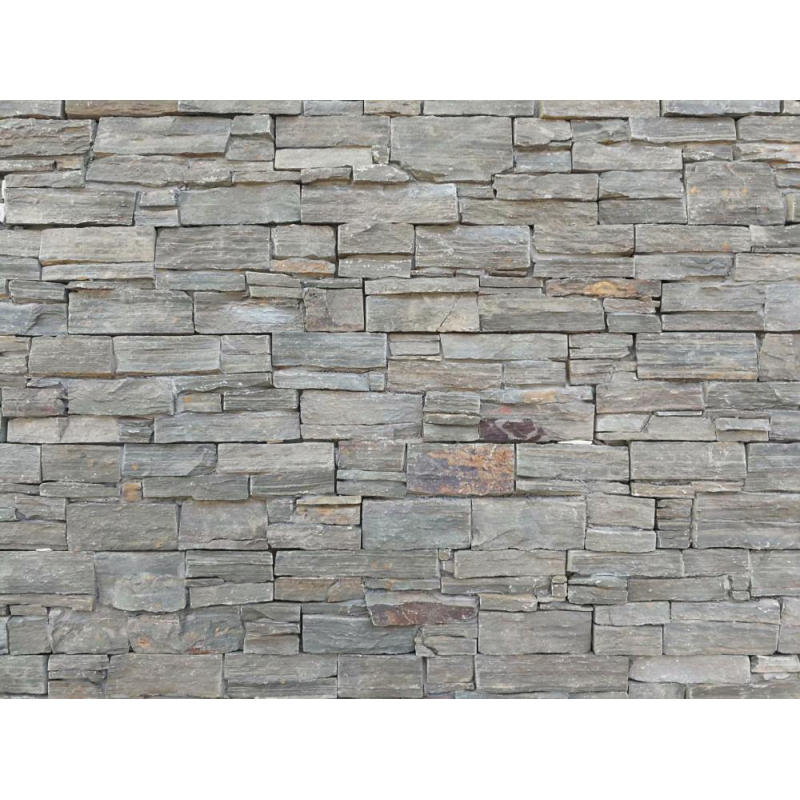
Natural stone was created thousands of years ago when the Earth was just a ball of mineral gases. As these gases began to cool down, they compressed and solidified to form the world we know today. It was during this process that natural stone was formed – the type of stone created depends on what type of minerals were combined at that time. This was a slow process that occurred over millions of years. As the Earth began to settle, many of these seams of stone were gradually pushed to the surface by heat and pressure, creating the large formations we see today.
Stone can come from anywhere in the world, and the type of stone is determined by its origins. There are quarries in America, Mexico, Canada, Italy, Turkey, Australia, and Brazil, as well as many other countries around the globe. Some countries have multiple natural stone quarries, whilst others only have a few. Let’s look in closer detail at where particular stones originate and how they were formed.
שַׁיִשׁ is the result of limestone that has been altered through heat and pressure. It’s a versatile stone that can be used on virtually anything – statues, stairs, walls, bathrooms, counter tops, and more. Usually seen in white, marble is also common in black and grey tints, and has great weather endurance.
קוורציט מקורו באבן חול ששונתה באמצעות חום ודחיסה. האבן מגיעה בעיקר בלבן, אך ניתן למצוא בה גם גוונים חומים, אפורים או ירקרקים. זהו אחד מסוגי האבן הטבעית הקשים ביותר, מה שהופך אותו לבחירה מצוינת לבניית חזיתות, משטחים ומבנים אחרים הדורשים אבנים כבדות.
גרָנִיט במקור הייתה אבן בקע שנחשפה למאגמה (לבה) ושונתה בעקבות החשיפה למינרלים שונים. האבן מצויה בדרך כלל במדינות שראו פעילות וולקנית גבוהה בשלב מסוים, והיא זמינה במגוון עצום של צבעים משחור, חום, אדום, לבן וכמעט בכל הצבעים שביניהם. גרניט הוא אופציה מצוינת למטבחים וחדרי אמבטיה בשל איכויותיו האנטיבקטריאליות.
אֶבֶן גִיר הוא תוצאה של דחיסה של אלמוגים, צדפים וחיי אוקיינוס אחרים יחד. ישנם שני סוגים של אבן גיר, סוג קשה יותר שכולו סידן וסוג רך יותר עם יותר מגנזיום. אבן גיר קשה משמשת לעתים קרובות בתעשיית הבנייה, או טחינה ומשמשת בטיט בשל איכותה עמידה למים.
בלוסטון is sometimes referred to as basalt, and is one of the most common natural stones around the world. Bluestone forms through the alteration of lava, and because of this, is one of the closest stones to the Earth’s surface. Basalt is generally darker in colour, and is used as house roofing and floor tiles because of its hard texture.
צִפחָה נוצר כאשר משקעי פצלים ואבני בוץ שונו באמצעות חום ולחץ. זמין בצבעים משחור, סגול, כחול, ירוק ואפור, צפחה הפכה לבחירה פופולרית עבור קירוי שכן ניתן לחתוך אותו דק ולעמוד בטמפרטורות קרות עם מינימום נזק. צפחה משמשת לעתים קרובות גם כאריחי רצפה בשל אופיו המתמשך.
טרוורטין is created when floodwaters wash through limestone, leaving mineral deposits throughout. As it dries out, the extra minerals solidify to gradually create a much denser material called travertine. This stone is good as a replacement for marble or granite, as it’s much lighter and easier to work with, yet still durable. For this reason travertine is often used on floors or walls, and is estimated to last around fifty years if maintained regularly.
 אַפְרִיקַנִי
  אלבני
אלבני  אמהרית
  עֲרָבִית
  אַרְמֶנִי
  אזרבייג'נית
  באסקית
  בלארוסית
  בנגלית
  בוסנית
  בולגרית
  קטלאנית
  סבואנו
  חרסינה
  סין (טייוואן)
  קורסיקאי
  קרואטית
  צ'כית
צ'כית  דַנִי
דַנִי  הוֹלַנדִי
  אנגלית
  אֶסְפֵּרַנְטוֹ
  אסטונית
  פִינִית
  צָרְפָתִית
  פריזית
  גליציאנית
  גרוזינית
  גֶרמָנִיָת
  יווני
יווני  גוג'ראטי
  קריאולי האיטי
  האוסה
האוסה  הוואי
הוואי  עִברִית
  לא
לא  מיאו
מיאו  הוּנגָרִי
  איסלנדית
  איבו
איבו  אינדונזית
  אִירִית
  אִיטַלְקִית
  יַפָּנִית
  ג'אוואנית
  קנאדה
קנאדה  קזחית
קזחית  חמר
חמר  רואנדה
  קוריאנית
  כּוּרדִי
  קירגיזית
  שַׁחֶפֶת
  לָטִינִית
  לטבית
לטבית  ליטאית
  לוקסמבורג
  מקדונית
  מלגאשי
  מלאית
מלאית  מלאיאלאם
  מלטזית
  מאורי
מאורי  מראטי
מראטי  מוֹנגוֹלִי
  מיאנמר
  נפאלית
  נורבגית
  נורבגית
  אוקסיטנית
  פשטו
פשטו  פַּרסִית
  פולני
פולני  פורטוגזית
  פנג'בי
  רומנית
  רוּסִי
  סמואנית
  גאלית סקוטית
  סרבית
סרבית  אנגלית
  שונה
שונה  סינדהי
  סינהאלה
  סלובקית
  סלובנית
  סומלי
סומלי  ספרדית
  סונדני
  סוואהילית
  שוודית
  טאגלוג
  טג'יקית
  טמילית
  טטרית
טטרית  טלוגו
טלוגו  תאילנדית
  טורקי
טורקי  טורקמנית
  אוקראינית
  אורדו
אורדו  אויגורי
  אוזבקית
  וייטנאמית
  וולשית




