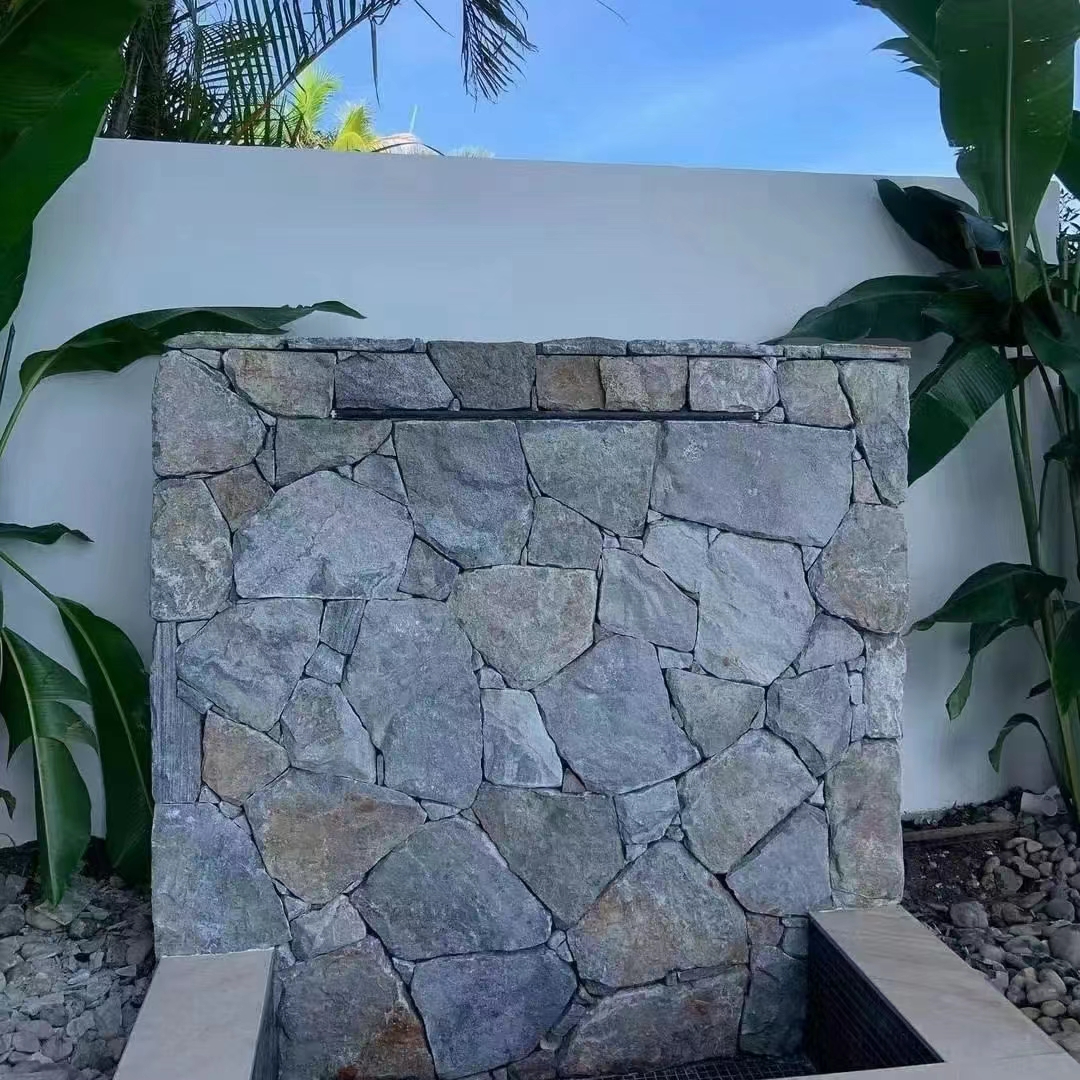
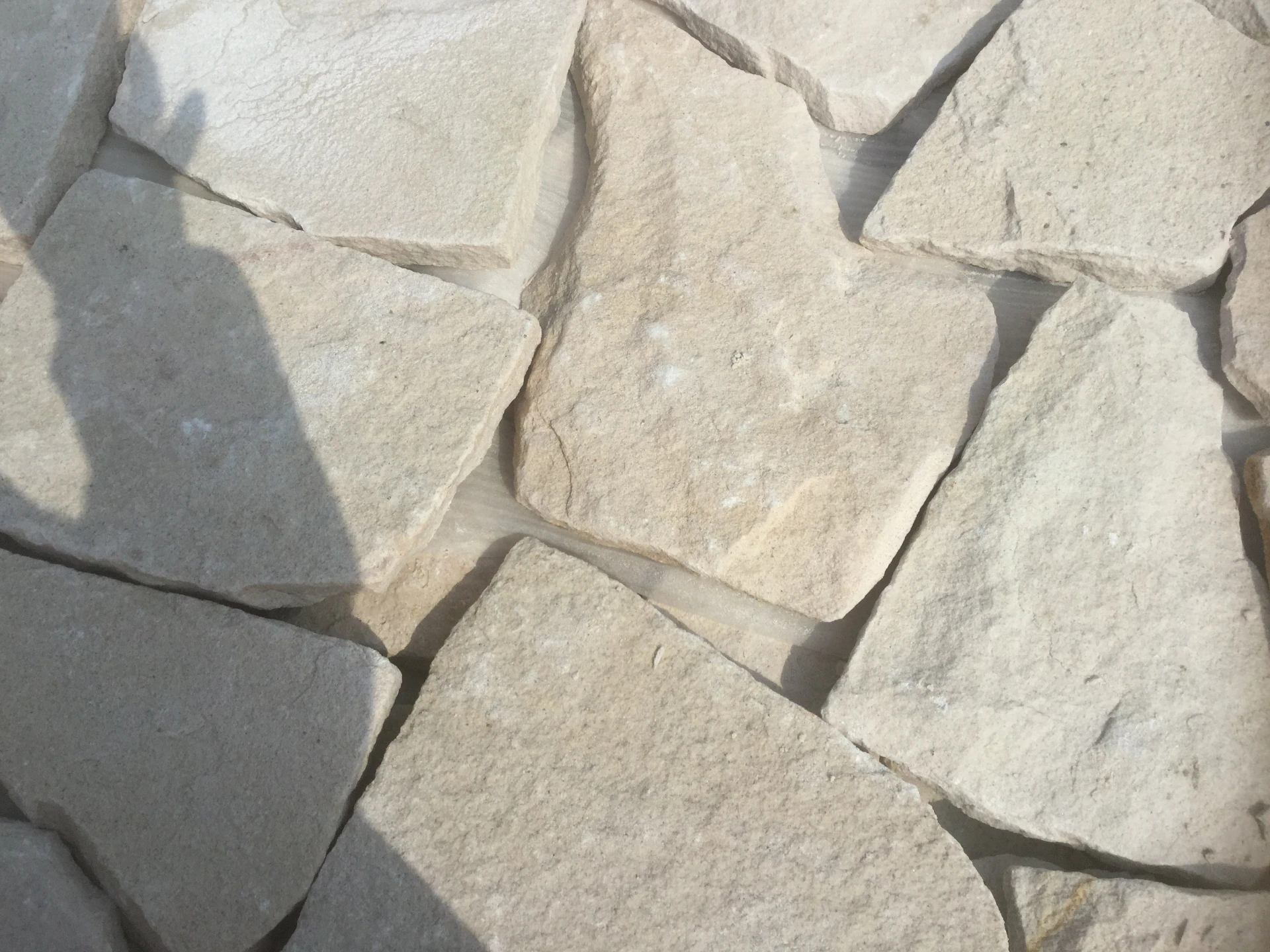
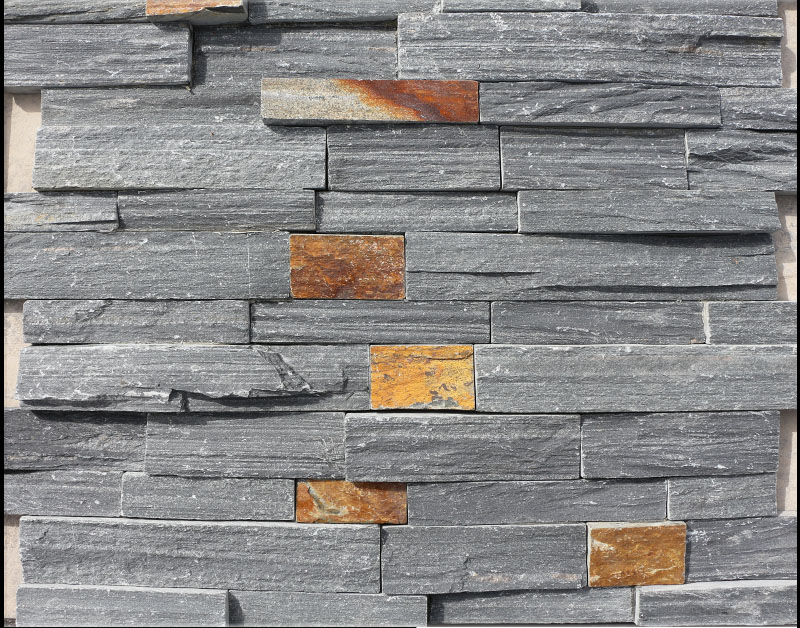
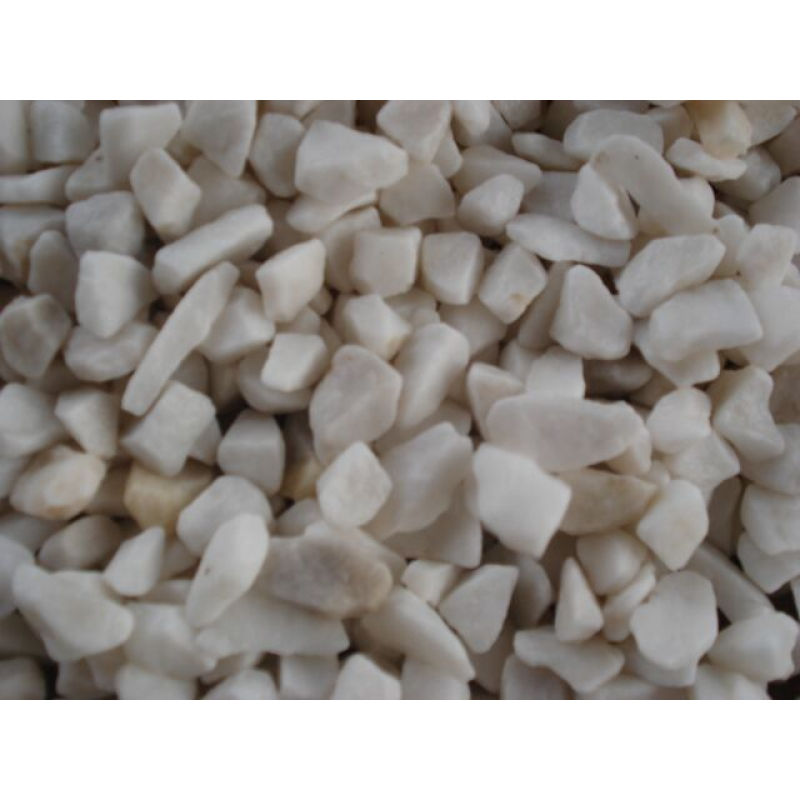
Piedra natural Es uno de los materiales más utilizados en casas y jardines. Pero, ¿alguna vez se ha detenido a preguntarse de dónde provienen sus losas de piedra, ladrillos o pisos en particular?
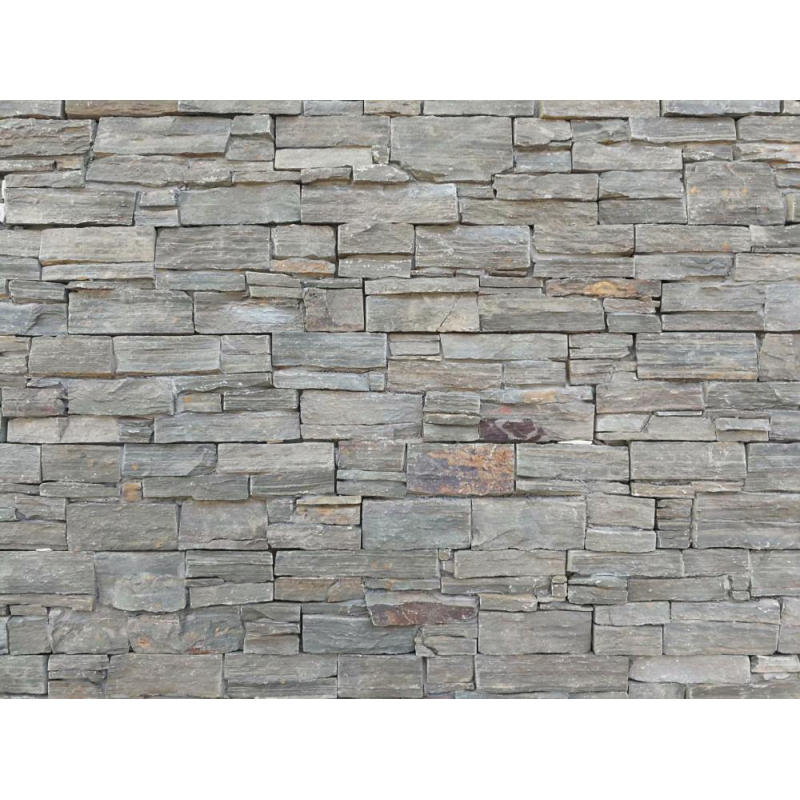
Natural stone was created thousands of years ago when the Earth was just a ball of mineral gases. As these gases began to cool down, they compressed and solidified to form the world we know today. It was during this process that natural stone was formed – the type of stone created depends on what type of minerals were combined at that time. This was a slow process that occurred over millions of years. As the Earth began to settle, many of these seams of stone were gradually pushed to the surface by heat and pressure, creating the large formations we see today.
Stone can come from anywhere in the world, and the type of stone is determined by its origins. There are quarries in America, Mexico, Canada, Italy, Turkey, Australia, and Brazil, as well as many other countries around the globe. Some countries have multiple natural stone quarries, whilst others only have a few. Let’s look in closer detail at where particular stones originate and how they were formed.
Mármol is the result of limestone that has been altered through heat and pressure. It’s a versatile stone that can be used on virtually anything – statues, stairs, walls, bathrooms, counter tops, and more. Usually seen in white, marble is also common in black and grey tints, and has great weather endurance.
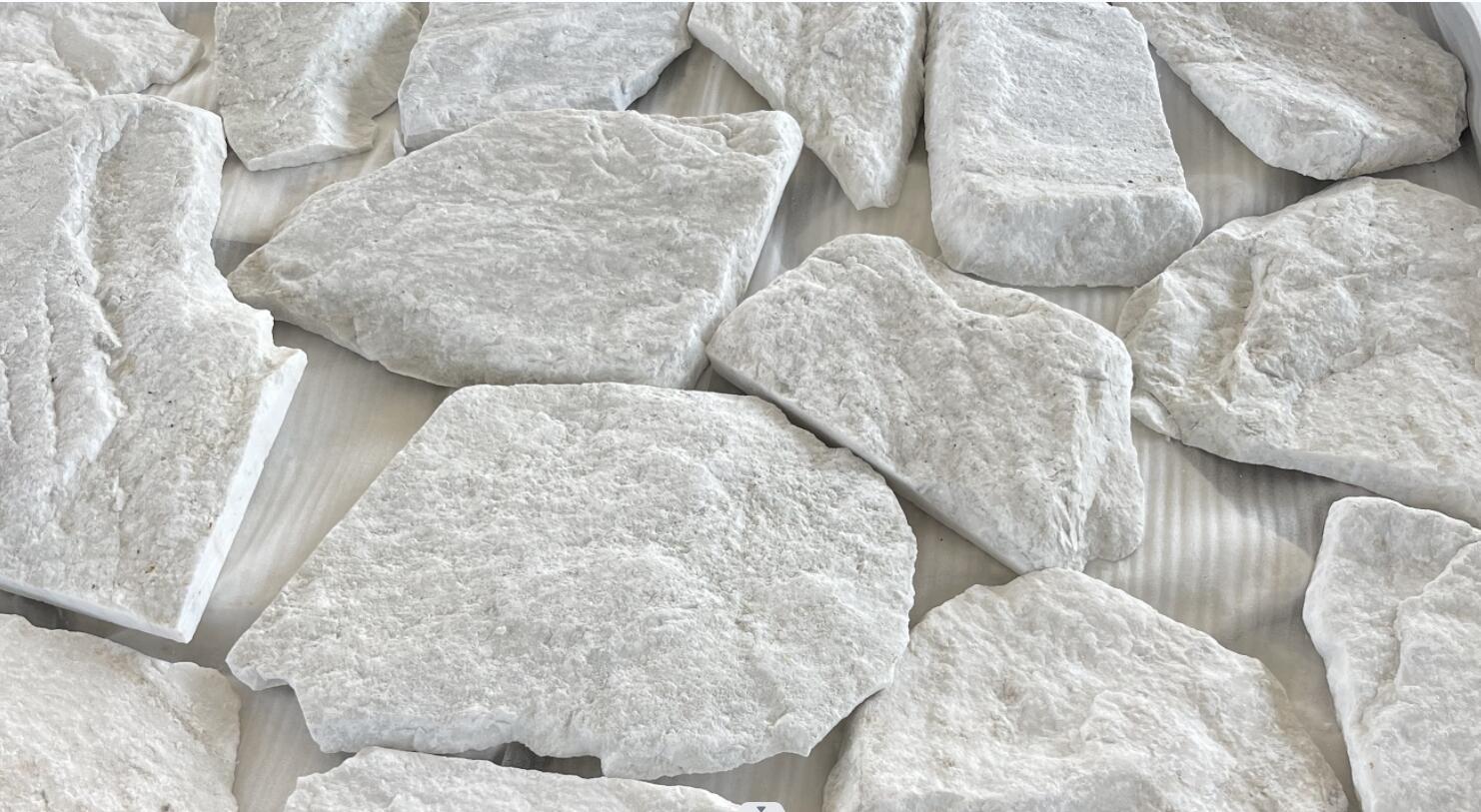
Cuarcita Se origina a partir de arenisca que ha sido alterada por el calor y la compresión. La piedra viene principalmente en color blanco, pero también se puede encontrar con tintes marrones, grises o verdosos. Es uno de los tipos de piedra natural más dura, lo que la convierte en una excelente opción para fachadas de edificios, encimeras y otras estructuras que requieren piedras de alta resistencia.
Granito Originalmente era una piedra ígnea que había sido expuesta al magma (lava) y alterada por la exposición a diferentes minerales. La piedra se encuentra comúnmente en países que han visto una alta actividad volcánica en algún momento y está disponible en una gran variedad de colores, desde negro, marrón, rojo, blanco y casi todos los colores intermedios. El granito es una gran opción para cocinas y baños debido a sus cualidades antibacterianas.
Caliza es el resultado de la compresión conjunta de corales, conchas marinas y otras formas de vida oceánica. Hay dos tipos de piedra caliza, una más dura que está llena de calcio y una más blanda con más magnesio. La piedra caliza dura se utiliza a menudo en la industria de la construcción o se muele y se utiliza en mortero debido a su calidad impermeable.
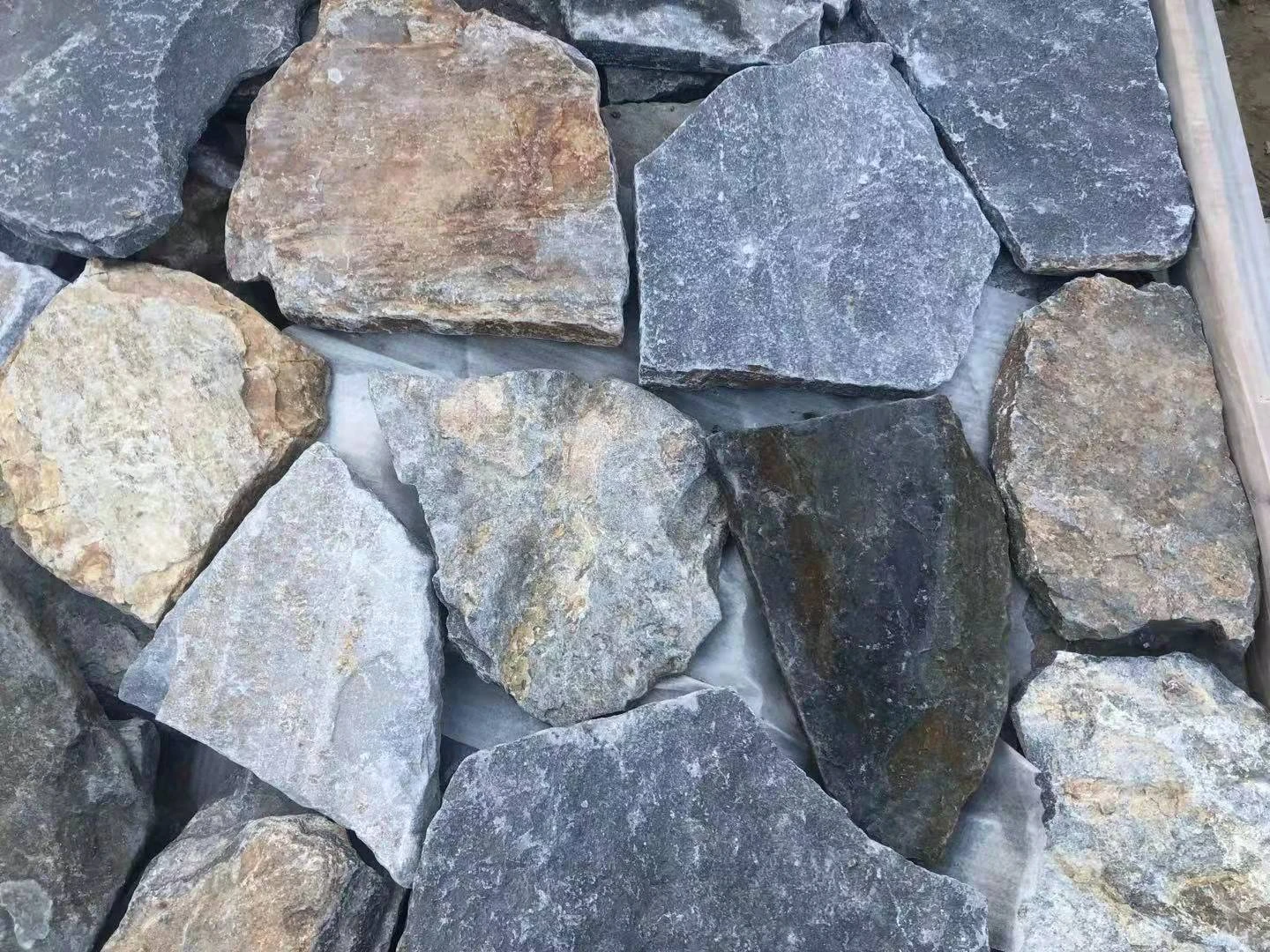
Sulfato de cobre is sometimes referred to as basalt, and is one of the most common natural stones around the world. Bluestone forms through the alteration of lava, and because of this, is one of the closest stones to the Earth’s surface. Basalt is generally darker in colour, and is used as house roofing and floor tiles because of its hard texture.
Pizarra Se creó cuando los sedimentos de esquisto y lutita se alteraron mediante el calor y la presión. Disponible en colores negro, morado, azul, verde y gris, la pizarra se ha convertido en una opción popular para tejados, ya que se puede cortar en capas finas y soportar temperaturas frías con un daño mínimo. La pizarra también se utiliza a menudo como revestimiento de suelos debido a su naturaleza duradera.
Tufo is created when floodwaters wash through limestone, leaving mineral deposits throughout. As it dries out, the extra minerals solidify to gradually create a much denser material called travertine. This stone is good as a replacement for marble or granite, as it’s much lighter and easier to work with, yet still durable. For this reason travertine is often used on floors or walls, and is estimated to last around fifty years if maintained regularly.
 africano
  albanés
  amárico
  Arábica
  armenio
  azerbaiyano
  vasco
vasco  bielorruso
  bengalí
  bosnio
  búlgaro
  catalán
  cebuano
  Porcelana
  China (Taiwán)
  corso
corso  croata
  checo
checo  danés
danés  Holandés
  Inglés
  esperanto
  estonio
  finlandés
  Francés
  frisio
  gallego
  georgiano
  Alemán
  Griego
  gujarati
  criollo haitiano
  hausa
hausa  hawaiano
  hebreo
  No
No  Miao
Miao  húngaro
  islandés
  igbo
igbo  indonesio
  irlandesa
  italiano
  japonés
  javanés
  canarés
  kazajo
  jemer
jemer  ruandés
  coreano
  kurdo
kurdo  Kirguistán
  tuberculosis
  latín
latín  letón
letón  lituano
  luxemburgués
  macedónio
  Malgashi
  malayo
  malayalam
  maltés
  maorí
maorí  marathi
  mongol
  Birmania
  nepalí
  noruego
  noruego
  occitano
  pastún
  persa
persa  Polaco
  portugués
  punjabi
  rumano
  ruso
ruso  samoano
  gaélico escocés
  serbio
  Inglés
  Shona
Shona  Sindhi
  cingalés
  eslovaco
  esloveno
  somalí
  Español
  sundanés
  swahili
  sueco
sueco  tagalo
  tayiko
  Tamil
Tamil  tártaro
  telugu
  tailandés
  turco
turco  turcomano
  ucranio
  urdu
urdu  uigur
uigur  uzbeko
  vietnamita
  galés
galés