

Ibuye risanzwe ni kimwe mu bikoresho bikoreshwa cyane mu ngo no mu busitani. Ariko wigeze uhagarara ngo wibaze aho amabati yawe yihariye, amatafari, cyangwa igorofa yaturutse?
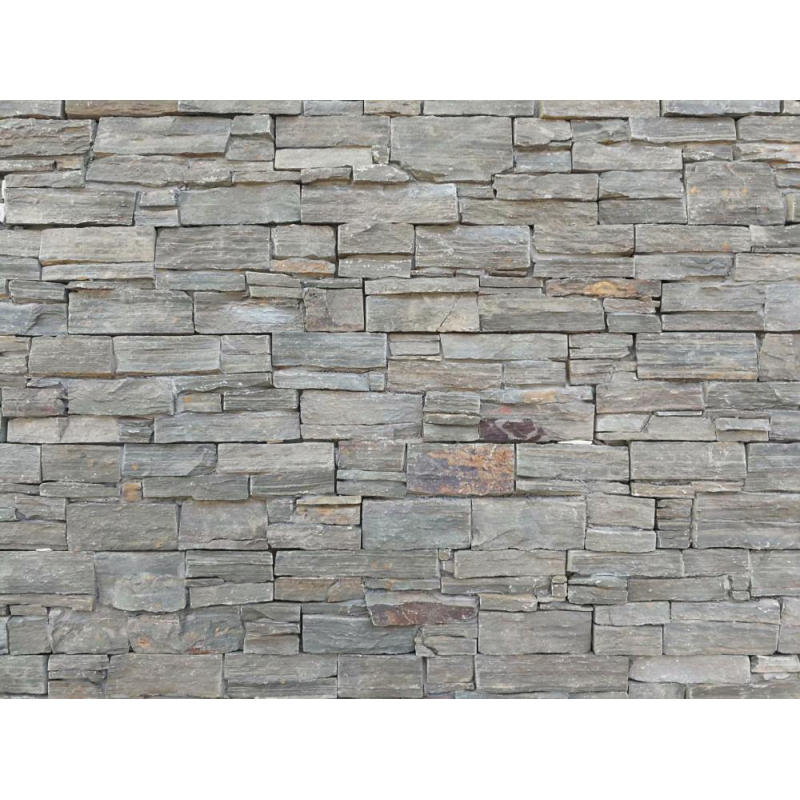
Natural stone was created thousands of years ago when the Earth was just a ball of mineral gases. As these gases began to cool down, they compressed and solidified to form the world we know today. It was during this process that natural stone was formed – the type of stone created depends on what type of minerals were combined at that time. This was a slow process that occurred over millions of years. As the Earth began to settle, many of these seams of stone were gradually pushed to the surface by heat and pressure, creating the large formations we see today.
Stone can come from anywhere in the world, and the type of stone is determined by its origins. There are quarries in America, Mexico, Canada, Italy, Turkey, Australia, and Brazil, as well as many other countries around the globe. Some countries have multiple natural stone quarries, whilst others only have a few. Let’s look in closer detail at where particular stones originate and how they were formed.
Marble is the result of limestone that has been altered through heat and pressure. It’s a versatile stone that can be used on virtually anything – statues, stairs, walls, bathrooms, counter tops, and more. Usually seen in white, marble is also common in black and grey tints, and has great weather endurance.
Quartzite bikomoka ku mucanga wahinduwe binyuze mu bushyuhe no kwikuramo. Ibuye riza cyane cyane ryera, ariko rishobora no kuboneka rifite ibara ryijimye, imvi, cyangwa icyatsi kibisi. Nubwoko bumwe bwubwoko bukomeye bwamabuye, bukaba ari amahitamo meza yo kubaka ibice, impande zombi, nizindi nyubako zisaba amabuye aremereye.
Granite mu ntangiriro yari ibuye ryaka ryagaragaye kuri magma (lava) kandi ryahinduwe binyuze mu guhura n'amabuye y'agaciro atandukanye. Ibuye rikunze kuboneka mubihugu byabonye ibikorwa byinshi byibirunga mugihe runaka, kandi biraboneka mumabara atandukanye cyane kuva umukara, umukara, umutuku, umweru, kandi hafi y'amabara yose hagati. Granite ninzira nziza mugikoni nubwiherero kubera imiterere ya antibacterial.
Ikibuye ni ibisubizo byo kwikuramo korali, inyanja, nubundi buzima bwinyanja hamwe. Hariho ubwoko bubiri bwa hekeste, ubwoko bukomeye bwuzuye calcium, nubwoko bworoshye hamwe na magnesium nyinshi. Amabuye akomeye akoreshwa kenshi mubikorwa byubwubatsi, cyangwa hasi hanyuma agakoreshwa muri minisiteri kubera ubwiza bwayo butagira amazi.
Bluestone is sometimes referred to as basalt, and is one of the most common natural stones around the world. Bluestone forms through the alteration of lava, and because of this, is one of the closest stones to the Earth’s surface. Basalt is generally darker in colour, and is used as house roofing and floor tiles because of its hard texture.
Urupapuro yaremewe mugihe imyanda ya shale nicyondo yahinduwe binyuze mubushyuhe nigitutu. Biboneka mu mabara kuva umukara, umutuku, ubururu, icyatsi, n'icyatsi, icyapa cyahindutse icyamamare cyo gusakara kuko gishobora gucibwa neza kandi kigahanganira ubushyuhe bukonje kandi bwangiritse cyane. Slate nayo ikoreshwa kenshi nka tilingdue kuri kamere yayo ihoraho.
Travertine is created when floodwaters wash through limestone, leaving mineral deposits throughout. As it dries out, the extra minerals solidify to gradually create a much denser material called travertine. This stone is good as a replacement for marble or granite, as it’s much lighter and easier to work with, yet still durable. For this reason travertine is often used on floors or walls, and is estimated to last around fifty years if maintained regularly.
 Umunyafurika
  Ikinyalubaniya
  Amharic
  Icyarabu
  Ikinyarumeniya
  Azaribayijan
  Basque
  Biyelorusiya
  Ikibengali
  Bosiniya
  Buligariya
  Igikatalani
  Cebuano
  Ubushinwa
  Ubushinwa (Tayiwani)
  Corsican
  Igikorowasiya
  Ceki
Ceki  Danemark
  Ikidage
  Icyongereza
  Esperanto
  Esitoniya
  Igifinilande
  Igifaransa
  Igifaransa
  Abagalatiya
  Jeworujiya
  Ikidage
  Ikigereki
  Gujarati
  Igikerewole
  hausa
hausa  hawaiian
  Igiheburayo
  Oya
Oya  Miao
Miao  Hongiriya
  Isilande
  igbo
igbo  Indoneziya
  irish
irish  Umutaliyani
  Ikiyapani
  Javanese
  Kannada
  kazakh
  Khmer
Khmer  Rwanda
  Igikoreya
  Kurdish
  Kirigizisitani
  Igituntu
  Ikilatini
  Ikilatini
  Lituwaniya
  Luxembourgish
  Abanyamakedoniya
  Malgashi
  Malayika
  Malayalam
  Maltese
  Maori
Maori  Marathi
  Mongoliya
  Miyanimari
  Nepali
  Noruveje
  Noruveje
  Occitan
  Pashto
  Persian
  Igipolonye
  Igiporutugali
  Punjabi
  Ikinyarumaniya
  Ikirusiya
  Samoan
  Abanya-Gaelic
  Igiseribiya
  Icyongereza
  Shona
Shona  Sindhi
  Sinhala
  Igisilovakiya
  Igisiloveniya
  Somaliya
  Icyesipanyoli
  Sundanese
  Igiswahiri
  Igisuwede
  Tagalog
  Tajik
Tajik  Tamil
Tamil  Tatar
Tatar  Telugu
  Tayilande
  Turukiya
  Abanyaturukiya
  Ukraine
  Urdu
Urdu  Uighur
  Uzbek
Uzbek  Abanya Vietnam
  Welsh
Welsh 




