

watu alam minangka salah sawijining bahan sing paling umum digunakake ing omah lan kebon. Nanging sampeyan wis tau mandheg mikir saka ngendi ubin watu, bata, utawa lantai sampeyan teka?
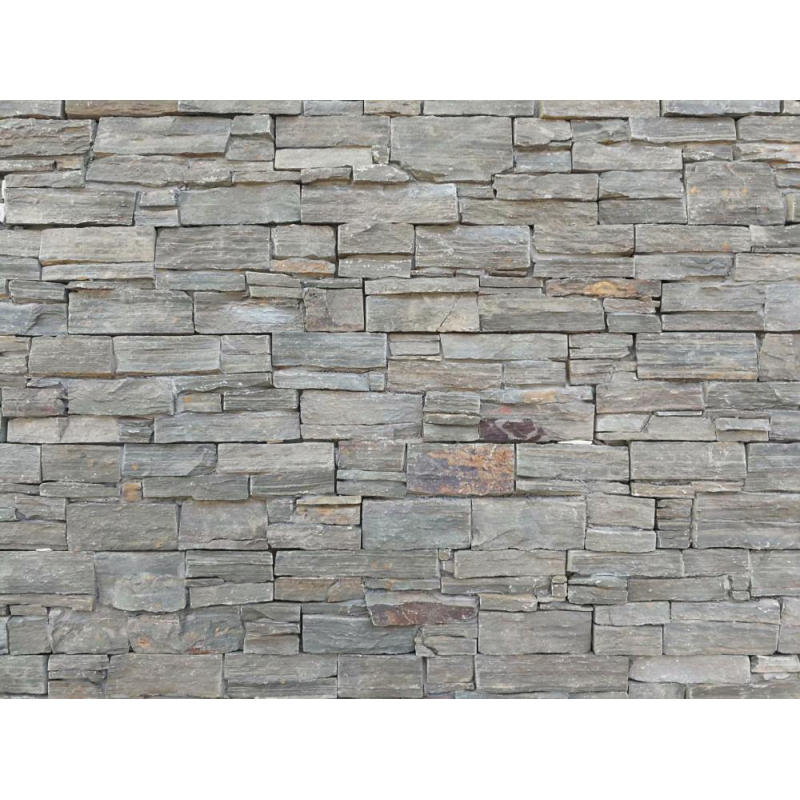
Natural stone was created thousands of years ago when the Earth was just a ball of mineral gases. As these gases began to cool down, they compressed and solidified to form the world we know today. It was during this process that natural stone was formed – the type of stone created depends on what type of minerals were combined at that time. This was a slow process that occurred over millions of years. As the Earth began to settle, many of these seams of stone were gradually pushed to the surface by heat and pressure, creating the large formations we see today.
Stone can come from anywhere in the world, and the type of stone is determined by its origins. There are quarries in America, Mexico, Canada, Italy, Turkey, Australia, and Brazil, as well as many other countries around the globe. Some countries have multiple natural stone quarries, whilst others only have a few. Let’s look in closer detail at where particular stones originate and how they were formed.
Marmer is the result of limestone that has been altered through heat and pressure. It’s a versatile stone that can be used on virtually anything – statues, stairs, walls, bathrooms, counter tops, and more. Usually seen in white, marble is also common in black and grey tints, and has great weather endurance.
Kuarsit asale saka sandstone sing wis diowahi liwat panas lan kompresi. Watu kasebut utamane ana ing warna putih, nanging uga bisa ditemokake kanthi warna coklat, abu-abu, utawa ijo. Iki minangka salah sawijining jinis watu alam sing paling angel, dadi pilihan sing apik kanggo mbangun fasad, countertops, lan struktur liyane sing mbutuhake watu tugas abot.
Granit wiwitane minangka watu beku sing wis kapapar magma (lava) lan diowahi liwat paparan mineral sing beda. Watu iki umume ditemokaké ing negara sing wis katon aktivitas vulkanik dhuwur ing sawetara titik, lan kasedhiya ing macem-macem ageng saka werna saka ireng, coklat, abang, putih, lan meh kabeh werna ing antarane. Granit minangka pilihan sing apik kanggo pawon lan jedhing amarga kuwalitas antibakteri.
watu gamping minangka asil saka kompresi karang, kerang, lan urip segara liyane bebarengan. Ana rong jinis watu gamping, jinis sing luwih keras sing kebak kalsium, lan jinis sing luwih lembut kanthi magnesium luwih akeh. Watu gamping atos asring digunakake ing industri bangunan, utawa lemah lan digunakake ing mortir amarga kualitas anti banyu.
Bluestone is sometimes referred to as basalt, and is one of the most common natural stones around the world. Bluestone forms through the alteration of lava, and because of this, is one of the closest stones to the Earth’s surface. Basalt is generally darker in colour, and is used as house roofing and floor tiles because of its hard texture.
Slate digawe nalika sedimen shale lan mudstone diowahi liwat panas lan tekanan. Kasedhiya ing werna saka ireng, ungu, biru, ijo, lan werna abu-abu, slate wis dadi pilihan populer kanggo roofing amarga bisa dipotong tipis lan tahan suhu adhem kanthi karusakan minimal. Slate uga asring digunakake minangka jubin lantai amarga sifate sing tahan lama.
Travertine is created when floodwaters wash through limestone, leaving mineral deposits throughout. As it dries out, the extra minerals solidify to gradually create a much denser material called travertine. This stone is good as a replacement for marble or granite, as it’s much lighter and easier to work with, yet still durable. For this reason travertine is often used on floors or walls, and is estimated to last around fifty years if maintained regularly.
 Afrika
  basa Albania
  Amharic
  Arab
Arab  wong Armenia
  Azerbaijan
  Basque
  Belarusia
  Bengali
  Bosnia
  basa Bulgaria
  Katalan
  Cebuano
  Cina
Cina  China (Taiwan)
  Korsika
  basa Kroasia
  Ceko
Ceko  Danish
  Walanda
  Inggris
  Esperanto
  basa Estonia
  basa Finlandia
  Prancis
  Frisian
  Galician
  Georgian
  Jerman
  Yunani
  Gujarati
  Kreol Haiti
  hausa
hausa  hawaii
  basa Ibrani
  Ora
Ora  Miao
Miao  Hungaria
  basa Islandia
  igbo
igbo  basa Indonesia
  irlandia
  basa Italia
  Jepang
  basa jawa
  Kannada
  kazakh
  Khmer
Khmer  wong Rwanda
  Korea
Korea  Kurdi
Kurdi  Kyrgyz
  TB
TB  latin
latin  Latvia
  Lithuania
  Luksemburg
  Makedonia
  Malgashi
  Melayu
  Malayalam
  wong Malta
  Maori
Maori  Marathi
  Mongolian
  Myanmar
  Nepali
  basa Norwegia
  basa Norwegia
  Occitan
  Pashto
  Persia
  Polandia
  Portugis
  Punjabi
  basa Rumania
  Rusian
  Samoan
  Gaelik Skotlandia
  basa Serbia
  Inggris
  Shona
Shona  Sindhi
  Sinhala
  basa Slowakia
  basa Slovenia
  Somali
  Spanyol
  Sundha
  Swahili
  Swedia
  Tagalog
  Tajik
Tajik  Tamil
Tamil  Tatar
Tatar  Telugu
  Thai
Thai  basa Turki
  Turkmen
  Ukrainia
  Basa Urdu
  Uighur
  Uzbek
Uzbek  Vietnam
  Welsh
Welsh 




