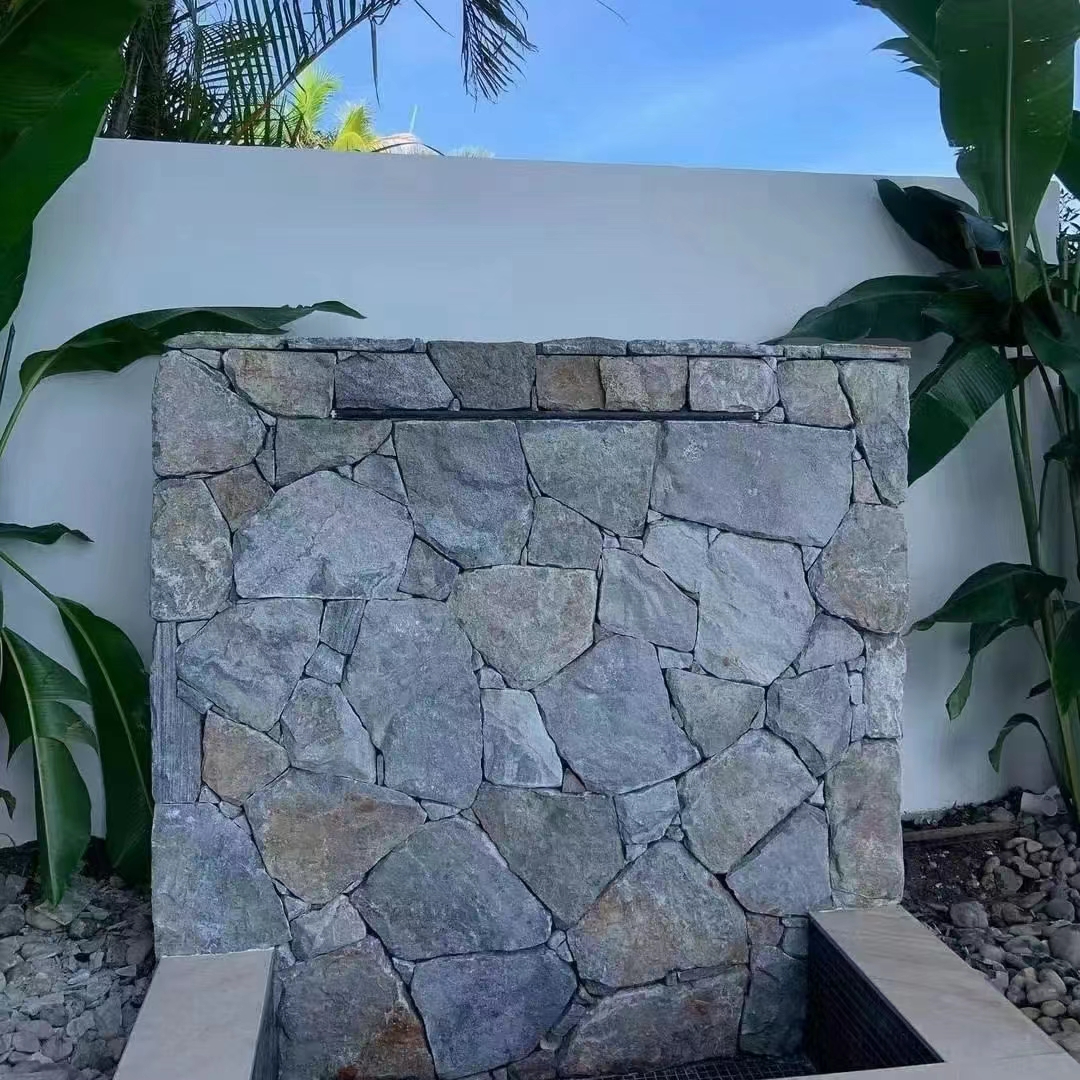
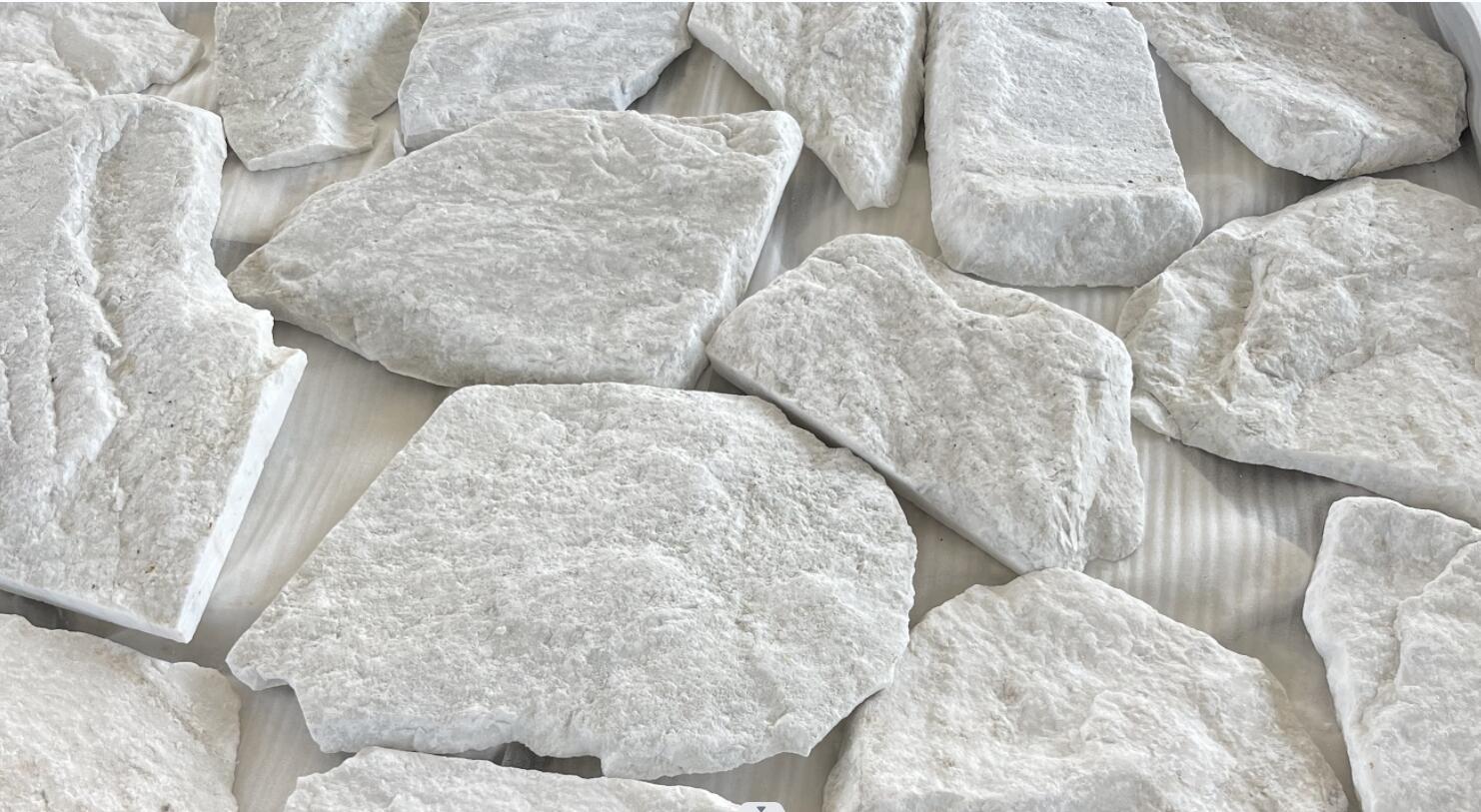
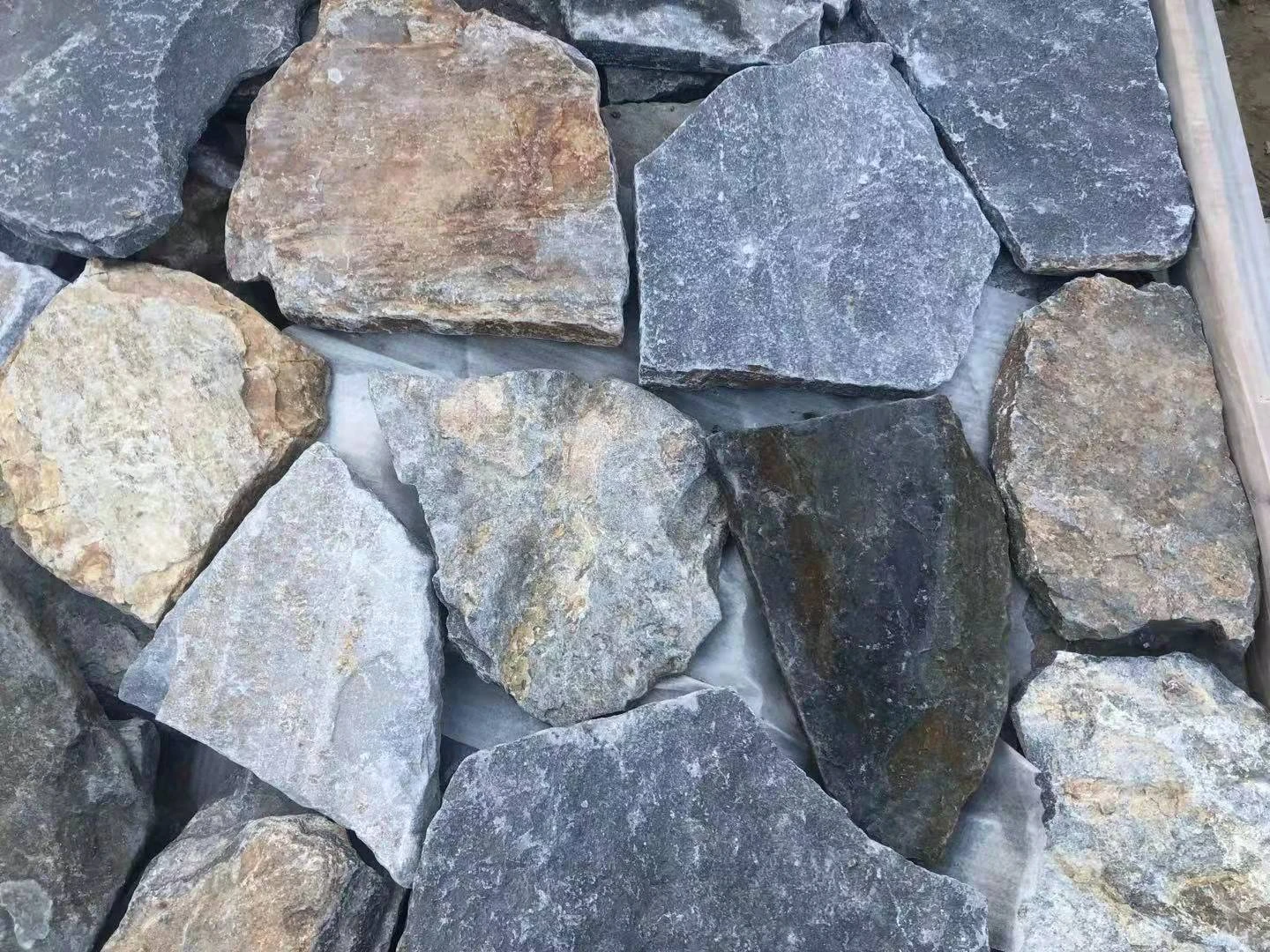
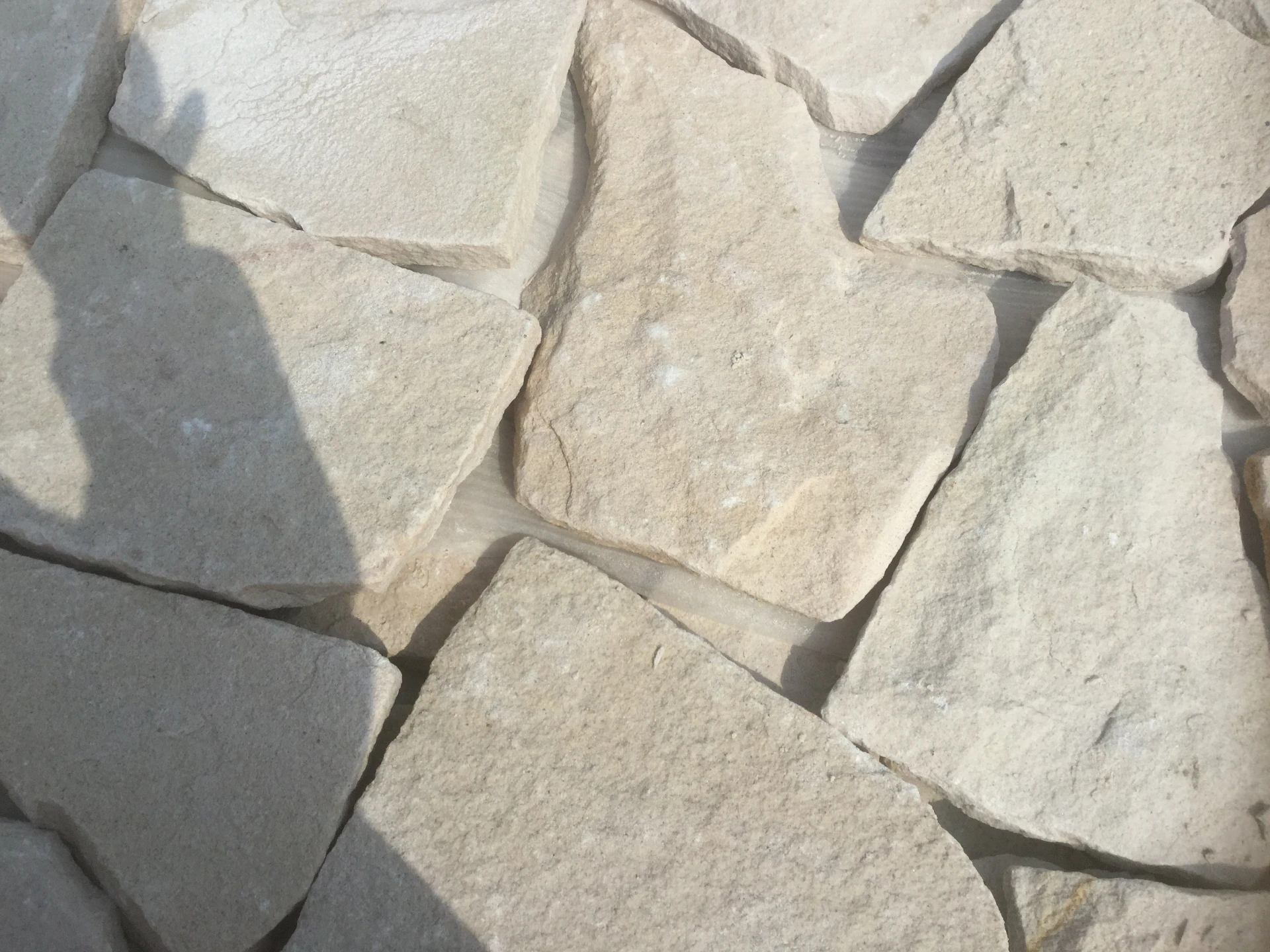
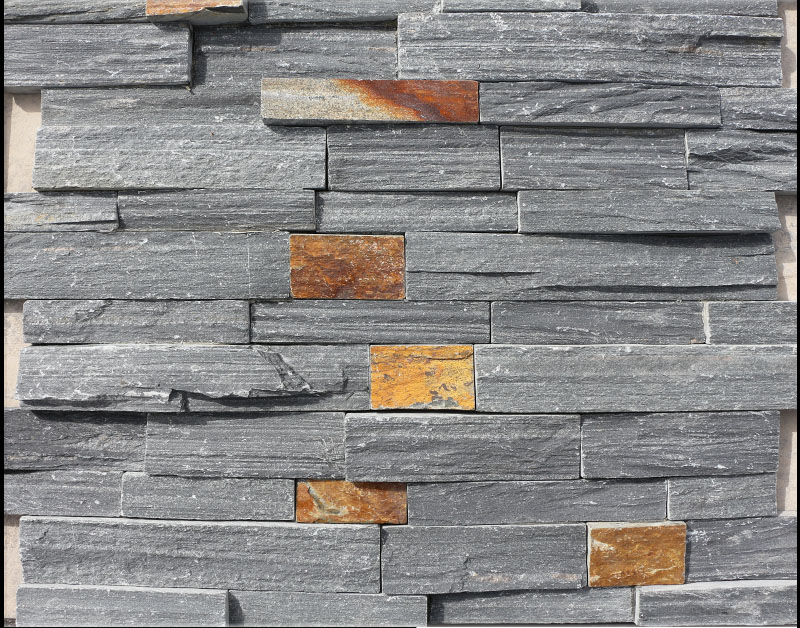
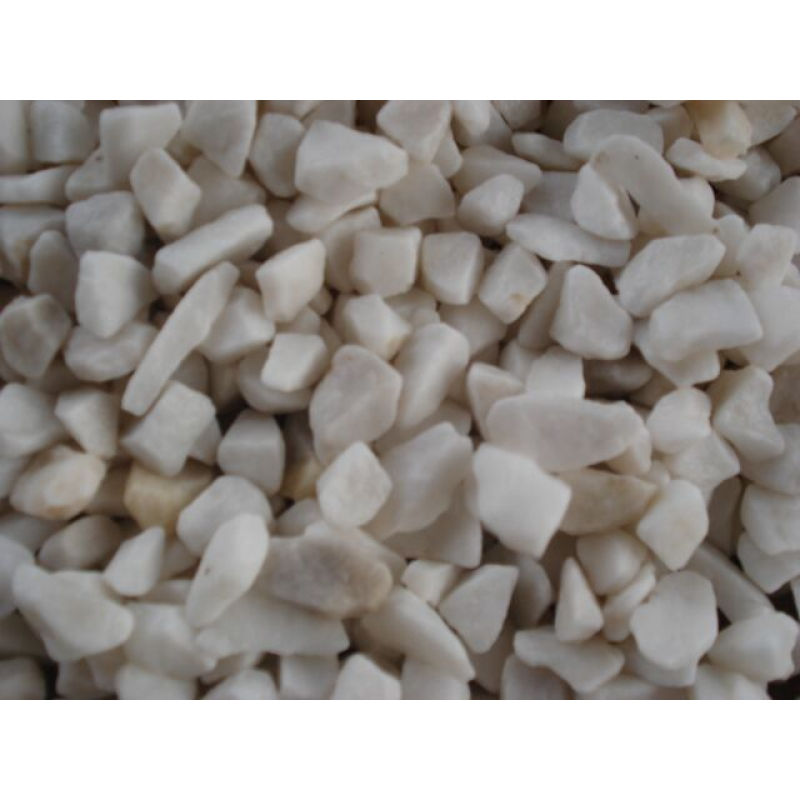
Ġebel naturali huwa wieħed mill-materjali l-aktar użati komunement użati fid-djar u l-ġonna. Imma qatt waqaft jistaqsi minn fejn ġew il-madum, il-briks jew l-art partikolari tiegħek tal-ġebel?
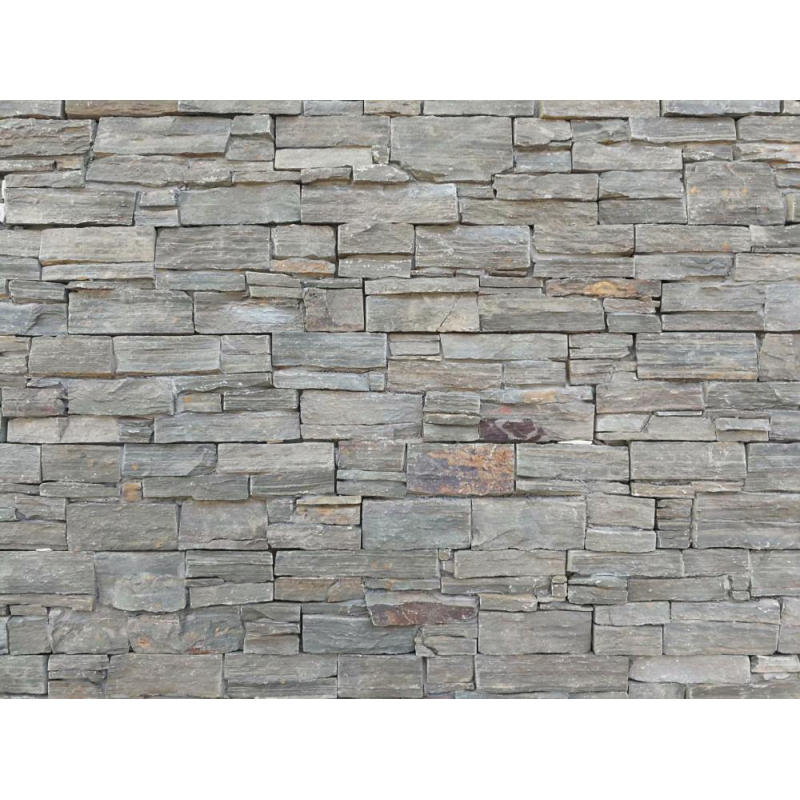
Natural stone was created thousands of years ago when the Earth was just a ball of mineral gases. As these gases began to cool down, they compressed and solidified to form the world we know today. It was during this process that natural stone was formed – the type of stone created depends on what type of minerals were combined at that time. This was a slow process that occurred over millions of years. As the Earth began to settle, many of these seams of stone were gradually pushed to the surface by heat and pressure, creating the large formations we see today.
Stone can come from anywhere in the world, and the type of stone is determined by its origins. There are quarries in America, Mexico, Canada, Italy, Turkey, Australia, and Brazil, as well as many other countries around the globe. Some countries have multiple natural stone quarries, whilst others only have a few. Let’s look in closer detail at where particular stones originate and how they were formed.
Irħam is the result of limestone that has been altered through heat and pressure. It’s a versatile stone that can be used on virtually anything – statues, stairs, walls, bathrooms, counter tops, and more. Usually seen in white, marble is also common in black and grey tints, and has great weather endurance.
Kwarżit joriġina minn ġebel ramli li ġie mibdul permezz tas-sħana u l-kompressjoni. Il-ġebla tiġi prinċipalment bojod, iżda tista 'tinstab ukoll b'lewn kannella, griż jew ħadrani għaliha. Huwa wieħed mit-tipi ta 'ġebel naturali l-aktar diffiċli, li jagħmilha għażla eċċellenti għall-faċċati tal-bini, countertops, u strutturi oħra li jeħtieġu ġebel heavy-duty.
Granit oriġinarjament kienet ġebla igneja li kienet esposta għall-magma (lava) u mibdula permezz tal-espożizzjoni għal minerali differenti. Il-ġebla tinstab komunement f'pajjiżi li raw attività vulkanika għolja f'xi punt, u hija disponibbli f'varjetà kbira ta 'kuluri minn iswed, kannella, aħmar, abjad, u kważi l-kuluri kollha bejniethom. Il-granit huwa għażla kbira għall-kċejjen u l-kmamar tal-banju minħabba l-kwalitajiet antibatteriċi tiegħu.
Ġebla tal-ġir huwa r-riżultat tal-kompressjoni ta 'qroll, qxur tal-baħar, u ħajja oħra tal-oċeani flimkien. Hemm żewġ tipi ta 'ġebla tal-franka, tip aktar iebes li huwa mimli kalċju, u tip aktar artab b'aktar manjesju. Ġebla tal-ġir iebes ħafna drabi tintuża fl-industrija tal-bini, jew mitħun u użata fil-mehrież minħabba l-kwalità li ma jgħaddix ilma minnha.
Bluestone is sometimes referred to as basalt, and is one of the most common natural stones around the world. Bluestone forms through the alteration of lava, and because of this, is one of the closest stones to the Earth’s surface. Basalt is generally darker in colour, and is used as house roofing and floor tiles because of its hard texture.
Lavanja inħoloq meta s-sedimenti tax-shale u tat-tajn ġew mibdula permezz tas-sħana u l-pressjoni. Disponibbli f'kuluri minn iswed, vjola, blu, aħdar u griż, il-lavanja saret għażla popolari għas-soqfa peress li tista 'tinqata' b'mod irqiq u tiflaħ temperaturi kesħin bi ħsara minima. Il-lavanja spiss tintuża wkoll bħala madum tal-art minħabba n-natura dejjiema tagħha.
Travertina is created when floodwaters wash through limestone, leaving mineral deposits throughout. As it dries out, the extra minerals solidify to gradually create a much denser material called travertine. This stone is good as a replacement for marble or granite, as it’s much lighter and easier to work with, yet still durable. For this reason travertine is often used on floors or walls, and is estimated to last around fifty years if maintained regularly.
 Afrikan
  Albaniż
  Amhariku
  Għarbi
  Armenjan
  Ażerbajġani
  Bask
Bask  Belarussu
  Bengali
  Bosnijan
  Bulgaru
  Katalan
  Cebuano
  Iċ-Ċina
  Iċ-Ċina (Tajwan)
  Korsiku
  Kroat
Kroat  Ċek
Ċek  Daniż
Daniż  Olandiż
  Ingliż
  Esperanto
  Estonjan
  Finlandiż
  Franċiż
  Friżjan
  Galizjan
  Ġorġjan
  Ġermaniż
  Grieg
Grieg  Guġarati
  Kreol Ħaitjan
  hausa
hausa  Ħawajjan
  Ebrajk
  Le
Le  Miao
Miao  Ungeriż
  Iżlandiż
  igbo
igbo  Indoneżjan
  Irlandiż
  Taljan
  Ġappuniż
  Ġavaniż
  Kannada
  każak
każak  Khmer
Khmer  Rwandan
  Korean
  Kurdi
Kurdi  Kirgiż
  TB
TB  Latin
Latin  Latvjan
  Litwan
  Lussemburgiż
  Maċedonjan
  Malgashi
  Malajan
  Malajalam
  Malti
Malti  Maori
Maori  Marathi
  Mongoljan
  Il-Mjanmar
  Nepaliż
  Norveġiż
  Norveġiż
  Oċċitan
  Pashto
  Persjan
  Pollakk
  Portugiż
  Punġabi
  Rumen
Rumen  Russu
Russu  Samoan
  Galliku Skoċċiż
  Serb
Serb  Ingliż
  Shona
Shona  Sindhi
  Sinħaliż
  Slovakk
  Sloven
  Somali
  Spanjol
  Sundaniż
  Swaħili
  Svediż
  Tagalog
  Taġik
Taġik  Tamil
Tamil  Tatar
Tatar  Telugu
  Tajlandiż
  Tork
Tork  Turkmeni
  Ukrain
  Urdu
Urdu  Uighur
  Użbek
Użbek  Vjetnamiż
  Welsh
Welsh