

Natuerlike stien is ien fan de meast brûkte materialen brûkt yn huzen en tunen. Mar hawwe jo oait stoppe om jo ôf te freegjen wêr't jo bepaalde stiennen tegels, bakstiennen of flier wei komme?
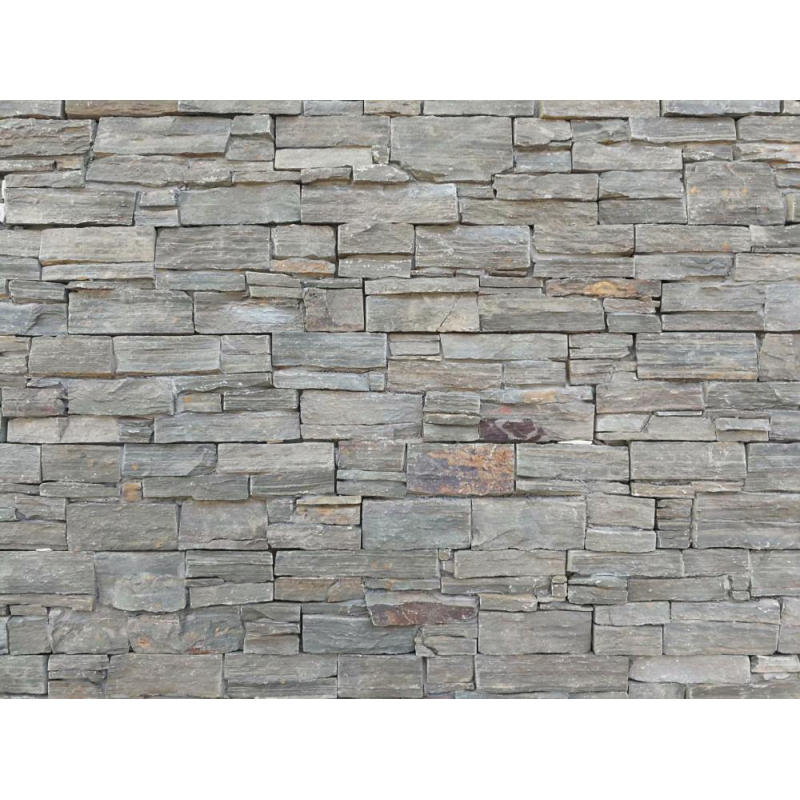
Natural stone was created thousands of years ago when the Earth was just a ball of mineral gases. As these gases began to cool down, they compressed and solidified to form the world we know today. It was during this process that natural stone was formed – the type of stone created depends on what type of minerals were combined at that time. This was a slow process that occurred over millions of years. As the Earth began to settle, many of these seams of stone were gradually pushed to the surface by heat and pressure, creating the large formations we see today.
Stone can come from anywhere in the world, and the type of stone is determined by its origins. There are quarries in America, Mexico, Canada, Italy, Turkey, Australia, and Brazil, as well as many other countries around the globe. Some countries have multiple natural stone quarries, whilst others only have a few. Let’s look in closer detail at where particular stones originate and how they were formed.
Moarmer is the result of limestone that has been altered through heat and pressure. It’s a versatile stone that can be used on virtually anything – statues, stairs, walls, bathrooms, counter tops, and more. Usually seen in white, marble is also common in black and grey tints, and has great weather endurance.
Quartzite ûntstiet út sânstien dat is feroare troch waarmte en kompresje. De stien komt benammen yn it wyt, mar kin ek fûn wurde mei brún, griis of grienige tinten. It is ien fan 'e hurdste soarten natuerlike stiennen, wêrtroch it in poerbêste kar is foar it bouwen fan gevels, countertops en oare struktueren dy't swiere stiennen nedich binne.
Granyt wie oarspronklik in stollingsstien dy't bleatsteld wie oan magma (lava) en feroare troch de bleatstelling oan ferskate mineralen. De stien wurdt faak fûn yn lannen dy't hawwe sjoen hege fulkanyske aktiviteit op in stuit, en is beskikber yn in grut ferskaat oan kleuren út swart, brún, read, wyt, en hast alle kleuren yn tusken. Granite is in geweldige opsje foar keuken en badkeamers troch syn antibakteriële kwaliteiten.
Kalkstien is it gefolch fan de kompresje fan koraal, seashells, en oare oseaan libben tegearre. D'r binne twa soarten kalkstien, in hurder type dat fol is mei kalzium, en in sêfter type mei mear magnesium. Hurde kalkstien wurdt faak brûkt yn 'e bousektor, of grûn en brûkt yn mortel fanwege syn wetterdichte kwaliteit.
Bluestone is sometimes referred to as basalt, and is one of the most common natural stones around the world. Bluestone forms through the alteration of lava, and because of this, is one of the closest stones to the Earth’s surface. Basalt is generally darker in colour, and is used as house roofing and floor tiles because of its hard texture.
Slate waard makke doe't skalie en modderstiennen sediminten waarden feroare troch waarmte en druk. Beskikber yn kleuren fan swart, pears, blau, grien en griis, leisteen is in populêre kar wurden foar dakbedekking, om't it dun kin wurde snije en kâlde temperatueren wjerstean mei minimale skea. Slate wurdt ek faak brûkt as flier tegels fanwege syn duorsume aard.
Travertyn is created when floodwaters wash through limestone, leaving mineral deposits throughout. As it dries out, the extra minerals solidify to gradually create a much denser material called travertine. This stone is good as a replacement for marble or granite, as it’s much lighter and easier to work with, yet still durable. For this reason travertine is often used on floors or walls, and is estimated to last around fifty years if maintained regularly.
 Afrikaanske
  Albaneesk
  Amhaarsk
  Arabysk
  Armeensk
  Azerbeidzjaansk
  Baskysk
  Wytrussysk
  Bengaalsk
  Bosnysk
  Bulgaarsk
  Katalaansk
  Cebuano
  Sina
Sina  Sina (Taiwan)
  Korsikaansk
  Kroatysk
  Tsjechysk
  Deensk
  Nederlânsk
  Ingelsk
  Esperanto
  Estysk
  Finsk
Finsk  Frânsk
  Frysk
Frysk  Galyskysk
  Georgysk
  Dútsk
Dútsk  Gryksk
  Gujaratysk
  Haïtiaansk Kreaolsk
  Hausa
Hausa  Hawaïaansk
  Hebrieuwsk
  Nee
Nee  Miao
Miao  Hongaarsk
  Yslânsk
  igbo
igbo  Yndonesysk
  Iersk
Iersk  Italiaansk
  Japansk
  Javaansk
  Kannada
  Kazachsk
  Khmer
Khmer  Rwandan
  Koreaansk
  Koerdysk
  Kirgizysk
  TB
TB  Latyn
Latyn  Letsk
Letsk  Litousk
  Lúksemboarchsk
  Masedoanysk
  Malgashi
  Maleisk
  Malayalam
  Malteesk
  Maori
Maori  Maratysk
  Mongoalsk
  Birma
Birma  Nepaleesk
  Noarsk
  Noarsk
  Oksitaansk
  Pashtu
  Perzysk
  Poalsk
  Portegeesk
  Pûndjaabsk
  Roemeensk
  Russysk
  Samoan
  Skotsk Gaelic
  Servysk
  Ingelsk
  Shona
Shona  Sindysk
  Sinhala
  Slowaaksk
  Sloveensk
  Somalysk
  Spaansk
  Soendaneesk
  Swahily
  Sweedsk
  Tagaloch
  Tajik
Tajik  Tamyl
Tamyl  Tatar
Tatar  Telugu
  Taisk
Taisk  Turksk
  Turkmeensk
  Oekraynsk
  Urdu
Urdu  Uighur
  Uzbek
Uzbek  Fietnameesk
  Welsh
Welsh 




