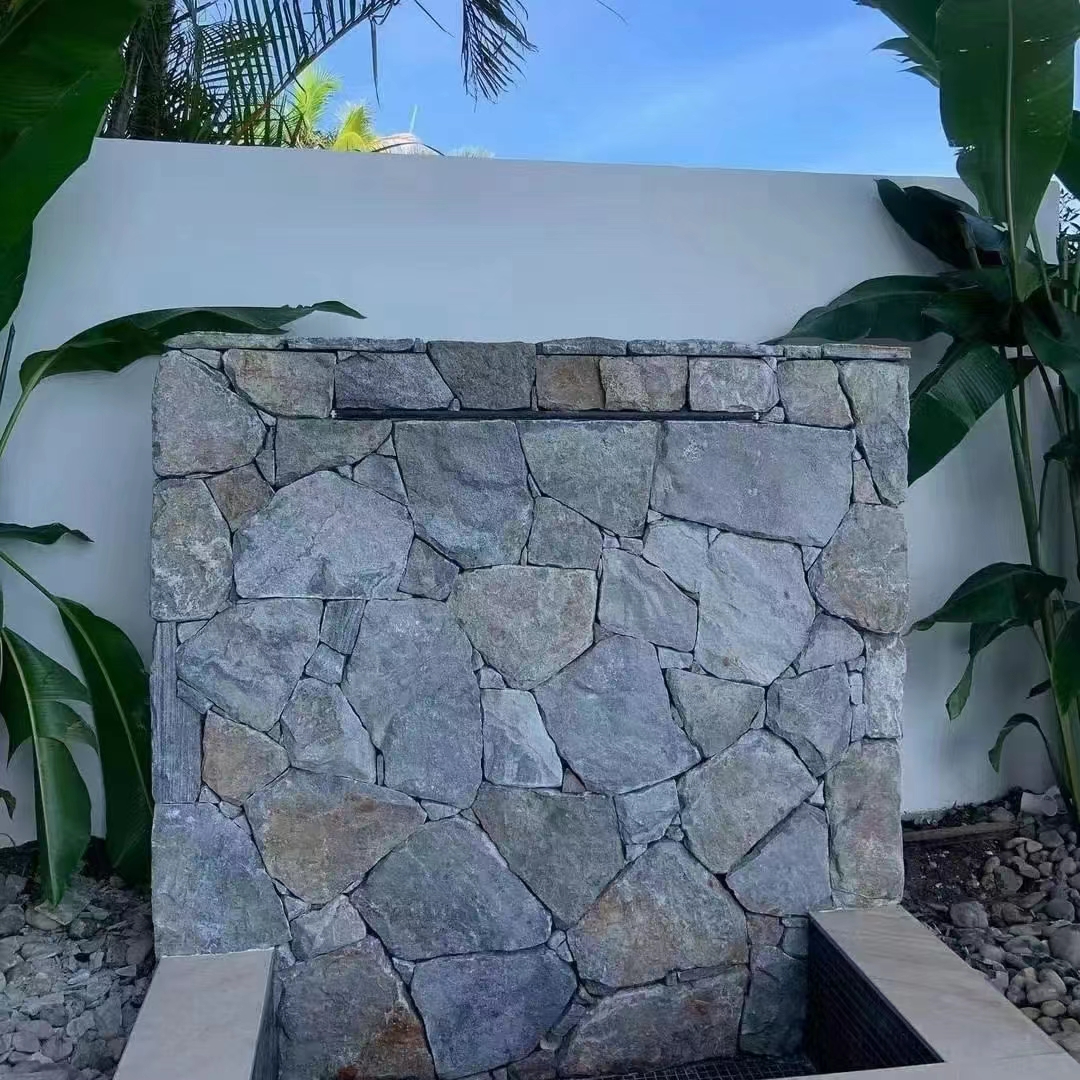
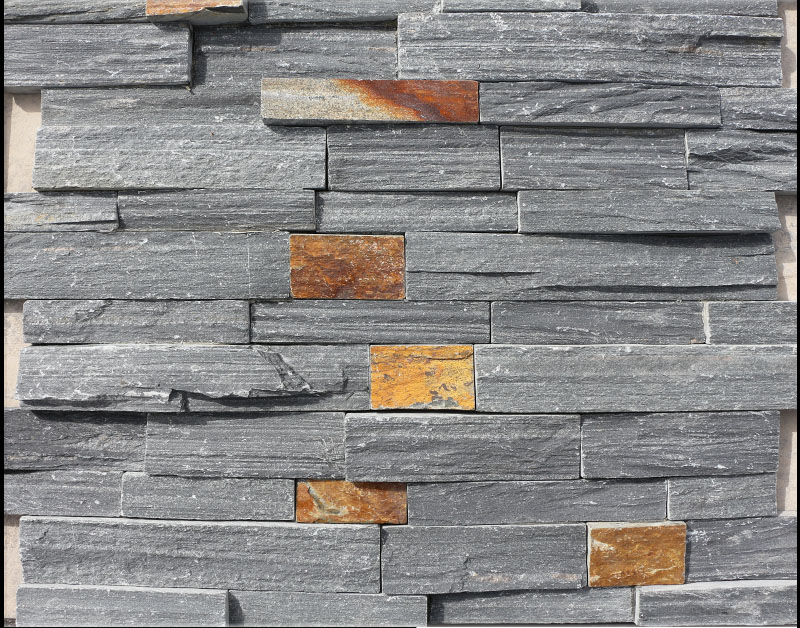
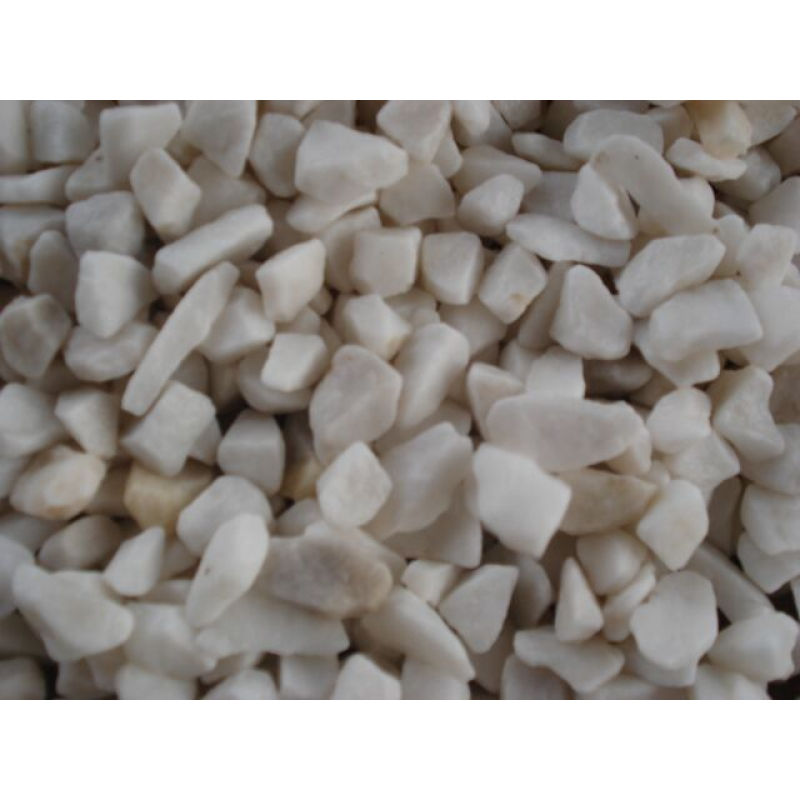
Kohatu maori Ko tetahi o nga rawa e whakamahia ana i roto i nga kaainga me nga maara. Engari kua mutu koe ki te whakaaro no hea mai o taera kohatu, pereki, papa ranei?
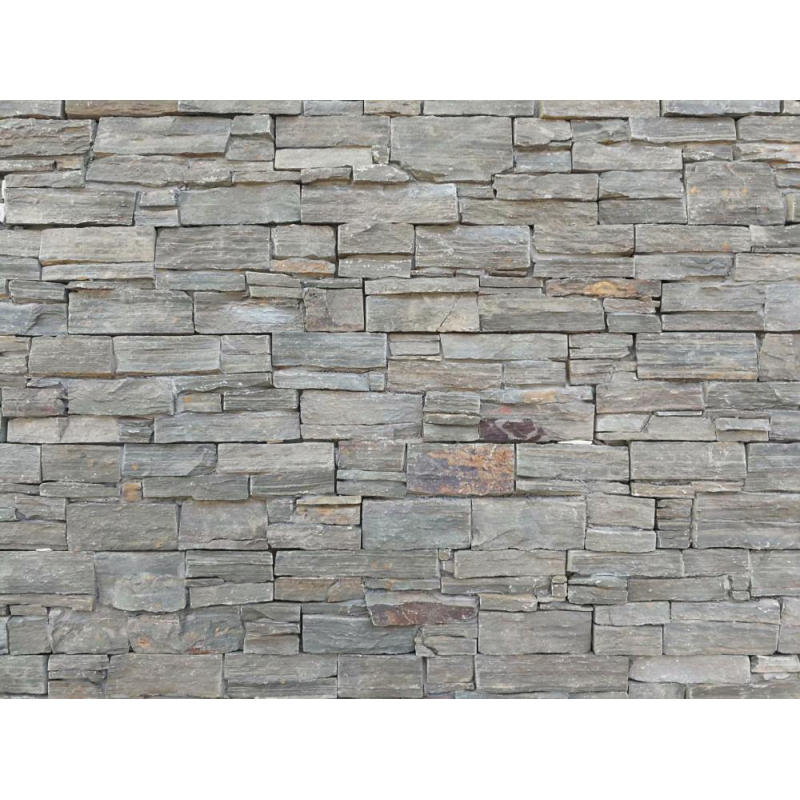
Natural stone was created thousands of years ago when the Earth was just a ball of mineral gases. As these gases began to cool down, they compressed and solidified to form the world we know today. It was during this process that natural stone was formed – the type of stone created depends on what type of minerals were combined at that time. This was a slow process that occurred over millions of years. As the Earth began to settle, many of these seams of stone were gradually pushed to the surface by heat and pressure, creating the large formations we see today.
Stone can come from anywhere in the world, and the type of stone is determined by its origins. There are quarries in America, Mexico, Canada, Italy, Turkey, Australia, and Brazil, as well as many other countries around the globe. Some countries have multiple natural stone quarries, whilst others only have a few. Let’s look in closer detail at where particular stones originate and how they were formed.
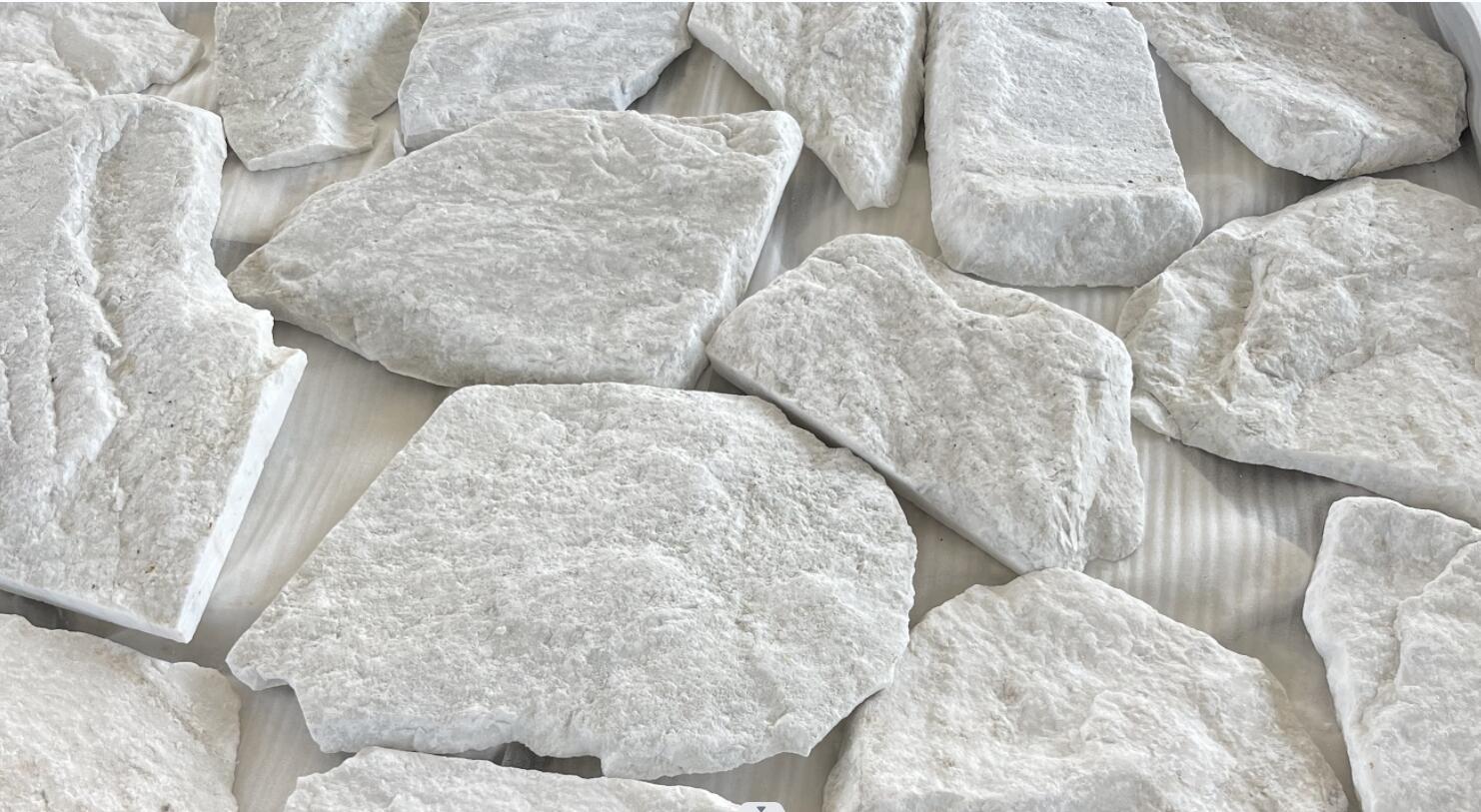
Mapere is the result of limestone that has been altered through heat and pressure. It’s a versatile stone that can be used on virtually anything – statues, stairs, walls, bathrooms, counter tops, and more. Usually seen in white, marble is also common in black and grey tints, and has great weather endurance.
te hauwhā i ahu mai i te kirikiri kua whakarereketia na roto i te wera me te kōpeketanga. He ma te nuinga o te kohatu, engari ka kitea ano he kara parauri, he hina, he kakariki ranei. Koia tetahi o nga momo kohatu taiao tino uaua, he mea pai rawa atu mo te hanga i nga whaanui, i nga papaa, me etahi atu hanganga e hiahia ana ki nga kohatu taumaha.
Te kirikiri i te tuatahi he kowhatu ngiha kua kitea ki te magma (te toka) me te whakarereke i te rongo ki nga kohuke rereke. Ka kitea te kohatu i nga whenua kua kite i nga mahi puia nui i etahi wa, a he maha nga momo tae mai i te pango, te parauri, te whero, te ma, me te tata ki nga tae katoa kei waenganui. Ko te Granite he whiringa pai mo nga kihini me nga wharepaku na te mea ko ona ahuatanga antibacterial.
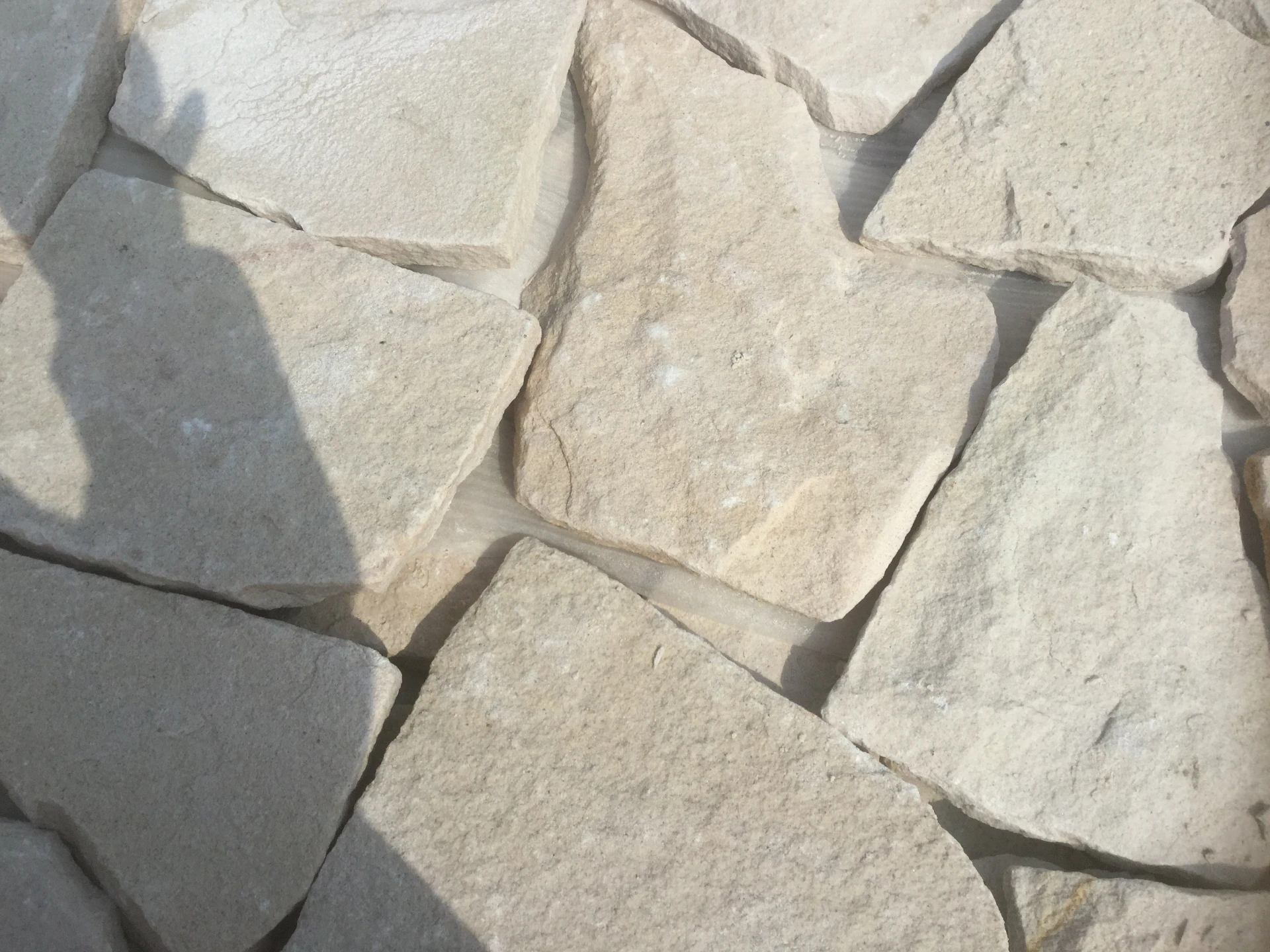
pākeho Ko te hua o te kopeketanga o te kaoa, te anga, me era atu ora moana. E rua nga momo kowhatu kowhatu, he momo uaua ka ki tonu i te konupūmā, he momo ngawari he nui ake te konupora. He maha nga wa ka whakamahia te kowhatu papake i roto i te umanga hanga whare, ka kuia ranei ka whakamahia ki te kumete na te mea he pai te waikore.
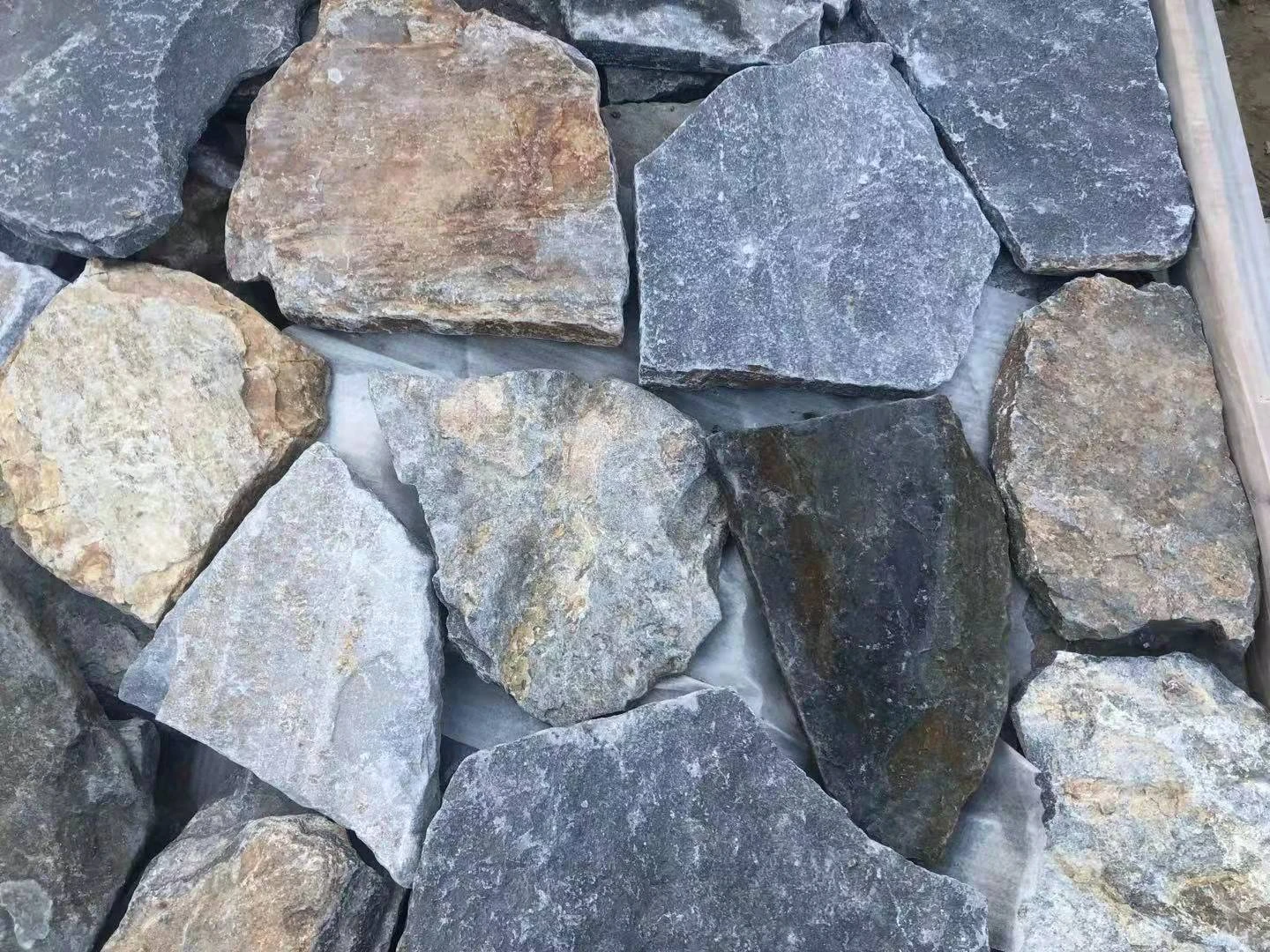
Bluestone is sometimes referred to as basalt, and is one of the most common natural stones around the world. Bluestone forms through the alteration of lava, and because of this, is one of the closest stones to the Earth’s surface. Basalt is generally darker in colour, and is used as house roofing and floor tiles because of its hard texture.
Papapapa i hangaia i te whakarereketanga o te toka me te parataiao paru na te wera me te pehanga. E waatea ana i roto i nga tae mai i te pango, te papura, te puru, te kaariki, me te hina, kua waiho te papapa hei whiriwhiringa rongonui mo te tuanui na te mea ka taea te tapahi angiangi me te tu i nga wera makariri me te iti o te kino. He maha nga wa ka whakamahia te papapa hei taara papa na tona ahua mau tonu.
Travertine is created when floodwaters wash through limestone, leaving mineral deposits throughout. As it dries out, the extra minerals solidify to gradually create a much denser material called travertine. This stone is good as a replacement for marble or granite, as it’s much lighter and easier to work with, yet still durable. For this reason travertine is often used on floors or walls, and is estimated to last around fifty years if maintained regularly.
 Awherika
  Albanian
  Amharic
  Arapi
Arapi  Arameina
  Azerbaijani
  Basque
  Belarusian
  Bengali
  Bosniana
  Bulgarian
  Katarana
  Cebuano
  Haina
Haina  Haina (Taiwan)
  Korihika
  Koroatiana
  Czech
Czech  Teniana
  Tatimana
  Ingarihi
  Esperanto
  Estonian
  Finnish
  Wīwī
Wīwī  Frisian
  Kariri
  Georgian
  Tiamana
  Kariki
  Gujarati
  Haiti Creole
  hausa
hausa  hawaii
  Hiperu
  Kao
Kao  Miao
Miao  Hungarian
  Tiorangi
  igbo
igbo  Initonia
  Irish
Irish  Itariana
  Hapanihi
  Hawaana
  Kannada
  Kazakh
  Khmer
Khmer  Rwandan
  Koreana
  Kurdish
  Kyrgyz
  TB
TB  Latina
  Latvian
  Lithuania
  Luxembourgish
  Makeronia
  Malgashi
  Malay
Malay  Malayalam
  Marite
  Maori
Maori  Mareti
  Mongolian
  Myanmar
  Nepali
  Norewai
  Norewai
  Occitan
  Pashto
  Pahia
Pahia  Porohia
  Potiti
  Punjabi
  Romanian
  Ruhia
Ruhia  Hamoa
Hamoa  Scottish Gaelic
  Serbian
  Ingarihi
  Shona
Shona  Sindhi
  Sinhala
  Slovak
  Slovenian
  Somali
  Paniora
  Hatana
  Swahili
  Huitene
  Tagalog
  Tajik
Tajik  Tamil
Tamil  Tatara
  Telugu
  Thai
Thai  Turiki
  Turkmen
  Iukereiniana
  Urdu
Urdu  Uighur
  Uzbek
Uzbek  Vietnamese
  Welsh
Welsh