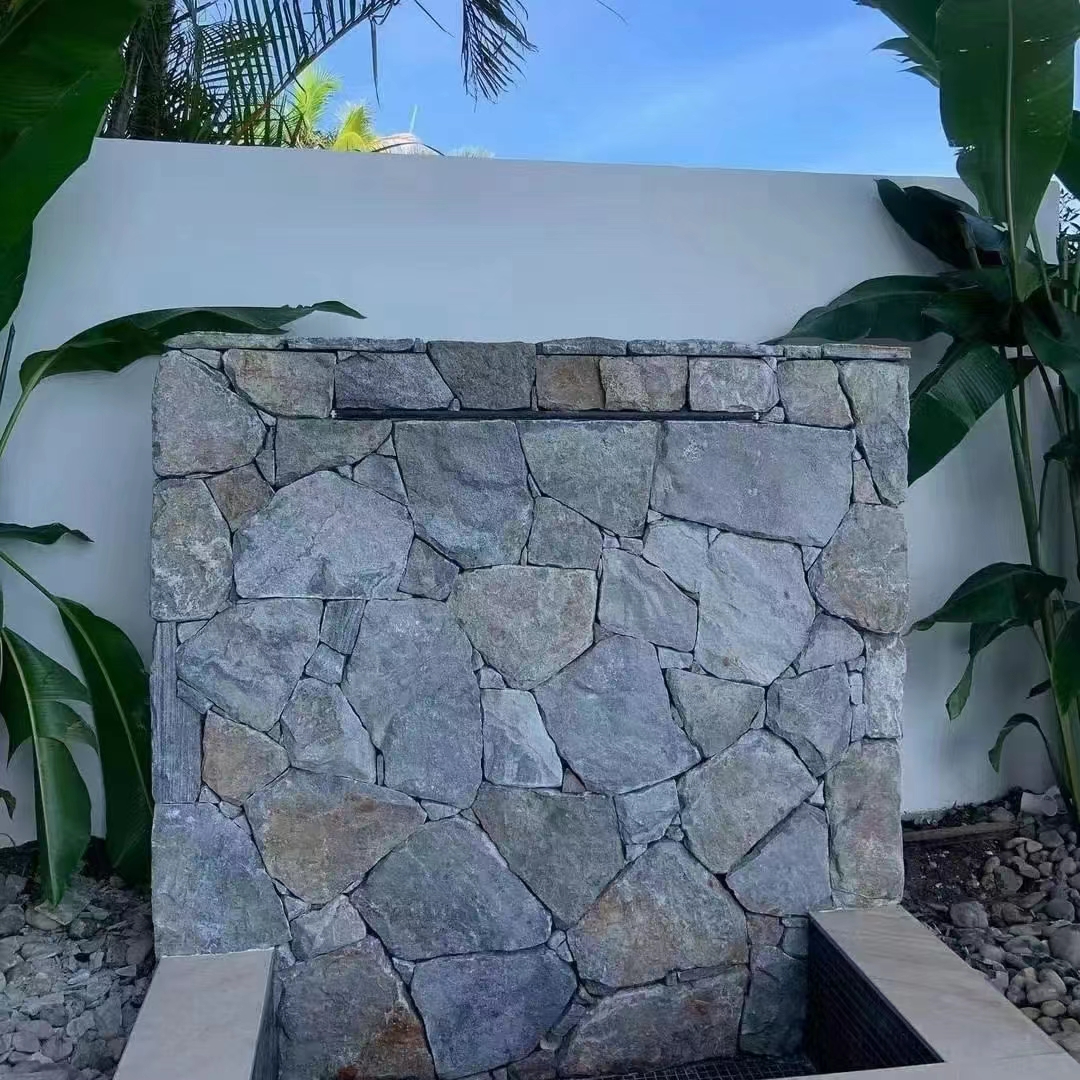
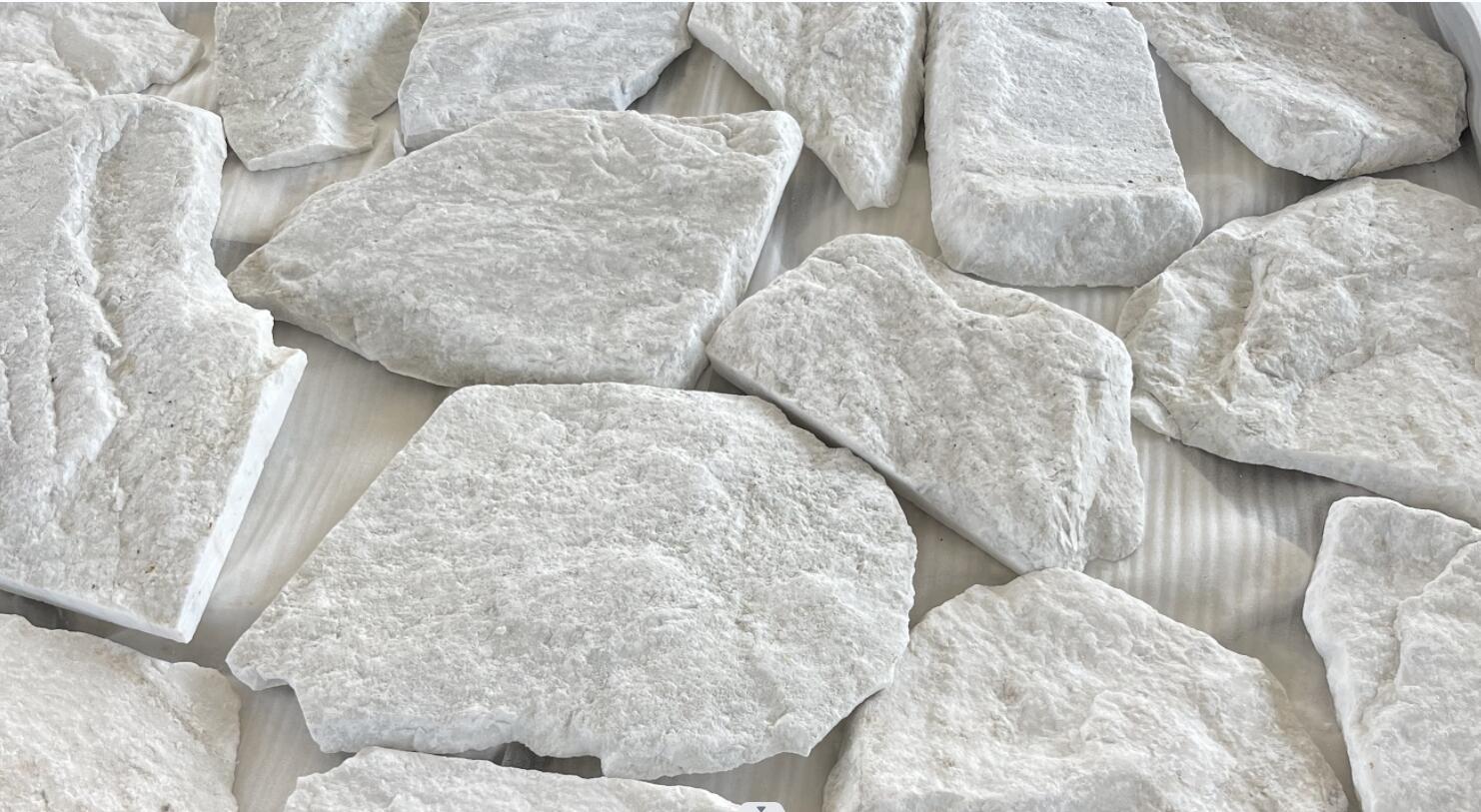
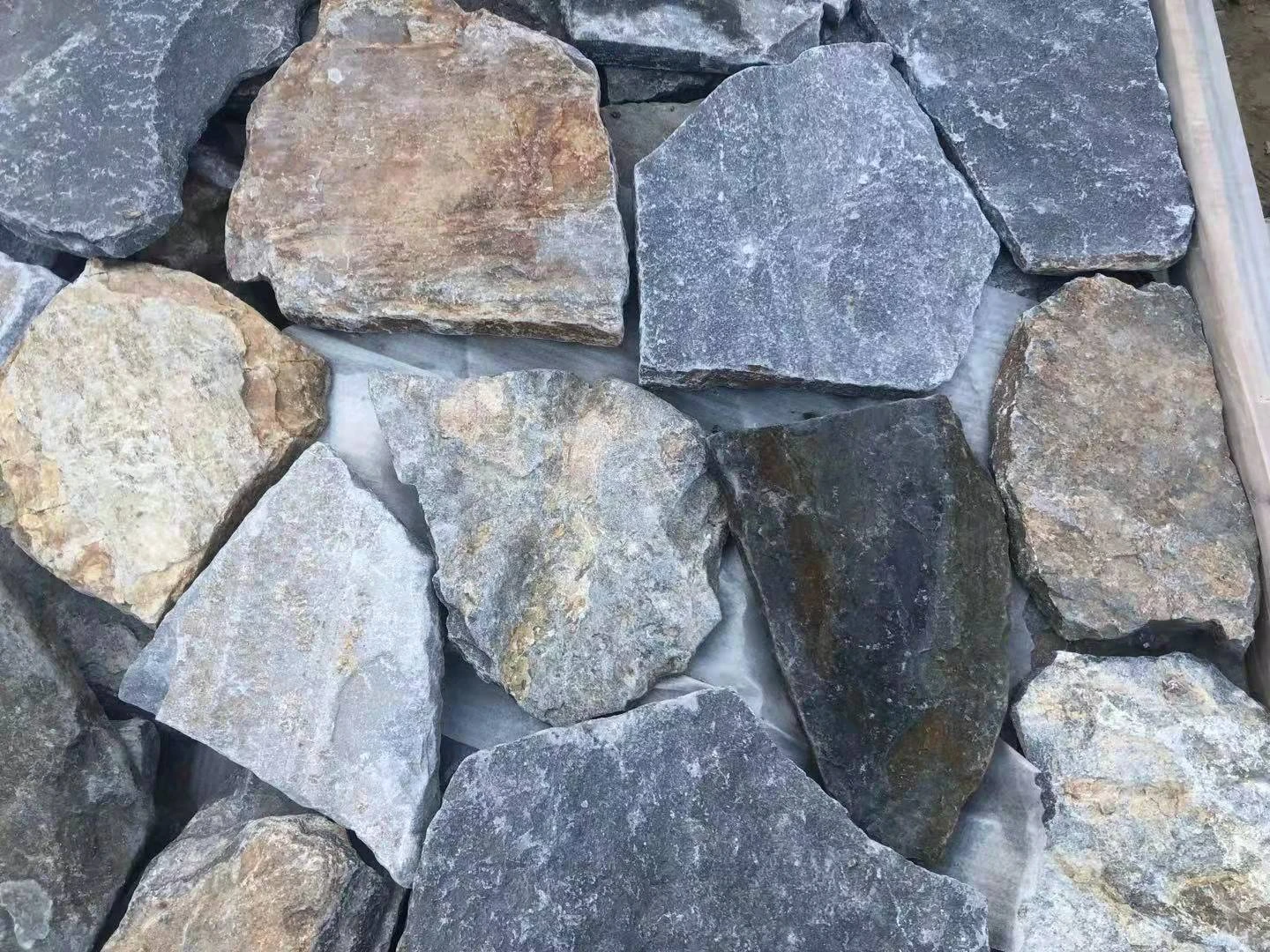
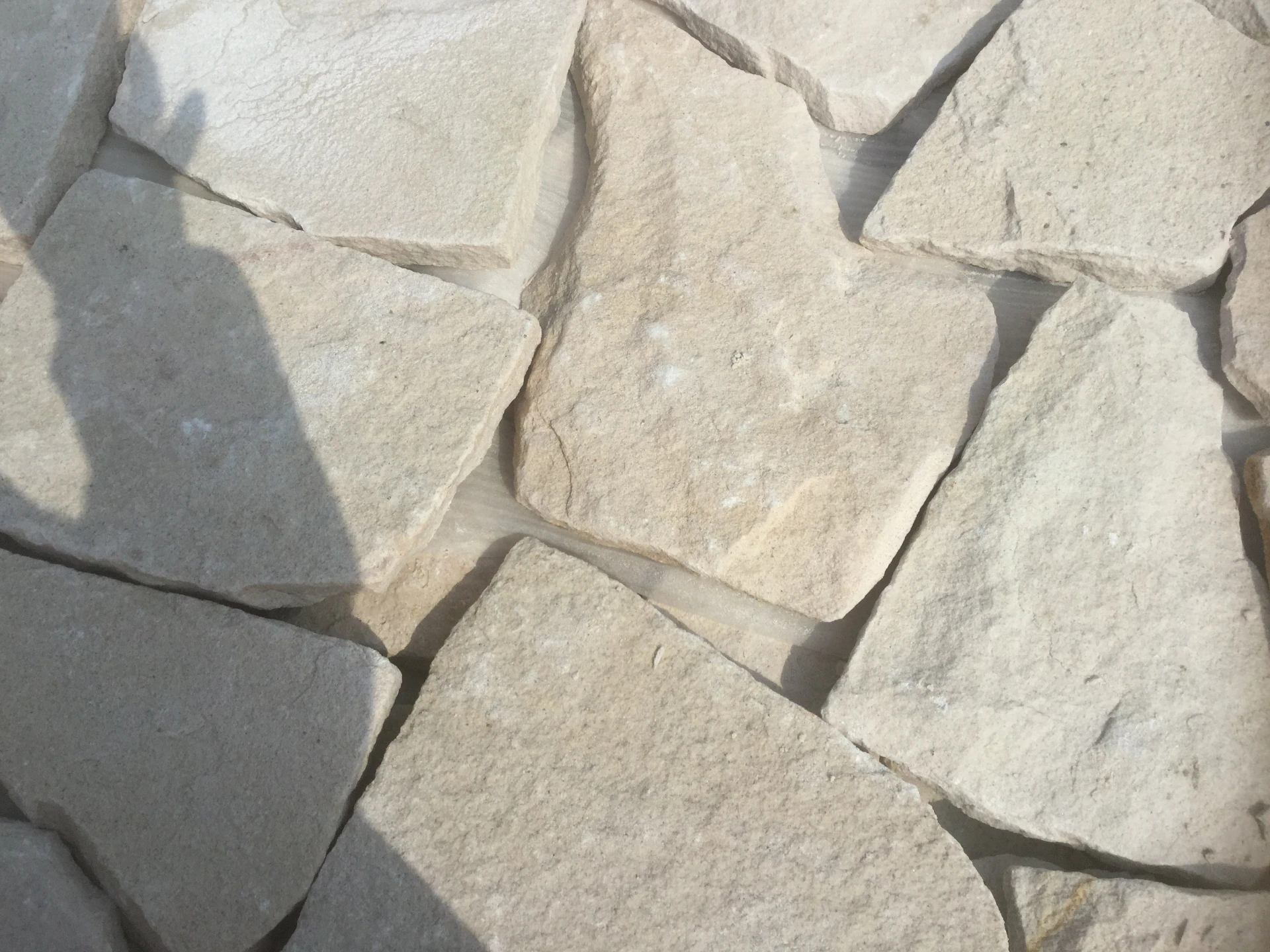
Náttúrulegur steinn er eitt algengasta efnið sem notað er á heimilum og í görðum. En hefur þú einhvern tíma hætt að velta því fyrir þér hvaðan tilteknar steinflísar, múrsteinar eða gólfefni koma?
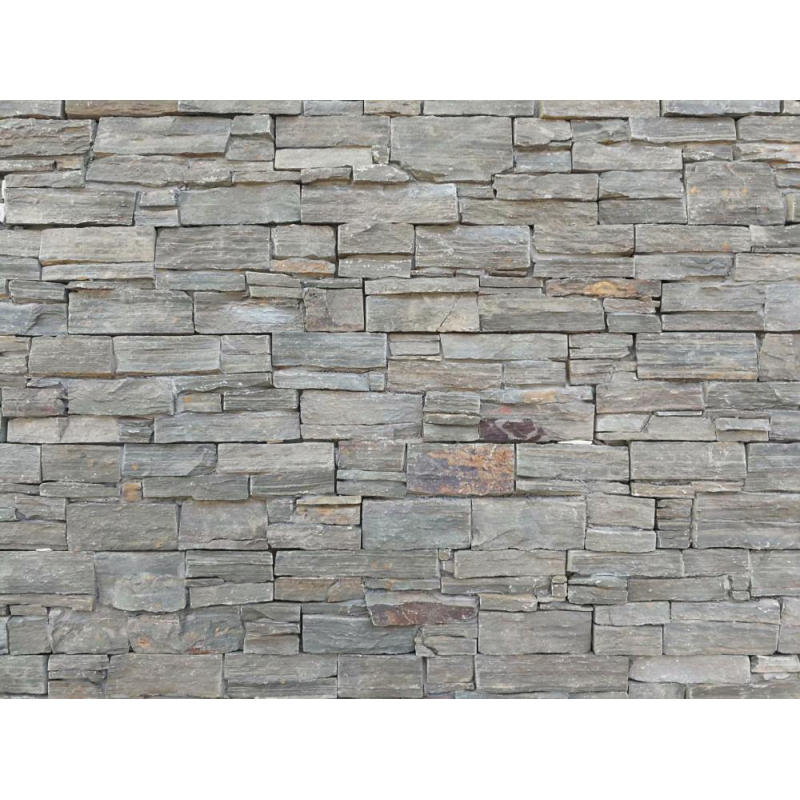
Natural stone was created thousands of years ago when the Earth was just a ball of mineral gases. As these gases began to cool down, they compressed and solidified to form the world we know today. It was during this process that natural stone was formed – the type of stone created depends on what type of minerals were combined at that time. This was a slow process that occurred over millions of years. As the Earth began to settle, many of these seams of stone were gradually pushed to the surface by heat and pressure, creating the large formations we see today.
Stone can come from anywhere in the world, and the type of stone is determined by its origins. There are quarries in America, Mexico, Canada, Italy, Turkey, Australia, and Brazil, as well as many other countries around the globe. Some countries have multiple natural stone quarries, whilst others only have a few. Let’s look in closer detail at where particular stones originate and how they were formed.
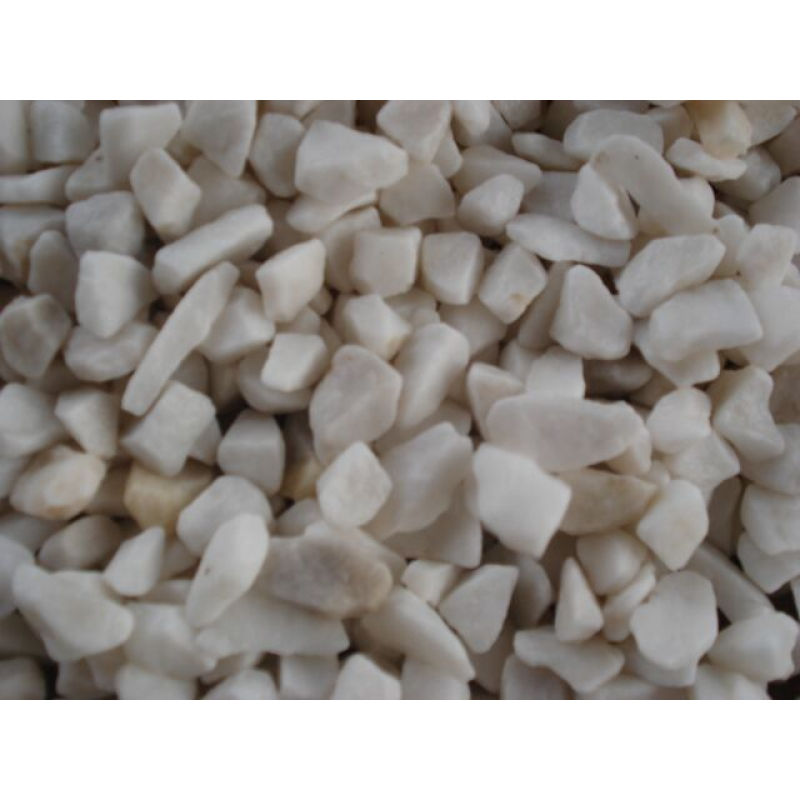
Marmari is the result of limestone that has been altered through heat and pressure. It’s a versatile stone that can be used on virtually anything – statues, stairs, walls, bathrooms, counter tops, and more. Usually seen in white, marble is also common in black and grey tints, and has great weather endurance.
Kvarsít er upprunnið úr sandsteini sem hefur verið breytt með hita og þjöppun. Steinninn kemur aðallega í hvítum litum en má einnig finna hann með brúnum, gráum eða grænleitum blæ. Það er ein af hörðustu náttúrusteinstegundunum, sem gerir það að frábæru vali til að byggja framhliðar, borðplötur og önnur mannvirki sem krefjast þungra steina.
Granít var upphaflega gjóskusteinn sem hafði orðið fyrir kviku (hrauni) og breyst vegna útsetningar fyrir mismunandi steinefnum. Steinninn er almennt að finna í löndum sem hafa séð mikla eldvirkni á einhverjum tímapunkti og er fáanlegur í gríðarstórum litum frá svörtu, brúnu, rauðu, hvítu og næstum öllum litum þar á milli. Granít er frábær kostur fyrir eldhús og baðherbergi vegna bakteríudrepandi eiginleika þess.
kalksteinn er afleiðing af þjöppun kóralla, skelja og annars sjávarlífs saman. Það eru tvær tegundir af kalksteini, harðari tegund sem er full af kalki og mýkri tegund með meira magnesíum. Harður kalksteinn er oft notaður í byggingariðnaði, eða malaður og notaður í steypuhræra vegna vatnshelds gæði þess.
Blásteinn is sometimes referred to as basalt, and is one of the most common natural stones around the world. Bluestone forms through the alteration of lava, and because of this, is one of the closest stones to the Earth’s surface. Basalt is generally darker in colour, and is used as house roofing and floor tiles because of its hard texture.
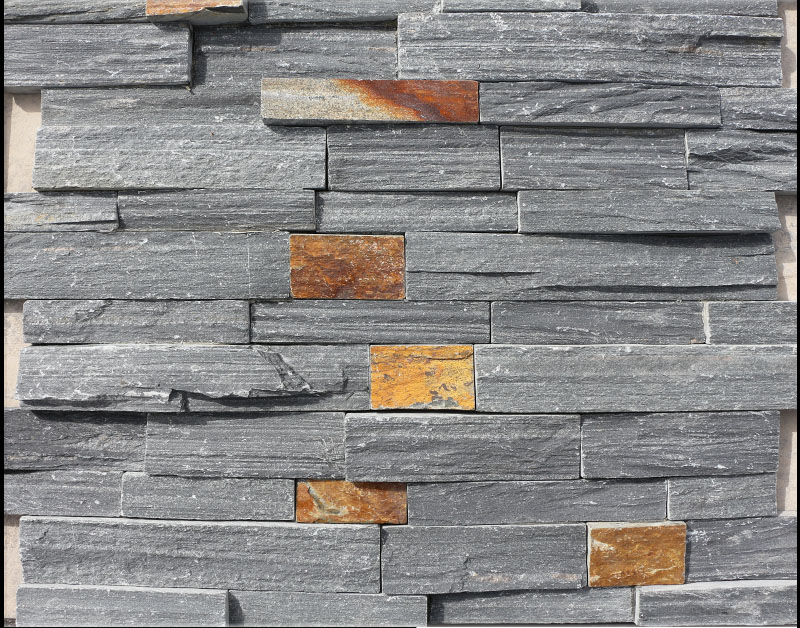
Slate varð til þegar seti leirsteins og leirsteins var breytt með hita og þrýstingi. Fáanlegt í litum frá svörtu, fjólubláu, bláu, grænu og gráu, leifar hefur orðið vinsælt val fyrir þak þar sem hægt er að skera það þunnt og standast kalt hitastig með lágmarks skemmdum. Skífur er einnig oft notaður sem gólfflísar vegna varanlegrar náttúru.
Travertín is created when floodwaters wash through limestone, leaving mineral deposits throughout. As it dries out, the extra minerals solidify to gradually create a much denser material called travertine. This stone is good as a replacement for marble or granite, as it’s much lighter and easier to work with, yet still durable. For this reason travertine is often used on floors or walls, and is estimated to last around fifty years if maintained regularly.
 Afríku
  albanska
  amharíska
  arabíska
  Armenska
  Aserbaídsjan
  baskneska
  hvítrússneska
  bengalska
  bosníska
  búlgarska
  katalónska
  Cebuano
  Kína
Kína  Kína (Taívan)
  korsíkanskt
  króatíska
  tékkneska
  danska
  hollenska
  Enska
Enska  esperantó
  eistneska, eisti, eistneskur
  finnska
  franska
  frísneska
  galisíska
  georgískt
  þýska, Þjóðverji, þýskur
  grísku
  Gújaratí
  Haítískt kreóla
  hausa
hausa  hawaiískur
  hebreska
  Neibb
Neibb  Miaó
Miaó  ungverska, Ungverji, ungverskt
  íslenskur
  igbó
igbó  indónesíska
  írska
írska  ítalska
  japönsku
  javanska
  Kannada
  kasakska
  Khmer
Khmer  Rúanda
  kóreska
  Kúrda
Kúrda  Kirgisi
  TB
TB  latína
  lettneska
  litháískur
  Lúxemborg
  makedónska
  Malgashi
  malaíska
  Malajalam
  maltneska
  Maori
Maori  Marathi
  mongólska
  Mjanmar
  nepalska
  norska
  norska
  oksítanska
  Pastó
Pastó  persneska
  pólsku
  portúgalska
  Púndjabí
  rúmenska
  Rússneskt
  Samósk
  skosk gelíska
  serbneska
  Enska
Enska  Shona
Shona  Sindhi
  Sinhala
  Slóvakíu
  slóvenska
  sómalska
  spænska, spænskt
  Sundaneskir
  svahílí
  sænsku
  Tagalog
  Tadsjikska
  tamílska
  Tatar
Tatar  telúgú
  Tælensk
  tyrkneska
  Túrkmena
  úkraínska
  Úrdú
Úrdú  Uighur
  úsbekskur
  Víetnamska
  velska