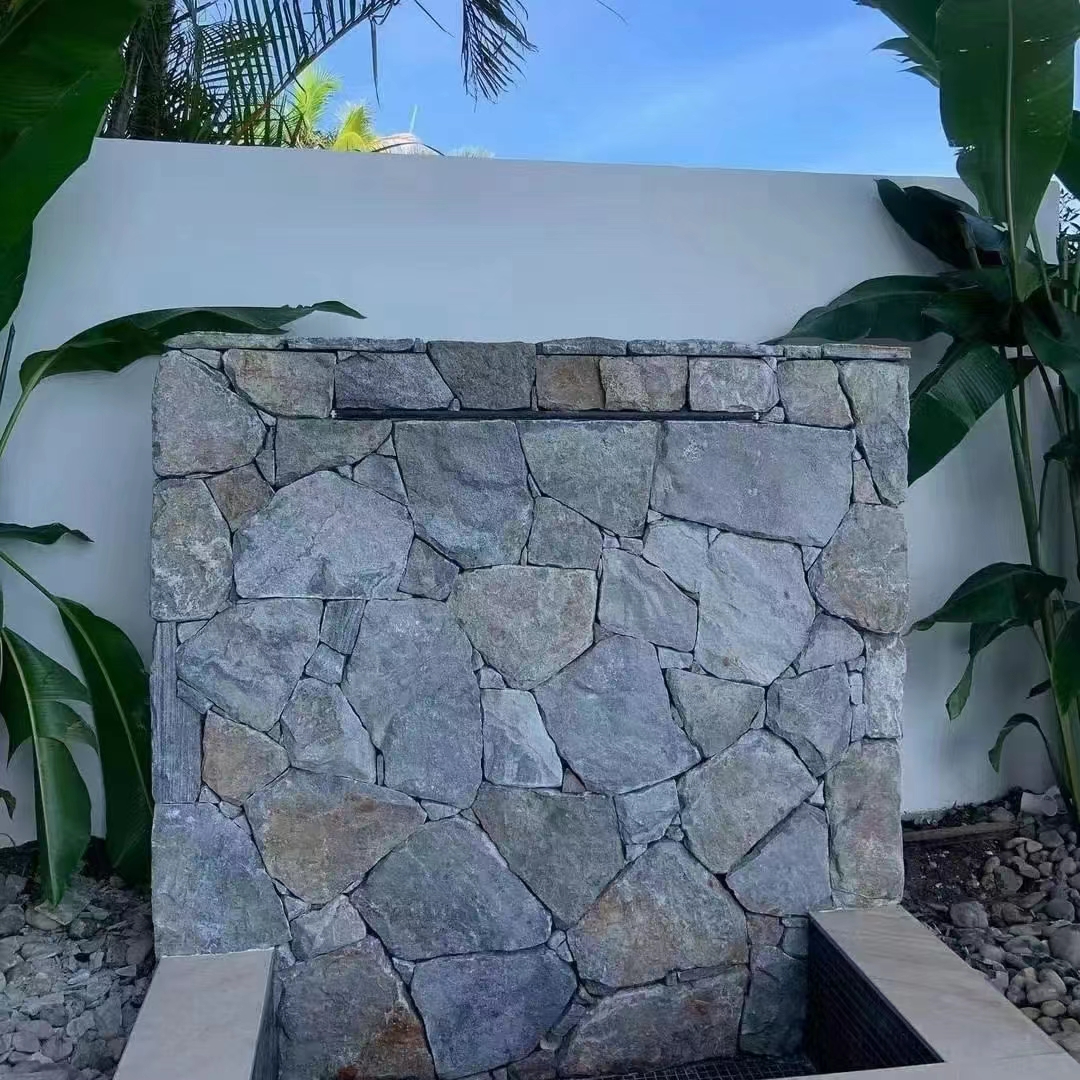
Natūralus akmuo yra viena iš dažniausiai namuose ir soduose naudojamų medžiagų. Bet ar kada nors susimąstėte, iš kur atsirado jūsų akmens plytelės, plytos ar grindys?
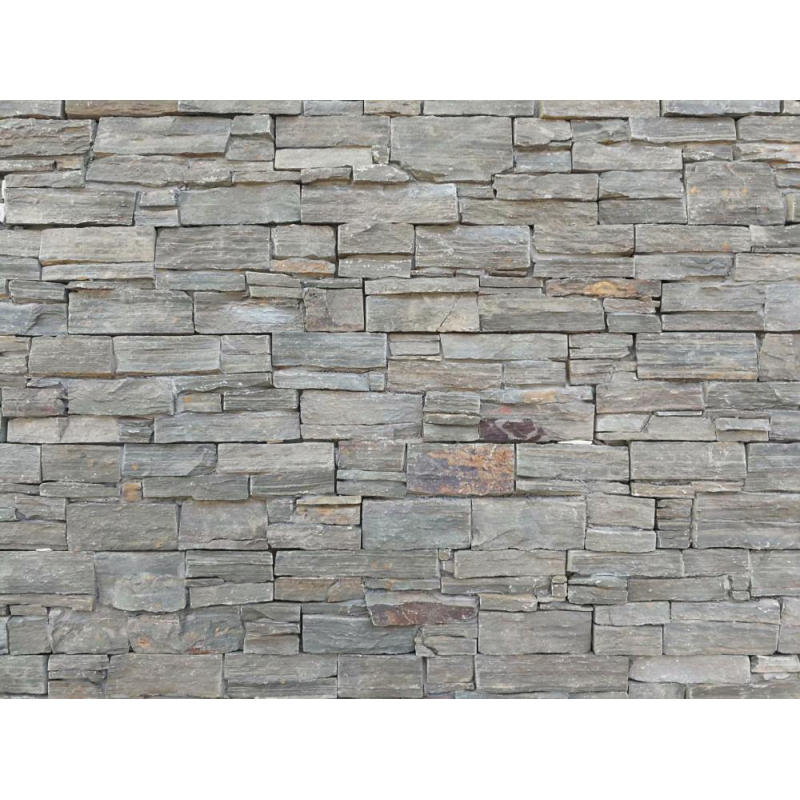
Natural stone was created thousands of years ago when the Earth was just a ball of mineral gases. As these gases began to cool down, they compressed and solidified to form the world we know today. It was during this process that natural stone was formed – the type of stone created depends on what type of minerals were combined at that time. This was a slow process that occurred over millions of years. As the Earth began to settle, many of these seams of stone were gradually pushed to the surface by heat and pressure, creating the large formations we see today.
Stone can come from anywhere in the world, and the type of stone is determined by its origins. There are quarries in America, Mexico, Canada, Italy, Turkey, Australia, and Brazil, as well as many other countries around the globe. Some countries have multiple natural stone quarries, whilst others only have a few. Let’s look in closer detail at where particular stones originate and how they were formed.
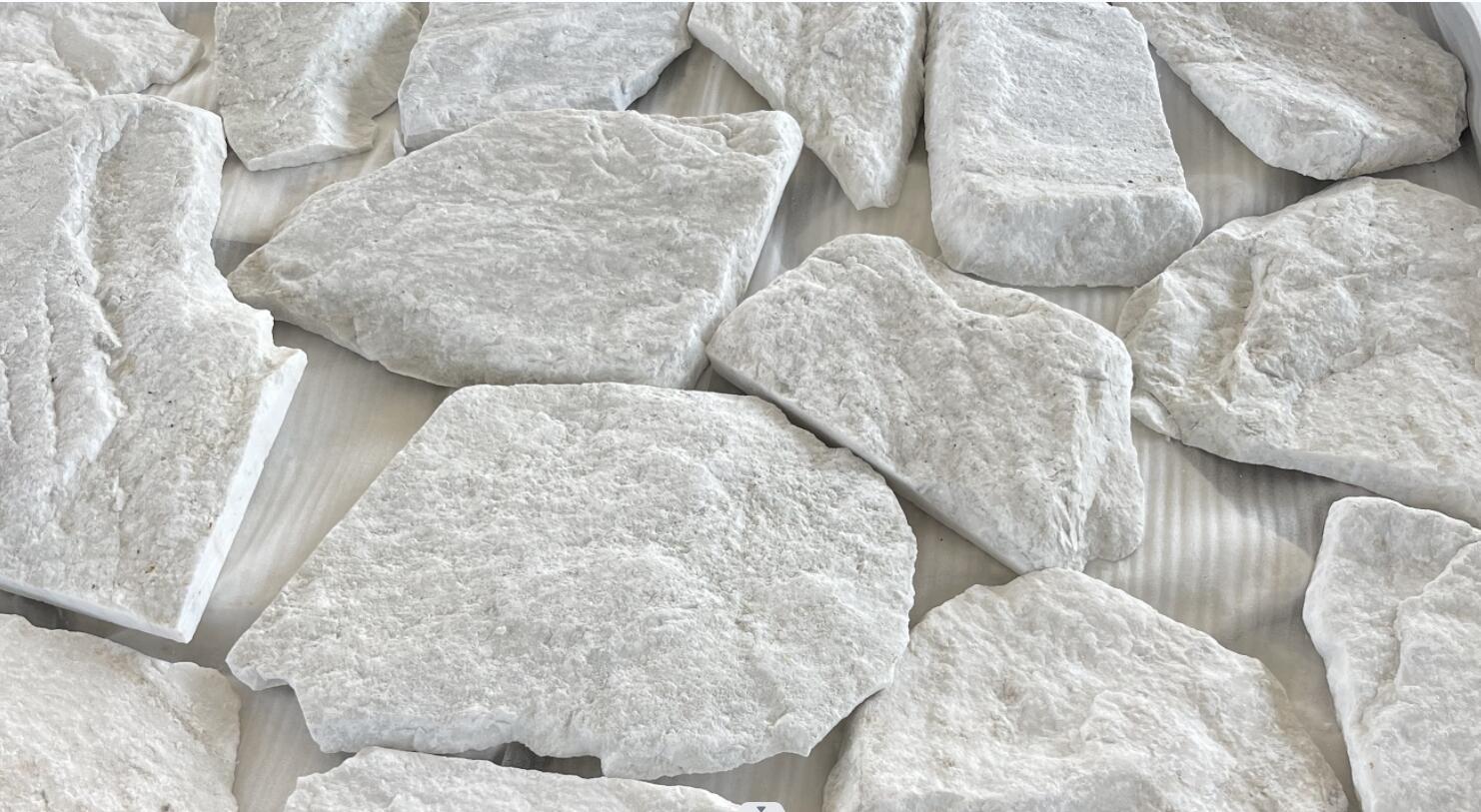
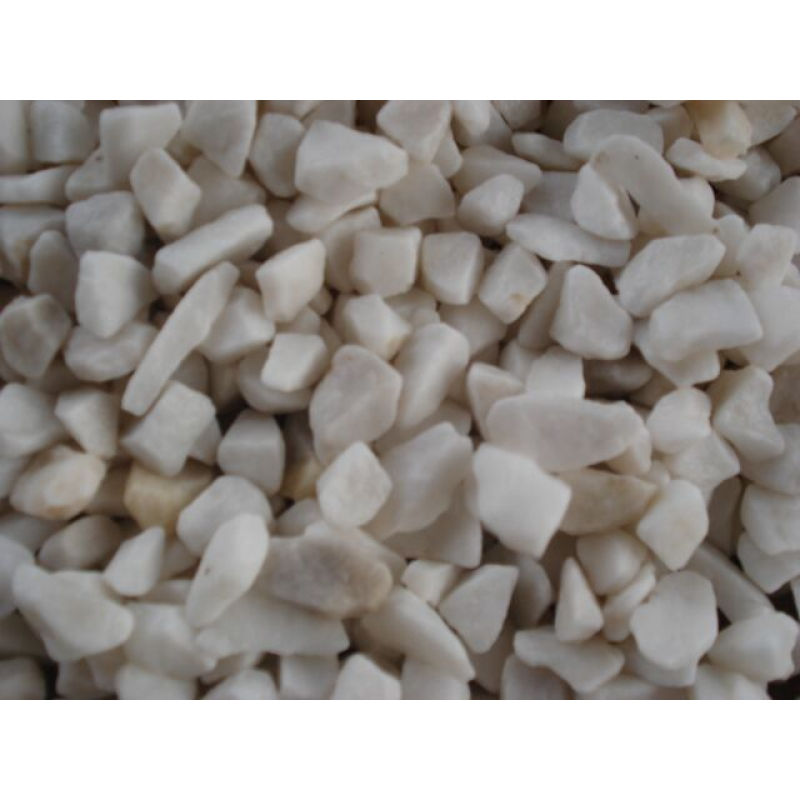
Marmuras is the result of limestone that has been altered through heat and pressure. It’s a versatile stone that can be used on virtually anything – statues, stairs, walls, bathrooms, counter tops, and more. Usually seen in white, marble is also common in black and grey tints, and has great weather endurance.
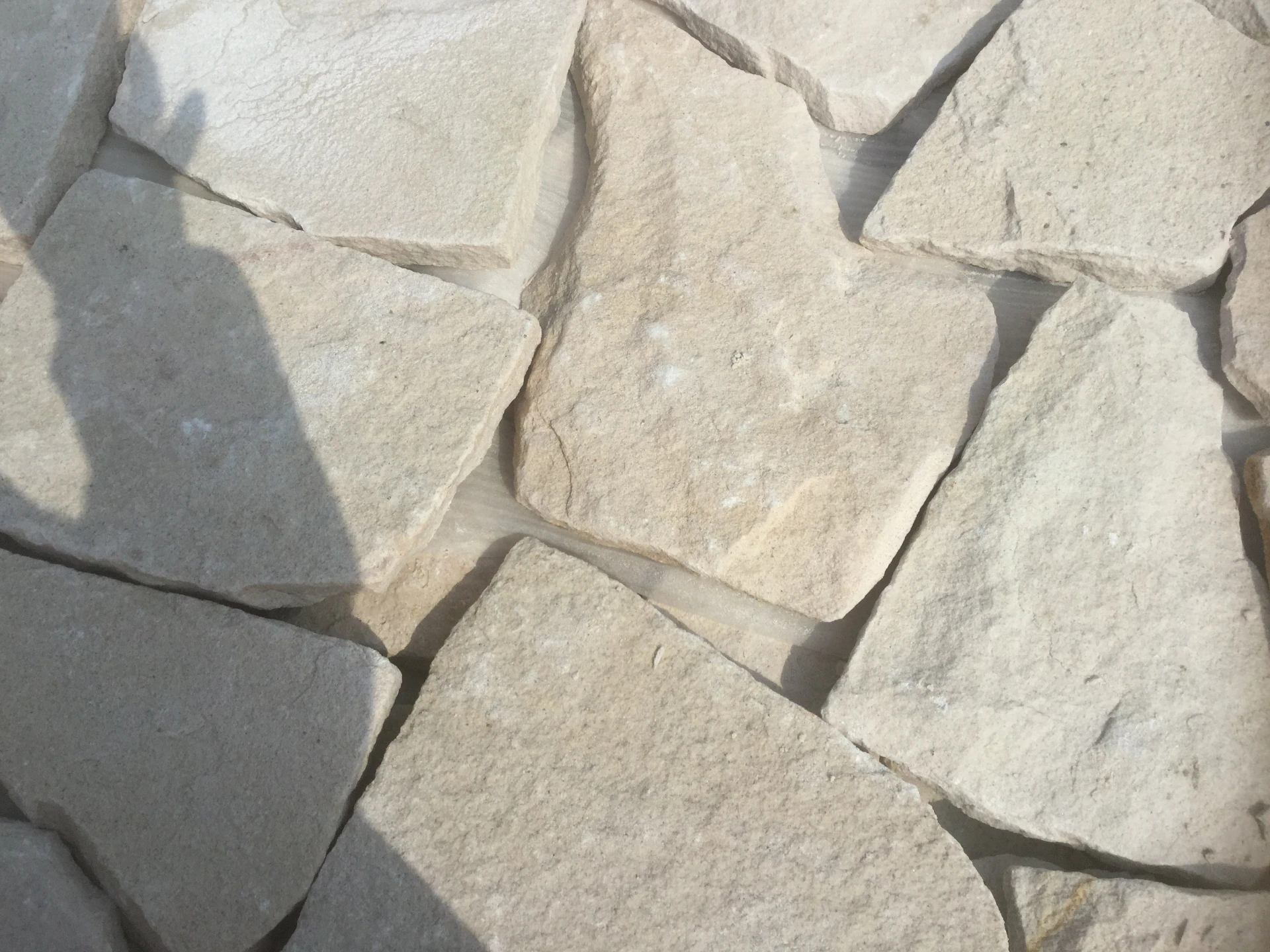
Kvarcitas kilęs iš smiltainio, kuris buvo pakeistas dėl karščio ir suspaudimo. Akmuo dažniausiai būna baltos spalvos, bet gali būti ir rudų, pilkų ar žalsvų atspalvių. Tai vienas kiečiausių natūralaus akmens rūšių, todėl puikus pasirinkimas pastatų fasadams, stalviršiams ir kitoms konstrukcijoms, kurioms reikalingi tvirti akmenys.
Granitas iš pradžių buvo negyvas akmuo, kuris buvo veikiamas magmos (lava) ir pakito dėl įvairių mineralų poveikio. Akmuo dažniausiai randamas šalyse, kuriose tam tikru momentu buvo didelis vulkaninis aktyvumas, ir yra įvairių spalvų: juodos, rudos, raudonos, baltos ir beveik visų spalvų tarp jų. Granitas yra puikus pasirinkimas virtuvėms ir vonios kambariams dėl savo antibakterinių savybių.
Kalkakmenis yra koralų, jūros kriauklių ir kitų vandenynų gyvybės suspaudimo rezultatas. Yra dviejų tipų kalkakmenis: kietesnis, kuriame yra daug kalcio, ir minkštesnis, kuriame yra daugiau magnio. Kietas kalkakmenis dažnai naudojamas statybų pramonėje arba sumalamas ir naudojamas skiedinyje dėl savo vandeniui atsparios kokybės.
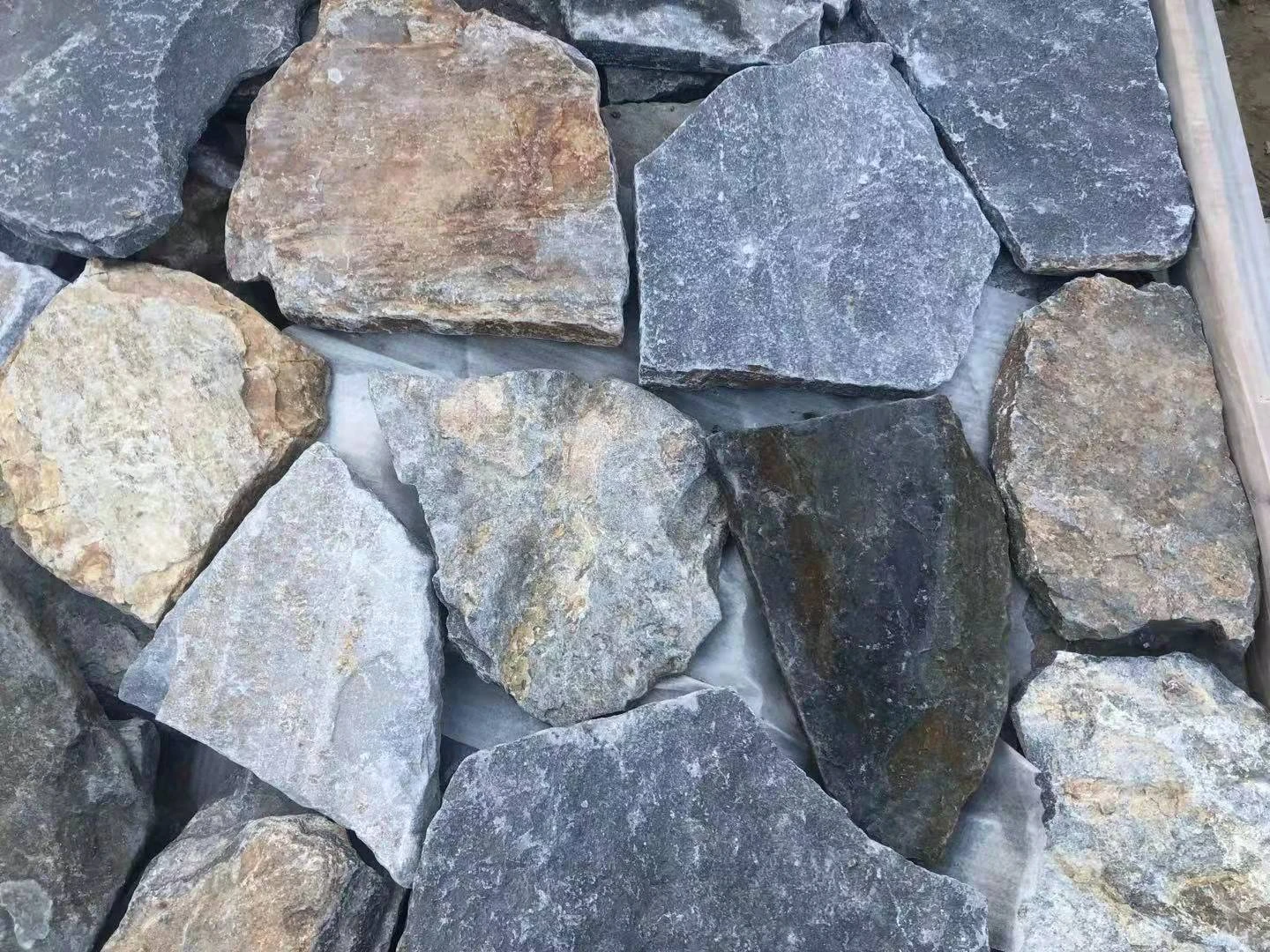
Bluestone is sometimes referred to as basalt, and is one of the most common natural stones around the world. Bluestone forms through the alteration of lava, and because of this, is one of the closest stones to the Earth’s surface. Basalt is generally darker in colour, and is used as house roofing and floor tiles because of its hard texture.
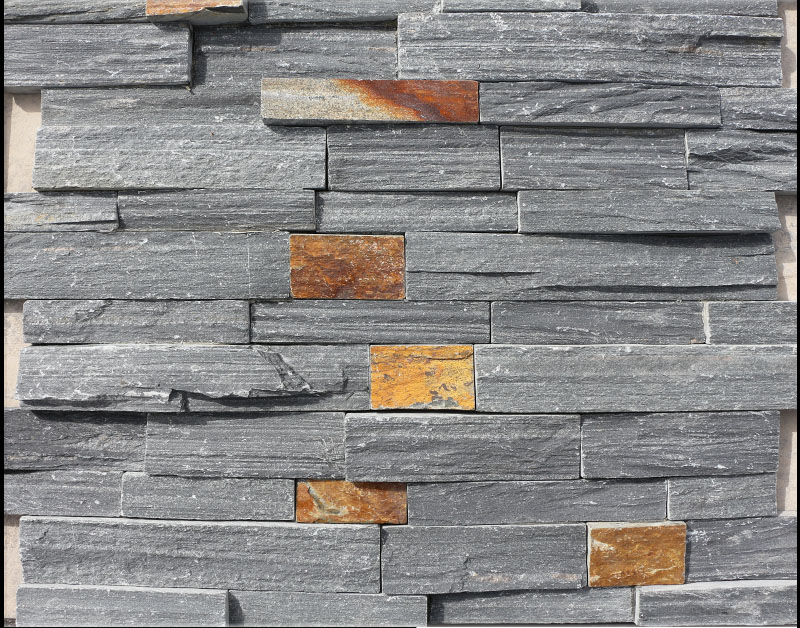
Šiferis buvo sukurta, kai skalūnų ir purvo nuosėdos buvo pakeistos dėl karščio ir slėgio. Galimos juodos, violetinės, mėlynos, žalios ir pilkos spalvos šiferis tapo populiariu stogo dangos pasirinkimu, nes jį galima plonai pjauti ir atlaikyti šaltą temperatūrą su minimalia žala. Šiferis taip pat dažnai naudojamas kaip grindų plytelės dėl savo ilgalaikio pobūdžio.
Travertinas is created when floodwaters wash through limestone, leaving mineral deposits throughout. As it dries out, the extra minerals solidify to gradually create a much denser material called travertine. This stone is good as a replacement for marble or granite, as it’s much lighter and easier to work with, yet still durable. For this reason travertine is often used on floors or walls, and is estimated to last around fifty years if maintained regularly.
 Afrikos
  albanų
  amharų
  arabiškas
  armėnų
  Azerbaidžaniečių
  baskų
baskų  baltarusių
  bengalų
  bosnių
  bulgarų
  katalonų
  Cebuano
  Kinija
  Kinija (Taivanas)
  Korsikos
  kroatų
  čekų
čekų  danų
danų  olandų
  Anglų
Anglų  Esperanto
  Estų
Estų  suomių
  Prancūzų kalba
  fryzų
fryzų  Galisų
  gruzinų
  vokiečių
  graikų
  gudžaratų
  Haičio kreolų
  hausa
hausa  havajietis
  hebrajų
  Ne
Ne  Miao
Miao  vengrų
  islandų
  igbo
igbo  Indoneziečių
  airių
airių  italų
italų  japonų
  javiečių
  kanada
  kazachų
  khmerų
  Ruandos
  korėjiečių
  kurdų
kurdų  Kirgizų
  TB
TB  lotynų kalba
  latvių
  lietuvių
  liuksemburgiečių
  Makedonietis
  Malgashi
  malajiečių
  malajalių
  maltiečių
  maorių
  marati
  mongolų
  Mianmaras
  Nepaliečių
  norvegų
  norvegų
  oksitanų
  puštūnų
  persų
persų  lenkas
  portugalų
  Pandžabų
  rumunų
  rusų
rusų  samoiečių
  škotų gėlų
  serbų
serbų  Anglų
Anglų  Šona
Šona  Sindų
Sindų  Sinhala
  slovakų
  slovėnų
  Somalis
  ispanų
  Sundanai
  suahilių
  Švedijos
  tagalogų
  tadžikų
  tamilų
  totorių
  telugų
  tajų
tajų  turkų
turkų  turkmėnų
  ukrainiečių
  urdu
urdu  Uigūras
  uzbekas
  vietnamiečių
  valų
valų