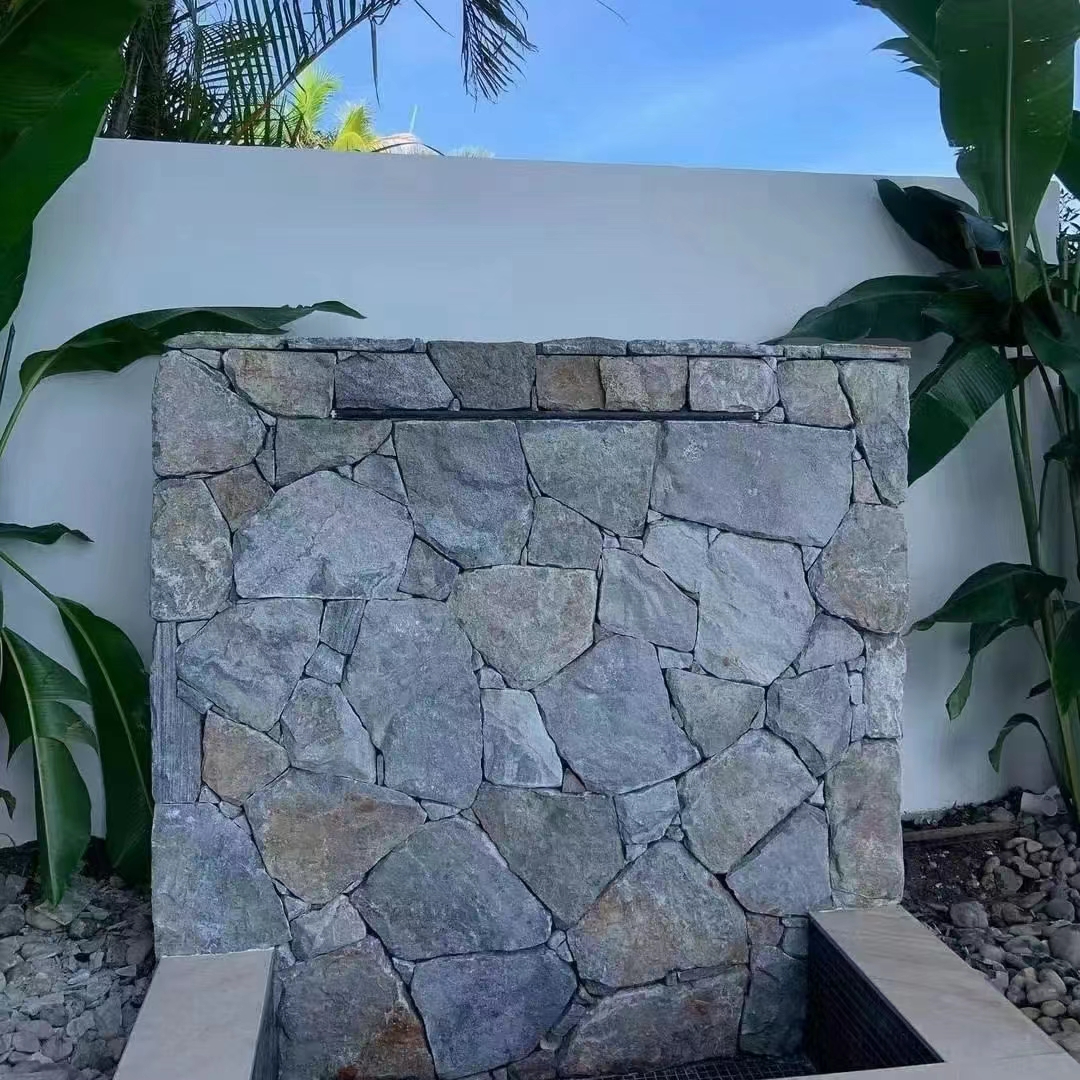
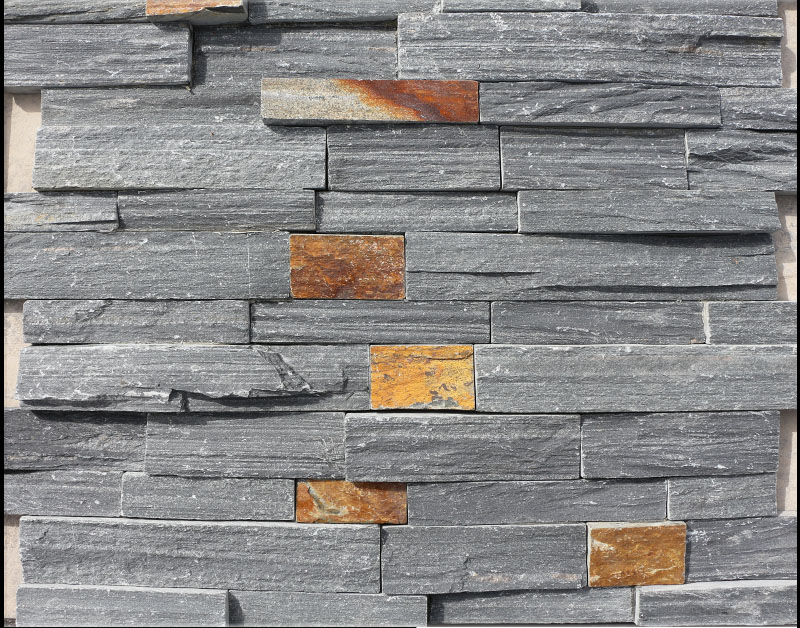
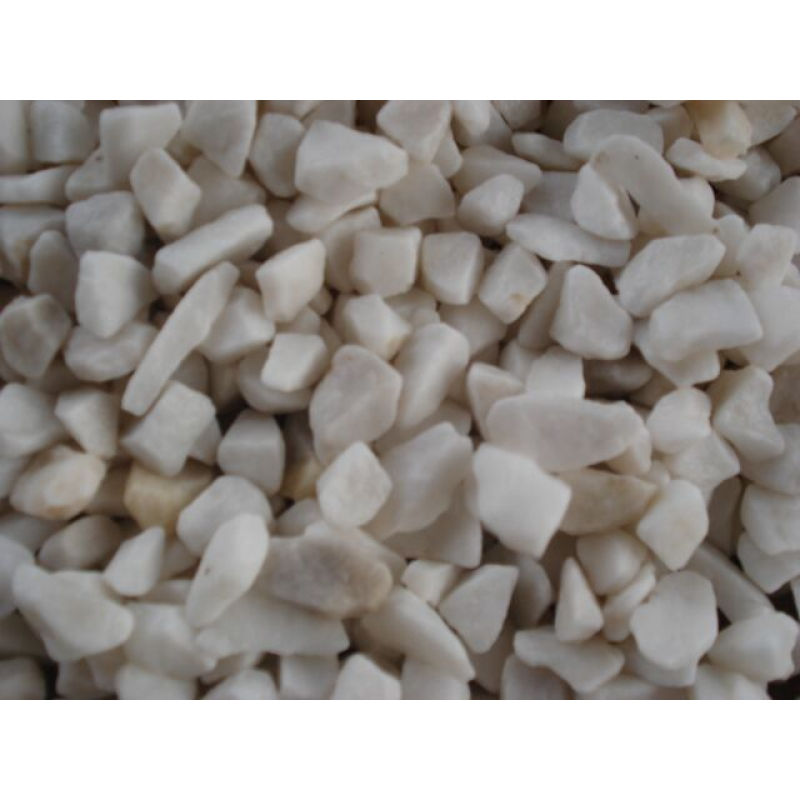
Harri naturala etxeetan eta lorategietan gehien erabiltzen den materialetako bat da. Baina inoiz gelditu al zara zure harrizko teila, adreilu edo zorua nondik datozen galdetzen?
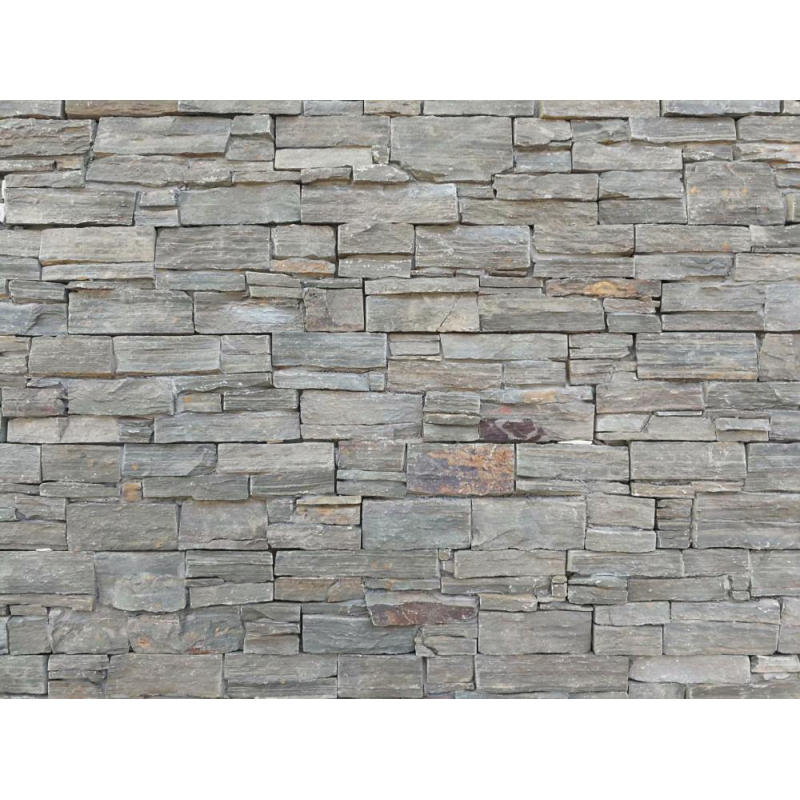
Natural stone was created thousands of years ago when the Earth was just a ball of mineral gases. As these gases began to cool down, they compressed and solidified to form the world we know today. It was during this process that natural stone was formed – the type of stone created depends on what type of minerals were combined at that time. This was a slow process that occurred over millions of years. As the Earth began to settle, many of these seams of stone were gradually pushed to the surface by heat and pressure, creating the large formations we see today.
Stone can come from anywhere in the world, and the type of stone is determined by its origins. There are quarries in America, Mexico, Canada, Italy, Turkey, Australia, and Brazil, as well as many other countries around the globe. Some countries have multiple natural stone quarries, whilst others only have a few. Let’s look in closer detail at where particular stones originate and how they were formed.
Marmola is the result of limestone that has been altered through heat and pressure. It’s a versatile stone that can be used on virtually anything – statues, stairs, walls, bathrooms, counter tops, and more. Usually seen in white, marble is also common in black and grey tints, and has great weather endurance.
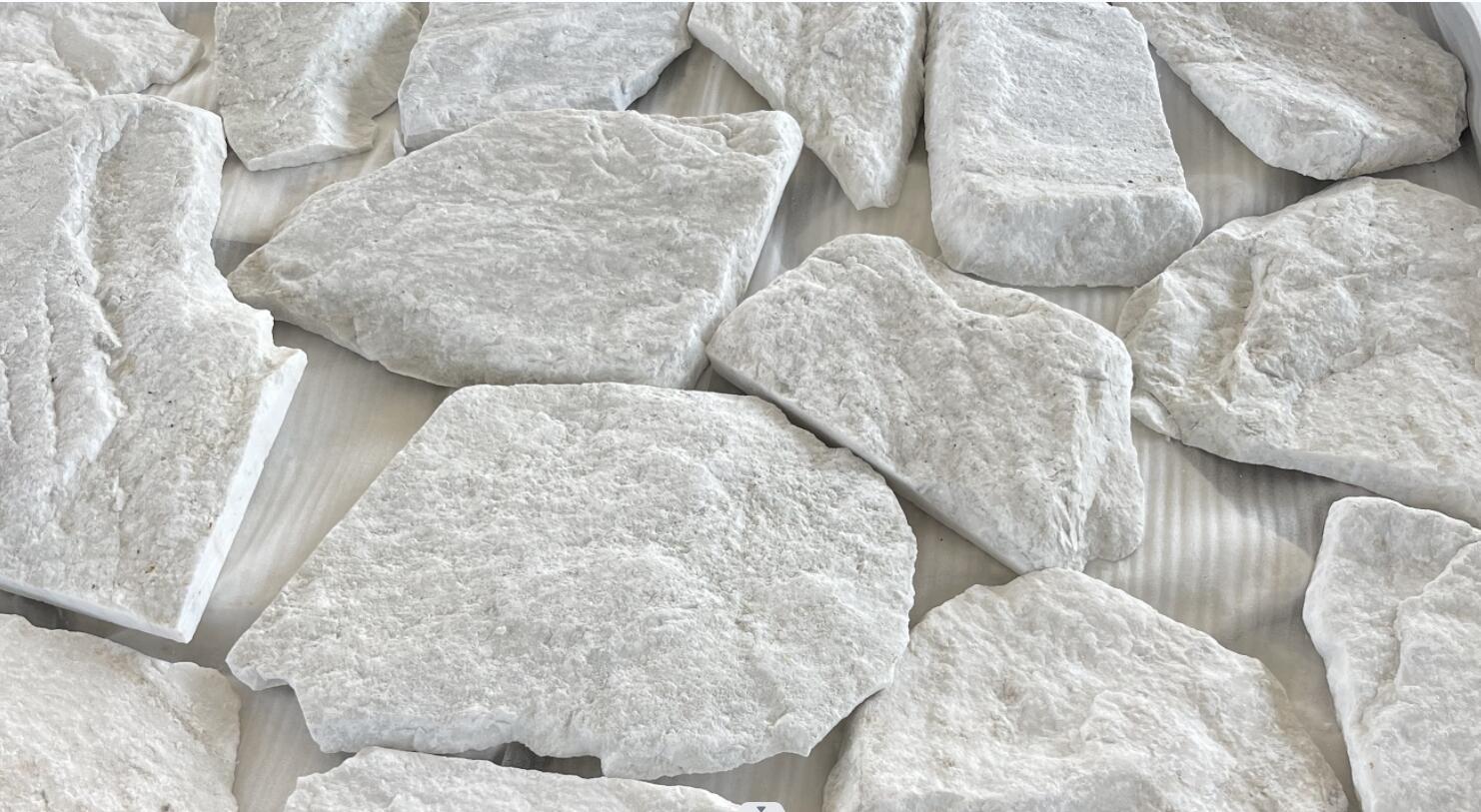
Kuartzita Beroaren eta konpresioaren bidez aldatu den hareharritik sortzen da. Harria zuriz dator batez ere, baina kolore marroi, gris edo berdexkekin ere aurki daiteke. Harri natural gogorrenetako bat da, eta aukera bikaina da eraikinen fatxadak, erakusmahaiak eta harri gogorrak behar dituzten beste egituretarako.
Granitoa jatorriz magma (laba) jasan eta mineral ezberdinen eraginez aldatutako harri igneo bat zen. Harria noizbait sumendi-jarduera handia izan duten herrialdeetan aurkitu ohi da, eta kolore askotarikoetan dago eskuragarri, beltza, marroia, gorria, zuria eta tarteko ia kolore guztietan. Granitoa aukera bikaina da sukaldeetarako eta bainugeletarako, bakterioen aurkako ezaugarriengatik.
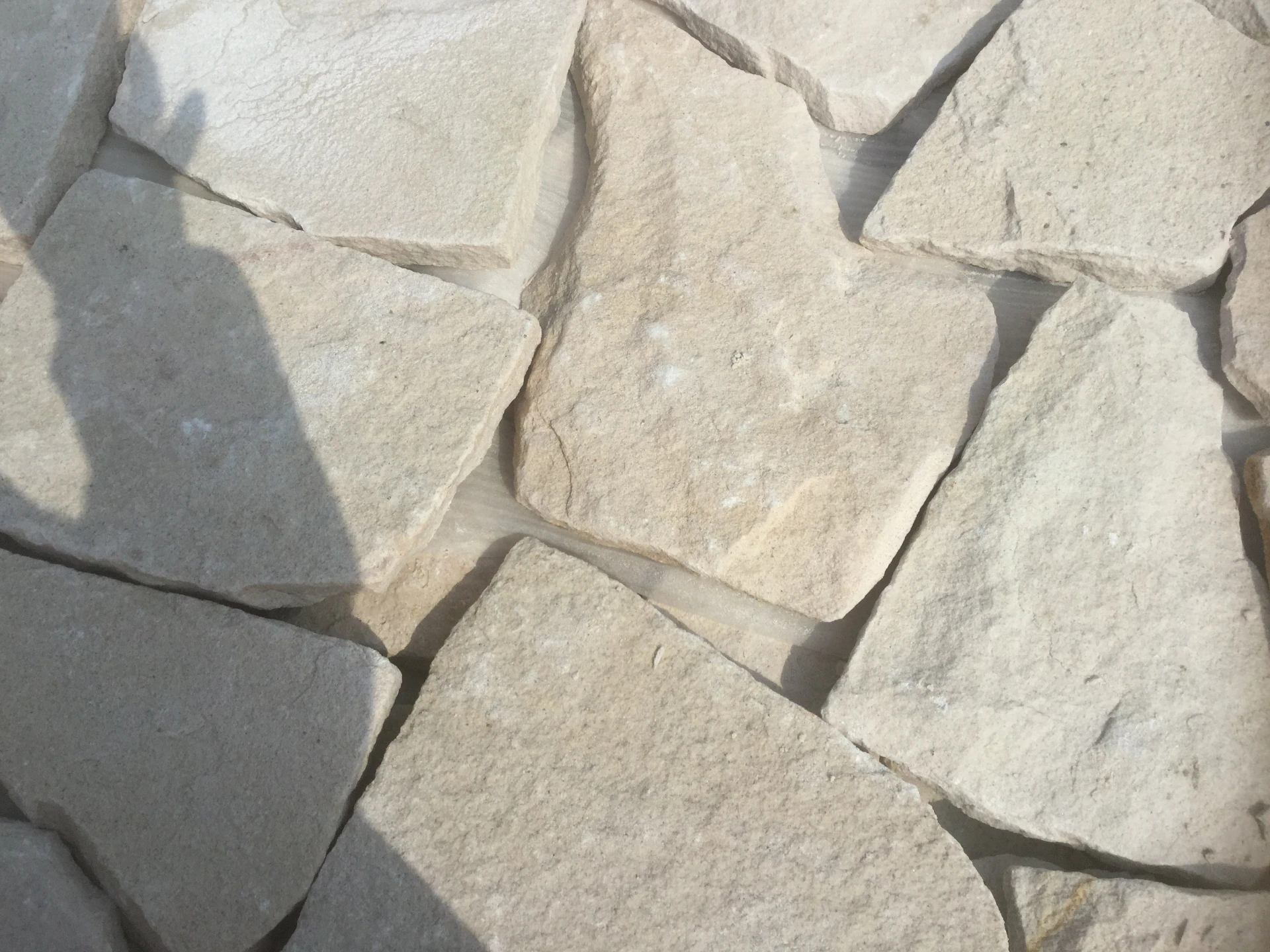
Kareharria koralak, itsas maskorrak eta beste ozeano bizia elkarrekin konprimitzearen emaitza da. Bi kareharri mota daude, kaltzioz beteta dagoen mota gogorragoa eta magnesio gehiago duen mota bigunagoa. Kare-harri gogorra eraikuntza-industrian erabili ohi da, edo lurrez eta morteroan erabiltzen da iragazgaitza duen kalitateagatik.
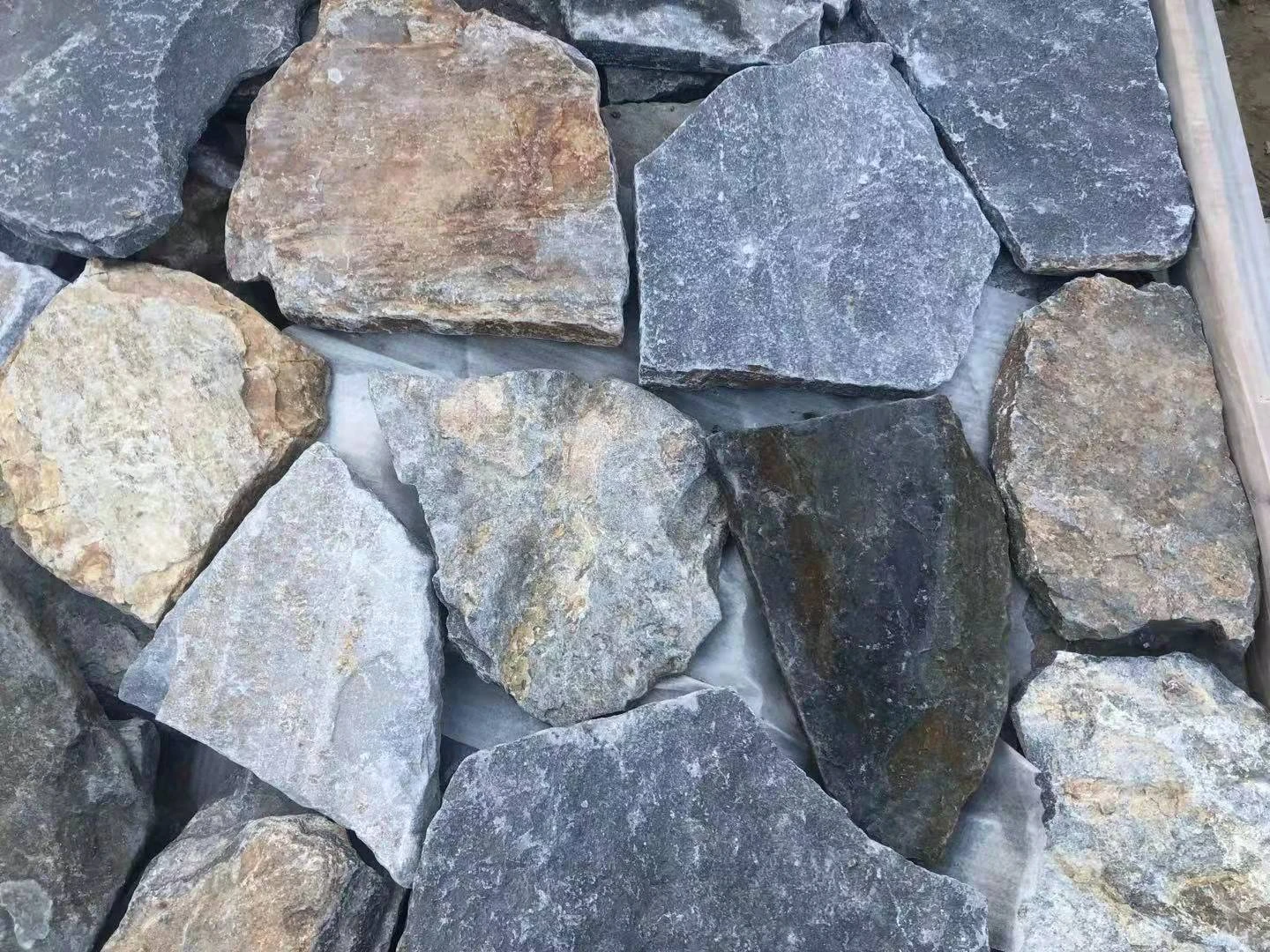
Harri urdina is sometimes referred to as basalt, and is one of the most common natural stones around the world. Bluestone forms through the alteration of lava, and because of this, is one of the closest stones to the Earth’s surface. Basalt is generally darker in colour, and is used as house roofing and floor tiles because of its hard texture.
Arbela eskisto eta lokatz-sedimentuak beroaren eta presioaren bidez aldatu zirenean sortu zen. Beltza, morea, urdina, berdea eta grisa koloretan eskuragarri, arbela estalkietarako aukera ezaguna bihurtu da, mehe moztu eta tenperatura hotzak jasan ditzakeelako kalte minimoekin. Arbela ere askotan erabiltzen da zoruko baldosa gisa, bere izaera iraunkorragatik.
Trabertinoa is created when floodwaters wash through limestone, leaving mineral deposits throughout. As it dries out, the extra minerals solidify to gradually create a much denser material called travertine. This stone is good as a replacement for marble or granite, as it’s much lighter and easier to work with, yet still durable. For this reason travertine is often used on floors or walls, and is estimated to last around fifty years if maintained regularly.
 afrikarra
  Albaniarra
  Amharikoa
  arabiera
  armeniarra
  Azerbaijangoa
  euskara
  bielorrusiera
  bengalera
  bosniarra
  bulgariera
  katalana
  Cebuano
  Txina
Txina  Txina (Taiwan)
  Korsikera
  kroaziera
  Txekiar
  daniera
  holandarra
  ingelesa
  esperantoa
  Estoniarra
  Finlandiera
  frantsesa
  frisiera
  galegoa
  georgiarra
  alemana
  grekoa
  gujaratera
  Haitiko kreolera
  hausa
hausa  hawaiarra
  hebreera
  Ezetz
Ezetz  Miao
Miao  hungariera
  islandiera
  igbo
igbo  Indonesian
  irlandera
  italiarra
  japoniarra
  javera
  Kannada
  kazakh
  Khmer
Khmer  Ruanda
  Korean
  kurduera
  kirgizera
  TB
TB  latina
  letoniera
  Lituaniera
  Luxenburgera
  Mazedoniera
  Malgashi
  malaysiera
  malayalamera
  maltera
  maoria
  Marathia
  Mongoliera
  Myanmar
  Nepaliarra
  Norvegiara
  Norvegiara
  okzitaniera
  Paxtuera
  pertsiera
  poloniarra
  portugesa
  punjabera
  errumaniera
  errusiera
  samoarra
  Eskoziako gaelikoa
  serbiarra
  ingelesa
  Shona
Shona  Sindhia
  Sinhalera
  eslovakiera
  Esloveniera
  somaliera
  gaztelania
  Sundanera
  Swahilia
  Suediera
  Tagalog
  Tajik
Tajik  Tamila
  tatariarra
  Telugu
  thailandiera
  turkiera
  Turkmenera
  Ukrainara
  Urdu
Urdu  uigurrera
  uzbekera
  Vietnamera
  galesera