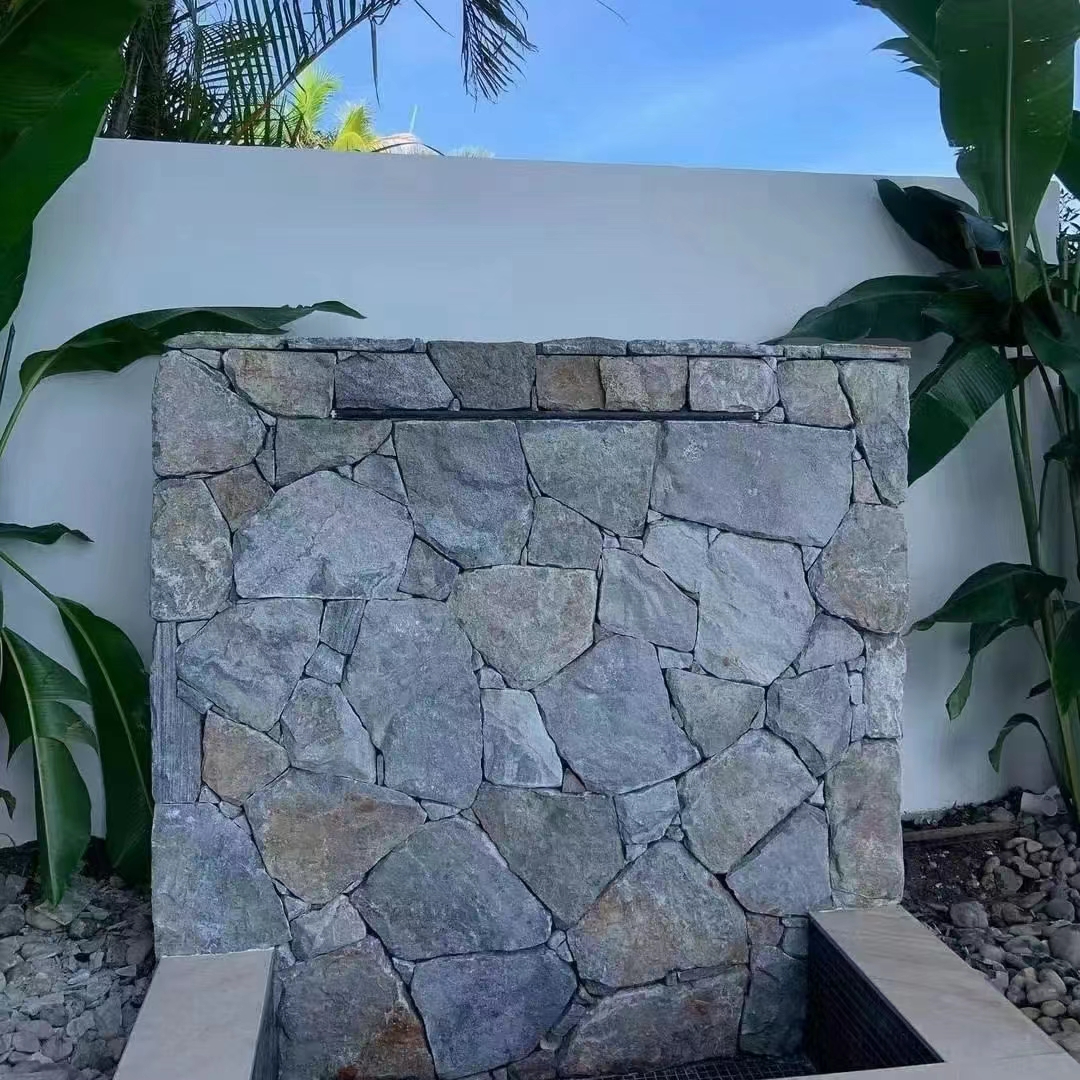
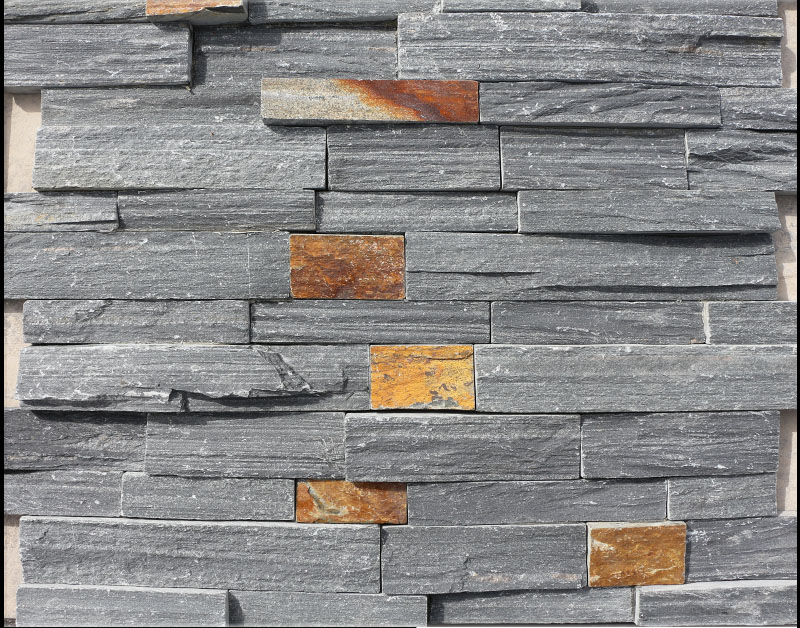
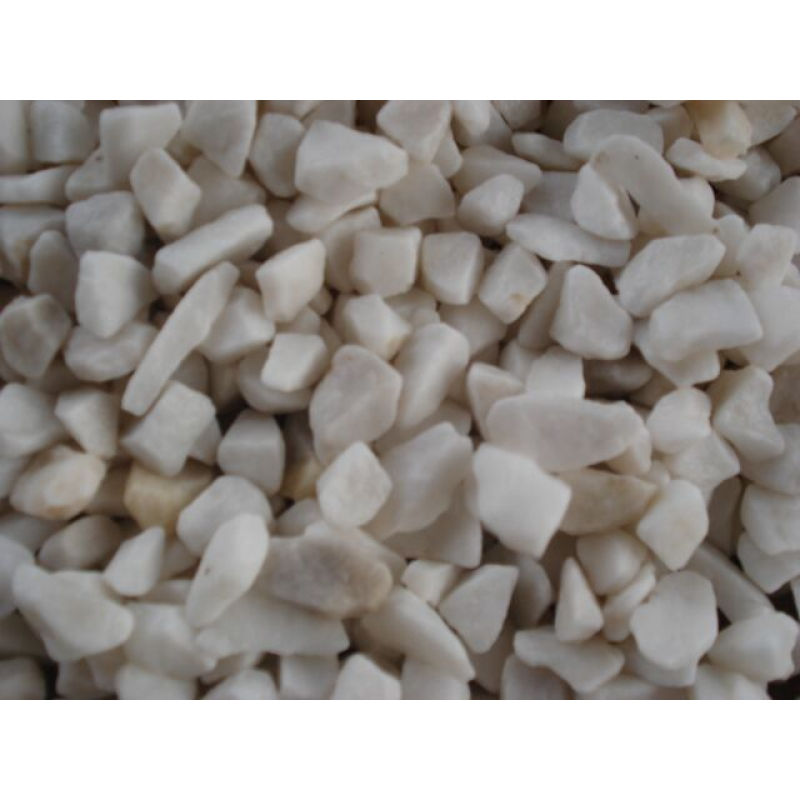
Carreg naturiol yw un o'r deunyddiau a ddefnyddir amlaf mewn cartrefi a gerddi. Ond a ydych chi erioed wedi stopio i feddwl o ble mae eich teils carreg, brics neu loriau penodol wedi dod?
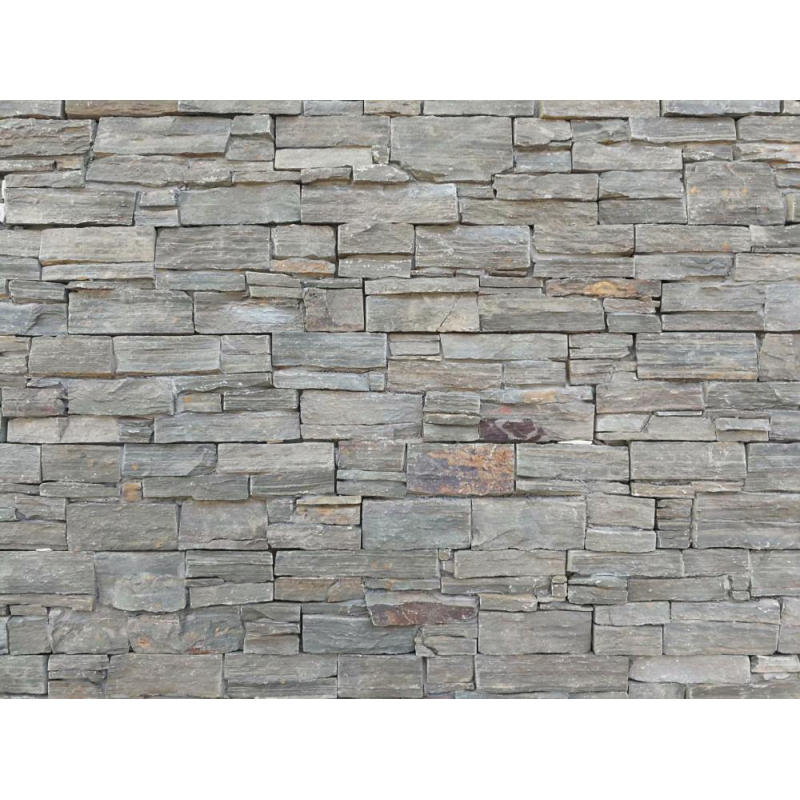
Natural stone was created thousands of years ago when the Earth was just a ball of mineral gases. As these gases began to cool down, they compressed and solidified to form the world we know today. It was during this process that natural stone was formed – the type of stone created depends on what type of minerals were combined at that time. This was a slow process that occurred over millions of years. As the Earth began to settle, many of these seams of stone were gradually pushed to the surface by heat and pressure, creating the large formations we see today.
Stone can come from anywhere in the world, and the type of stone is determined by its origins. There are quarries in America, Mexico, Canada, Italy, Turkey, Australia, and Brazil, as well as many other countries around the globe. Some countries have multiple natural stone quarries, whilst others only have a few. Let’s look in closer detail at where particular stones originate and how they were formed.
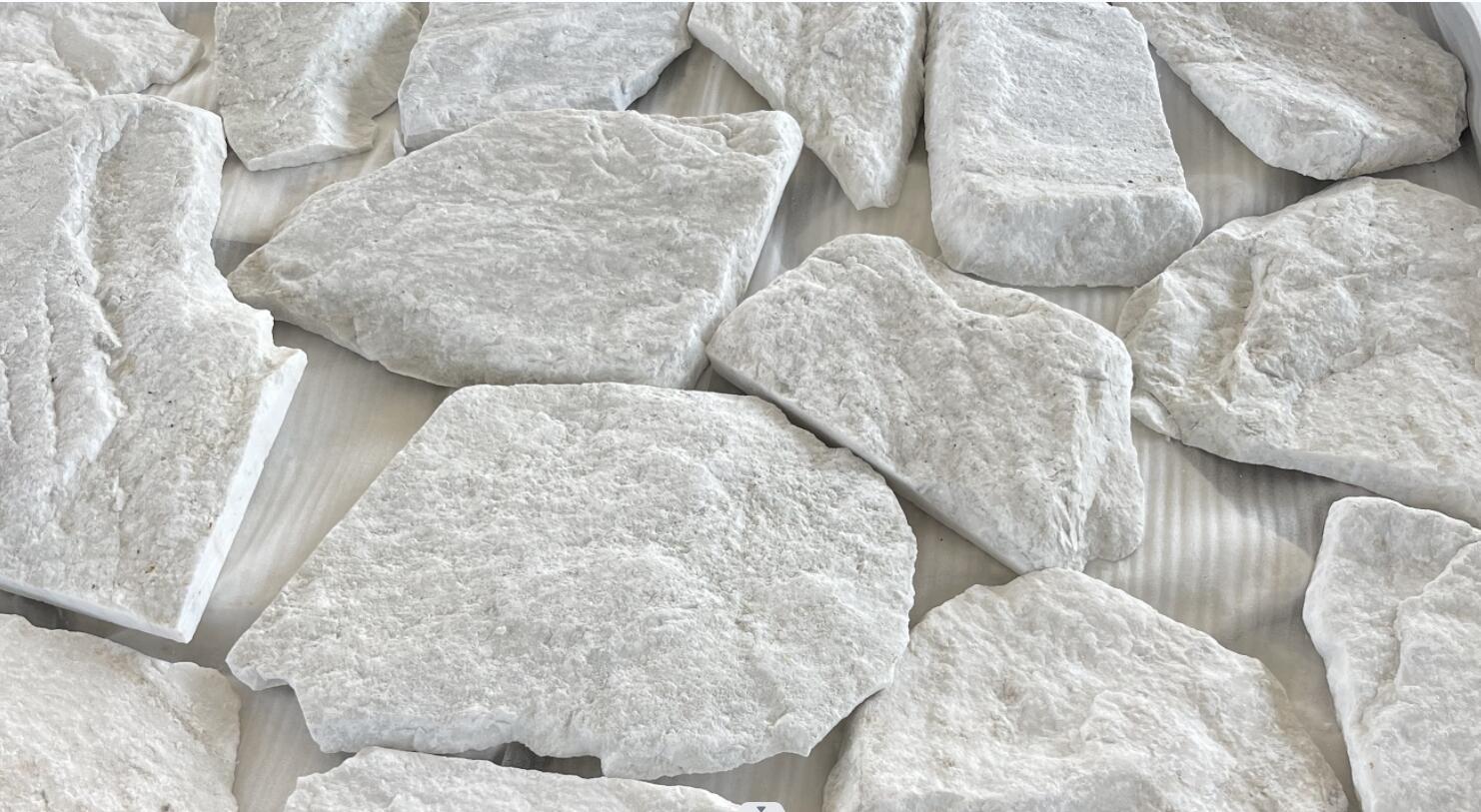
Marmor is the result of limestone that has been altered through heat and pressure. It’s a versatile stone that can be used on virtually anything – statues, stairs, walls, bathrooms, counter tops, and more. Usually seen in white, marble is also common in black and grey tints, and has great weather endurance.
cwartsit yn tarddu o dywodfaen sydd wedi'i newid trwy wres a chywasgu. Daw'r garreg mewn gwyn yn bennaf, ond gellir dod o hyd iddi hefyd gydag arlliwiau brown, llwyd neu wyrdd arni. Mae'n un o'r mathau o gerrig naturiol anoddaf, gan ei gwneud yn ddewis ardderchog ar gyfer adeiladu ffasadau, countertops, a strwythurau eraill sydd angen cerrig dyletswydd trwm.
Gwenithfaen yn wreiddiol yn garreg igneaidd a oedd wedi dod i gysylltiad â magma (lafa) a'i newid trwy ddod i gysylltiad â gwahanol fwynau. Mae'r garreg i'w chael yn gyffredin mewn gwledydd sydd wedi gweld gweithgaredd folcanig uchel ar ryw adeg, ac mae ar gael mewn amrywiaeth enfawr o liwiau o ddu, brown, coch, gwyn, a bron pob lliw rhyngddynt. Mae gwenithfaen yn opsiwn gwych ar gyfer ceginau ac ystafelloedd ymolchi oherwydd ei rinweddau gwrthfacterol.
Calchfaen yn ganlyniad cywasgu cwrel, cregyn môr, a bywyd cefnforol eraill gyda'i gilydd. Mae dau fath o galchfaen, math caletach sy'n llawn calsiwm, a math meddalach gyda mwy o fagnesiwm. Mae calchfaen caled yn cael ei ddefnyddio'n aml yn y diwydiant adeiladu, neu wedi'i ddaearu a'i ddefnyddio mewn morter oherwydd ei ansawdd diddos.
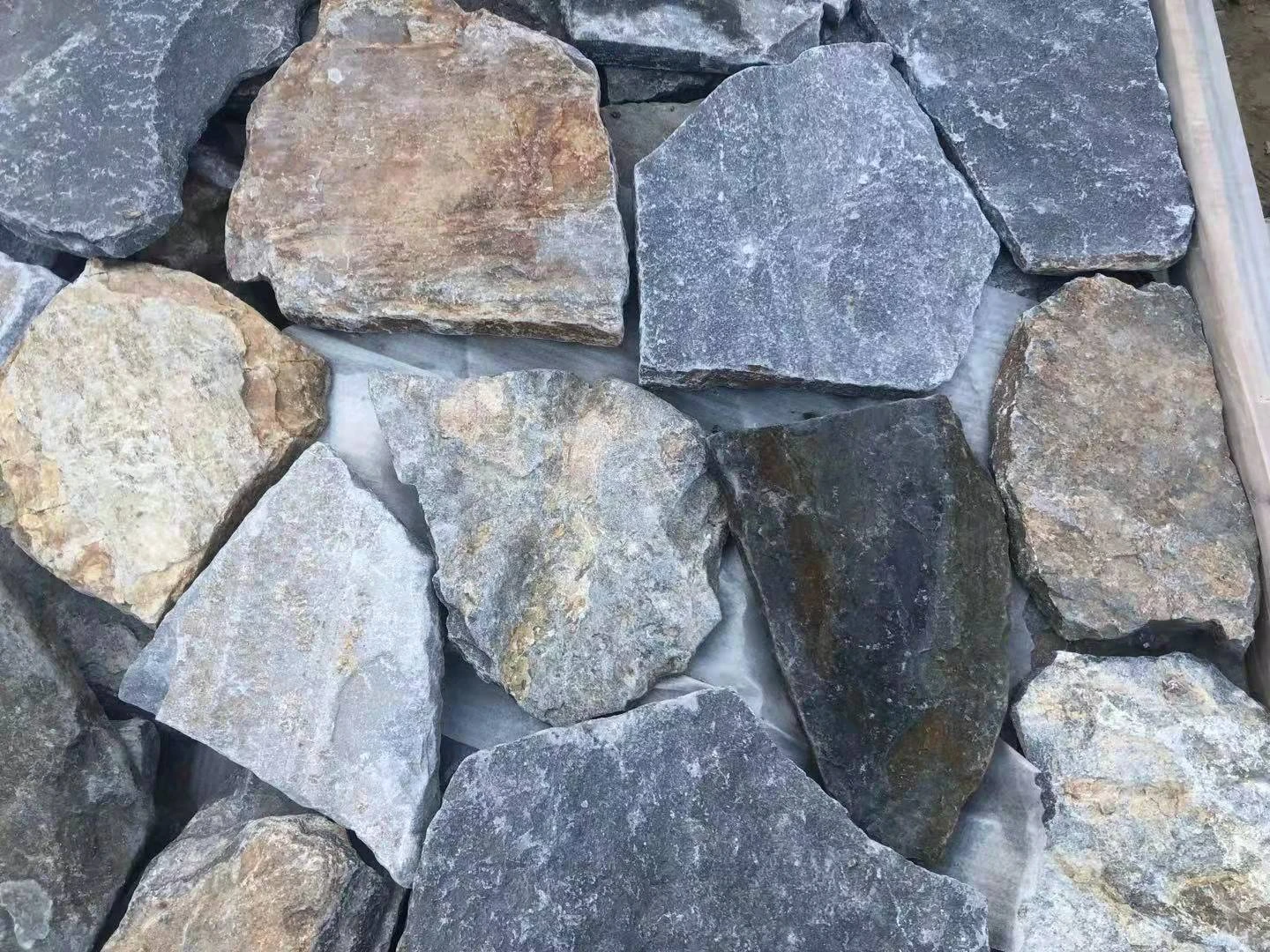
Y Garreg Las is sometimes referred to as basalt, and is one of the most common natural stones around the world. Bluestone forms through the alteration of lava, and because of this, is one of the closest stones to the Earth’s surface. Basalt is generally darker in colour, and is used as house roofing and floor tiles because of its hard texture.
Llechen ei greu pan newidiwyd gwaddodion siâl a charreg laid trwy wres a gwasgedd. Ar gael mewn lliwiau o ddu, porffor, glas, gwyrdd a llwyd, mae llechi wedi dod yn ddewis poblogaidd ar gyfer toi gan y gellir ei dorri'n denau a gwrthsefyll tymheredd oer heb fawr o ddifrod. Defnyddir llechi yn aml hefyd fel teils llawr oherwydd ei natur barhaus.
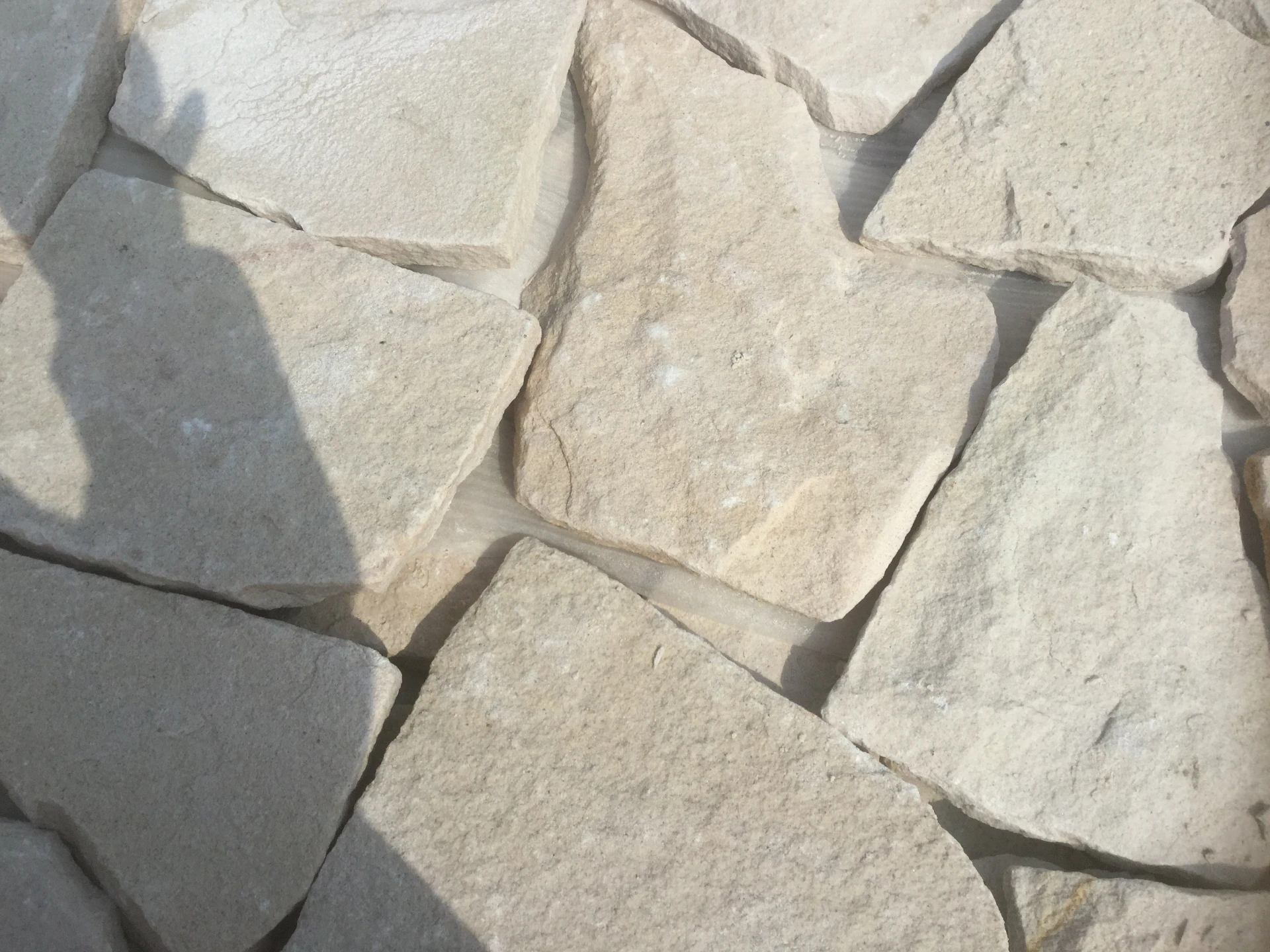
Trafertin is created when floodwaters wash through limestone, leaving mineral deposits throughout. As it dries out, the extra minerals solidify to gradually create a much denser material called travertine. This stone is good as a replacement for marble or granite, as it’s much lighter and easier to work with, yet still durable. For this reason travertine is often used on floors or walls, and is estimated to last around fifty years if maintained regularly.
 Affricanaidd
  Albaneg
  Amhareg
  Arabeg
  Armenaidd
  Azerbaijani
  Basgeg
  Belarwseg
  Bengali
  Bosnieg
  Bwlgareg
  Catalaneg
  Cebuano
  Tsieina
  Tsieina (Taiwan)
  Corseg
  Croateg
  Tsiec
Tsiec  Daneg
Daneg  Iseldireg
  Saesneg
  Esperanto
  Estoneg
  Ffinneg
  Ffrangeg
  Ffriseg
  Galiseg
  Sioraidd
  Almaeneg
  Groeg
Groeg  Gwjarati
  Creol Haitaidd
  hausa
hausa  hawaiian
  Hebraeg
  Naddo
Naddo  Miao
Miao  Hwngareg
  Islandeg
  igbo
igbo  Indoneseg
  gwyddelig
  Eidaleg
  Japaneaidd
  Jafaneg
  Kannada
  kazakh
  Khmer
Khmer  Rwanda
  Corëeg
  Cwrdaidd
  Kyrgyz
  TB
TB  Lladin
  Latfieg
  Lithwaneg
  Lwcsembwrgaidd
  Macedoneg
  Malgashi
  Maleieg
  Malayalam
  Malteg
  Maori
Maori  Marathi
  Mongoleg
  Myanmar
  Nepali
  Norwyaidd
  Norwyaidd
  Ocsitaneg
  Pashto
  Perseg
  Pwyleg
  Portiwgaleg
  Pwnjabi
  Rwmania
  Rwsieg
  Samoaidd
  Gaeleg yr Alban
  Serbeg
  Saesneg
  Shona
Shona  Sindhi
  Sinhala
  Slofaceg
  Slofeneg
  Somalïaidd
  Sbaeneg
  Sundanaidd
  Swahili
  Swedeg
  Tagalog
  Tajiceg
  Tamil
Tamil  Tatar
Tatar  Telugu
  Thai
Thai  Twrceg
  Tyrcmeniaid
  Wcrain
  Wrdw
Wrdw  Uighur
  Wsbeceg
  Fietnameg
  Cymraeg