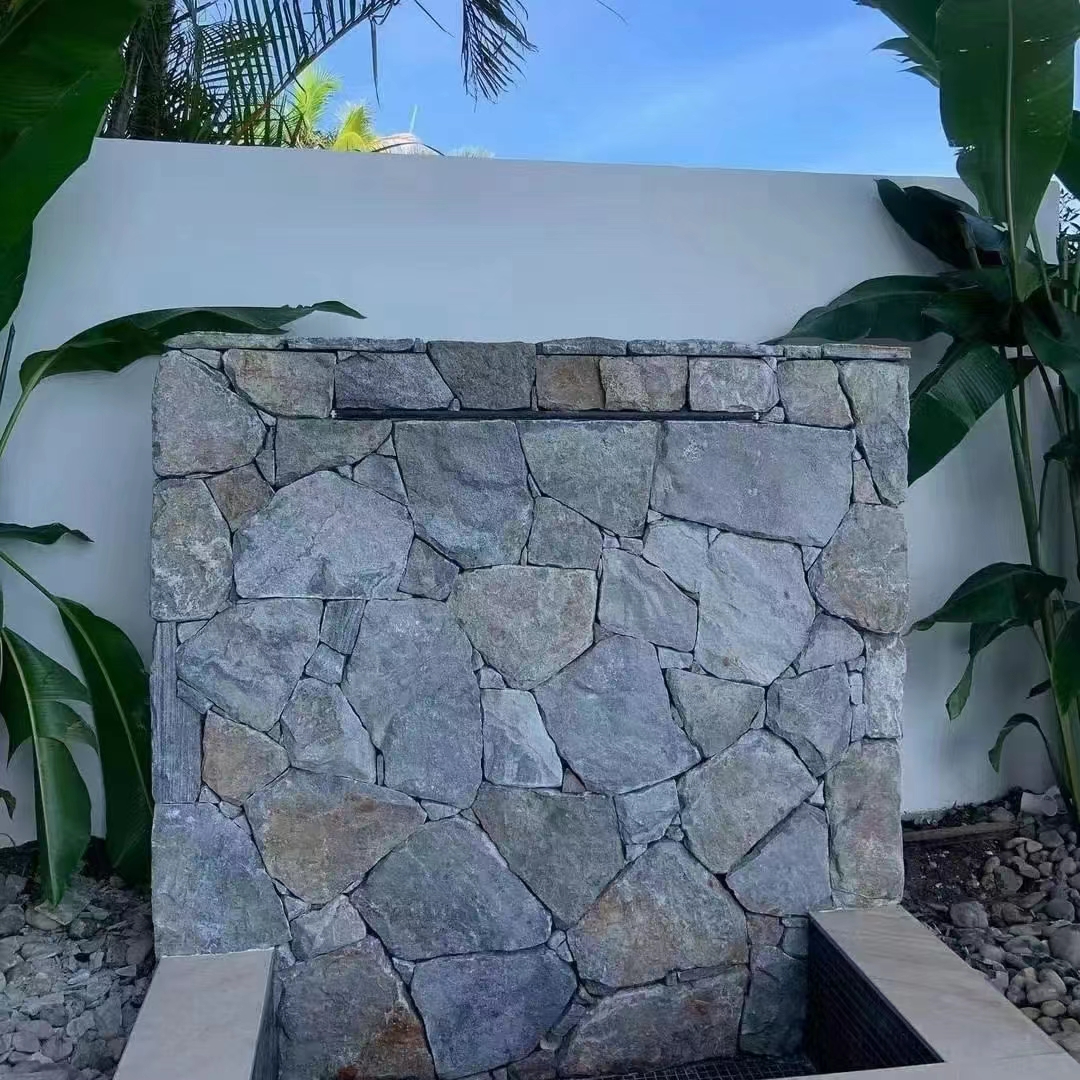
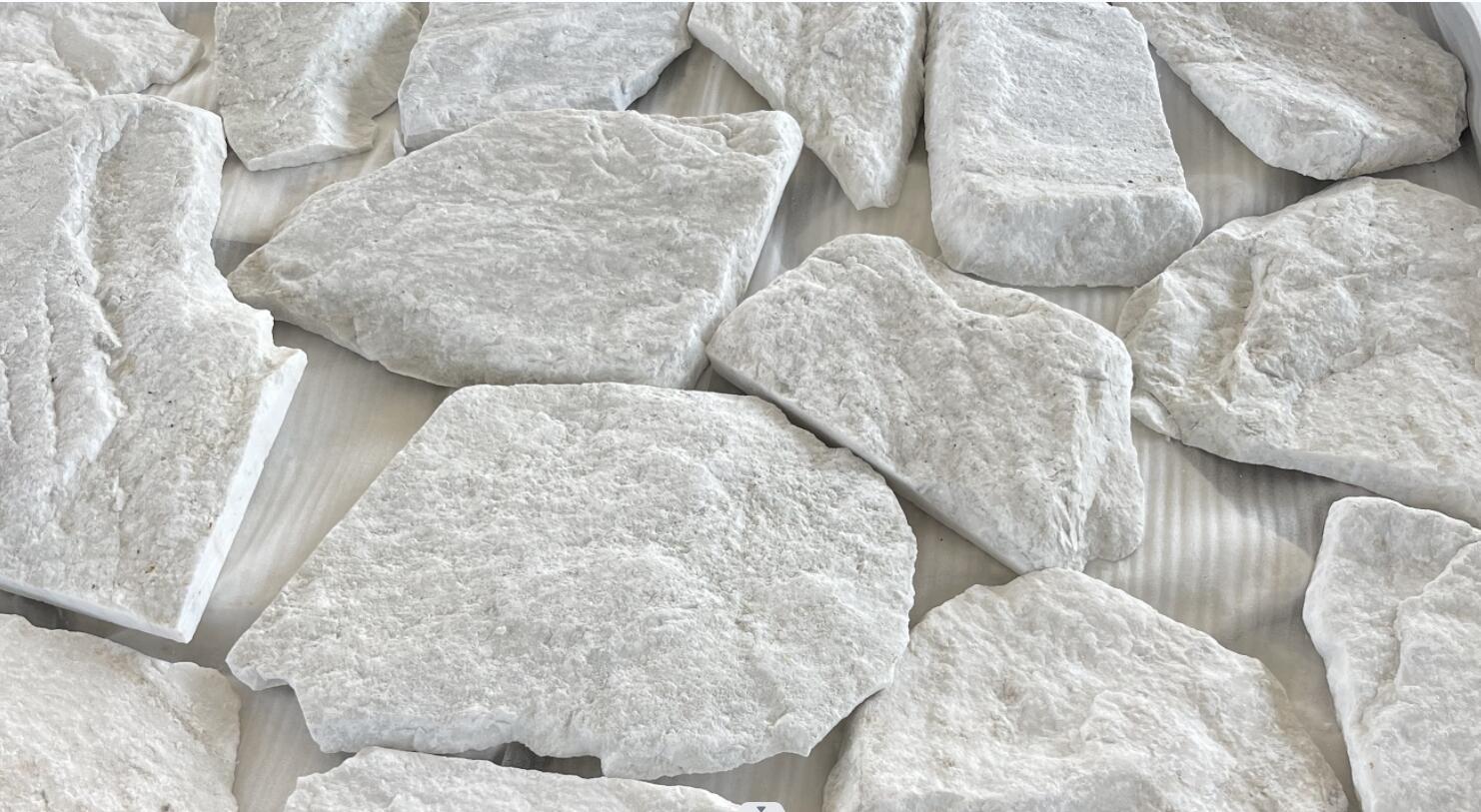
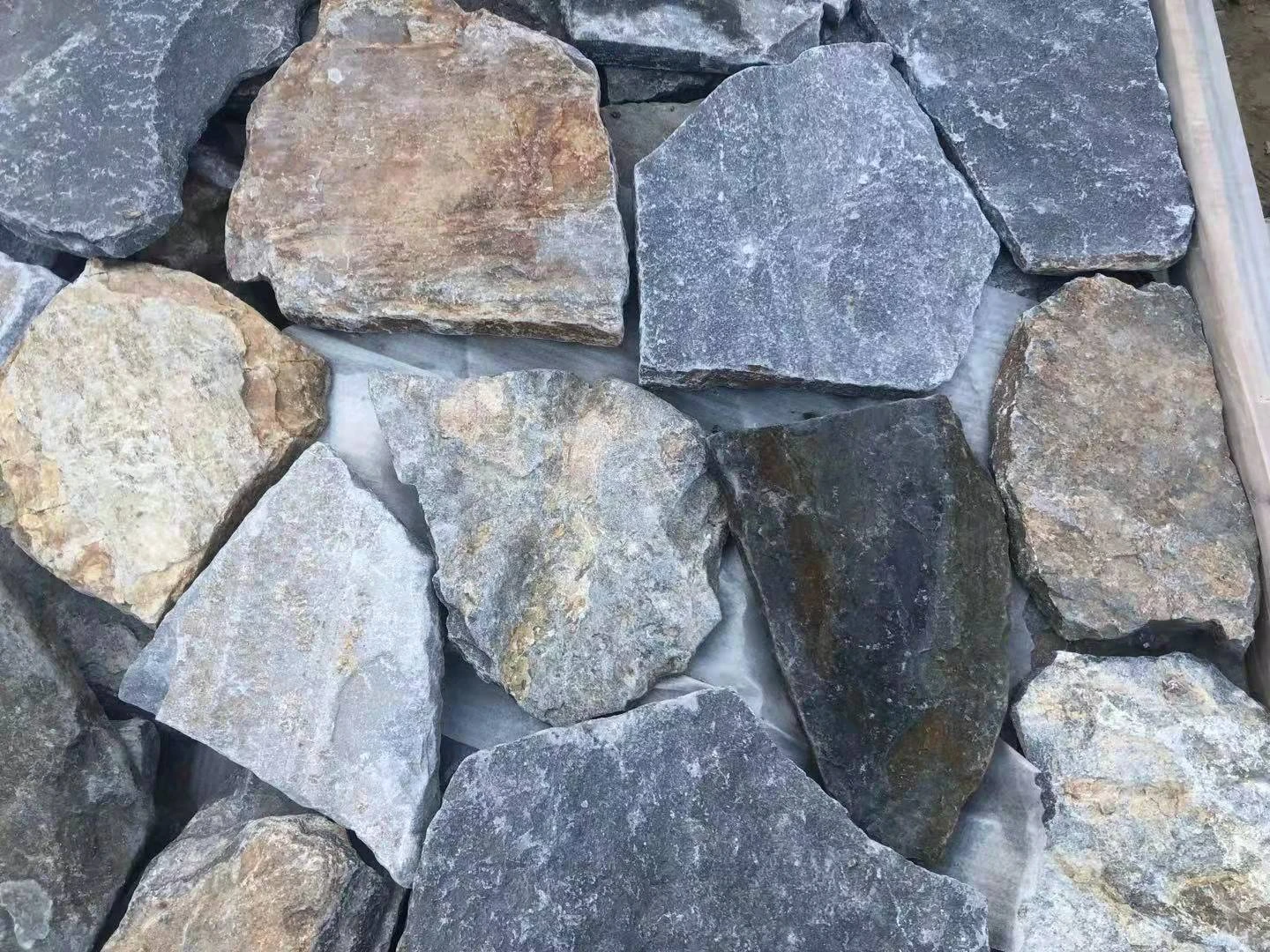
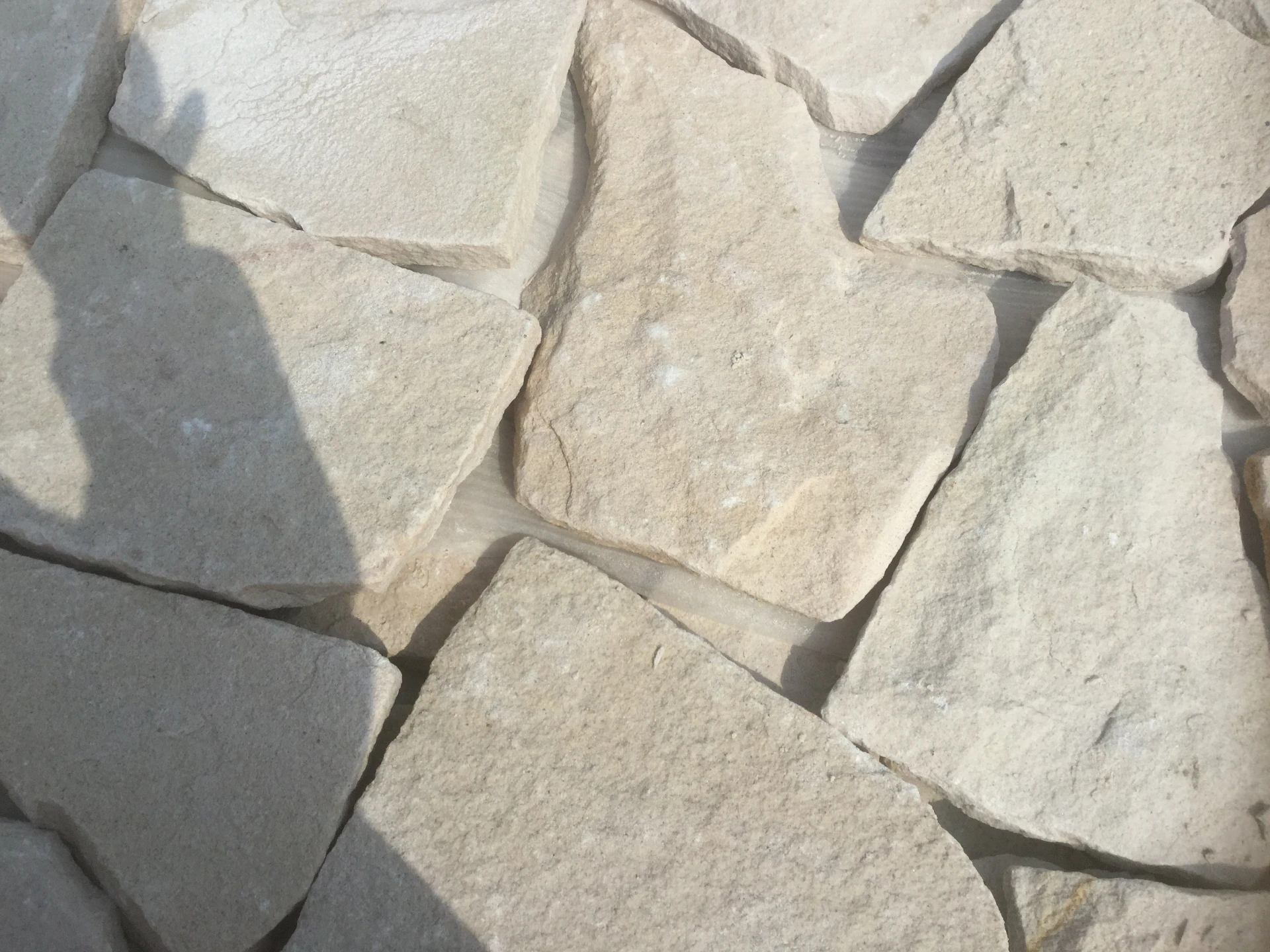
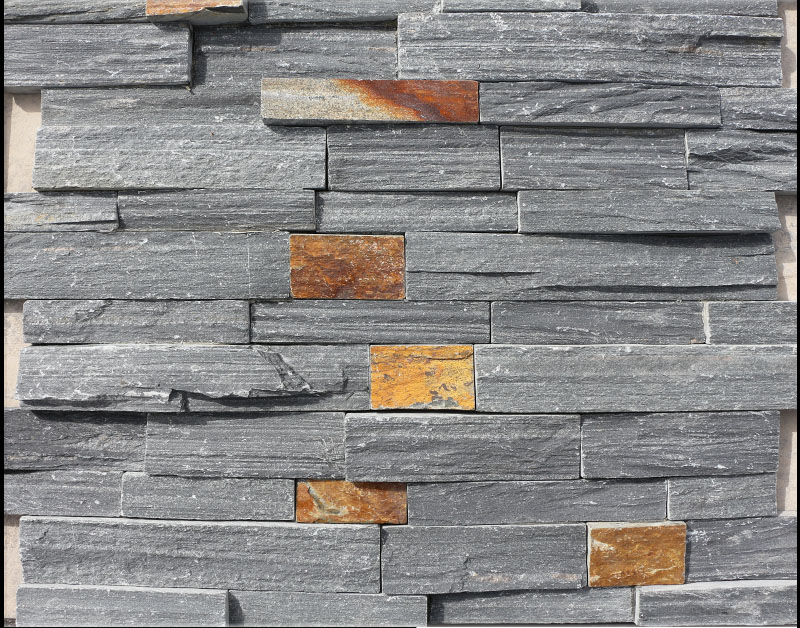
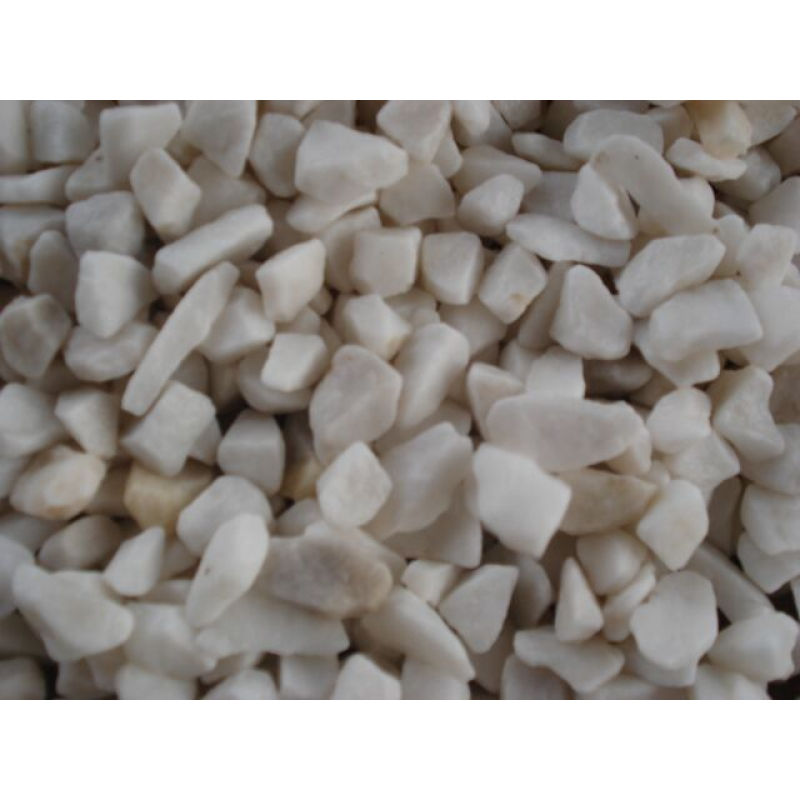
Naturalis lapis una est ex communibus materiis in domibus et hortis adhibitis. Sed miraris unquam unde tegulae, lateres, aut tabulata tua sint lapidea?
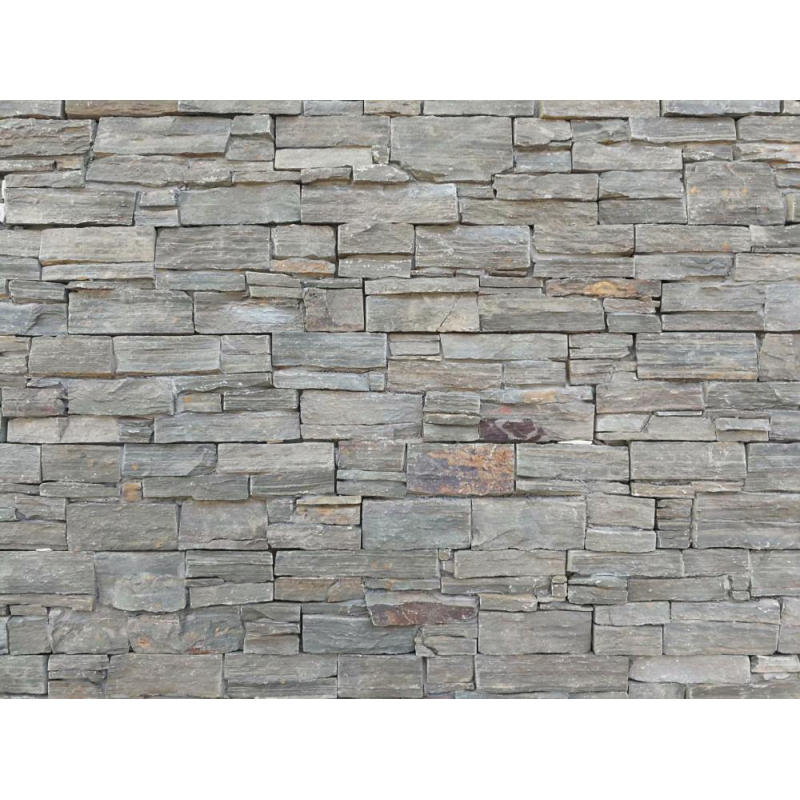
Natural stone was created thousands of years ago when the Earth was just a ball of mineral gases. As these gases began to cool down, they compressed and solidified to form the world we know today. It was during this process that natural stone was formed – the type of stone created depends on what type of minerals were combined at that time. This was a slow process that occurred over millions of years. As the Earth began to settle, many of these seams of stone were gradually pushed to the surface by heat and pressure, creating the large formations we see today.
Stone can come from anywhere in the world, and the type of stone is determined by its origins. There are quarries in America, Mexico, Canada, Italy, Turkey, Australia, and Brazil, as well as many other countries around the globe. Some countries have multiple natural stone quarries, whilst others only have a few. Let’s look in closer detail at where particular stones originate and how they were formed.
Marmor is the result of limestone that has been altered through heat and pressure. It’s a versatile stone that can be used on virtually anything – statues, stairs, walls, bathrooms, counter tops, and more. Usually seen in white, marble is also common in black and grey tints, and has great weather endurance.
Quartzite oritur a sabuleo quod mutatum est per calorem et compressionem. Lapis maxime venit in albis, sed inveniri etiam potest cum colore brunneo, cinereo, aut colore viridi. Est una e durissimis generum lapidis naturalis, quae optimam electionem facit ad edificandas frontes, scopos, aliaque structuras quae gravia officia lapides requirunt.
Granite lapis igneus initio fuit qui magma (lava) expositus et per detectionem diversorum mineralium mutatus est. Lapis vulgo invenitur in regionibus quae in aliqua parte altae molaris visae sunt, et praesto est ingens varietas colorum e nigro, fusco, rubro, albo, et omnibus fere coloribus intermediis. Granite optio magna est coquinis et thermarum propter antibacterial qualitates.
calcis oritur ex compressione corallii, conchae marinae et aliarum vitae oceani. Calcis duo genera sunt, durioris calcii plenioris, et magnesii mollioris generis. Lapis calcis dura saepe in industria aedificatur, vel in caemento teritur et propter suam qualitatem impervia adhibetur.
Bluestone is sometimes referred to as basalt, and is one of the most common natural stones around the world. Bluestone forms through the alteration of lava, and because of this, is one of the closest stones to the Earth’s surface. Basalt is generally darker in colour, and is used as house roofing and floor tiles because of its hard texture.
Slate creatum est cum shale et limo faeces per calorem et pressuram mutatae sunt. Praesto colore ex nigro, purpura, caeruleo, viridi et griseo, tabula popularis electio facta est ad tegendas, ut tenues secari potest, et algoris minimam molestiam sustinere. Rasa etiam saepe pro pavimento tegularum ad naturam permanentem adhibetur.
Travertine is created when floodwaters wash through limestone, leaving mineral deposits throughout. As it dries out, the extra minerals solidify to gradually create a much denser material called travertine. This stone is good as a replacement for marble or granite, as it’s much lighter and easier to work with, yet still durable. For this reason travertine is often used on floors or walls, and is estimated to last around fifty years if maintained regularly.
 African
  Albanian
  Aethiopica
  Arabice
  Armenian
  Azerbaijani
  Basque
  Belarusian
  Bengalica
  Bosnian
  Bulgarica
  Catalan
  Cebuano
  China
China  China (Taiwan)
  Corsica
  Croatian
  Czech
Czech  Danica
  Batavica
  Anglicus
  Esperanto
  Estonian
  Finnicum
  Gallica
  Frisian
  Gallician
  Georgian
  German
  Graeca
  Gujarati
  Haitian Creole
  hausa
hausa  hawaiian
  hebraice
  non
non  Miao
Miao  Hungarica
  Islandic
  igbo
igbo  Indonesiaca
  hibernica
  Italian
  Iaponica
  Javanese
  Kannada
  kazakh
  Khmer
Khmer  Rwandan
  Coreanica
  Kurdish
  Kyrgyz
  TB
TB  Latinus
  Latvian
  Lithuanian
  Luxemburgish
  macedonicum
  Malgashi
  Malay
Malay  Malayalam
  Melitensis
  Maori
Maori  Marathi
  Mongolica
  Myanmar
  Nepalica
  Norvegica
  Norvegica
  Occitan
  Pashto
  Persae
  Polonica
  Portuguese
  Punjabi
  Romanian
  Russian
  Samoanice
  Scotica Gaelic
  Serbian
  Anglicus
  Shona
Shona  Sindhi
  Sinhala
  Moravica
  Slovenian
  Somali
  hispanice
  Sundanese
  Swahili
  Swedish
  Tagalog
  Tajik
Tajik  Tamil
Tamil  Tatar
Tatar  Telugu
  Thai
Thai  Turcicum
  Turci
Turci  Ucraina
  Urdu
Urdu  Uighur
  Uzbek
Uzbek  Vietnamica
  Cambrica