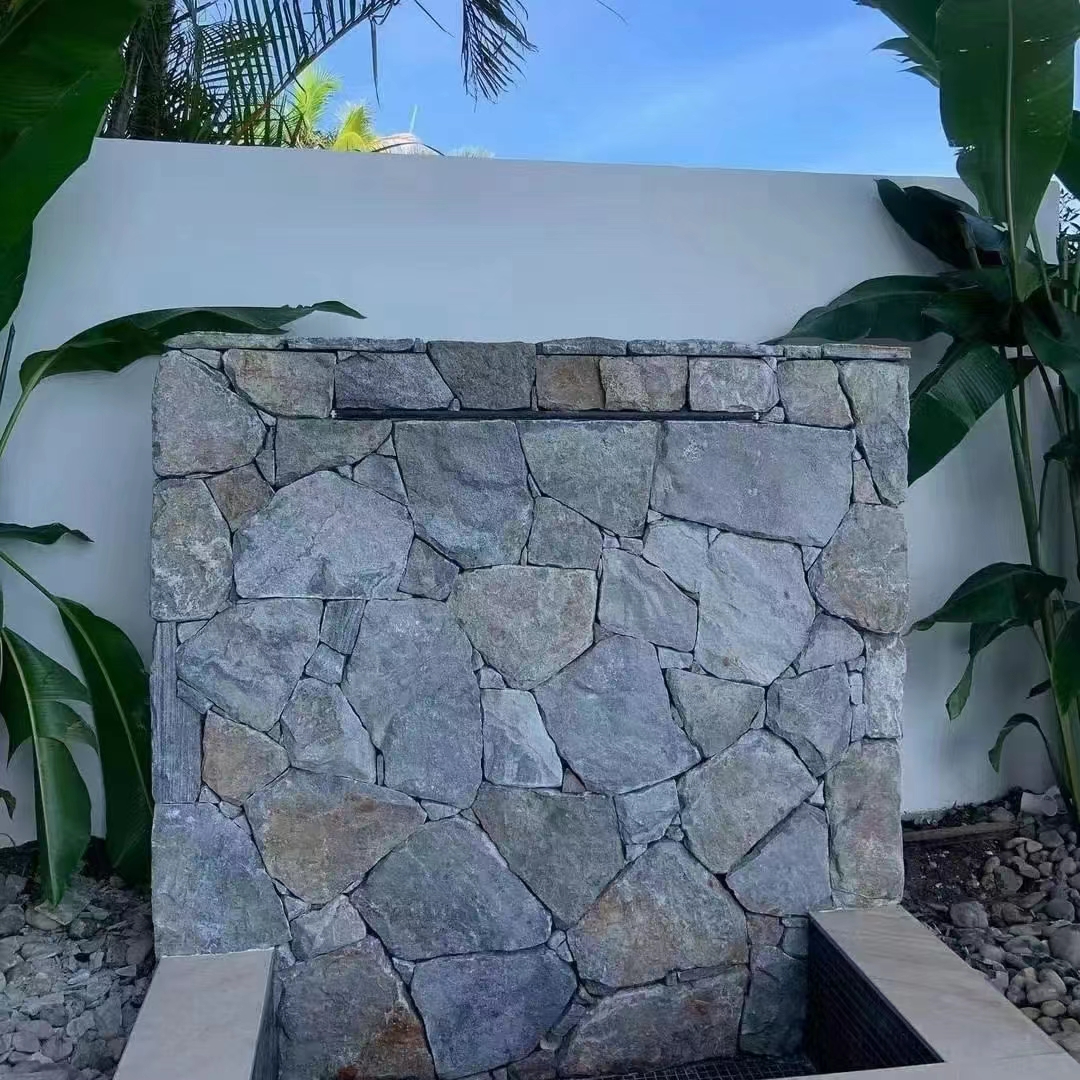
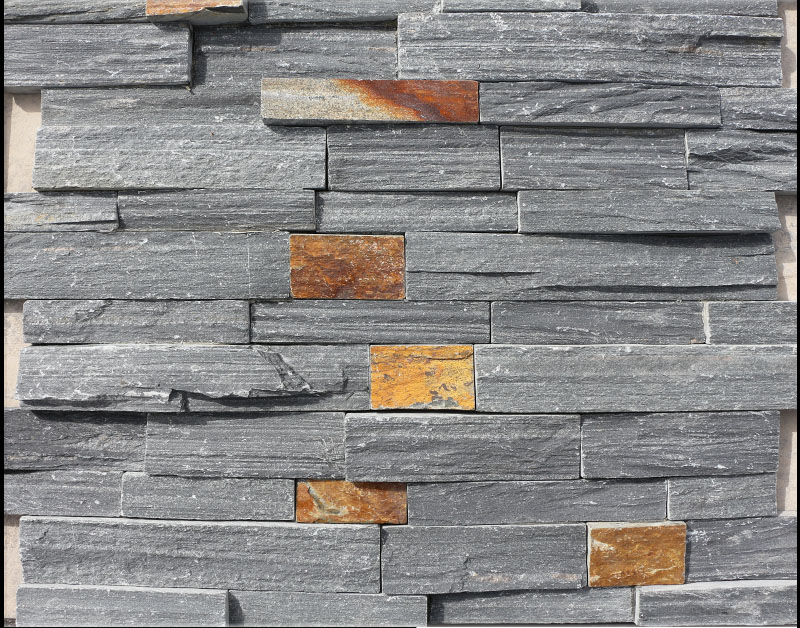
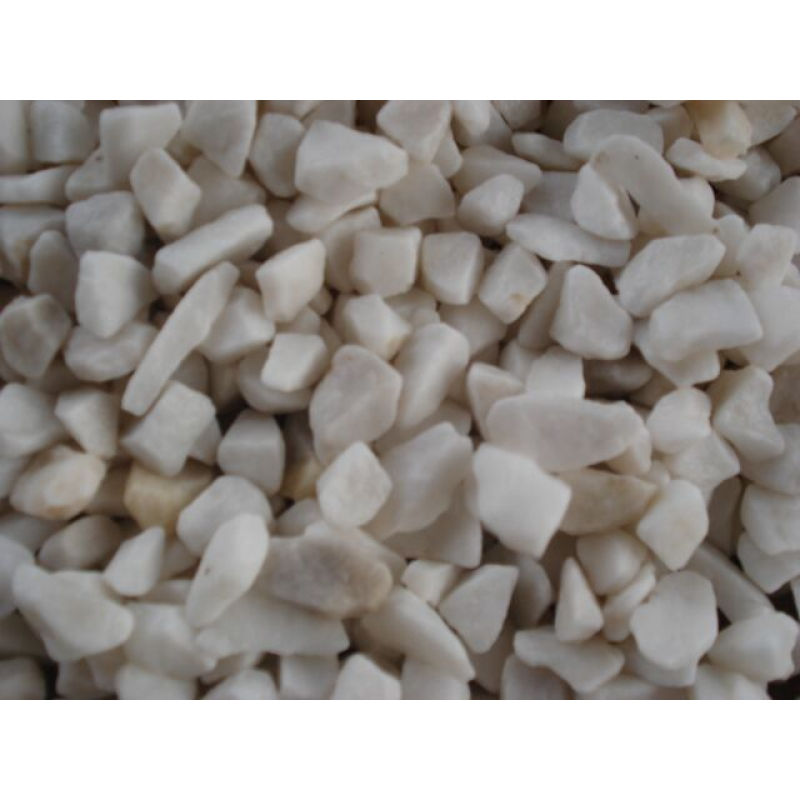
Pedra natural é um dos materiais mais utilizados em casas e jardins. Mas você já parou para se perguntar de onde vieram seus ladrilhos, tijolos ou pisos de pedra específicos?
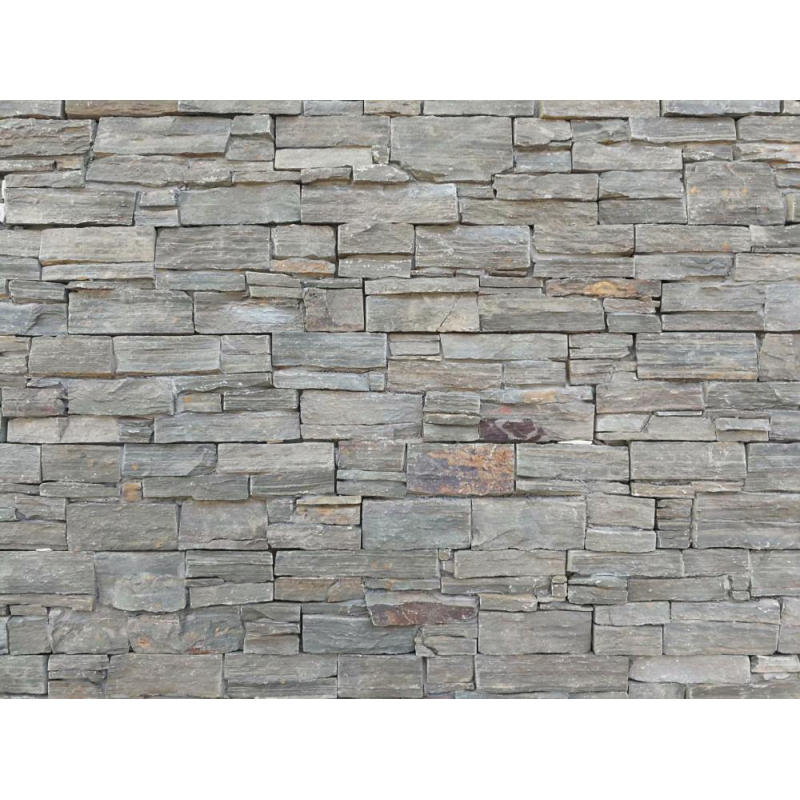
Natural stone was created thousands of years ago when the Earth was just a ball of mineral gases. As these gases began to cool down, they compressed and solidified to form the world we know today. It was during this process that natural stone was formed – the type of stone created depends on what type of minerals were combined at that time. This was a slow process that occurred over millions of years. As the Earth began to settle, many of these seams of stone were gradually pushed to the surface by heat and pressure, creating the large formations we see today.
Stone can come from anywhere in the world, and the type of stone is determined by its origins. There are quarries in America, Mexico, Canada, Italy, Turkey, Australia, and Brazil, as well as many other countries around the globe. Some countries have multiple natural stone quarries, whilst others only have a few. Let’s look in closer detail at where particular stones originate and how they were formed.
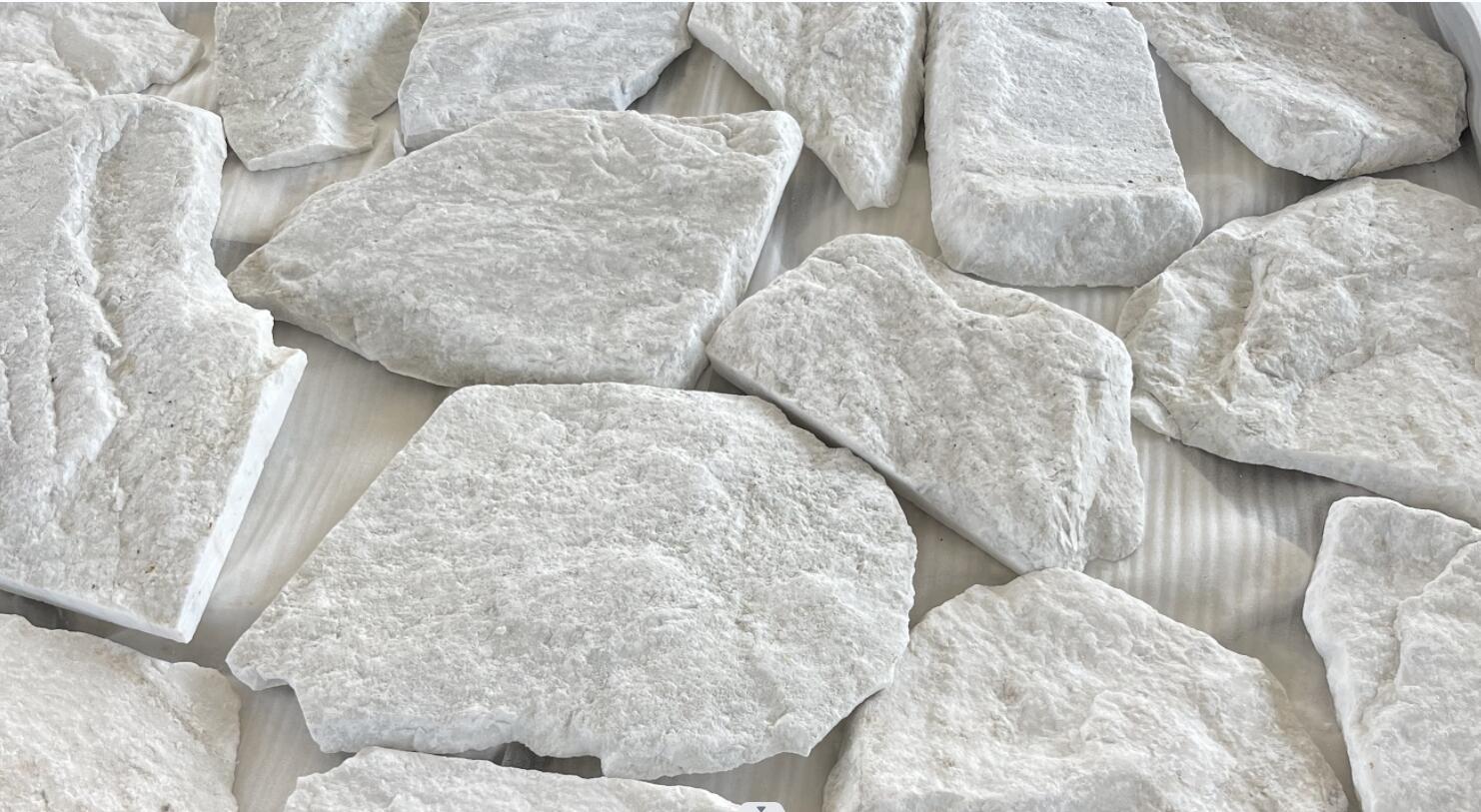
Mármore is the result of limestone that has been altered through heat and pressure. It’s a versatile stone that can be used on virtually anything – statues, stairs, walls, bathrooms, counter tops, and more. Usually seen in white, marble is also common in black and grey tints, and has great weather endurance.
Quartzito origina-se de arenito que foi alterado por calor e compressão. A pedra vem principalmente na cor branca, mas também pode ser encontrada com tons marrons, cinza ou esverdeados. É um dos tipos de pedra natural mais duros, sendo uma excelente opção para construção de fachadas, bancadas e outras estruturas que requeiram pedras de alta resistência.
Granito era originalmente uma pedra ígnea que foi exposta ao magma (lava) e alterada pela exposição a diferentes minerais. A pedra é comumente encontrada em países que registraram alta atividade vulcânica em algum momento e está disponível em uma grande variedade de cores, desde preto, marrom, vermelho, branco e quase todas as cores intermediárias. O granito é uma ótima opção para cozinhas e banheiros devido às suas qualidades antibacterianas.
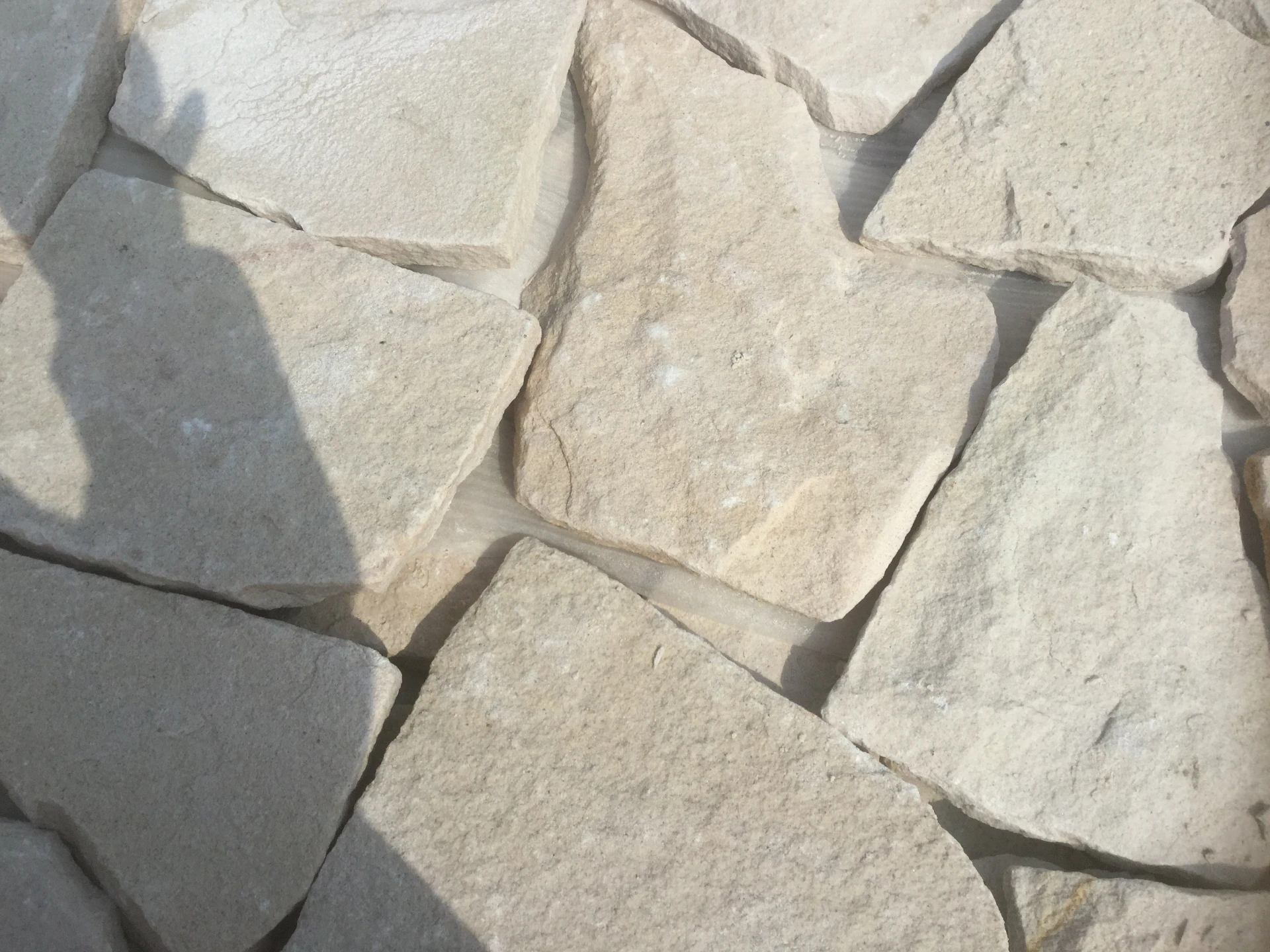
Calcário é o resultado da compressão de corais, conchas e outras formas de vida oceânica. Existem dois tipos de calcário, um tipo mais duro, cheio de cálcio, e um tipo mais macio, com mais magnésio. O calcário duro é frequentemente utilizado na indústria da construção, ou triturado e utilizado em argamassa devido à sua qualidade à prova de água.
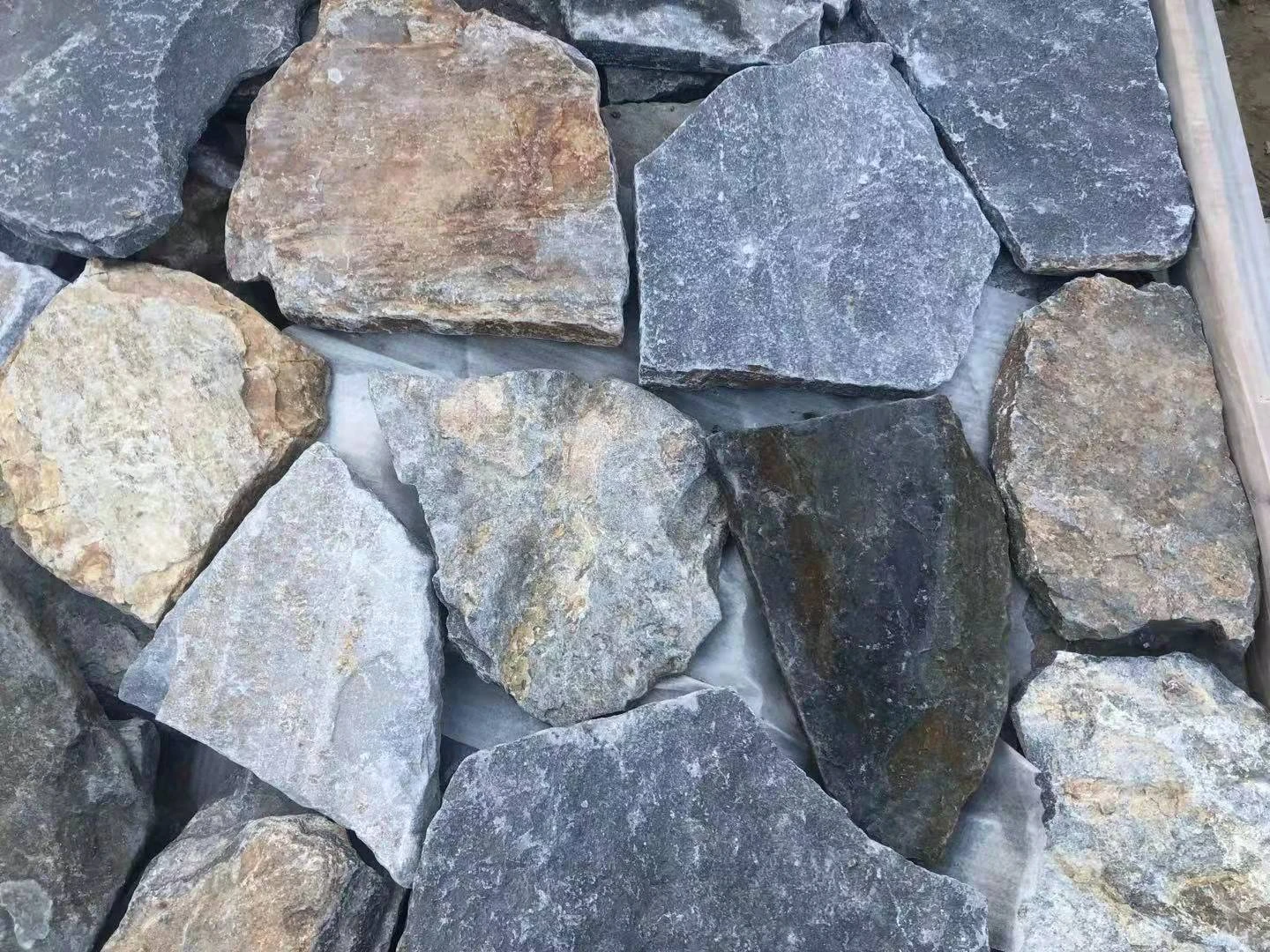
Pedra Azul is sometimes referred to as basalt, and is one of the most common natural stones around the world. Bluestone forms through the alteration of lava, and because of this, is one of the closest stones to the Earth’s surface. Basalt is generally darker in colour, and is used as house roofing and floor tiles because of its hard texture.
Ardósia foi criado quando sedimentos de xisto e argilito foram alterados por meio de calor e pressão. Disponível nas cores preto, roxo, azul, verde e cinza, a ardósia se tornou uma escolha popular para telhados, pois pode ser cortada em camadas finas e suportar temperaturas frias com danos mínimos. A ardósia também é frequentemente usada como piso devido à sua natureza duradoura.
Travertino is created when floodwaters wash through limestone, leaving mineral deposits throughout. As it dries out, the extra minerals solidify to gradually create a much denser material called travertine. This stone is good as a replacement for marble or granite, as it’s much lighter and easier to work with, yet still durable. For this reason travertine is often used on floors or walls, and is estimated to last around fifty years if maintained regularly.
 africano
  albanês
  amárico
  árabe
árabe  Armênio
  Azerbaijano
  Basco
Basco  Bielorrusso
  bengali
  Bósnio
  búlgaro
  catalão
  Cebuano
  China
China  China (Taiwan)
  Córsega
  croata
  Tcheco
  dinamarquês
  Holandês
  Inglês
  esperanto
  estoniano
  finlandês
  Francês
  Frísio
  Galego
  Georgiano
  Alemão
  grego
grego  Gujarati
  crioulo haitiano
  hauçá
hauçá  havaiano
  hebraico
  Não
Não  Miao
Miao  húngaro
  islandês
  igbo
igbo  indonésio
  irlandês
  italiano
  japonês
  Javanês
  Kannada
  cazaque
  Khmer
Khmer  Ruanda
  coreano
  curdo
curdo  Quirguistão
  tb
tb  Latim
Latim  letão
letão  lituano
  Luxemburguês
  Macedônio
  malgashi
  malaio
  Malaiala
  maltês
  maori
maori  Marathi
  mongol
  Mianmar
  nepalês
  norueguês
  norueguês
  Occitano
  pashto
  persa
persa  polonês
  Português
  punjabi
  romena
  russo
russo  samoano
  gaélico escocês
  sérvio
  Inglês
  Shona
Shona  Sindi
Sindi  Cingalês
  Eslovaco
  esloveno
  somali
  Espanhol
  Sudanês
  suaíli
  sueco
sueco  tagalo
  tadjique
  tâmil
tâmil  tártaro
  Telugu
  tailandês
  turco
turco  turcomano
  ucraniano
  urdu
urdu  Uigur
Uigur  Usbeque
  vietnamita
  galês
galês