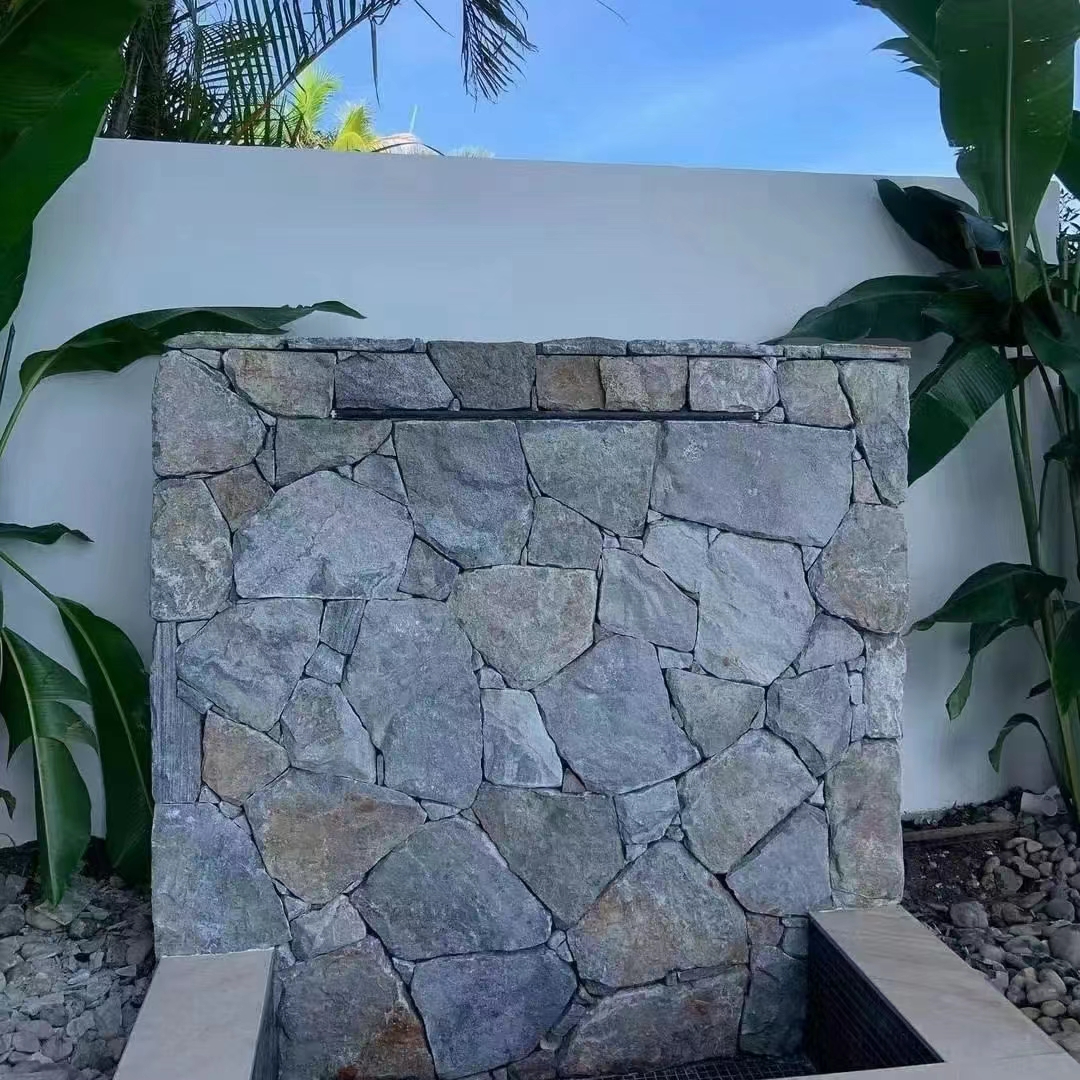
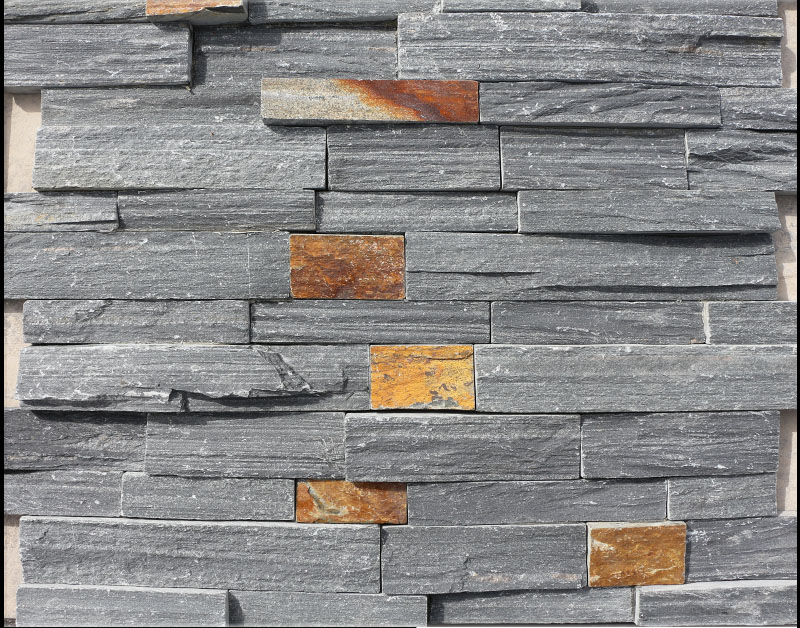
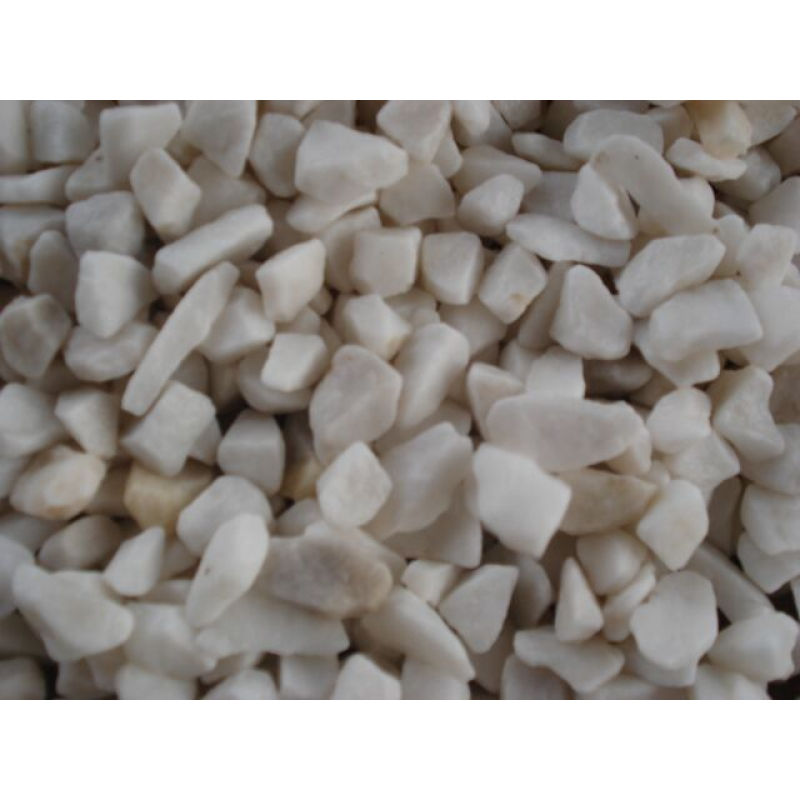
Pietra naturale è uno dei materiali più comunemente utilizzati nelle case e nei giardini. Ma ti sei mai fermato a chiederti da dove provengano le tue particolari piastrelle in pietra, mattoni o pavimenti?
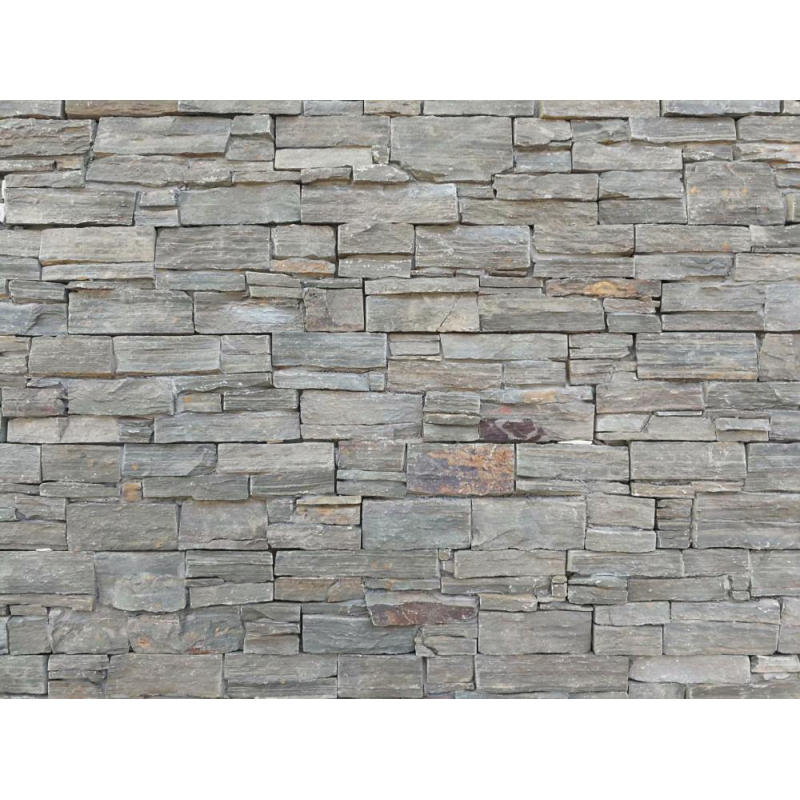
Natural stone was created thousands of years ago when the Earth was just a ball of mineral gases. As these gases began to cool down, they compressed and solidified to form the world we know today. It was during this process that natural stone was formed – the type of stone created depends on what type of minerals were combined at that time. This was a slow process that occurred over millions of years. As the Earth began to settle, many of these seams of stone were gradually pushed to the surface by heat and pressure, creating the large formations we see today.
Stone can come from anywhere in the world, and the type of stone is determined by its origins. There are quarries in America, Mexico, Canada, Italy, Turkey, Australia, and Brazil, as well as many other countries around the globe. Some countries have multiple natural stone quarries, whilst others only have a few. Let’s look in closer detail at where particular stones originate and how they were formed.
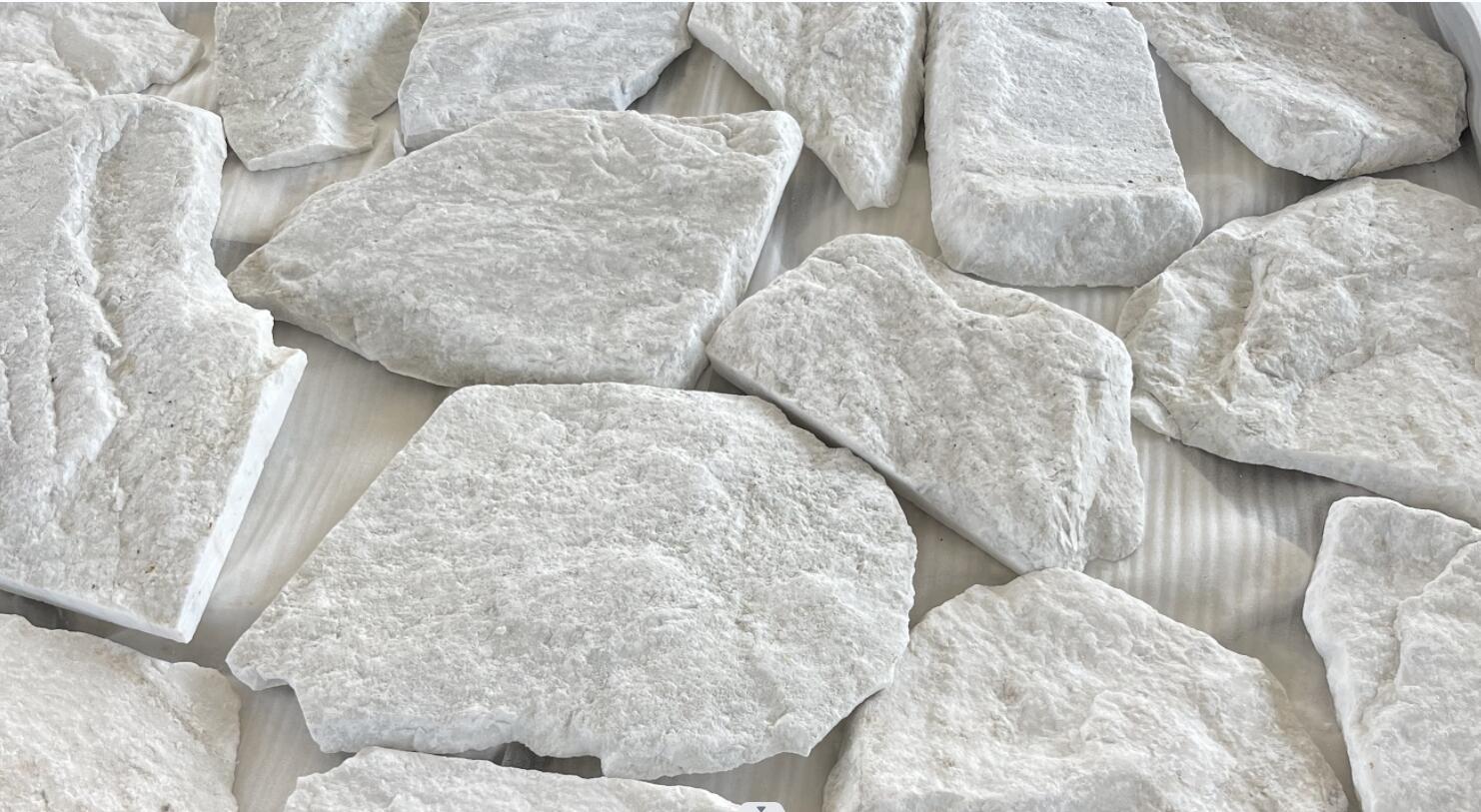
Marmo is the result of limestone that has been altered through heat and pressure. It’s a versatile stone that can be used on virtually anything – statues, stairs, walls, bathrooms, counter tops, and more. Usually seen in white, marble is also common in black and grey tints, and has great weather endurance.
Quarzite proviene da arenaria che è stata alterata attraverso il calore e la compressione. La pietra è disponibile principalmente in bianco, ma si può trovare anche con sfumature marroni, grigie o verdastre. È uno dei tipi di pietra naturale più duri, il che lo rende una scelta eccellente per facciate di edifici, controsoffitti e altre strutture che richiedono pietre pesanti.
Granito era originariamente una pietra ignea che era stata esposta al magma (lava) e alterata attraverso l'esposizione a diversi minerali. La pietra si trova comunemente in paesi che ad un certo punto hanno visto un'elevata attività vulcanica ed è disponibile in un'enorme varietà di colori, dal nero, marrone, rosso, bianco e quasi tutti i colori intermedi. Il granito è un'ottima opzione per cucine e bagni grazie alle sue qualità antibatteriche.
Calcare è il risultato della compressione di coralli, conchiglie e altra vita oceanica insieme. Esistono due tipi di calcare, un tipo più duro ricco di calcio e un tipo più morbido con più magnesio. Il calcare duro viene spesso utilizzato nel settore edile, oppure macinato e utilizzato nella malta grazie alla sua qualità impermeabile.
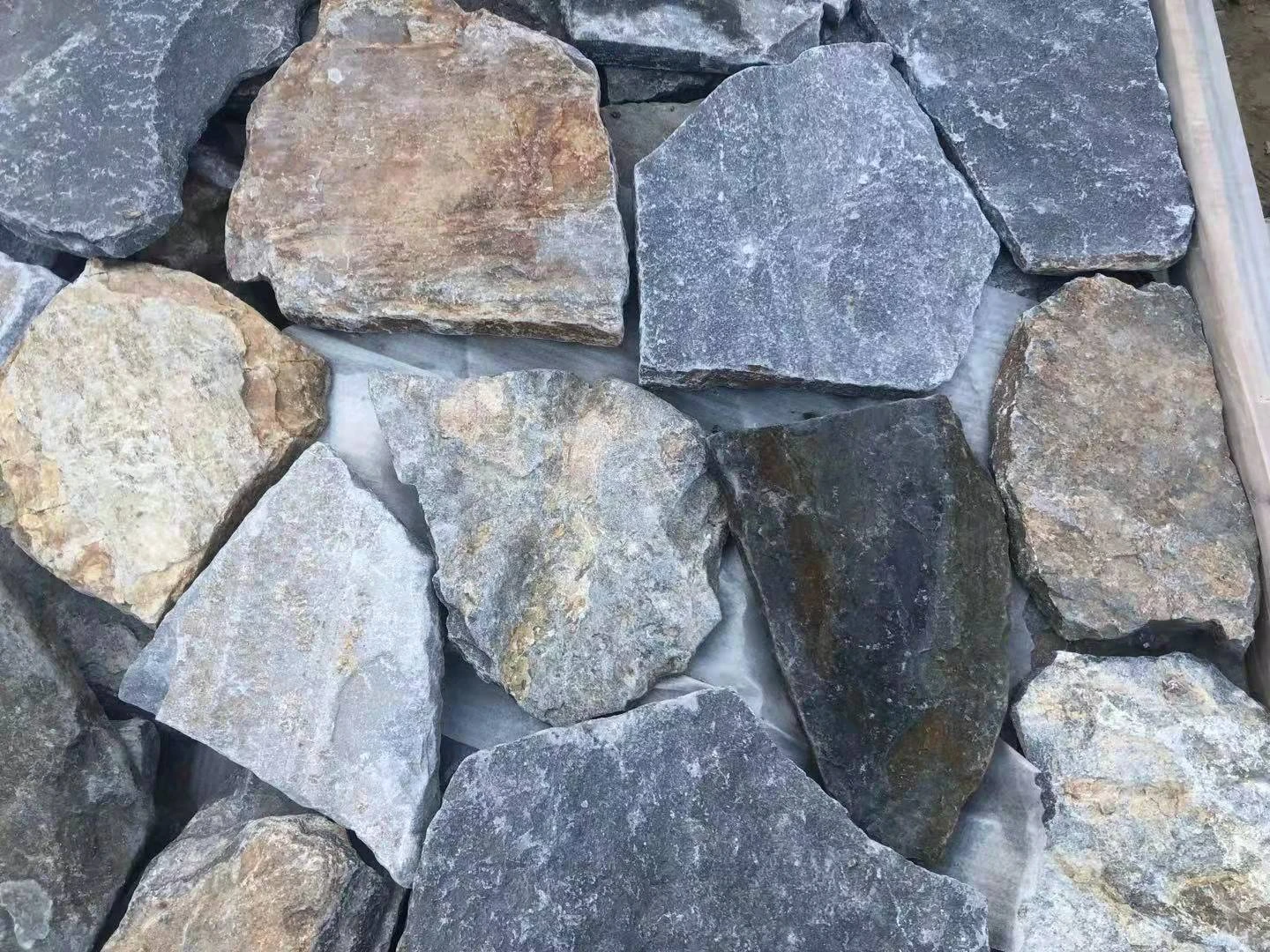
Pietra blu is sometimes referred to as basalt, and is one of the most common natural stones around the world. Bluestone forms through the alteration of lava, and because of this, is one of the closest stones to the Earth’s surface. Basalt is generally darker in colour, and is used as house roofing and floor tiles because of its hard texture.
Ardesia è stato creato quando i sedimenti di scisto e pietra fangosa sono stati alterati attraverso il calore e la pressione. Disponibile nei colori nero, viola, blu, verde e grigio, l'ardesia è diventata una scelta popolare per le coperture poiché può essere tagliata sottile e resistere alle temperature fredde con danni minimi. L'ardesia viene spesso utilizzata anche come piastrellatura per pavimenti grazie alla sua natura duratura.
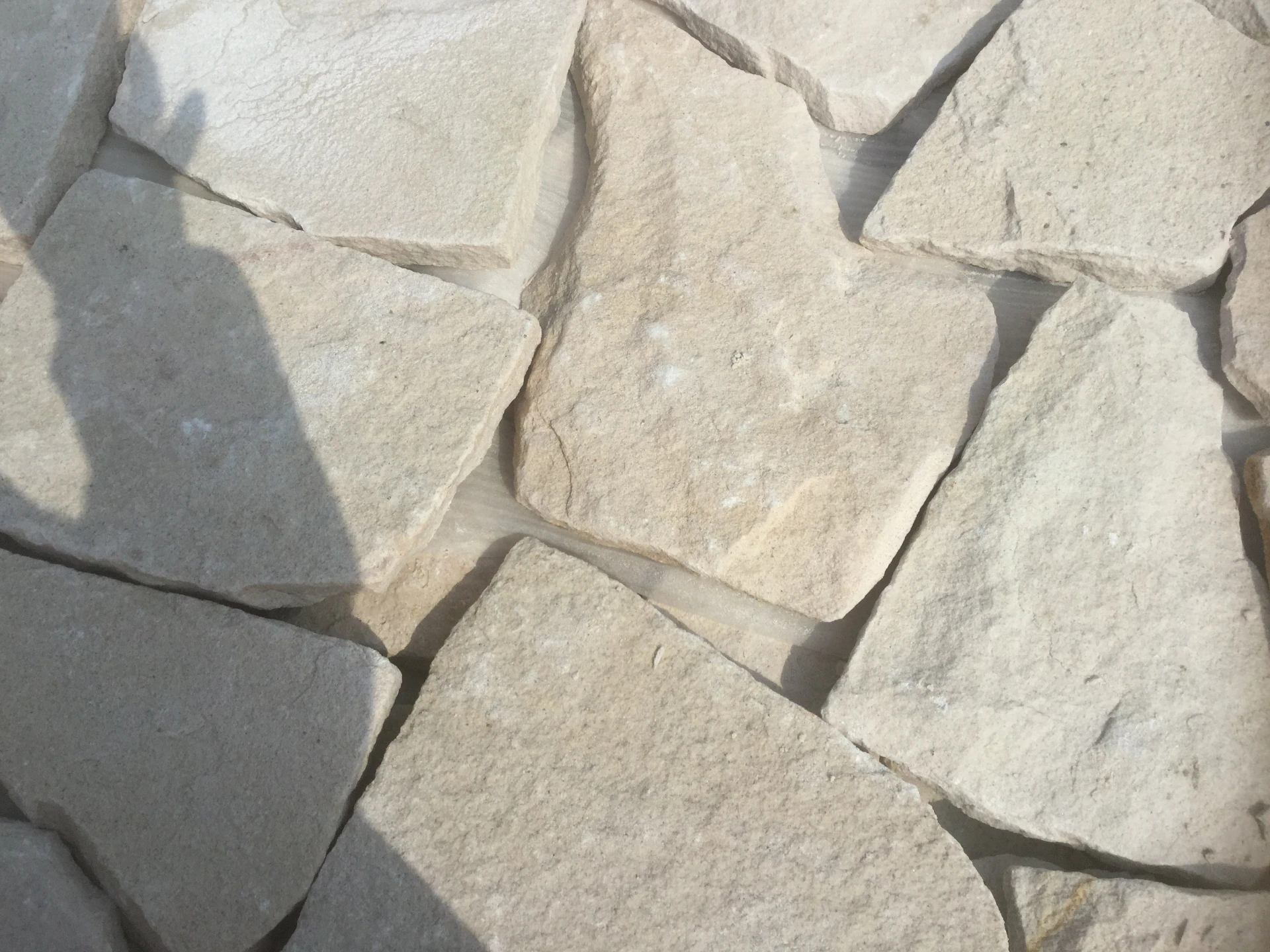
Travertino is created when floodwaters wash through limestone, leaving mineral deposits throughout. As it dries out, the extra minerals solidify to gradually create a much denser material called travertine. This stone is good as a replacement for marble or granite, as it’s much lighter and easier to work with, yet still durable. For this reason travertine is often used on floors or walls, and is estimated to last around fifty years if maintained regularly.
 africano
  albanese
  Amarico
  Arabo
Arabo  armeno
  Azero
Azero  Basco
Basco  bielorusso
  bengalese
  Bosniaco
  bulgaro
  catalano
  Cebuano
  Cina
Cina  Cina (Taiwan)
  Corso
Corso  croato
  ceco
ceco  danese
  Olandese
  Inglese
  esperanto
  Estone
  finlandese
  francese
  Frisone
  galiziano
  georgiano
  Tedesco
  greco
greco  Gujarati
  Creolo haitiano
  haussa
  hawaiano
  ebraico
  No
No  Miao
Miao  ungherese
  islandese
  igbo
igbo  indonesiano
  irlandesi
  Italiano
  giapponese
  giavanese
  Kannada
  kazako
  Khmer
Khmer  Ruandese
  coreano
  curdo
curdo  Kirghizistan
  TBC
TBC  latino
  lettone
  lituano
  lussemburghese
  macedone
  Malgasci
  malese
  Malayalam
  maltese
  Maori
Maori  Marathi
  mongolo
  Myanmar
  nepalese
  norvegese
  norvegese
  occitano
  Pashtu
  persiano
  Polacco
  portoghese
  Punjabi
  rumeno
  russo
russo  Samoano
  Gaelico Scozzese
  serbo
serbo  Inglese
  Shona
Shona  Sindhi
  Singalese
  slovacco
  sloveno
  Somalo
  spagnolo
  Sundanese
  Swahili
  svedese
  Tagalog
  Tagico
  Tamil
Tamil  Tartaro
  Telugu
  tailandese
  Turco
Turco  turkmeno
  ucraino
  Urdu
Urdu  Uiguro
  Uzbeco
  vietnamita
  gallese