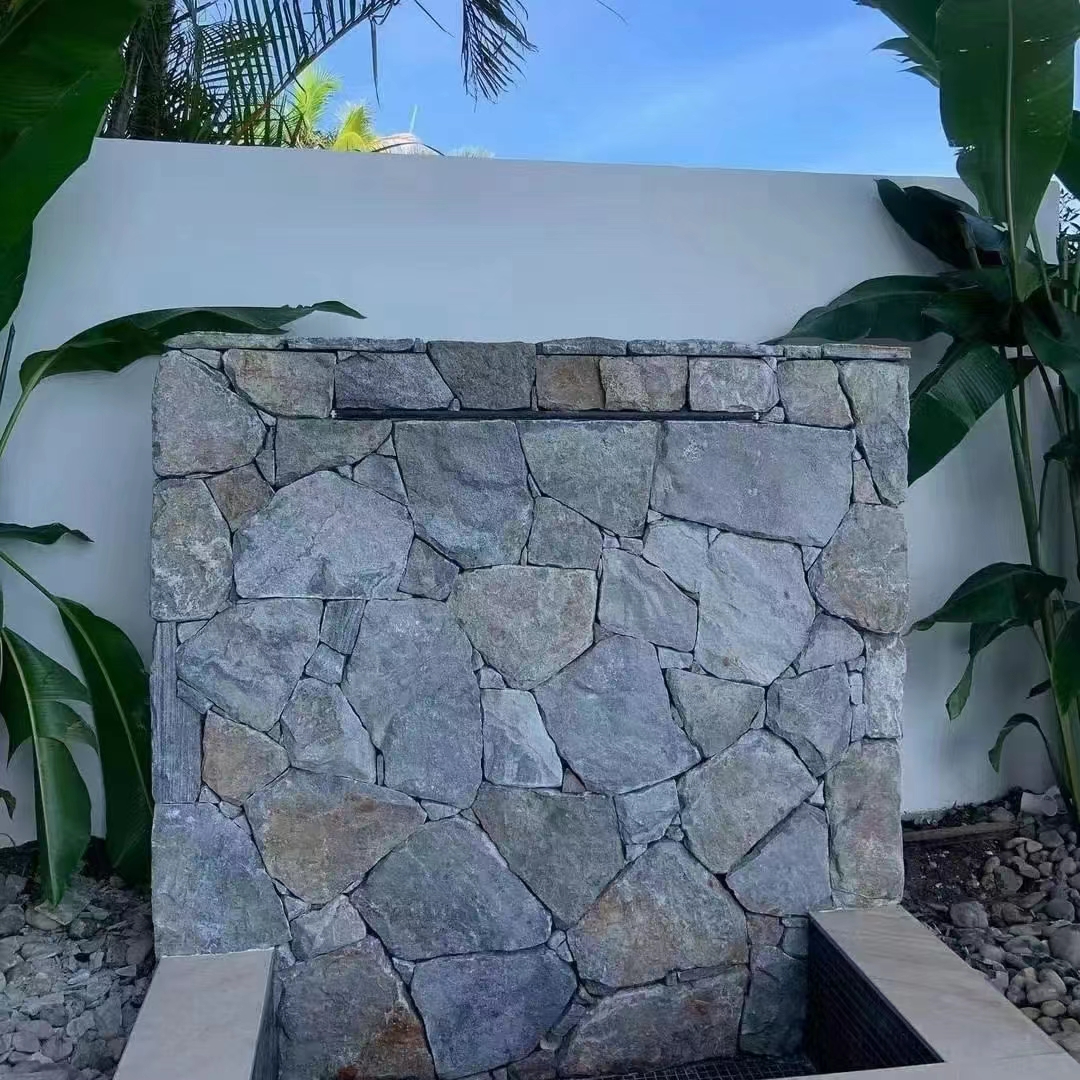
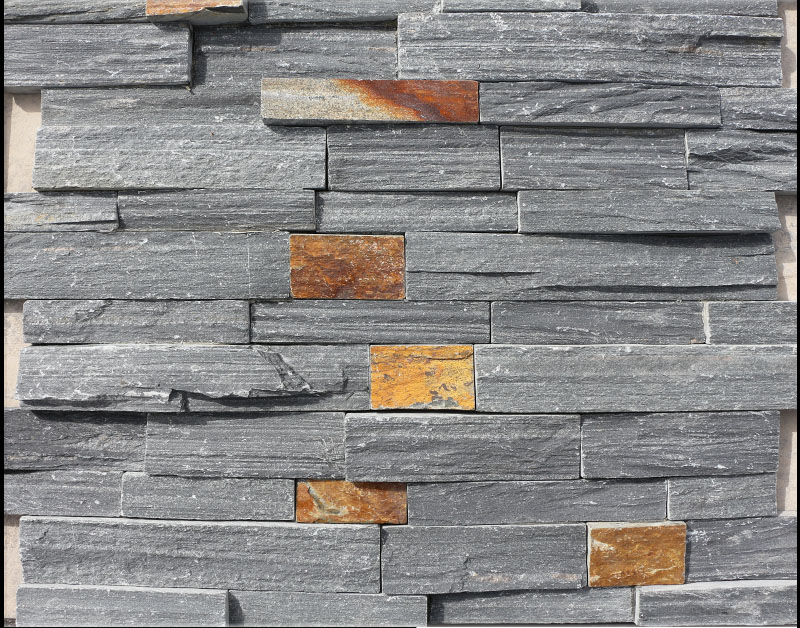
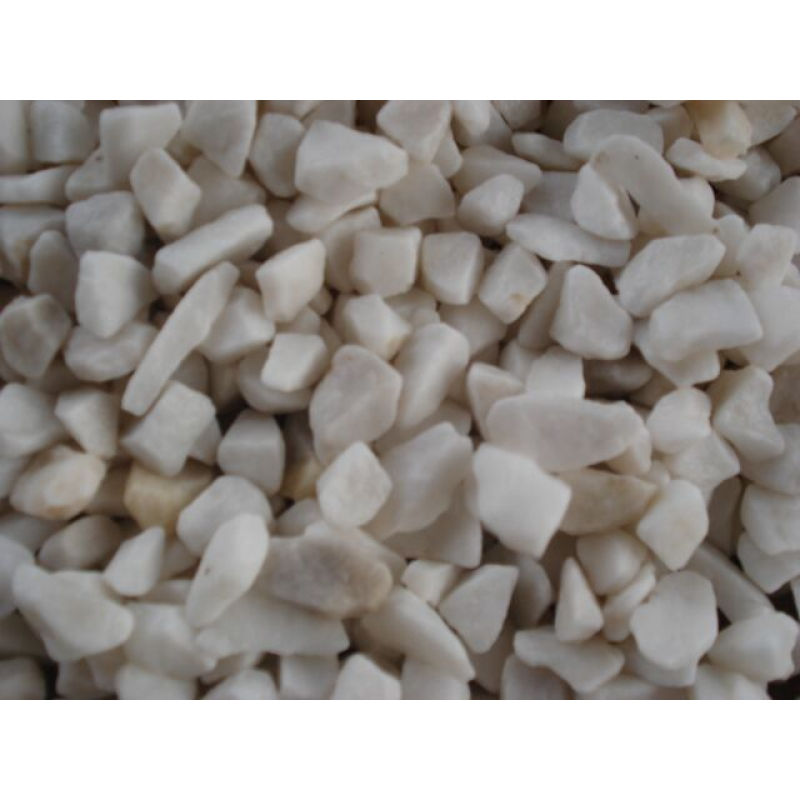
Nkume eke bụ otu n'ime ihe ndị a na-ejikarị eme ihe n'ụlọ na ubi. Mana ọ dịtụla mgbe ị kwụsịrị ịjụ ebe taịlị nkume, brik ma ọ bụ ala ala gị siri bịa?
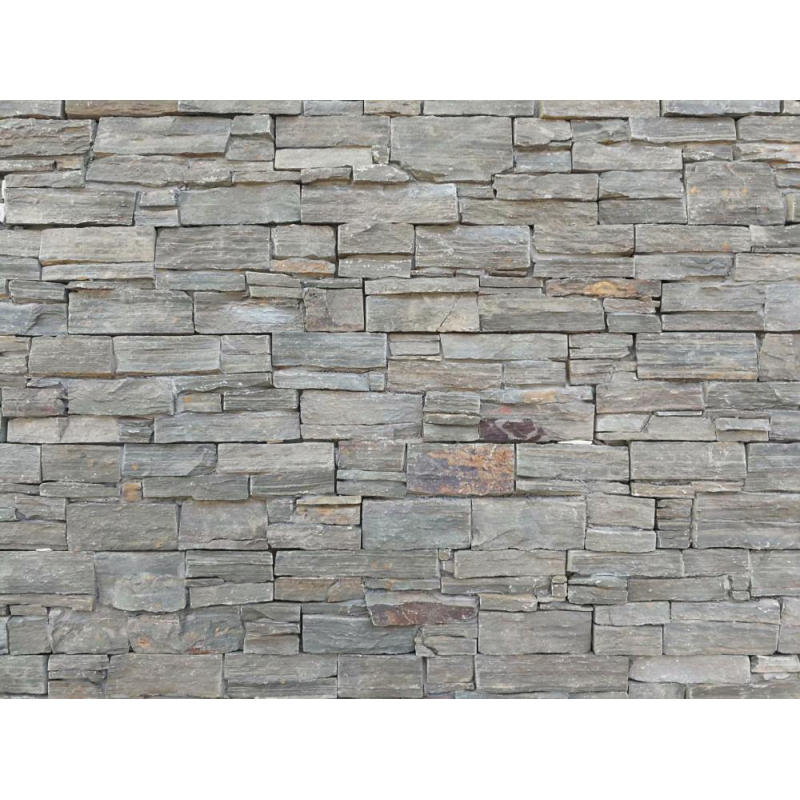
Natural stone was created thousands of years ago when the Earth was just a ball of mineral gases. As these gases began to cool down, they compressed and solidified to form the world we know today. It was during this process that natural stone was formed – the type of stone created depends on what type of minerals were combined at that time. This was a slow process that occurred over millions of years. As the Earth began to settle, many of these seams of stone were gradually pushed to the surface by heat and pressure, creating the large formations we see today.
Stone can come from anywhere in the world, and the type of stone is determined by its origins. There are quarries in America, Mexico, Canada, Italy, Turkey, Australia, and Brazil, as well as many other countries around the globe. Some countries have multiple natural stone quarries, whilst others only have a few. Let’s look in closer detail at where particular stones originate and how they were formed.
Mabul is the result of limestone that has been altered through heat and pressure. It’s a versatile stone that can be used on virtually anything – statues, stairs, walls, bathrooms, counter tops, and more. Usually seen in white, marble is also common in black and grey tints, and has great weather endurance.
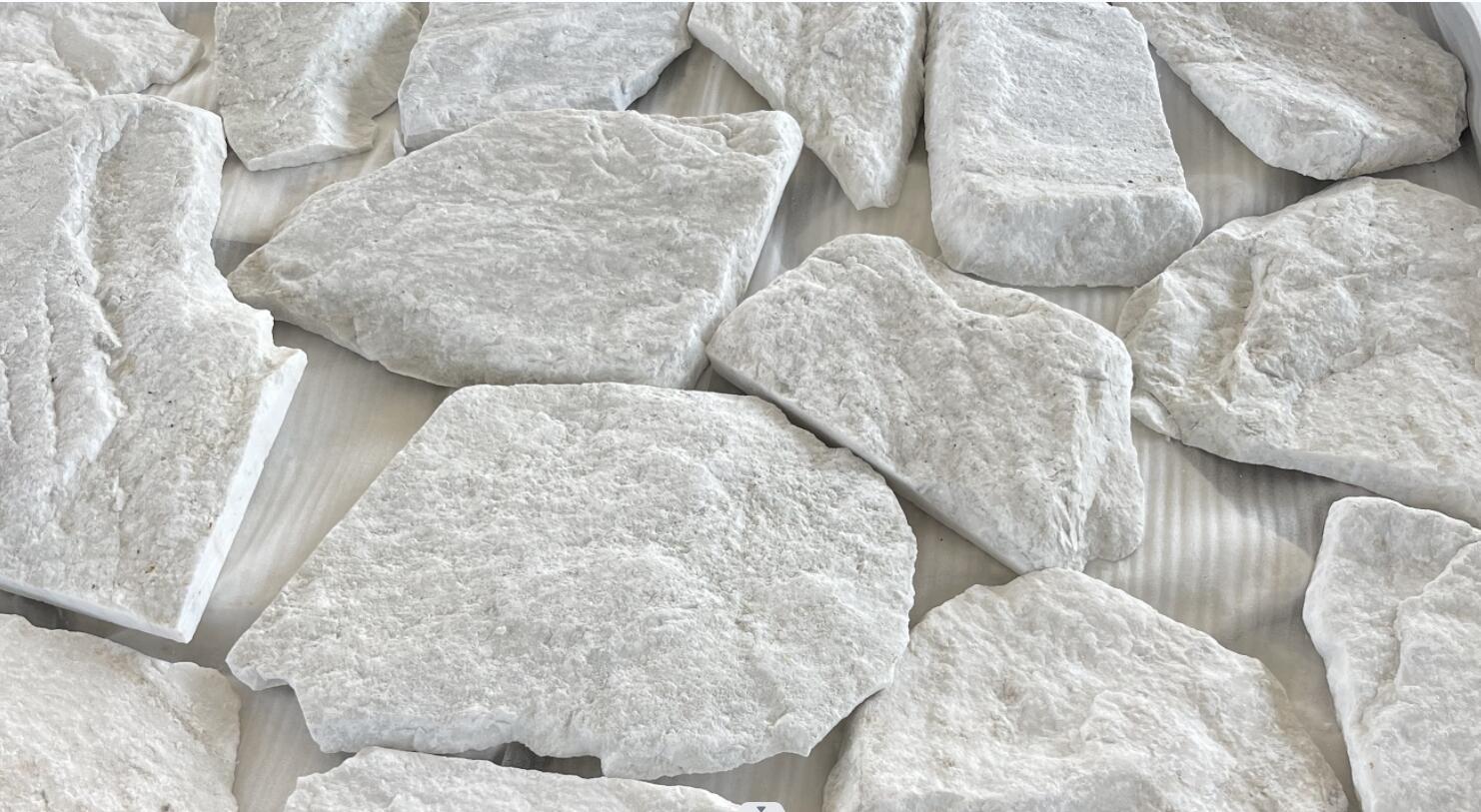
Quartzite sitere na nkume aja nke agbanwere site na okpomọkụ na mkpakọ. Nkume ahụ na-abịakarị na ndị ọcha, mana enwere ike ịhụ ya na agba aja aja, isi awọ ma ọ bụ akwụkwọ ndụ akwụkwọ ndụ. Ọ bụ otu n'ime ụdị nkume okike kachasị sie ike, na-eme ka ọ bụrụ nhọrọ magburu onwe ya maka ịmepụta facades, countertops na ihe ndị ọzọ chọrọ nkume dị arọ.
Granite Na mbụ bụ nkume na-agba ọkụ nke ekpughere na magma (lava) ma gbanwee site na ikpughe na mineral dị iche iche. A na-ahụkarị nkume ahụ na mba ndị hụworo nnukwu mgbawa ugwu n'oge ụfọdụ, ma dị na nnukwu agba dị iche iche sitere na nwa, aja aja, uhie, ọcha, na ihe fọrọ nke nta ka ọ bụrụ agba niile dị n'etiti. Granite bụ nnukwu nhọrọ maka kichin na ime ụlọ ịwụ ahụ n'ihi àgwà nje ya.
Nkume nzu bụ ihe si na mkpakọ nke coral, sheshells, na ndụ oké osimiri ndị ọzọ ọnụ. E nwere ụdị nkume nzu abụọ, ụdị siri ike nke juputara na calcium, na ụdị dị nro nke nwere nnukwu magnesium. A na-ejikarị nkume nzu siri ike eme ihe na ụlọ ọrụ ụlọ, ma ọ bụ na-agbanye ala ma jiri ya mee ihe na ngwa agha n'ihi àgwà mmiri ya.
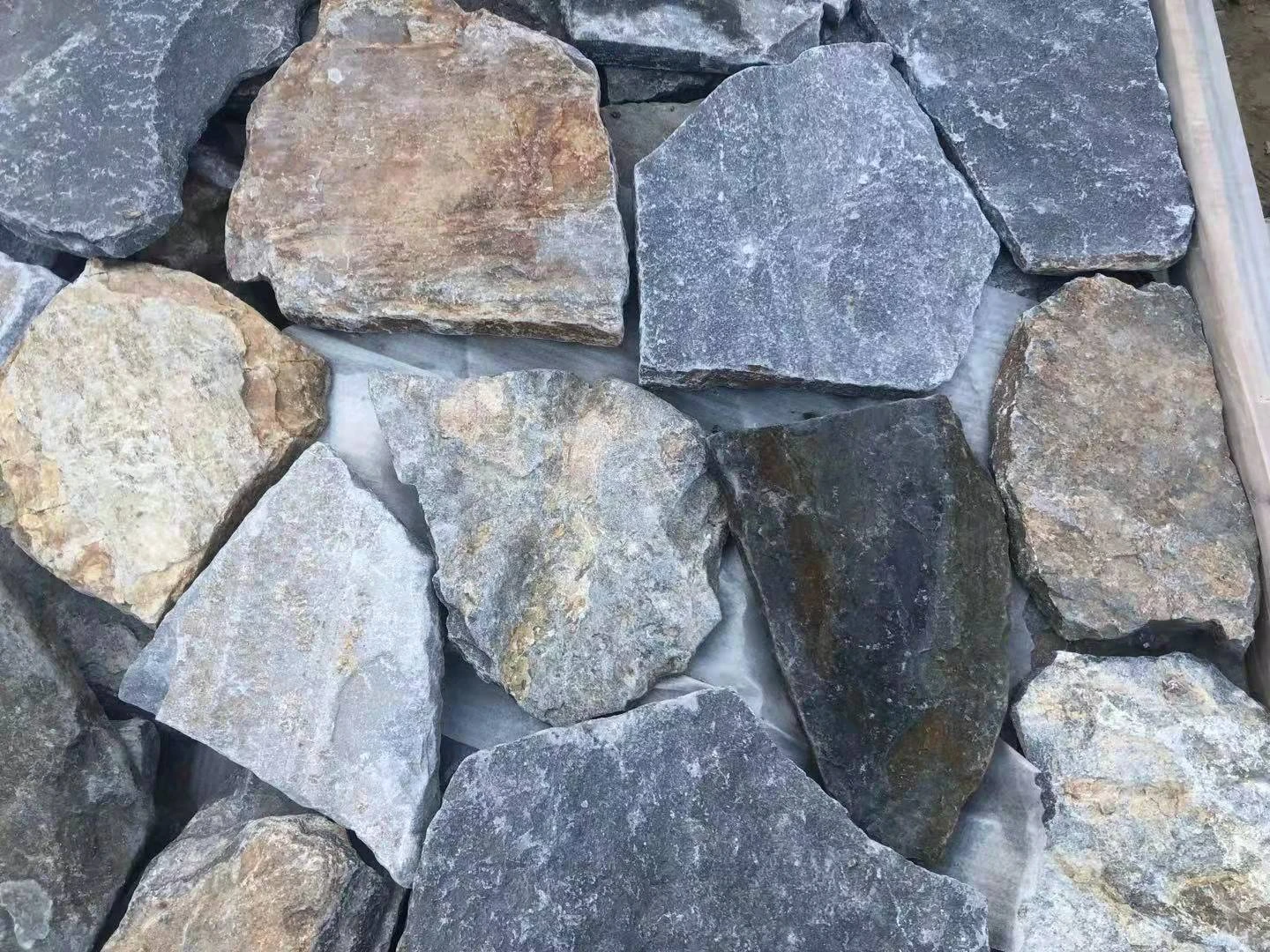
Bluestone is sometimes referred to as basalt, and is one of the most common natural stones around the world. Bluestone forms through the alteration of lava, and because of this, is one of the closest stones to the Earth’s surface. Basalt is generally darker in colour, and is used as house roofing and floor tiles because of its hard texture.
Slate emebere ya mgbe a na-agbanwe sedimenti shale na nkume apịtị site na okpomọkụ na nrụgide. Dị na agba sitere na nwa, odo odo, acha anụnụ anụnụ, akwụkwọ ndụ akwụkwọ ndụ na isi awọ, slate aghọwo ihe a na-ewu ewu maka ịsa ụlọ n'ihi na enwere ike ịkpụ ya obere ma nagide okpomọkụ oyi na obere mmebi. A na-ejikarị slate eme ihe dị ka tiling n'ala n'ihi ọdịdị ya na-adịgide adịgide.
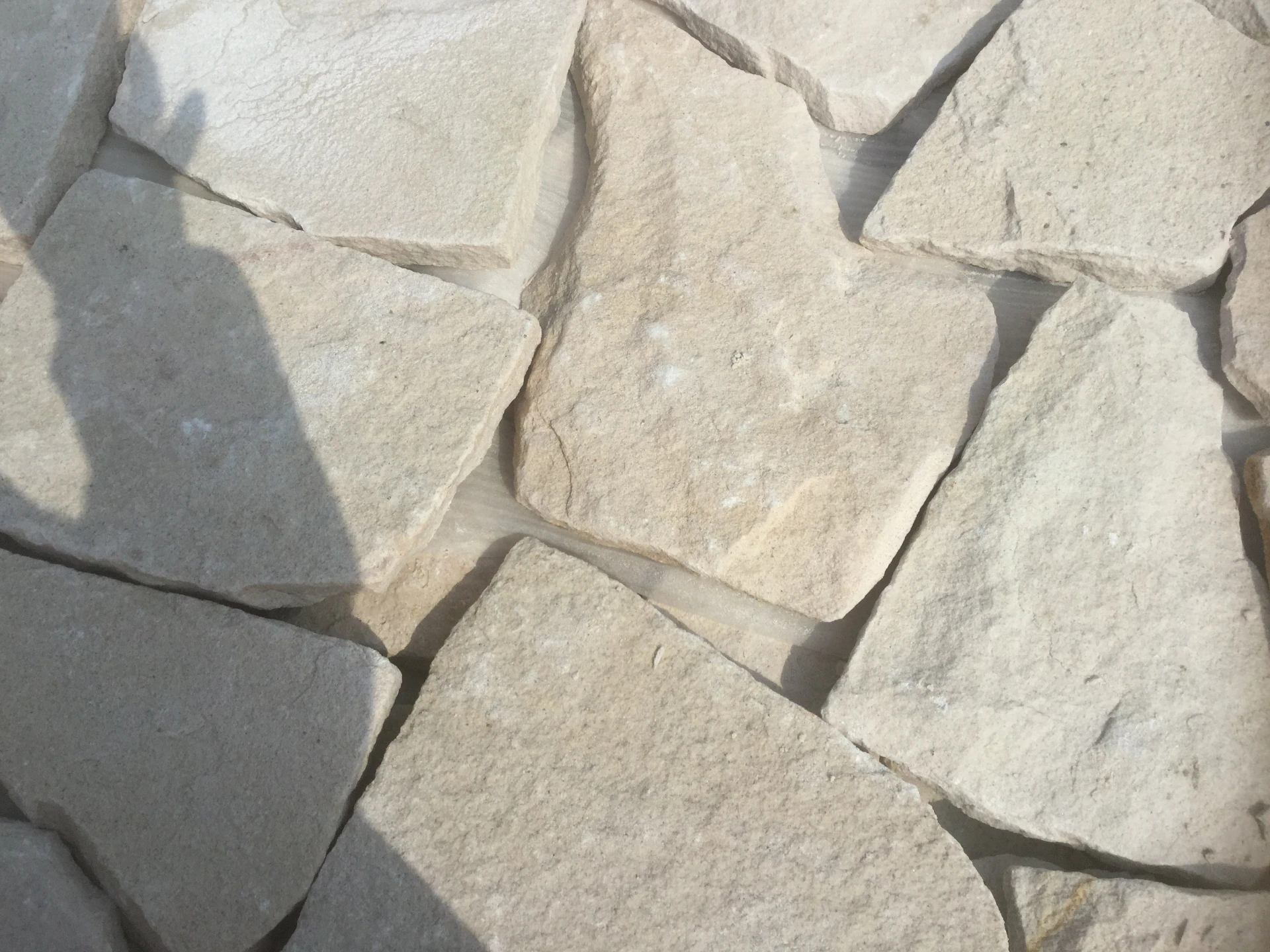
Travertine is created when floodwaters wash through limestone, leaving mineral deposits throughout. As it dries out, the extra minerals solidify to gradually create a much denser material called travertine. This stone is good as a replacement for marble or granite, as it’s much lighter and easier to work with, yet still durable. For this reason travertine is often used on floors or walls, and is estimated to last around fifty years if maintained regularly.
 Afrika
  Albania
  Amharic
  Arabic
  Armenian
  Azerbaijani
  Basque
  Belarusian
  Bengali
  Asụsụ Bosnia
  Bulgarian
  Catalan
  Cebuano
  China
China  China (Taiwan)
  Corsican
  Asụsụ Croatia
  Czech
Czech  Danish
  Dutch
Dutch  Bekee
Bekee  Esperanto
  Estonia
  Asụsụ Finnish
  French
  Onye Frisian
  Onye Galisi
  Asụsụ Georgian
  German
  Grik
Grik  Gujarati
  Haitian Creole
  hausa
hausa  Hawaian
  Hibru
Hibru  Mba
Mba  Miao
Miao  Asụsụ Hungarian
  Aislandi
  igbo
igbo  Asụsụ Indonesian
  Irish
Irish  Ịtali
Ịtali  Japanese
  Asụsụ Javanị
  Kannada
  kazakh
  Khmer
Khmer  Onye Rwandan
  Korean
  Kurdish
  Kyrgyz
  TB
TB  Latịn
Latịn  Latvia
  Lithuania
  Luxembourgish
  Masedonia
  Malgashi
  Malay
Malay  Malayalam
  Malta
Malta  Maori
Maori  Marathi
  Mongolian
  Myanmar
  Nepali
  Norwegian
  Norwegian
  Occitan
  Pashto
  Asụsụ Persia
  Polish
  Portuguese
  Punjabi
  Romanian
  Russian
  Samoan
  Scottish Gaelic
  Asụsụ Serbian
  Bekee
Bekee  Shona
Shona  Sindhi
  Sinhala
  Slovak
  Slovenian
  Somali
  Spanish
  Asụsụ Sudan
  Swahili
  Swedish
  Tagalog
  Tajik
Tajik  Tamil
Tamil  Tatar
Tatar  Telugu
  Thai
Thai  Turkish
  Turkmen
  onye Ukraine
  Urdu
Urdu  Uighur
  Uzbek
Uzbek  Vietnamese
  Welsh
Welsh