

หินธรรมชาติ เป็นหนึ่งในวัสดุที่นิยมใช้กันมากที่สุดในบ้านและสวน แต่คุณเคยหยุดสงสัยหรือไม่ว่ากระเบื้องหิน อิฐ หรือพื้นของคุณมาจากไหน?
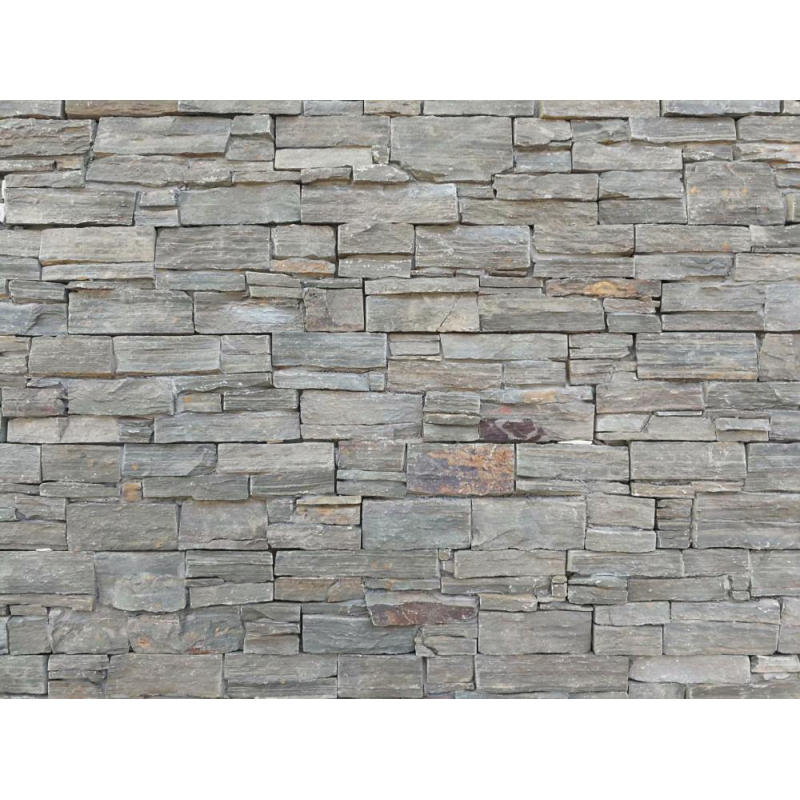
Natural stone was created thousands of years ago when the Earth was just a ball of mineral gases. As these gases began to cool down, they compressed and solidified to form the world we know today. It was during this process that natural stone was formed – the type of stone created depends on what type of minerals were combined at that time. This was a slow process that occurred over millions of years. As the Earth began to settle, many of these seams of stone were gradually pushed to the surface by heat and pressure, creating the large formations we see today.
Stone can come from anywhere in the world, and the type of stone is determined by its origins. There are quarries in America, Mexico, Canada, Italy, Turkey, Australia, and Brazil, as well as many other countries around the globe. Some countries have multiple natural stone quarries, whilst others only have a few. Let’s look in closer detail at where particular stones originate and how they were formed.
หินอ่อน is the result of limestone that has been altered through heat and pressure. It’s a versatile stone that can be used on virtually anything – statues, stairs, walls, bathrooms, counter tops, and more. Usually seen in white, marble is also common in black and grey tints, and has great weather endurance.
ควอตซ์ เกิดจากหินทรายที่ถูกแปรสภาพด้วยความร้อนและแรงอัด หินส่วนใหญ่มาในสีขาว แต่ก็ยังมีสีน้ำตาล สีเทา หรือสีเขียวอ่อนอยู่ด้วย เป็นหินธรรมชาติประเภทหนึ่งที่แข็งที่สุด ทำให้เป็นตัวเลือกที่ยอดเยี่ยมสำหรับการสร้างส่วนหน้าอาคาร เคาน์เตอร์ และโครงสร้างอื่นๆ ที่ต้องใช้หินรับน้ำหนักมาก
หินแกรนิต เดิมทีเป็นหินอัคนีที่เคยสัมผัสกับแมกมา (ลาวา) และเปลี่ยนแปลงไปจากการสัมผัสกับแร่ธาตุต่างๆ หินนี้พบได้ทั่วไปในประเทศที่เคยมีการระเบิดของภูเขาไฟสูงในช่วงหนึ่ง และมีหลายสีให้เลือกตั้งแต่สีดำ สีน้ำตาล สีแดง สีขาว และสีเกือบทั้งหมดในระหว่างนั้น หินแกรนิตเป็นตัวเลือกที่ดีสำหรับห้องครัวและห้องน้ำเนื่องจากมีคุณสมบัติต้านเชื้อแบคทีเรีย
หินปูน เป็นผลมาจากการรวมตัวกันของปะการัง เปลือกหอย และสัตว์ทะเลอื่นๆ หินปูนมีอยู่ 2 ประเภท คือประเภทที่แข็งกว่าซึ่งเต็มไปด้วยแคลเซียม และประเภทที่นิ่มกว่าและมีแมกนีเซียมมากกว่า หินปูนแข็งมักใช้ในอุตสาหกรรมการก่อสร้าง หรือบดและใช้ในปูนเนื่องจากมีคุณสมบัติกันน้ำได้
บลูสโตน is sometimes referred to as basalt, and is one of the most common natural stones around the world. Bluestone forms through the alteration of lava, and because of this, is one of the closest stones to the Earth’s surface. Basalt is generally darker in colour, and is used as house roofing and floor tiles because of its hard texture.
กระดานชนวน เกิดขึ้นเมื่อหินดินดานและตะกอนหินโคลนถูกเปลี่ยนแปลงด้วยความร้อนและความดัน มีให้เลือกตั้งแต่สีดำ สีม่วง สีฟ้า สีเขียว และสีเทา หินชนวนกลายเป็นตัวเลือกยอดนิยมสำหรับหลังคาเนื่องจากสามารถตัดได้บางและทนทานต่ออุณหภูมิเย็นโดยเสียหายน้อยที่สุด หินชนวนยังมักใช้เป็นกระเบื้องปูพื้นเนื่องจากมีลักษณะที่คงทน
ทราเวอร์ทีน is created when floodwaters wash through limestone, leaving mineral deposits throughout. As it dries out, the extra minerals solidify to gradually create a much denser material called travertine. This stone is good as a replacement for marble or granite, as it’s much lighter and easier to work with, yet still durable. For this reason travertine is often used on floors or walls, and is estimated to last around fifty years if maintained regularly.
 แอฟริกัน
  แอลเบเนีย
  อัมฮาริก
  ภาษาอาหรับ
  อาร์เมเนีย
  อาเซอร์ไบจัน
  บาสก์
บาสก์  เบลารุส
  เบงกาลี
  บอสเนีย
  บัลแกเรีย
  คาตาลัน
  เซบู
เซบู  จีน
จีน  จีน (ไต้หวัน)
  คอร์ซิกา
  โครเอเชีย
  เช็ก
เช็ก  ภาษาเดนมาร์ก
  ภาษาดัตช์
  ภาษาอังกฤษ
  เอสเปรันโต
  เอสโตเนีย
  ภาษาฟินแลนด์
  ภาษาฝรั่งเศส
  ฟริเซียน
  กาลิเซีย
  จอร์เจีย
  เยอรมัน
  กรีก
กรีก  คุชราต
  ชาวเฮติครีโอล
  เฮาซา
เฮาซา  ฮาวาย
ฮาวาย  ภาษาฮีบรู
  ไม่
ไม่  แม้ว
แม้ว  ภาษาฮังการี
  ไอซ์แลนด์
  อิกโบ
อิกโบ  ชาวอินโดนีเซีย
  ไอริช
ไอริช  ภาษาอิตาลี
  ญี่ปุ่น
  ชวา
ชวา  กันนาดา
  คาซัค
คาซัค  เขมร
เขมร  รวันดา
  เกาหลี
  เคิร์ด
  คีร์กีซ
  วัณโรค
  ละติน
ละติน  ลัตเวีย
  ลิทัวเนีย
  ภาษาลักเซมเบิร์ก
  มาซิโดเนีย
  มัลกาชิ
  มาเลย์
  มาลายาลัม
  ภาษามอลตา
  ชาวเมารี
  ภาษามราฐี
  มองโกเลีย
  พม่า
พม่า  เนปาล
เนปาล  ภาษานอร์เวย์
  ภาษานอร์เวย์
  อ็อกซิตัน
  ปาสโต้
  เปอร์เซีย
  ขัด
ขัด  โปรตุเกส
  ปัญจาบ
  โรมาเนีย
  ภาษารัสเซีย
  ซามัว
ซามัว  เกลิคสก๊อตแลนด์
  เซอร์เบีย
  ภาษาอังกฤษ
  โชนา
โชนา  สินธี
สินธี  สิงหล
สิงหล  สโลวัก
  ภาษาสโลเวเนีย
  โซมาเลีย
  สเปน
สเปน  ซุนดา
ซุนดา  สวาฮีลี
  ภาษาสวีเดน
  ตากาล็อก
  ทาจิก
ทาจิก  ทมิฬ
ทมิฬ  ตาตาร์
  เตลูกู
  แบบไทย
  ภาษาตุรกี
  เติร์กเมนิสถาน
  ภาษายูเครน
  ภาษาอูรดู
  อุยกูร์
  อุซเบก
  ภาษาเวียดนาม
  เวลส์
เวลส์ 




