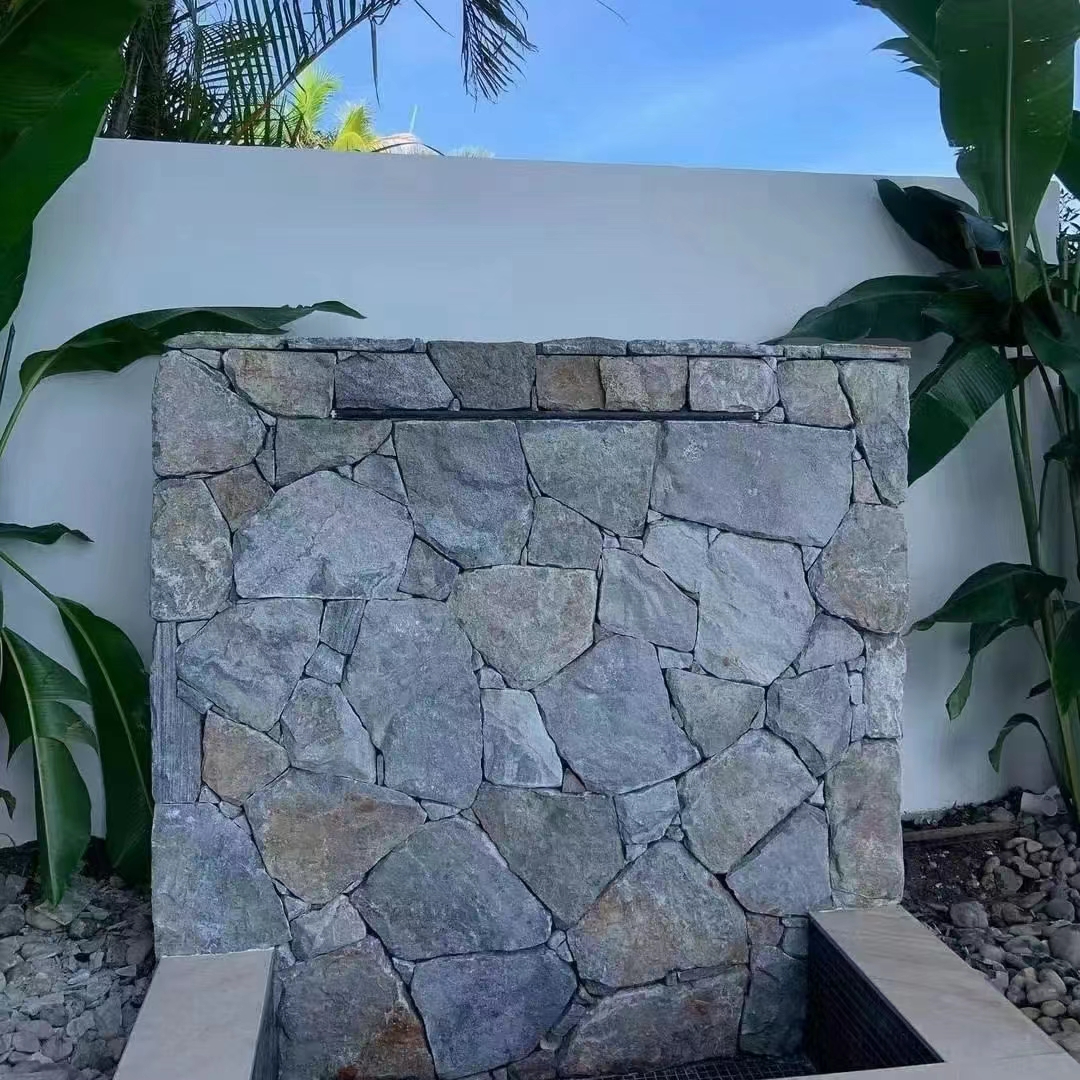
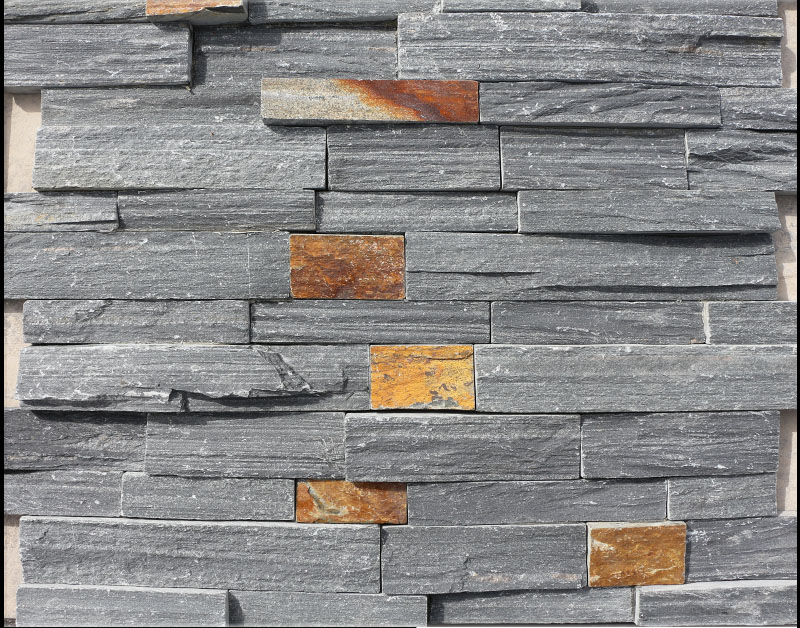
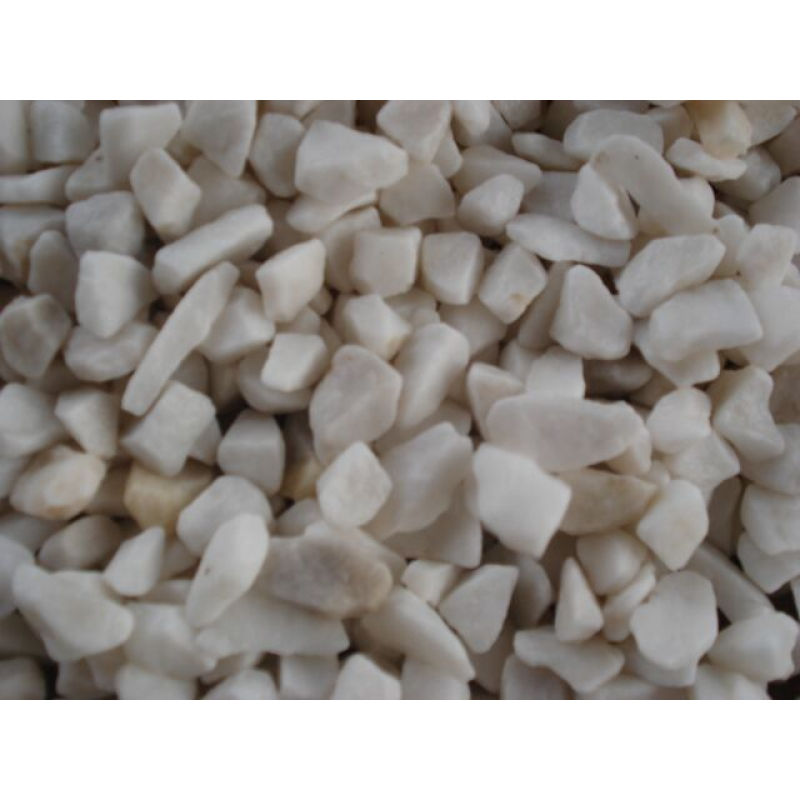
Wòch natirèl se youn nan materyèl ki pi souvan itilize nan kay ak jaden. Men, èske ou janm sispann mande ki kote mozayik wòch patikilye ou, brik, oswa planche te soti?
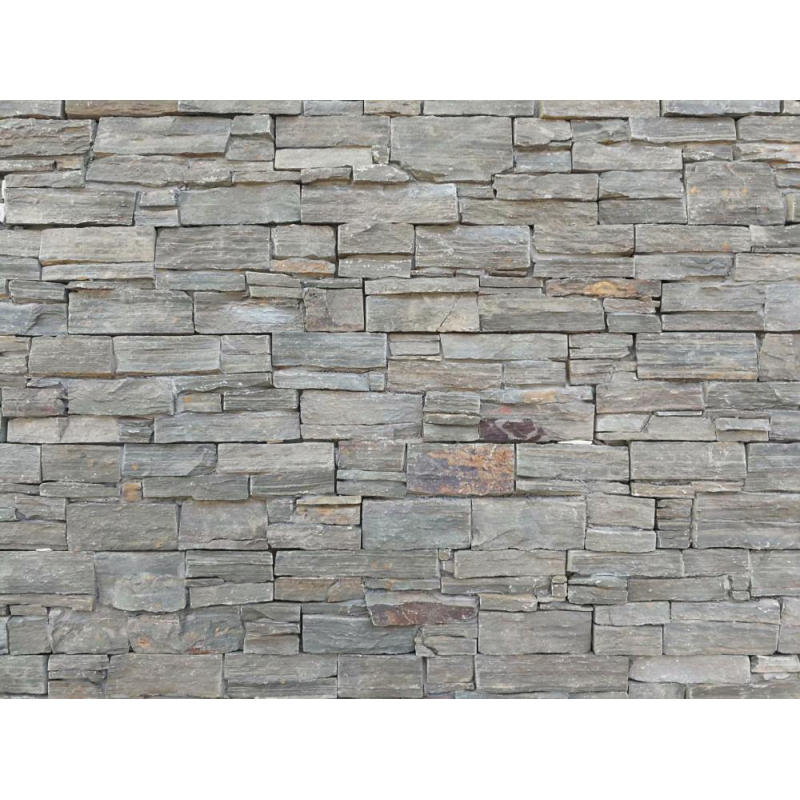
Natural stone was created thousands of years ago when the Earth was just a ball of mineral gases. As these gases began to cool down, they compressed and solidified to form the world we know today. It was during this process that natural stone was formed – the type of stone created depends on what type of minerals were combined at that time. This was a slow process that occurred over millions of years. As the Earth began to settle, many of these seams of stone were gradually pushed to the surface by heat and pressure, creating the large formations we see today.
Stone can come from anywhere in the world, and the type of stone is determined by its origins. There are quarries in America, Mexico, Canada, Italy, Turkey, Australia, and Brazil, as well as many other countries around the globe. Some countries have multiple natural stone quarries, whilst others only have a few. Let’s look in closer detail at where particular stones originate and how they were formed.
Marble is the result of limestone that has been altered through heat and pressure. It’s a versatile stone that can be used on virtually anything – statues, stairs, walls, bathrooms, counter tops, and more. Usually seen in white, marble is also common in black and grey tints, and has great weather endurance.
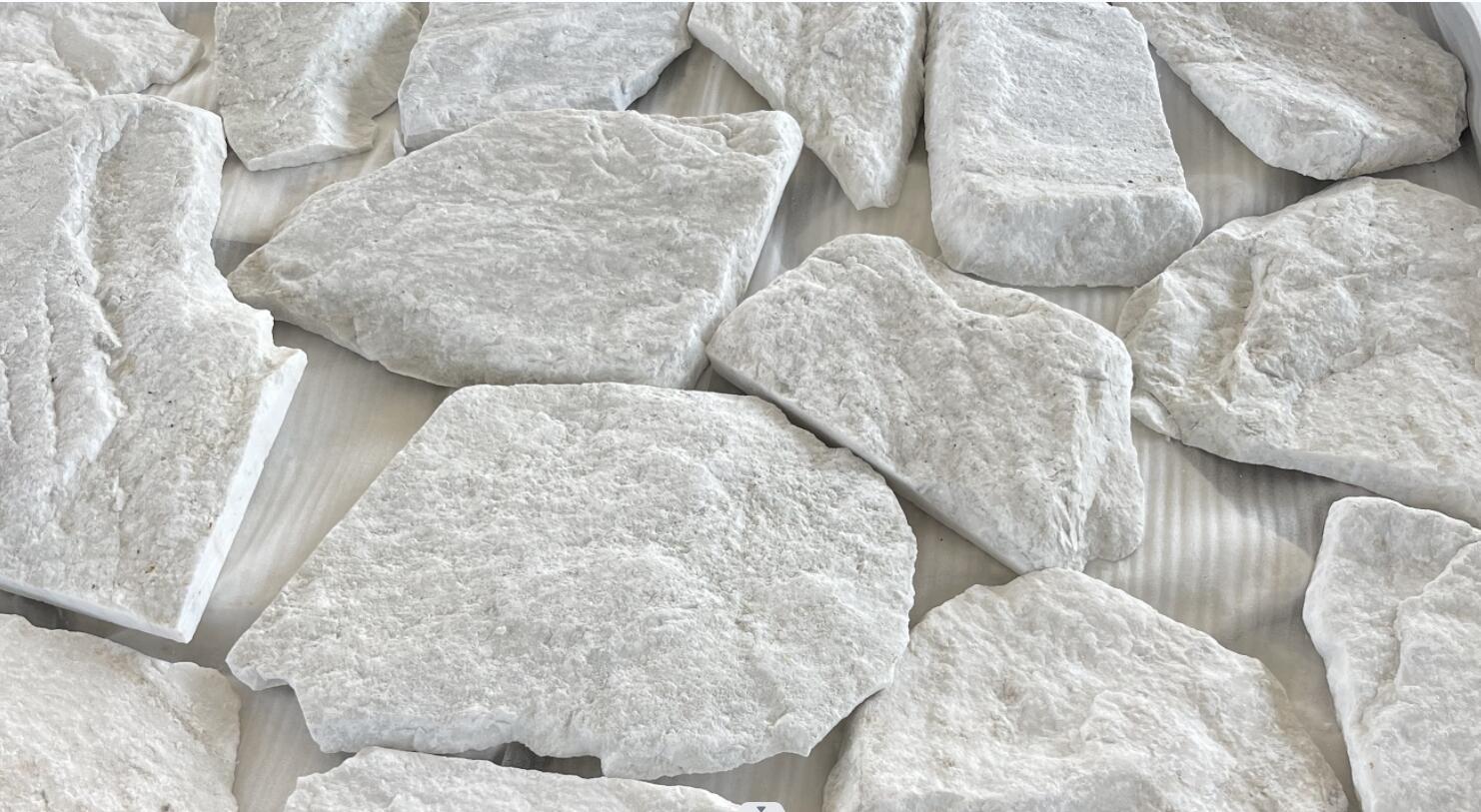
Quartzit soti nan grè ki te chanje atravè chalè ak konpresyon. Wòch la sitou vini nan blan, men yo ka jwenn tou ak koulè mawon, gri, oswa vèt nan li. Li se youn nan pi difisil kalite wòch natirèl yo, ki fè li yon chwa ekselan pou fakad bilding, kontwa, ak lòt estrikti ki mande pou wòch devwa lou.
Granite te orijinèlman yon wòch inye ki te ekspoze a magma (lav) epi ki te chanje atravè ekspoze a diferan mineral. Wòch la souvan jwenn nan peyi ki te wè gwo aktivite vòlkanik nan kèk pwen, epi li disponib nan yon varyete gwo koulè soti nan nwa, mawon, wouj, blan, ak prèske tout koulè yo ant. Granite se yon gwo opsyon pou kwizin ak twalèt akòz kalite anti-bakteri li yo.
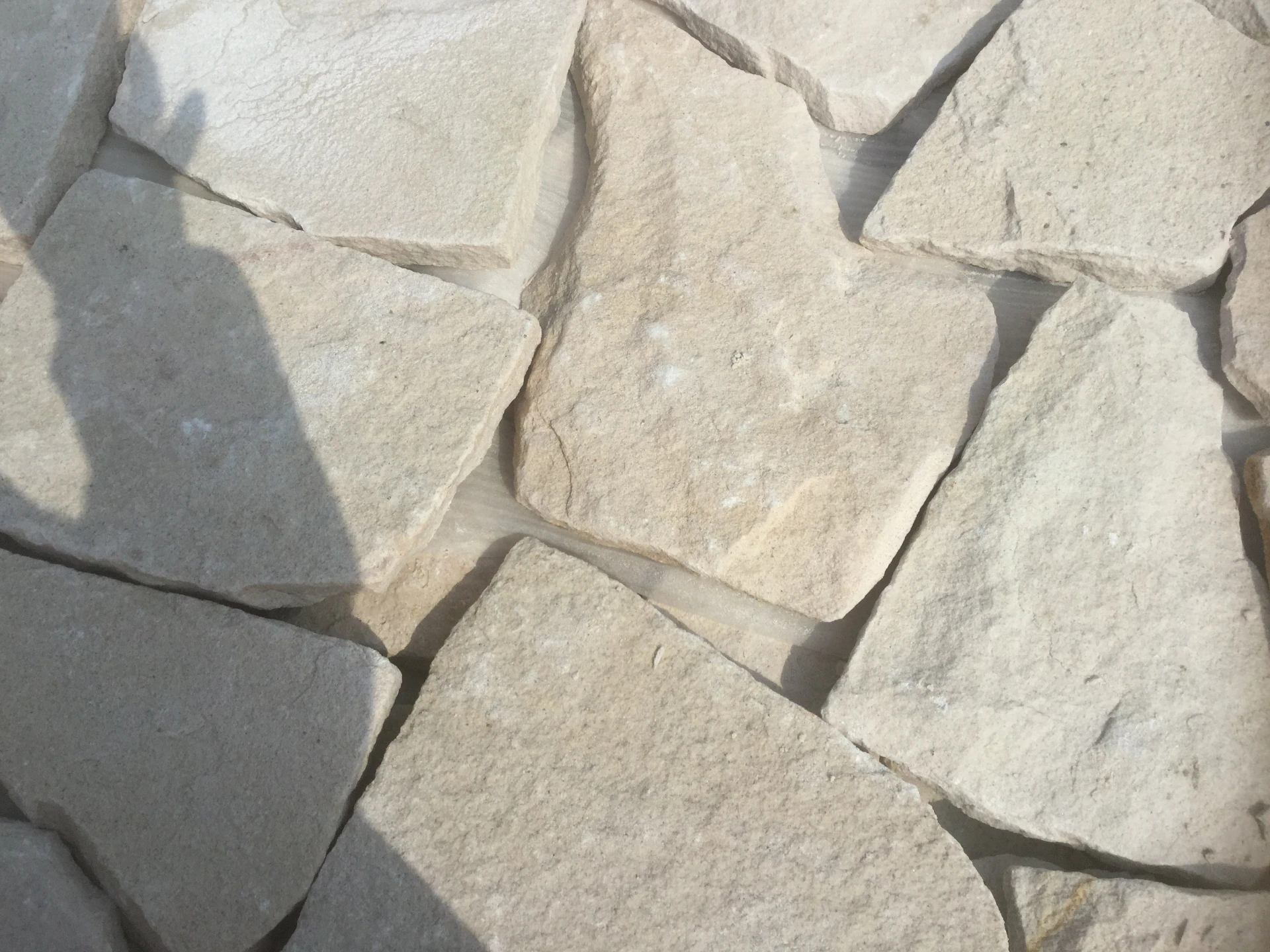
Limestone se rezilta konpresyon koray, kokiyaj ak lòt lavi lanmè ansanm. Gen de kalite kalkè, yon kalite ki pi difisil ki plen ak kalsyòm, ak yon kalite ki pi dous ak plis mayezyòm. Limestone difisil souvan itilize nan endistri bilding lan, oswa tè moute ak itilize nan mòtye akòz bon jan kalite ki enpèmeyab li yo.
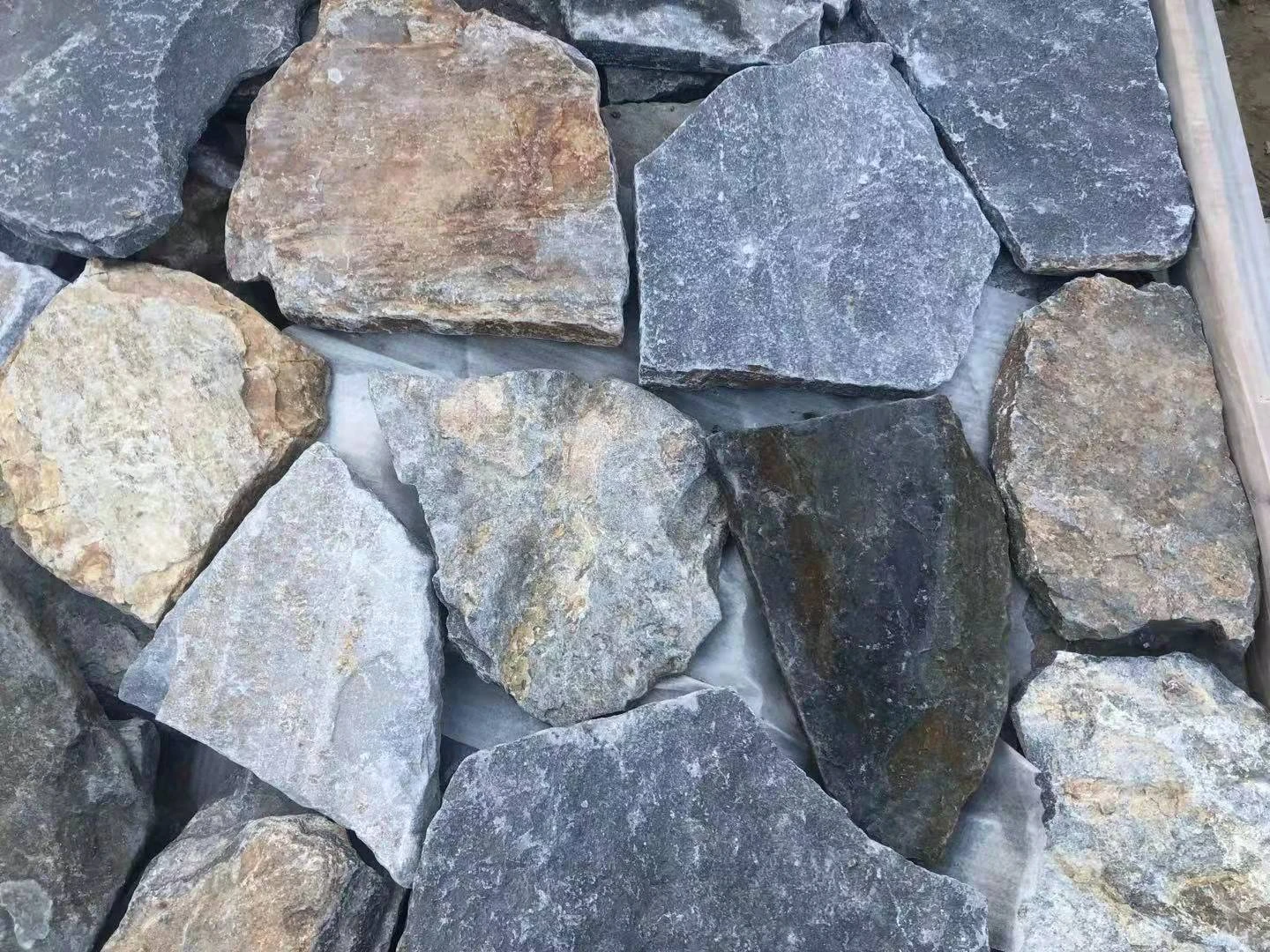
Bluestone is sometimes referred to as basalt, and is one of the most common natural stones around the world. Bluestone forms through the alteration of lava, and because of this, is one of the closest stones to the Earth’s surface. Basalt is generally darker in colour, and is used as house roofing and floor tiles because of its hard texture.
Adwaz te kreye lè ajil feyte ak sediman mudstone yo te chanje atravè chalè ak presyon. Disponib nan koulè nwa, koulè wouj violèt, ble, vèt, ak gri, adwaz te vin tounen yon chwa popilè pou twati kòm li ka koupe mens epi kenbe tèt ak tanperati frèt ak domaj minim. Adwaz se souvan itilize kòm mozayik etaj akòz nati dirab li yo.
Travertin is created when floodwaters wash through limestone, leaving mineral deposits throughout. As it dries out, the extra minerals solidify to gradually create a much denser material called travertine. This stone is good as a replacement for marble or granite, as it’s much lighter and easier to work with, yet still durable. For this reason travertine is often used on floors or walls, and is estimated to last around fifty years if maintained regularly.
 Afriken
  Albanè
  Amarik
  Arab
Arab  Amenyen
  Azerbaydjan
  Basque
  Belarisyen
  Bengali
  Bosnyen
  Bulgarian
  Catalan
  Cebuano
  Lachin
  Lachin (Taiwan)
  Kors
Kors  Kwoasyen
  Czech
Czech  Danwa
Danwa  Olandè
  angle
angle  Esperanto
  Estonyen
  Finnish
  franse
  Frisyen
  Galisyen
  Jòjyen
  Alman
Alman  grèk
grèk  Gujarati
  Kreyòl ayisyen
  hausa
hausa  Hawaiian
  ebre
ebre  Non
Non  Miao
Miao  Ongwa
Ongwa  Icelandic
  igbo
igbo  Endonezyen
  Ilandè
  Italyen
  Japonè
  Javanèz
  Kannada
  kazak
kazak  Khmer
Khmer  Rwandan
  Koreyen
  Kurdish
  Kyrgyz
  TB
TB  Latin
Latin  Latvian
  Lityanyen
  Luxembourgish
  Masedwan
  Malgashi
  Malay
Malay  Malayalam
  Maltese
  Maori
Maori  Marathi
  Mongolyen
  Myanma
  Nepali
  Nòvejyen
  Nòvejyen
  Occitan
  Pashto
  Pèsik
Pèsik  Polonè
  Pòtigè
  Punjabi
  Woumen
  Ris
Ris  Samoan
  Scottish Gaelic
  Sèb
Sèb  angle
angle  Shona
Shona  Sindhi
  Sinhala
  Slovak
  Sloveni
  Somalyen
  Panyòl
  Sundanese
  Swahili
  Swedish
  Tagalog
  Tajik
Tajik  Tamil
Tamil  Tatar
Tatar  Telugu
  Thai
Thai  Tik
Tik  Tirkmen
  Ukrainian
  Oudou
Oudou  Ouygur
  Ouzbek
  Vyetnamyen
  Welsh
Welsh