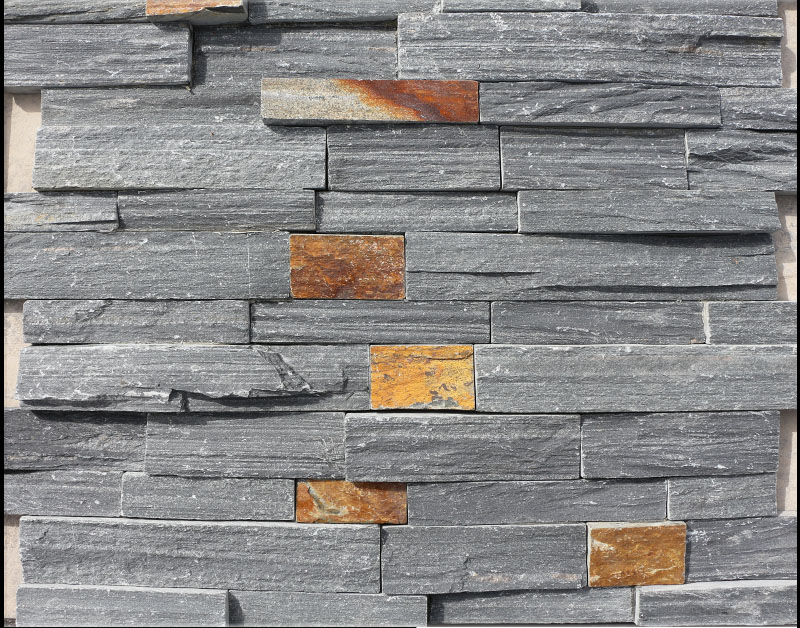
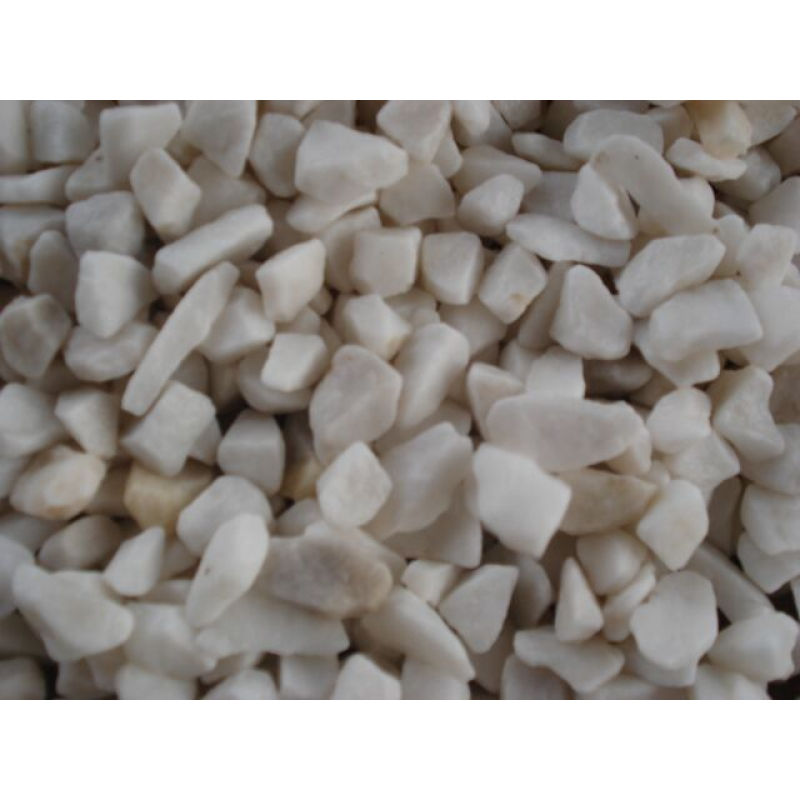
Natural na bato ay isa sa mga pinakakaraniwang ginagamit na materyales na ginagamit sa mga tahanan at hardin. Ngunit tumigil ka na ba upang magtaka kung saan nanggaling ang iyong partikular na mga tile, ladrilyo, o sahig?
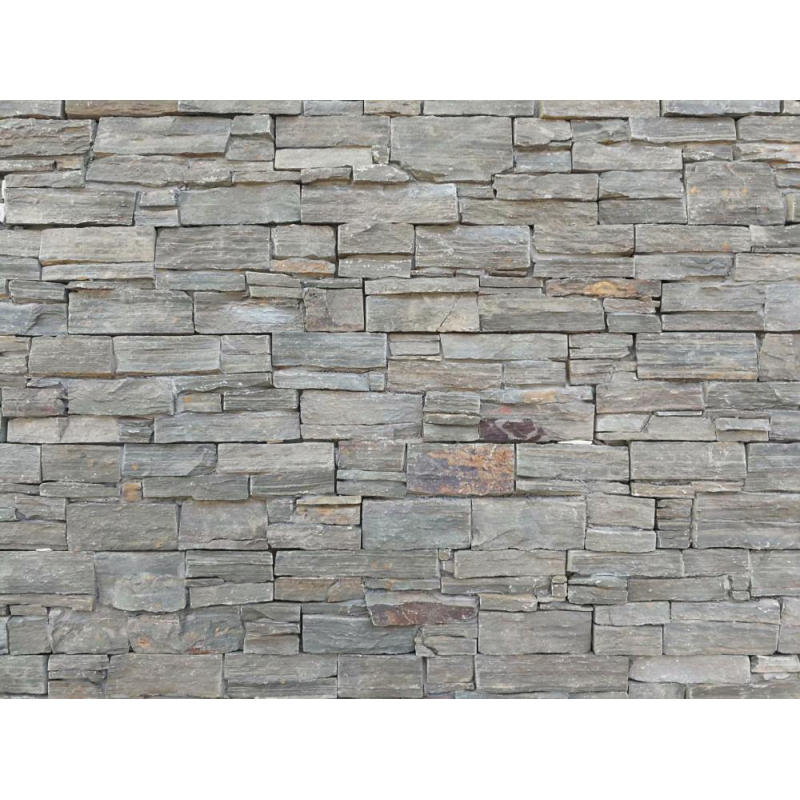
Natural stone was created thousands of years ago when the Earth was just a ball of mineral gases. As these gases began to cool down, they compressed and solidified to form the world we know today. It was during this process that natural stone was formed – the type of stone created depends on what type of minerals were combined at that time. This was a slow process that occurred over millions of years. As the Earth began to settle, many of these seams of stone were gradually pushed to the surface by heat and pressure, creating the large formations we see today.
Stone can come from anywhere in the world, and the type of stone is determined by its origins. There are quarries in America, Mexico, Canada, Italy, Turkey, Australia, and Brazil, as well as many other countries around the globe. Some countries have multiple natural stone quarries, whilst others only have a few. Let’s look in closer detail at where particular stones originate and how they were formed.
Marmol is the result of limestone that has been altered through heat and pressure. It’s a versatile stone that can be used on virtually anything – statues, stairs, walls, bathrooms, counter tops, and more. Usually seen in white, marble is also common in black and grey tints, and has great weather endurance.
Quartzite nagmula sa sandstone na binago sa pamamagitan ng init at compression. Ang bato ay higit sa lahat ay nasa puti, ngunit maaari ding matagpuan na may kayumanggi, kulay abo, o maberde na kulay dito. Ito ay isa sa pinakamahirap na uri ng natural na bato, na ginagawa itong isang mahusay na pagpipilian para sa pagtatayo ng mga facade, countertop, at iba pang mga istraktura na nangangailangan ng mabibigat na tungkulin na mga bato.
Granite ay orihinal na isang igneous na bato na nalantad sa magma (lava) at binago sa pamamagitan ng pagkakalantad sa iba't ibang mineral. Ang bato ay karaniwang matatagpuan sa mga bansa na nakakita ng mataas na aktibidad ng bulkan sa ilang mga punto, at magagamit sa isang malaking iba't ibang mga kulay mula sa itim, kayumanggi, pula, puti, at halos lahat ng mga kulay sa pagitan. Ang granite ay isang mahusay na pagpipilian para sa mga kusina at banyo dahil sa mga katangian ng antibacterial nito.
Limestone ay ang resulta ng compression ng coral, seashells, at iba pang buhay sa karagatan nang magkasama. Mayroong dalawang uri ng limestone, isang mas matigas na uri na puno ng calcium, at isang mas malambot na uri na may mas maraming magnesium. Ang matigas na limestone ay kadalasang ginagamit sa industriya ng gusali, o giniling at ginagamit sa mortar dahil sa kalidad nito na hindi tinatablan ng tubig.
Bluestone is sometimes referred to as basalt, and is one of the most common natural stones around the world. Bluestone forms through the alteration of lava, and because of this, is one of the closest stones to the Earth’s surface. Basalt is generally darker in colour, and is used as house roofing and floor tiles because of its hard texture.
slate ay nilikha kapag ang shale at mudstone sediments ay binago sa pamamagitan ng init at presyon. Magagamit sa mga kulay mula sa itim, lila, asul, berde, at kulay abo, ang slate ay naging isang popular na pagpipilian para sa bubong dahil maaari itong gupitin nang manipis at makatiis sa malamig na temperatura na may kaunting pinsala. Ang slate ay madalas ding ginagamit bilang pag-tile sa sahig dahil sa likas na katangian nito.
Travertine is created when floodwaters wash through limestone, leaving mineral deposits throughout. As it dries out, the extra minerals solidify to gradually create a much denser material called travertine. This stone is good as a replacement for marble or granite, as it’s much lighter and easier to work with, yet still durable. For this reason travertine is often used on floors or walls, and is estimated to last around fifty years if maintained regularly.
 African
  Albaniano
  Amharic
  Arabic
  Armenian
  Azerbaijani
  Basque
  Belarusian
  Bengali
  Bosnian
  Bulgarian
  Catalan
  Cebuano
  Tsina
Tsina  China (Taiwan)
  Corsican
  Croatian
  Czech
Czech  Danish
  Dutch
Dutch  Ingles
  Esperanto
  Estonian
  Finnish
  Pranses
  Frisian
  Galician
  Georgian
  Aleman
  Griyego
  Gujarati
  Haitian Creole
  hausa
hausa  hawaiian
  Hebrew
  Hindi
Hindi  Miao
Miao  Hungarian
  Icelandic
  igbo
igbo  Indonesian
  irish
irish  Italyano
  Hapon
Hapon  Javanese
  Kannada
  kazakh
  Khmer
Khmer  Rwandan
  Koreano
  Kurdish
  Kyrgyz
  TB
TB  Latin
Latin  Latvian
  Lithuanian
  Luxembourgish
  Macedonian
  Malgashi
  Malay
Malay  Malayalam
  Maltese
  Maori
Maori  Marathi
  Mongolian
  Myanmar
  Nepali
  Norwegian
  Norwegian
  Occitan
  Pashto
  Persian
  Polish
  Portuges
  Punjabi
  Romanian
  Ruso
Ruso  Samoan
  Scottish Gaelic
  Serbian
  Ingles
  Shona
Shona  Sindhi
  Sinhala
  Slovak
  Slovenian
  Somali
  Espanyol
  Sundanese
  Swahili
  Swedish
  Tagalog
  Tajik
Tajik  Tamil
Tamil  Tatar
Tatar  Telugu
  Thai
Thai  Turkish
  Turkmen
  Ukrainian
  Urdu
Urdu  Uighur
  Uzbek
Uzbek  Vietnamese
  Welsh
Welsh