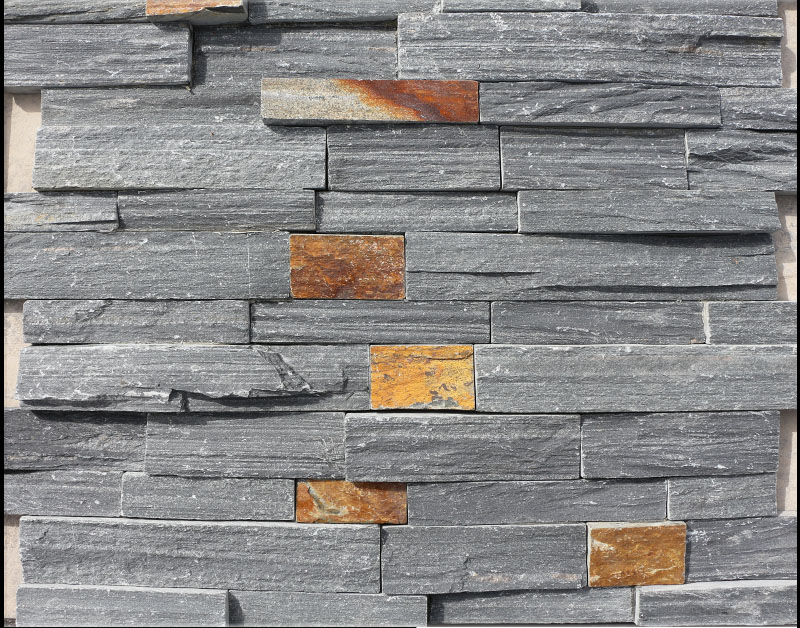
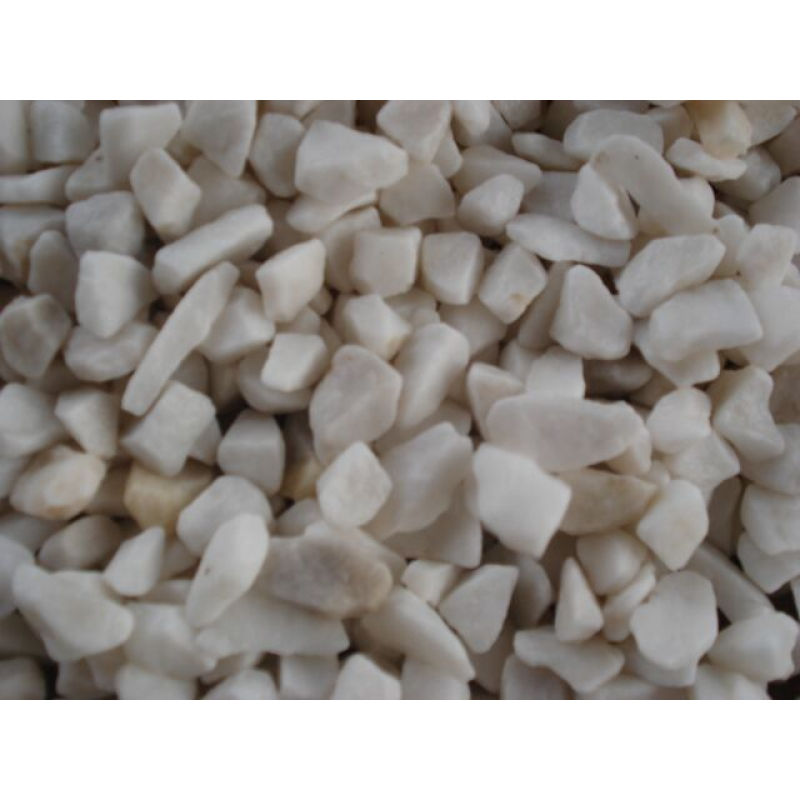
Piatră naturală este unul dintre cele mai frecvent utilizate materiale folosite în case și grădini. Dar te-ai oprit vreodată să te întrebi de unde provin plăcile, cărămizile sau podelele tale de piatră?
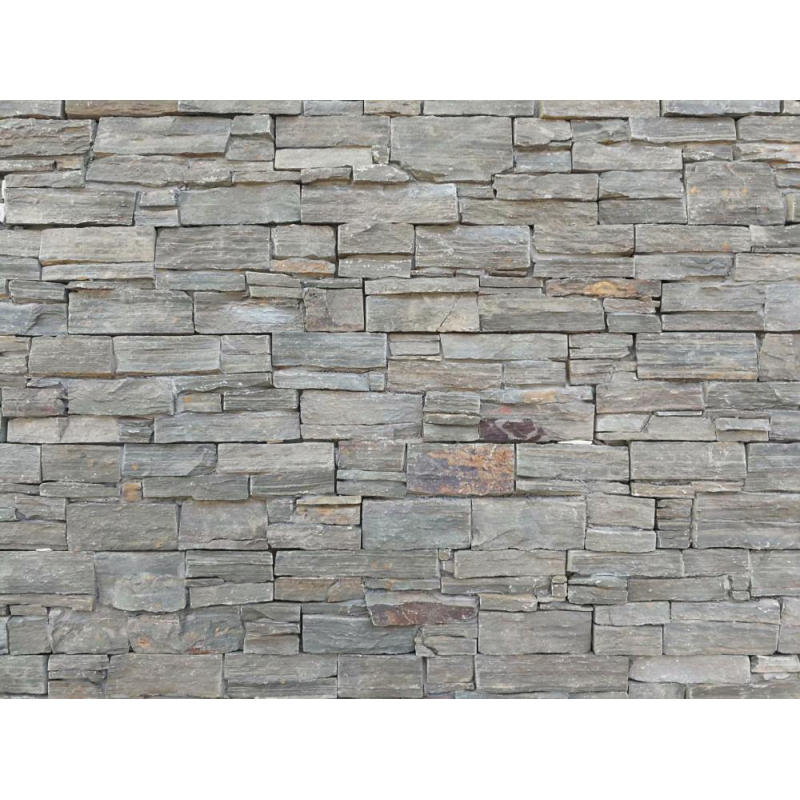
Natural stone was created thousands of years ago when the Earth was just a ball of mineral gases. As these gases began to cool down, they compressed and solidified to form the world we know today. It was during this process that natural stone was formed – the type of stone created depends on what type of minerals were combined at that time. This was a slow process that occurred over millions of years. As the Earth began to settle, many of these seams of stone were gradually pushed to the surface by heat and pressure, creating the large formations we see today.
Stone can come from anywhere in the world, and the type of stone is determined by its origins. There are quarries in America, Mexico, Canada, Italy, Turkey, Australia, and Brazil, as well as many other countries around the globe. Some countries have multiple natural stone quarries, whilst others only have a few. Let’s look in closer detail at where particular stones originate and how they were formed.
Marmură is the result of limestone that has been altered through heat and pressure. It’s a versatile stone that can be used on virtually anything – statues, stairs, walls, bathrooms, counter tops, and more. Usually seen in white, marble is also common in black and grey tints, and has great weather endurance.
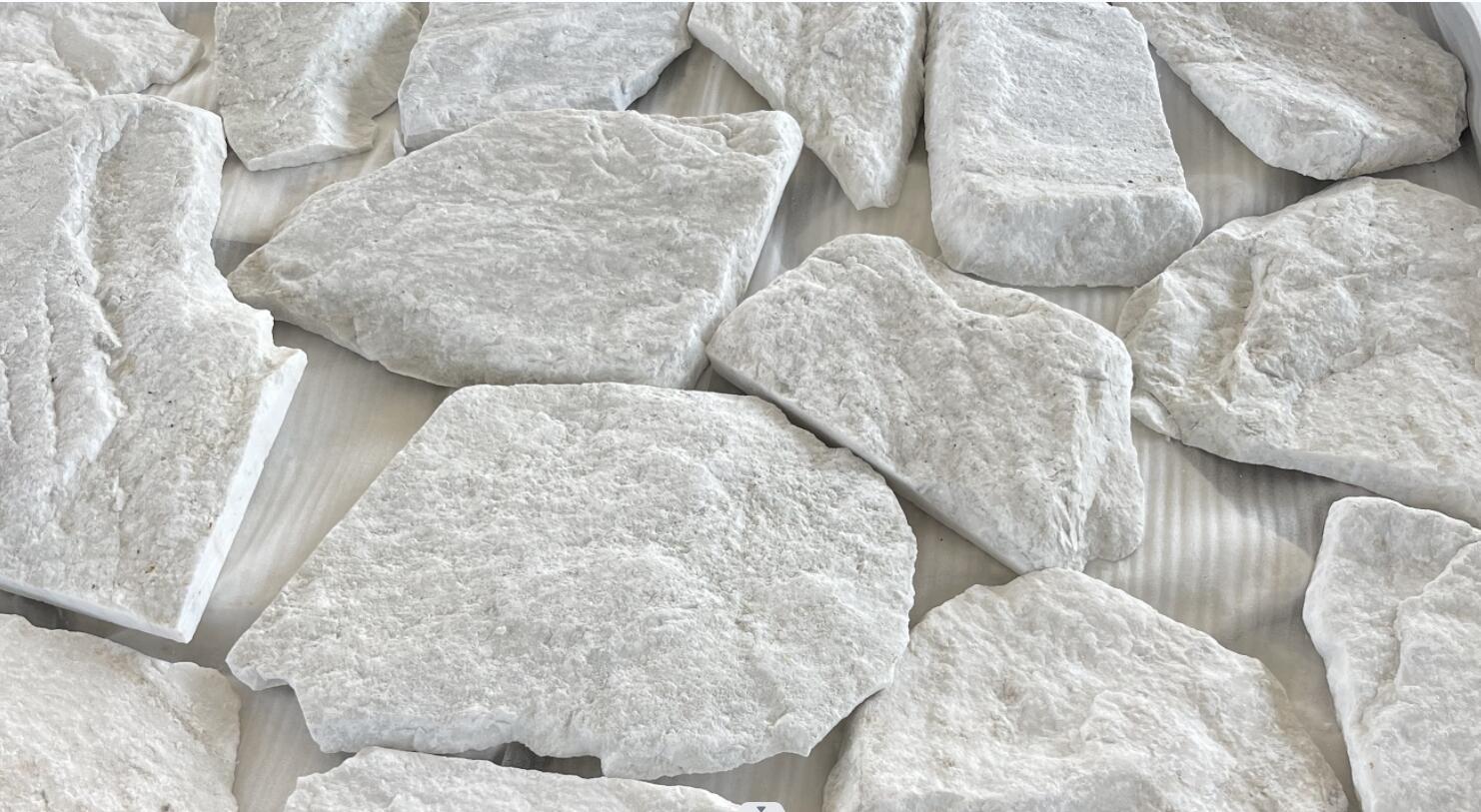
Cuarțit provine din gresie care a fost modificată prin căldură și comprimare. Piatra vine în principal în alb, dar poate fi găsită și cu nuanțe maro, gri sau verzuie. Este unul dintre cele mai dure tipuri de piatră naturală, ceea ce îl face o alegere excelentă pentru fațade de clădiri, blaturi și alte structuri care necesită pietre rezistente.
Granit a fost inițial o piatră magmatică care fusese expusă magmei (lavă) și modificată prin expunerea la diferite minerale. Piatra se găsește în mod obișnuit în țările care au înregistrat o activitate vulcanică ridicată la un moment dat și este disponibilă într-o mare varietate de culori, de la negru, maro, roșu, alb și aproape toate culorile intermediare. Granitul este o opțiune excelentă pentru bucătării și băi datorită calităților sale antibacteriene.
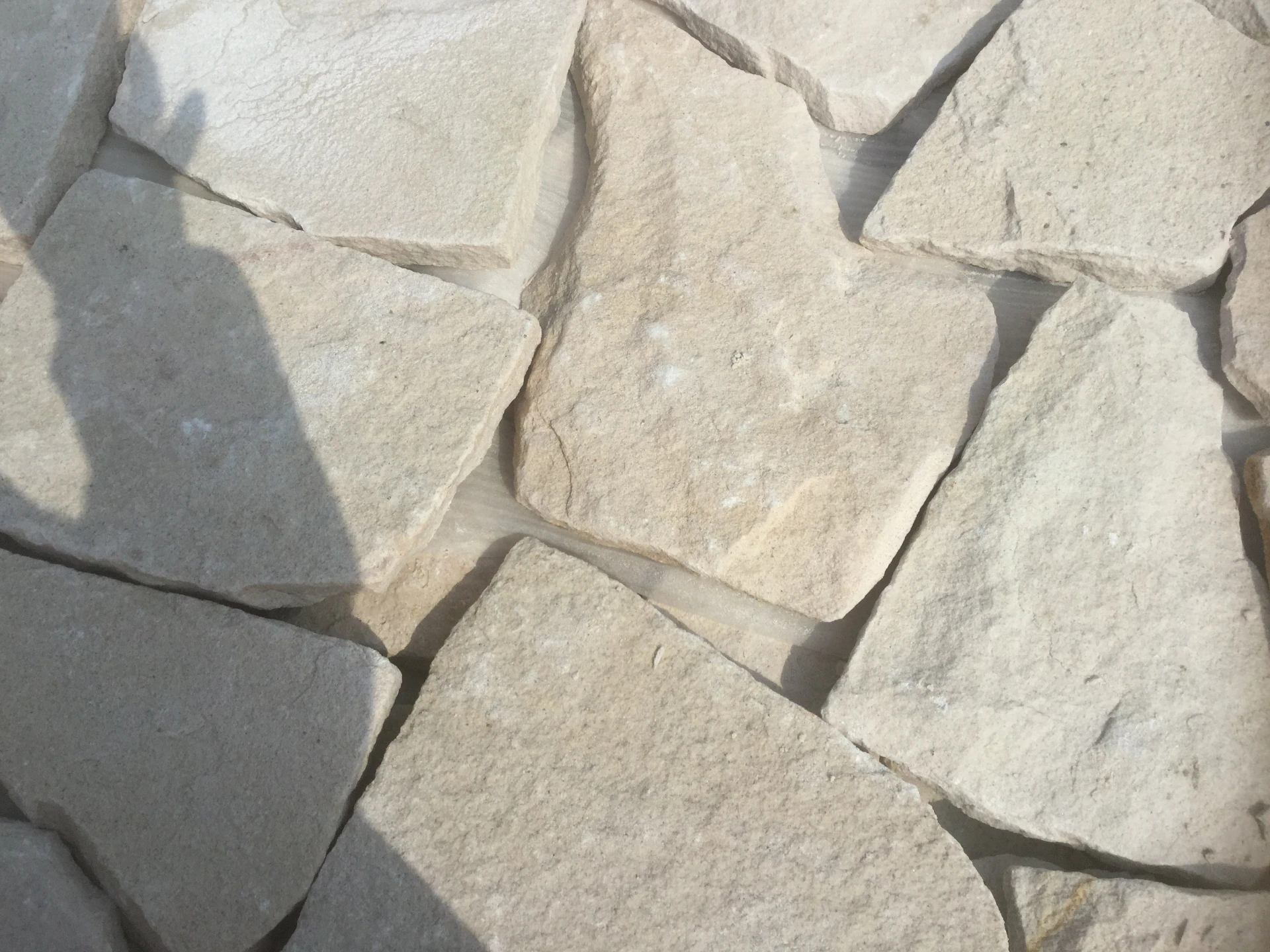
Calcar este rezultatul comprimării coralilor, scoicilor și altor forme de viață oceanică împreună. Există două tipuri de calcar, unul mai dur, plin de calciu, și unul mai moale, cu mai mult magneziu. Calcarul dur este adesea folosit în industria construcțiilor sau măcinat și folosit în mortar datorită calității sale impermeabile.
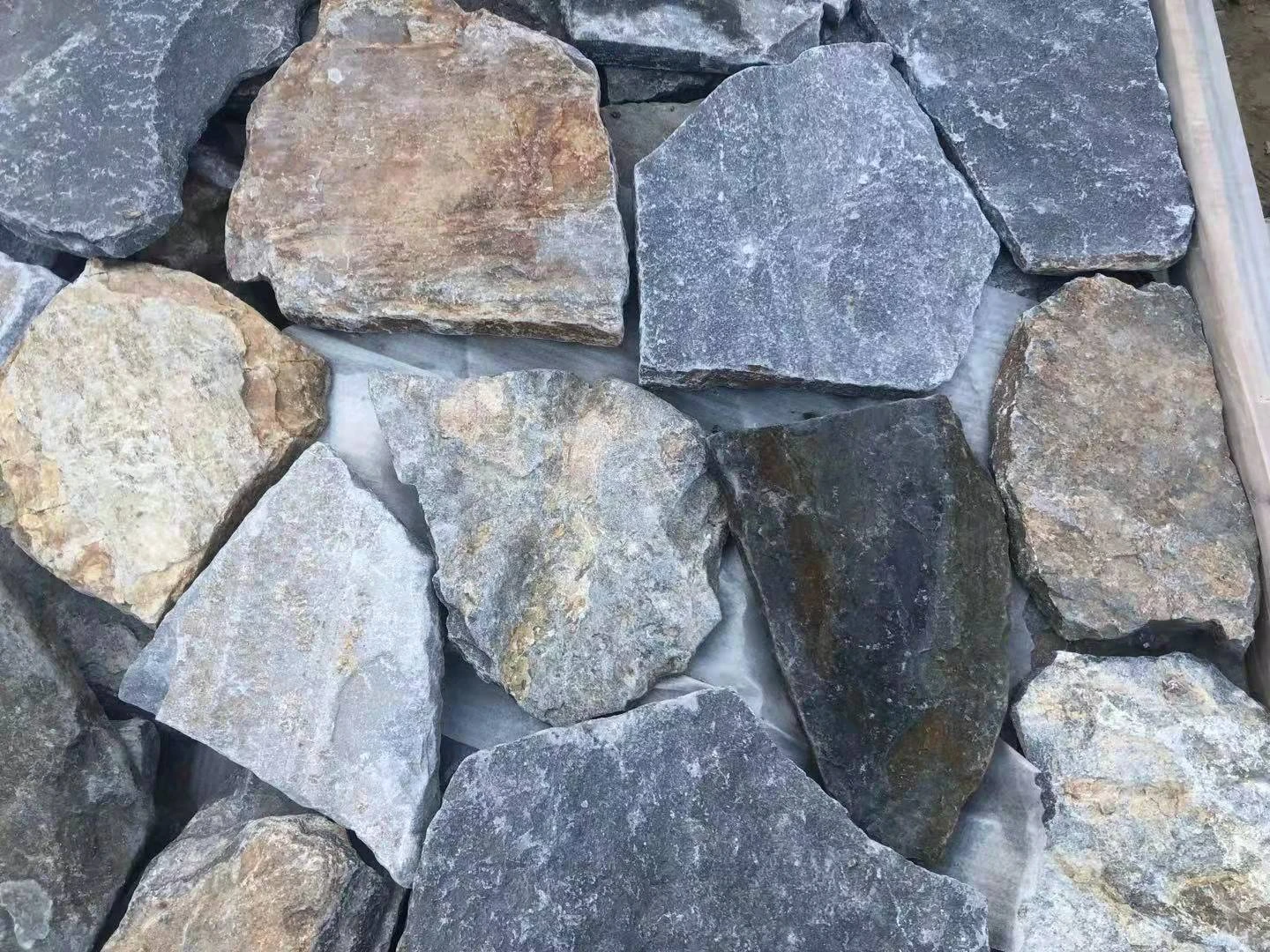
Bluestone is sometimes referred to as basalt, and is one of the most common natural stones around the world. Bluestone forms through the alteration of lava, and because of this, is one of the closest stones to the Earth’s surface. Basalt is generally darker in colour, and is used as house roofing and floor tiles because of its hard texture.
Ardezie a fost creat atunci când sedimentele de șist și noroi au fost modificate prin căldură și presiune. Disponibilă în culori de la negru, violet, albastru, verde și gri, ardezia a devenit o alegere populară pentru acoperiș, deoarece poate fi tăiată subțire și poate rezista la temperaturi scăzute cu daune minime. Ardezia este adesea folosită și ca placare pentru podea, datorită naturii sale de durată.
Travertin is created when floodwaters wash through limestone, leaving mineral deposits throughout. As it dries out, the extra minerals solidify to gradually create a much denser material called travertine. This stone is good as a replacement for marble or granite, as it’s much lighter and easier to work with, yet still durable. For this reason travertine is often used on floors or walls, and is estimated to last around fifty years if maintained regularly.
 african
  albanez
  amharică
  arabic
  armean
  Azerbaidjan
  bască
bască  Belarus
  bengaleză
  Bosniac
  bulgară
  catalan
  Cebuano
  China
China  China (Taiwan)
  corsicană
  croat
croat  ceh
ceh  danez
danez  olandeză
  Engleză
  esperanto
  estonă
  finlandeză
  limba franceza
  frizonă
  Galician
  georgian
  limba germana
  greacă
  Gujarati
  creolul haitian
  hausa
hausa  hawaian
  ebraică
  nu
nu  Miao
Miao  maghiară
  islandez
  igbo
igbo  indoneziană
  irlandez
  Italiană
  japonez
  javaneză
  Kannada
  kazah
kazah  Khmer
Khmer  ruandez
  coreeană
  kurdă
kurdă  Kârgâz
  TB
TB  latin
latin  letonă
  lituanian
  luxemburghez
  macedonean
  Malgashi
  Malaeză
  Malayalam
  malteză
  maori
maori  marathi
  mongol
  Myanmar
  nepaleză
  norvegian
  norvegian
  occitană
  Pashto
  persană
  Lustrui
  portugheză
  punjabi
  Română
  Rusă
Rusă  samoană
  gaelic scoțian
  sârb
sârb  Engleză
  Shona
Shona  Sindhi
  Sinhala
  slovacă
  slovenă
  somalez
  Spaniolă
  Sundaneza
  Swahili
  suedez
  tagalog
  Tadjik
  tamil
tamil  tătar
tătar  Telugu
  thailandez
  turc
turc  turkmeni
  ucrainean
  Urdu
Urdu  Uighur
  uzbec
uzbec  vietnamez
  galeză