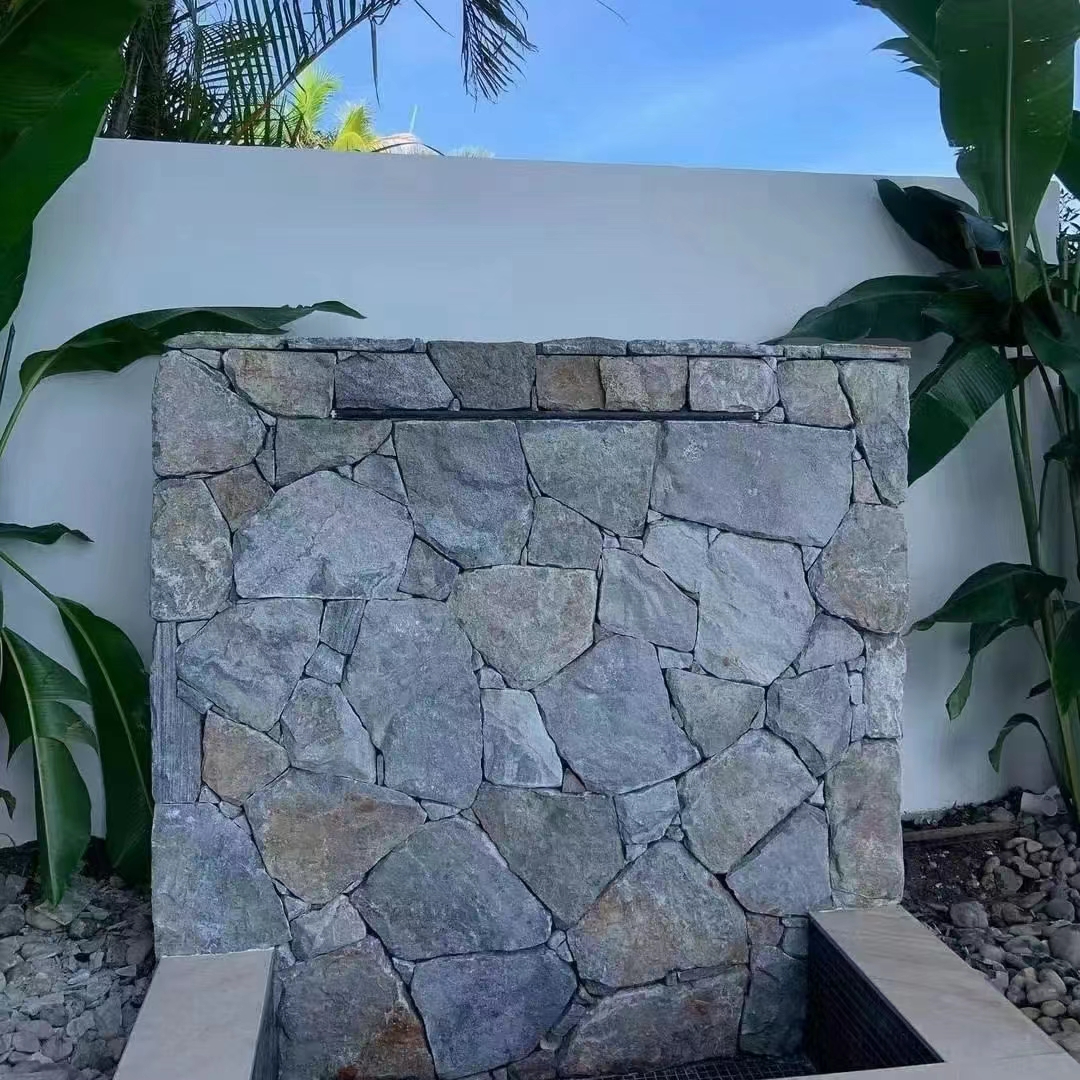
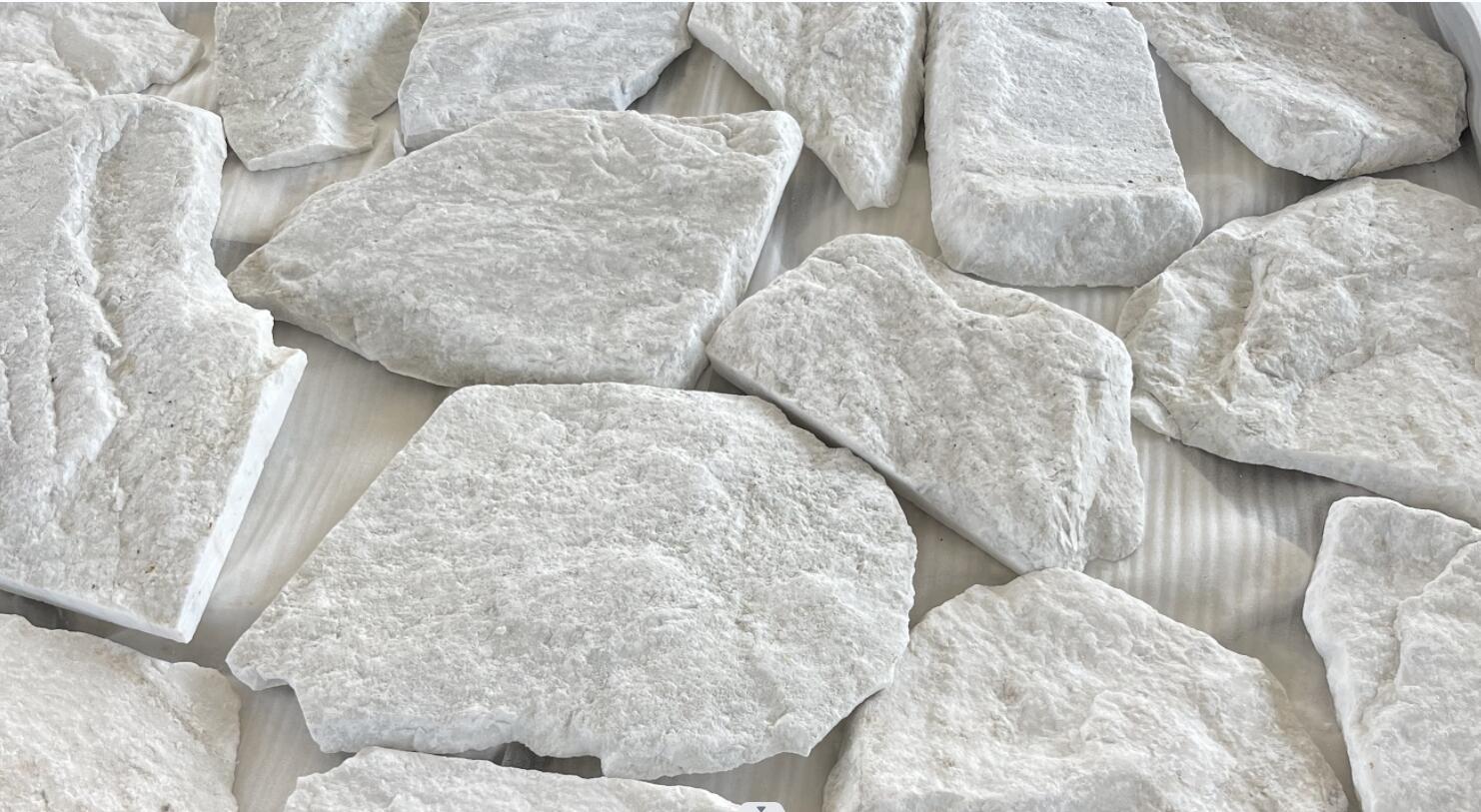
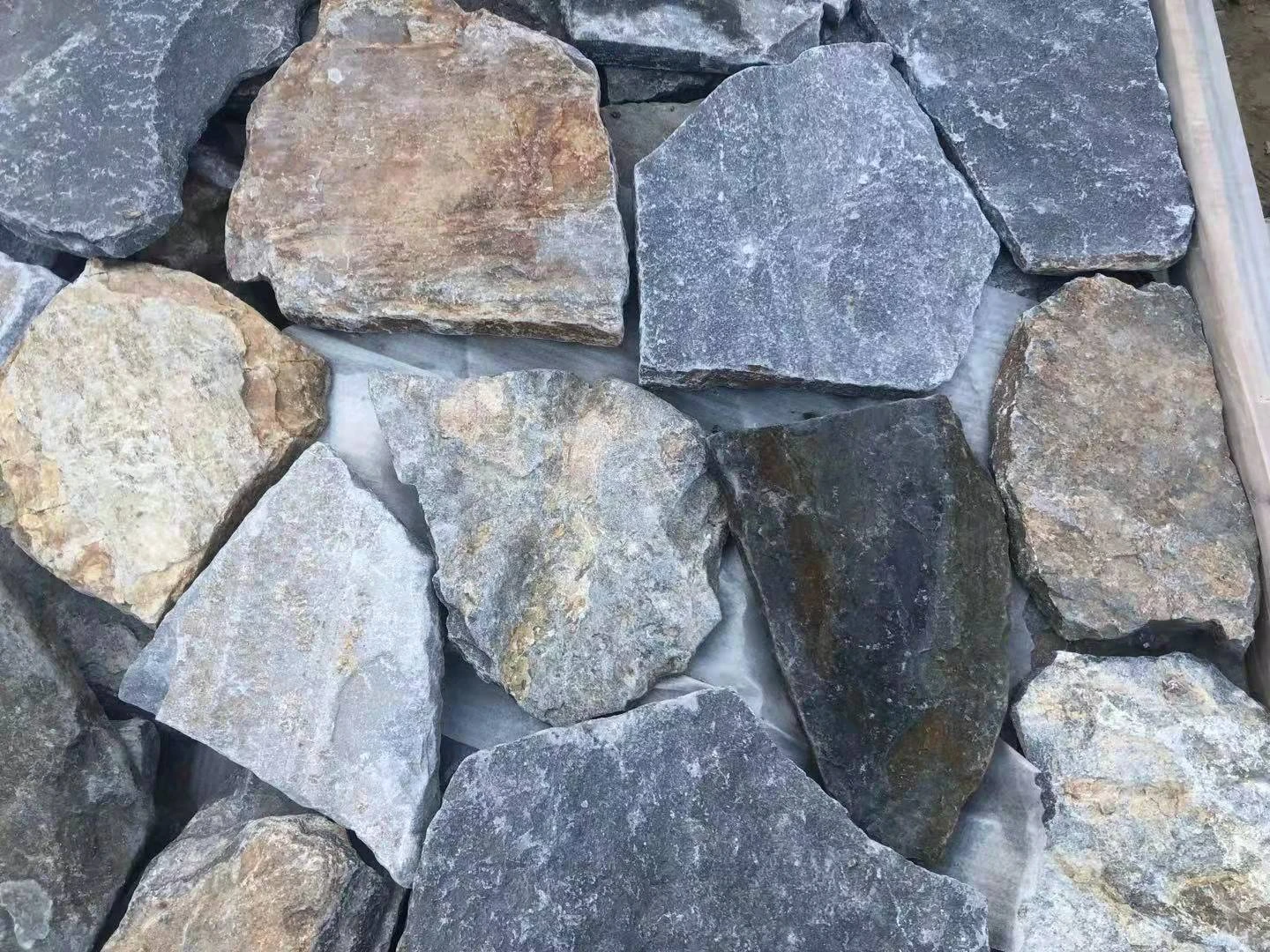
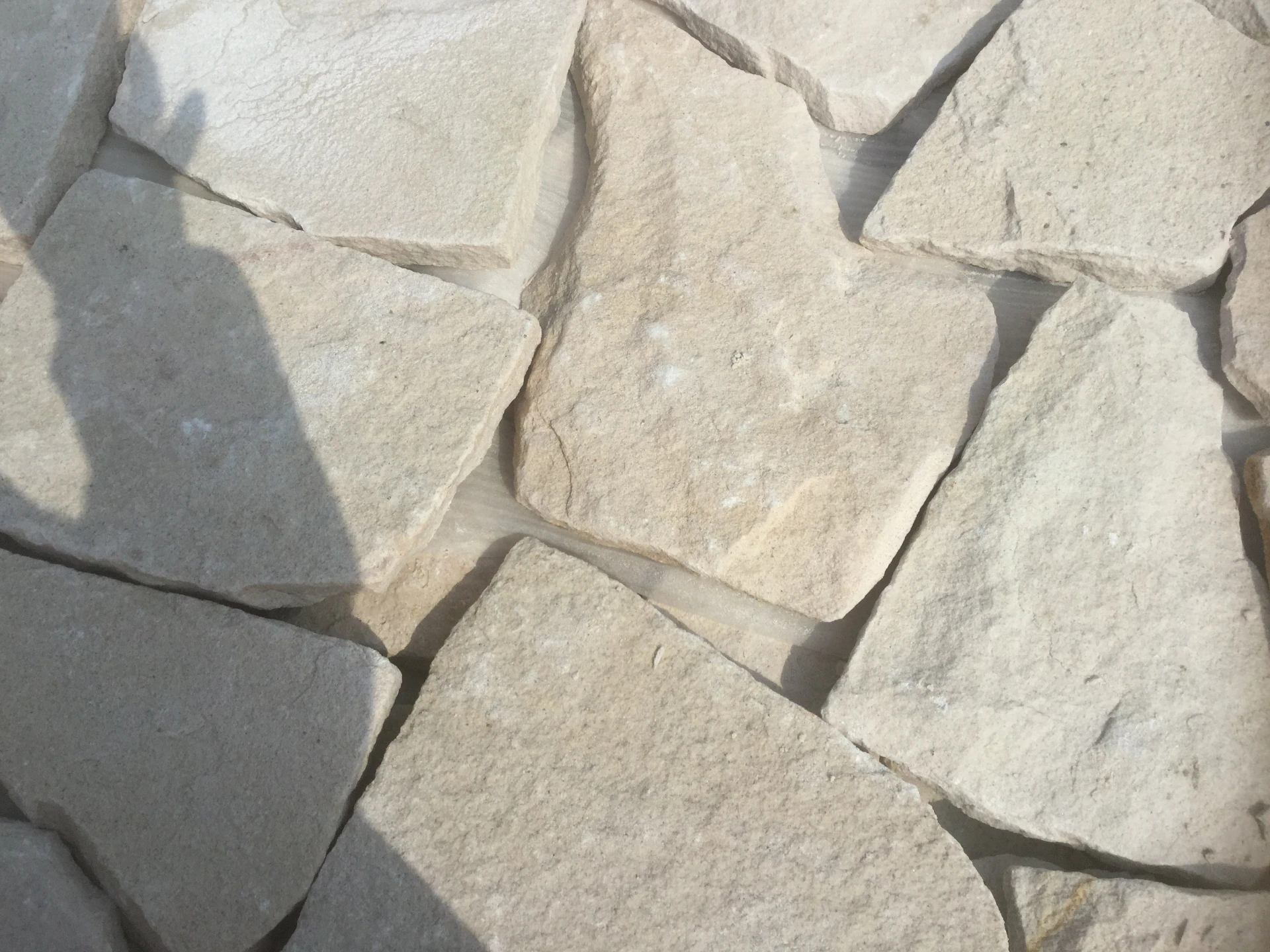
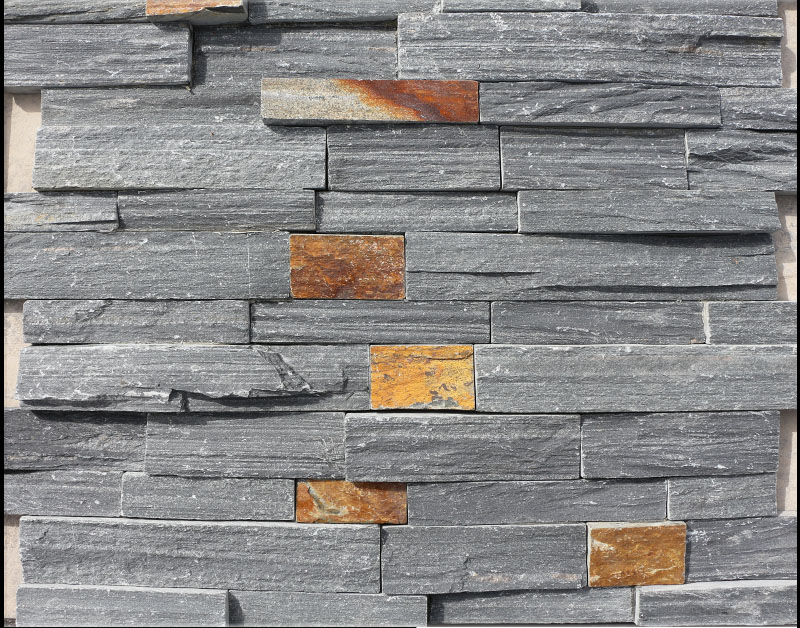
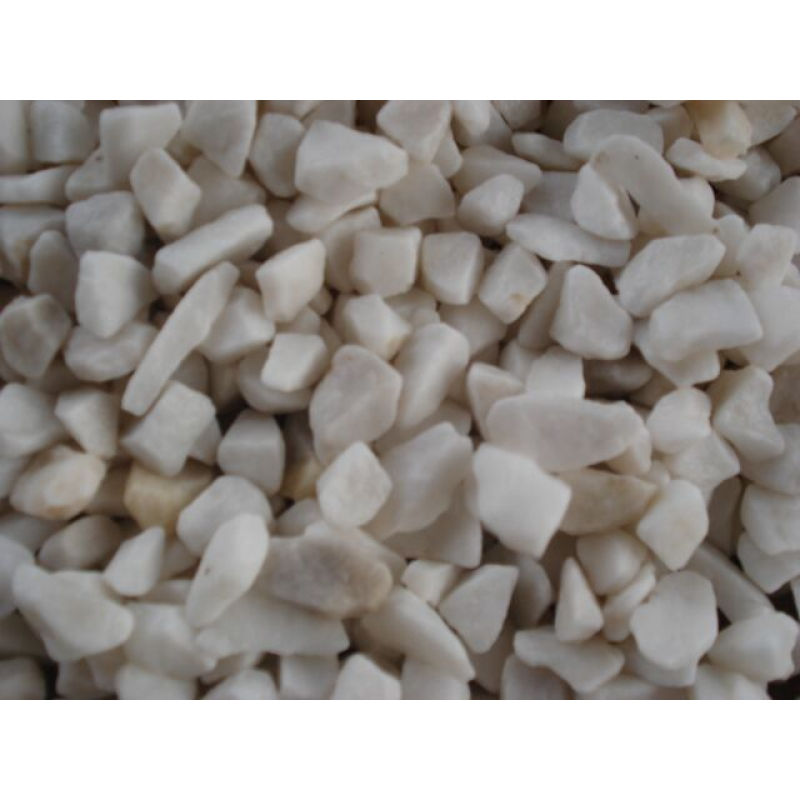
Ntuj pob zeb yog ib qho ntawm cov khoom siv feem ntau siv hauv tsev thiab lub vaj. Tab sis koj puas tau tso tseg kom xav tias koj cov pob zeb tshwj xeeb, cib, lossis flooring tuaj qhov twg?
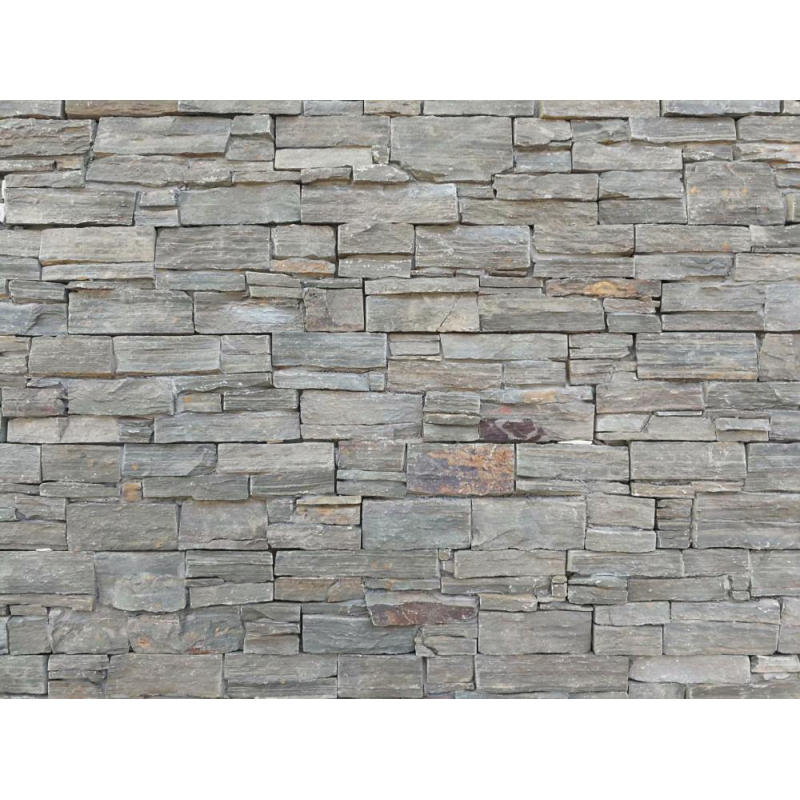
Natural stone was created thousands of years ago when the Earth was just a ball of mineral gases. As these gases began to cool down, they compressed and solidified to form the world we know today. It was during this process that natural stone was formed – the type of stone created depends on what type of minerals were combined at that time. This was a slow process that occurred over millions of years. As the Earth began to settle, many of these seams of stone were gradually pushed to the surface by heat and pressure, creating the large formations we see today.
Stone can come from anywhere in the world, and the type of stone is determined by its origins. There are quarries in America, Mexico, Canada, Italy, Turkey, Australia, and Brazil, as well as many other countries around the globe. Some countries have multiple natural stone quarries, whilst others only have a few. Let’s look in closer detail at where particular stones originate and how they were formed.
Marble is the result of limestone that has been altered through heat and pressure. It’s a versatile stone that can be used on virtually anything – statues, stairs, walls, bathrooms, counter tops, and more. Usually seen in white, marble is also common in black and grey tints, and has great weather endurance.
Quartzite originates los ntawm sandstone uas tau hloov los ntawm tshav kub thiab compression. Lub pob zeb tsuas yog los ntawm cov xim dawb, tab sis kuj tuaj yeem pom nrog xim av, grey, lossis ntsuab tints rau nws. Nws yog ib hom pob zeb nyuaj tshaj plaws, ua rau nws yog qhov kev xaiv zoo tshaj plaws rau lub tsev facades, countertops, thiab lwm yam qauv uas yuav tsum tau ua haujlwm hnyav.
Granite Ameslikas yog ib lub pob zeb uas tsis muaj zog uas tau raug magma (lava) thiab hloov pauv los ntawm kev raug rau cov zaub mov txawv. Lub pob zeb feem ntau pom muaj nyob rau hauv cov teb chaws uas tau pom cov volcanic siab ntawm qee qhov taw tes, thiab muaj ntau yam xim los ntawm dub, xim av, liab, dawb, thiab yuav luag tag nrho cov xim nyob nruab nrab. Granite yog ib qho kev xaiv zoo rau chav ua noj thiab chav dej vim nws cov tshuaj tua kab mob zoo.
Limestone yog qhov tshwm sim ntawm compression ntawm coral, seashells, thiab lwm yam dej hiav txwv lub neej ua ke. Muaj ob hom limestone, ib hom nyuaj uas muaj calcium, thiab ib hom softer nrog ntau magnesium. Cov limestone nyuaj yog feem ntau siv hauv kev lag luam hauv tsev, los yog hauv av thiab siv hauv mortar vim nws cov dej tsis zoo.
Bluestone is sometimes referred to as basalt, and is one of the most common natural stones around the world. Bluestone forms through the alteration of lava, and because of this, is one of the closest stones to the Earth’s surface. Basalt is generally darker in colour, and is used as house roofing and floor tiles because of its hard texture.
Slate tau tsim thaum shale thiab mudstone sediments raug hloov los ntawm tshav kub thiab siab. Muaj nyob rau hauv cov xim ntawm dub, ntshav, xiav, ntsuab, thiab grey, slate tau dhau los ua ib qho kev xaiv nrov rau vov tsev vim nws tuaj yeem txiav thinly thiab tiv taus txias txias nrog kev puas tsuaj tsawg. Slate kuj feem ntau siv los ua hauv pem teb tilingdue rau nws cov xwm txheej.
Travertine is created when floodwaters wash through limestone, leaving mineral deposits throughout. As it dries out, the extra minerals solidify to gradually create a much denser material called travertine. This stone is good as a replacement for marble or granite, as it’s much lighter and easier to work with, yet still durable. For this reason travertine is often used on floors or walls, and is estimated to last around fifty years if maintained regularly.
 Neeg African
  Albanian
  Amharic
  Arabic
  Armenian
  Azerbaijani
  Basque
  Belarusian
  Bengali
  Bosnian
  Bulgarian
  Catalan
  Cebuano
  Tuam Tshoj
  Tuam Tshoj (Taiwan)
  Corsican
  Croatian
  Czech
Czech  Danish
  Dutch
Dutch  Lus Askiv
  Esperanto
  Estonian
  Finnish
  Fabkis
  Frisian
  Galician
  Georgian
  German
  Greek
Greek  Gujarati
  Haitian Creole
  haus
haus  hawaiian
  Hebrew
  Tsis yog
  Miao
Miao  Hungarian
  Icelandic
  ib igbo
  Indonesian
  irish
irish  Italian
  Nyiv
Nyiv  Javanese
  Kannada
  kazakh
  Khmer
Khmer  Rwandan
  Kauslim
  Kurdish
  Kyrgyz
  TB
TB  Latin
Latin  Latvian
  Lithuanian
  Luxembourgish
  Macedonian
  Malgashi
  Malay
Malay  Malayalam
  Maltese
  Maori
Maori  Marathi
  Mongolian
  Myanmar
  Nepali
  Norwegian
  Norwegian
  Occitan
  Pashto
  Persian
  Polish
  Portuguese
  Punjabi
  Romanian
  Lavxias
  Samoan
  Scottish Gaelic
  Serbian
  Lus Askiv
  Shona
Shona  Sindhi
  Sinhala
  Slovak
  Slovenian
  Somali
  Spanish
  Sundanese
  Swahili
  Swedish
  Tagalog
  Tajik
Tajik  Tamil
Tamil  Tatar
Tatar  Telugu
  Thaib
Thaib  Turkish
  Turkmen
  Ukrainian
  Urdu
Urdu  Uighur
  Uzbek
Uzbek  Nyab Laj
  Welsh
Welsh