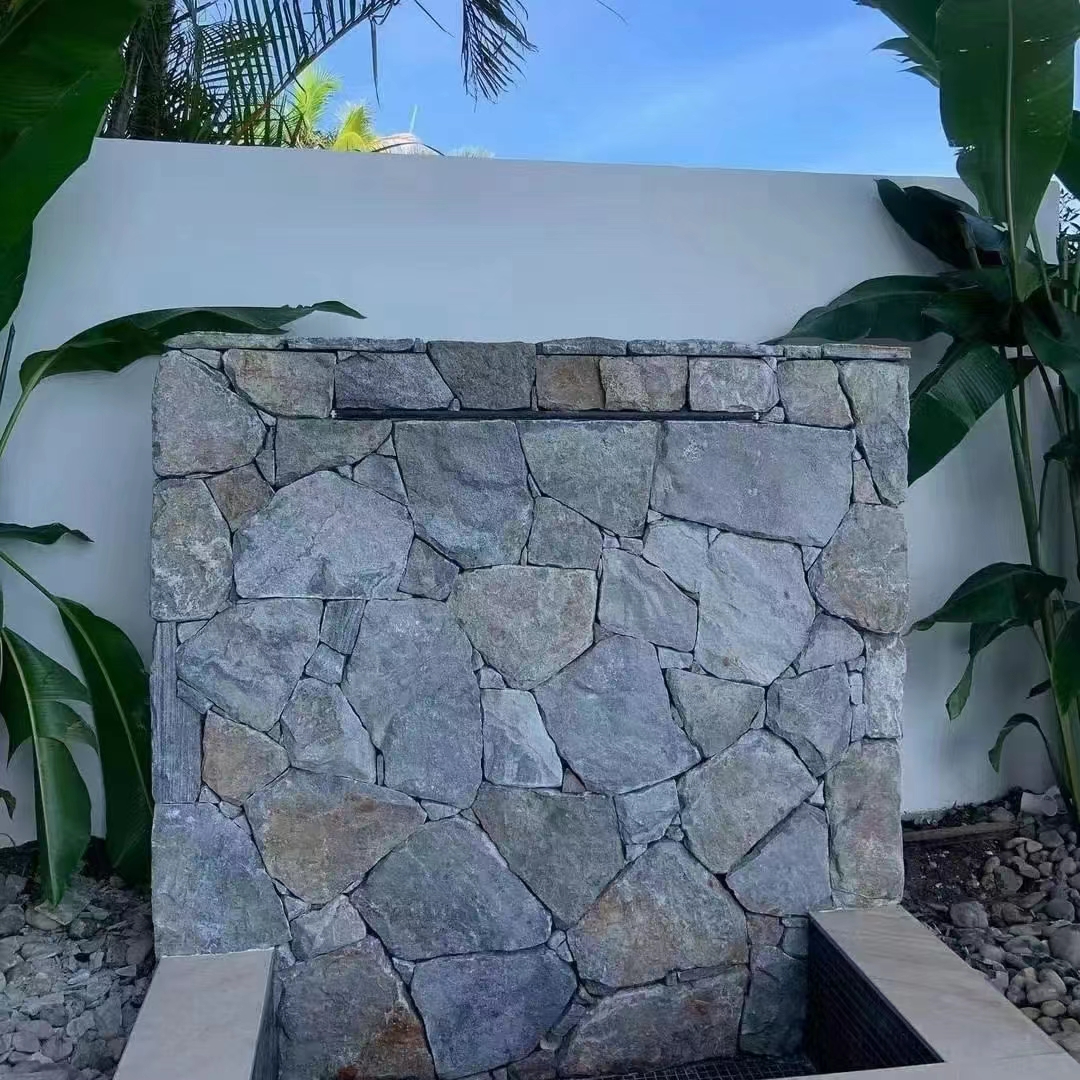
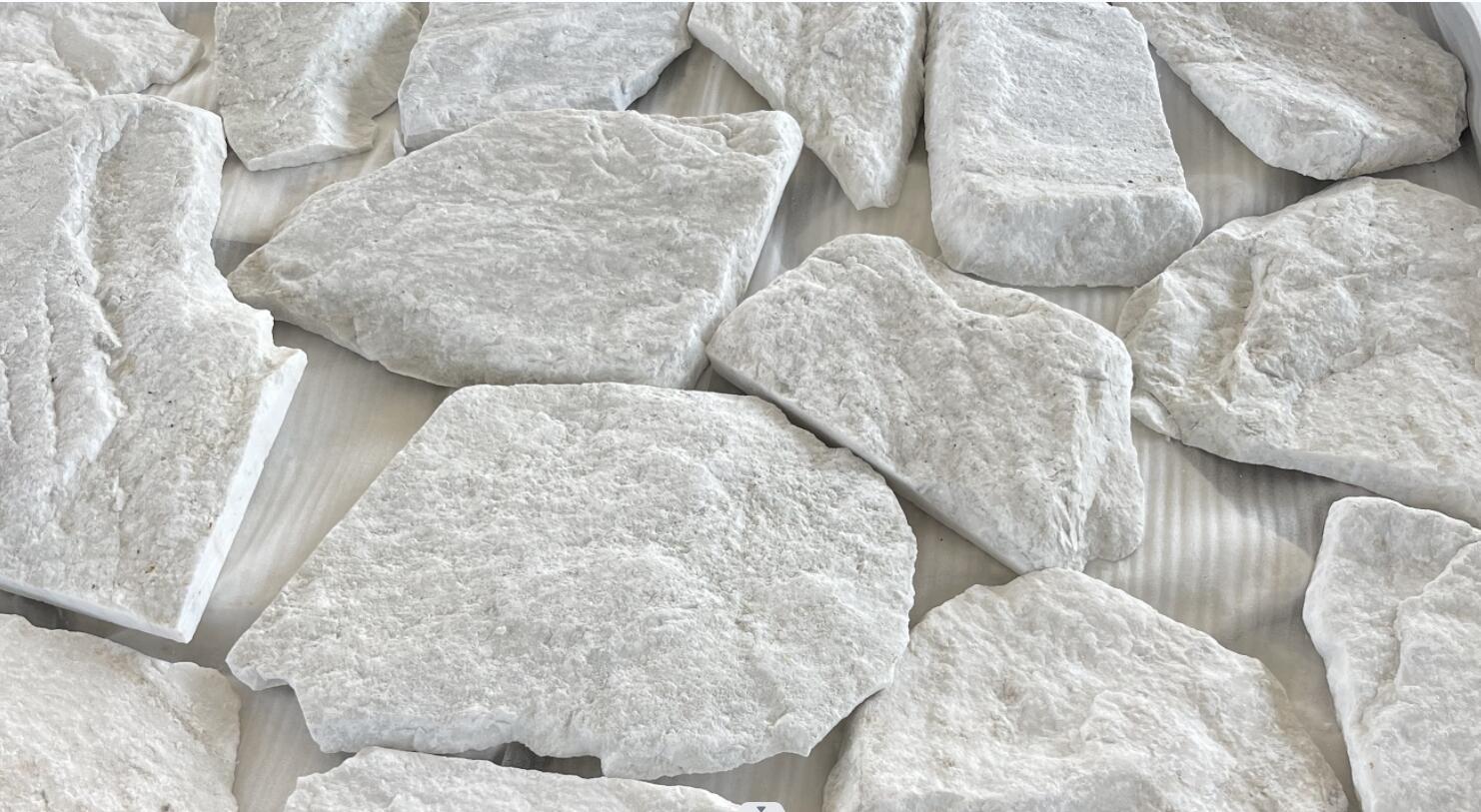
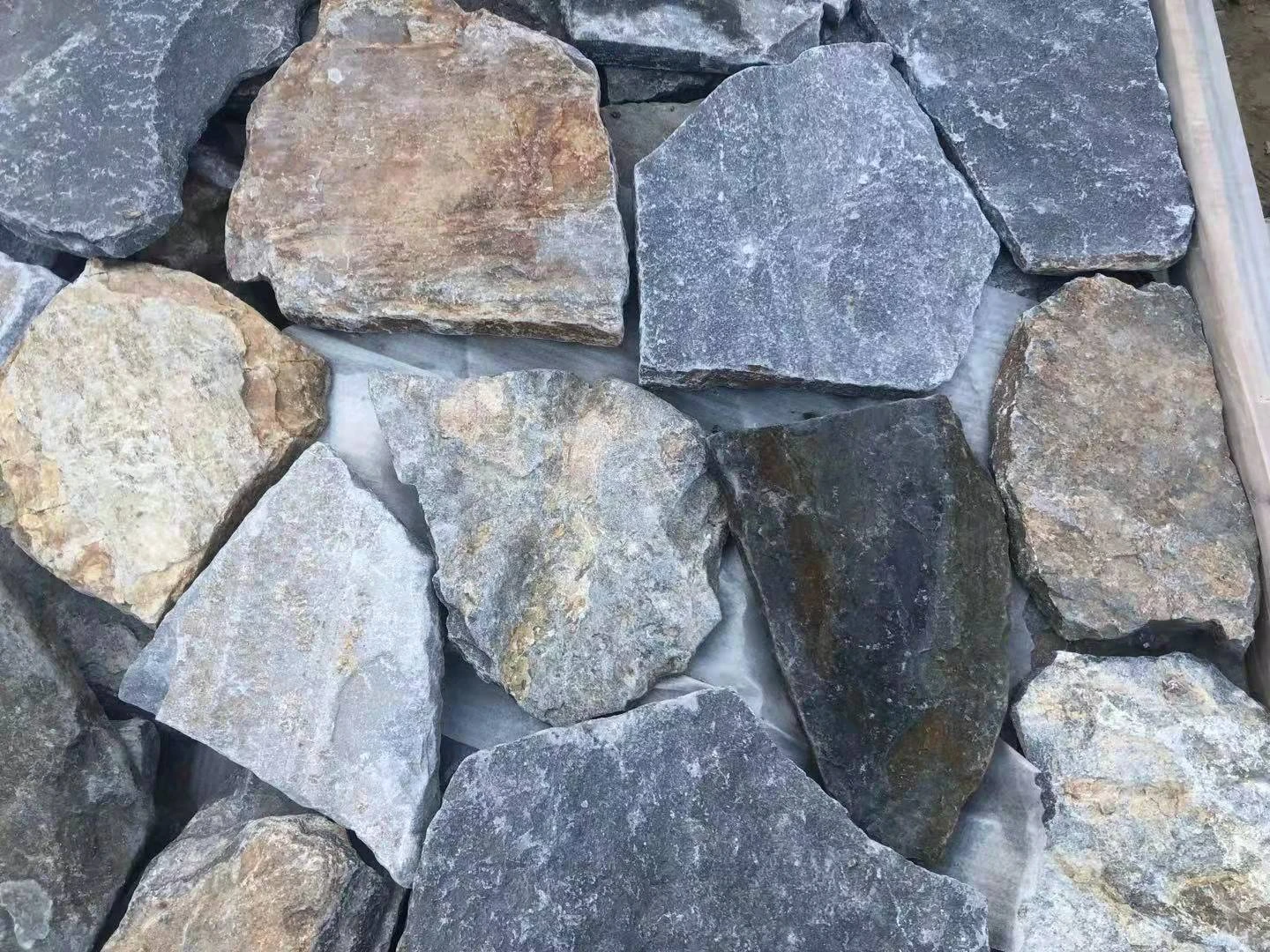
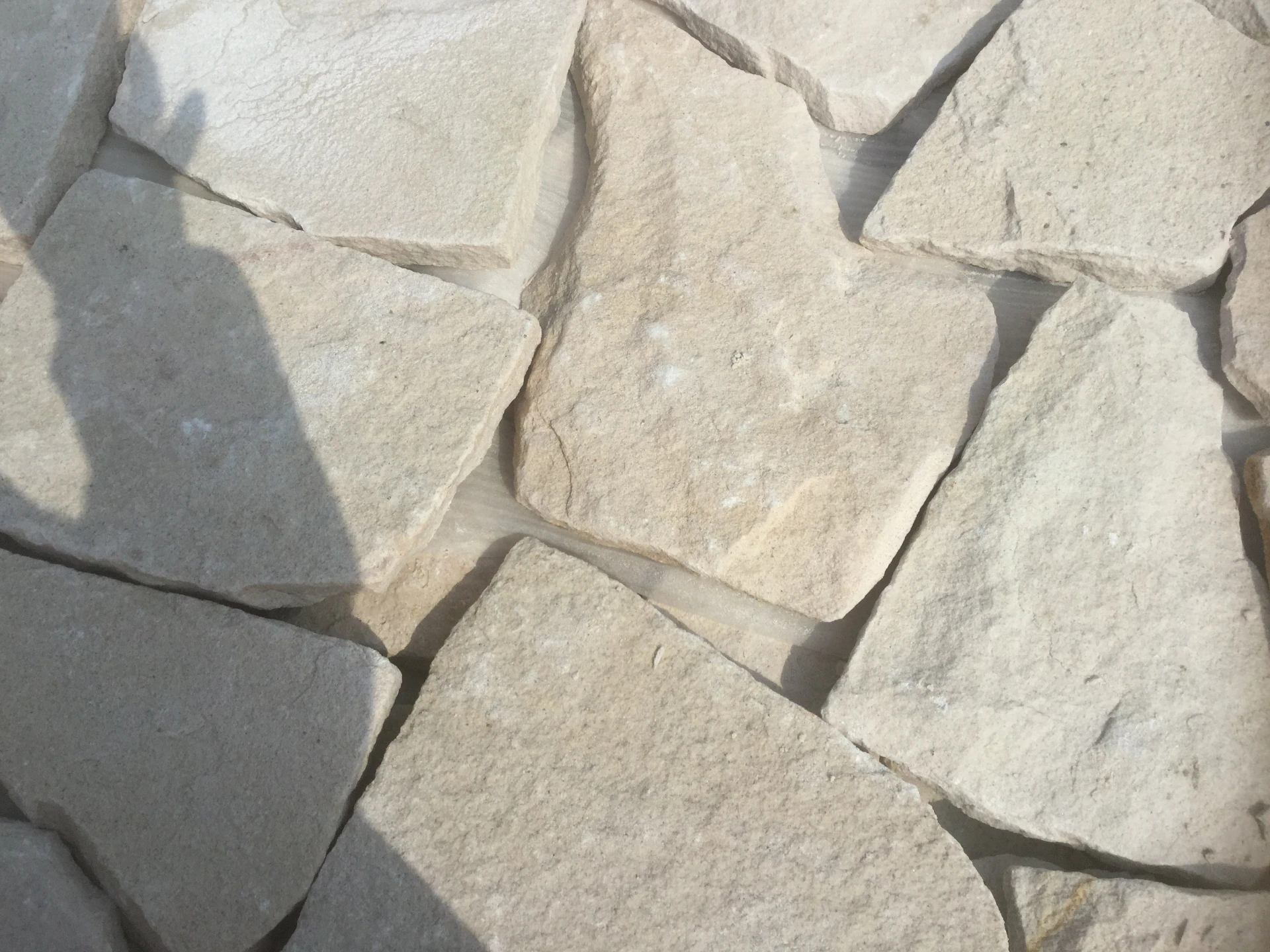
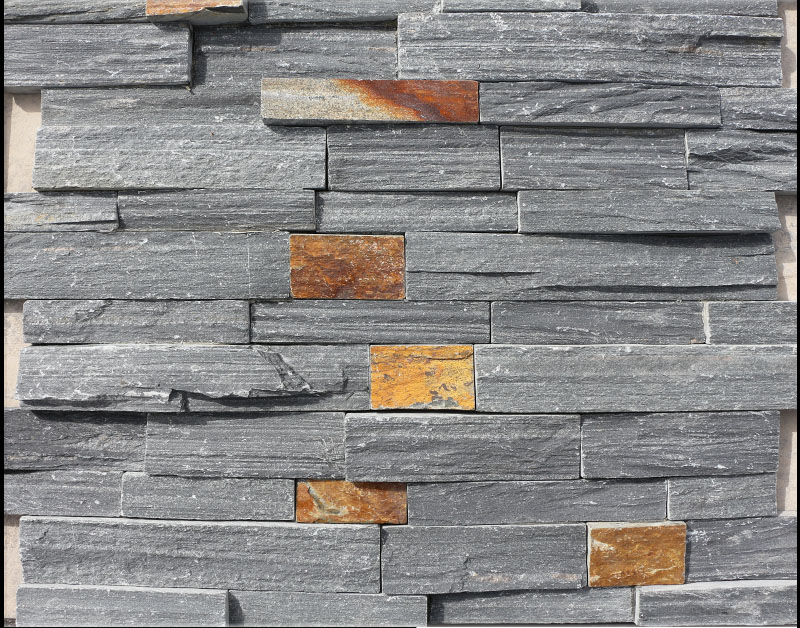
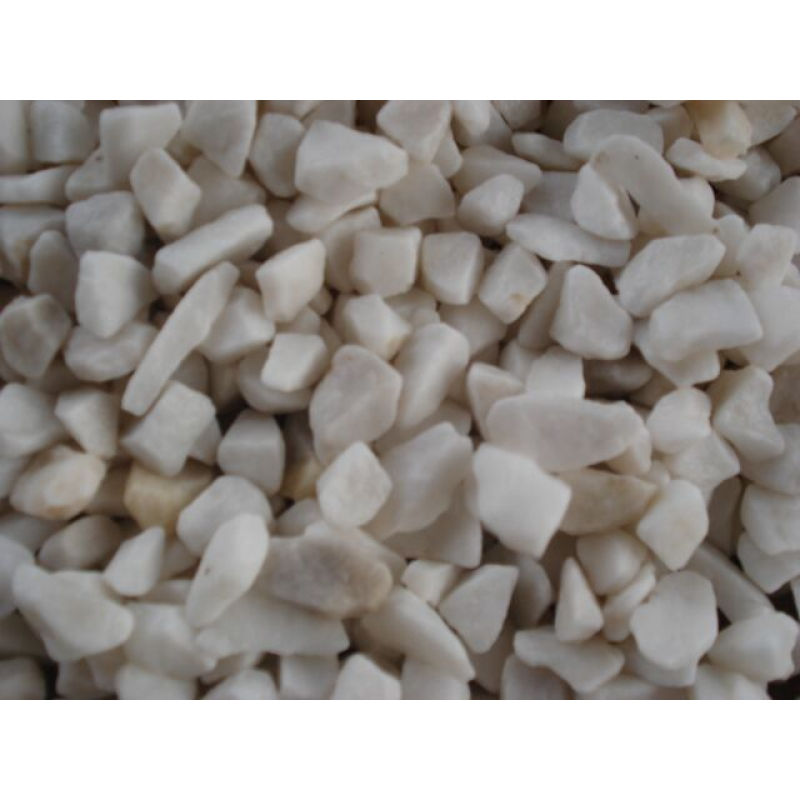
Природни камен је један од најчешће коришћених материјала који се користе у домовима и баштама. Али да ли сте се икада запитали одакле су ваше камене плочице, цигле или подови?
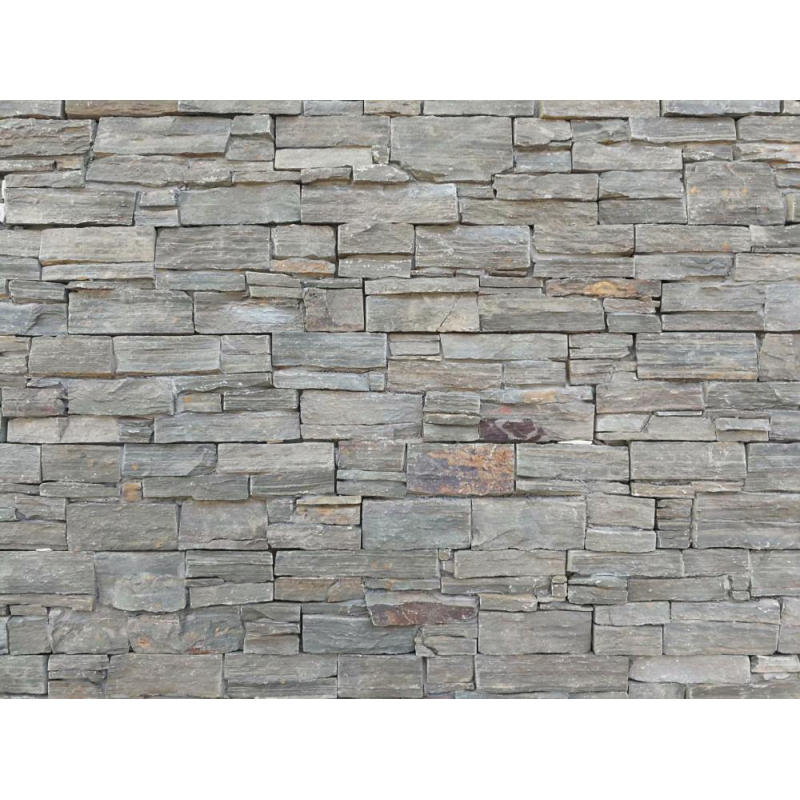
Natural stone was created thousands of years ago when the Earth was just a ball of mineral gases. As these gases began to cool down, they compressed and solidified to form the world we know today. It was during this process that natural stone was formed – the type of stone created depends on what type of minerals were combined at that time. This was a slow process that occurred over millions of years. As the Earth began to settle, many of these seams of stone were gradually pushed to the surface by heat and pressure, creating the large formations we see today.
Stone can come from anywhere in the world, and the type of stone is determined by its origins. There are quarries in America, Mexico, Canada, Italy, Turkey, Australia, and Brazil, as well as many other countries around the globe. Some countries have multiple natural stone quarries, whilst others only have a few. Let’s look in closer detail at where particular stones originate and how they were formed.
Мермер is the result of limestone that has been altered through heat and pressure. It’s a versatile stone that can be used on virtually anything – statues, stairs, walls, bathrooms, counter tops, and more. Usually seen in white, marble is also common in black and grey tints, and has great weather endurance.
кварцит потиче од пешчара који је измењен топлотом и компресијом. Камен углавном долази у белој боји, али се може наћи и са смеђим, сивим или зеленкастим нијансама. То је један од најтврђих типова природног камена, што га чини одличним избором за изградњу фасада, радних плоча и других структура које захтевају тешке камене.
Гранит првобитно је био магматски камен који је био изложен магми (лава) и промењен кроз излагање различитим минералима. Камен се обично налази у земљама које су у неком тренутку виделе високу вулканску активност и доступан је у великом броју боја од црне, браон, црвене, беле и скоро свих боја између. Гранит је одлична опција за кухиње и купатила због својих антибактеријских квалитета.
Кречњак је резултат компресије корала, шкољки и другог океанског живота заједно. Постоје две врсте кречњака, тврђи тип који је пун калцијума и мекши тип са више магнезијума. Тврди кречњак се често користи у грађевинској индустрији или се меље и користи у малтеру због свог водоотпорног квалитета.
Блуестоне is sometimes referred to as basalt, and is one of the most common natural stones around the world. Bluestone forms through the alteration of lava, and because of this, is one of the closest stones to the Earth’s surface. Basalt is generally darker in colour, and is used as house roofing and floor tiles because of its hard texture.
Шкриљац настао је када су седименти шкриљаца и муљика измењени топлотом и притиском. Доступан у бојама од црне, љубичасте, плаве, зелене и сиве, шкриљац је постао популаран избор за кровове јер се може танко сећи и издржати ниске температуре уз минимална оштећења. Шкриљевац се такође често користи као подне плочице због своје издржљиве природе.
Травертин is created when floodwaters wash through limestone, leaving mineral deposits throughout. As it dries out, the extra minerals solidify to gradually create a much denser material called travertine. This stone is good as a replacement for marble or granite, as it’s much lighter and easier to work with, yet still durable. For this reason travertine is often used on floors or walls, and is estimated to last around fifty years if maintained regularly.
 афрички
  Албанац
  амхарски
  арапски
  Јерменски
  азербејџански
  баскијски
  белоруски
  бенгалски
  босански
  бугарски
  каталонски
  Цебуано
  Кина
Кина  Кина (Тајван)
  корзикански
  хрватски
  чешки
чешки  дански
  холандски
  енглески језик
  есперанто
  естонски
  фински
  Француски
  фризијски
  галицијски
  грузијски
  Немачки
  грчки
грчки  гуџарати
  Хаићански креол
  хауса
хауса  хавајски
  хебрејски
  Јок
Јок  Миао
Миао  мађарски
  исландски
  игбо
игбо  индонезијски
  ирски
ирски  Италијан
  јапански
  Јаванесе
  канада
  казакх
  кмерски
  Руандски
  корејски
  курдски
  киргиски
  ТБ
ТБ  латиница
  летонски
  литвански
  луксембуршки
  македонски
  Малгасхи
  малајски
  малајалам
  малтешки
  Маори
Маори  Маратхи
  монголски
  Мјанмар
  непалски
  норвешки
  норвешки
  Оццитан
  пашто
пашто  персијски
  Пољски
  португалски
  панџапски
  румунски
  Руски
Руски  Самоан
  шкотски галски
  Српски
  енглески језик
  Схона
Схона  Синдхи
  Синхала
  словачки
  словеначки
  сомалијски
  Шпански
  сундански
  свахили
  Шведски
  Тагалог
  Тајик
Тајик  тамилски
  татарски
  телугу
  тајландски
  турски
  Туркмен
  украјински
  Урду
Урду  ујгурски
  Узбек
Узбек  вијетнамски
  велшки