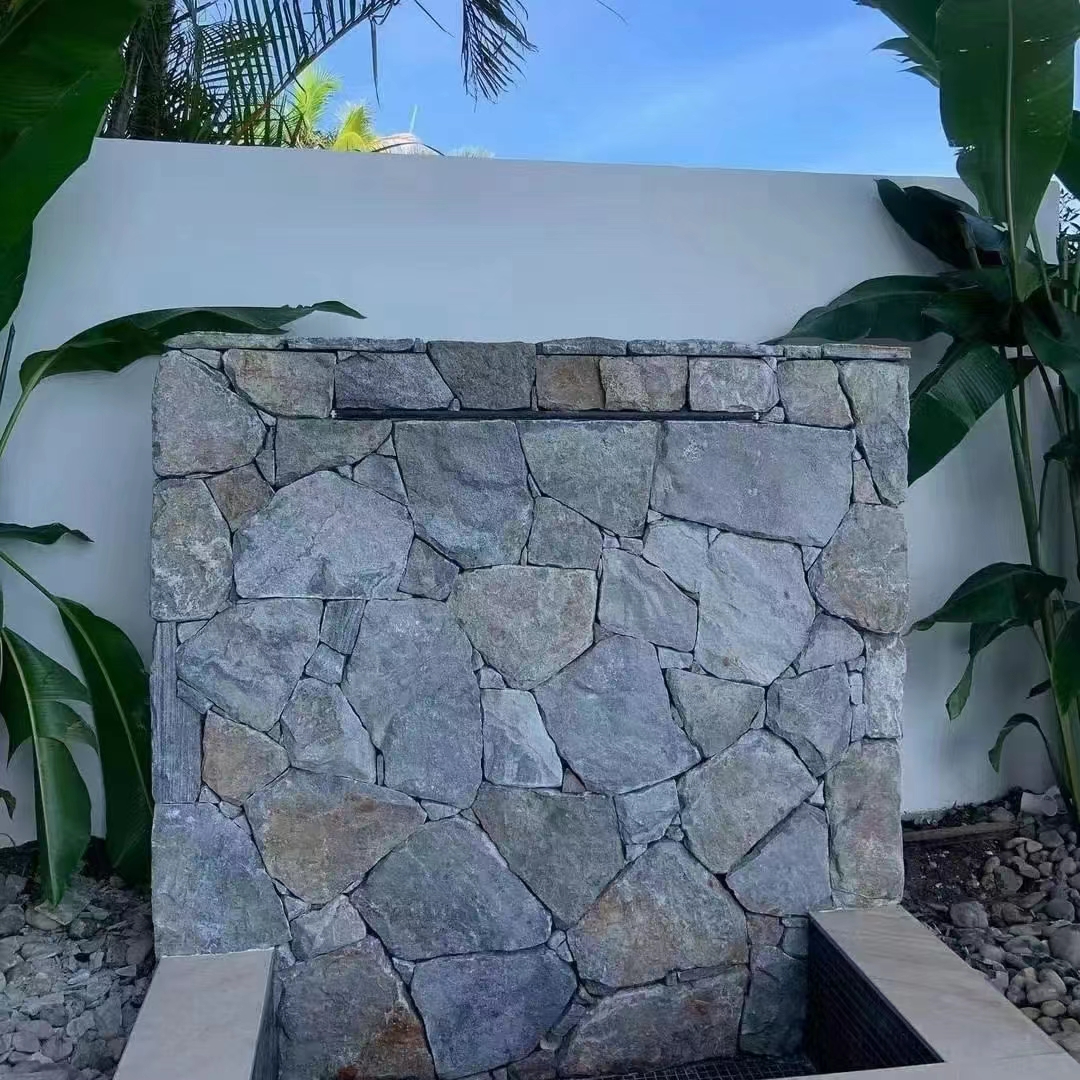
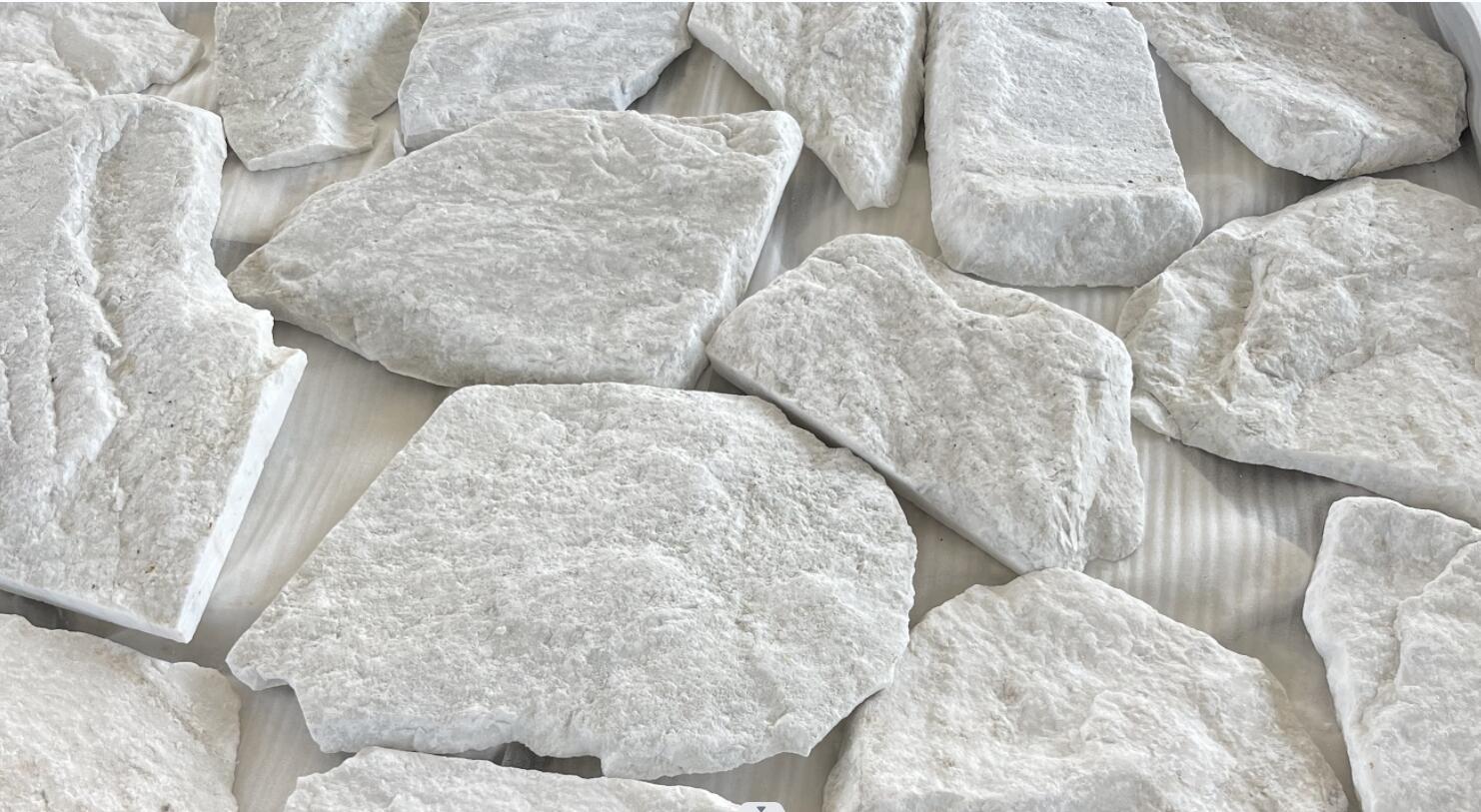
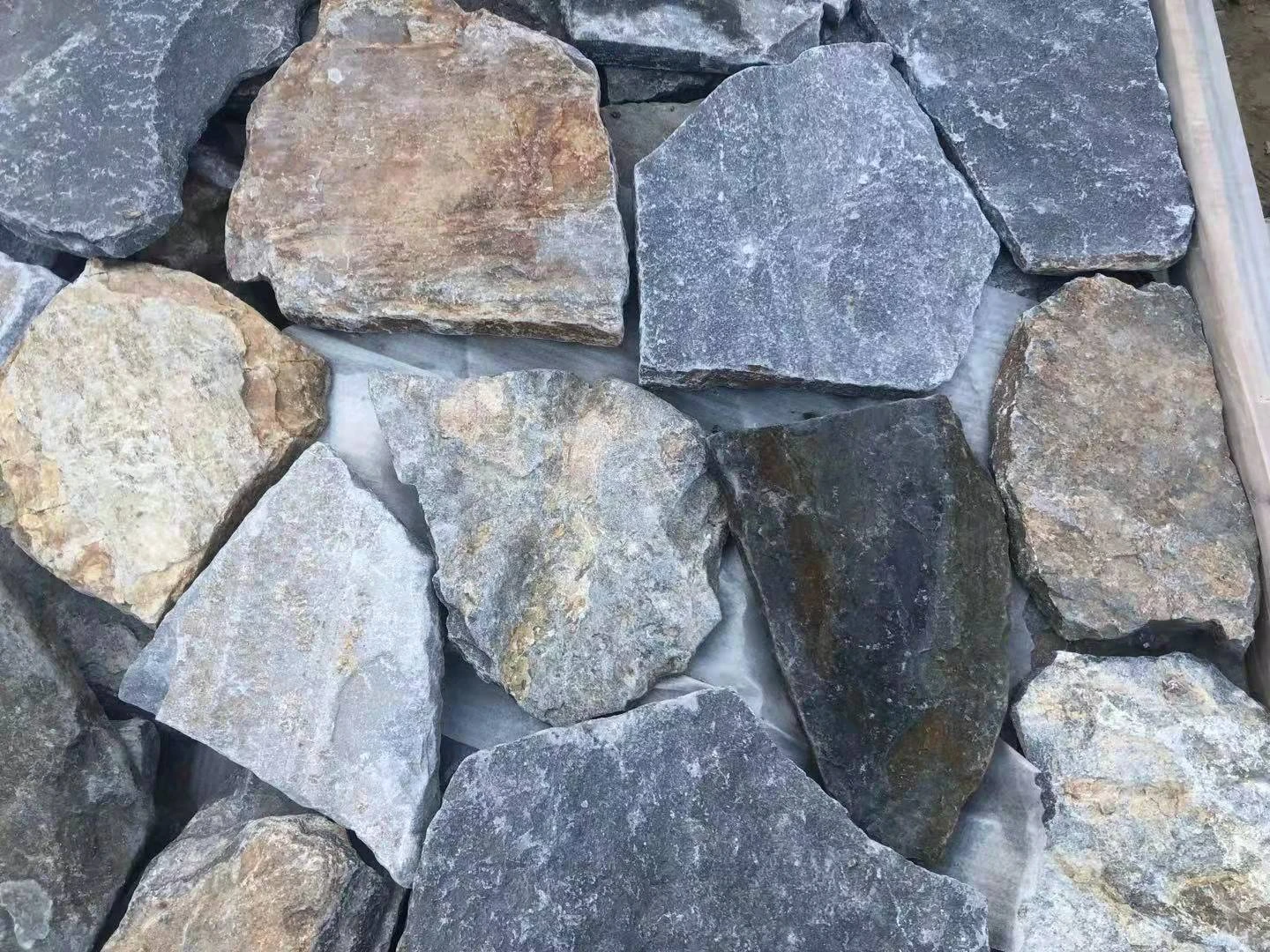
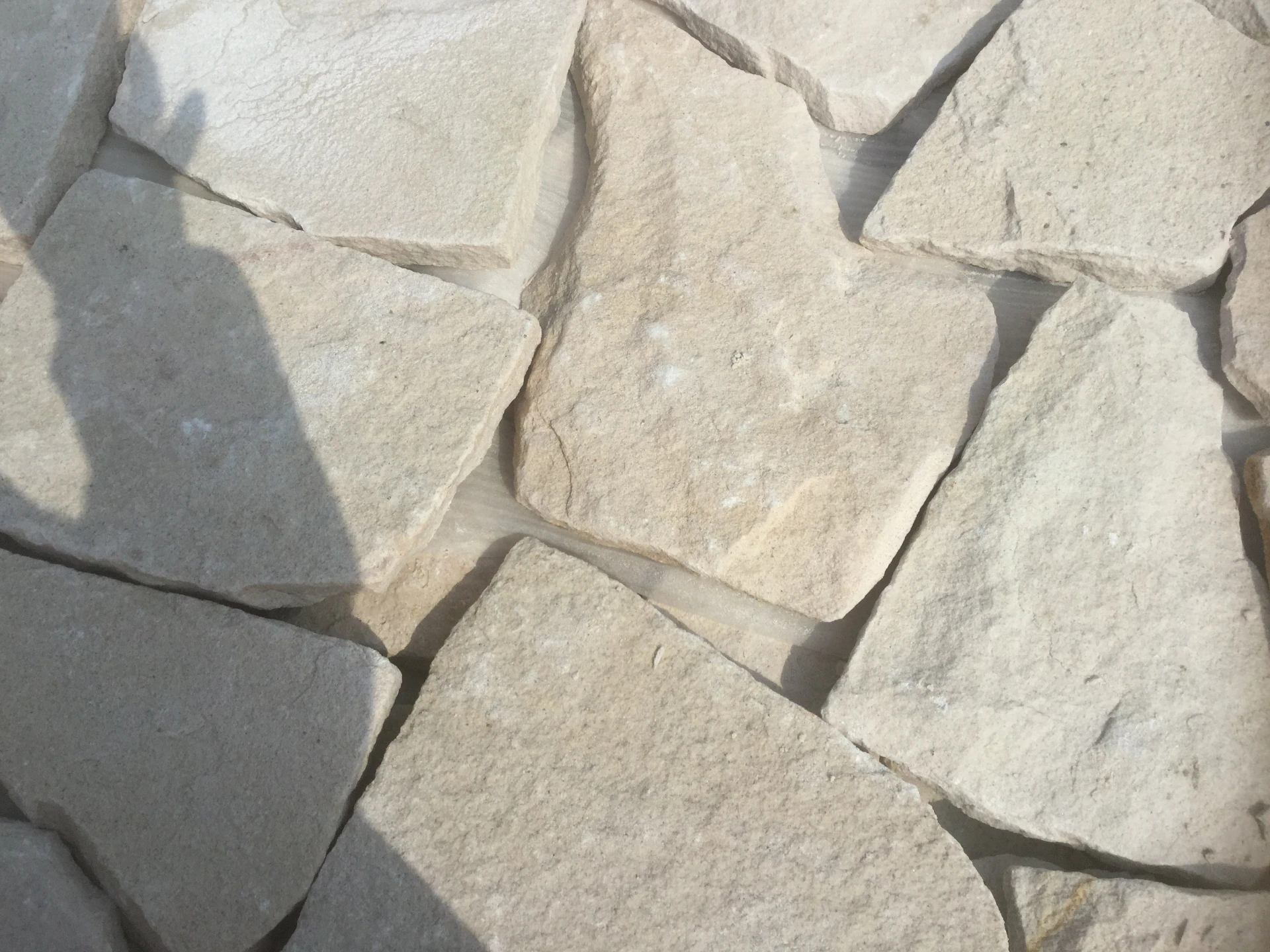
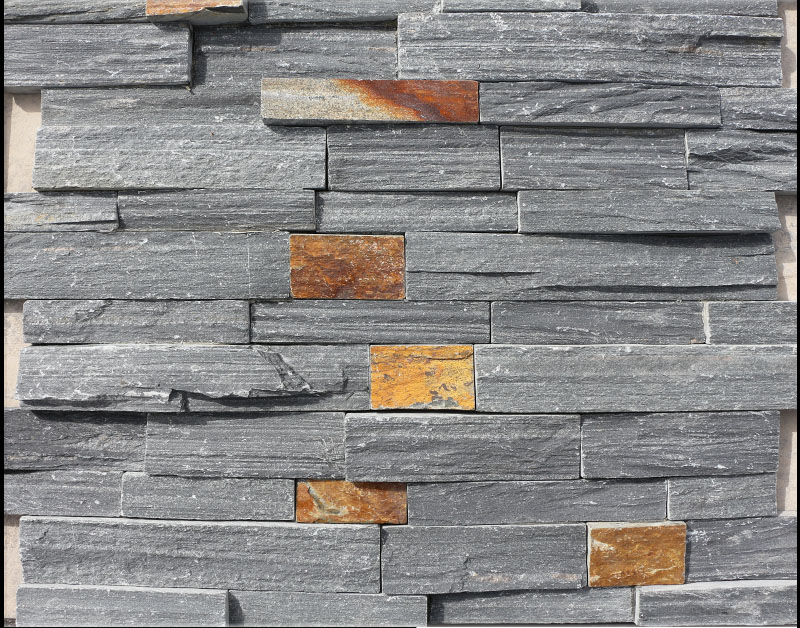
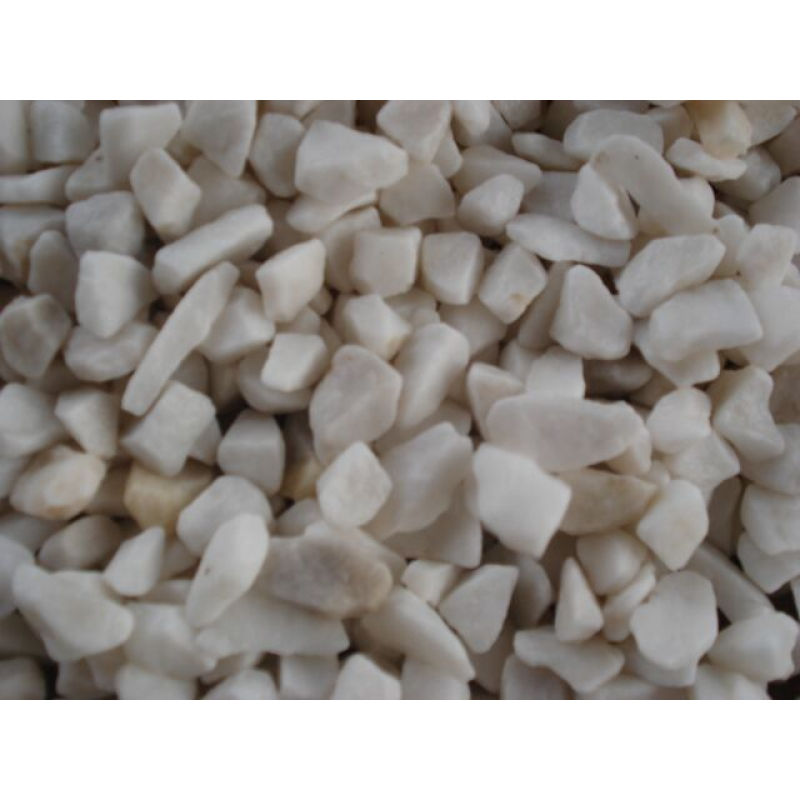
Kevirê xwezayî yek ji malzemeyên ku herî zêde di mal û baxçeyan de tê bikaranîn e. Lê gelo we qet rawestiya ku hûn meraq bikin ku hûn pêlên kevir, kerpîç, an qata weya taybetî ji ku hatine?
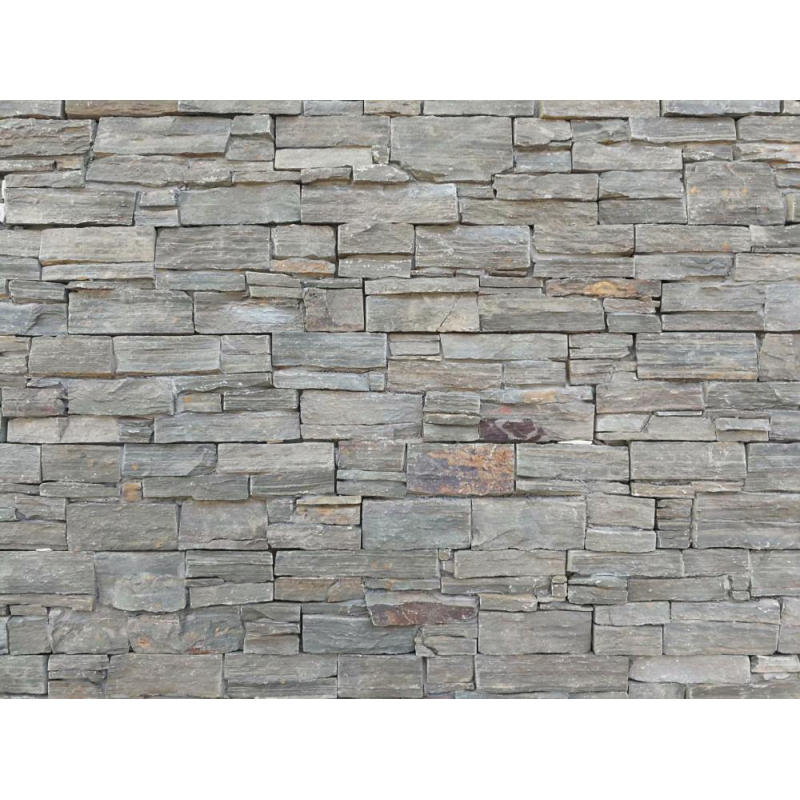
Natural stone was created thousands of years ago when the Earth was just a ball of mineral gases. As these gases began to cool down, they compressed and solidified to form the world we know today. It was during this process that natural stone was formed – the type of stone created depends on what type of minerals were combined at that time. This was a slow process that occurred over millions of years. As the Earth began to settle, many of these seams of stone were gradually pushed to the surface by heat and pressure, creating the large formations we see today.
Stone can come from anywhere in the world, and the type of stone is determined by its origins. There are quarries in America, Mexico, Canada, Italy, Turkey, Australia, and Brazil, as well as many other countries around the globe. Some countries have multiple natural stone quarries, whilst others only have a few. Let’s look in closer detail at where particular stones originate and how they were formed.
Mermer is the result of limestone that has been altered through heat and pressure. It’s a versatile stone that can be used on virtually anything – statues, stairs, walls, bathrooms, counter tops, and more. Usually seen in white, marble is also common in black and grey tints, and has great weather endurance.
Quartzite Ji kevirê qûmê yê ku bi germahî û pêxistinê hatiye guherandin derdikeve. Kevir bi giranî spî tê, lê dikare bi rengên qehweyî, gewr, an kesk jî were dîtin. Ew yek ji wan celebên kevirên xwezayî yên herî dijwar e, ku ew ji bo avahiyên facade, kontra, û avahiyên din ên ku hewceyê kevirên giran hewce dike bijarek hêja ye.
Kevirê reş di eslê xwe de kevirekî êgir bû ku bi magmayê (lava) re rû bi rû mabû û bi rûbirûbûna mîneralên cihêreng re hatibû guhertin. Kevir bi gelemperî li welatên ku di hin xalan de çalakiya volkanîkî ya bilind dîtine tê dîtin, û di cûrbecûr rengan de ji reş, qehweyî, sor, spî, û hema hema hemî rengên di navberê de peyda dibe. Granit ji ber taybetmendiyên xwe yên antîbakteriyal ji bo metbex û serşokan vebijarkek girîng e.
Kils encama lihevxistina koral, keriyên deryayê û jiyana deryayê ya din bi hev re ye. Du celeb kevirên kilsin hene, celebek hişktir ku tijî kalsiyûm e, û celebek nermtir û bi magnesium bêtir. Kevirê hişk bi gelemperî di pîşesaziya avahîsaziyê de tê bikar anîn, an jî ji ber qalîteya xweya avgiraniyê di nav kewçêr de tê zev kirin û tê bikar anîn.
Bluestone is sometimes referred to as basalt, and is one of the most common natural stones around the world. Bluestone forms through the alteration of lava, and because of this, is one of the closest stones to the Earth’s surface. Basalt is generally darker in colour, and is used as house roofing and floor tiles because of its hard texture.
Slate dema ku şêl û gemarên mudstone bi germahî û zextê hatin guhertin hate afirandin. Di rengên ji reş, binefşî, şîn, kesk û gewr de peyda dibe, slate bûye bijarek populer ji bo banê ji ber ku ew dikare bi zirav were qut kirin û li ber germahiyên sar bi zirara hindiktirîn re bisekinin. Slate di heman demê de ji ber xwezaya xweya domdar jî pir caran wekî pêlava erdê tê bikar anîn.
Travertine is created when floodwaters wash through limestone, leaving mineral deposits throughout. As it dries out, the extra minerals solidify to gradually create a much denser material called travertine. This stone is good as a replacement for marble or granite, as it’s much lighter and easier to work with, yet still durable. For this reason travertine is often used on floors or walls, and is estimated to last around fifty years if maintained regularly.
 efrîkanî
  Albanî
  Amharîkî
  Erebî
Erebî  Ermenî
  Azerî
Azerî  Baskî
Baskî  Belarûsî
  Bengalî
  Bosnayî
  Bûlgarî
  Katalanî
  Cebuano
  çîn
çîn  Çîn (Taywan)
  Korsîkayî
  Xirwatî
  Çekî
Çekî  Danîmarkî
  Holandî
  Îngilîzî
  Esperanto
  Estonî
  Fînlandî
  Fransî
  frîzî
frîzî  Galîsyayî
  Gurcî
Gurcî  Almanî
  Yewnanî
  Gujaratî
  Kreoliya Haîtiyî
  Hausa
Hausa  Hawaiyî
  Îbranî
  Nexêr
Nexêr  Miao
Miao  Macarî
  Îzlandî
  igbo
igbo  Îndonezî
  Irlandî
  Îtalî
Îtalî  Japonî
  Javanesî
  Kanadayî
  Qazakî
  Khmer
Khmer  Rwandan
  Koreyî
  Kurdî
Kurdî  Qirgizî
  TB
TB  Latînî
  Letonî
  Lîtvanyayî
  Luksembûrgî
  Makedonî
  Malgashi
  Malayî
  Malayalamî
  Maltezî
  Maorîyî
  Maratî
  Moxolî
  Mîyanmar
  Nepalî
  Norwêcî
  Norwêcî
  Occitan
  Peştûyî
  Farsî
Farsî  Polandî
  Portekizî
  Pencabî
  Romanyayî
  Rûsî
Rûsî  Samoan
  Scottish Gaelic
  Sirbî
Sirbî  Îngilîzî
  Shona
Shona  Sindî
Sindî  Sinhala
  Slovakî
  Slovenî
  Somalîkî
  Îspanyolî
  Sundanese
  Swahîlîyî
  Swêdî
Swêdî  Tagalogî
  Tajik
Tajik  Tamîlî
  Tatar
Tatar  Teluguyî
  Thayîkî
  Tirkî
Tirkî  Tirkmenî
  Ûkraynî
  Ûrdûyî
  Uyghur
  Ozbekî
  Vîetnamî
  Galerkî