

ຫີນທໍາມະຊາດ ແມ່ນຫນຶ່ງໃນວັດສະດຸທີ່ໃຊ້ທົ່ວໄປທີ່ສຸດທີ່ໃຊ້ໃນເຮືອນແລະສວນ. ແຕ່ເຈົ້າເຄີຍເຊົາສົງໄສບໍ່ວ່າກະເບື້ອງຫີນ, ດິນຈີ່, ຫຼືພື້ນເຮືອນສະເພາະຂອງເຈົ້າມາຈາກໃສ?
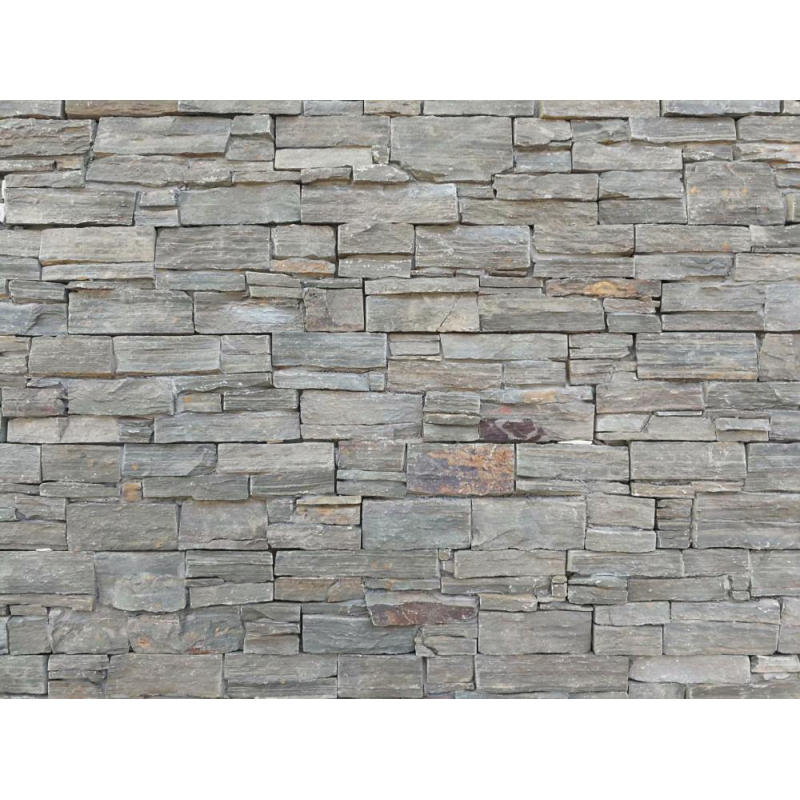
Natural stone was created thousands of years ago when the Earth was just a ball of mineral gases. As these gases began to cool down, they compressed and solidified to form the world we know today. It was during this process that natural stone was formed – the type of stone created depends on what type of minerals were combined at that time. This was a slow process that occurred over millions of years. As the Earth began to settle, many of these seams of stone were gradually pushed to the surface by heat and pressure, creating the large formations we see today.
Stone can come from anywhere in the world, and the type of stone is determined by its origins. There are quarries in America, Mexico, Canada, Italy, Turkey, Australia, and Brazil, as well as many other countries around the globe. Some countries have multiple natural stone quarries, whilst others only have a few. Let’s look in closer detail at where particular stones originate and how they were formed.
ຫີນອ່ອນ is the result of limestone that has been altered through heat and pressure. It’s a versatile stone that can be used on virtually anything – statues, stairs, walls, bathrooms, counter tops, and more. Usually seen in white, marble is also common in black and grey tints, and has great weather endurance.
Quartzite ມາຈາກຫີນຊາຍທີ່ຖືກປ່ຽນແປງໂດຍຜ່ານຄວາມຮ້ອນແລະການບີບອັດ. ຫີນສ່ວນໃຫຍ່ແມ່ນມີສີຂາວ, ແຕ່ຍັງສາມາດພົບເຫັນສີນ້ໍາຕານ, ສີຂີ້ເຖົ່າ, ຫຼືສີຂຽວກັບມັນ. ມັນເປັນຫນຶ່ງໃນປະເພດຫີນທໍາມະຊາດທີ່ຍາກທີ່ສຸດ, ເຮັດໃຫ້ມັນເປັນທາງເລືອກທີ່ດີເລີດສໍາລັບການກໍ່ສ້າງ facades, countertops, ແລະໂຄງສ້າງອື່ນໆທີ່ຕ້ອງການກ້ອນຫີນຫນັກ.
ຫີນການິດ ດັ້ງເດີມເປັນຫີນທີ່ບໍ່ສະອາດທີ່ໄດ້ຖືກສໍາຜັດກັບ magma (lava) ແລະປ່ຽນແປງໂດຍຜ່ານການສໍາຜັດກັບແຮ່ທາດທີ່ແຕກຕ່າງກັນ. ຫີນດັ່ງກ່າວແມ່ນພົບເຫັນທົ່ວໄປໃນປະເທດທີ່ໄດ້ເຫັນກິດຈະກໍາຂອງພູເຂົາໄຟສູງໃນບາງຈຸດ, ແລະມີຢູ່ໃນຫຼາຍສີຈາກສີດໍາ, ສີນ້ໍາຕານ, ສີແດງ, ສີຂາວ, ແລະເກືອບທຸກສີລະຫວ່າງ. Granite ເປັນທາງເລືອກທີ່ດີສໍາລັບເຮືອນຄົວແລະຫ້ອງນ້ໍາເນື່ອງຈາກຄຸນສົມບັດຕ້ານເຊື້ອແບັກທີເຣັຍຂອງມັນ.
ຫີນປູນ ແມ່ນຜົນມາຈາກການບີບອັດຂອງປະກາລັງ, ຫອຍທະເລ, ແລະຊີວິດມະຫາສະໝຸດອື່ນໆຮ່ວມກັນ. ຫີນປູນມີສອງຊະນິດ, ປະເພດແຂງກວ່າທີ່ເຕັມໄປດ້ວຍທາດການຊຽມ, ແລະປະເພດອ່ອນກວ່າທີ່ມີ magnesium ຫຼາຍ. ຫີນປູນແຂງມັກຈະຖືກໃຊ້ໃນອຸດສາຫະກໍາການກໍ່ສ້າງ, ຫຼືດິນແລະໃຊ້ປູນຍ້ອນຄຸນນະພາບນ້ໍາຂອງມັນ.
Bluestone is sometimes referred to as basalt, and is one of the most common natural stones around the world. Bluestone forms through the alteration of lava, and because of this, is one of the closest stones to the Earth’s surface. Basalt is generally darker in colour, and is used as house roofing and floor tiles because of its hard texture.
ກະທຽມ ຖືກສ້າງຂື້ນເມື່ອ shale ແລະຕະກອນຫີນຕົມຖືກປ່ຽນແປງໂດຍຜ່ານຄວາມຮ້ອນແລະຄວາມກົດດັນ. ມີຢູ່ໃນສີຈາກສີດໍາ, ສີມ່ວງ, ສີຟ້າ, ສີຂຽວ, ແລະສີຂີ້ເຖົ່າ, slate ໄດ້ກາຍເປັນທາງເລືອກທີ່ນິຍົມສໍາລັບການມຸງຍ້ອນວ່າມັນສາມາດຕັດບາງໆແລະທົນທານຕໍ່ອຸນຫະພູມເຢັນໂດຍຄວາມເສຍຫາຍຫນ້ອຍທີ່ສຸດ. Slate ຍັງຖືກນໍາໃຊ້ເລື້ອຍໆເປັນກະເບື້ອງພື້ນເຮືອນເນື່ອງຈາກທໍາມະຊາດທີ່ຍືນຍົງຂອງມັນ.
Travertine is created when floodwaters wash through limestone, leaving mineral deposits throughout. As it dries out, the extra minerals solidify to gradually create a much denser material called travertine. This stone is good as a replacement for marble or granite, as it’s much lighter and easier to work with, yet still durable. For this reason travertine is often used on floors or walls, and is estimated to last around fifty years if maintained regularly.
 ອາຟຣິກາ
  ອານບານີ
  Amharic
  ອາຣັບ
ອາຣັບ  ອາເມເນຍ
  ອາເຊີໄບຈັນ
  Basque
  ເບລາຣຸດ
  ເບັງກາລີ
  ໂບສເນຍ
  ບຸນກາຣີ
  ຄາຕາລານ
  ເຊບູອາໂນ
  ຈີນ
ຈີນ  ຈີນ (ໄຕ້ຫວັນ)
  Corsican
  ໂຄຣເອເຊຍ
  ເຊັກ
ເຊັກ  ເດັນມາກ
  ໂຮນລັງ
  ພາສາອັງກິດ
  ເອສເປີຣັນໂຕ
  ເອສໂຕເນຍ
  ຟິນແລນ
  ພາສາຝຣັ່ງ
  Frisian
  ກາລິຊຽນ
  ຈໍເຈຍ
ຈໍເຈຍ  ເຢຍລະມັນ
  ກຣີກ
ກຣີກ  ກູຈາຣາຕີ
  ເຮຕີ ຄຣີໂອ
  ໂຮຊາ
ໂຮຊາ  ຮາວາຍ
ຮາວາຍ  ເຮັບເຣີ
  ບໍ່
ບໍ່  ມວຍ
ມວຍ  ຮັງກາຣີ
  ໄອສແລນຕິກ
  ອິກໂບ
ອິກໂບ  ອິນໂດເນເຊຍ
  ໄອແລນ
ໄອແລນ  ອິຕາລຽນ
  ພາສາຍີ່ປຸ່ນ
  ພາສາ Javanese
  ແຄນນາດາ
  ຄາຊັກ
ຄາຊັກ  ຂະເໝນ
ຂະເໝນ  ຣູວັນດາ
  ເກົາຫຼີ
  ຊາວເຄີດ
  ພາສາກີສ
  TB
TB  ລາຕິນ
ລາຕິນ  ລັດເວຍ
  ລິທົວເນຍ
  Luxembourgish
  ມາເຊໂດເນຍ
  ມາລກາຊິ
  ມາເລ
ມາເລ  ມາລາຢາລາມ
  Maltese
  Maori
Maori  Marathi
  ມົງໂກລີ
  ມຽນມາ
ມຽນມາ  ເນປານ
ເນປານ  ນໍເວ
ນໍເວ  ນໍເວ
ນໍເວ  ໂອຊິຕັນ
  ພາສໂຕ
ພາສໂຕ  ເປີເຊຍ
  ໂປໂລຍ
ໂປໂລຍ  ພາສາປອກຕຸຍການ
  ປັນຈາບີ
  ໂຣມາເນຍ
  ພາສາລັດເຊຍ
  ຊາມົວ
ຊາມົວ  Scottish Gaelic
  ເຊີເບຍ
  ພາສາອັງກິດ
  ໂຊນາ
ໂຊນາ  ຊິນດີ
ຊິນດີ  Sinhala
  ສະໂລວັກ
  ສະໂລເວເນຍ
  ໂຊມາລີ
  ແອສປາໂຍນ
  ຊູດານ
ຊູດານ  ສະວາຮິລີ
  ຊູແອັດ
  ພາສາຕາກາລັອກ
  ທາຈິກ
ທາຈິກ  ທະມິນ
ທະມິນ  ທາຕາ
ທາຕາ  ເຕລູກູ
  ໄທ
ໄທ  ຕວກກີ
ຕວກກີ  ເຕີກເມັນ
  ອູແກຣນ
  ອູດູ
ອູດູ  ອູຍເກີ
  ອຸສເບກ
  ຫວຽດນາມ
  ເວນ
ເວນ 




