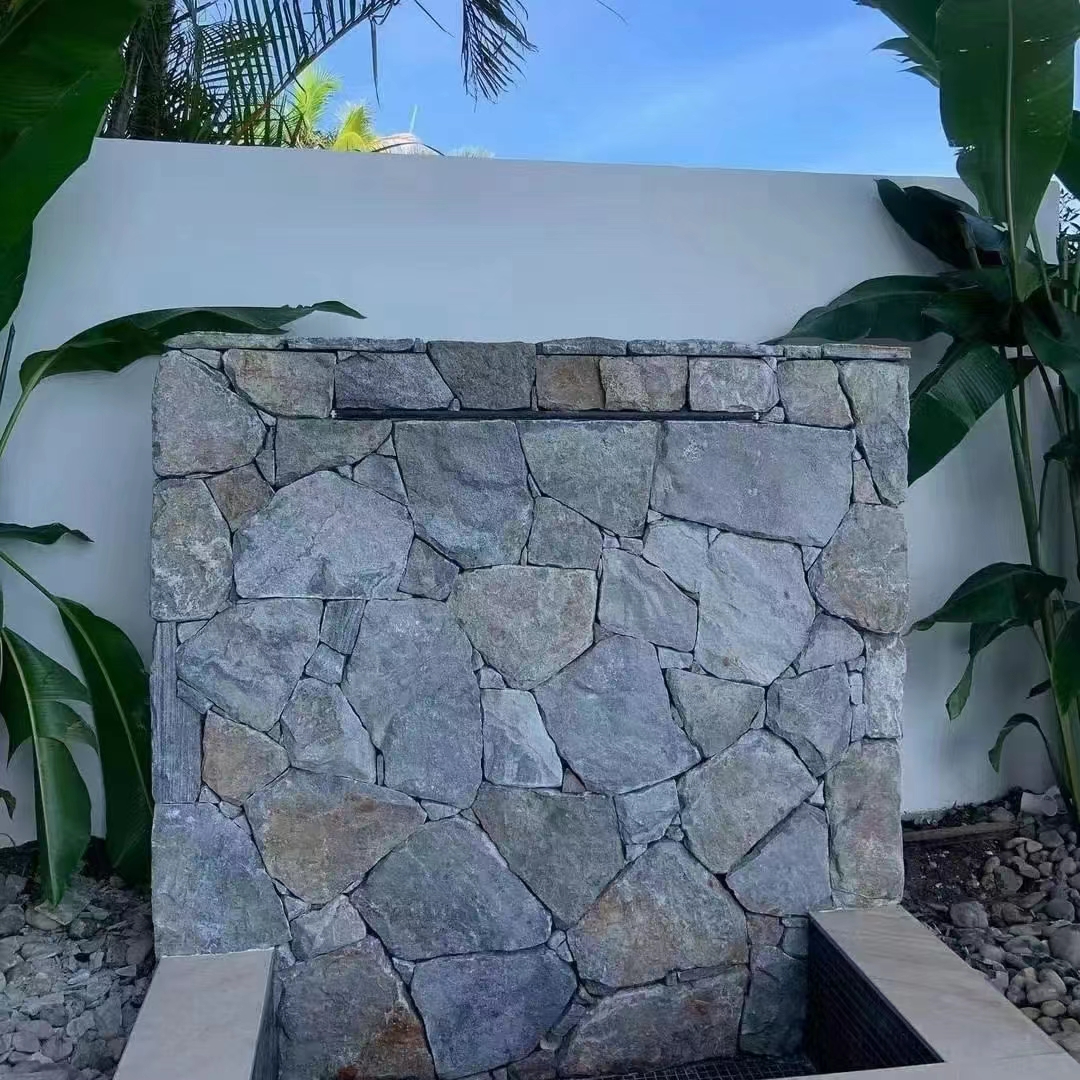
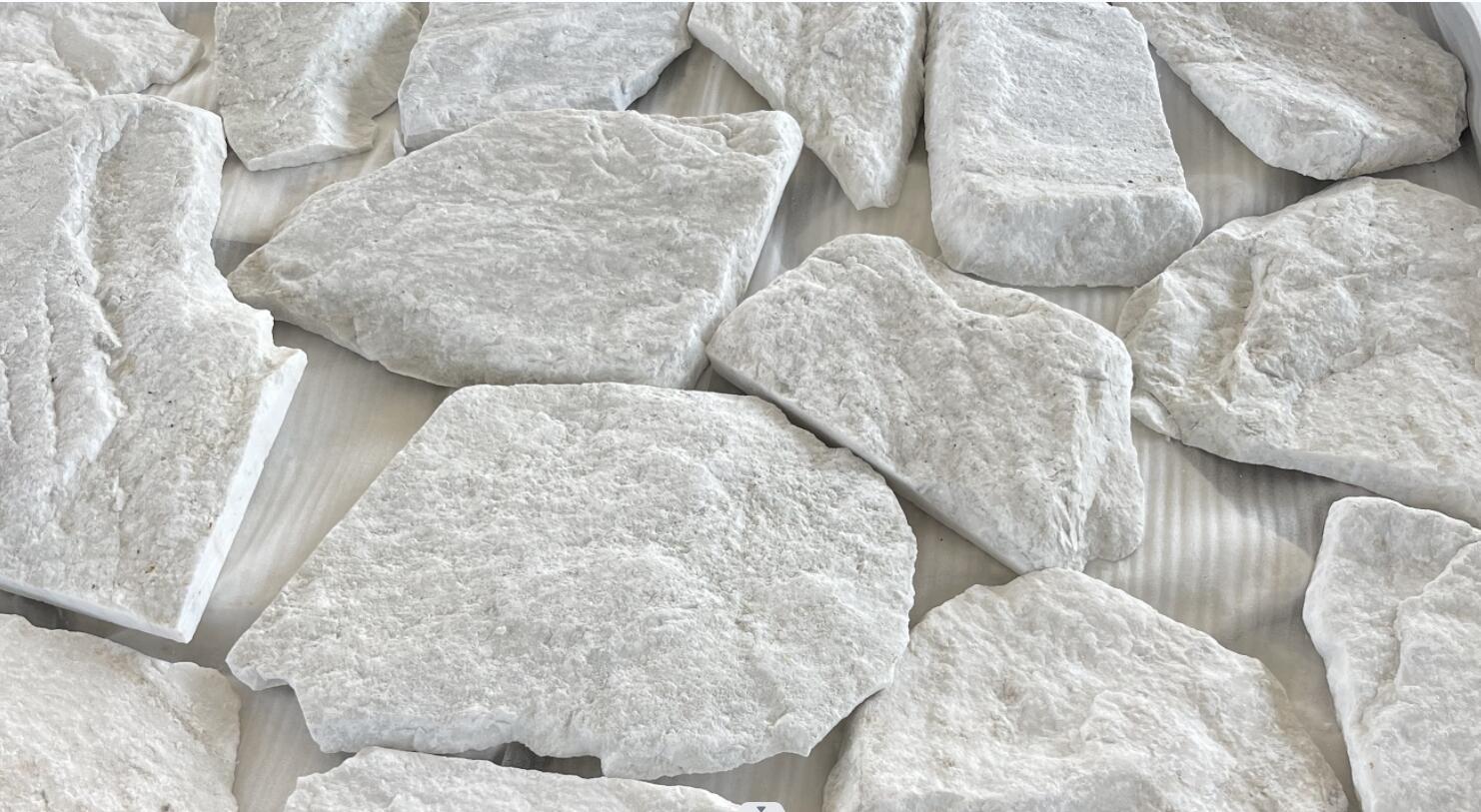
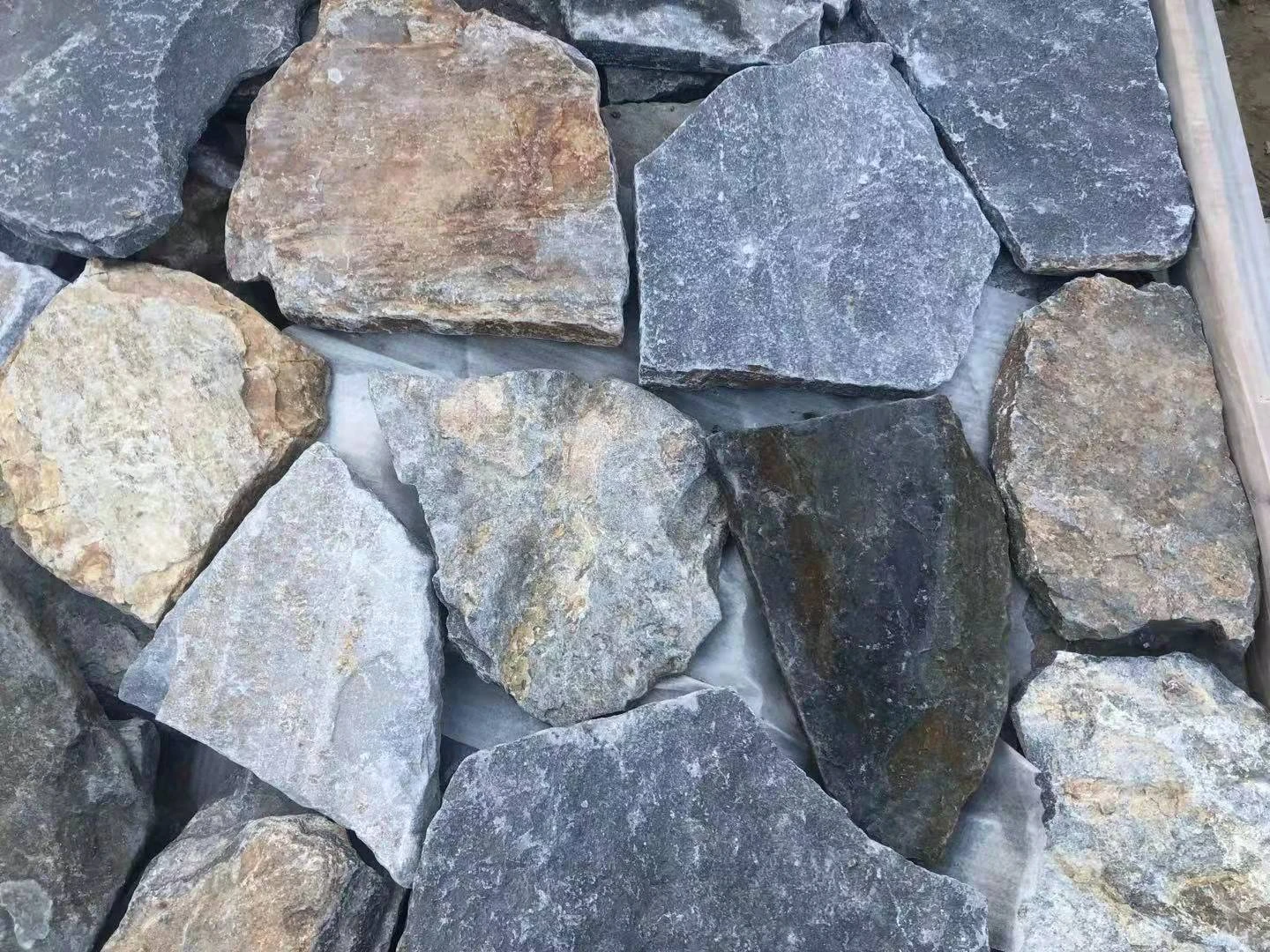
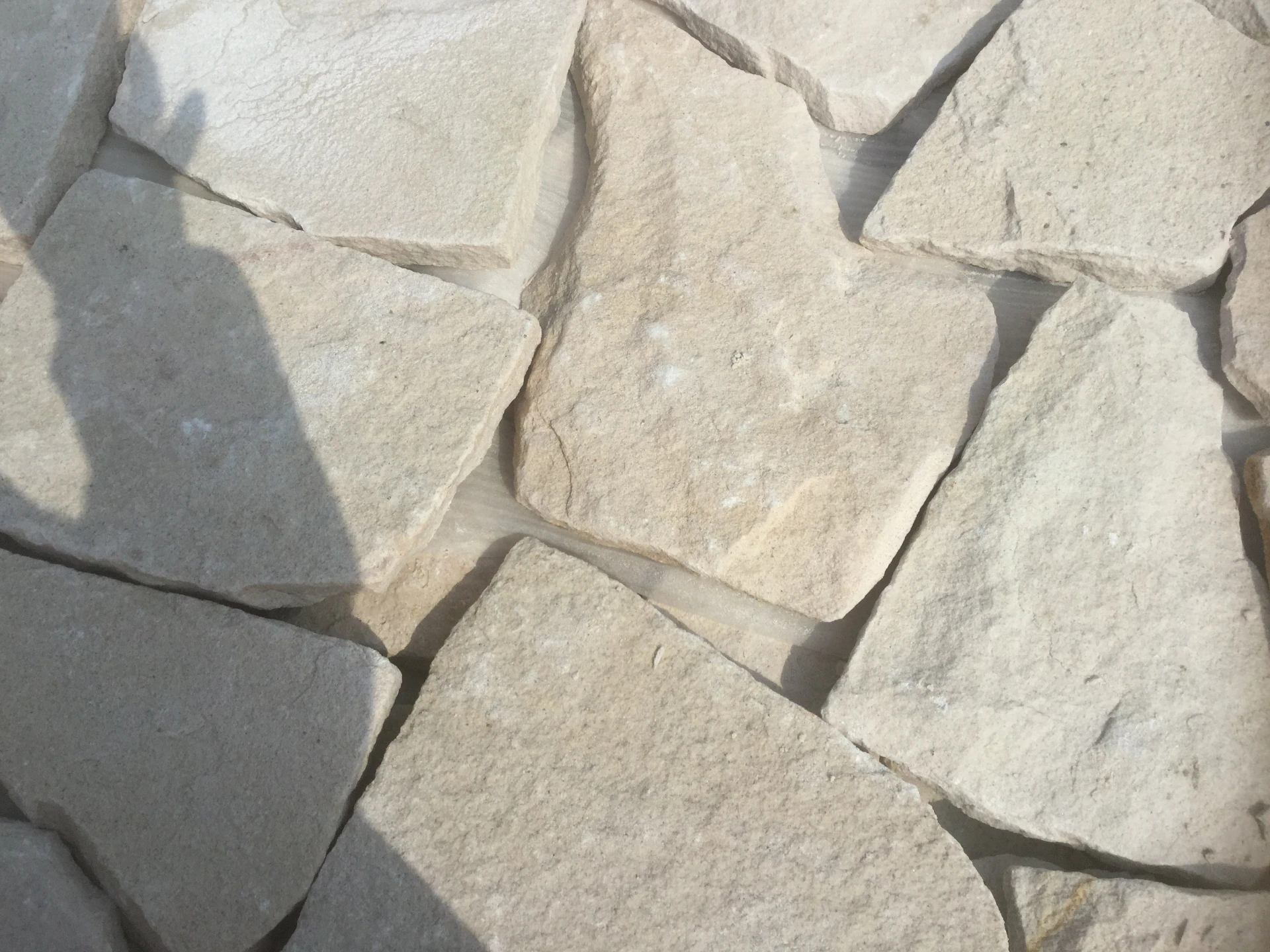
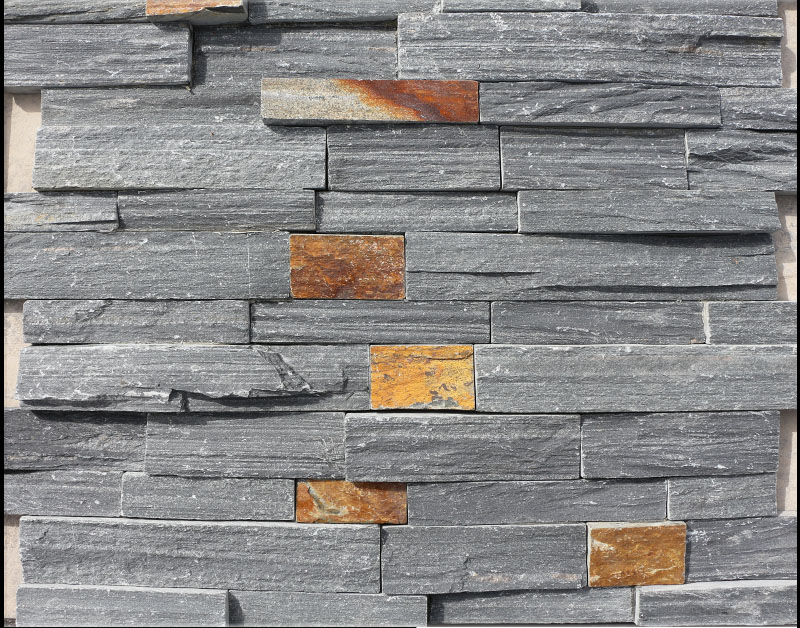
Batu alam mangrupa salah sahiji bahan nu paling ilahar dipaké di imah jeung kebon. Tapi naha anjeun kantos lirén heran dimana ubin batu, bata, atanapi lantai khusus anjeun asalna?
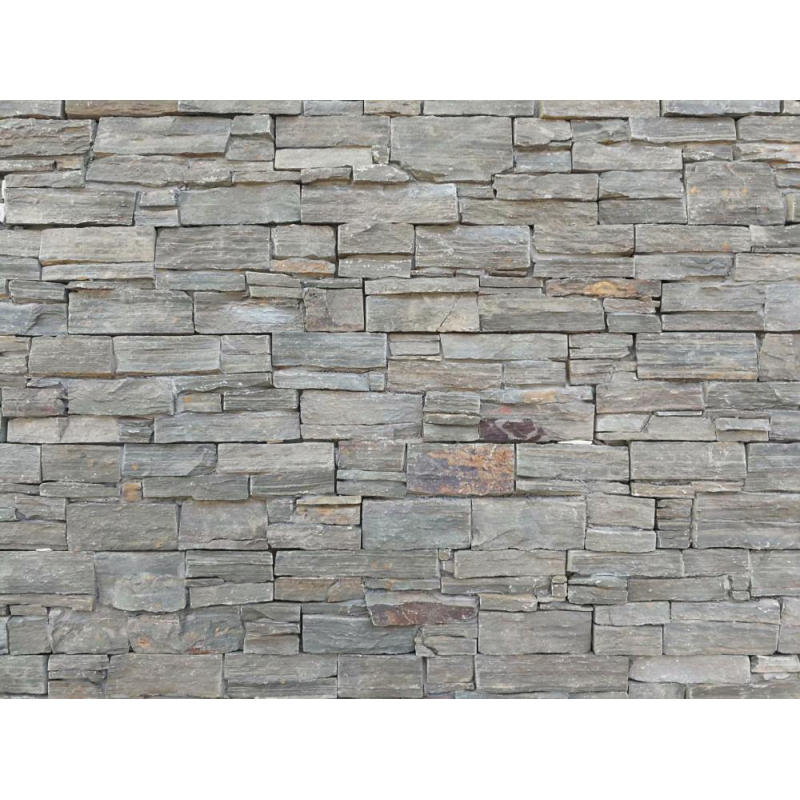
Natural stone was created thousands of years ago when the Earth was just a ball of mineral gases. As these gases began to cool down, they compressed and solidified to form the world we know today. It was during this process that natural stone was formed – the type of stone created depends on what type of minerals were combined at that time. This was a slow process that occurred over millions of years. As the Earth began to settle, many of these seams of stone were gradually pushed to the surface by heat and pressure, creating the large formations we see today.
Stone can come from anywhere in the world, and the type of stone is determined by its origins. There are quarries in America, Mexico, Canada, Italy, Turkey, Australia, and Brazil, as well as many other countries around the globe. Some countries have multiple natural stone quarries, whilst others only have a few. Let’s look in closer detail at where particular stones originate and how they were formed.
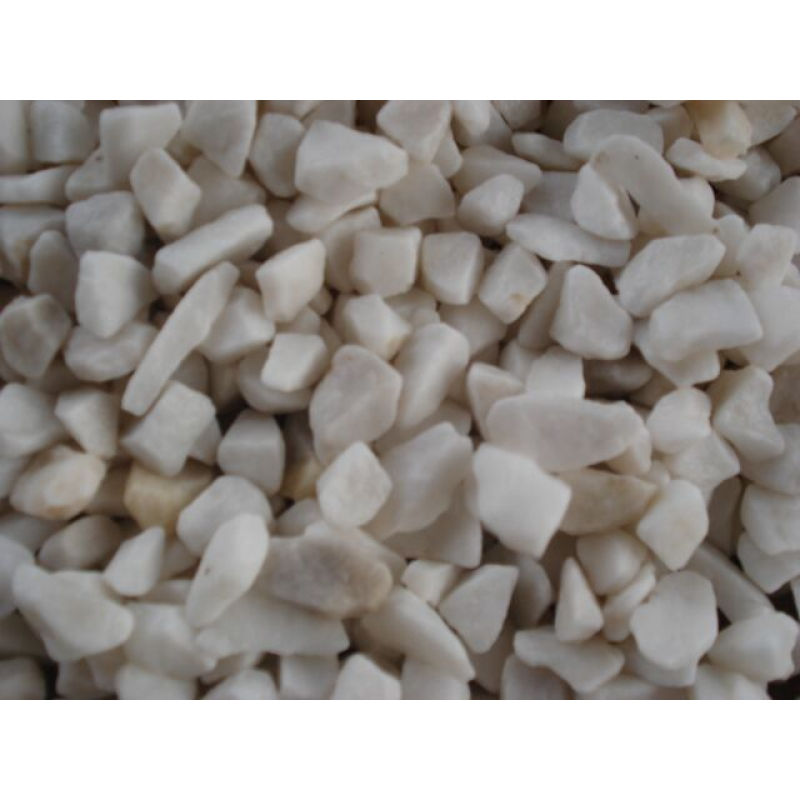
Marmer is the result of limestone that has been altered through heat and pressure. It’s a versatile stone that can be used on virtually anything – statues, stairs, walls, bathrooms, counter tops, and more. Usually seen in white, marble is also common in black and grey tints, and has great weather endurance.
Kuarsit asalna tina sandstone nu geus dirobah ngaliwatan panas sarta komprési. Batu utamana asalna di bodas, tapi ogé bisa kapanggih kalawan tints coklat, kulawu, atawa greenish kana eta. Ieu salah sahiji jenis batu alam hardest, sahingga hiji pilihan alus teuing pikeun ngawangun facades, countertops, sarta struktur séjén anu merlukeun batu tugas beurat.
Granit asalna mangrupa batu beku anu geus kakeunaan magma (lava) sarta dirobah ngaliwatan paparan ka mineral béda. Batu ieu ilaharna kapanggih di nagara nu geus katempo aktivitas vulkanik tinggi di sawatara titik, sarta geus sadia dina rupa badag kelir ti hideung, coklat, beureum, bodas, sarta ampir kabéh kelir di antara. Granit mangrupikeun pilihan anu saé pikeun dapur sareng kamar mandi kusabab kualitas antibakteri na.
Batu kapur mangrupa hasil komprési karang, cangkang laut, jeung kahirupan sagara séjénna babarengan. Aya dua jenis batu kapur, hiji tipe harder nu pinuh ku kalsium, sarta tipe lemes kalayan leuwih magnesium. Batu kapur teuas mindeng dipaké dina industri wangunan, atawa taneuh nepi sarta dipaké dina mortir alatan kualitas waterproof na.
Bluestone is sometimes referred to as basalt, and is one of the most common natural stones around the world. Bluestone forms through the alteration of lava, and because of this, is one of the closest stones to the Earth’s surface. Basalt is generally darker in colour, and is used as house roofing and floor tiles because of its hard texture.
Batu tulis dijieun nalika sédimén shale jeung mudstone dirobah ngaliwatan panas sarta tekanan. Sadia dina kelir tina hideung, wungu, biru, héjo, jeung kulawu, batu tulis geus jadi pilihan populér pikeun roofing sabab bisa motong thinly tur tahan hawa tiis jeung karuksakan minimal. Batu tulis ogé sering dianggo salaku ubin lantai kusabab sifatna anu tahan.
Travertine is created when floodwaters wash through limestone, leaving mineral deposits throughout. As it dries out, the extra minerals solidify to gradually create a much denser material called travertine. This stone is good as a replacement for marble or granite, as it’s much lighter and easier to work with, yet still durable. For this reason travertine is often used on floors or walls, and is estimated to last around fifty years if maintained regularly.
 Afrika
  basa Albania
  Amharik
  Arab
Arab  Arménia
  Basa Azerbaijan
  Basque
  Bélarus
  Benggala
  Bosnia
  basa Bulgaria
  Katalan
  Cebuano
  Cina
Cina  Cina (Taiwan)
  Korsika
  Kroasia
  Ceko
Ceko  Denmark
  Walanda
  Inggris
  Ésperanto
  Éstonia
  Finlandia
  Perancis
  Frisian
  Galician
  Georgian
  Jerman
  Yunani
  Gujarati
  Kréol Haiti
  hausa
hausa  Hawai
Hawai  Ibrani
  Heueuh
  Miao
Miao  Hungaria
  Islandia
  igbo
igbo  basa Indonésia
  Basa Irlandia
  Italia
  Basa Jepang
  basa Jawa
  Kannada
  kazakh
  Khmer
Khmer  Rwandan
  Koréa
Koréa  Kurdi
Kurdi  Kirgiz
  TB
TB  Latin
Latin  Lativia
  Lituania
  Luksemburg
  Makedonia
  Malgashi
  Malayu
  Malayalam
  Malta
Malta  Maori
Maori  Marathi
  Mongol
  Myanmar
  Nepali
  Norwegia
  Norwegia
  Occitan
  Pashto
  Pérsia
  Polandia
  Portugis
  Punjabi
  Romania
  Rusia
Rusia  Samoan
  Gaelik Skotlandia
  Sérbia
  Inggris
  Shona
Shona  Sindhi
  Sinhala
  Slowakia
  Slovenia
  Somali
  Spanyol
  Sundanese
  basa Swahili
  Swédia
  Tagalog
  Tajik
Tajik  Tamil
Tamil  Tatar Sunda
  Telugu
  Thai
Thai  Turki
Turki  Turkmén
  Ukrania
  Basa Urdu
  Uighur
  Uzbek
Uzbek  Vietnam
  Welsh
Welsh