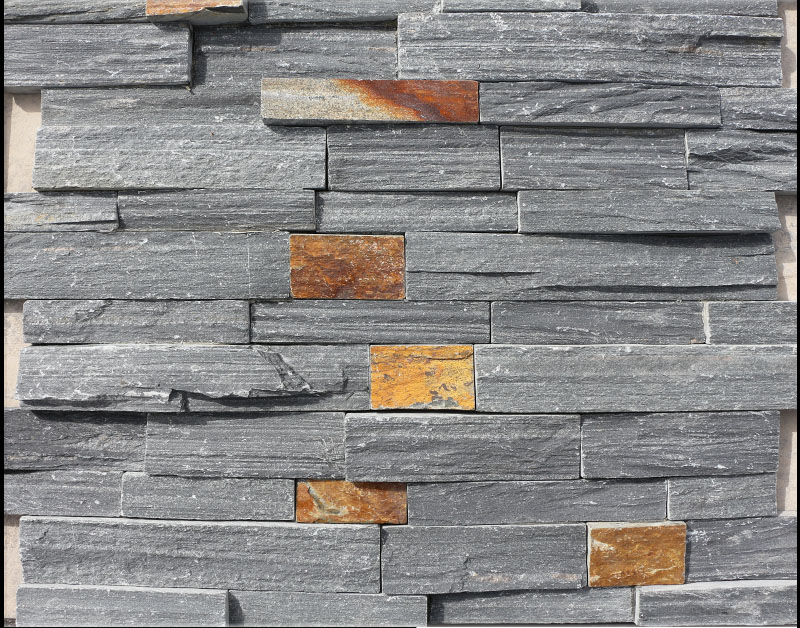
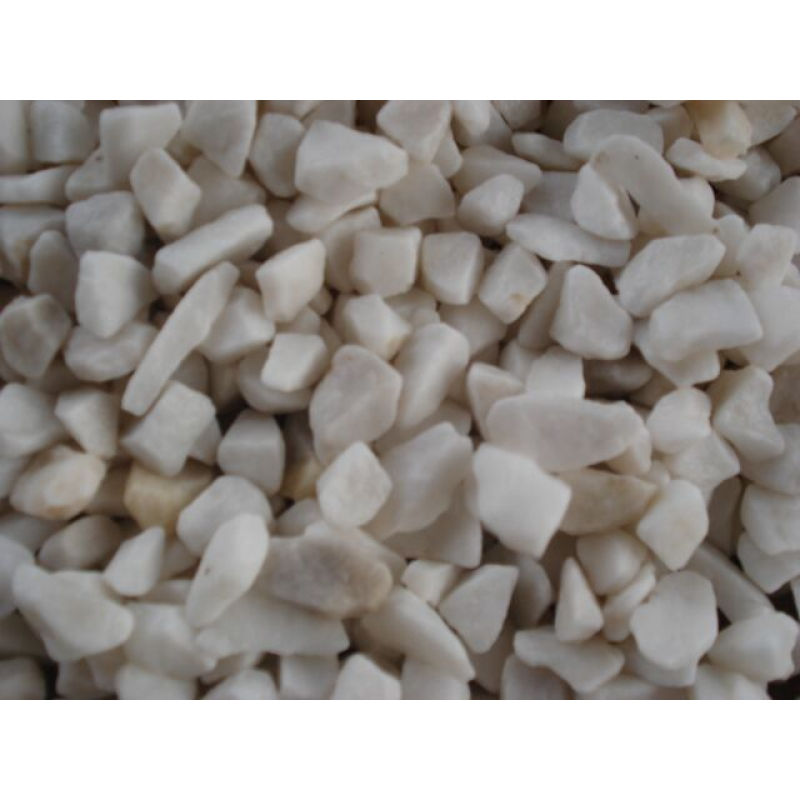
Přírodní kámen je jedním z nejčastěji používaných materiálů v domech a zahradách. Ale už jste se někdy pozastavili nad tím, odkud se vzaly vaše konkrétní kamenné dlaždice, cihly nebo podlaha?
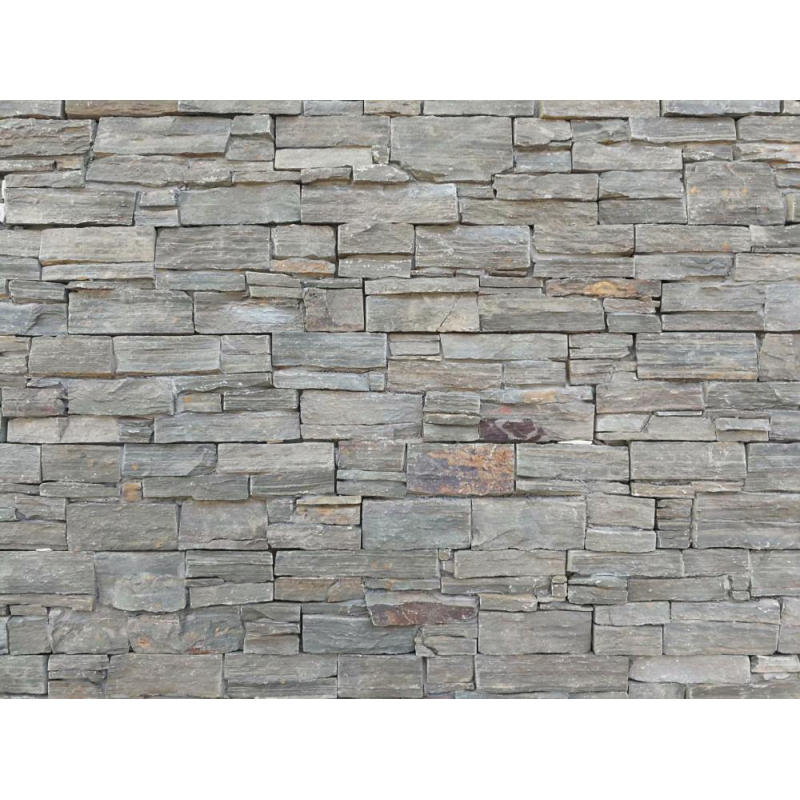
Natural stone was created thousands of years ago when the Earth was just a ball of mineral gases. As these gases began to cool down, they compressed and solidified to form the world we know today. It was during this process that natural stone was formed – the type of stone created depends on what type of minerals were combined at that time. This was a slow process that occurred over millions of years. As the Earth began to settle, many of these seams of stone were gradually pushed to the surface by heat and pressure, creating the large formations we see today.
Stone can come from anywhere in the world, and the type of stone is determined by its origins. There are quarries in America, Mexico, Canada, Italy, Turkey, Australia, and Brazil, as well as many other countries around the globe. Some countries have multiple natural stone quarries, whilst others only have a few. Let’s look in closer detail at where particular stones originate and how they were formed.
Mramor is the result of limestone that has been altered through heat and pressure. It’s a versatile stone that can be used on virtually anything – statues, stairs, walls, bathrooms, counter tops, and more. Usually seen in white, marble is also common in black and grey tints, and has great weather endurance.
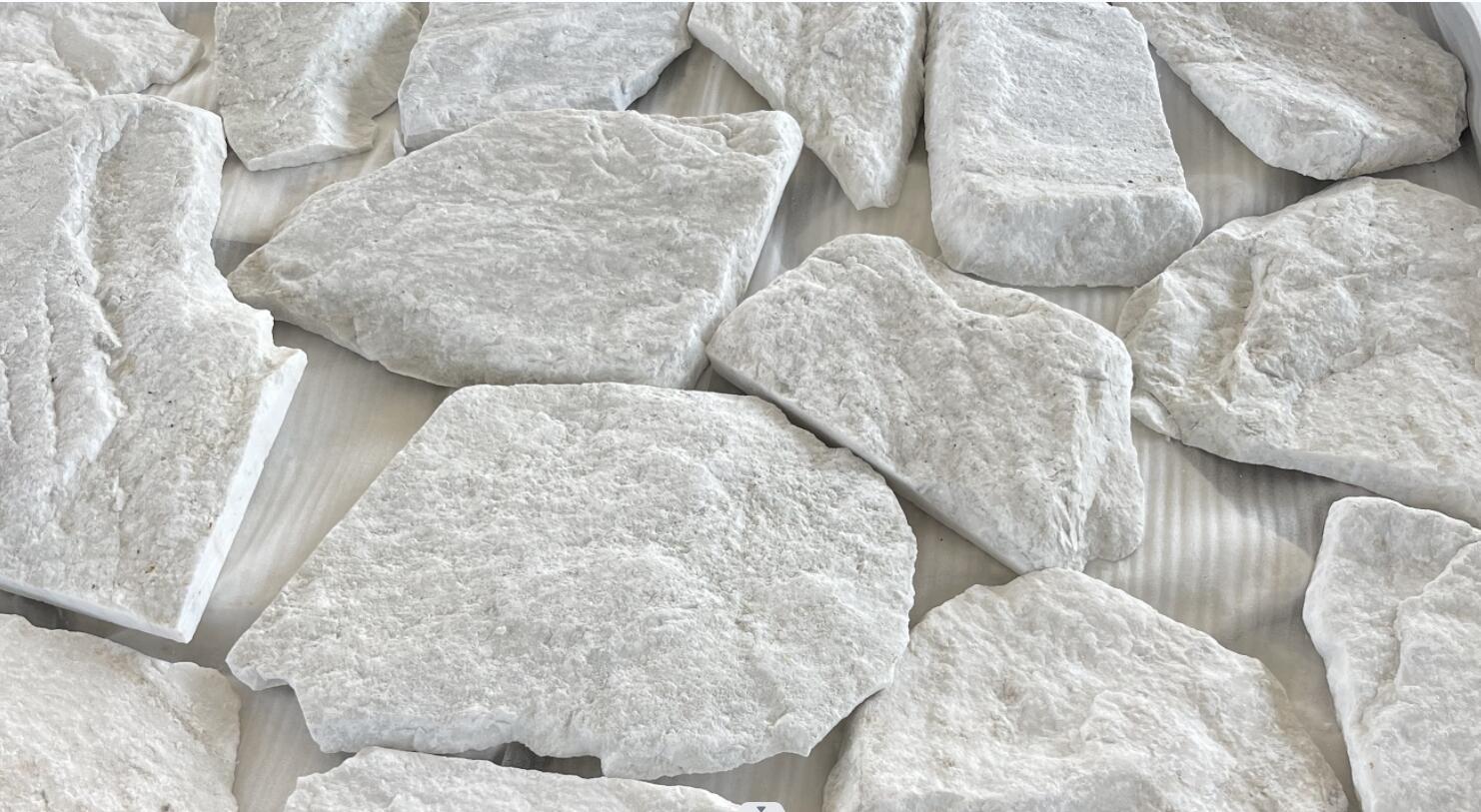
Křemenec pochází z pískovce, který byl změněn teplem a stlačením. Kámen se dodává převážně v bílé barvě, ale lze jej nalézt i s hnědým, šedým nebo nazelenalým odstínem. Je to jeden z nejtvrdších typů přírodního kamene, díky čemuž je vynikající volbou pro fasády budov, desky a další konstrukce, které vyžadují těžké kameny.
Žula byl původně vyvřelý kámen, který byl vystaven působení magmatu (lávy) a změnil se působením různých minerálů. Kámen se běžně vyskytuje v zemích, které v určitém okamžiku zaznamenaly vysokou sopečnou aktivitu, a je dostupný v obrovské škále barev od černé, hnědé, červené, bílé a téměř ve všech barvách mezi nimi. Žula je skvělá volba do kuchyní a koupelen díky svým antibakteriálním vlastnostem.
Vápenec je výsledkem stlačování korálů, mušlí a dalšího mořského života dohromady. Existují dva druhy vápence, tvrdší typ, který je plný vápníku, a měkčí typ s větším množstvím hořčíku. Tvrdý vápenec se často používá ve stavebnictví nebo se drtí a používá do malty kvůli své voděodolnosti.
Bluestone is sometimes referred to as basalt, and is one of the most common natural stones around the world. Bluestone forms through the alteration of lava, and because of this, is one of the closest stones to the Earth’s surface. Basalt is generally darker in colour, and is used as house roofing and floor tiles because of its hard texture.
Břidlice vznikl, když se usazeniny břidlice a kalu měnily působením tepla a tlaku. Břidlice, která je k dispozici v barvách od černé, fialové, modré, zelené a šedé, se stala oblíbenou volbou pro střešní krytiny, protože ji lze tence řezat a odolávat nízkým teplotám s minimálním poškozením. Břidlice se také často používá jako podlahová dlažba kvůli její trvalé povaze.
Travertin is created when floodwaters wash through limestone, leaving mineral deposits throughout. As it dries out, the extra minerals solidify to gradually create a much denser material called travertine. This stone is good as a replacement for marble or granite, as it’s much lighter and easier to work with, yet still durable. For this reason travertine is often used on floors or walls, and is estimated to last around fifty years if maintained regularly.
 Afričan
  albánský
  amharština
  arabština
  arménský
  ázerbájdžánský
  baskický
  běloruský
  bengálský
  bosenský
  bulharský
  katalánština
  Cebuano
  Čína
Čína  Čína (Tchaj-wan)
  Korsičan
  chorvatský
  čeština
  dánština
  holandský
  Angličtina
  esperanto
  estonština
  finština
  francouzština
  fríský
  galicijský
  gruzínský
  Němec
Němec  řecký
řecký  Gudžarátština
  haitská kreolština
  hausa
hausa  havajský
  hebrejština
  ani náhodou
  Miao
Miao  maďarský
  islandský
  igbo
igbo  indonéština
  irština
  italština
  japonský
  jávský
  Kannada
  kazašský
  khmerské
  Rwandské
  korejština
  kurdština
  kyrgyzština
  TBC
TBC  latinský
  lotyšský
  litevský
  lucemburský
  makedonský
  Malgashi
  malajština
  malajálamština
  maltština
  maorští
  maráthština
  mongolský
  Myanmar
  nepálský
  norský
  norský
  okcitánština
  paštština
  Peršan
  polština
  portugalština
  pandžábština
  rumunština
  ruština
  Samoan
  skotská gaelština
  srbština
  Angličtina
  Shona
Shona  Sindhi
  sinhálština
  Slovák
  slovinský
  somálský
  španělština
  sundánština
  svahilština
  švédský
  Tagalog
  tádžický
  tamilština
  Tatar
Tatar  telugština
  thajština
  turečtina
  turkmenský
  ukrajinština
  Urdu
Urdu  ujgurské
  uzbecký
  vietnamština
  velština