

Tebigy daş öýlerde we baglarda iň köp ulanylýan materiallardan biridir. Particularöne aýratyn daş plitalaryňyzyň, kerpiçleriňiziň ýa-da poluňyzyň nireden gelendigini bilmek üçin durduňyzmy?
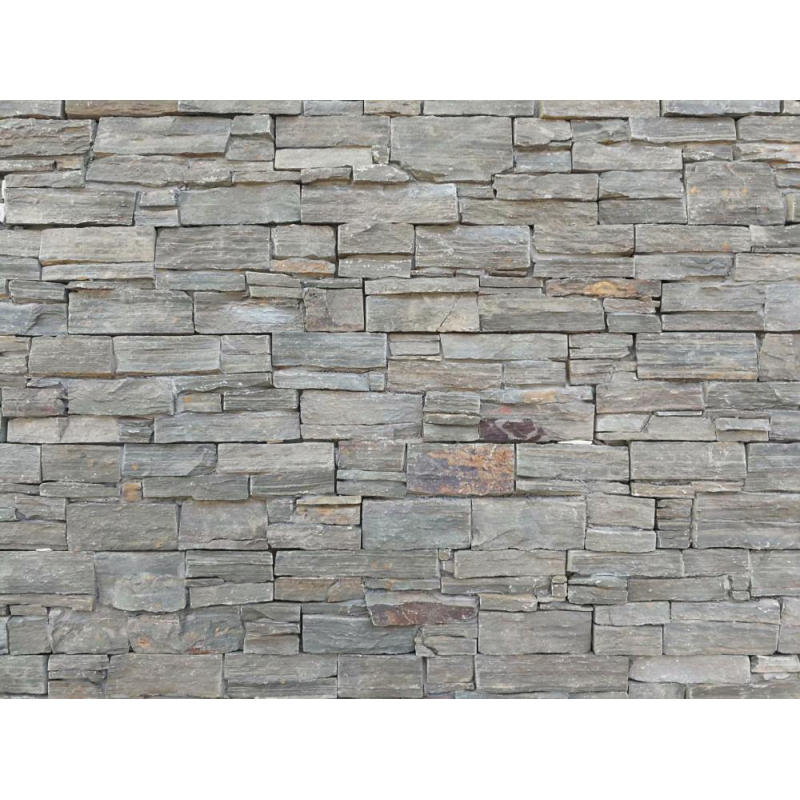
Natural stone was created thousands of years ago when the Earth was just a ball of mineral gases. As these gases began to cool down, they compressed and solidified to form the world we know today. It was during this process that natural stone was formed – the type of stone created depends on what type of minerals were combined at that time. This was a slow process that occurred over millions of years. As the Earth began to settle, many of these seams of stone were gradually pushed to the surface by heat and pressure, creating the large formations we see today.
Stone can come from anywhere in the world, and the type of stone is determined by its origins. There are quarries in America, Mexico, Canada, Italy, Turkey, Australia, and Brazil, as well as many other countries around the globe. Some countries have multiple natural stone quarries, whilst others only have a few. Let’s look in closer detail at where particular stones originate and how they were formed.
Mermer is the result of limestone that has been altered through heat and pressure. It’s a versatile stone that can be used on virtually anything – statues, stairs, walls, bathrooms, counter tops, and more. Usually seen in white, marble is also common in black and grey tints, and has great weather endurance.
Kwars ýylylyk we gysyş arkaly üýtgedilen çäge daşyndan gözbaş alýar. Daş esasan ak reňkde bolýar, ýöne oňa goňur, çal ýa-da ýaşyl reňkler hem bolýar. Iň kyn tebigy daş görnüşleriniň biri bolup, fasadlary, taýaklary we agyr daşlary talap edýän beýleki desgalary gurmak üçin ajaýyp saýlama bolýar.
Granit aslynda magma (lava) täsirine sezewar bolan we dürli minerallara täsir etmek arkaly üýtgedilen bir daşdy. Bu daş, belli bir döwürde ýokary wulkan işjeňligini gören ýurtlarda duş gelýär we gara, goňur, gyzyl, ak we dürli reňklerde diýen ýaly dürli reňklerde bolýar. Granit antibakterial häsiýetleri sebäpli aşhanalar we hammamlar üçin ajaýyp wariantdyr.
Hk daşy merjen, deňiz gabyklary we beýleki umman durmuşynyň bilelikde gysylmagynyň netijesidir. Hek daşynyň iki görnüşi, kalsiýdan doly has kyn görnüşi we has köp magneziýli ýumşak görnüşi bar. Gaty hek daşy gurluşyk pudagynda köplenç ulanylýar ýa-da suw geçirmeýän hili sebäpli minomda ulanylýar.
Bluestone is sometimes referred to as basalt, and is one of the most common natural stones around the world. Bluestone forms through the alteration of lava, and because of this, is one of the closest stones to the Earth’s surface. Basalt is generally darker in colour, and is used as house roofing and floor tiles because of its hard texture.
Slaýt slanes we palçyk çökündileri ýylylyk we basyş arkaly üýtgedilende döredildi. Gara, gyrmyzy, gök, ýaşyl we çal reňklerde bar bolan şifer üçek üçin iň meşhur seçime öwrüldi, sebäbi inçe kesilip we sowuk temperaturalara az zyýan berip bilýär. Şifer, dowamly tebigatyna köplenç pol örtügi hökmünde ulanylýar.
Travertine is created when floodwaters wash through limestone, leaving mineral deposits throughout. As it dries out, the extra minerals solidify to gradually create a much denser material called travertine. This stone is good as a replacement for marble or granite, as it’s much lighter and easier to work with, yet still durable. For this reason travertine is often used on floors or walls, and is estimated to last around fifty years if maintained regularly.
 Afrikaly
  Alban
Alban  Amhar
Amhar  Arapça
  Ermeni
  Azerbaýjan
  Bask
Bask  Belarus
  Bengali
  Bosniýa
  Bolgar
  Katalan
  Sebuano
  Hytaý
Hytaý  Hytaý (Taýwan)
  Korsikan
  Horwatiýa
  Çeh
Çeh  Daniýaly
  Gollandiýaly
  Iňlis
Iňlis  Esperanto
  Eston
Eston  Fin
Fin  Fransuz
  Frizian
  Galisiýa
  Gürji
Gürji  Nemes
Nemes  Grek
Grek  Gujarati
  Gaiti kreoly
  hausa
hausa  hawaiian
  Hebrewewreýçe
  .Ok
.Ok  Miao
Miao  Wenger
  Islandiýa
  igbo
igbo  Indoneziýaly
  irish
irish  Italýan
  Japaneseaponlar
  Javaneseawan
  Kannada
  Gazak
Gazak  Khmer
Khmer  Ruanda
  Koreýçe
  Kürt
Kürt  Gyrgyzystan
  Inçekesel
  Latyn
Latyn  Latwiýa
  Litwa
Litwa  Lýuksemburg
  Makedoniýa
  Malgaşi
  Malaý
Malaý  Malaýalam
  Malta
Malta  Maori
Maori  Marathi
  Mongol
  Mýanma
  Nepali
  Norweg
  Norweg
  Oksitan
  Puştun
  Pars
Pars  Polýak
  Portugaliýa
  Penjabi
  Rumyn
Rumyn  Rus
Rus  Samoan
  Şotlandiýaly Gael
  Serb
Serb  Iňlis
Iňlis  Şona
Şona  Sindhi
  Sinhala
  Slowakiýa
  Sloweniýa
  Somali
  Ispan
Ispan  Sundanese
  Suwaýili
  Şwesiýa
  Tagalog
  Täjik
Täjik  Tamil
Tamil  Tatar
Tatar  Telugu
  Taý
Taý  Türk
Türk  Türkmenler
  Ukrain
  Urdu
Urdu  Uýgur
Uýgur  Özbek
Özbek  Wýetnamly
  Uels
Uels 




