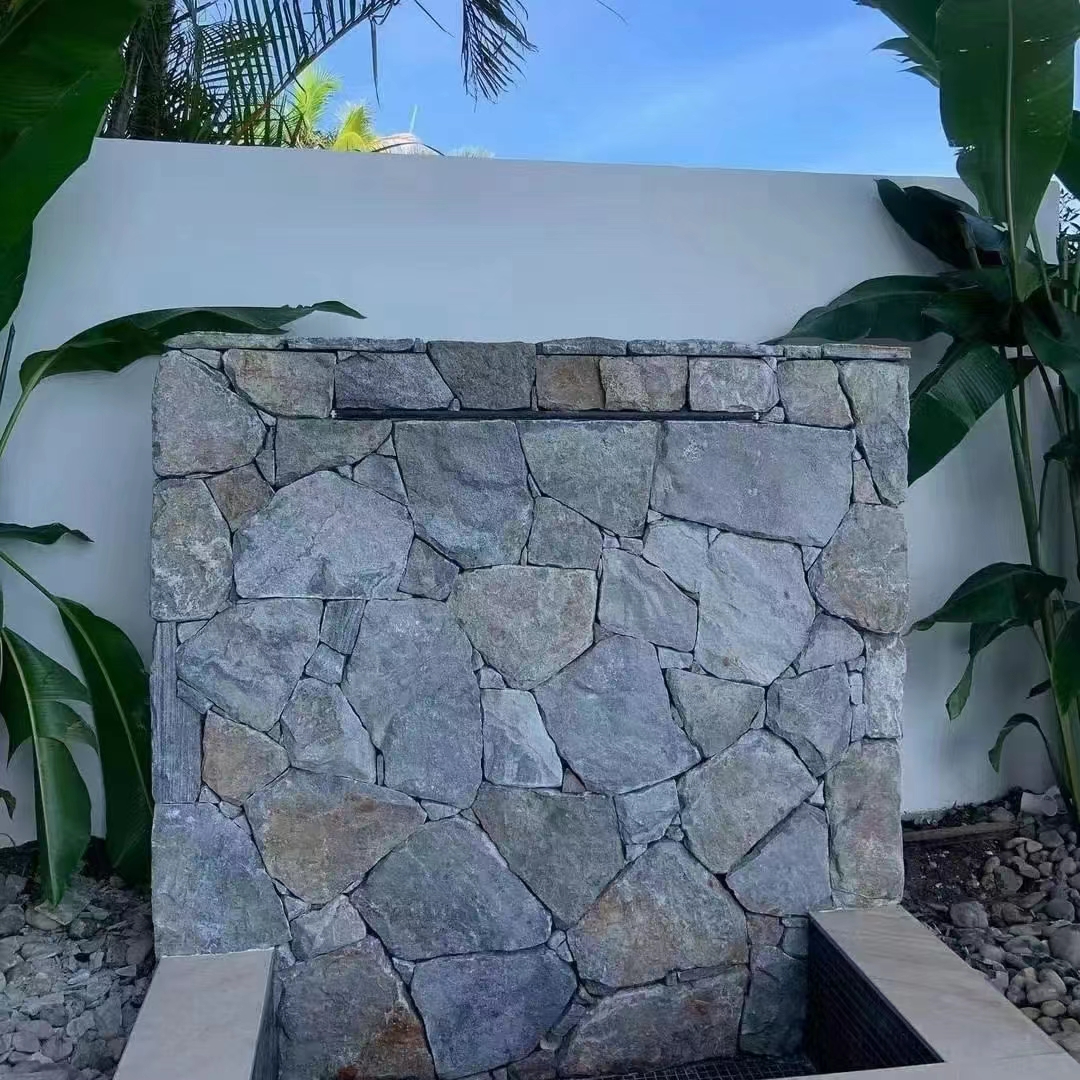
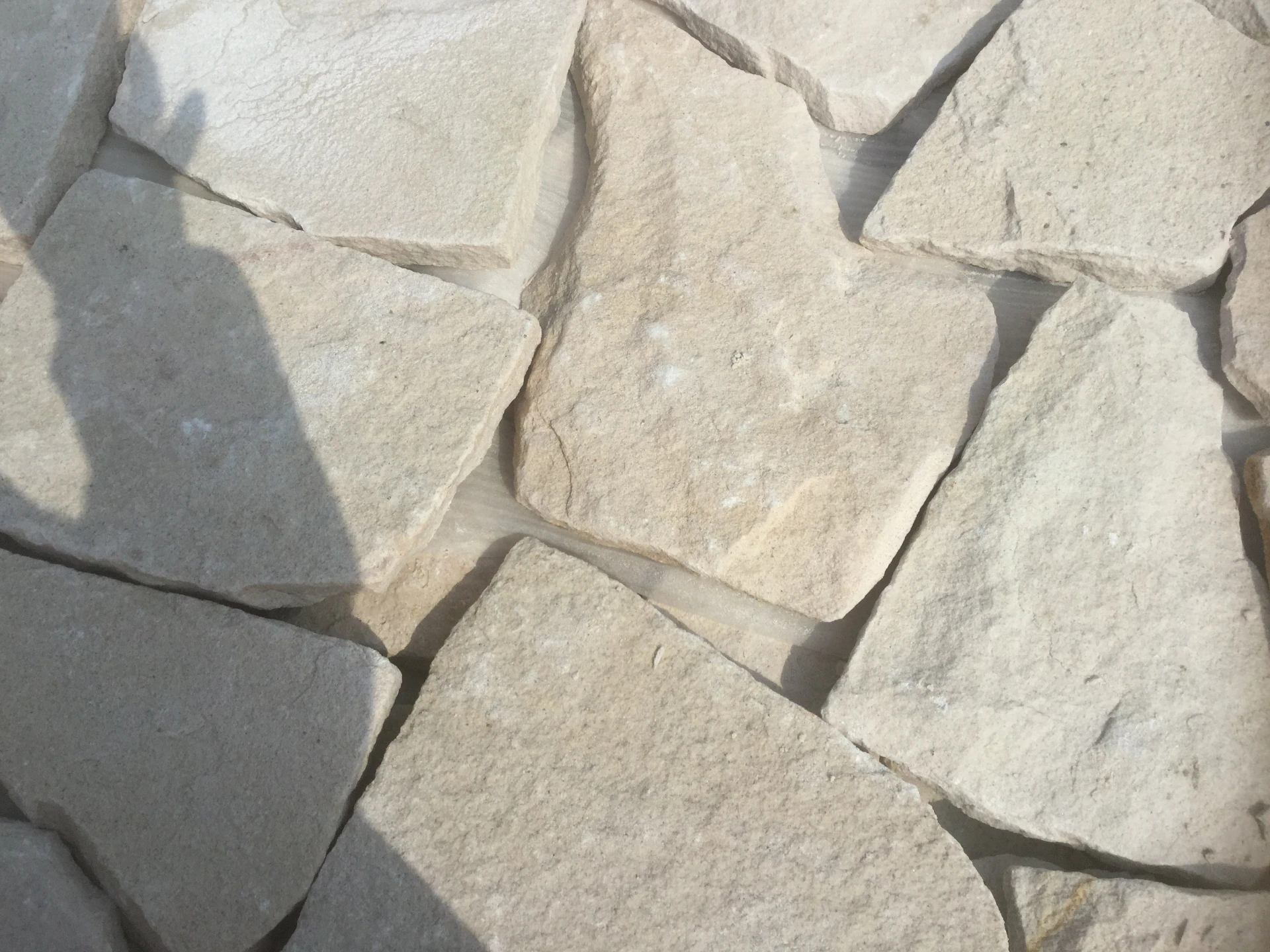
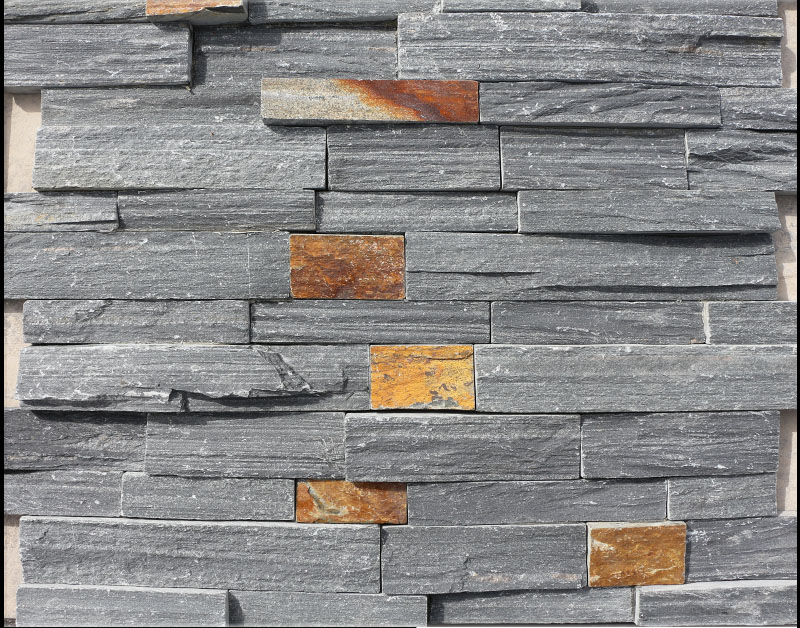
ბუნებრივი ქვა არის ერთ-ერთი ყველაზე ხშირად გამოყენებული მასალა, რომელიც გამოიყენება სახლებსა და ბაღებში. მაგრამ ოდესმე გაგიკვირდებათ, საიდან გაჩნდა თქვენი კონკრეტული ქვის ფილები, აგური ან იატაკი?
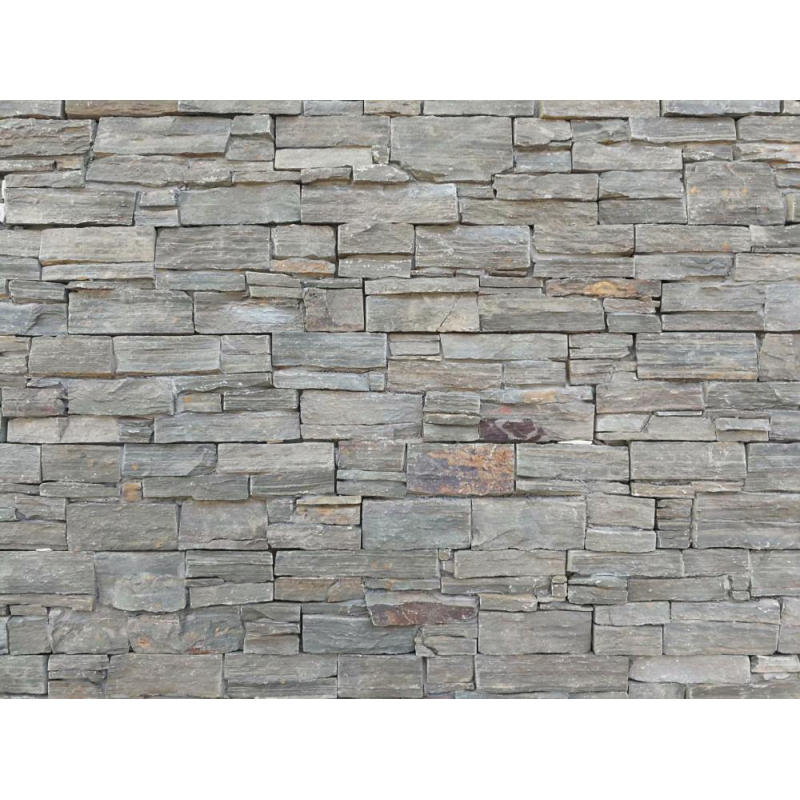
Natural stone was created thousands of years ago when the Earth was just a ball of mineral gases. As these gases began to cool down, they compressed and solidified to form the world we know today. It was during this process that natural stone was formed – the type of stone created depends on what type of minerals were combined at that time. This was a slow process that occurred over millions of years. As the Earth began to settle, many of these seams of stone were gradually pushed to the surface by heat and pressure, creating the large formations we see today.
Stone can come from anywhere in the world, and the type of stone is determined by its origins. There are quarries in America, Mexico, Canada, Italy, Turkey, Australia, and Brazil, as well as many other countries around the globe. Some countries have multiple natural stone quarries, whilst others only have a few. Let’s look in closer detail at where particular stones originate and how they were formed.
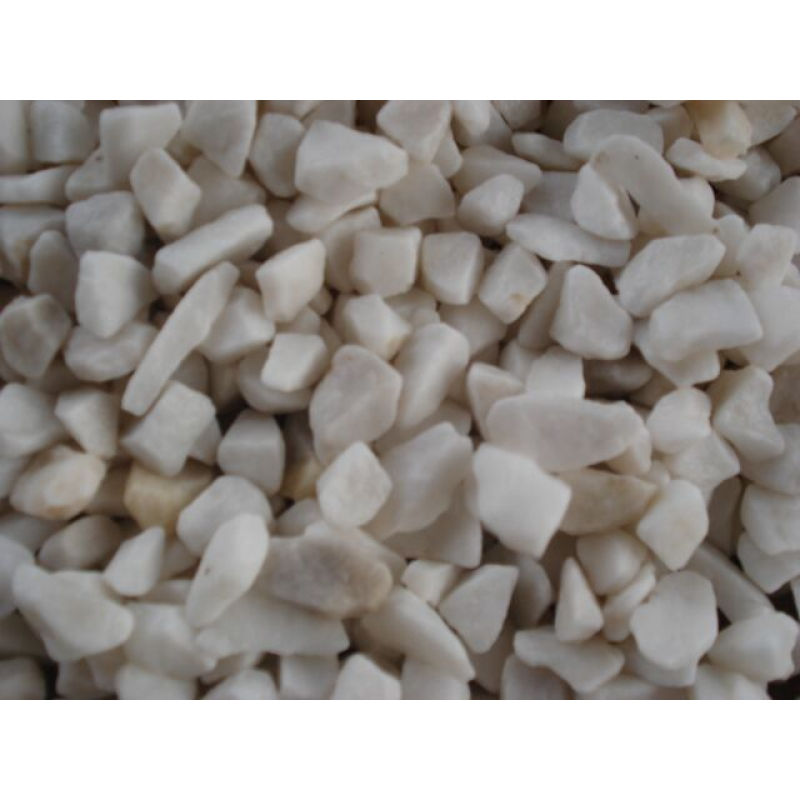
მარმარილო is the result of limestone that has been altered through heat and pressure. It’s a versatile stone that can be used on virtually anything – statues, stairs, walls, bathrooms, counter tops, and more. Usually seen in white, marble is also common in black and grey tints, and has great weather endurance.
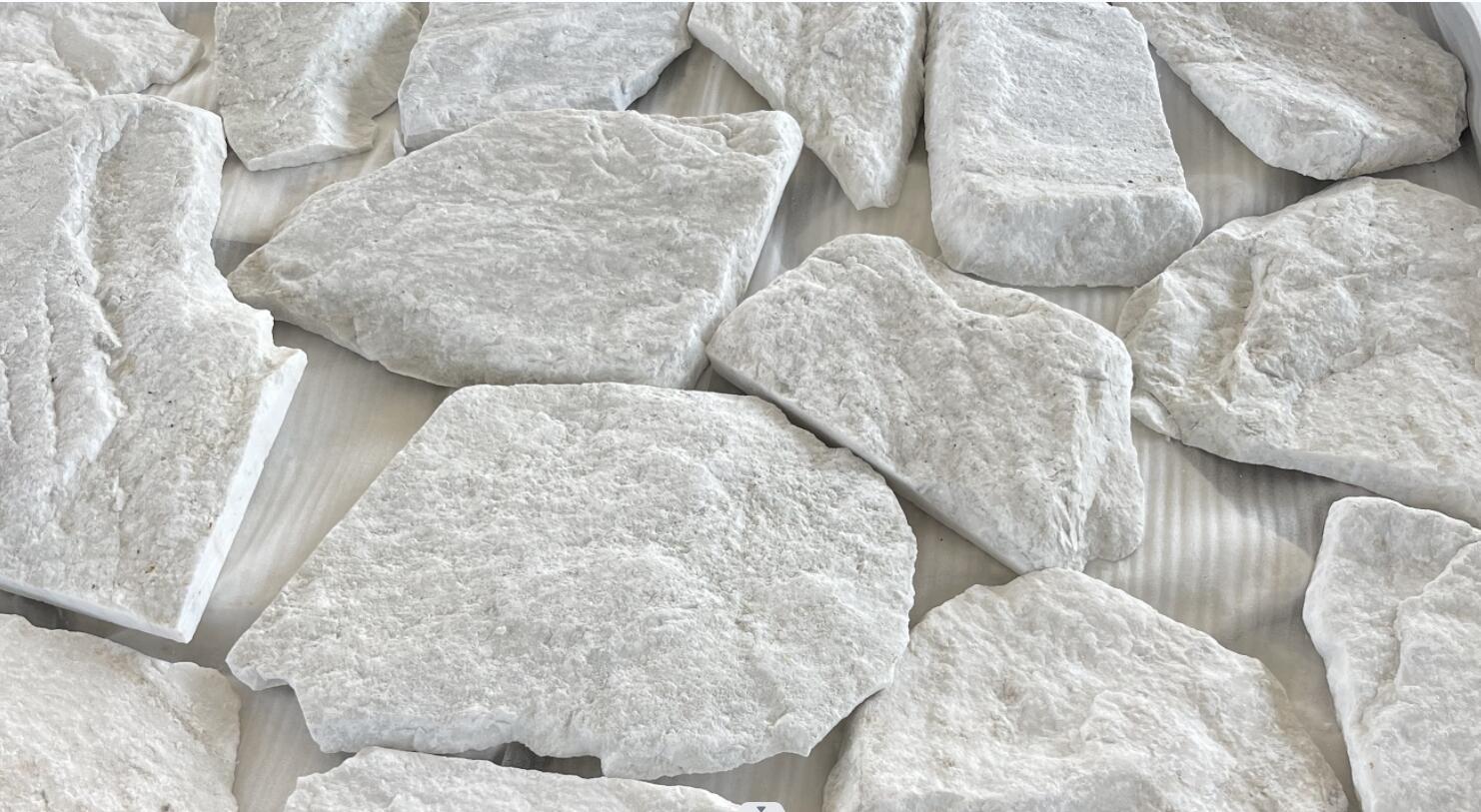
კვარციტი წარმოიქმნება ქვიშაქვისგან, რომელიც შეიცვალა სითბოს და შეკუმშვის შედეგად. ქვა ძირითადად თეთრი ფერისაა, მაგრამ ასევე გვხვდება ყავისფერი, ნაცრისფერი ან მომწვანო ელფერით. ეს არის ერთ-ერთი ურთულესი ბუნებრივი ქვის ტიპი, რაც მას შესანიშნავ არჩევანს აქცევს შენობების ფასადების, საპირფარეშოების და სხვა სტრუქტურებისთვის, რომლებიც საჭიროებენ მძიმე ქვებს.
გრანიტი თავდაპირველად იყო ცეცხლოვანი ქვა, რომელიც ექვემდებარებოდა მაგმას (ლავას) და შეიცვალა სხვადასხვა მინერალების ზემოქმედების შედეგად. ქვა ჩვეულებრივ გვხვდება ისეთ ქვეყნებში, რომლებსაც აქვთ მაღალი ვულკანური აქტივობა რაღაც მომენტში და ხელმისაწვდომია ფერების უზარმაზარ მრავალფეროვნებაში შავი, ყავისფერი, წითელი, თეთრი და მათ შორის თითქმის ყველა ფერში. გრანიტი შესანიშნავი ვარიანტია სამზარეულოსა და სველი წერტილებისთვის მისი ანტიბაქტერიული თვისებების გამო.
კირქვა ეს არის მარჯნის, ზღვის ჭურვების და სხვა ოკეანის სიცოცხლის შეკუმშვის შედეგი. არსებობს კირქვის ორი ტიპი, უფრო მყარი ტიპი, რომელიც სავსეა კალციუმით და უფრო რბილი ტიპი მეტი მაგნიუმით. მყარი კირქვა ხშირად გამოიყენება სამშენებლო ინდუსტრიაში, ან დაფქვა და გამოიყენება ნაღმტყორცნებიდან წყალგაუმტარი ხარისხის გამო.
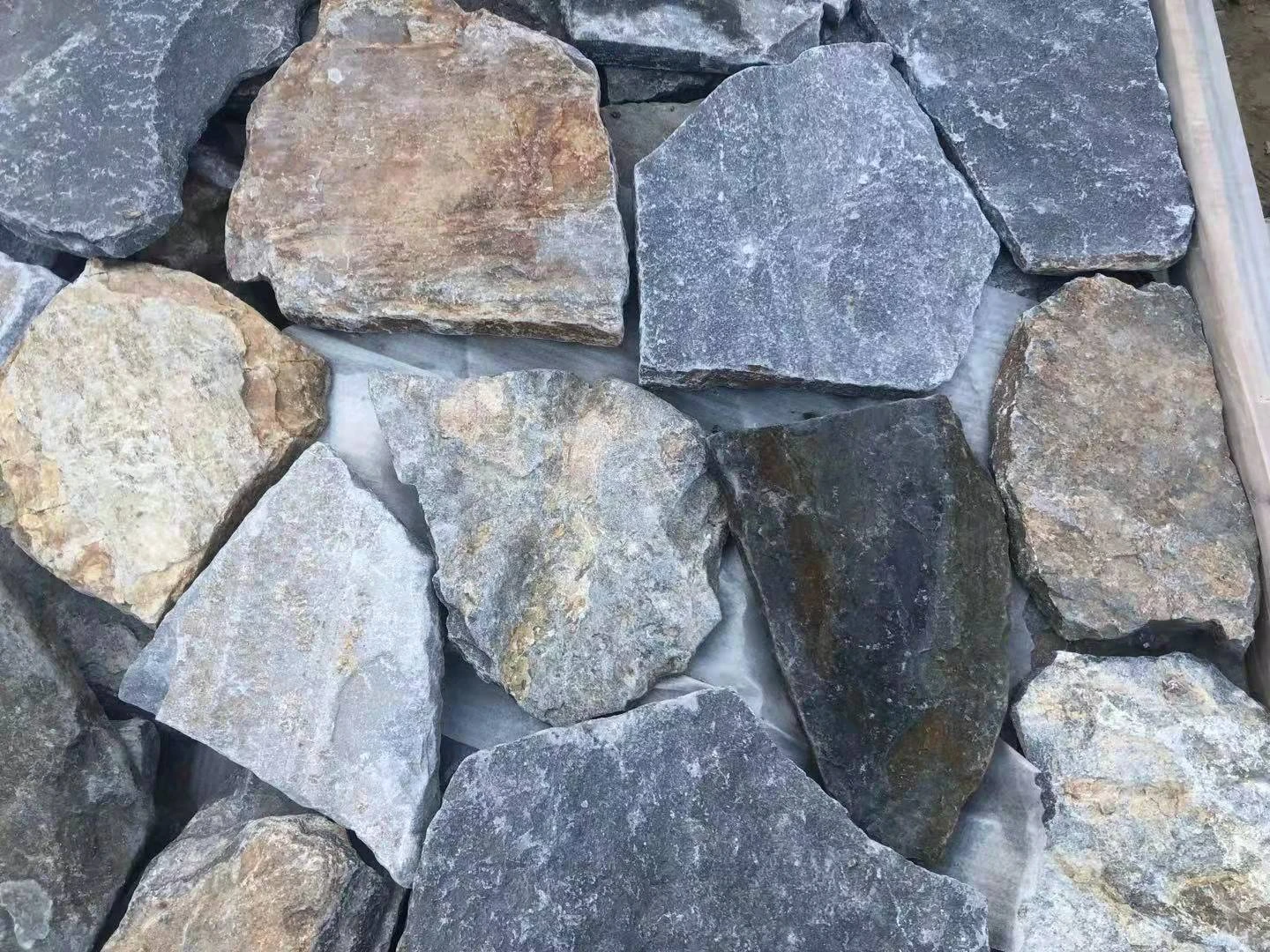
ბლუსტოუნი is sometimes referred to as basalt, and is one of the most common natural stones around the world. Bluestone forms through the alteration of lava, and because of this, is one of the closest stones to the Earth’s surface. Basalt is generally darker in colour, and is used as house roofing and floor tiles because of its hard texture.
ფიქალი შეიქმნა ფიქალისა და ტალახის ნალექების სიცხისა და წნევის ცვლილებით. ხელმისაწვდომია ფერებში შავი, მეწამული, ლურჯი, მწვანე და ნაცრისფერი, ფიქალი გახდა პოპულარული არჩევანი გადახურვისთვის, რადგან ის შეიძლება თხლად დაიჭრას და გაუძლოს ცივ ტემპერატურას მინიმალური დაზიანებით. ფიქალი ასევე ხშირად გამოიყენება როგორც იატაკის კრამიტი მისი გამძლე ბუნების გამო.
ტრავერტინი is created when floodwaters wash through limestone, leaving mineral deposits throughout. As it dries out, the extra minerals solidify to gradually create a much denser material called travertine. This stone is good as a replacement for marble or granite, as it’s much lighter and easier to work with, yet still durable. For this reason travertine is often used on floors or walls, and is estimated to last around fifty years if maintained regularly.
 აფრიკელი
  ალბანური
  ამჰარული
  არაბული
  სომხური
  აზერბაიჯანული
  ბასკური
  ბელორუსული
  ბენგალური
  ბოსნიელი
  ბულგარული
  კატალონიური
  სებუანო
  ჩინეთი
  ჩინეთი (ტაივანი)
  კორსიკული
  ხორვატული
  ჩეხური
  დანიური
  ჰოლანდიური
  ინგლისური
  ესპერანტო
  ესტონური
  ფინური
  ფრანგული
  ფრიზიული
  გალისიური
  ქართული
  გერმანული
  ბერძენი
  გუჯარათი
  ჰაიტური კრეოლური
  ჰაუსა
ჰაუსა  ჰავაიელი
  ებრაული
  არა
არა  მიაო
მიაო  უნგრული
  ისლანდიური
  იგბო
იგბო  ინდონეზიური
  ირლანდიური
  იტალიური
  იაპონელი
  იავური
  კანადა
  ყაზახური
  ქმერული
  რუანდა
  კორეული
  ქურთული
  ყირგიზული
  ტუბერკულოზი
  ლათინური
  ლატვიური
  ლიტვური
  ლუქსემბურგული
  მაკედონელი
  მალღაში
  მალაიზია
  მალაიალამური
  მალტური
  მაორი
მაორი  მარათჰი
  მონღოლური
  მიანმარი
  ნეპალური
  ნორვეგიული
  ნორვეგიული
  ოქსიტანური
  პუშტუ
პუშტუ  სპარსული
  პოლონური
  პორტუგალიური
  პენჯაბური
  რუმინული
  რუსული
  სამოა
სამოა  შოტლანდიური გალური
  სერბული
  ინგლისური
  შონა
შონა  სინდი
სინდი  სინჰალური
  სლოვაკური
  სლოვენური
  სომალიური
  ესპანური
  სუნდური
  სუაჰილი
  შვედური
  ტაგალო
  ტაჯიკური
  ტამილური
  თათრული
  ტელუგუ
  ტაილანდური
  თურქული
  თურქმენი
  უკრაინული
  ურდუ
ურდუ  უიღური
  უზბეკური
  ვიეტნამური
  უელსური