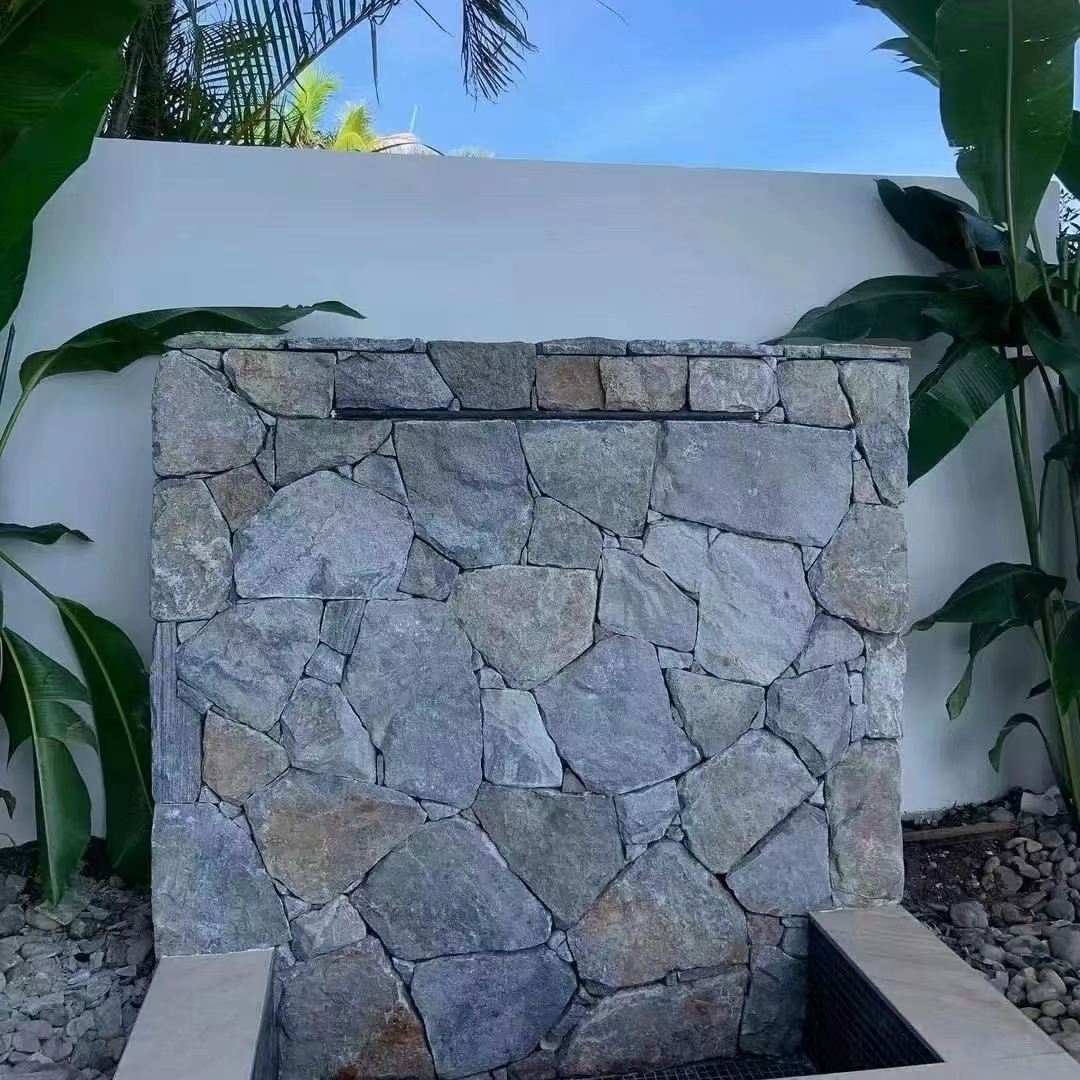
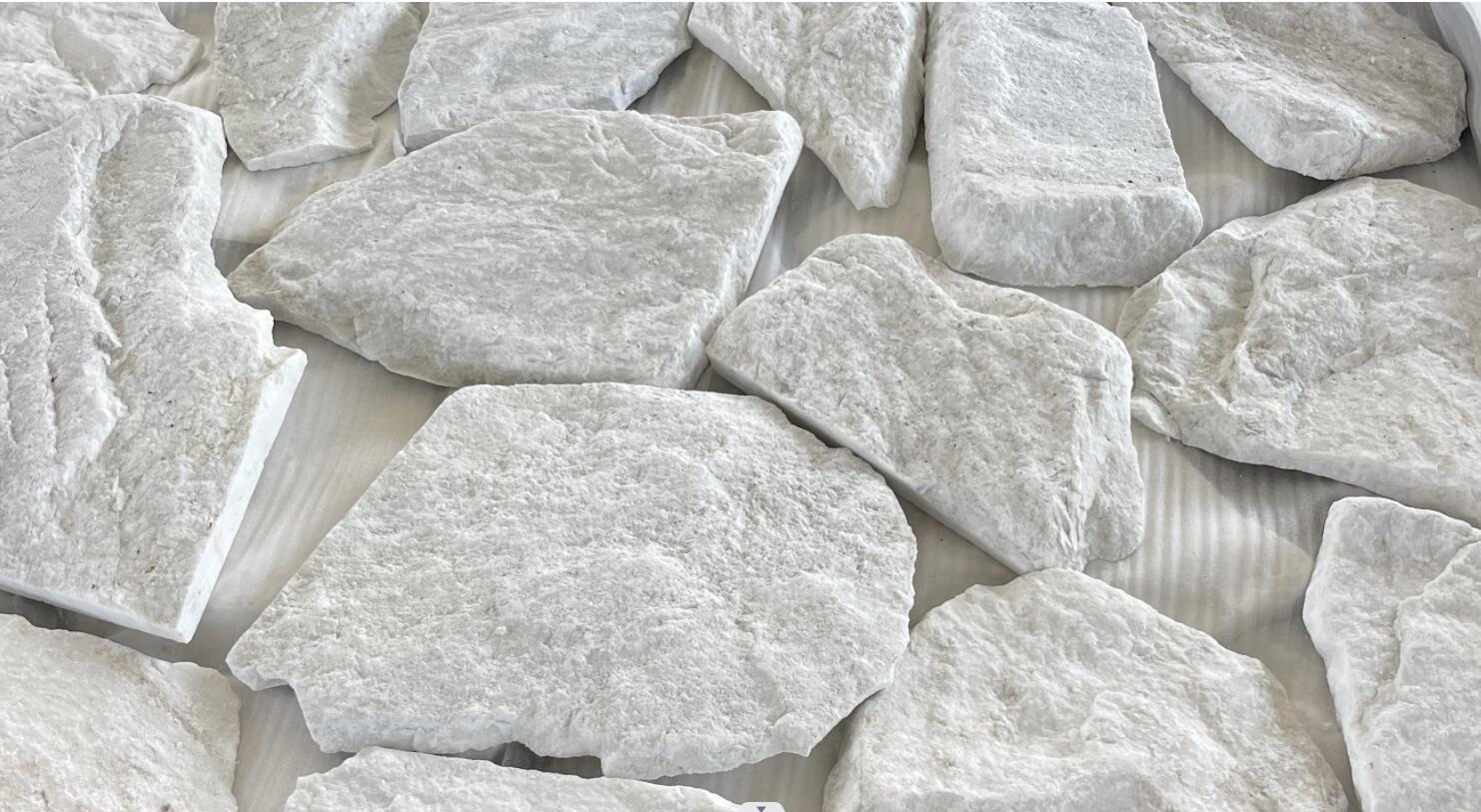
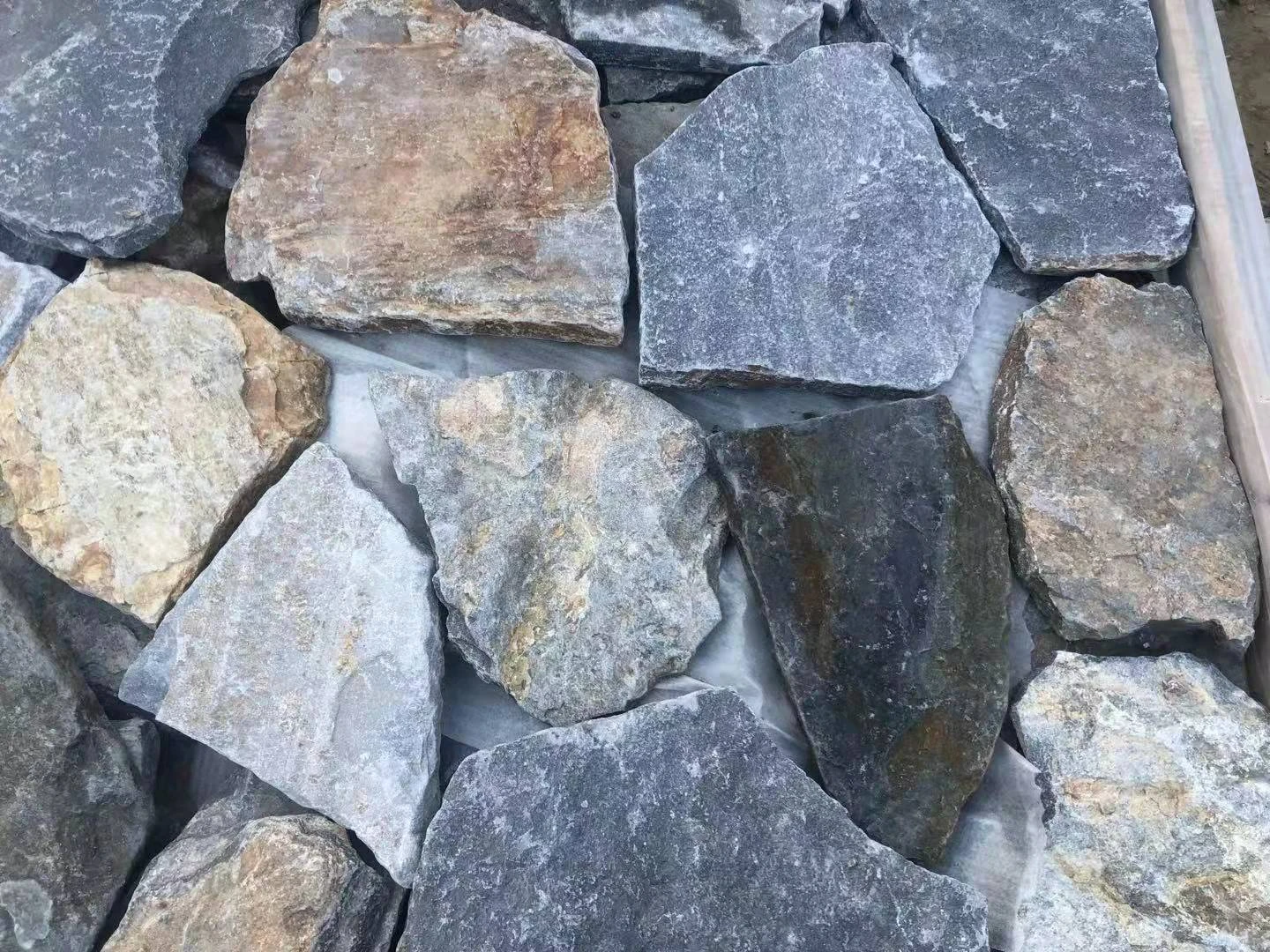
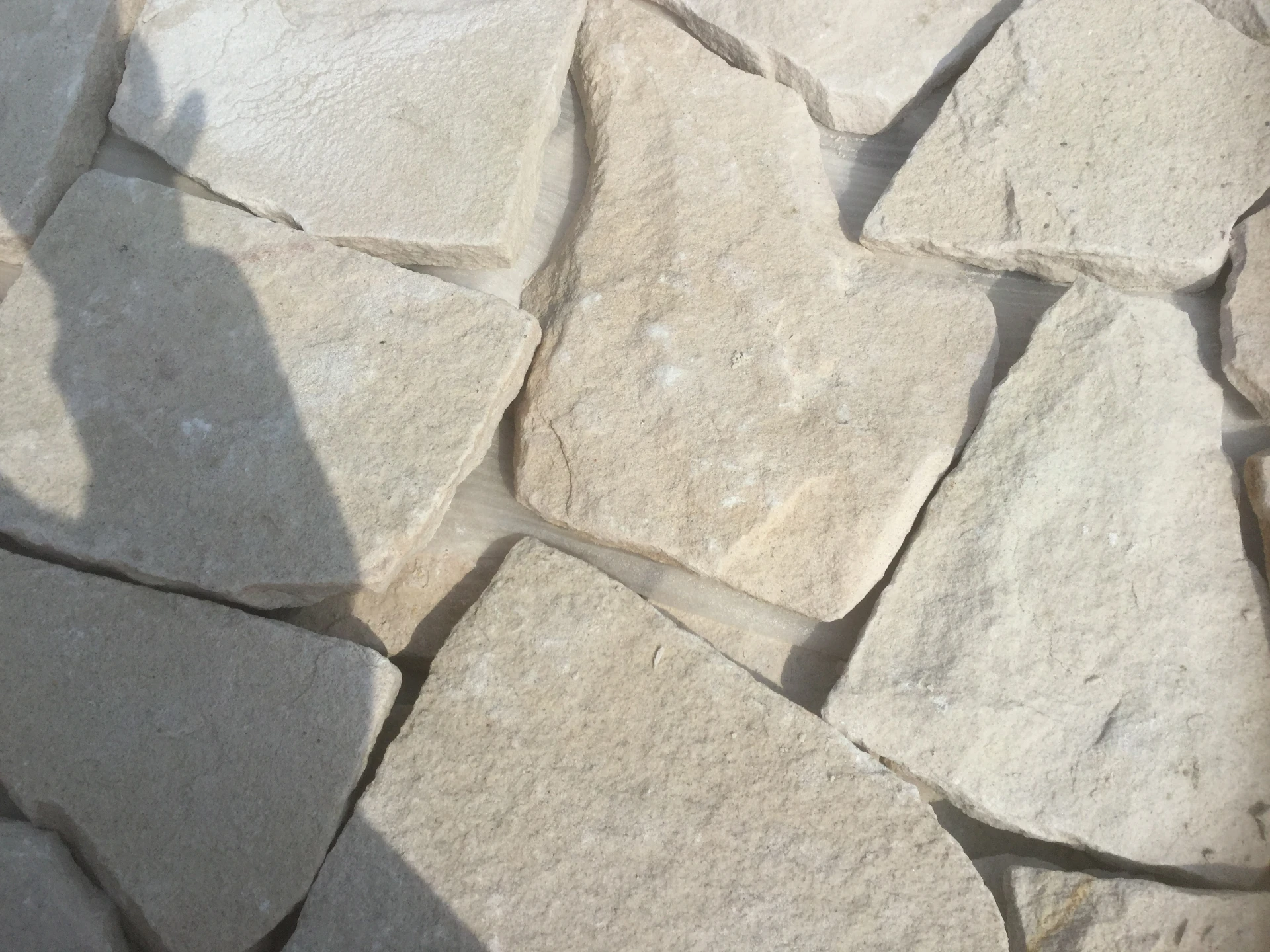
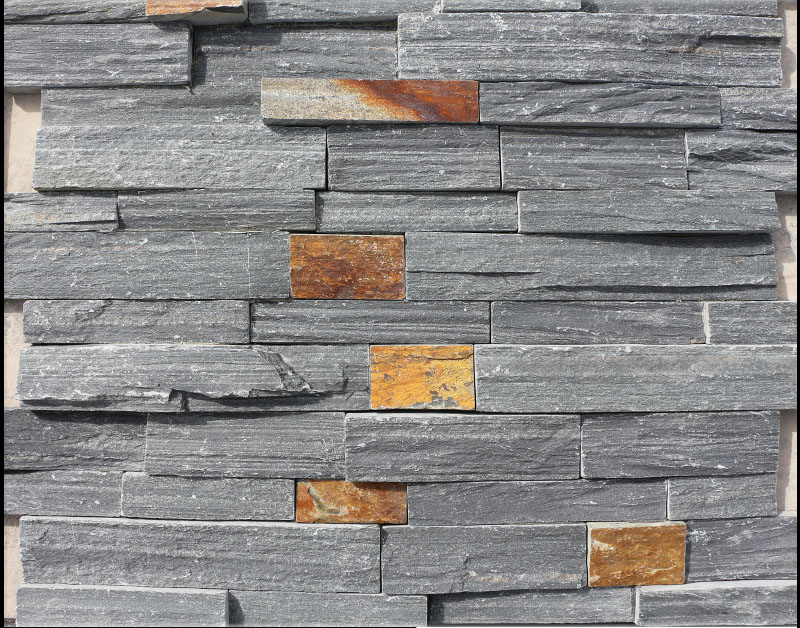
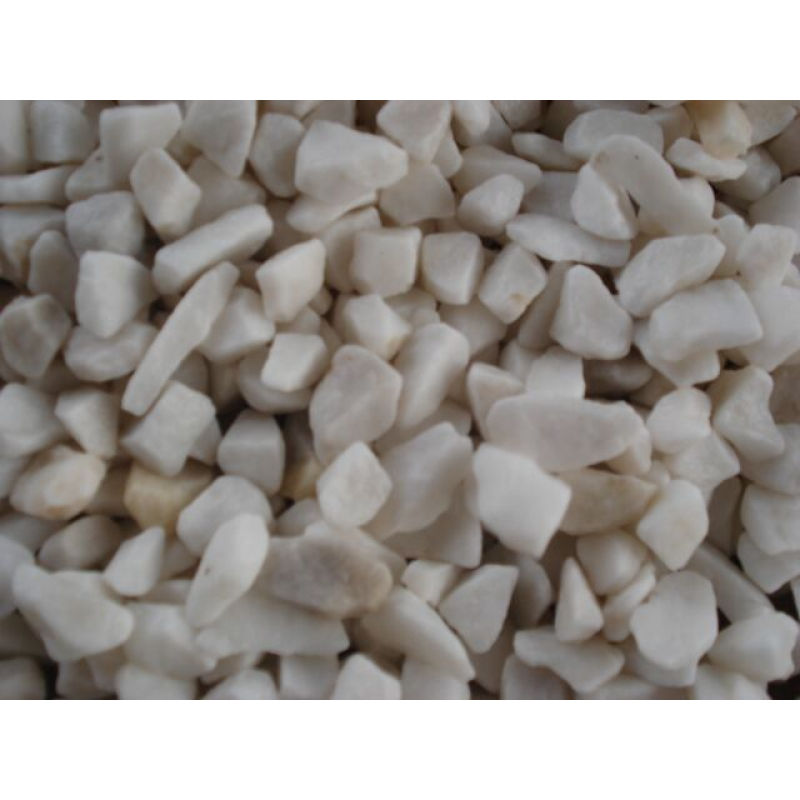
ਕੁਦਰਤੀ ਪੱਥਰ ਘਰਾਂ ਅਤੇ ਬਗੀਚਿਆਂ ਵਿੱਚ ਵਰਤੀ ਜਾਣ ਵਾਲੀ ਸਭ ਤੋਂ ਵੱਧ ਵਰਤੀ ਜਾਂਦੀ ਸਮੱਗਰੀ ਵਿੱਚੋਂ ਇੱਕ ਹੈ। ਪਰ ਕੀ ਤੁਸੀਂ ਕਦੇ ਇਹ ਸੋਚਣਾ ਬੰਦ ਕੀਤਾ ਹੈ ਕਿ ਤੁਹਾਡੀਆਂ ਖਾਸ ਪੱਥਰ ਦੀਆਂ ਟਾਇਲਾਂ, ਇੱਟਾਂ ਜਾਂ ਫਰਸ਼ ਕਿੱਥੋਂ ਆਏ ਹਨ?
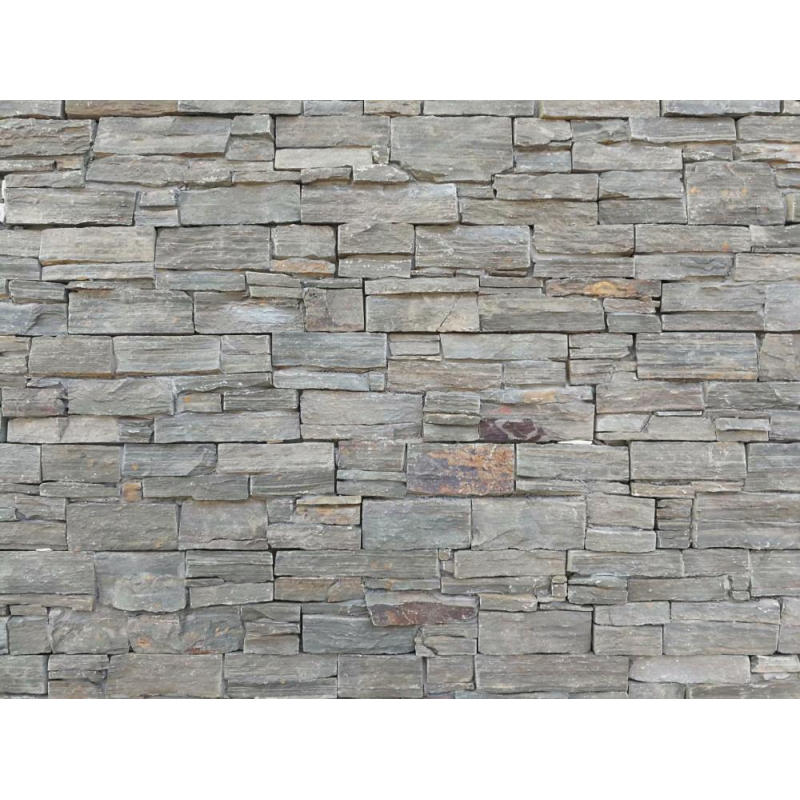
Natural stone was created thousands of years ago when the Earth was just a ball of mineral gases. As these gases began to cool down, they compressed and solidified to form the world we know today. It was during this process that natural stone was formed – the type of stone created depends on what type of minerals were combined at that time. This was a slow process that occurred over millions of years. As the Earth began to settle, many of these seams of stone were gradually pushed to the surface by heat and pressure, creating the large formations we see today.
Stone can come from anywhere in the world, and the type of stone is determined by its origins. There are quarries in America, Mexico, Canada, Italy, Turkey, Australia, and Brazil, as well as many other countries around the globe. Some countries have multiple natural stone quarries, whilst others only have a few. Let’s look in closer detail at where particular stones originate and how they were formed.
ਮਾਰਬਲ is the result of limestone that has been altered through heat and pressure. It’s a versatile stone that can be used on virtually anything – statues, stairs, walls, bathrooms, counter tops, and more. Usually seen in white, marble is also common in black and grey tints, and has great weather endurance.
ਕੁਆਰਟਜ਼ਾਈਟ ਰੇਤਲੇ ਪੱਥਰ ਤੋਂ ਉਤਪੰਨ ਹੁੰਦਾ ਹੈ ਜੋ ਗਰਮੀ ਅਤੇ ਸੰਕੁਚਨ ਦੁਆਰਾ ਬਦਲਿਆ ਗਿਆ ਹੈ। ਪੱਥਰ ਮੁੱਖ ਤੌਰ 'ਤੇ ਗੋਰਿਆਂ ਵਿੱਚ ਆਉਂਦਾ ਹੈ, ਪਰ ਇਸ ਨੂੰ ਭੂਰੇ, ਸਲੇਟੀ ਜਾਂ ਹਰੇ ਰੰਗ ਦੇ ਰੰਗਾਂ ਨਾਲ ਵੀ ਪਾਇਆ ਜਾ ਸਕਦਾ ਹੈ। ਇਹ ਸਭ ਤੋਂ ਕਠਿਨ ਕੁਦਰਤੀ ਪੱਥਰ ਦੀਆਂ ਕਿਸਮਾਂ ਵਿੱਚੋਂ ਇੱਕ ਹੈ, ਇਸ ਨੂੰ ਨਕਾਬ, ਕਾਊਂਟਰਟੌਪਸ, ਅਤੇ ਹੋਰ ਢਾਂਚਿਆਂ ਨੂੰ ਬਣਾਉਣ ਲਈ ਇੱਕ ਵਧੀਆ ਵਿਕਲਪ ਬਣਾਉਂਦਾ ਹੈ ਜਿਨ੍ਹਾਂ ਲਈ ਭਾਰੀ ਡਿਊਟੀ ਪੱਥਰਾਂ ਦੀ ਲੋੜ ਹੁੰਦੀ ਹੈ।
ਗ੍ਰੇਨਾਈਟ ਅਸਲ ਵਿੱਚ ਇੱਕ ਅਗਨੀ ਪੱਥਰ ਸੀ ਜੋ ਮੈਗਮਾ (ਲਾਵਾ) ਦੇ ਸੰਪਰਕ ਵਿੱਚ ਆਇਆ ਸੀ ਅਤੇ ਵੱਖ-ਵੱਖ ਖਣਿਜਾਂ ਦੇ ਸੰਪਰਕ ਵਿੱਚ ਬਦਲਿਆ ਗਿਆ ਸੀ। ਪੱਥਰ ਆਮ ਤੌਰ 'ਤੇ ਉਨ੍ਹਾਂ ਦੇਸ਼ਾਂ ਵਿੱਚ ਪਾਇਆ ਜਾਂਦਾ ਹੈ ਜਿਨ੍ਹਾਂ ਨੇ ਕਿਸੇ ਸਮੇਂ ਉੱਚ ਜਵਾਲਾਮੁਖੀ ਗਤੀਵਿਧੀ ਦੇਖੀ ਹੈ, ਅਤੇ ਕਾਲੇ, ਭੂਰੇ, ਲਾਲ, ਚਿੱਟੇ, ਅਤੇ ਵਿਚਕਾਰਲੇ ਲਗਭਗ ਸਾਰੇ ਰੰਗਾਂ ਤੋਂ ਰੰਗਾਂ ਦੀ ਇੱਕ ਵਿਸ਼ਾਲ ਕਿਸਮ ਵਿੱਚ ਉਪਲਬਧ ਹੈ। ਗ੍ਰੇਨਾਈਟ ਆਪਣੇ ਐਂਟੀਬੈਕਟੀਰੀਅਲ ਗੁਣਾਂ ਦੇ ਕਾਰਨ ਰਸੋਈ ਅਤੇ ਬਾਥਰੂਮ ਲਈ ਇੱਕ ਵਧੀਆ ਵਿਕਲਪ ਹੈ।
ਚੂਨਾ ਪੱਥਰ ਕੋਰਲ, ਸਮੁੰਦਰੀ ਸ਼ੈੱਲ ਅਤੇ ਹੋਰ ਸਮੁੰਦਰੀ ਜੀਵਨ ਦੇ ਇਕੱਠੇ ਸੰਕੁਚਨ ਦਾ ਨਤੀਜਾ ਹੈ। ਚੂਨੇ ਦੀਆਂ ਦੋ ਕਿਸਮਾਂ ਹਨ, ਇੱਕ ਸਖ਼ਤ ਕਿਸਮ ਜੋ ਕੈਲਸ਼ੀਅਮ ਨਾਲ ਭਰਪੂਰ ਹੁੰਦੀ ਹੈ, ਅਤੇ ਇੱਕ ਨਰਮ ਕਿਸਮ ਜਿਸ ਵਿੱਚ ਵਧੇਰੇ ਮੈਗਨੀਸ਼ੀਅਮ ਹੁੰਦਾ ਹੈ। ਹਾਰਡ ਚੂਨੇ ਦਾ ਪੱਥਰ ਅਕਸਰ ਬਿਲਡਿੰਗ ਉਦਯੋਗ ਵਿੱਚ ਵਰਤਿਆ ਜਾਂਦਾ ਹੈ, ਜਾਂ ਇਸਦੇ ਵਾਟਰਪ੍ਰੂਫ ਗੁਣਵੱਤਾ ਦੇ ਕਾਰਨ ਮੋਰਟਾਰ ਵਿੱਚ ਵਰਤਿਆ ਜਾਂਦਾ ਹੈ।
ਬਲੂਸਟੋਨ is sometimes referred to as basalt, and is one of the most common natural stones around the world. Bluestone forms through the alteration of lava, and because of this, is one of the closest stones to the Earth’s surface. Basalt is generally darker in colour, and is used as house roofing and floor tiles because of its hard texture.
ਸਲੇਟ ਉਦੋਂ ਬਣਾਇਆ ਗਿਆ ਸੀ ਜਦੋਂ ਸ਼ੈਲ ਅਤੇ ਮਿੱਟੀ ਦੇ ਪੱਥਰ ਦੇ ਤਲਛਟ ਨੂੰ ਗਰਮੀ ਅਤੇ ਦਬਾਅ ਦੁਆਰਾ ਬਦਲਿਆ ਗਿਆ ਸੀ। ਕਾਲੇ, ਜਾਮਨੀ, ਨੀਲੇ, ਹਰੇ ਅਤੇ ਸਲੇਟੀ ਰੰਗਾਂ ਵਿੱਚ ਉਪਲਬਧ, ਸਲੇਟ ਛੱਤਾਂ ਲਈ ਇੱਕ ਪ੍ਰਸਿੱਧ ਵਿਕਲਪ ਬਣ ਗਈ ਹੈ ਕਿਉਂਕਿ ਇਸਨੂੰ ਪਤਲੇ ਢੰਗ ਨਾਲ ਕੱਟਿਆ ਜਾ ਸਕਦਾ ਹੈ ਅਤੇ ਘੱਟ ਤੋਂ ਘੱਟ ਨੁਕਸਾਨ ਦੇ ਨਾਲ ਠੰਡੇ ਤਾਪਮਾਨ ਦਾ ਸਾਮ੍ਹਣਾ ਕੀਤਾ ਜਾ ਸਕਦਾ ਹੈ। ਸਲੇਟ ਨੂੰ ਇਸਦੇ ਸਥਾਈ ਸੁਭਾਅ ਦੇ ਕਾਰਨ ਅਕਸਰ ਫਲੋਰ ਟਾਇਲਿੰਗ ਵਜੋਂ ਵੀ ਵਰਤਿਆ ਜਾਂਦਾ ਹੈ।
ਟ੍ਰੈਵਰਟਾਈਨ is created when floodwaters wash through limestone, leaving mineral deposits throughout. As it dries out, the extra minerals solidify to gradually create a much denser material called travertine. This stone is good as a replacement for marble or granite, as it’s much lighter and easier to work with, yet still durable. For this reason travertine is often used on floors or walls, and is estimated to last around fifty years if maintained regularly.
 ਅਫਰੀਕੀ
 ਅਲਬਾਨੀਅਨ
 ਅਮਹਾਰਿਕ
 ਅਰਬੀ
 ਅਰਮੀਨੀਆਈ
 ਅਜ਼ਰਬਾਈਜਾਨੀ
 ਬਾਸਕ
 ਬੇਲਾਰੂਸੀ
 ਬੰਗਾਲੀ
 ਬੋਸਨੀਆਈ
 ਬਲਗੇਰੀਅਨ
 ਕੈਟਲਨ
 ਸੇਬੁਆਨੋ
 ਚੀਨ
 ਚੀਨ (ਤਾਈਵਾਨ)
 ਕੋਰਸਿਕਨ
 ਕਰੋਸ਼ੀਅਨ
 ਚੈੱਕ
 ਡੈਨਿਸ਼
 ਡੱਚ
 ਅੰਗਰੇਜ਼ੀ
 ਐਸਪੇਰਾਂਟੋ
 ਇਸਟੋਨੀਅਨ
 ਫਿਨਿਸ਼
 ਫ੍ਰੈਂਚ
 ਫ੍ਰੀਜ਼ੀਅਨ
 ਗੈਲੀਸ਼ੀਅਨ
 ਜਾਰਜੀਅਨ
 ਜਰਮਨ
 ਯੂਨਾਨੀ
 ਗੁਜਰਾਤੀ
 ਹੈਤੀਆਈ ਕ੍ਰੀਓਲ
 ਹਾਉਸਾ
 ਹਵਾਈਅਨ
 ਇਬਰਾਨੀ
 ਨਹੀਂ
 ਮੀਆਓ
 ਹੰਗੇਰੀਅਨ
 ਆਈਸਲੈਂਡਿਕ
 igbo
 ਇੰਡੋਨੇਸ਼ੀਆਈ
 ਆਇਰਿਸ਼
 ਇਤਾਲਵੀ
 ਜਾਪਾਨੀ
 ਜਾਵਨੀਜ਼
 ਕੰਨੜ
 ਕਜ਼ਾਖ
 ਖਮੇਰ
 ਰਵਾਂਡਾ
 ਕੋਰੀਅਨ
 ਕੁਰਦਿਸ਼
 ਕਿਰਗਿਜ਼
 ਟੀ.ਬੀ
 ਲਾਤੀਨੀ
 ਲਾਤਵੀਅਨ
 ਲਿਥੁਆਨੀਅਨ
 ਲਕਸਮਬਰਗਿਸ਼
 ਮੈਸੇਡੋਨੀਅਨ
 ਮਾਲਗਾਸ਼ੀ
 ਮਾਲੇ
 ਮਲਿਆਲਮ
 ਮਾਲਟੀਜ਼
 ਮਾਓਰੀ
 ਮਰਾਠੀ
 ਮੰਗੋਲੀਆਈ
 ਮਿਆਂਮਾਰ
 ਨੇਪਾਲੀ
 ਨਾਰਵੇਜਿਅਨ
 ਨਾਰਵੇਜਿਅਨ
 ਆਕਸੀਟਨ
 ਪਸ਼ਤੋ
 ਫਾਰਸੀ
 ਪੋਲਿਸ਼
 ਪੁਰਤਗਾਲੀ
 ਪੰਜਾਬੀ
 ਰੋਮਾਨੀਅਨ
 ਰੂਸੀ
 ਸਮੋਆਨ
 ਸਕਾਟਿਸ਼ ਗੇਲਿਕ
 ਸਰਬੀਆਈ
 ਅੰਗਰੇਜ਼ੀ
 ਸ਼ੋਨਾ
 ਸਿੰਧੀ
 ਸਿੰਹਾਲਾ
 ਸਲੋਵਾਕ
 ਸਲੋਵੇਨੀਆਈ
 ਸੋਮਾਲੀ
 ਸਪੇਨੀ
 ਸੁੰਡਨੀਜ਼
 ਸਵਾਹਿਲੀ
 ਸਵੀਡਿਸ਼
 ਤਾਗਾਲੋਗ
 ਤਾਜਿਕ
 ਤਾਮਿਲ
 ਤਾਤਾਰ
 ਤੇਲਗੂ
 ਥਾਈ
 ਤੁਰਕੀ
 ਤੁਰਕਮੇਨ
 ਯੂਕਰੇਨੀ
 ਉਰਦੂ
 ਉਈਗਰ
 ਉਜ਼ਬੇਕ
 ਵੀਅਤਨਾਮੀ
 ਵੈਲਸ਼