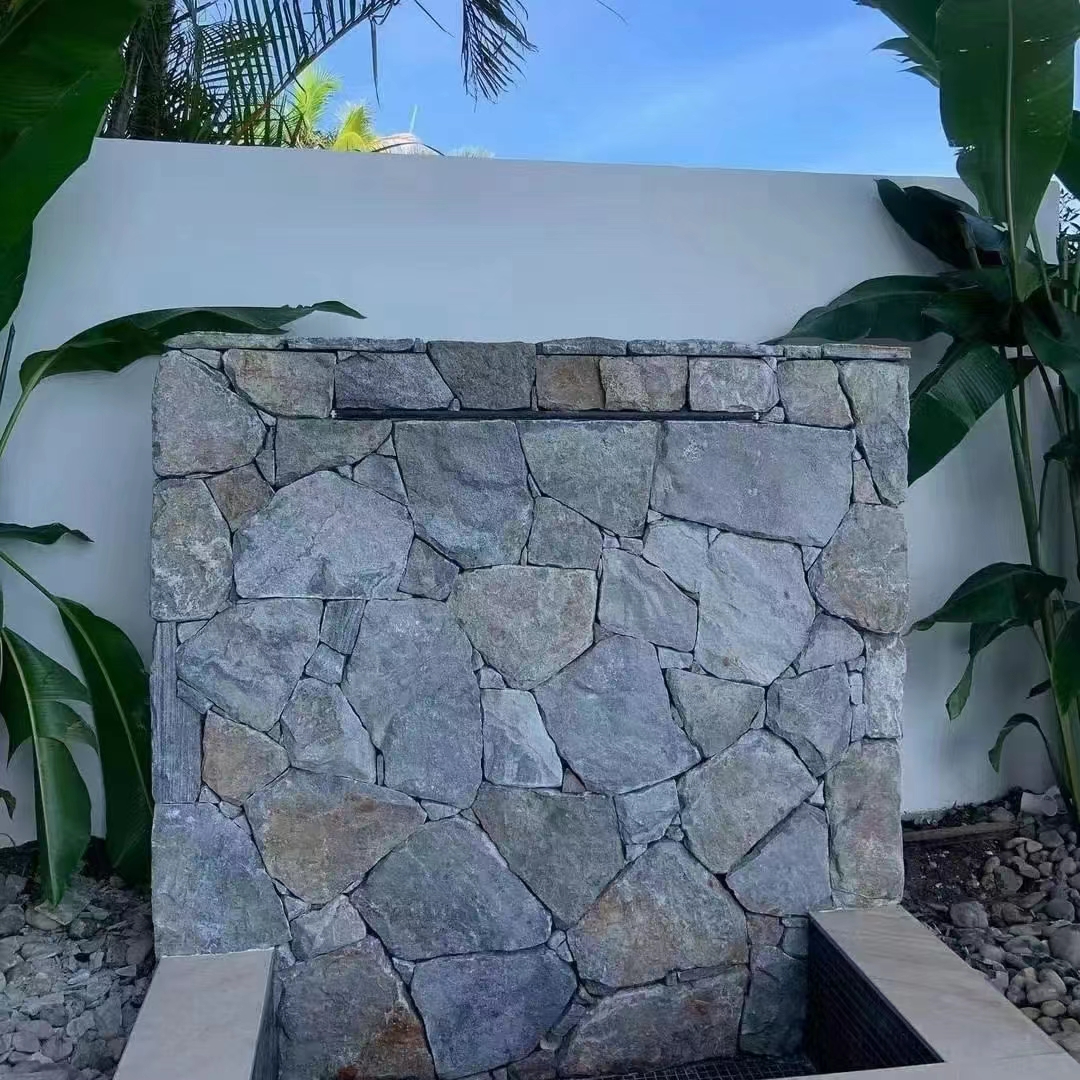
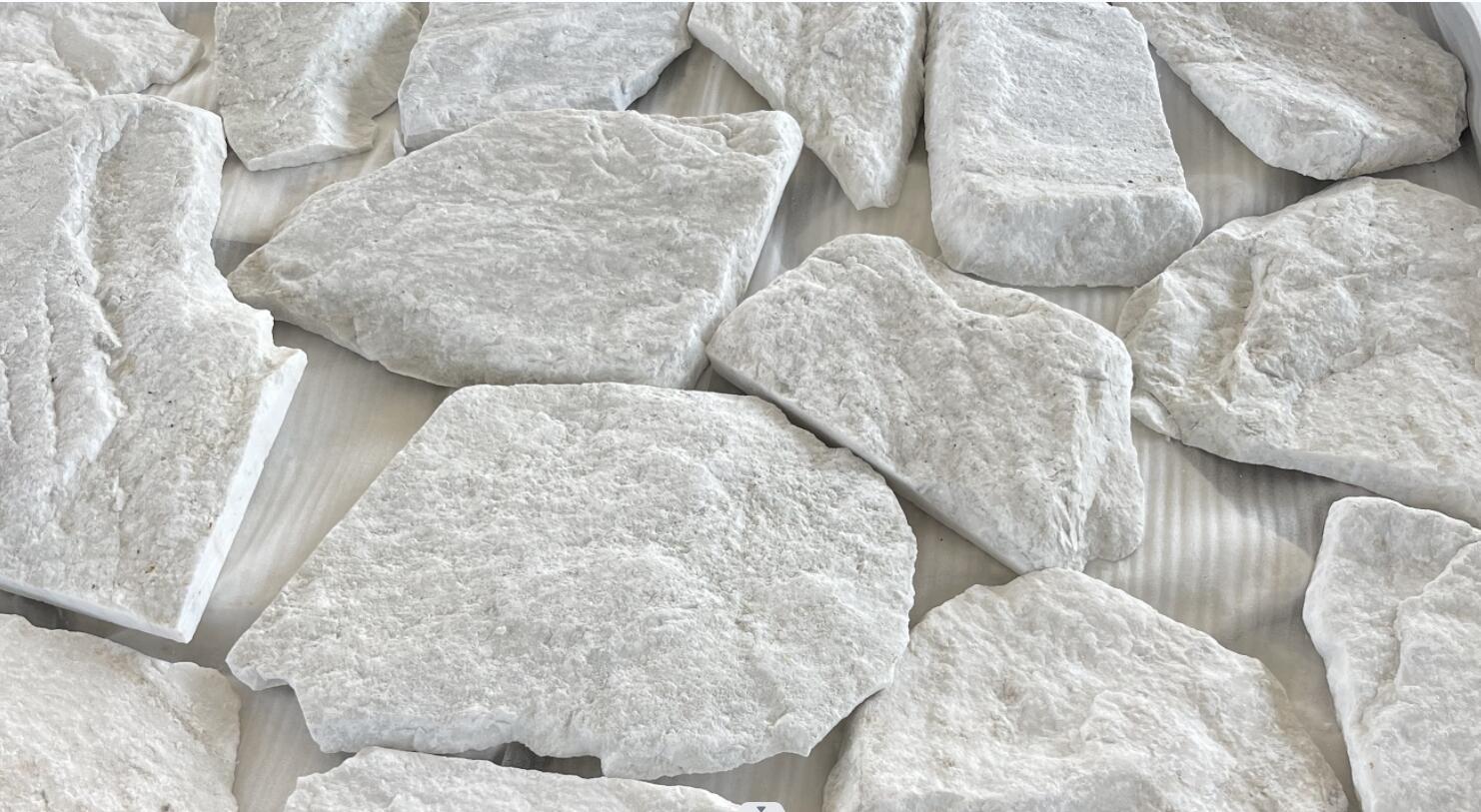
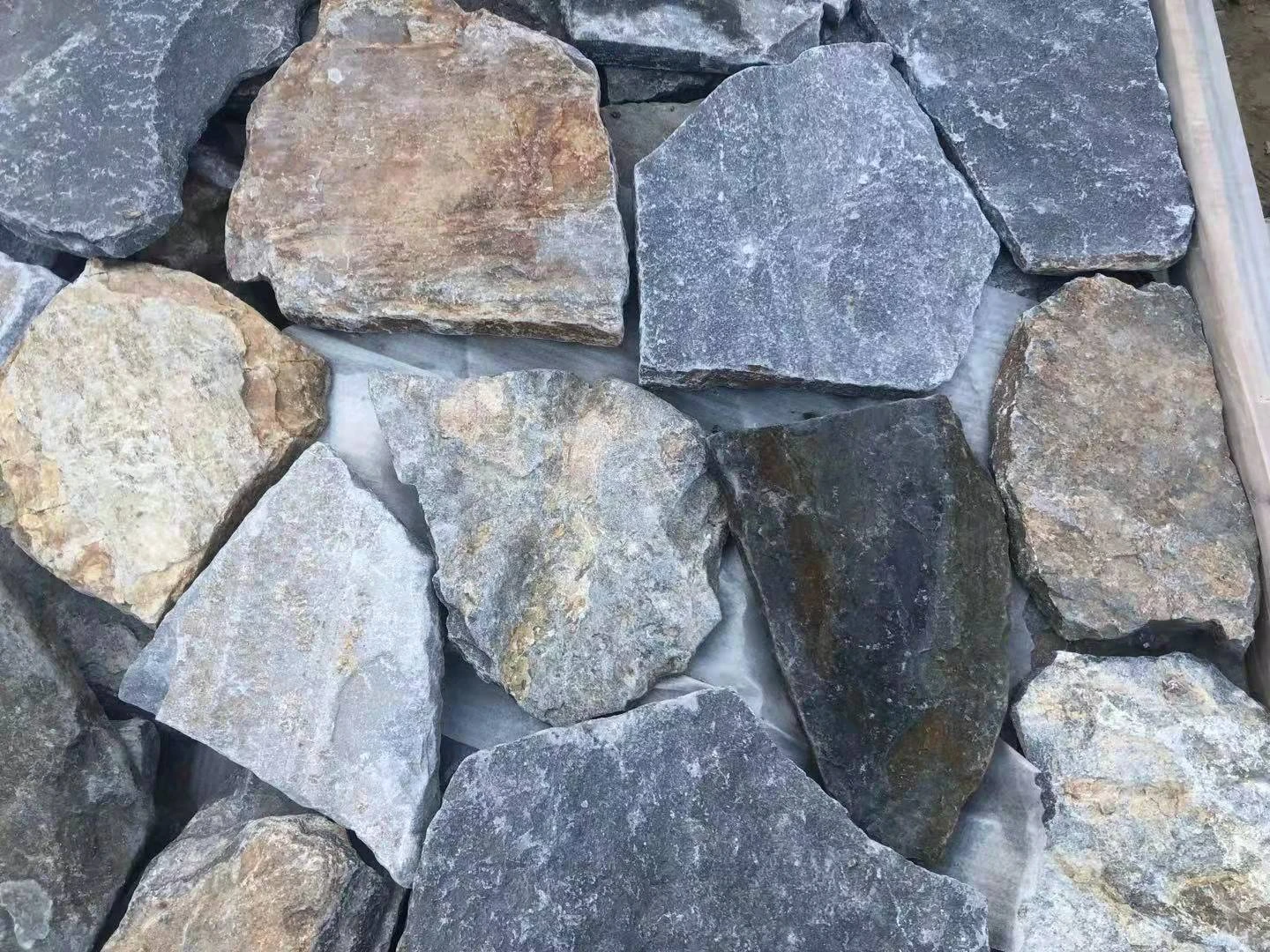
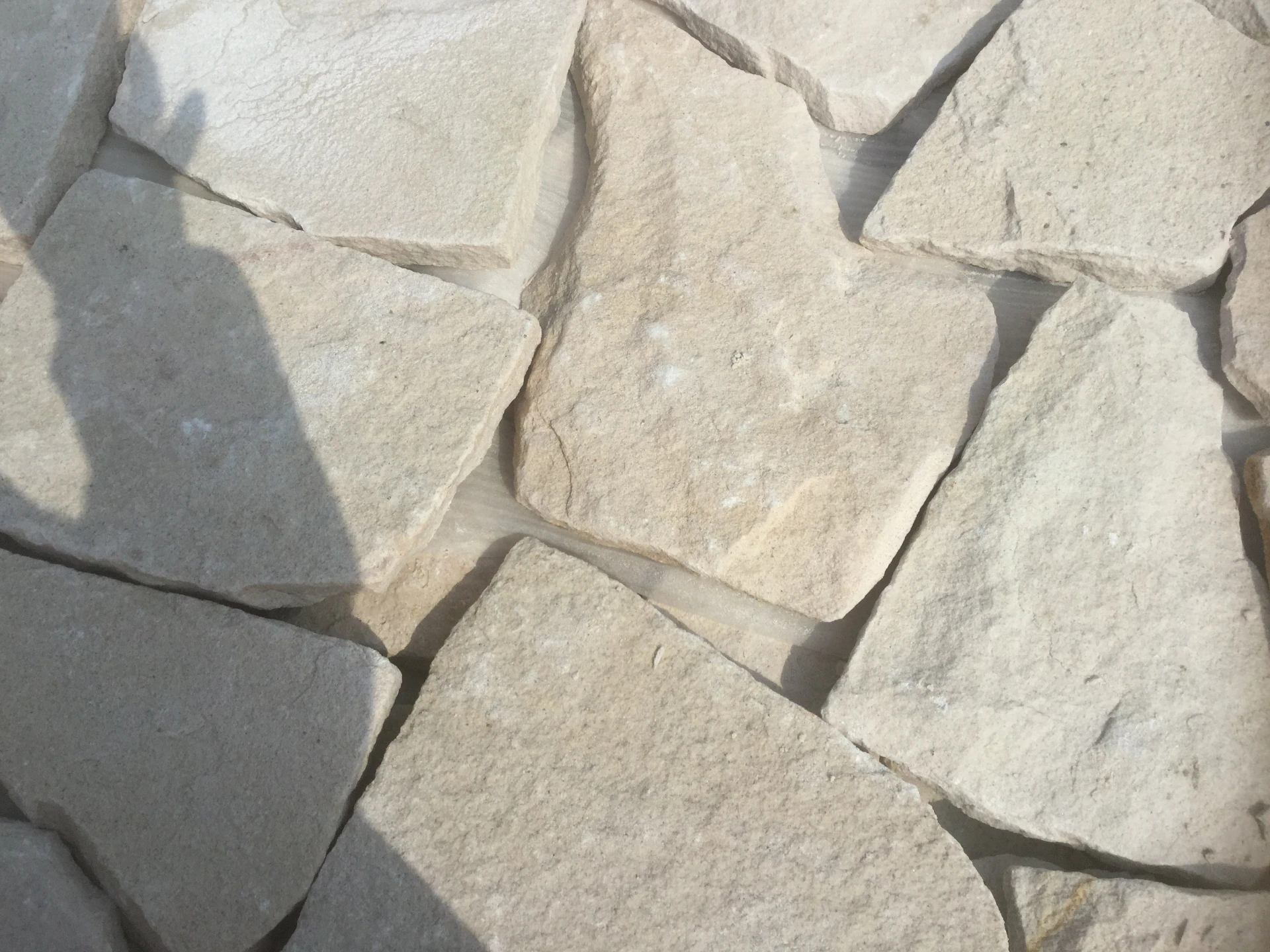
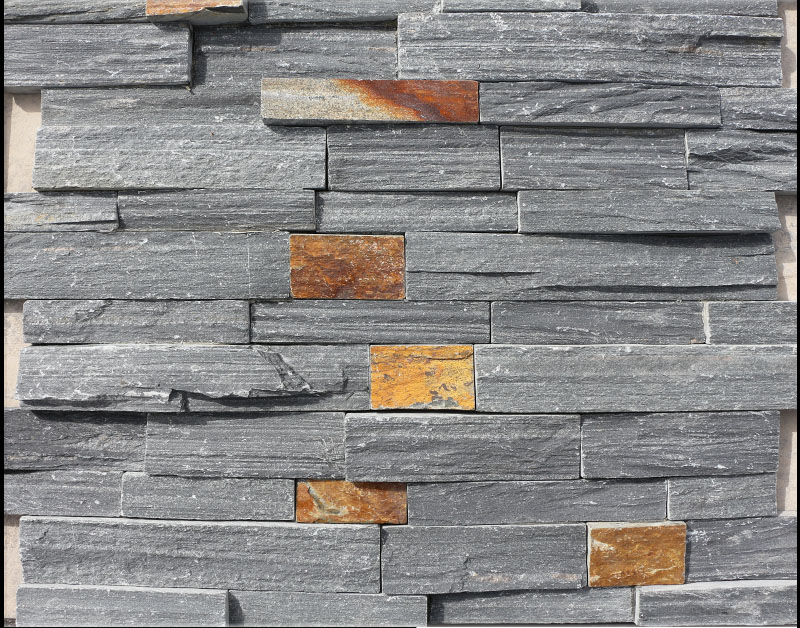
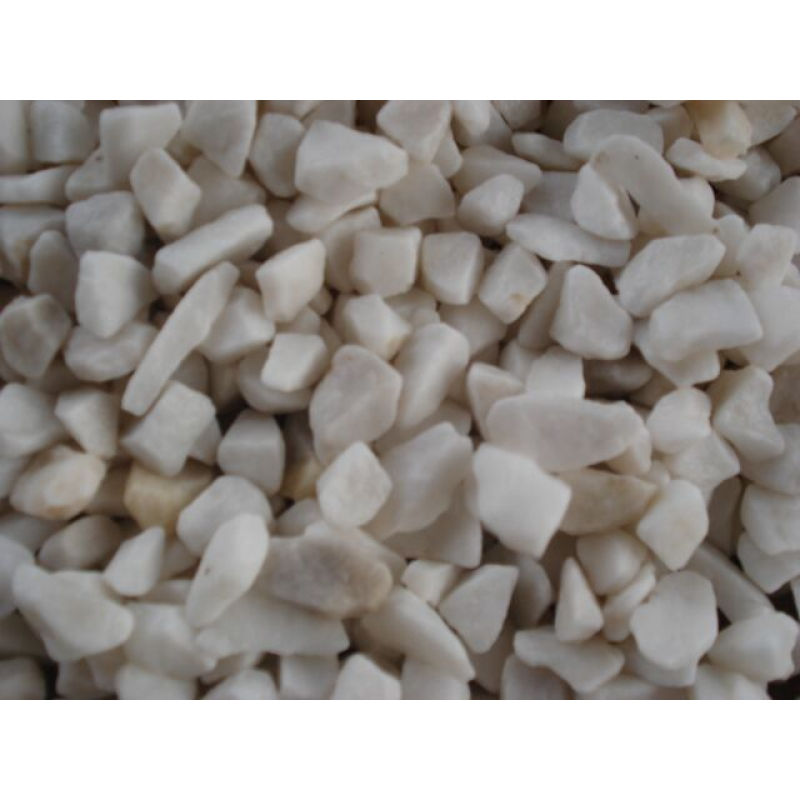
Натуральны камень з'яўляецца адным з найбольш часта выкарыстоўваюцца матэрыялаў, якія выкарыстоўваюцца ў дамах і садах. Але вы калі-небудзь задумваліся над тым, адкуль узяліся вашы каменныя пліткі, цэгла ці падлога?
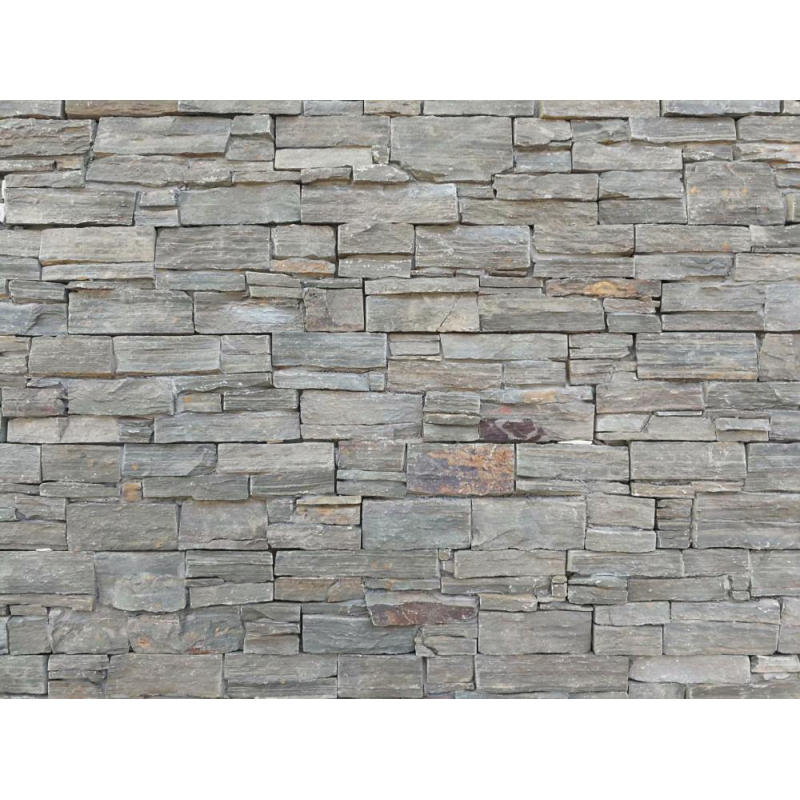
Natural stone was created thousands of years ago when the Earth was just a ball of mineral gases. As these gases began to cool down, they compressed and solidified to form the world we know today. It was during this process that natural stone was formed – the type of stone created depends on what type of minerals were combined at that time. This was a slow process that occurred over millions of years. As the Earth began to settle, many of these seams of stone were gradually pushed to the surface by heat and pressure, creating the large formations we see today.
Stone can come from anywhere in the world, and the type of stone is determined by its origins. There are quarries in America, Mexico, Canada, Italy, Turkey, Australia, and Brazil, as well as many other countries around the globe. Some countries have multiple natural stone quarries, whilst others only have a few. Let’s look in closer detail at where particular stones originate and how they were formed.
Мармуровы is the result of limestone that has been altered through heat and pressure. It’s a versatile stone that can be used on virtually anything – statues, stairs, walls, bathrooms, counter tops, and more. Usually seen in white, marble is also common in black and grey tints, and has great weather endurance.
Кварцыт паходзіць з пяшчаніку, які быў зменены праз цяпло і сціск. Камень у асноўным бывае белага колеру, але яго таксама можна знайсці з карычневым, шэрым або зеленаватым адценнем. Гэта адзін з самых цвёрдых тыпаў прыроднага каменя, што робіць яго выдатным выбарам для фасадаў будынкаў, стальніц і іншых канструкцый, якія патрабуюць звышмоцных камянёў.
Граніт першапачаткова быў магматычным каменем, які быў падвергнуты ўздзеянню магмы (лавы) і зменены ў выніку ўздзеяння розных мінералаў. Камень звычайна сустракаецца ў краінах, дзе ў нейкі момант назіралася высокая вулканічная актыўнасць, і даступны ў вялікай разнастайнасці колераў: чорны, карычневы, чырвоны, белы і амаль усе колеры паміж імі. Граніт - выдатны варыянт для кухняў і ванных пакояў дзякуючы сваім антыбактэрыйным якасцям.
Вапняк з'яўляецца вынікам сціску каралаў, марскіх ракавін і іншых насельнікаў акіяна. Ёсць два тыпу вапняка: больш цвёрды, які багаты кальцыем, і больш мяккі з большай колькасцю магнію. Цвёрды вапняк часта выкарыстоўваецца ў будаўнічай індустрыі або здрабняецца і выкарыстоўваецца ў растворы з-за яго воданепранікальнасці.
Сіні камень is sometimes referred to as basalt, and is one of the most common natural stones around the world. Bluestone forms through the alteration of lava, and because of this, is one of the closest stones to the Earth’s surface. Basalt is generally darker in colour, and is used as house roofing and floor tiles because of its hard texture.
Шыфер быў створаны, калі сланцы і аргілліты былі зменены пад дзеяннем цяпла і ціску. Даступны ў колерах ад чорнага, фіялетавага, сіняга, зялёнага і шэрага, шыфер стаў папулярным выбарам для даху, паколькі яго можна тонка рэзаць і вытрымліваць нізкія тэмпературы з мінімальнымі пашкоджаннямі. Шыфер таксама часта выкарыстоўваецца ў якасці падлогавай пліткі з-за яго даўгавечнасці.
Траверцін is created when floodwaters wash through limestone, leaving mineral deposits throughout. As it dries out, the extra minerals solidify to gradually create a much denser material called travertine. This stone is good as a replacement for marble or granite, as it’s much lighter and easier to work with, yet still durable. For this reason travertine is often used on floors or walls, and is estimated to last around fifty years if maintained regularly.
 афрыканскі
  албанец
  Амхарская
  арабская
  армянская
  Азербайджанская
  Баскская
  беларускі
  бенгальская
  басьнійскі
  балгарская
  каталонская
  себуанскі
  Кітай
Кітай  Кітай (Тайвань)
  Карсіканскі
  харвацкая
  чэшская
  дацкая
  галандскі
  англійская
  Эсперанта
  эстонскі
  фінская
  французскі
  фрызская
  галісійскі
  грузінскі
  нямецкі
  грэцкі
  Гуджараці
  Гаіцянская крэольская
  хаўса
хаўса  гавайскі
  іўрыт
іўрыт  не
не  Мяо
Мяо  венгерскі
  ісландская
  ігбо
ігбо  інданезійскі
  ірландскі
  італьянскі
  Японскі
  яванскі
  каннада
  казахская
  кхмерская
  Руандыйскі
  карэйская
  курдская
  кіргізская
  Сухоты
  лацінка
  Латышскі
  літоўскі
  Люксембургскі
  Македонская
  Малгашы
  малайская
  Малаялам
  мальтыйская
  Маоры
Маоры  Маратхі
  Мангольская
  М'янма
  непальская
  нарвежская
  нарвежская
  аксітанская
  пушту
пушту  фарсі
фарсі  польская
  партугальская
  Панджабі
  румынская
  рускі
рускі  самаанская
  шатландская гэльская
  сербская
  англійская
  шона
шона  сіндхі
  сінгальская
  славацкая
  Славенская
  самалійская
  іспанскі
  сунданская
  Суахілі
  шведская
  тагальская
  таджыкская
  тамільская
  татарскі
  Тэлугу
  Тайская
  турэцкая
  туркменскі
  украінскі
  Урду
Урду  уйгурскі
  узбекская
  в'етнамская
  валійская