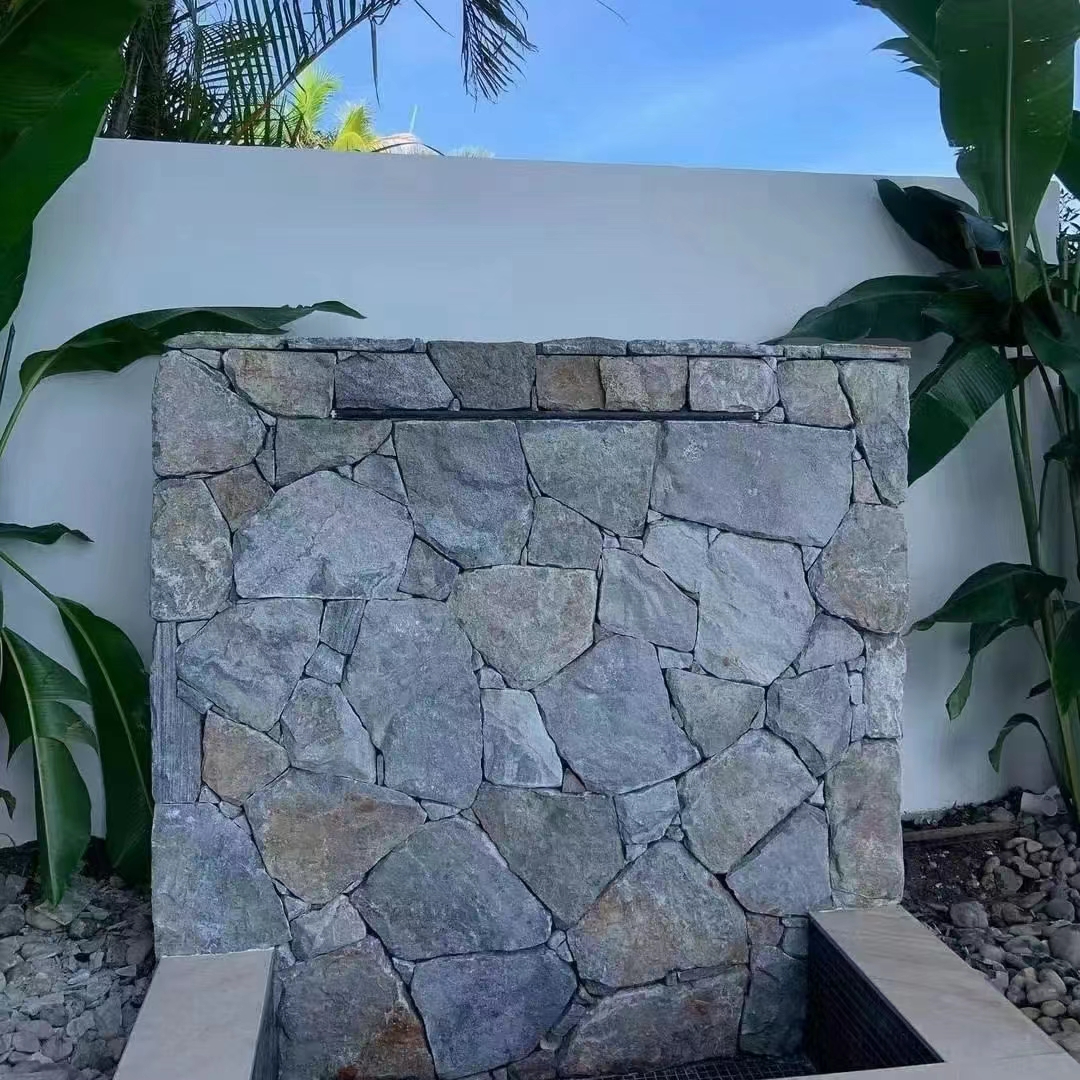
Maa faanatura o se tasi o mea e masani ona faʻaaogaina i totonu o fale ma togalaau. Ae pe na e tu ea e mafaufau pe o fea na sau ai au maa maʻa, piliki, poʻo fola?
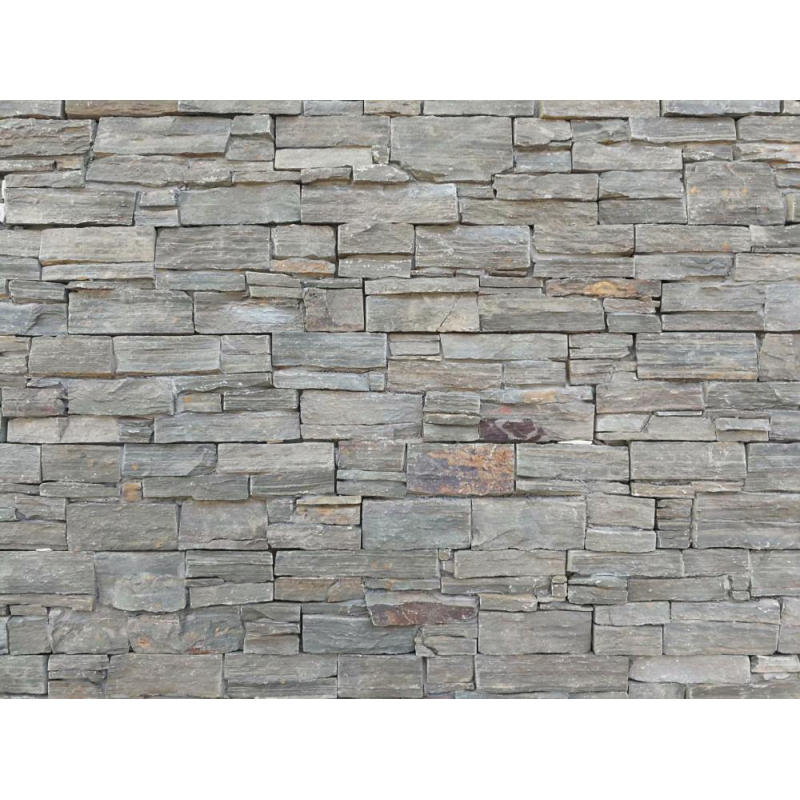
Natural stone was created thousands of years ago when the Earth was just a ball of mineral gases. As these gases began to cool down, they compressed and solidified to form the world we know today. It was during this process that natural stone was formed – the type of stone created depends on what type of minerals were combined at that time. This was a slow process that occurred over millions of years. As the Earth began to settle, many of these seams of stone were gradually pushed to the surface by heat and pressure, creating the large formations we see today.
Stone can come from anywhere in the world, and the type of stone is determined by its origins. There are quarries in America, Mexico, Canada, Italy, Turkey, Australia, and Brazil, as well as many other countries around the globe. Some countries have multiple natural stone quarries, whilst others only have a few. Let’s look in closer detail at where particular stones originate and how they were formed.
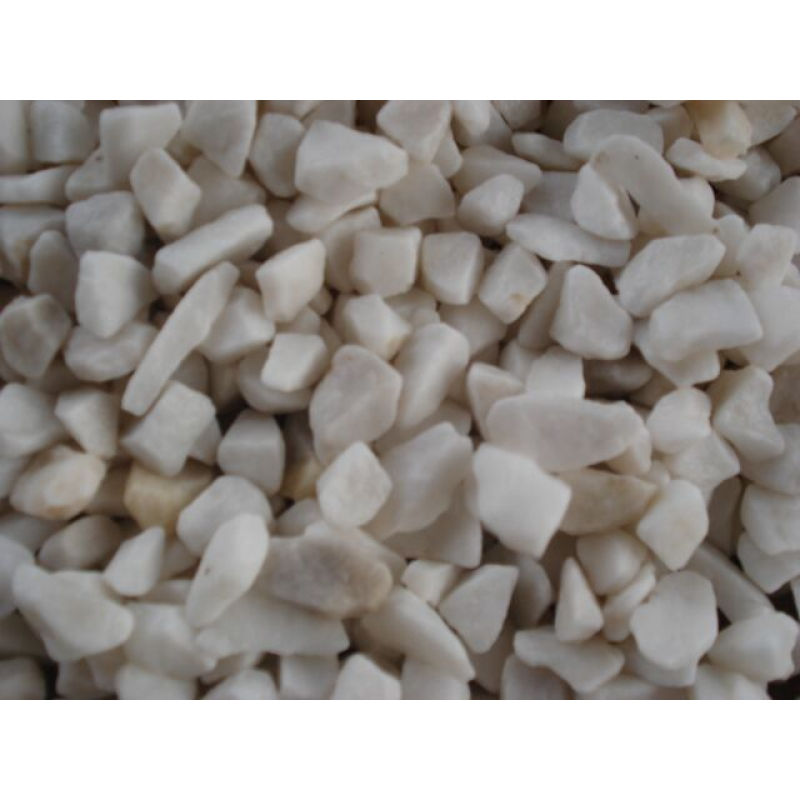
Maamora is the result of limestone that has been altered through heat and pressure. It’s a versatile stone that can be used on virtually anything – statues, stairs, walls, bathrooms, counter tops, and more. Usually seen in white, marble is also common in black and grey tints, and has great weather endurance.
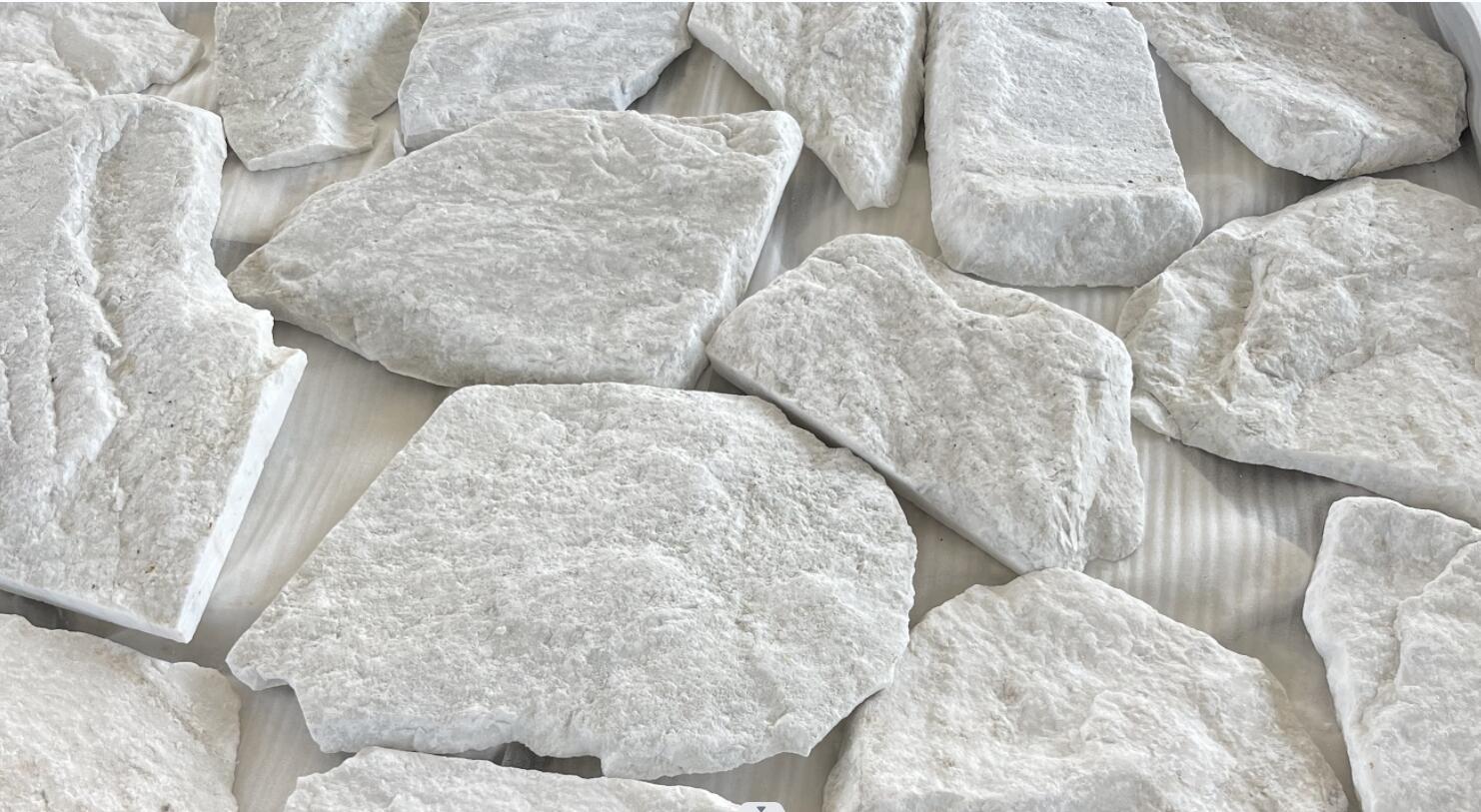
Kuarsite e afua mai i le maa oneone ua suia ona o le vevela ma le fa'amalosi. O le ma'a e masani lava ona sau i lanu pa'epa'e, ae mafai fo'i ona maua i lanu enaena, efuefu, po'o le lanu meamata. O se tasi lea o ituaiga maa faanatura sili ona faigata, ma avea ai ma filifiliga sili mo le fausiaina o facades, countertops, ma isi fausaga e manaʻomia ai maʻa mamafa.
Granite na muai avea o se maa aasa na fa'aalia i magma (lava) ma suia e ala i le fa'aalia i minerale eseese. O le maa e masani ona maua i atunuu ua vaaia le maualuga o le volcanic i se taimi, ma e maua i le tele o lanu eseese mai le uliuli, enaena, mumu, paepae, ma toetoe lava o lanu uma i le va. Granite o se filifiliga sili mo umukuka ma faletaele ona o ona uiga antibacterial.
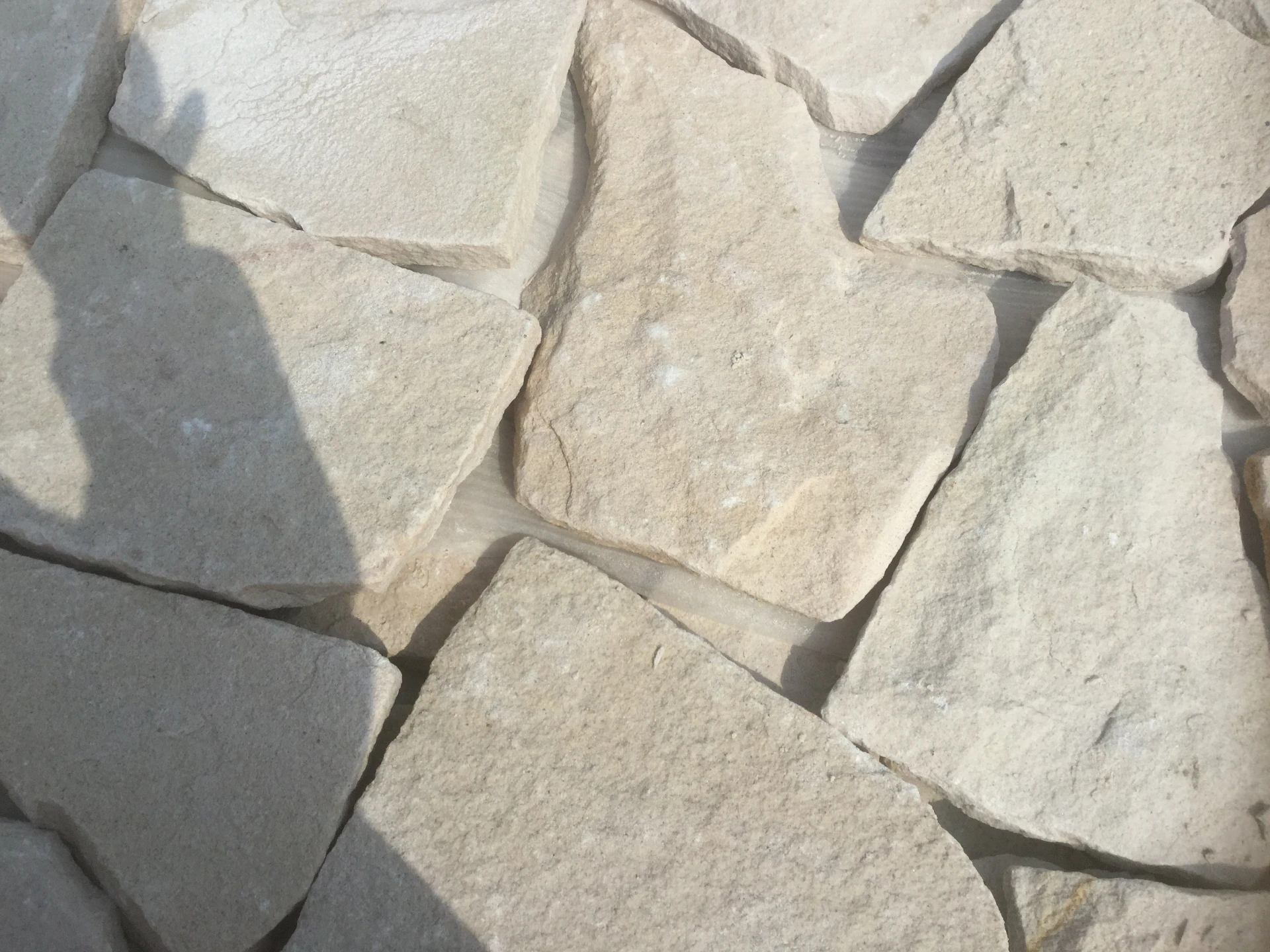
Ma'a'ole'a o le taunuuga lea o le oomi faatasi o amu, figota, ma isi meaola o le sami. E lua ituaiga o maa limestone, o se maa malosi e tumu i le calcium, ma se ituaiga vaivai e sili atu le magnesium. E masani ona fa'aogaina le ma'a'a'a malo i fale faufale, po'o le 'ele'ele ma fa'aoga i le sima ona o lona lelei e le susu.
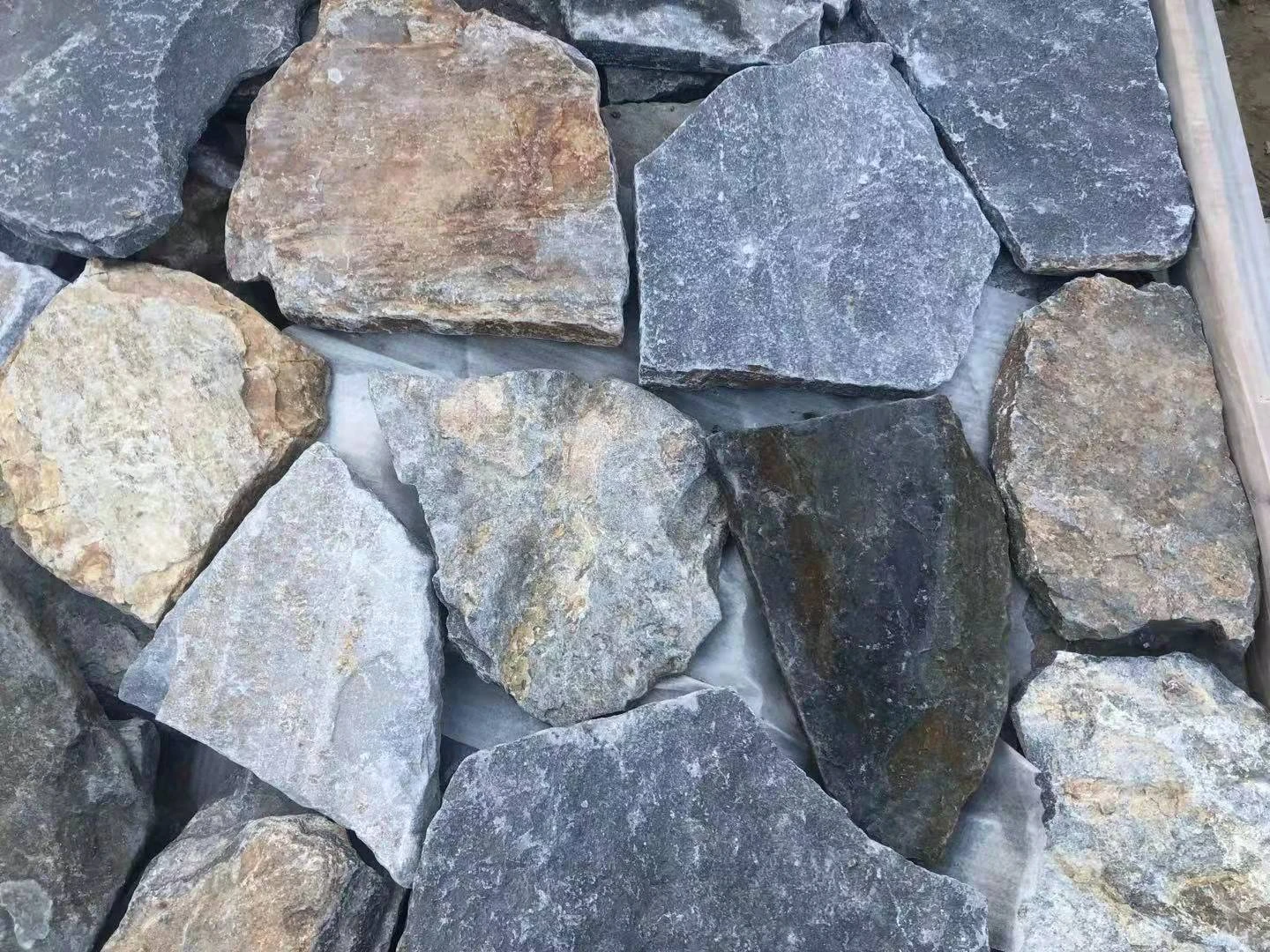
Bluestone is sometimes referred to as basalt, and is one of the most common natural stones around the world. Bluestone forms through the alteration of lava, and because of this, is one of the closest stones to the Earth’s surface. Basalt is generally darker in colour, and is used as house roofing and floor tiles because of its hard texture.
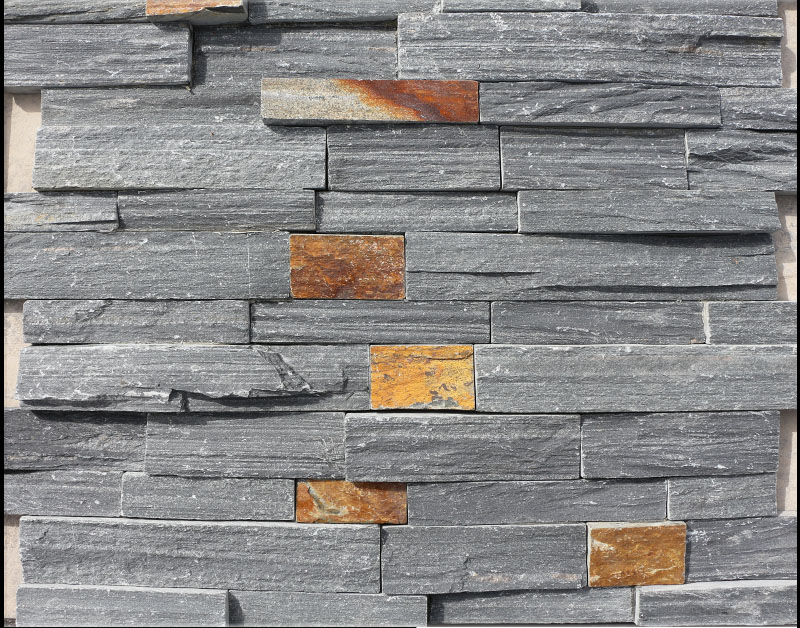
Slate na faia ina ua suia le pala ma le palapala palapala ona o le vevela ma le mamafa. E maua i lanu mai le uliuli, lanu viole, lanumoana, lanumeamata, ma le efuefu, ua avea le slate ma se filifiliga lauiloa mo le taualuga aua e mafai ona tipi manifinifi ma tatalia le malulu ma sina mea leaga. E masani fo'i ona fa'aogaina le ma'a e fai ma fola ona o lona natura tumau.
Travertine is created when floodwaters wash through limestone, leaving mineral deposits throughout. As it dries out, the extra minerals solidify to gradually create a much denser material called travertine. This stone is good as a replacement for marble or granite, as it’s much lighter and easier to work with, yet still durable. For this reason travertine is often used on floors or walls, and is estimated to last around fifty years if maintained regularly.
 Aferika
  Alapania
  Amharic
  Alapi
Alapi  Armenian
  Azerbaijani
  Basque
  Pelalusiana
  Bengali
  Bosnian
  Bulgarian
  Katalana
  Sepuano
  Saina
Saina  Saina (Taiwan)
  Kosikana
  Croatian
  Czech
Czech  Danish
  Siamani
  Igilisi
  Eseperano
  Estonian
  Finnish
  Falani
  Frisian
  Galician
  Georgian
  Siamani
  Greek
Greek  Gujarati
  Haiti Kereole
  Hausa
Hausa  Havaii
  Eperu
Eperu  Leai
Leai  Miao
Miao  Hungarian
  Icelandic
  igbo
igbo  Indonesian
  Aialani
  Italia
  Iapani
  Javanese
  Kannada
  Kasaka
  Khmer
Khmer  Rwanda
  Kolea
Kolea  Kutisa
  Kirikisi
  TB
TB  Latina
  Latvian
  Lituaniana
  Lusemipoukisi
  Macedonian
  Malgashi
  Malay
Malay  Malayalam
  Maltese
  Maoli
Maoli  Marathi
  Mokoliana
  Myanmar
  Nepali
  Norwegian
  Norwegian
  Occitan
  Pasato
  Persian
  Polish
  Portuguese
  Punitapi
  Lomani
  Lusia
Lusia  Samoa
Samoa  Sikotilani Gaelic
  Serbian
  Igilisi
  Shona
Shona  Sindhi
  Sinhala
  Slovak
  Slovenian
  Somali
  Sipaniolo
  Sundanese
  Swahili
  Swedish
  Tagalog
  Tajik
Tajik  Tamil
Tamil  Tatar
Tatar  Telugu
  Fa'a Thai
  Turkish
  tamaloloa Take
  Ukaraina
  Urdu
Urdu  Uighur
  Uzbek
Uzbek  Vietnamese
  Uelese