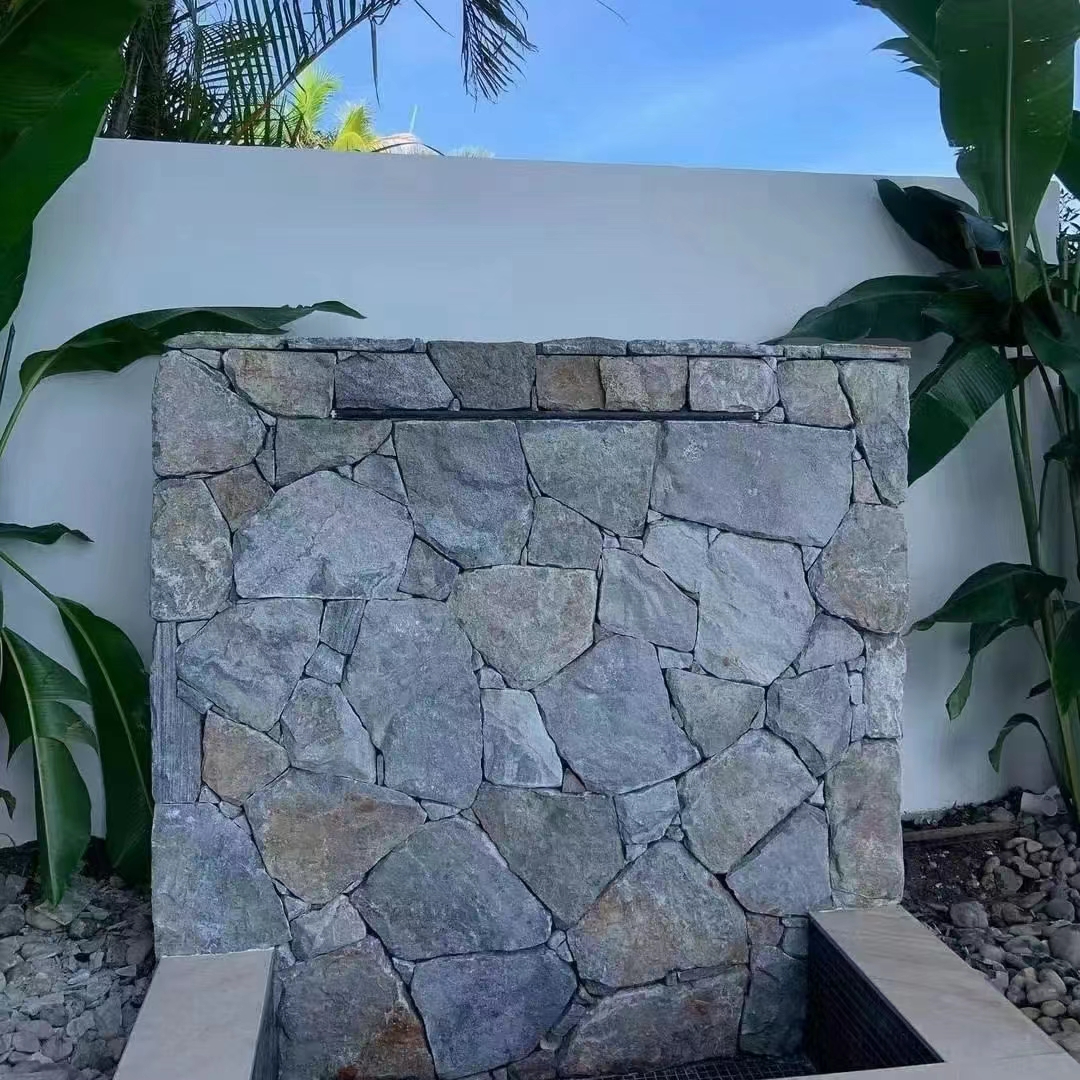
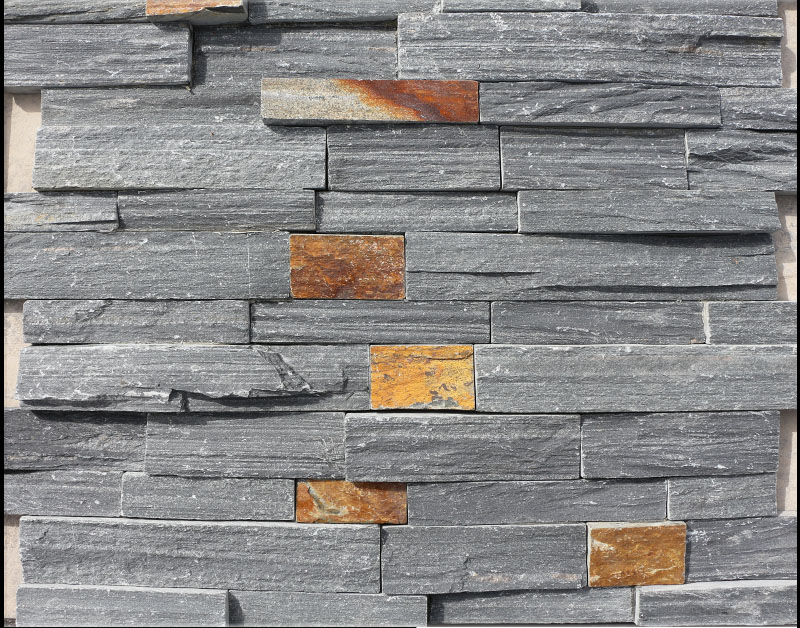
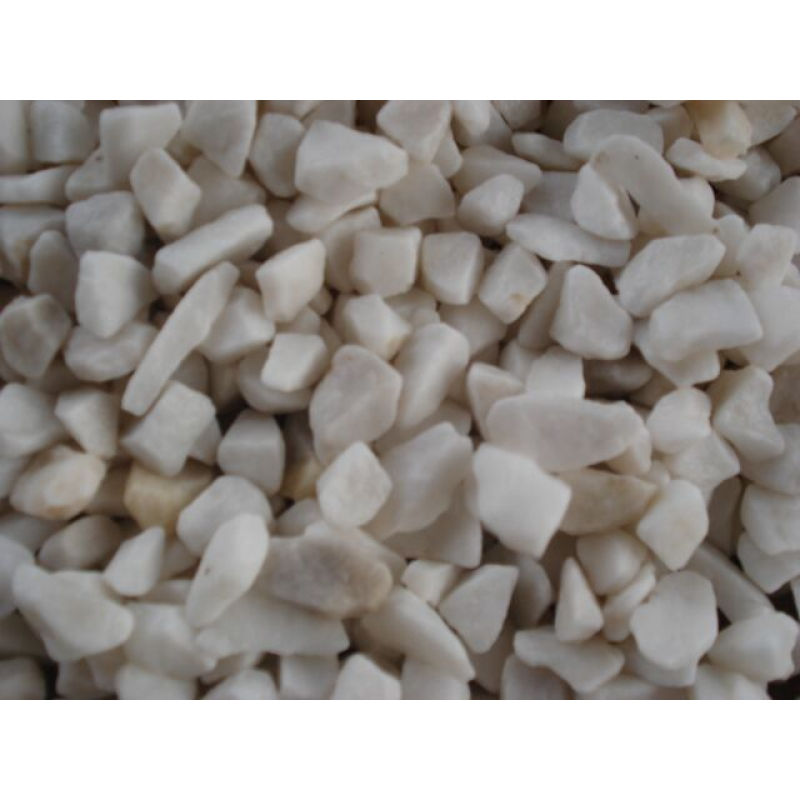
Naravni kamen je eden najpogosteje uporabljenih materialov v domovih in vrtovih. Toda ali ste se že kdaj vprašali, od kod izvirajo vaše kamnite ploščice, opeke ali tla?
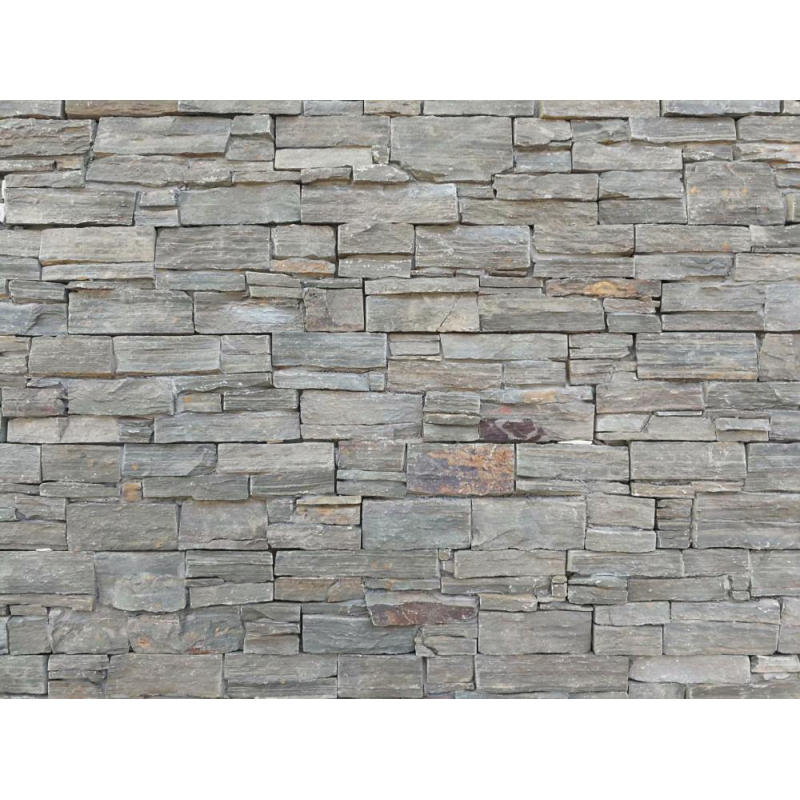
Natural stone was created thousands of years ago when the Earth was just a ball of mineral gases. As these gases began to cool down, they compressed and solidified to form the world we know today. It was during this process that natural stone was formed – the type of stone created depends on what type of minerals were combined at that time. This was a slow process that occurred over millions of years. As the Earth began to settle, many of these seams of stone were gradually pushed to the surface by heat and pressure, creating the large formations we see today.
Stone can come from anywhere in the world, and the type of stone is determined by its origins. There are quarries in America, Mexico, Canada, Italy, Turkey, Australia, and Brazil, as well as many other countries around the globe. Some countries have multiple natural stone quarries, whilst others only have a few. Let’s look in closer detail at where particular stones originate and how they were formed.
Marmor is the result of limestone that has been altered through heat and pressure. It’s a versatile stone that can be used on virtually anything – statues, stairs, walls, bathrooms, counter tops, and more. Usually seen in white, marble is also common in black and grey tints, and has great weather endurance.
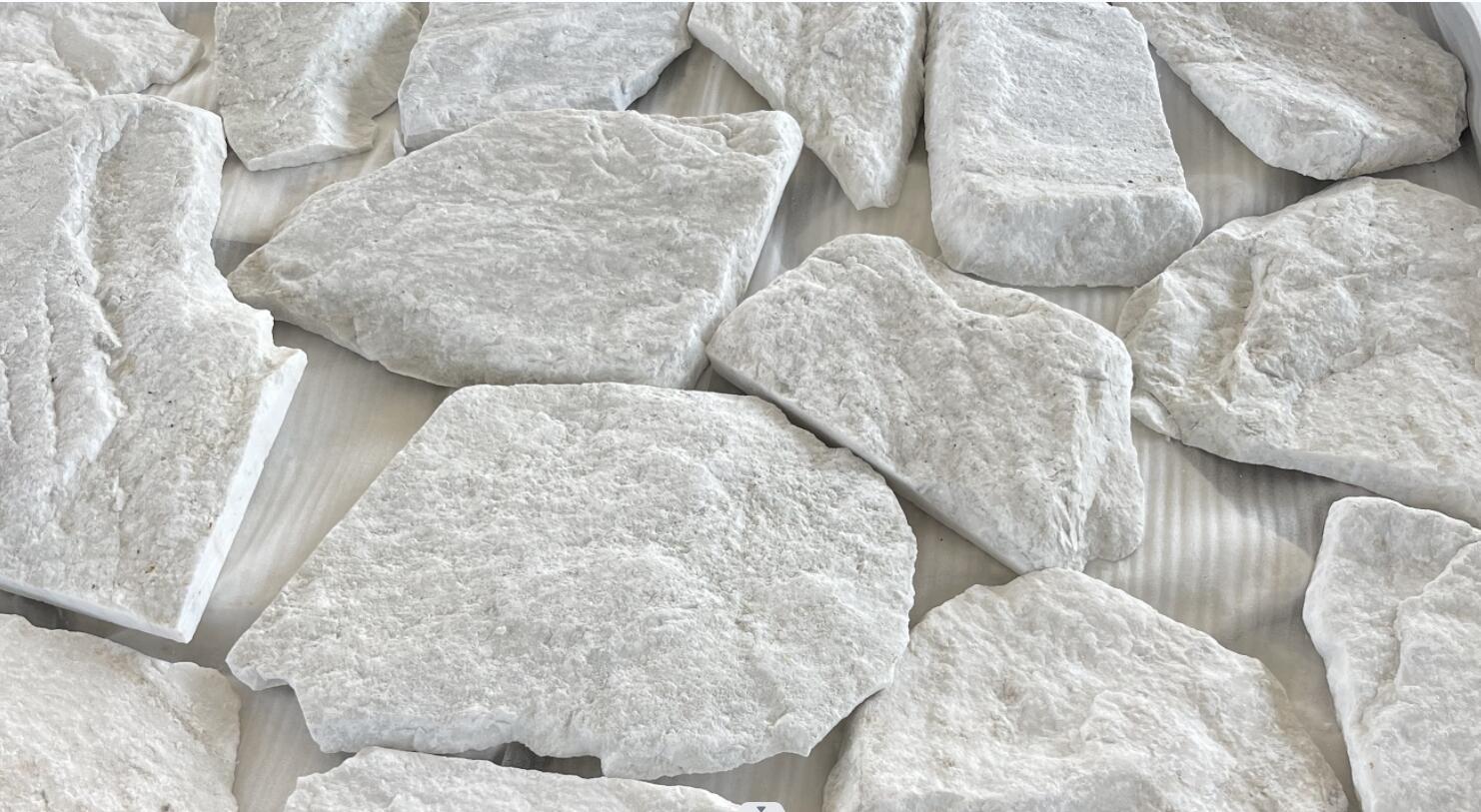
Kvarcit izvira iz peščenjaka, ki je bil spremenjen zaradi toplote in stiskanja. Kamen je večinoma v beli barvi, lahko pa ga najdemo tudi z rjavimi, sivimi ali zelenkastimi odtenki. Je ena najtrših vrst naravnega kamna, zaradi česar je odlična izbira za gradbene fasade, pulte in druge strukture, ki zahtevajo težke kamne.
granit je bil prvotno magmatski kamen, ki je bil izpostavljen magmi (lavi) in spremenjen zaradi izpostavljenosti različnim mineralom. Kamen običajno najdemo v državah, kjer je bila na neki točki visoka vulkanska aktivnost, in je na voljo v številnih barvah od črne, rjave, rdeče, bele in skoraj vseh vmesnih barv. Granit je odlična možnost za kuhinje in kopalnice zaradi svojih antibakterijskih lastnosti.
Apnenec je posledica stiskanja koral, školjk in drugega oceanskega življenja. Obstajata dve vrsti apnenca, trši tip, ki je poln kalcija, in mehkejši tip z več magnezija. Trdi apnenec se pogosto uporablja v gradbeništvu ali pa se zmelje in uporabi v malti zaradi njegove vodoodpornosti.
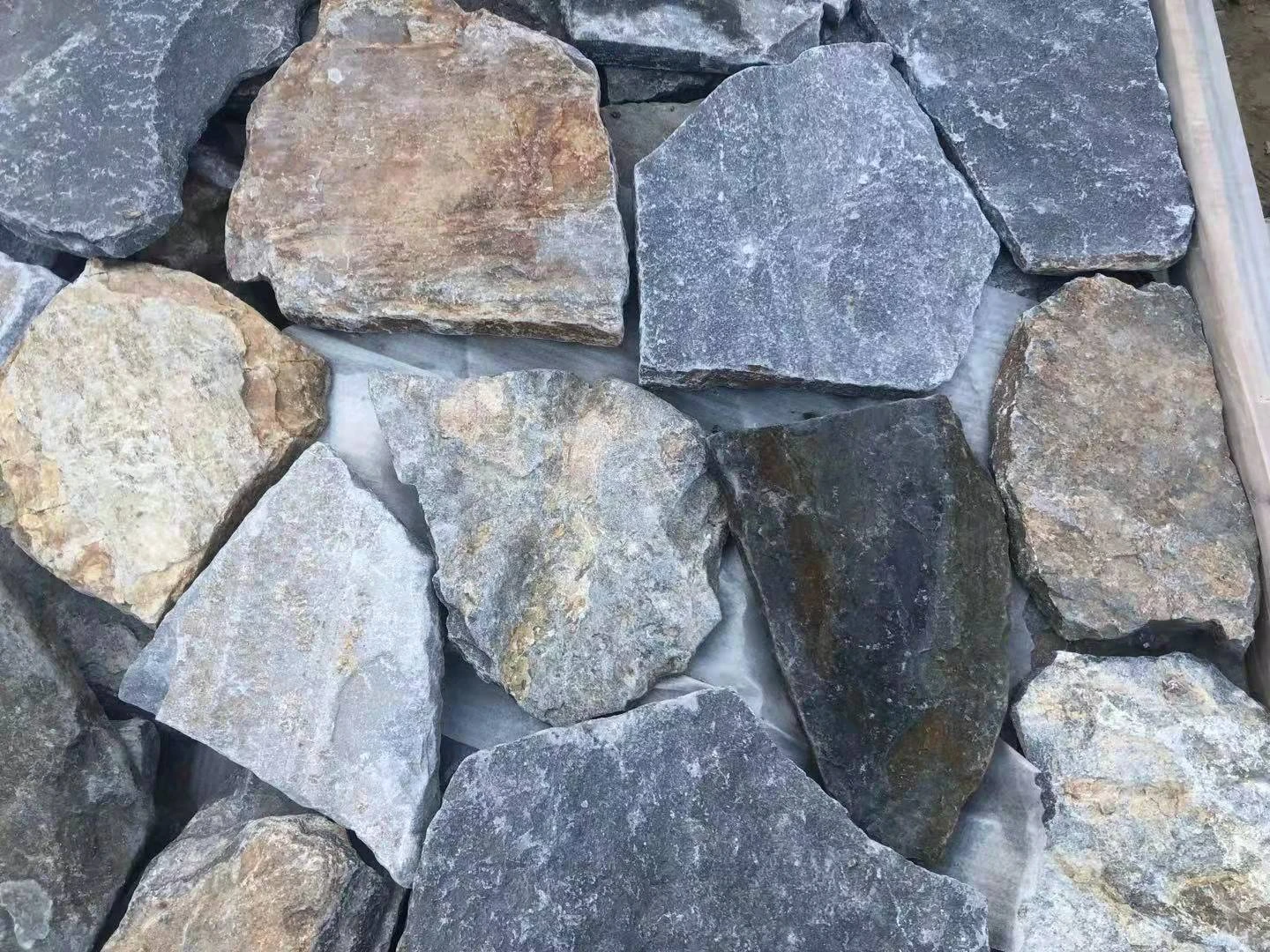
Bluestone is sometimes referred to as basalt, and is one of the most common natural stones around the world. Bluestone forms through the alteration of lava, and because of this, is one of the closest stones to the Earth’s surface. Basalt is generally darker in colour, and is used as house roofing and floor tiles because of its hard texture.
Skrilavec je nastala, ko so se sedimenti skrilavca in blatnika spremenili zaradi toplote in pritiska. Skrilavec, ki je na voljo v črni, vijolični, modri, zeleni in sivi barvi, je postal priljubljena izbira za strešne kritine, saj ga je mogoče tanko rezati in vzdrži nizke temperature z minimalnimi poškodbami. Skrilavec se zaradi svoje obstojnosti pogosto uporablja tudi kot talne ploščice.
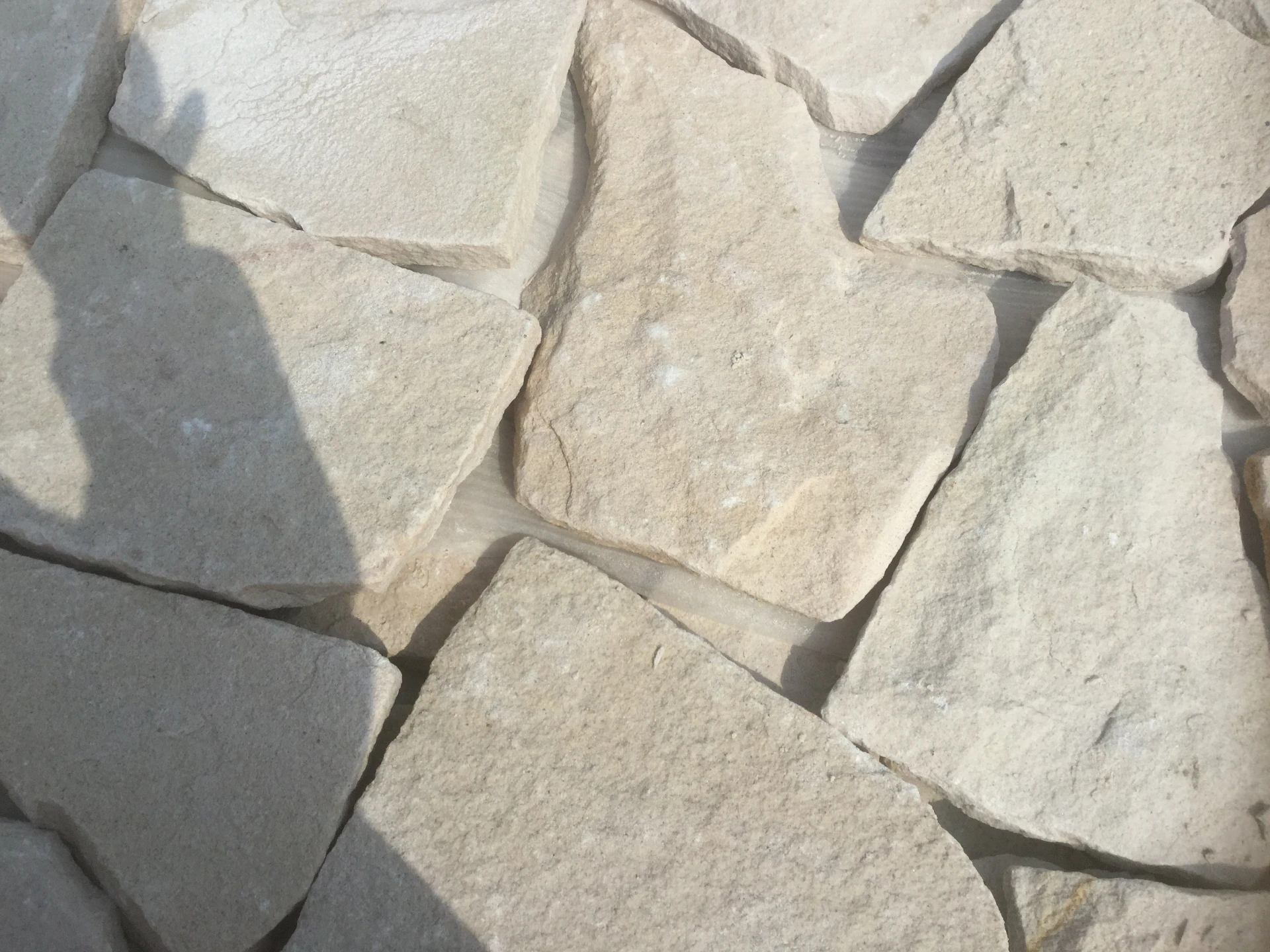
Travertin is created when floodwaters wash through limestone, leaving mineral deposits throughout. As it dries out, the extra minerals solidify to gradually create a much denser material called travertine. This stone is good as a replacement for marble or granite, as it’s much lighter and easier to work with, yet still durable. For this reason travertine is often used on floors or walls, and is estimated to last around fifty years if maintained regularly.
 Afriški
  albanski
  amharščina
  arabsko
  armenski
  azerbajdžanski
  baskovščina
  beloruski
  bengalščina
  bosanski
  bolgarščina
  katalonski
  Cebuano
  Kitajska
  Kitajska (Tajvan)
  korziški
  hrvaško
  češki
češki  danščina
  nizozemščina
  angleščina
  Esperanto
  estonski
  finščina
  francosko
  frizijščina
  galicijski
  gruzijski
  nemški
  grški
grški  gudžaratščina
  haitska kreolščina
  hiša
hiša  havajski
  hebrejščina
  ne
ne  Miao
Miao  madžarski
  islandski
  igbo
igbo  indonezijski
  irski
irski  italijanščina
  japonska
  javanska
  kanadščina
  kazahstanski
  kmerski
  ruandski
  korejščina
  kurdski
  Kirgiz
  TB
TB  latinščina
  latvijščina
  litovski
  luksemburški
  makedonski
  Malgaši
  malajščina
  malajalamščina
  malteški
  maorski
  maratščina
  mongolski
  Mjanmar
  nepalsko
  norveški
  norveški
  okcitanščina
  paštu
paštu  perzijsko
  poljski
  portugalščina
  pandžabščina
  romunščina
  ruski
ruski  samoanska
  škotska gelščina
  srbsko
  angleščina
  Shona
Shona  Sindhi
  singalščina
  slovaški
  Slovenščina
  somalski
  španski
  sundanski
  svahili
  švedščina
  Tagalog
  tadžikistanski
  tamilščina
  tatarščina
  telugu
  tajska
  turško
  turkmenski
  ukrajinski
  urdu
urdu  ujgurski
  Uzbek
Uzbek  vietnamski
  valižanščina