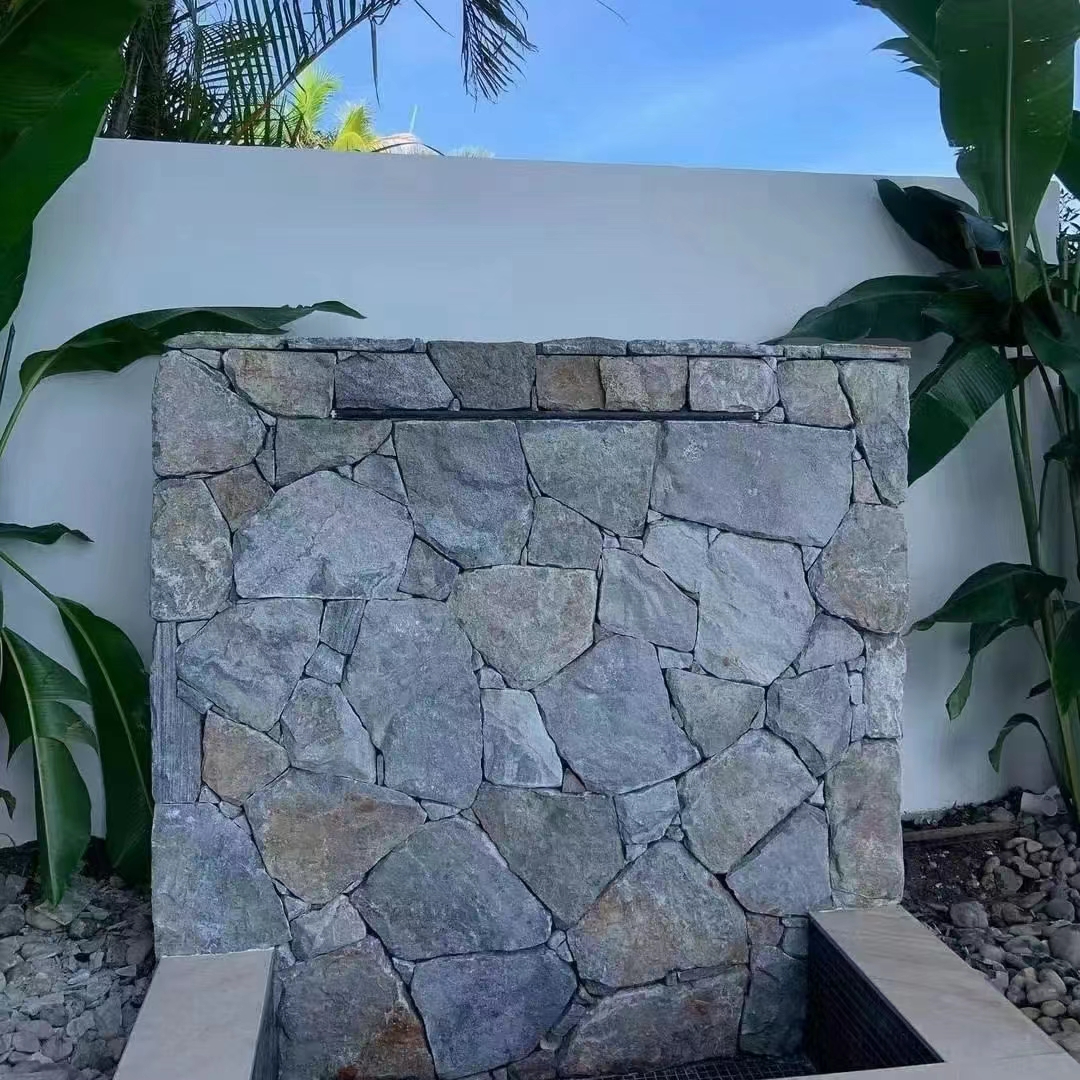
Kamień naturalny to jeden z najczęściej stosowanych materiałów stosowanych w domach i ogrodach. Ale czy zastanawiałeś się kiedyś, skąd wzięły się Twoje konkretne kamienne płytki, cegły lub podłogi?
Natural stone was created thousands of years ago when the Earth was just a ball of mineral gases. As these gases began to cool down, they compressed and solidified to form the world we know today. It was during this process that natural stone was formed – the type of stone created depends on what type of minerals were combined at that time. This was a slow process that occurred over millions of years. As the Earth began to settle, many of these seams of stone were gradually pushed to the surface by heat and pressure, creating the large formations we see today.
Stone can come from anywhere in the world, and the type of stone is determined by its origins. There are quarries in America, Mexico, Canada, Italy, Turkey, Australia, and Brazil, as well as many other countries around the globe. Some countries have multiple natural stone quarries, whilst others only have a few. Let’s look in closer detail at where particular stones originate and how they were formed.
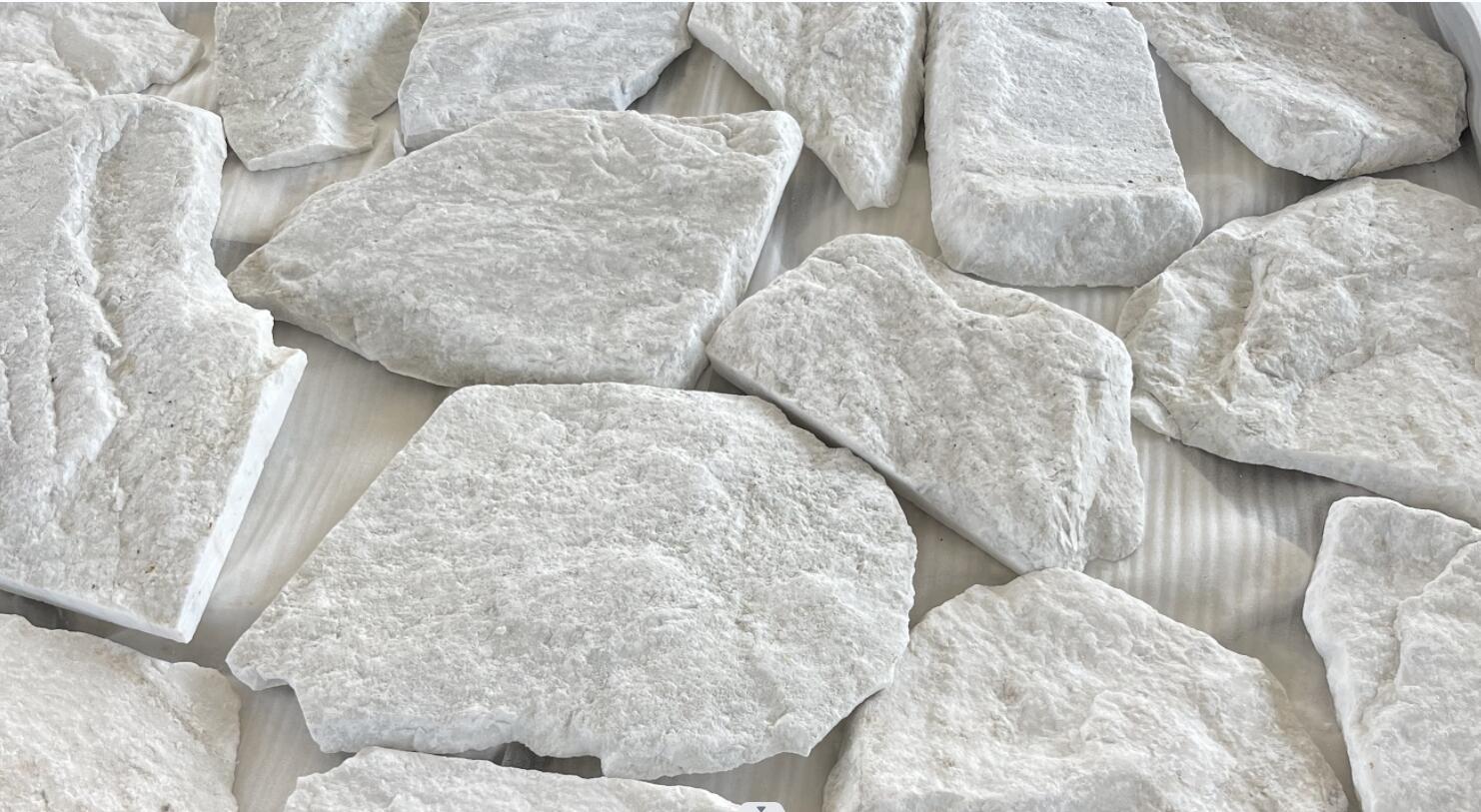
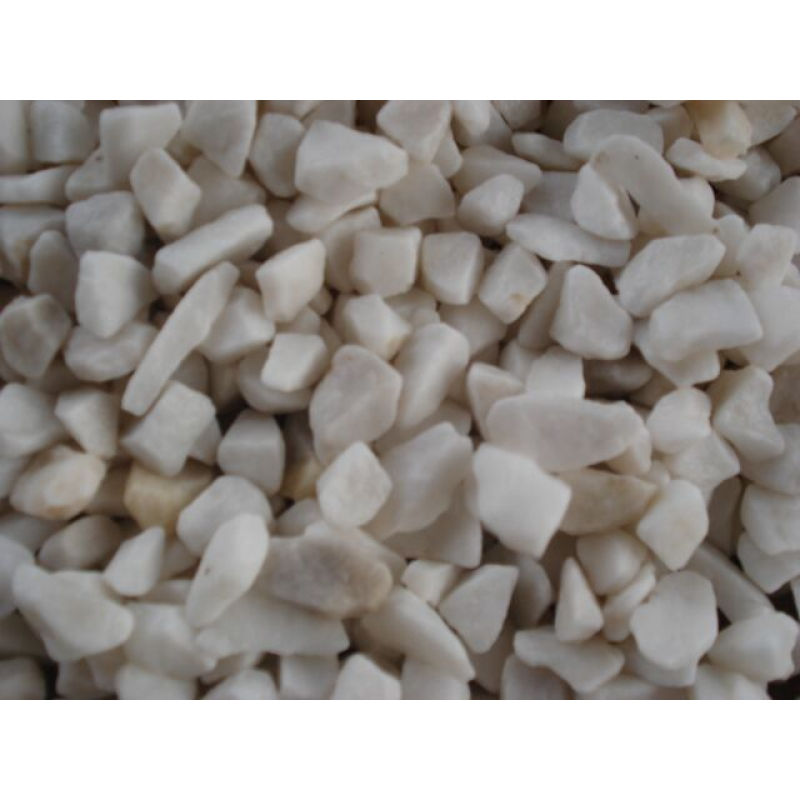
Marmur is the result of limestone that has been altered through heat and pressure. It’s a versatile stone that can be used on virtually anything – statues, stairs, walls, bathrooms, counter tops, and more. Usually seen in white, marble is also common in black and grey tints, and has great weather endurance.
kwarcyt pochodzi z piaskowca, który został zmieniony pod wpływem ciepła i ściskania. Kamień występuje głównie w kolorze białym, ale można go również znaleźć w odcieniach brązowych, szarych lub zielonkawych. Jest to jeden z najtwardszych rodzajów kamienia naturalnego, co czyni go doskonałym wyborem do elewacji budynków, blatów i innych konstrukcji wymagających wytrzymałych kamieni.
Granit był pierwotnie kamieniem magmowym, który został wystawiony na działanie magmy (lawy) i zmieniony pod wpływem różnych minerałów. Kamień jest powszechnie spotykany w krajach, które w pewnym momencie doświadczyły dużej aktywności wulkanicznej i jest dostępny w ogromnej gamie kolorów, od czarnego, brązowego, czerwonego, białego i prawie wszystkich kolorów pomiędzy. Granit jest świetną opcją do kuchni i łazienek ze względu na jego właściwości antybakteryjne.
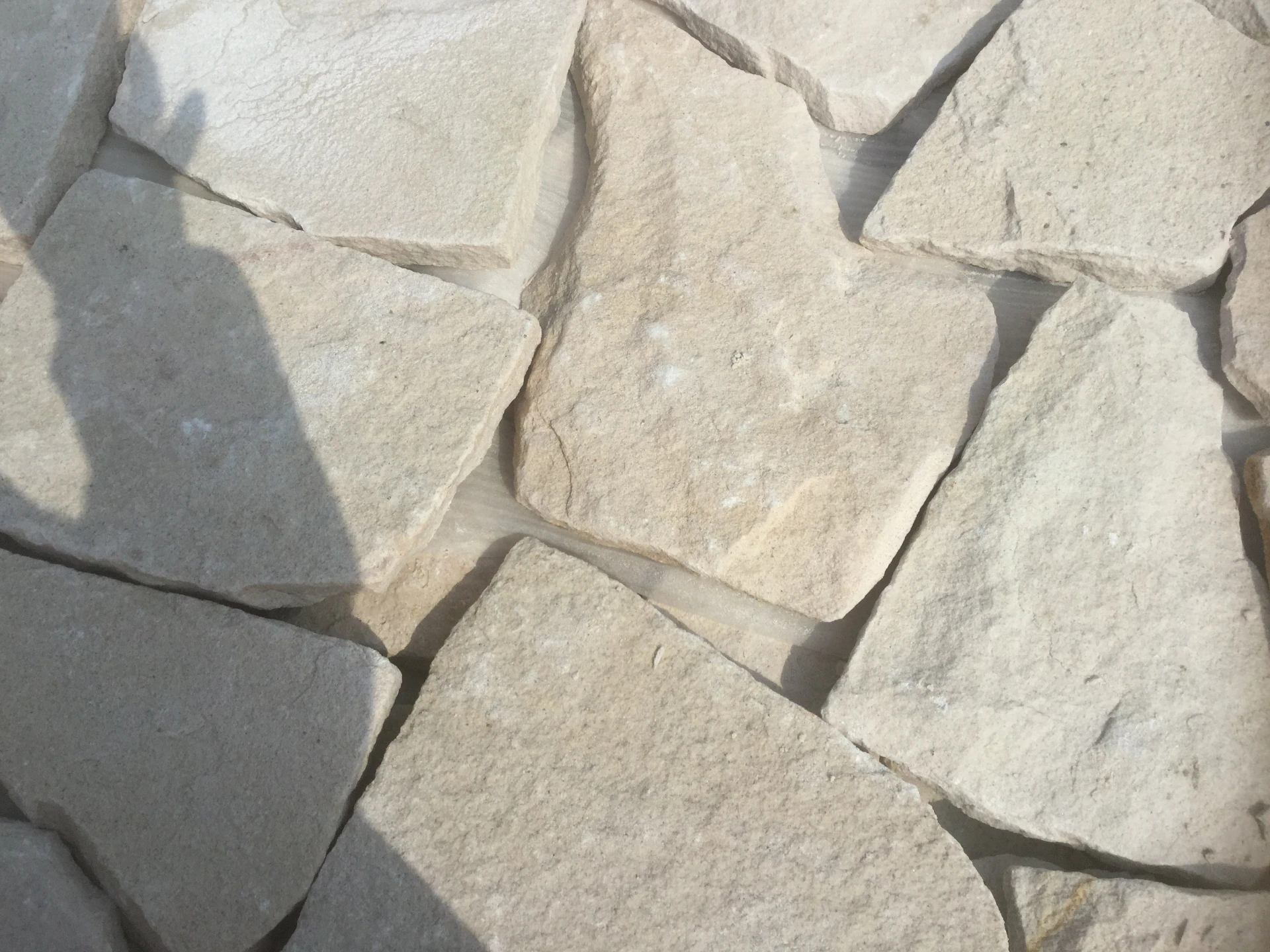
Wapień jest wynikiem kompresji koralowców, muszelek i innych organizmów oceanicznych. Istnieją dwa rodzaje wapienia, twardszy, bogaty w wapń i bardziej miękki, zawierający więcej magnezu. Twardy wapień jest często stosowany w budownictwie lub mielony i stosowany w zaprawach ze względu na jego wodoodporność.
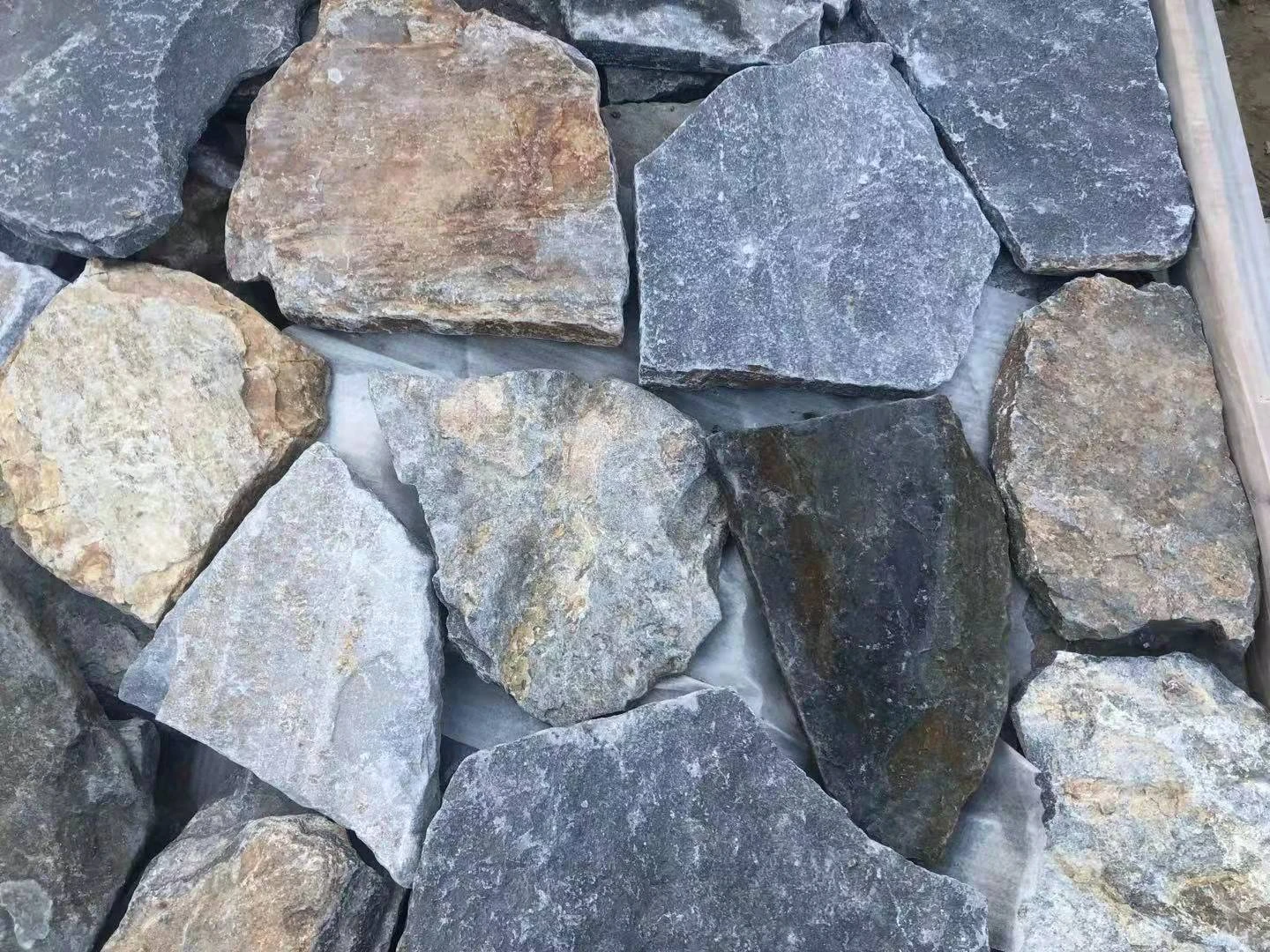
Bluestone is sometimes referred to as basalt, and is one of the most common natural stones around the world. Bluestone forms through the alteration of lava, and because of this, is one of the closest stones to the Earth’s surface. Basalt is generally darker in colour, and is used as house roofing and floor tiles because of its hard texture.
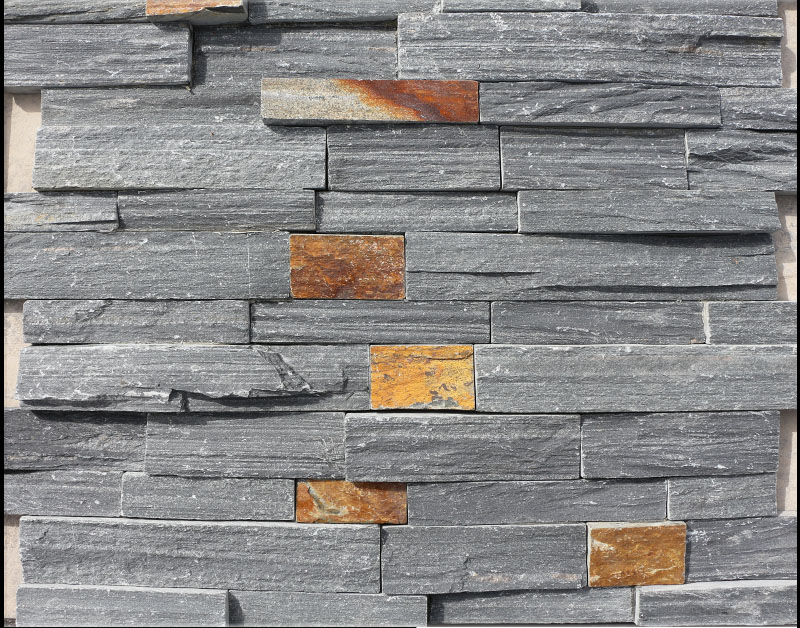
Łupek powstał, gdy osady łupków i mułowców uległy zmianie pod wpływem ciepła i ciśnienia. Dostępny w kolorach czarnym, fioletowym, niebieskim, zielonym i szarym, łupek stał się popularnym wyborem do pokryć dachowych, ponieważ można go cienko ciąć i wytrzymywać niskie temperatury przy minimalnych uszkodzeniach. Łupek jest również często używany jako płytki podłogowe ze względu na jego trwały charakter.
Trawertyn is created when floodwaters wash through limestone, leaving mineral deposits throughout. As it dries out, the extra minerals solidify to gradually create a much denser material called travertine. This stone is good as a replacement for marble or granite, as it’s much lighter and easier to work with, yet still durable. For this reason travertine is often used on floors or walls, and is estimated to last around fifty years if maintained regularly.
 afrykanin
  albański
  amharski
  arabski
  ormiański
  azerbejdżański
  baskijski
  białoruski
  bengalski
  bośniacki
  bułgarski
  kataloński
  Cebuański
  Chiny
Chiny  Chiny (Tajwan)
  korsykański
  chorwacki
  Czech
Czech  duński
  Holenderski
  język angielski
  esperanto
  estoński
  fiński
  Francuski
  fryzyjski
  galicyjski
  gruziński
  Niemiecki
  grecki
  gudżarati
  Kreolski haitański
  hausa
hausa  hawajski
  hebrajski
  Nie
Nie  Miao
Miao  język węgierski
  islandzki
  ibo
ibo  indonezyjski
  Irlandczyk
  Włoski
  język japoński
  jawajski
  Kannada
  kazachski
  Khmer
Khmer  Rwandyjski
  koreański
  kurdyjski
  Kirgiski
  gruźlica
  łacina
  łotewski
  litewski
  luksemburski
  macedoński
  Malgashi
  malajski
  malajalam
  Maltański
  Maoryski
  marathi
  mongolski
  Myanmar
  Nepalski
  norweski
  norweski
  oksytański
  paszto
  perski
  Polski
  portugalski
  Pendżabski
  rumuński
  Rosyjski
  Samoański
  szkocki gaelicki
  serbski
  język angielski
  Shona
Shona  Sindhi
  syngaleski
  słowacki
  słoweński
  somalijski
  hiszpański
  Sundajczyk
  Suahili
  szwedzki
  tagalski
  tadżycki
  Tamil
Tamil  Tatar
Tatar  telugu
  tajski
  turecki
  Turkmeni
  ukraiński
  urdu
urdu  Ujgur
Ujgur  uzbecki
  wietnamski
  walijski