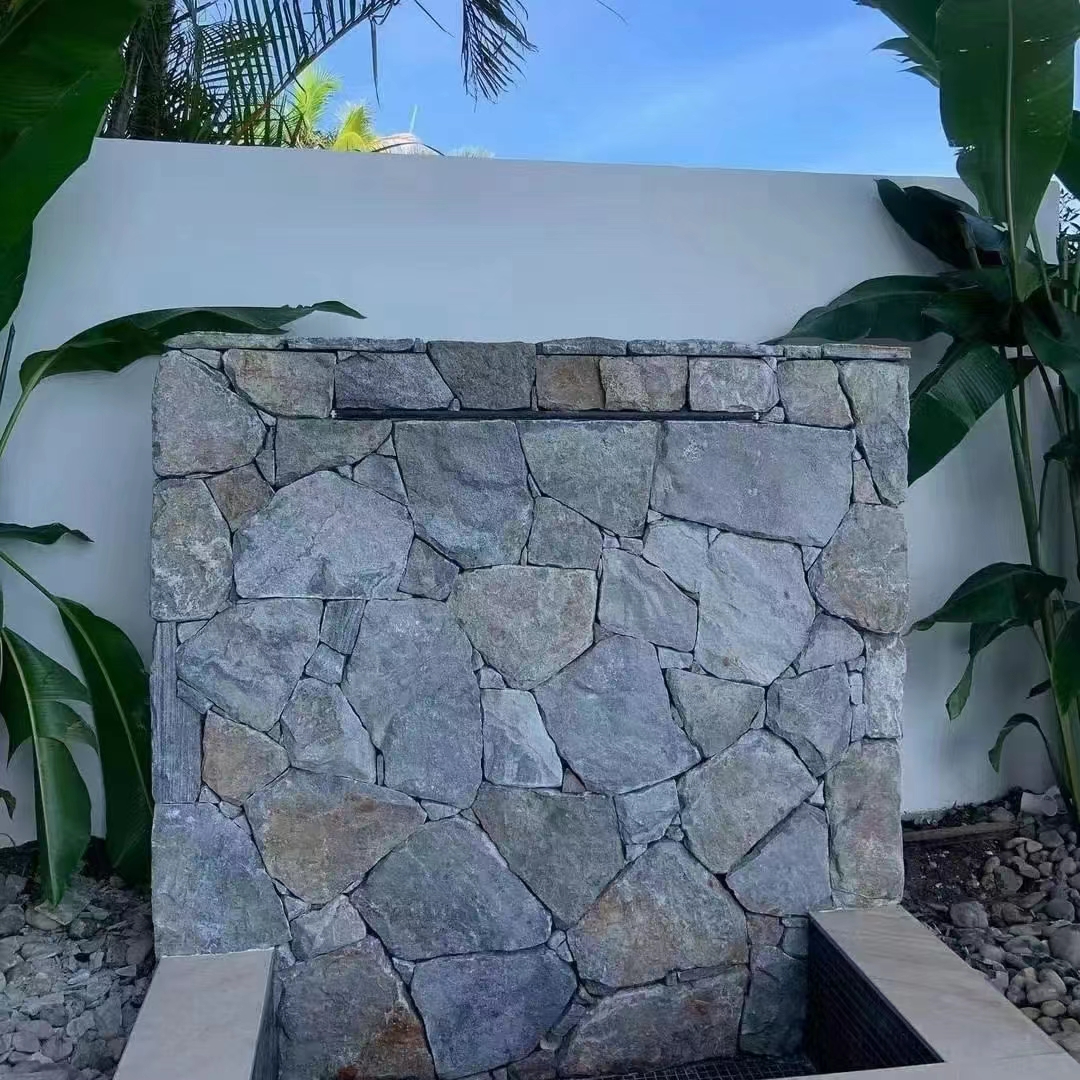
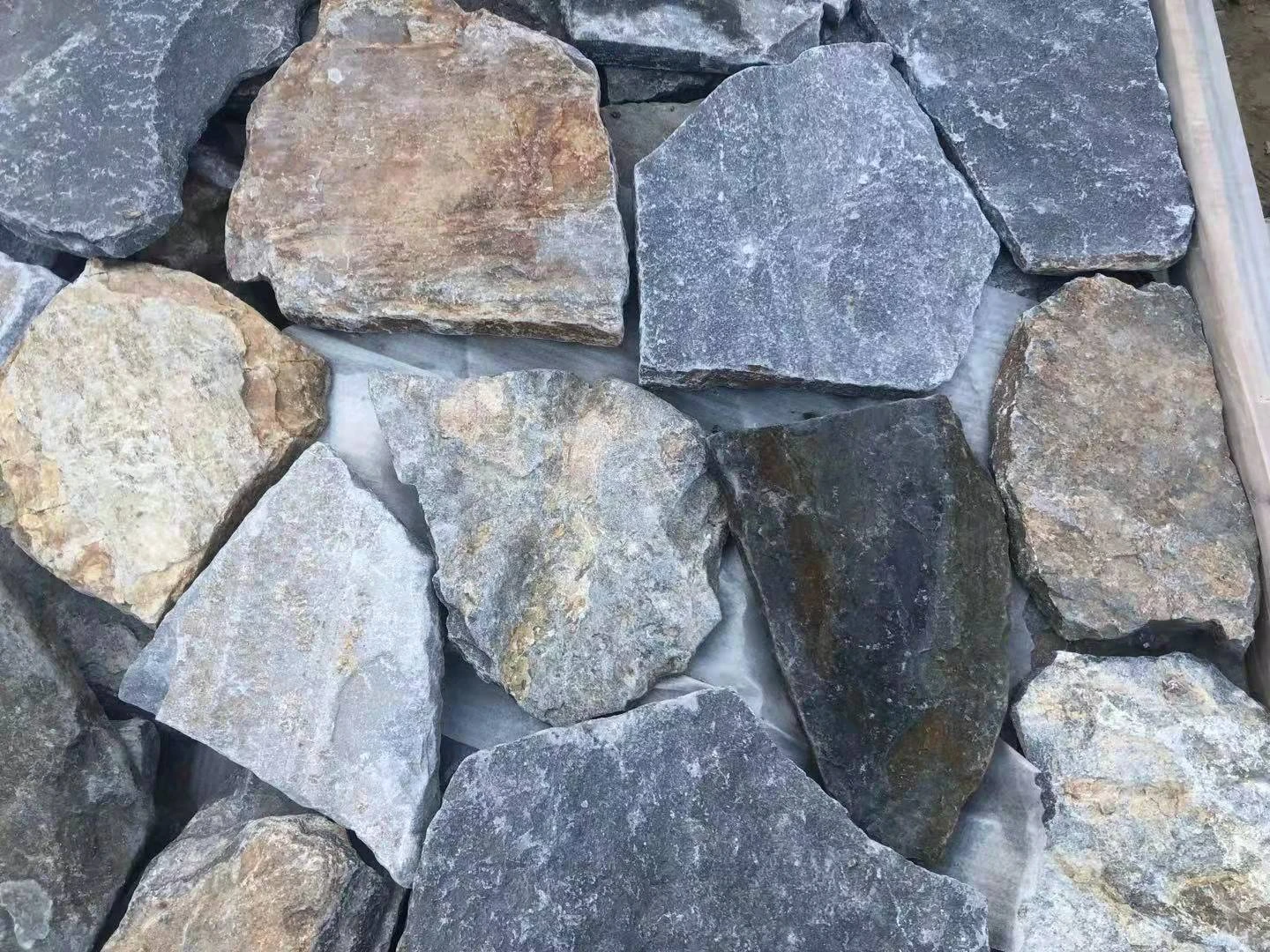
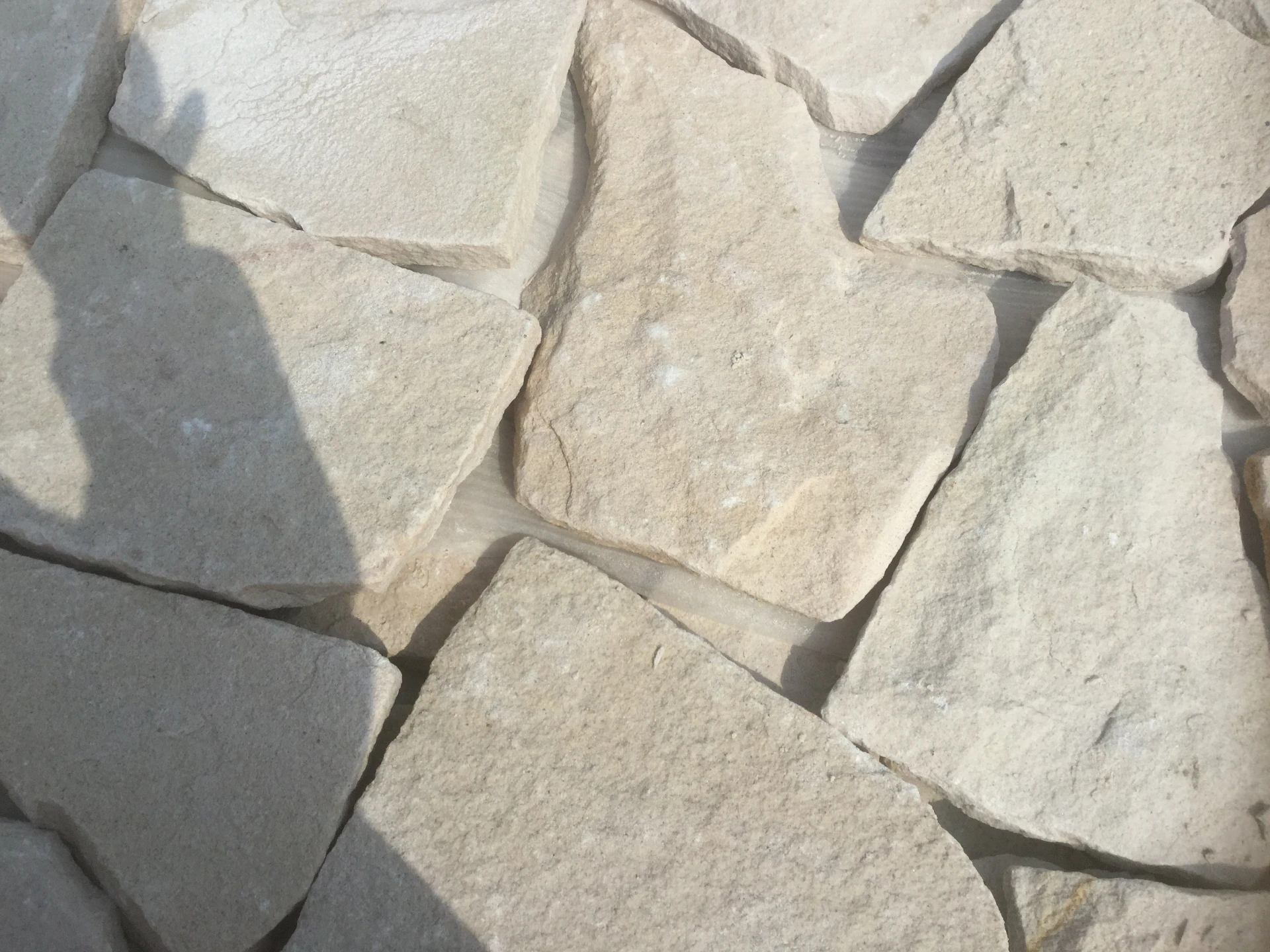
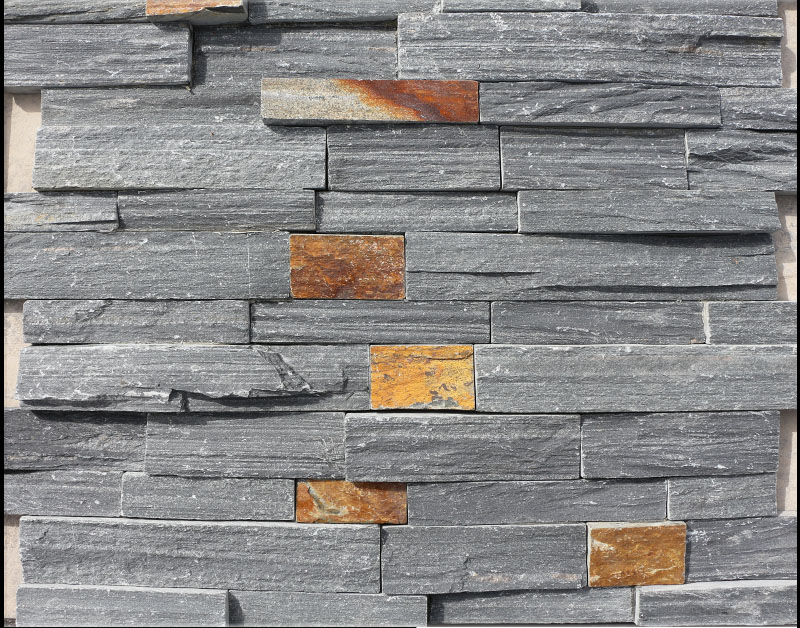
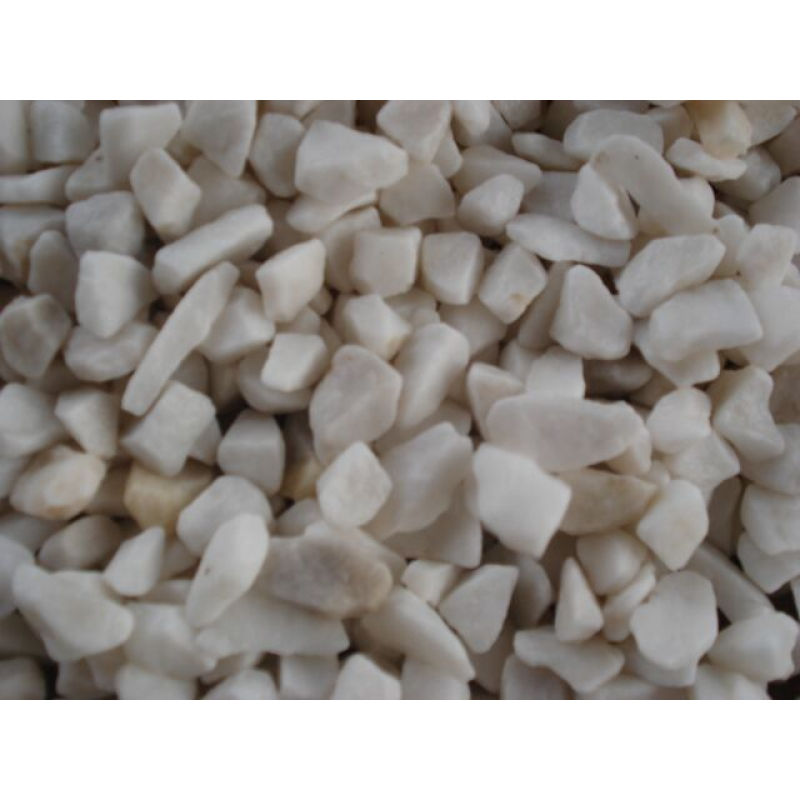
Naturstein ist eines der am häufigsten verwendeten Materialien in Häusern und Gärten. Aber haben Sie sich schon einmal gefragt, woher Ihre speziellen Steinfliesen, Ziegel oder Bodenbeläge stammen?
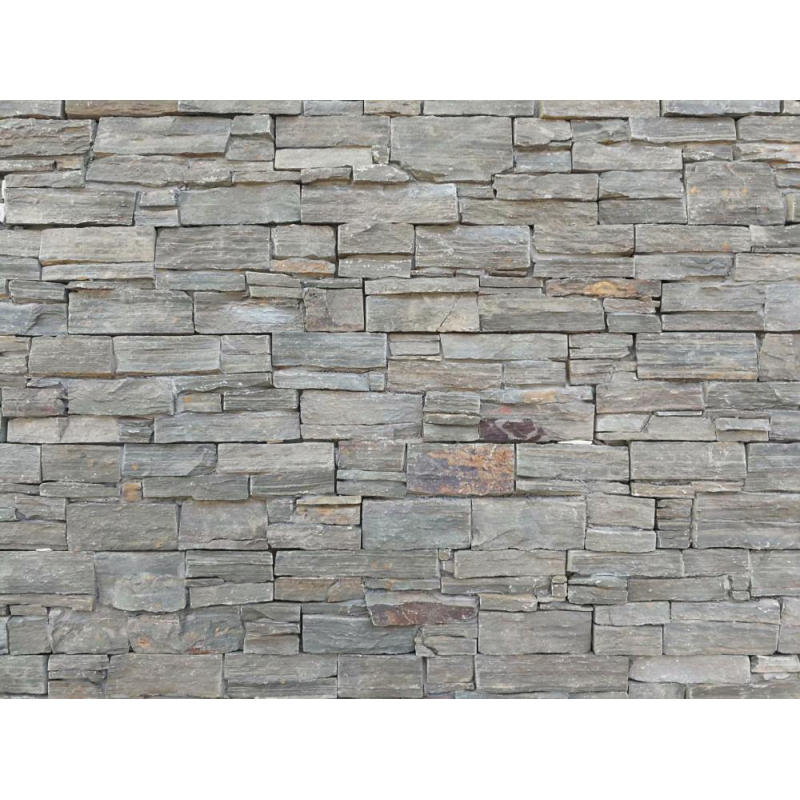
Natural stone was created thousands of years ago when the Earth was just a ball of mineral gases. As these gases began to cool down, they compressed and solidified to form the world we know today. It was during this process that natural stone was formed – the type of stone created depends on what type of minerals were combined at that time. This was a slow process that occurred over millions of years. As the Earth began to settle, many of these seams of stone were gradually pushed to the surface by heat and pressure, creating the large formations we see today.
Stone can come from anywhere in the world, and the type of stone is determined by its origins. There are quarries in America, Mexico, Canada, Italy, Turkey, Australia, and Brazil, as well as many other countries around the globe. Some countries have multiple natural stone quarries, whilst others only have a few. Let’s look in closer detail at where particular stones originate and how they were formed.
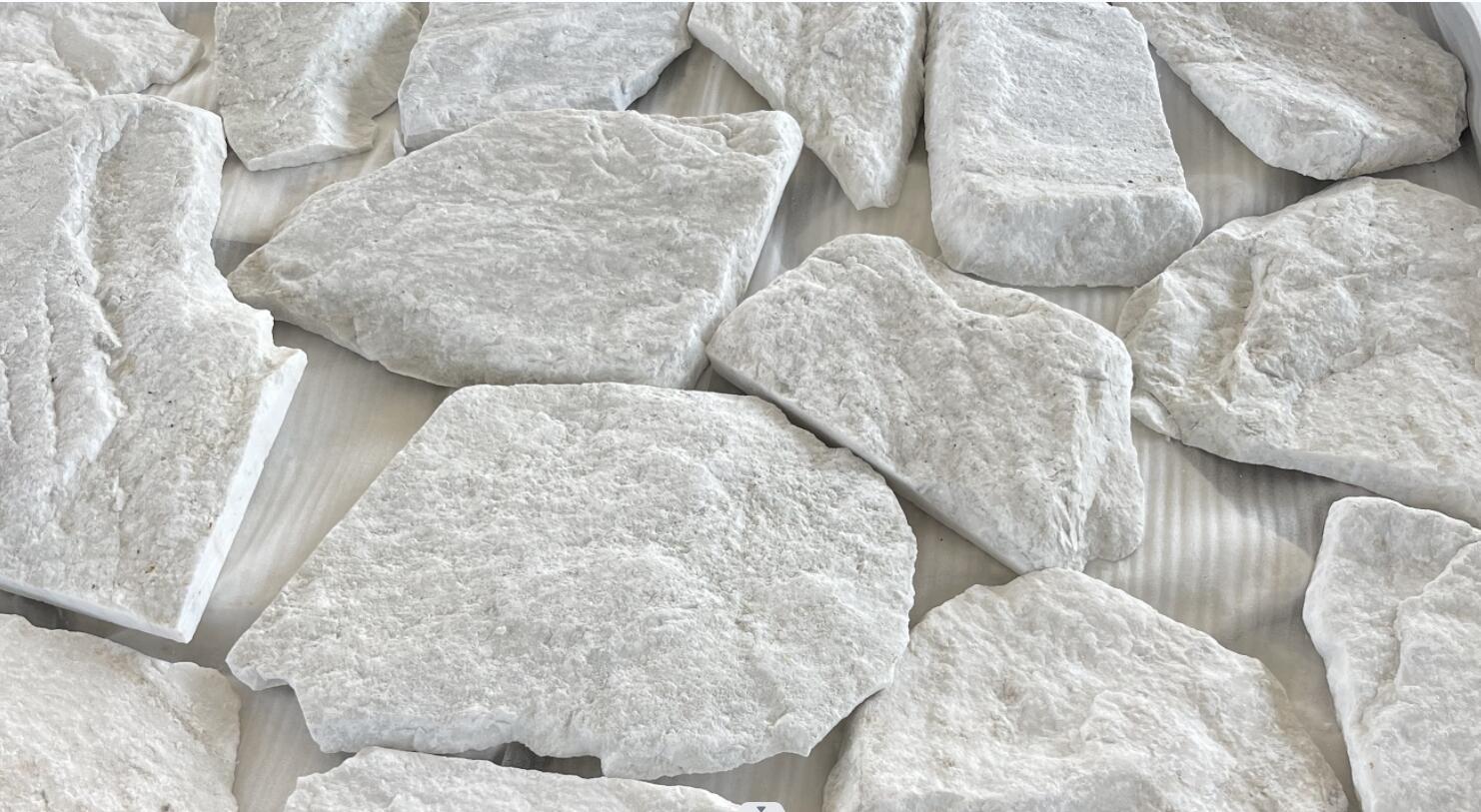
Marmor is the result of limestone that has been altered through heat and pressure. It’s a versatile stone that can be used on virtually anything – statues, stairs, walls, bathrooms, counter tops, and more. Usually seen in white, marble is also common in black and grey tints, and has great weather endurance.
Quarzit stammt aus Sandstein, der durch Hitze und Kompression verändert wurde. Der Stein ist hauptsächlich weiß, kann aber auch mit braunen, grauen oder grünlichen Farbtönen vorkommen. Es ist einer der härtesten Natursteintypen und eignet sich daher hervorragend für Gebäudefassaden, Arbeitsplatten und andere Strukturen, die hochbelastbare Steine erfordern.
Granit war ursprünglich ein magmatisches Gestein, das Magma (Lava) ausgesetzt war und durch die Einwirkung verschiedener Mineralien verändert wurde. Der Stein kommt häufig in Ländern vor, in denen es irgendwann eine hohe vulkanische Aktivität gab, und ist in einer großen Farbvielfalt erhältlich, von Schwarz, Braun, Rot, Weiß und fast allen dazwischen liegenden Farben. Granit ist aufgrund seiner antibakteriellen Eigenschaften eine großartige Option für Küchen und Badezimmer.
Kalkstein ist das Ergebnis der Kompression von Korallen, Muscheln und anderen Meereslebewesen. Es gibt zwei Arten von Kalkstein, einen härteren Typ, der reich an Kalzium ist, und einen weicheren Typ mit mehr Magnesium. Harter Kalkstein wird häufig in der Bauindustrie verwendet oder aufgrund seiner wasserfesten Eigenschaften gemahlen und in Mörtel verwendet.
Blaustein is sometimes referred to as basalt, and is one of the most common natural stones around the world. Bluestone forms through the alteration of lava, and because of this, is one of the closest stones to the Earth’s surface. Basalt is generally darker in colour, and is used as house roofing and floor tiles because of its hard texture.
Schiefer entstand, als Schiefer- und Tonsteinsedimente durch Hitze und Druck verändert wurden. Schiefer ist in den Farben Schwarz, Violett, Blau, Grün und Grau erhältlich und hat sich zu einer beliebten Wahl für Dächer entwickelt, da er dünn geschnitten werden kann und kalten Temperaturen mit minimalem Schaden standhält. Aufgrund seiner Langlebigkeit wird Schiefer auch häufig als Bodenbelag verwendet.
Travertin is created when floodwaters wash through limestone, leaving mineral deposits throughout. As it dries out, the extra minerals solidify to gradually create a much denser material called travertine. This stone is good as a replacement for marble or granite, as it’s much lighter and easier to work with, yet still durable. For this reason travertine is often used on floors or walls, and is estimated to last around fifty years if maintained regularly.
 afrikanisch
  albanisch
  Amharisch
  Arabisch
  Armenisch
  Aserbaidschanisch
  baskisch
  Belarussisch
  Bengali
  bosnisch
  bulgarisch
  katalanisch
  Cebuano
  China
China  China (Taiwan)
  Korsisch
  kroatisch
  Tschechisch
  dänisch
  Niederländisch
  Englisch
  Esperanto
  estnisch
  finnisch
  Französisch
  Friesisch
  galizisch
  georgisch
  Deutsch
  griechisch
  Gujarati
  Haitianisches Kreol
  Hausa
Hausa  hawaiisch
  hebräisch
  Nein
Nein  Miao
Miao  ungarisch
  isländisch
  igbo
igbo  Indonesisch
  irisch
  Italienisch
  japanisch
  Javanisch
  Kannada
  kasachisch
  Khmer
Khmer  Ruandisch
  Koreanisch
  kurdisch
  Kirgisisch
  TB
TB  Latein
  lettisch
  litauisch
  Luxemburgisch
  mazedonisch
  Malgashi
  malaiisch
  Malayalam
  maltesisch
  Maori
Maori  Marathi
  mongolisch
  Myanmar
  Nepali
  norwegisch
  norwegisch
  Okzitanisch
  Paschtu
  persisch
  Polieren
  Portugiesisch
  Punjabi
  rumänisch
  Russisch
  Samoaner
  schottisch Gälisch
  serbisch
  Englisch
  Shona
Shona  Sindhi
  Singhalesisch
  slowakisch
  Slowenisch
  somali
  Spanisch
  Sundanesisch
  Suaheli
  Schwedisch
  Tagalog
  Tadschikisch
  Tamilisch
  Tatarisch
  Telugu
  Thailändisch
  Türkisch
  Turkmenisch
  ukrainisch
  Urdu
Urdu  Uigur
Uigur  Usbekisch
  Vietnamesisch
  Walisisch