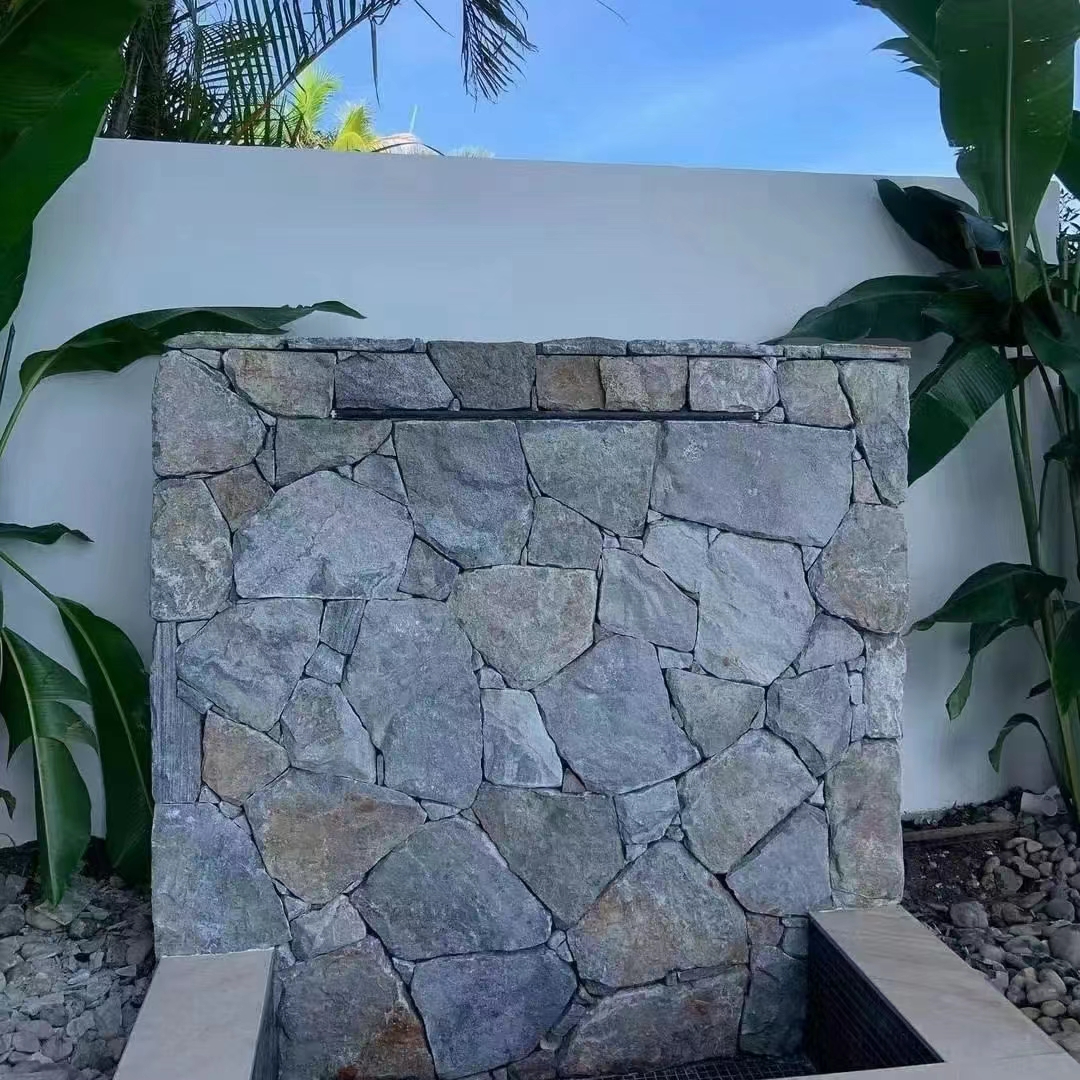
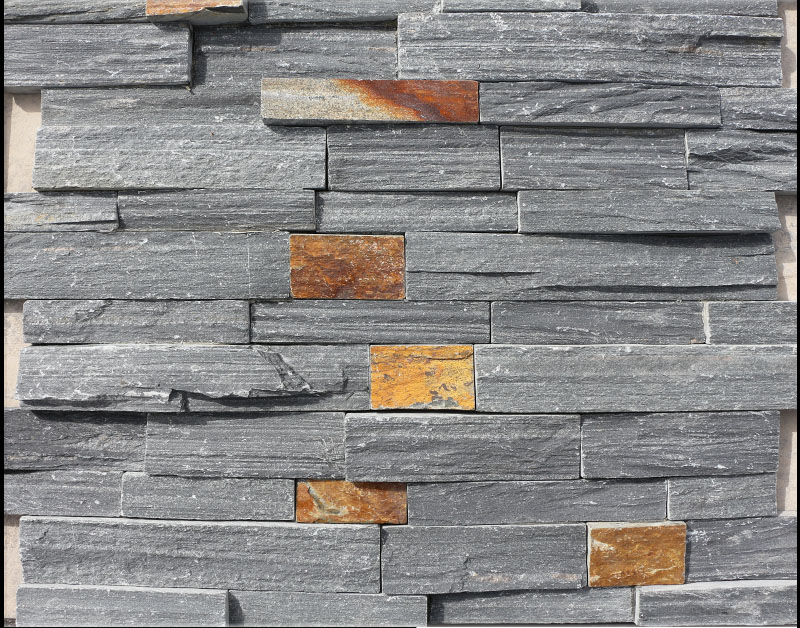
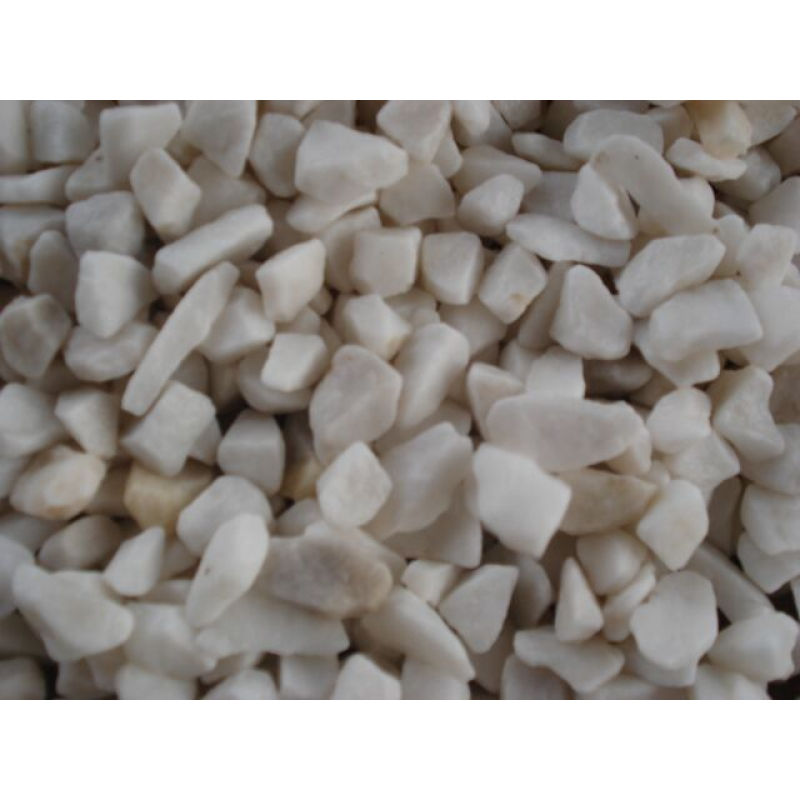
Prírodný kameň je jedným z najčastejšie používaných materiálov v domácnostiach a záhradách. Ale zamysleli ste sa niekedy nad tým, odkiaľ pochádzajú vaše konkrétne kamenné dlaždice, tehly alebo podlaha?
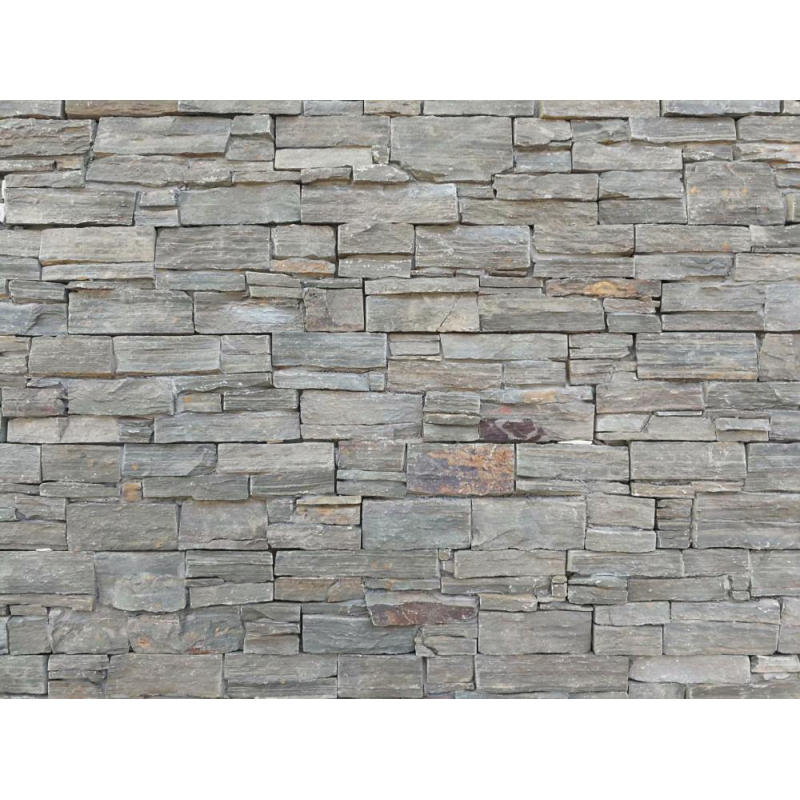
Natural stone was created thousands of years ago when the Earth was just a ball of mineral gases. As these gases began to cool down, they compressed and solidified to form the world we know today. It was during this process that natural stone was formed – the type of stone created depends on what type of minerals were combined at that time. This was a slow process that occurred over millions of years. As the Earth began to settle, many of these seams of stone were gradually pushed to the surface by heat and pressure, creating the large formations we see today.
Stone can come from anywhere in the world, and the type of stone is determined by its origins. There are quarries in America, Mexico, Canada, Italy, Turkey, Australia, and Brazil, as well as many other countries around the globe. Some countries have multiple natural stone quarries, whilst others only have a few. Let’s look in closer detail at where particular stones originate and how they were formed.
Mramor is the result of limestone that has been altered through heat and pressure. It’s a versatile stone that can be used on virtually anything – statues, stairs, walls, bathrooms, counter tops, and more. Usually seen in white, marble is also common in black and grey tints, and has great weather endurance.
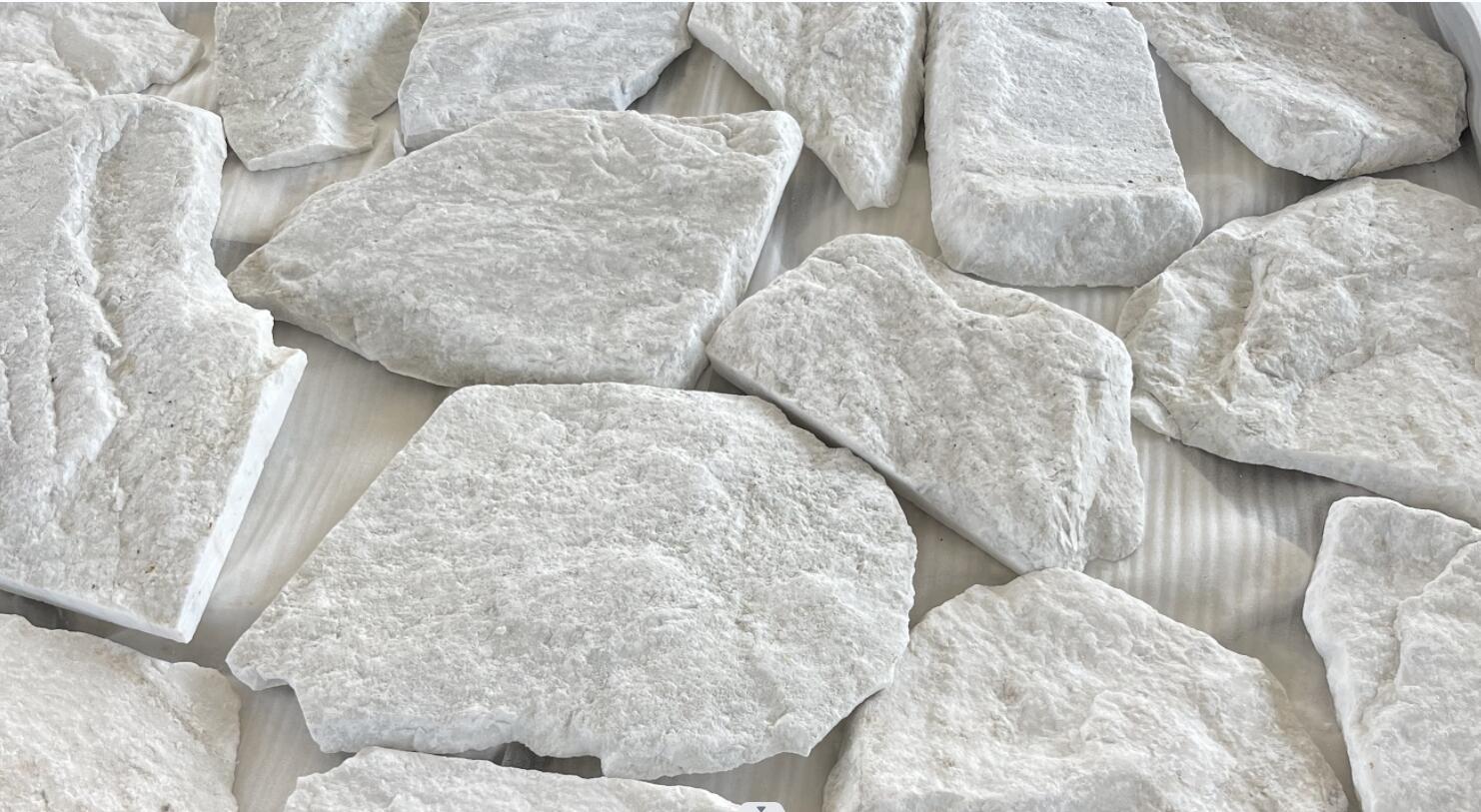
Kremeň pochádza z pieskovca, ktorý bol zmenený teplom a kompresiou. Kameň sa dodáva hlavne v bielej farbe, ale možno ho nájsť aj s hnedým, sivým alebo zelenkavým odtieňom. Je to jeden z najtvrdších typov prírodného kameňa, vďaka čomu je vynikajúcou voľbou pre fasády budov, dosky a iné konštrukcie, ktoré vyžadujú ťažké kamene.
Žula bol pôvodne magmatický kameň, ktorý bol vystavený magme (láva) a zmenil sa vystavením rôznym minerálom. Kameň sa bežne vyskytuje v krajinách, ktoré v určitom okamihu zaznamenali vysokú sopečnú aktivitu, a je dostupný v obrovskej škále farieb od čiernej, hnedej, červenej, bielej a takmer vo všetkých farbách medzi tým. Žula je skvelá voľba do kuchýň a kúpeľní vďaka svojim antibakteriálnym vlastnostiam.
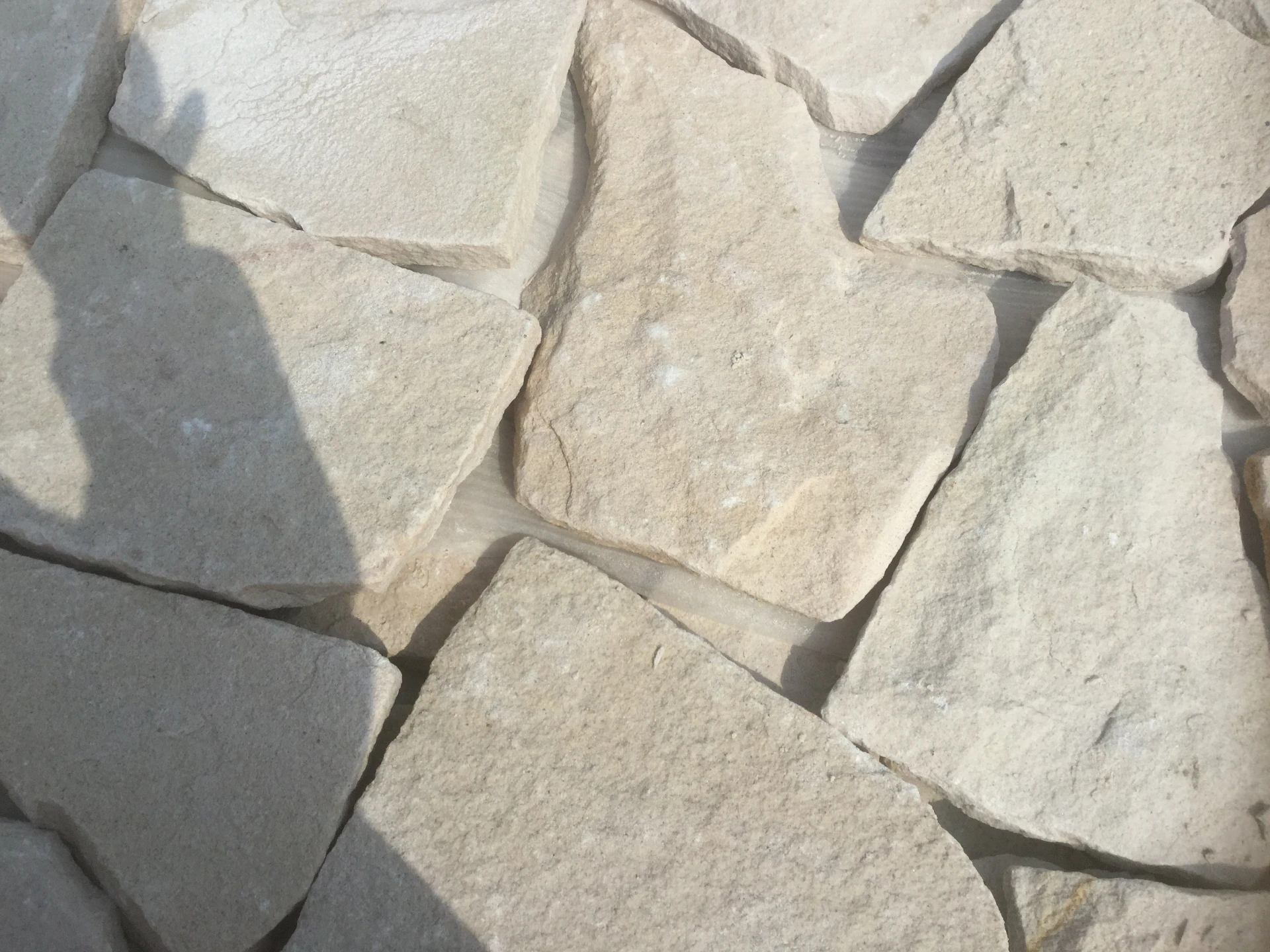
Vápenec je výsledkom stlačenia koralov, mušlí a iných morských živočíchov. Existujú dva druhy vápenca, tvrdší typ, ktorý je plný vápnika, a mäkší typ s väčším množstvom horčíka. Tvrdý vápenec sa často používa v stavebníctve alebo sa brúsi a používa do malty kvôli svojej vodotesnosti.
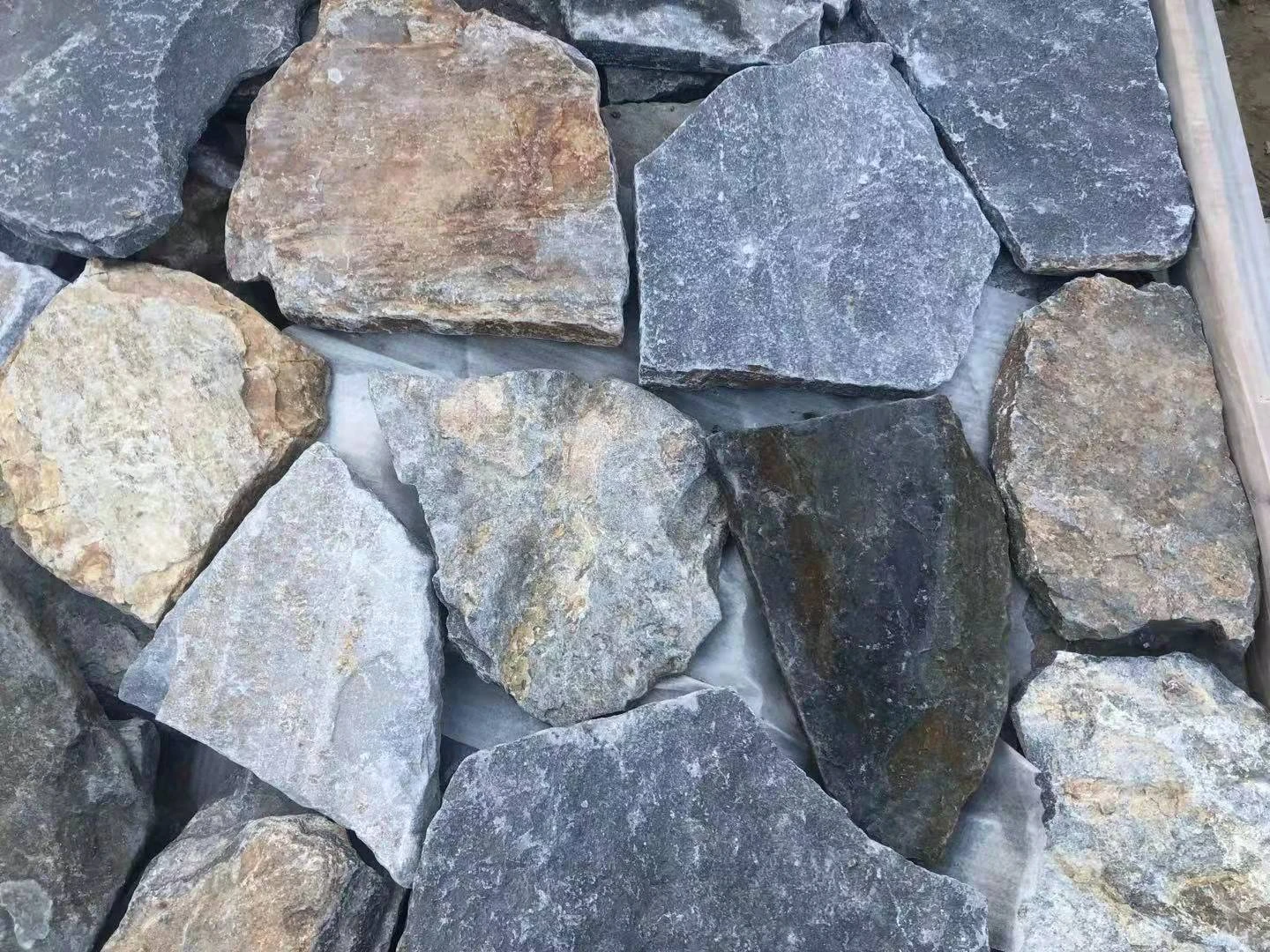
Bluestone is sometimes referred to as basalt, and is one of the most common natural stones around the world. Bluestone forms through the alteration of lava, and because of this, is one of the closest stones to the Earth’s surface. Basalt is generally darker in colour, and is used as house roofing and floor tiles because of its hard texture.
Bridlica vznikol, keď sa sedimenty bridlíc a blatníkov zmenili pôsobením tepla a tlaku. Bridlica, ktorá je k dispozícii vo farbách od čiernej, fialovej, modrej, zelenej a šedej, sa stala obľúbenou voľbou pre strešné krytiny, pretože ju možno rezať na tenké plátky a odolávať nízkym teplotám s minimálnym poškodením. Bridlica sa tiež často používa ako podlahová dlažba kvôli jej trvalej povahe.
Travertín is created when floodwaters wash through limestone, leaving mineral deposits throughout. As it dries out, the extra minerals solidify to gradually create a much denser material called travertine. This stone is good as a replacement for marble or granite, as it’s much lighter and easier to work with, yet still durable. For this reason travertine is often used on floors or walls, and is estimated to last around fifty years if maintained regularly.
 africký
  albánsky
  amharčina
  arabčina
  arménsky
  azerbajdžanský
  baskický
  bieloruský
  bengálsky
  bosniansky
  bulharčina
  katalánsky
  Cebuano
  Čína
Čína  Čína (Taiwan)
  korzické
  chorvátsky
  český
český  dánčina
  holandský
  Angličtina
  Esperanto
  estónsky
  fínsky
  francúzsky
  frízsky
  Haličský
  gruzínsky
  nemecký
  grécky
  Gudžarátčina
  haitská kreolčina
  hausa
hausa  havajský
  hebrejčina
  nie
nie  Miao
Miao  maďarský
  islandský
  igbo
igbo  indonézsky
  írsky
írsky  taliansky
  japončina
  jávsky
  Kannada
  kazašský
  khmérsky
  Rwanda
  kórejský
  kurdský
  kirgizský
  TBC
TBC  latinčina
  lotyšský
  litovský
  luxemburský
  macedónsky
  Malgashi
  malajčina
  malajálamčina
  maltčina
  Maori
Maori  maráthčina
  mongolský
  Mjanmarsko
  nepálsky
  nórsky
  nórsky
  okcitánsky
  paštčina
  perzský
  poľský
  portugalčina
  pandžábsky
  rumunský
  ruský
ruský  Samoan
  škótska galčina
  srbský
  Angličtina
  Shona
Shona  Sindhi
  sinhálčina
  slovenský
  slovensky
  somálsky
  španielčina
  sundánsky
  svahilčina
  švédsky
  Tagalog
  tadžický
  tamilčina
  tatársky
  telugčina
  thajčina
  turecký
  turkménskym
  Ukrajinčina
  urdčina
  ujgurské
  uzbecký
  Vietnamci
  waleský