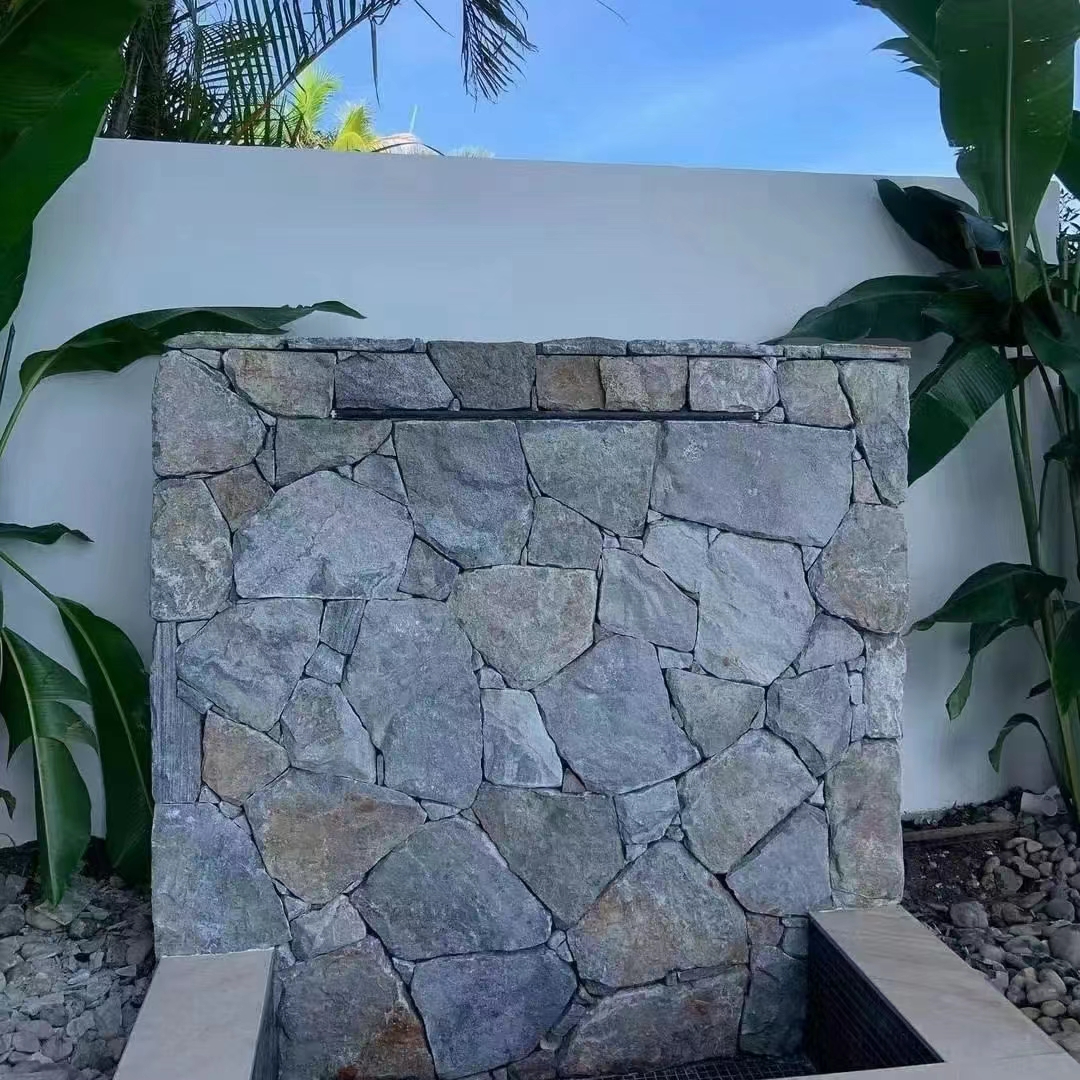
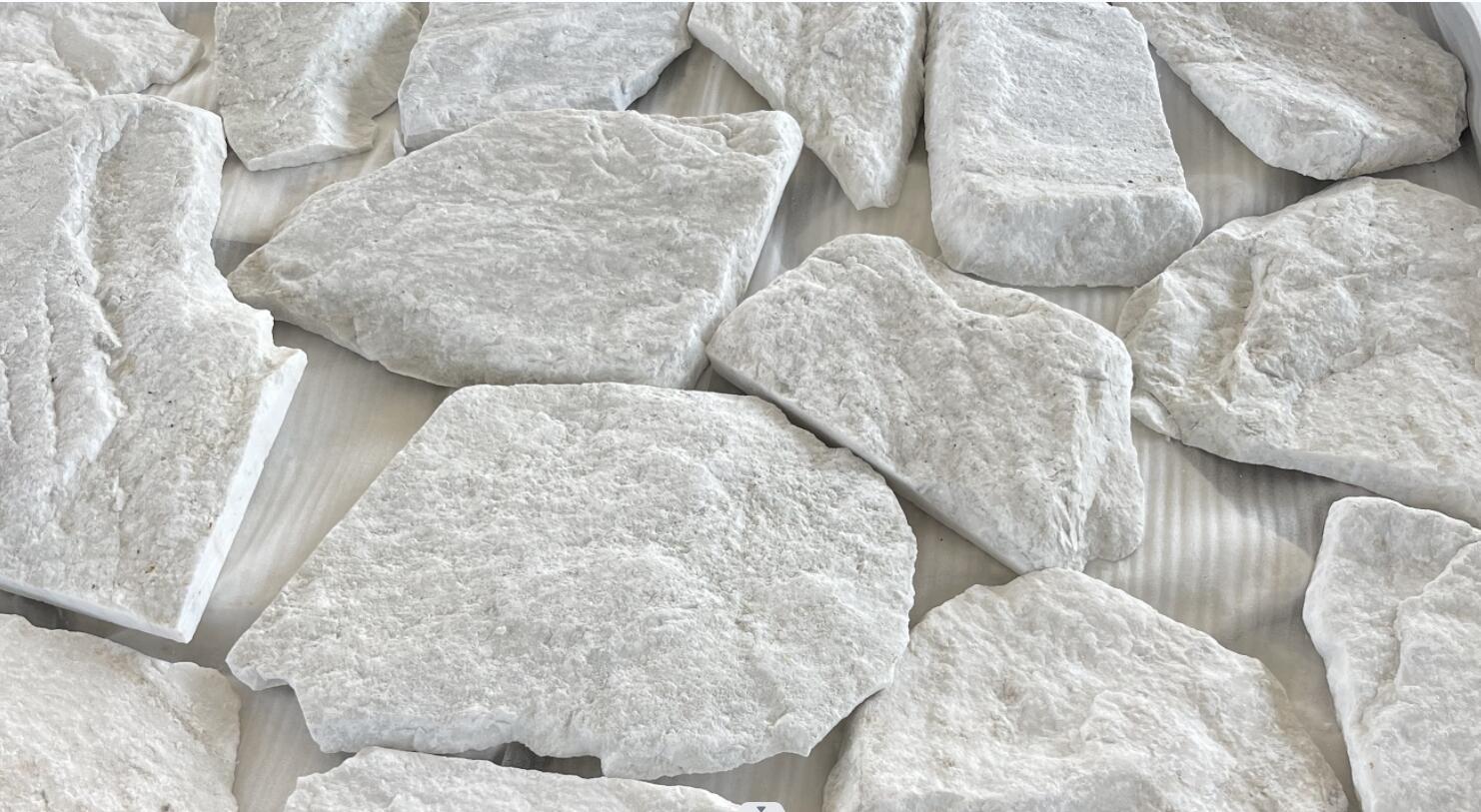
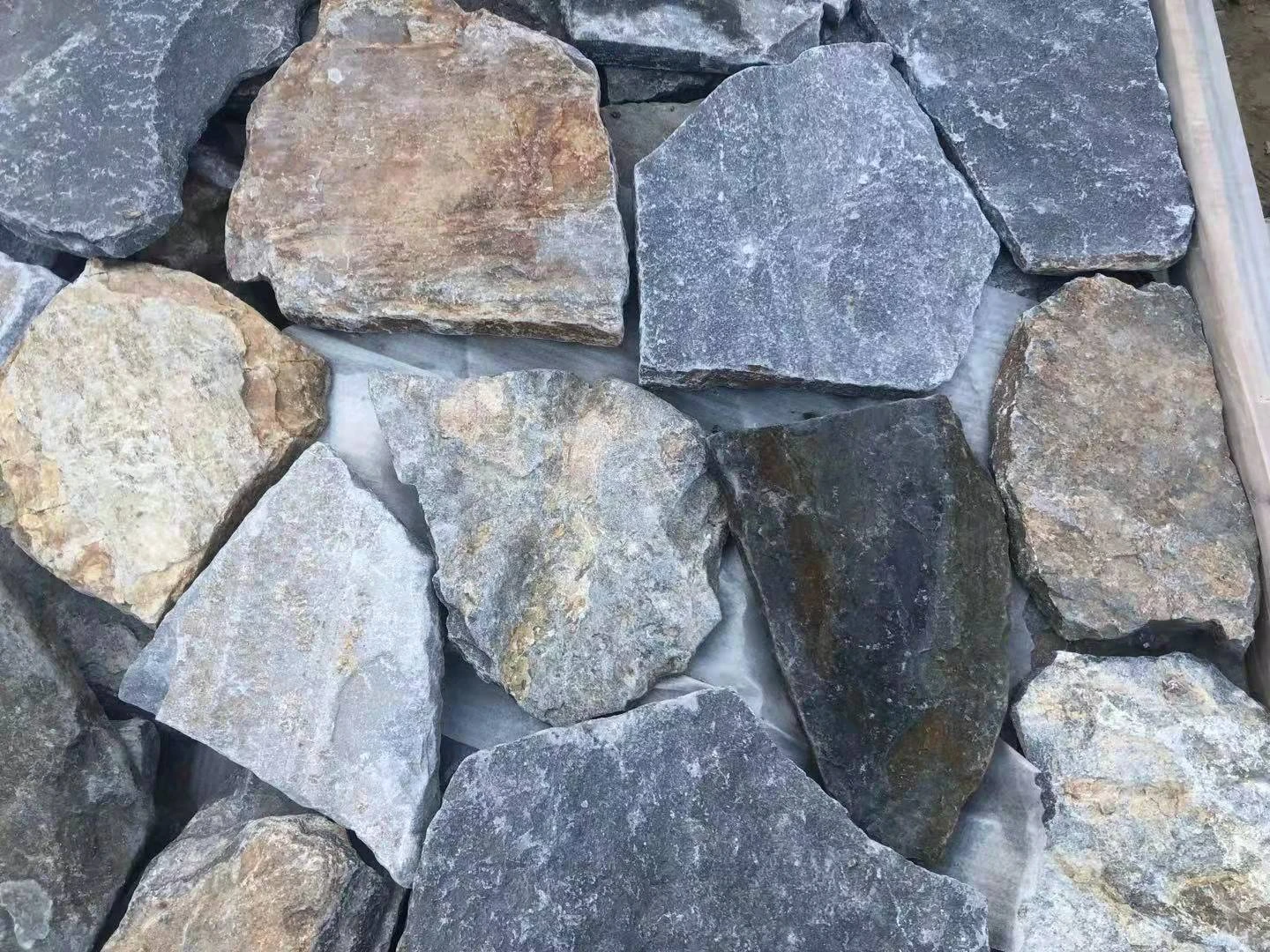
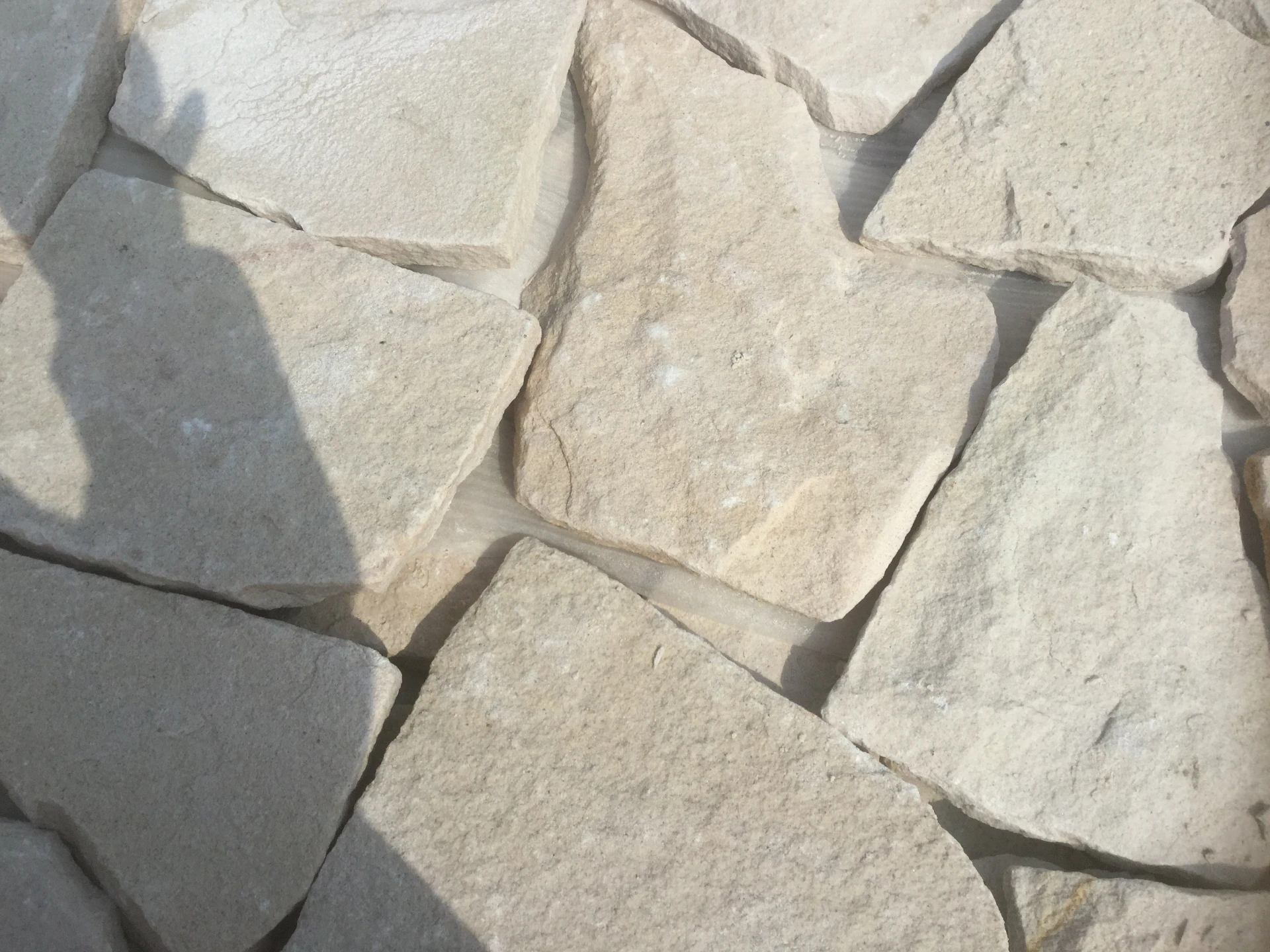
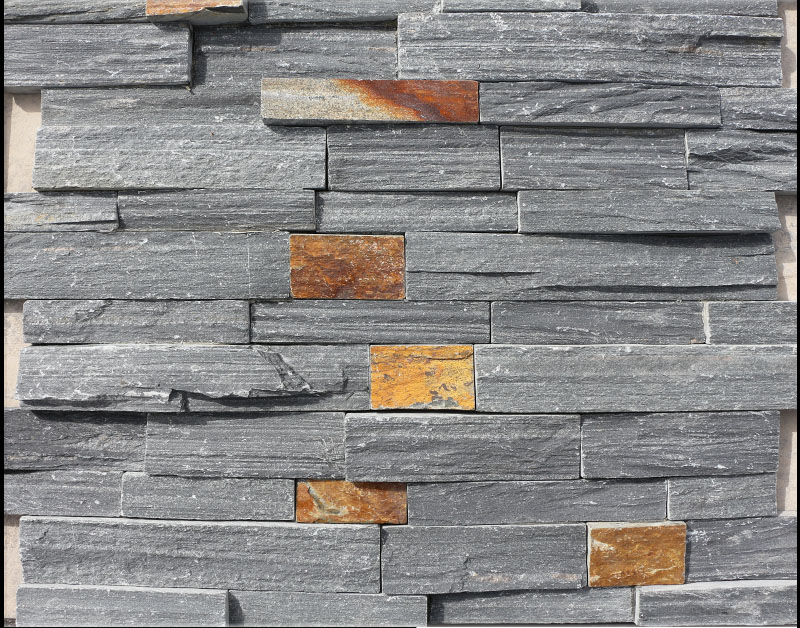
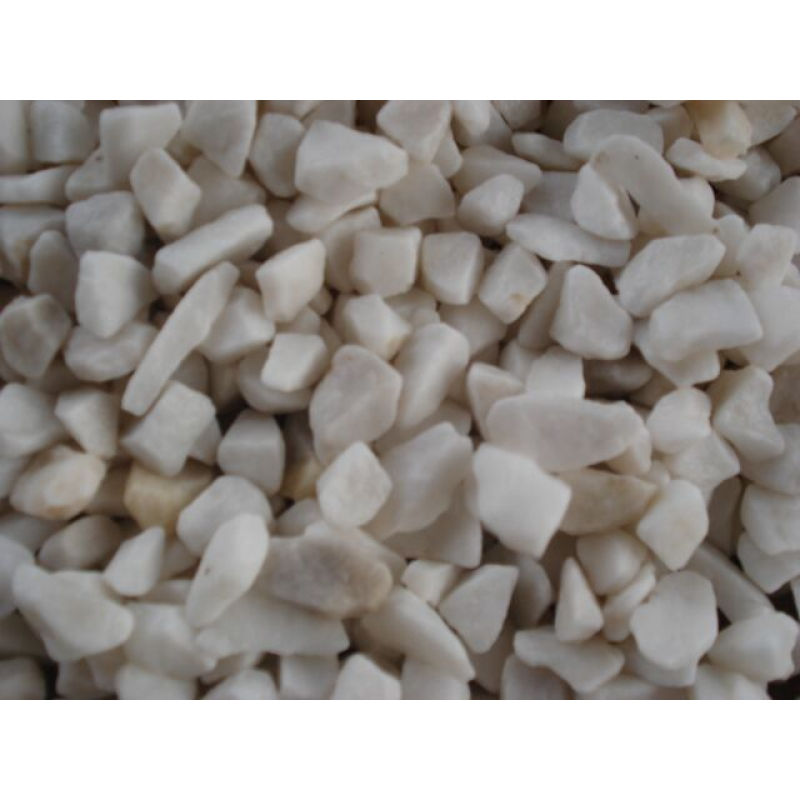
Tabiiy tosh uylar va bog'larda ishlatiladigan eng ko'p ishlatiladigan materiallardan biridir. Ammo siz biron bir tosh plitka, g'isht yoki taxta qayerdan kelganiga hayron bo'lganmisiz?
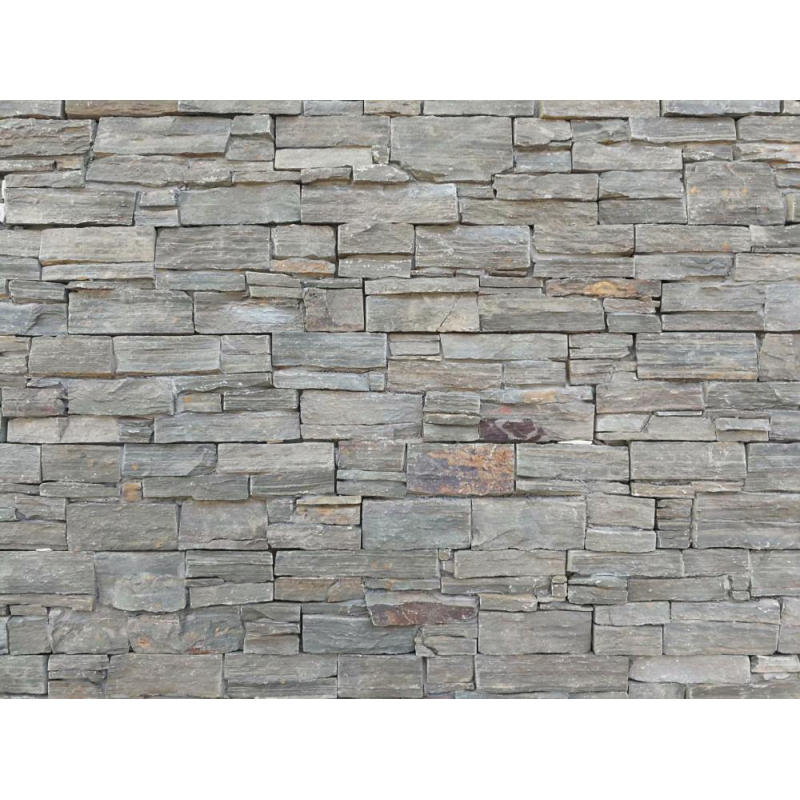
Natural stone was created thousands of years ago when the Earth was just a ball of mineral gases. As these gases began to cool down, they compressed and solidified to form the world we know today. It was during this process that natural stone was formed – the type of stone created depends on what type of minerals were combined at that time. This was a slow process that occurred over millions of years. As the Earth began to settle, many of these seams of stone were gradually pushed to the surface by heat and pressure, creating the large formations we see today.
Stone can come from anywhere in the world, and the type of stone is determined by its origins. There are quarries in America, Mexico, Canada, Italy, Turkey, Australia, and Brazil, as well as many other countries around the globe. Some countries have multiple natural stone quarries, whilst others only have a few. Let’s look in closer detail at where particular stones originate and how they were formed.
Marmar is the result of limestone that has been altered through heat and pressure. It’s a versatile stone that can be used on virtually anything – statues, stairs, walls, bathrooms, counter tops, and more. Usually seen in white, marble is also common in black and grey tints, and has great weather endurance.
Kvarsit issiqlik va siqilish natijasida o'zgargan qumtoshdan kelib chiqadi. Tosh asosan oq rangda bo'ladi, lekin uni jigarrang, kulrang yoki yashil rangda ham topish mumkin. Bu eng qattiq tabiiy tosh turlaridan biri bo'lib, uni jabhalar, stol usti va og'ir toshlarni talab qiladigan boshqa inshootlarni qurish uchun ajoyib tanlovdir.
Granit dastlab magma (lava) ta'siriga uchragan va turli minerallar ta'sirida o'zgargan magmatik tosh edi. Tosh odatda vulqon faolligi yuqori bo'lgan mamlakatlarda uchraydi va qora, jigarrang, qizil, oq va ularning orasidagi deyarli barcha ranglardan tortib turli xil ranglarda mavjud. Granit antibakterial fazilatlari tufayli oshxona va hammom uchun ajoyib imkoniyatdir.
Ohaktosh marjon, dengiz chig'anoqlari va boshqa okean hayotining birgalikda siqilishi natijasidir. Ikki xil ohaktosh mavjud, ular kaltsiyga to'la qattiqroq va magniyga ega yumshoqroq turi. Qattiq ohaktosh ko'pincha qurilish sanoatida ishlatiladi yoki suv o'tkazmaydigan sifati tufayli maydalanadi va ohakda ishlatiladi.
Bluestone is sometimes referred to as basalt, and is one of the most common natural stones around the world. Bluestone forms through the alteration of lava, and because of this, is one of the closest stones to the Earth’s surface. Basalt is generally darker in colour, and is used as house roofing and floor tiles because of its hard texture.
Shifer slanets va loytosh cho'kindilari issiqlik va bosim ta'sirida o'zgarganda yaratilgan. Qora, binafsha, ko'k, yashil va kulrang ranglarda mavjud bo'lgan shifer tom yopish uchun mashhur tanlovga aylandi, chunki u nozik tarzda kesilishi va sovuq haroratga minimal shikast etkazishi mumkin. Slate, shuningdek, chidamliligi tufayli ko'pincha plitka sifatida ishlatiladi.
Travertin is created when floodwaters wash through limestone, leaving mineral deposits throughout. As it dries out, the extra minerals solidify to gradually create a much denser material called travertine. This stone is good as a replacement for marble or granite, as it’s much lighter and easier to work with, yet still durable. For this reason travertine is often used on floors or walls, and is estimated to last around fifty years if maintained regularly.
 afrikalik
  alban
alban  Amhar
Amhar  arabcha
  arman
arman  ozarbayjon
  bask
bask  belarus
  bengal
  bosniyalik
  bolgar
  katalan
  Sebuano
  Xitoy
Xitoy  Xitoy (Tayvan)
  Korsika
  xorvat
  chex
chex  Daniya
  golland
  Ingliz
  Esperanto
  eston
eston  fin
fin  frantsuz
  frizcha
  Galisian
  gruzin
  nemis
nemis  yunoncha
  Gujarati
  Gaiti kreoli
  hausa
hausa  gavayilik
  ibroniy
  yoq
yoq  Miao
Miao  venger
  island
  igbo
igbo  indonez
  irland
  italyancha
  yapon
yapon  yava
yava  Kannada
  qozoq
qozoq  kxmer
kxmer  Ruanda
  koreys
  kurd
kurd  qirg'iz
  sil kasalligi
  lotin
lotin  latviyalik
  litva
litva  Lyuksemburgcha
  makedon
  Malgashi
  malay
malay  Malayalam
  Malta
Malta  maori
maori  marati
  mo'g'ul
  Myanma
  Nepal
Nepal  norveg
  norveg
  oksitan
  Pushtu
  forscha
  polyak
  portugal
  panjob
  rumin
rumin  rus
rus  Samoa
Samoa  Shotlandiya gael tili
  serb
serb  Ingliz
  Shona
Shona  Sindhi
  Sinhala
  slovak
  sloven
  Somali
  ispancha
  sundan
  suahili
  shvedcha
  Tagalog
  tojik
tojik  Tamil
Tamil  tatar
tatar  Telugu
  tay
tay  turkcha
  turkman
  ukrain
  urdu
urdu  uyg'ur
  o'zbek
  Vetnam
  uels
uels