

Pōhaku maoli ʻo ia kekahi o nā mea maʻamau i hoʻohana ʻia ma nā hale a me nā kīhāpai. Akā, ua kū paha ʻoe e noʻonoʻo i kahi i hele mai ai kāu mau kile pōhaku, nā pōhaku lepo, a me nā papahele?
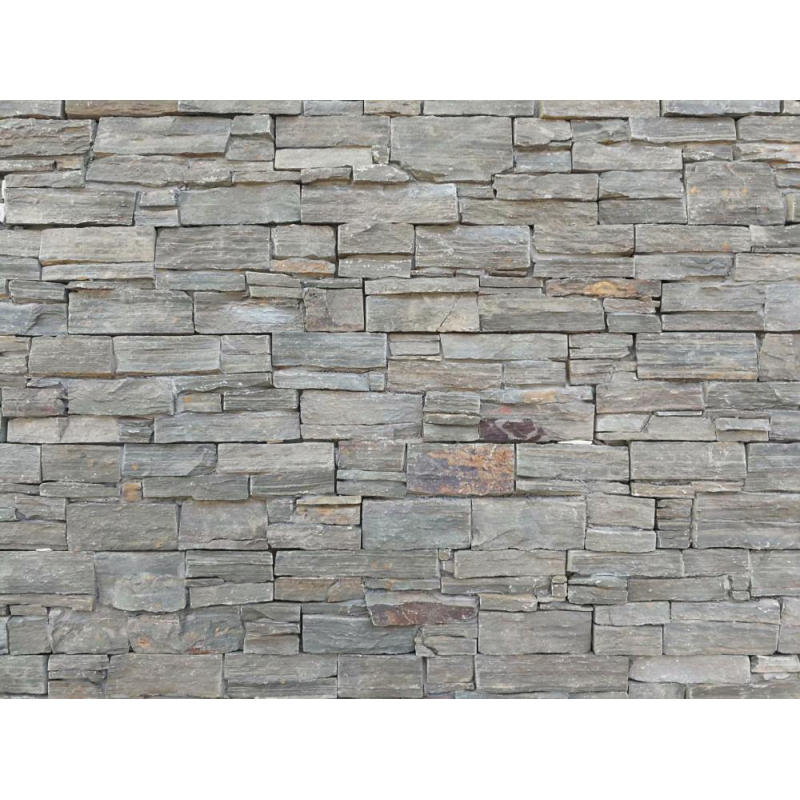
Natural stone was created thousands of years ago when the Earth was just a ball of mineral gases. As these gases began to cool down, they compressed and solidified to form the world we know today. It was during this process that natural stone was formed – the type of stone created depends on what type of minerals were combined at that time. This was a slow process that occurred over millions of years. As the Earth began to settle, many of these seams of stone were gradually pushed to the surface by heat and pressure, creating the large formations we see today.
Stone can come from anywhere in the world, and the type of stone is determined by its origins. There are quarries in America, Mexico, Canada, Italy, Turkey, Australia, and Brazil, as well as many other countries around the globe. Some countries have multiple natural stone quarries, whilst others only have a few. Let’s look in closer detail at where particular stones originate and how they were formed.
kinikini is the result of limestone that has been altered through heat and pressure. It’s a versatile stone that can be used on virtually anything – statues, stairs, walls, bathrooms, counter tops, and more. Usually seen in white, marble is also common in black and grey tints, and has great weather endurance.
Quartzite no loko mai o ka pōhaku one i hoʻololi ʻia ma o ka wela a me ke kōmi ʻana. Hele mai ka pōhaku ma ke keʻokeʻo, akā hiki ke loaʻa pū me ka ʻeleʻele, hina, a ʻōmaʻomaʻo paha. ʻO ia kekahi o nā ʻano pōhaku maoli paʻakikī, e lilo ia i koho maikaʻi loa no ke kūkulu ʻana i nā facades, countertops, a me nā hale ʻē aʻe e pono ai nā pōhaku kaumaha.
Granite he pōhaku ʻāhuhi i ʻike ʻia i ka pelemaka (lava) a hoʻololi ʻia ma o ka ʻike ʻana i nā minerala like ʻole. Loaʻa pinepine ʻia ka pōhaku ma nā ʻāina i ʻike i ka hana lua pele i kekahi manawa, a loaʻa i nā kala like ʻole mai ka ʻeleʻele, ʻeleʻele, ʻulaʻula, keʻokeʻo, a kokoke i nā kala āpau i waena. ʻO Granite kahi koho maikaʻi loa no nā lumi kuke a me nā lumi lumi ma muli o kona mau ʻano antibacterial.
Limestone ʻo ia ka hopena o ka hoʻopaʻa ʻia ʻana o nā ʻākoʻa, nā ʻeke kai, a me nā mea ola ʻē aʻe o ka moana. ʻElua ʻano pōhaku limestone, ʻo kahi ʻano paʻakikī i piha i ka calcium, a ʻo kahi ʻano palupalu me ka nui o ka magnesium. Hoʻohana pinepine ʻia ka limestone paʻa i ka ʻoihana hale, a i ʻole i hoʻopaʻa ʻia a hoʻohana ʻia i loko o ka pahū ma muli o kona ʻano wai.
Bluestone is sometimes referred to as basalt, and is one of the most common natural stones around the world. Bluestone forms through the alteration of lava, and because of this, is one of the closest stones to the Earth’s surface. Basalt is generally darker in colour, and is used as house roofing and floor tiles because of its hard texture.
Slate i hana ʻia i ka wā i hoʻololi ʻia ai nā ʻalaʻula a me ka lepo lepo ma muli o ka wela a me ke kaomi. Loaʻa i nā waihoʻoluʻu mai ka ʻeleʻele, ka poni, ka uliuli, ka ʻōmaʻomaʻo, a me ka hina, ua lilo ka slate i mea koho kaulana no ka uhi ʻana i ka hale no ka mea hiki ke ʻoki ʻia a hiki ke kū i ke anuanu me ka liʻiliʻi o ka pōʻino. Hoʻohana pinepine ʻia ʻo Slate e like me ke ʻano o ka papahele ma muli o kona ʻano mau.
Travertine is created when floodwaters wash through limestone, leaving mineral deposits throughout. As it dries out, the extra minerals solidify to gradually create a much denser material called travertine. This stone is good as a replacement for marble or granite, as it’s much lighter and easier to work with, yet still durable. For this reason travertine is often used on floors or walls, and is estimated to last around fifty years if maintained regularly.
 ʻApelika
  Alapania
  Amahapika
  Apapika
  Ameniana
  Azerbaijani
  Pōkē
Pōkē  ʻŌlelo Belarusa
  Penekali
  Ponia
Ponia  Pukalia
  ʻŌlelo Katalonia
  Cebuano
  Kina
Kina  Kina (Taiwan)
  ʻŌlelo Kokia
  Koalia
  Keka
Keka  Kenemaka
  Hōlani
  Pelekania
  ʻŌlelo Esperanto
  Ekekonia
  Pinilana
  Palani
  Frisian
  Kalikia
  Keokia
  Alemania
  Helene
  Kuhalaki
  ʻŌlelo Haiki
  Hauka
Hauka  ʻŌlelo Hawaiʻi
  Hepela
  ʻAʻole
  Miao
Miao  Hunakalia
  ʻĀinahau
  igbo
igbo  ʻInikonia
  Ipelana
  Ikalia
  Kepanī
  Kawanī
  Kanākā
  ʻŌlelo Kazaka
  Khmer
Khmer  Rwandan
  Kolea
Kolea  ʻŌlelo Kurdish
  ʻŌlelo Kyrgyz
  TB
TB  ʻŌlelo Lākni
  Lakiwiana
  ʻŌlelo Lituania
  ʻŌlelo Lukemapuka
  Makekoni
  Malgashi
  Mālei
Mālei  Mālealama
  Malkī
Malkī  ʻŌlelo Māori
  Malapi
  ʻŌlelo Monokolia
  Maianamara
  Nepali
  Nolewai
  Nolewai
  ʻOkitana
  ʻŌlelo Pashto
  Pelekia
  Pōlani
  Pukikī
  ʻŌlelo Punajabi
  Lomānia
  Lukia
Lukia  Sāmoa
Sāmoa  Gaelika Sekotia
  ʻŌlelo Serbia
  Pelekania
  Shona
Shona  Kiniki
  Sinhala
  Kolowakia
  Kolewenia
  ʻŌlelo Somalia
  Kepania
  Sundana
  Kawahili
  Kuekene
  Kakalo
  Tajika
  Kamili
  Tatar
Tatar  Keluku
  Kailani
  Tureke
  ʻŌlelo Kuleke
  Ukrainian
  Urdu
Urdu  Uighur
  ʻUzbek
  Vietnamese
  Welsh
Welsh 




