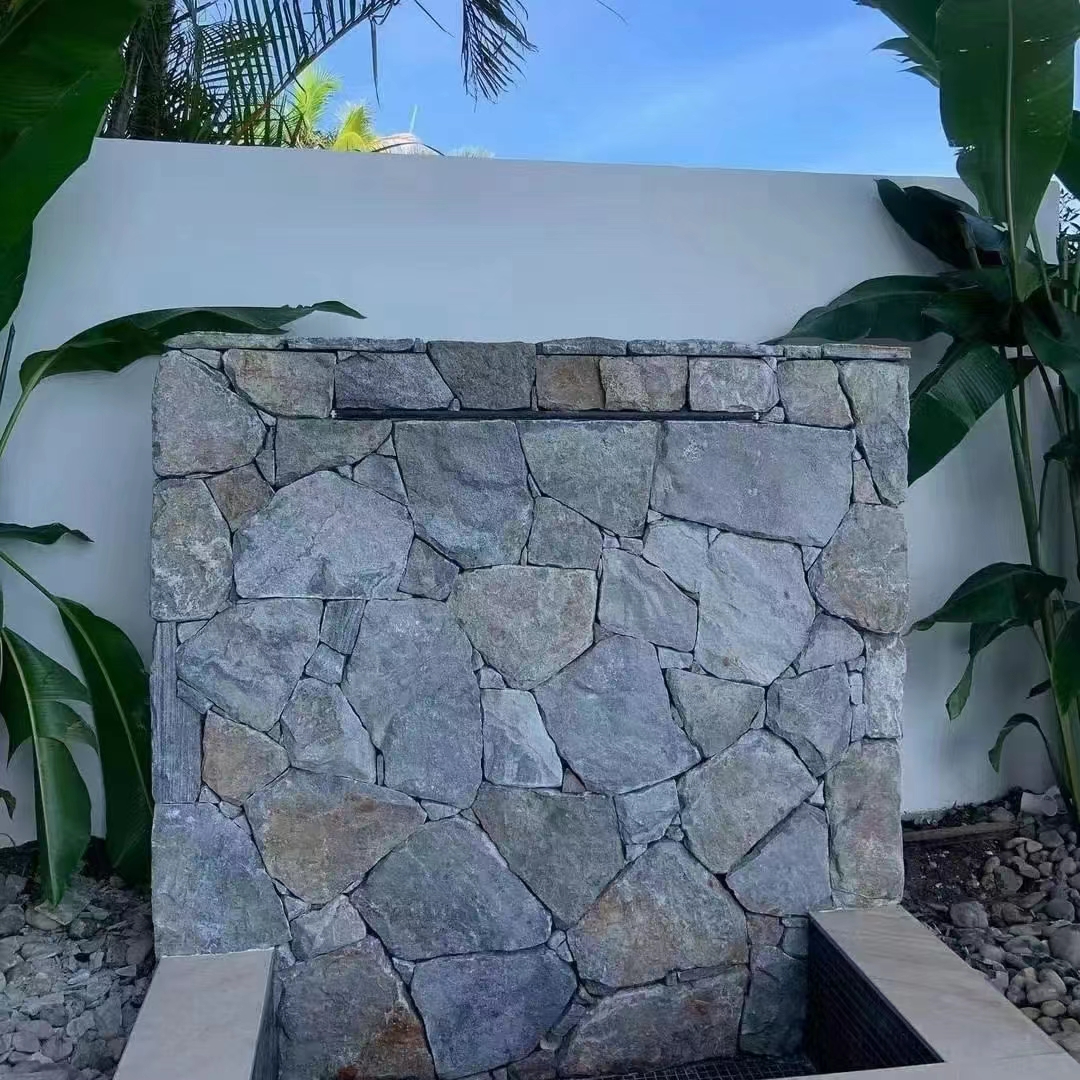
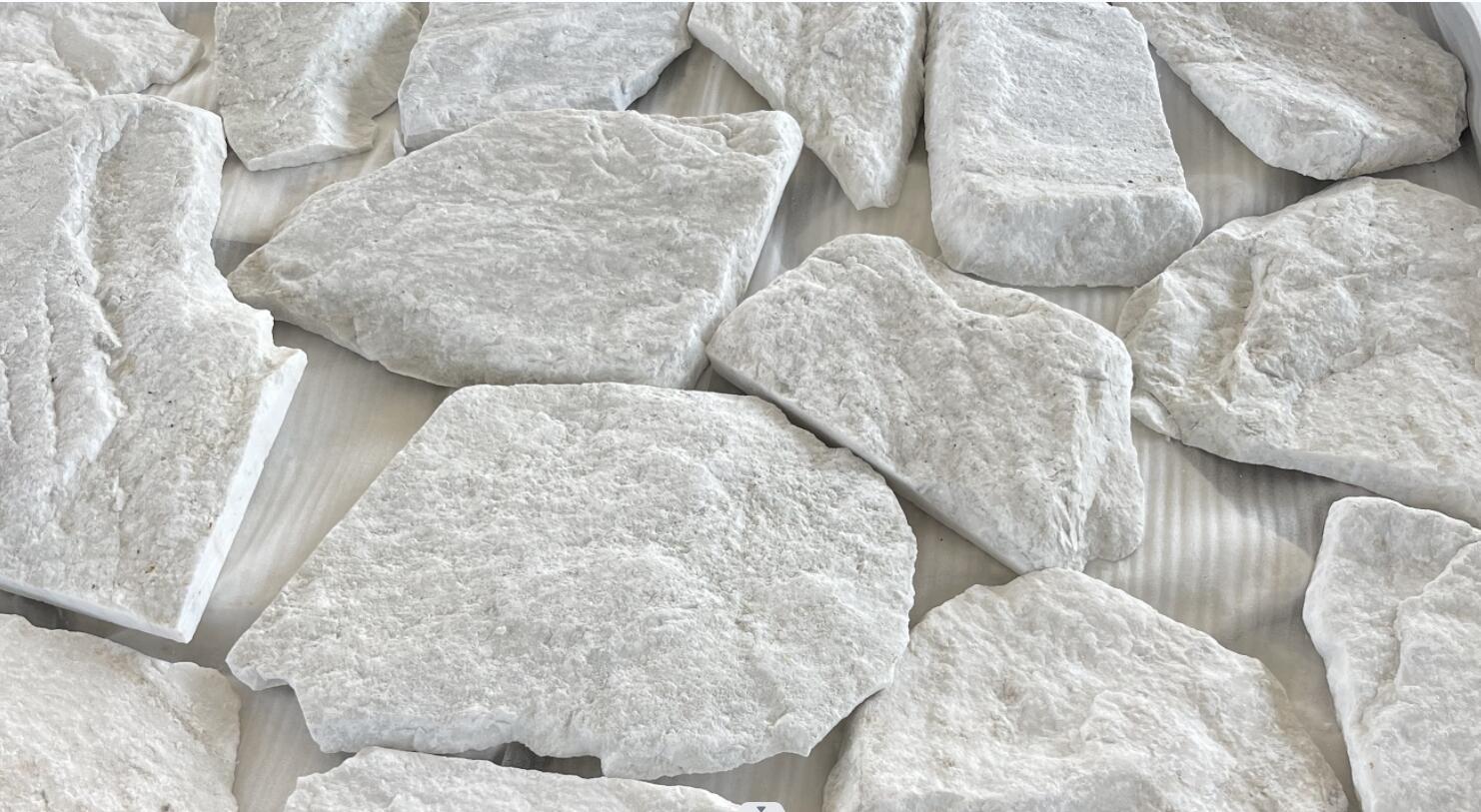
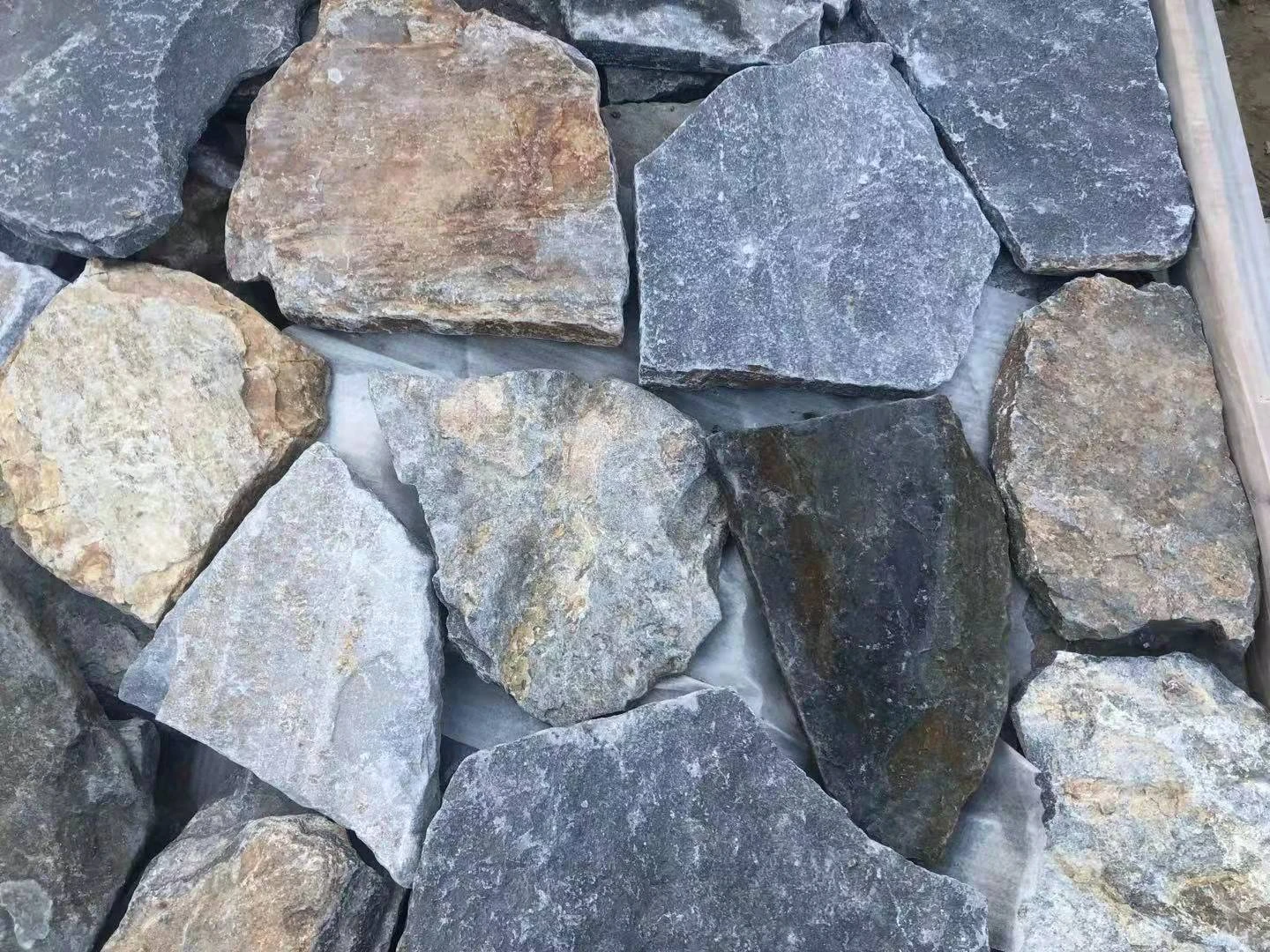
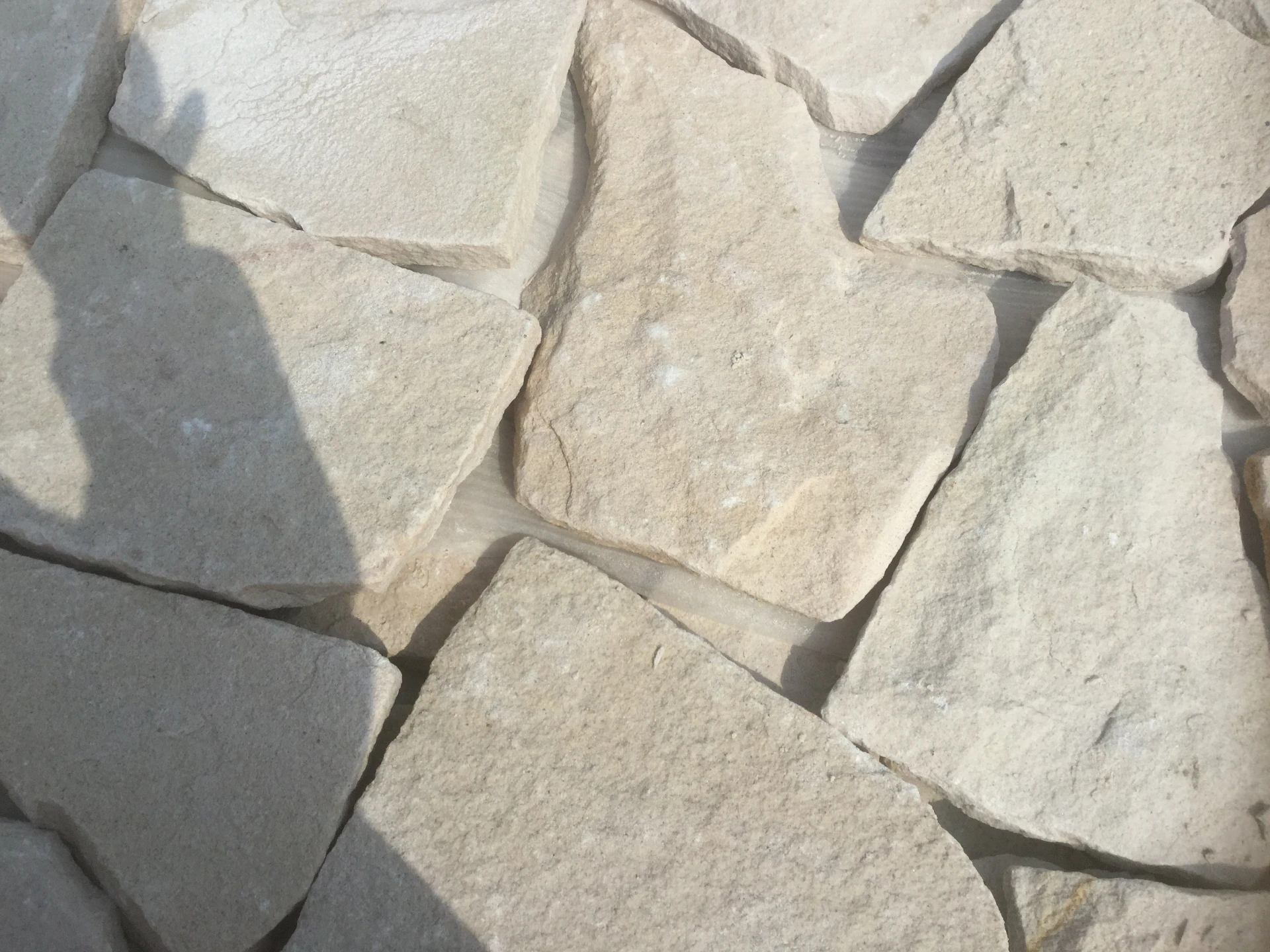
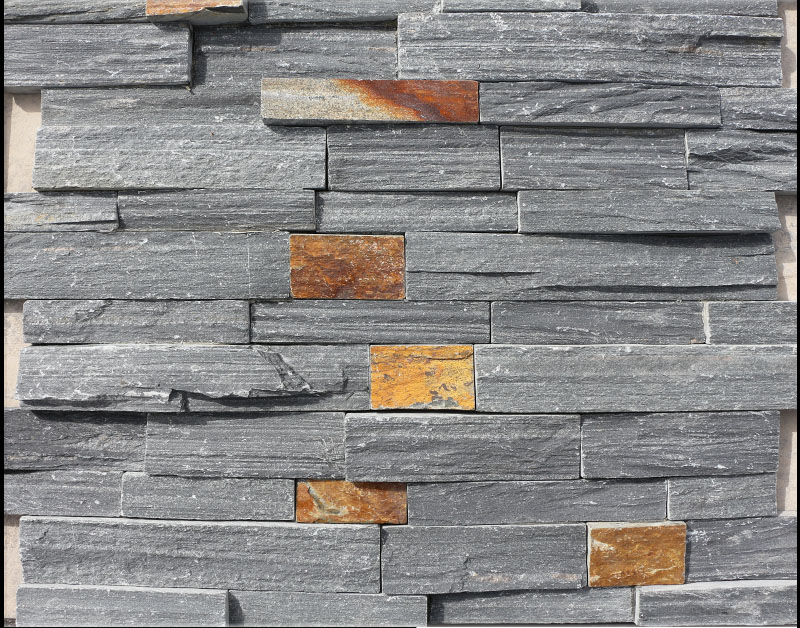
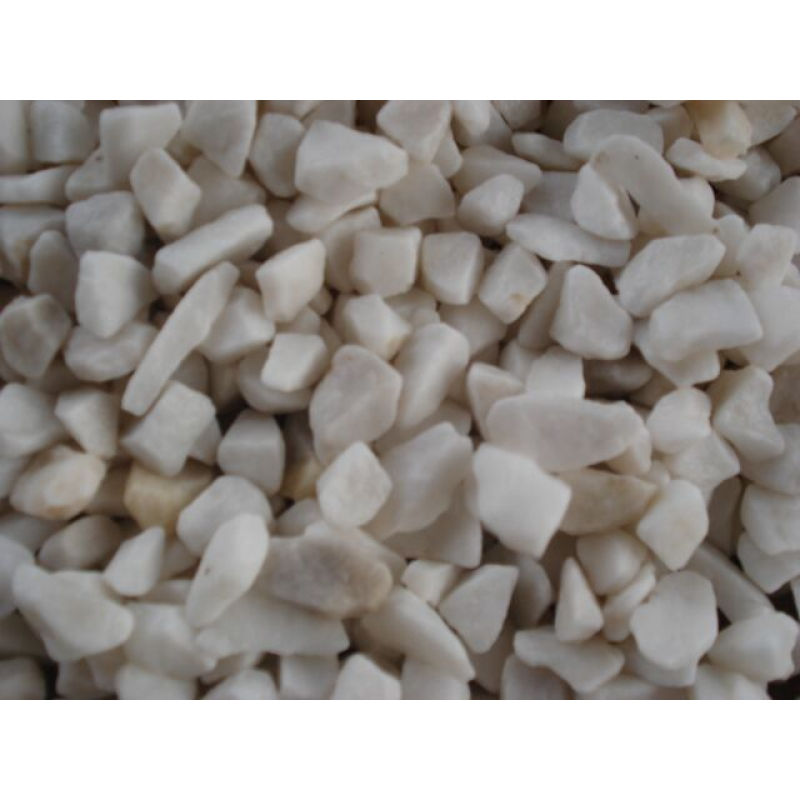
Mwala wachilengedwe ndi chimodzi mwa zinthu zomwe zimagwiritsidwa ntchito kwambiri m'nyumba ndi m'minda. Koma kodi munayamba mwadzifunsapo kuti matailosi anu amwala, njerwa, kapena pansi achokera kuti?
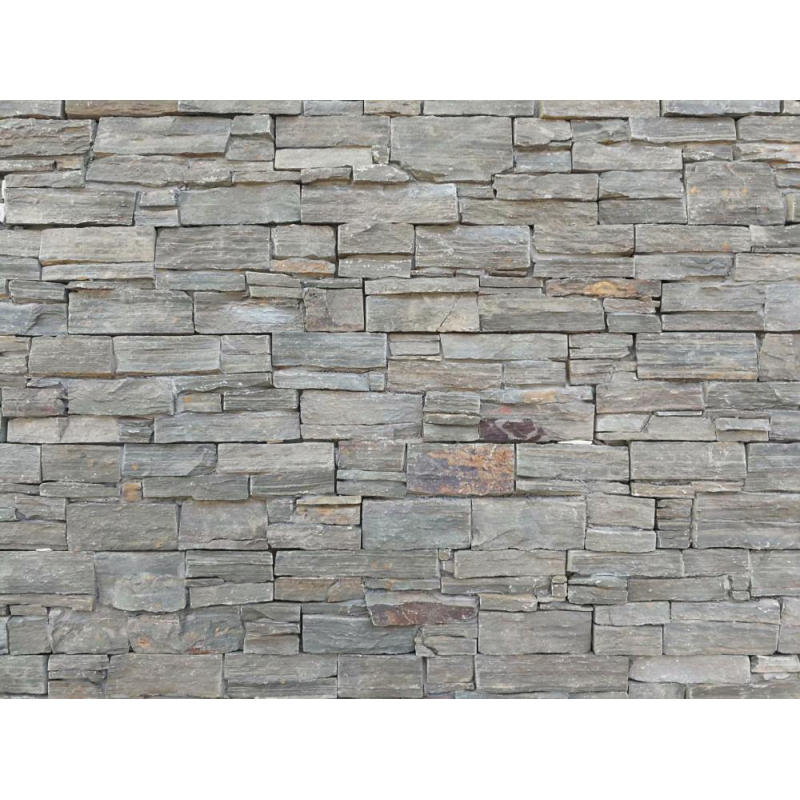
Natural stone was created thousands of years ago when the Earth was just a ball of mineral gases. As these gases began to cool down, they compressed and solidified to form the world we know today. It was during this process that natural stone was formed – the type of stone created depends on what type of minerals were combined at that time. This was a slow process that occurred over millions of years. As the Earth began to settle, many of these seams of stone were gradually pushed to the surface by heat and pressure, creating the large formations we see today.
Stone can come from anywhere in the world, and the type of stone is determined by its origins. There are quarries in America, Mexico, Canada, Italy, Turkey, Australia, and Brazil, as well as many other countries around the globe. Some countries have multiple natural stone quarries, whilst others only have a few. Let’s look in closer detail at where particular stones originate and how they were formed.
Marble is the result of limestone that has been altered through heat and pressure. It’s a versatile stone that can be used on virtually anything – statues, stairs, walls, bathrooms, counter tops, and more. Usually seen in white, marble is also common in black and grey tints, and has great weather endurance.
Quartzite amachokera ku sandstone yomwe yasinthidwa chifukwa cha kutentha ndi kuponderezedwa. Mwalawu umabwera makamaka ndi zoyera, koma umapezekanso ndi zofiirira, zotuwa, kapena zobiriwira. Ndi imodzi mwamiyala yovuta kwambiri, yomwe imapangitsa kuti ikhale yabwino kwambiri pomanga ma facade, ma countertops, ndi zina zomwe zimafunikira miyala yolemetsa.
Granite Poyamba unali mwala woyaka moto umene unavumbulutsidwa ndi magma (lava) ndipo unasinthidwa chifukwa cha kukhudzana ndi mchere wosiyanasiyana. Mwalawu umapezeka kawirikawiri m'mayiko omwe awonapo mapiri ophulika kwambiri panthawi ina, ndipo amapezeka mumitundu yosiyanasiyana yakuda, yofiirira, yofiira, yoyera, komanso pafupifupi mitundu yonse yapakati. Granite ndi njira yabwino kukhitchini ndi mabafa chifukwa cha antibacterial.
Mwala wamiyala ndi zotsatira za kupanikizana kwa coral, zipolopolo, ndi zamoyo zina za m'nyanja pamodzi. Pali mitundu iwiri ya miyala ya laimu, yolimba kwambiri yomwe ili ndi kashiamu, ndi mtundu wofewa wokhala ndi magnesiamu wambiri. Miyala yolimba imagwiritsidwa ntchito pomanga, kapena kufota ndikugwiritsidwa ntchito mumatope chifukwa cha khalidwe lake losalowa madzi.
Bluestone is sometimes referred to as basalt, and is one of the most common natural stones around the world. Bluestone forms through the alteration of lava, and because of this, is one of the closest stones to the Earth’s surface. Basalt is generally darker in colour, and is used as house roofing and floor tiles because of its hard texture.
Slate analengedwa pamene shale ndi matope mudstone anasinthidwa chifukwa cha kutentha ndi kupsyinjika. Zopezeka mumitundu yochokera ku zakuda, zofiirira, zabuluu, zobiriwira, ndi imvi, slate yakhala chisankho chodziwika bwino padenga chifukwa imatha kudulidwa mochepa komanso kupirira kuzizira kopanda kuwonongeka pang'ono. Slate imagwiritsidwanso ntchito ngati kuyala pansi chifukwa cha kukhalitsa kwake.
Travertine is created when floodwaters wash through limestone, leaving mineral deposits throughout. As it dries out, the extra minerals solidify to gradually create a much denser material called travertine. This stone is good as a replacement for marble or granite, as it’s much lighter and easier to work with, yet still durable. For this reason travertine is often used on floors or walls, and is estimated to last around fifty years if maintained regularly.
 Afirika
  Chialubaniya
  Chiamharic
  Chiarabu
  Chiameniya
  Chiazerbaijani
  Basque
  Chibelarusi
  Chibengali
  Chibosnia
  Chibugariya
  Chikatalani
  Cebuano
  China
China  China (Taiwan)
  Chikosikani
  Chikroatia
  Chicheki
  Chidanishi
  Chidatchi
  Chingerezi
  Chiesperanto
  Chiestonia
  Chifinishi
  Chifalansa
  Chifrisian
  Chigalikiya
  Chijojiya
  Chijeremani
  Chigriki
  Chigujarati
  Chikiliyo cha ku Haiti
  hausa
hausa  Hawaii
  Chiheberi
  Ayi
Ayi  Miao
Miao  Chihangare
  Chi Icelandic
  igbo
igbo  Chi Indonesian
  ayi
ayi  Chitaliyana
  Chijapani
  Chijavani
  Kanada
  kazakh
  Khmer
Khmer  Rwanda
  Chikorea
  Chikurdi
  Kyrgyz
  TB
TB  Chilatini
  Chilativiya
  Chilithuania
  ChiLuxembourgish
  Chimakedoniya
  Malgashi
  Chimalayi
  Malayalam
  Chimalta
  Chimaori
  Chimarathi
  Chimongoliya
  Myanmar
  Chinepali
  Chinorwe
  Chinorwe
  Occitan
  Pashto
  Chiperisi
  Chipolishi
  Chipwitikizi
  Chipunjabi
  Chiromania
  Chirasha
  Chisamoa
  Scottish Gaelic
  Chisebiya
  Chingerezi
  Chishona
  Sindi
Sindi  Sinhala
  Chisilovaki
  Chisiloveniya
  Somalia
  Chisipanishi
  Chisundanese
  Swahili
  Chiswidishi
  Chitagalogi
  Tajiki
  Tamil
Tamil  Chitata
  Telugu
  Thai
Thai  Turkey
  Turkmen
  Chiyukireniya
  Chiurdu
  Uighur
  Chiuzbeki
  Vietnamese
  Chiwelesi