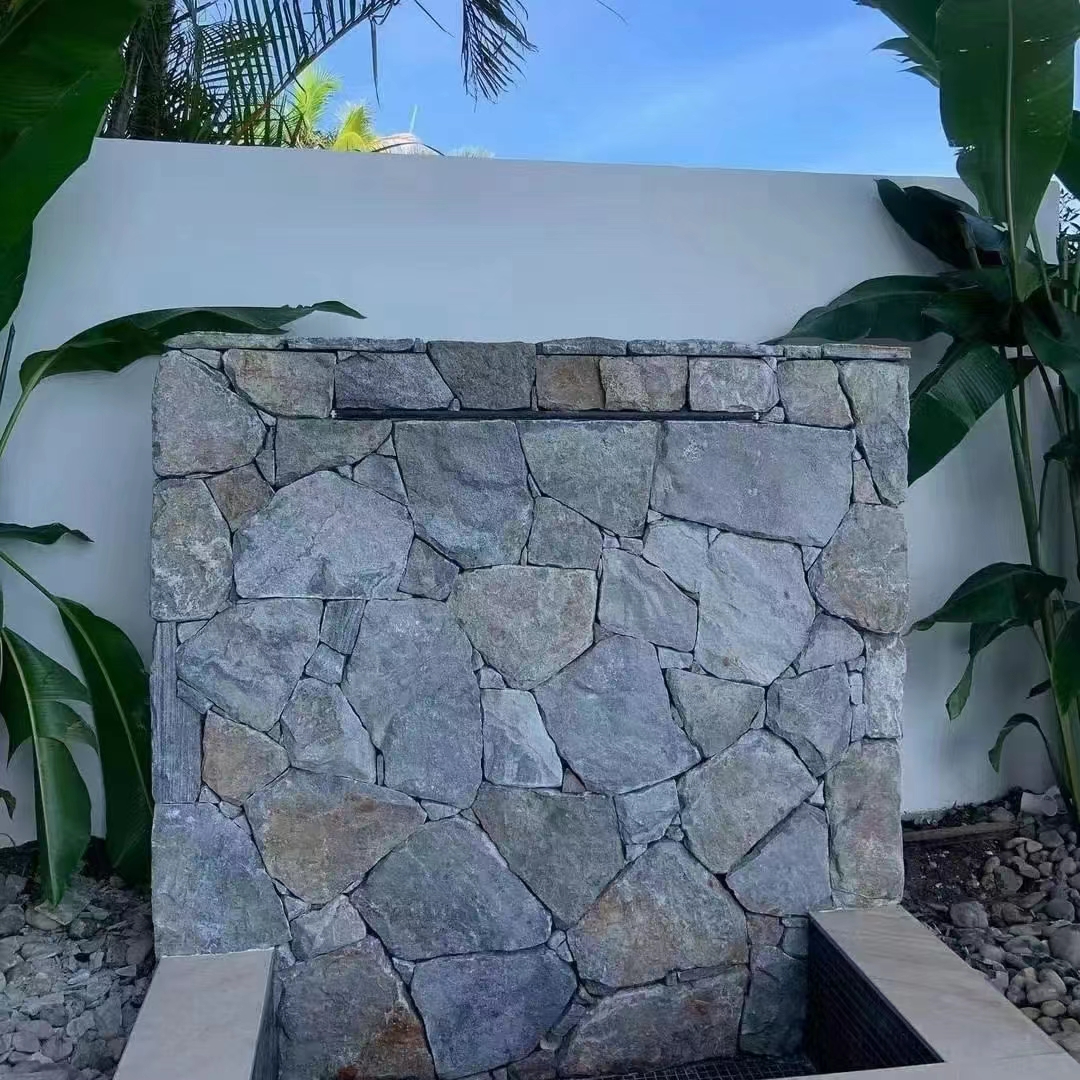
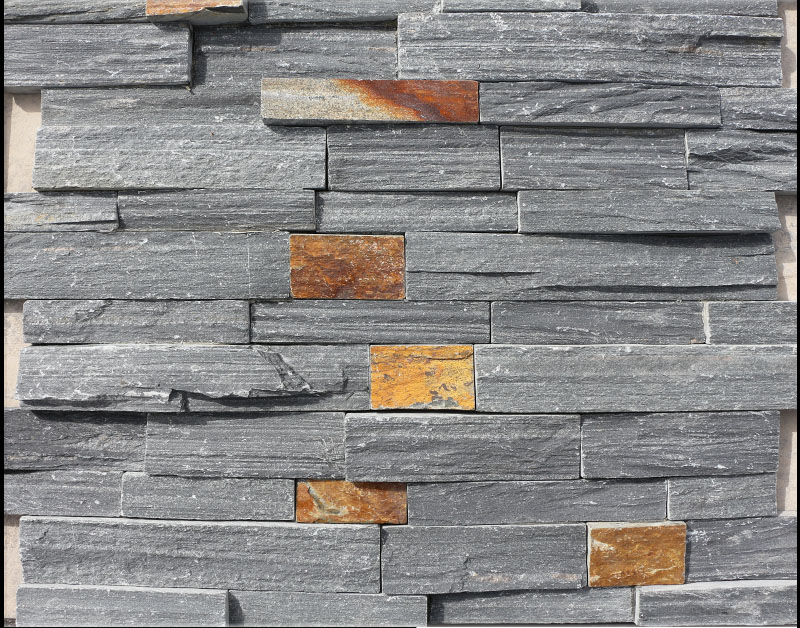
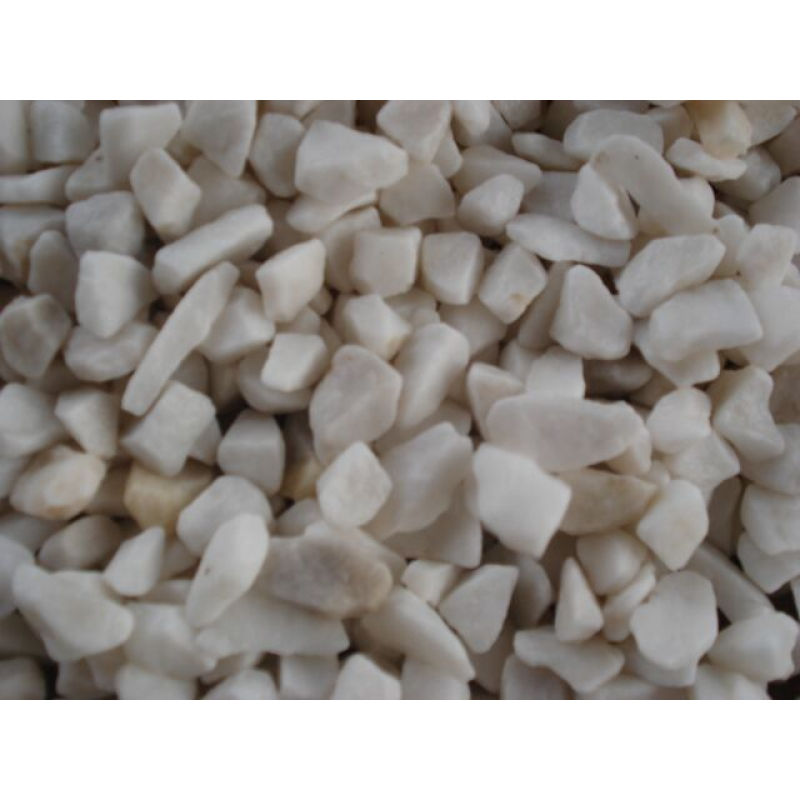
Clach nàdarrach Is e seo aon de na stuthan as cumanta a thathas a’ cleachdadh ann an dachaighean agus gàrraidhean. Ach an do stad thu a-riamh gus iongnadh cò às a thàinig na leacan cloiche, na breigichean no an làr sònraichte agad?
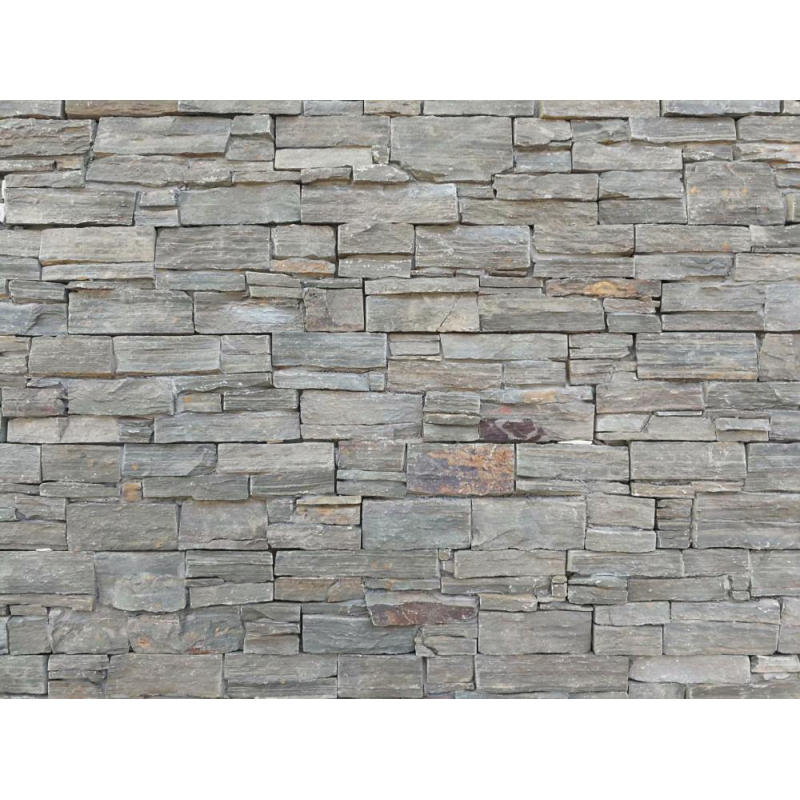
Natural stone was created thousands of years ago when the Earth was just a ball of mineral gases. As these gases began to cool down, they compressed and solidified to form the world we know today. It was during this process that natural stone was formed – the type of stone created depends on what type of minerals were combined at that time. This was a slow process that occurred over millions of years. As the Earth began to settle, many of these seams of stone were gradually pushed to the surface by heat and pressure, creating the large formations we see today.
Stone can come from anywhere in the world, and the type of stone is determined by its origins. There are quarries in America, Mexico, Canada, Italy, Turkey, Australia, and Brazil, as well as many other countries around the globe. Some countries have multiple natural stone quarries, whilst others only have a few. Let’s look in closer detail at where particular stones originate and how they were formed.
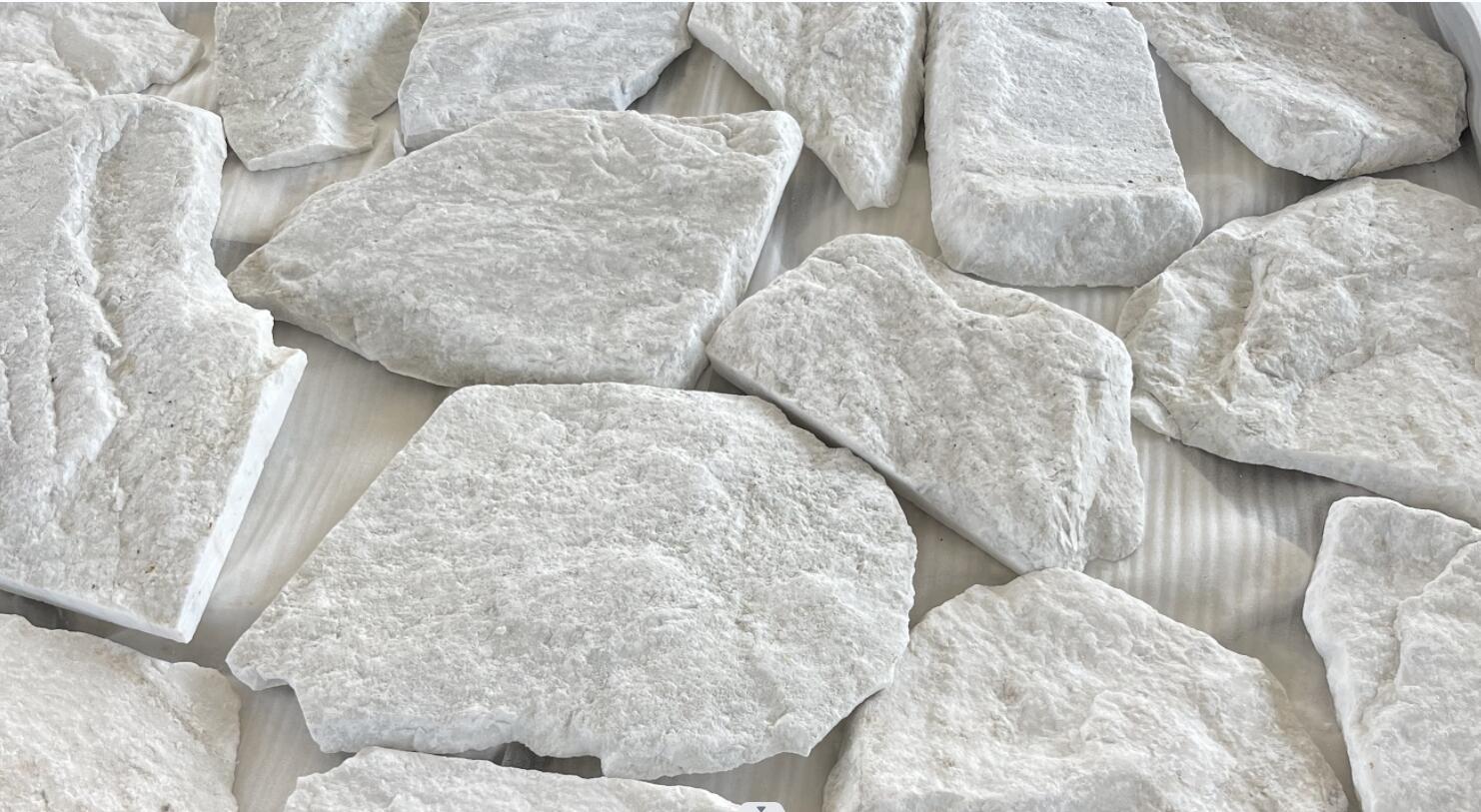
Marmor is the result of limestone that has been altered through heat and pressure. It’s a versatile stone that can be used on virtually anything – statues, stairs, walls, bathrooms, counter tops, and more. Usually seen in white, marble is also common in black and grey tints, and has great weather endurance.
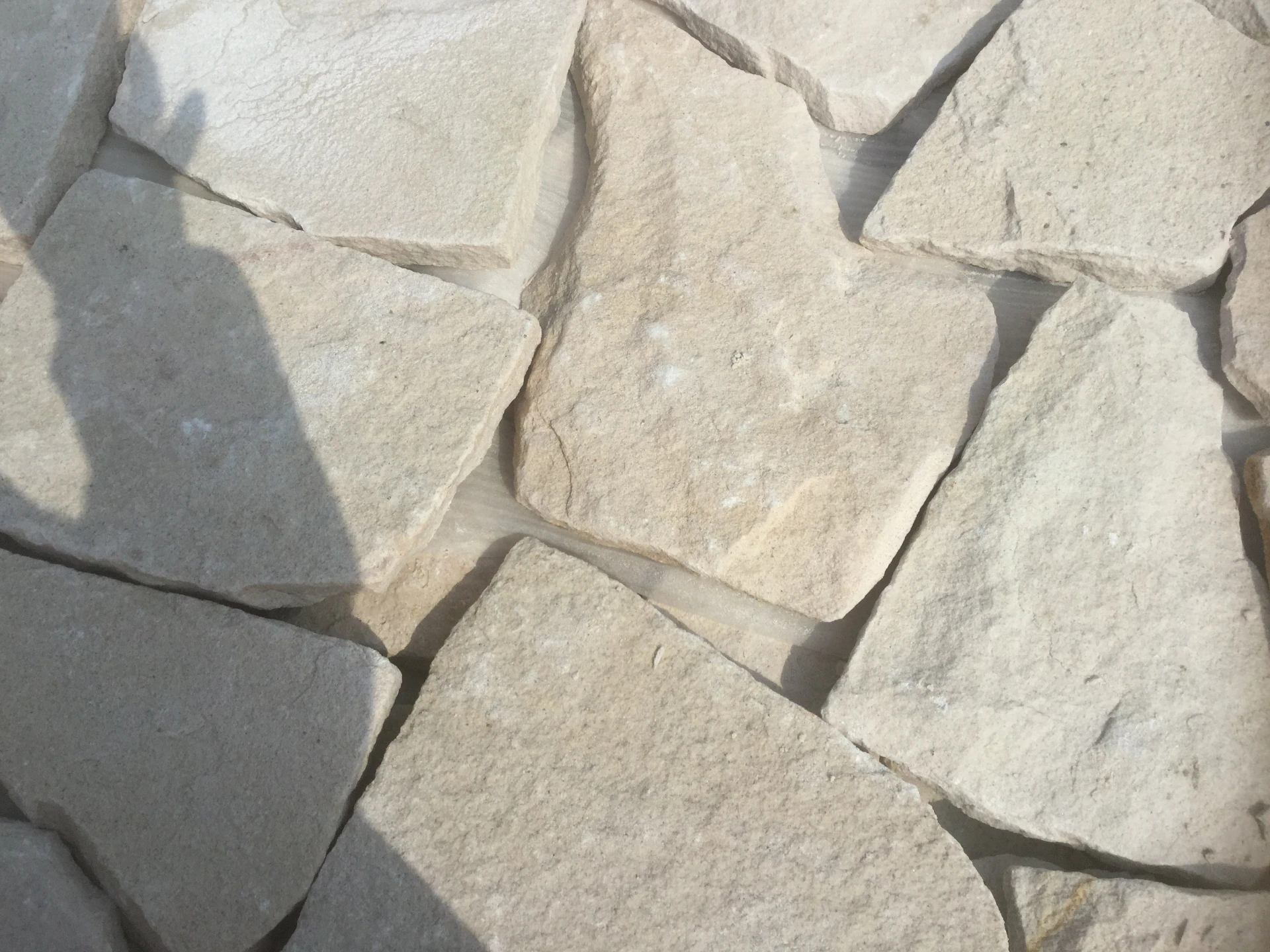
Ceathairneach a thàinig bho chlach-ghainmhich a chaidh atharrachadh tro theas agus teannachadh. Tha a’ chlach sa mhòr-chuid a’ tighinn a-steach ann an gealaichean, ach gheibhear i cuideachd le teudan donn, liath no uaine oirre. Is e seo aon de na seòrsaichean cloiche nàdarra as cruaidhe, ga dhèanamh na dheagh roghainn airson aghaidhean togail, countertops, agus structaran eile a dh ’fheumas clachan trom-dhleastanais.
Clach-ghràin B' e clach igneous a bh' ann bho thùs a bha fosgailte do magma (lava) agus air atharrachadh tro bhith fosgailte do dhiofar mhèinnirean. Tha a’ chlach ri lorg gu cumanta ann an dùthchannan a tha air gnìomhachd àrd bholcànach fhaicinn aig àm air choreigin, agus tha i ri fhaighinn ann an iomadh seòrsa dathan bho dhubh, donn, dearg, geal, agus cha mhòr a h-uile dath eatarra. Tha clach-ghràin na dheagh roghainn airson cidsinean agus seòmraichean-ionnlaid air sgàth a fheartan antibacterial.
clach-aoil mar thoradh air a bhith a’ teannachadh corail, sligean-mara, agus beatha cuantan eile còmhla. Tha dà sheòrsa clach-aoil ann, seòrsa nas cruaidhe a tha làn calcium, agus seòrsa nas buige le barrachd magnesium. Bithear a’ cleachdadh clach-aoil chruaidh gu tric ann an gnìomhachas togail, no air a dhol suas agus air a chleachdadh ann am mortar air sgàth cho math sa tha e uisge-dhìonach.
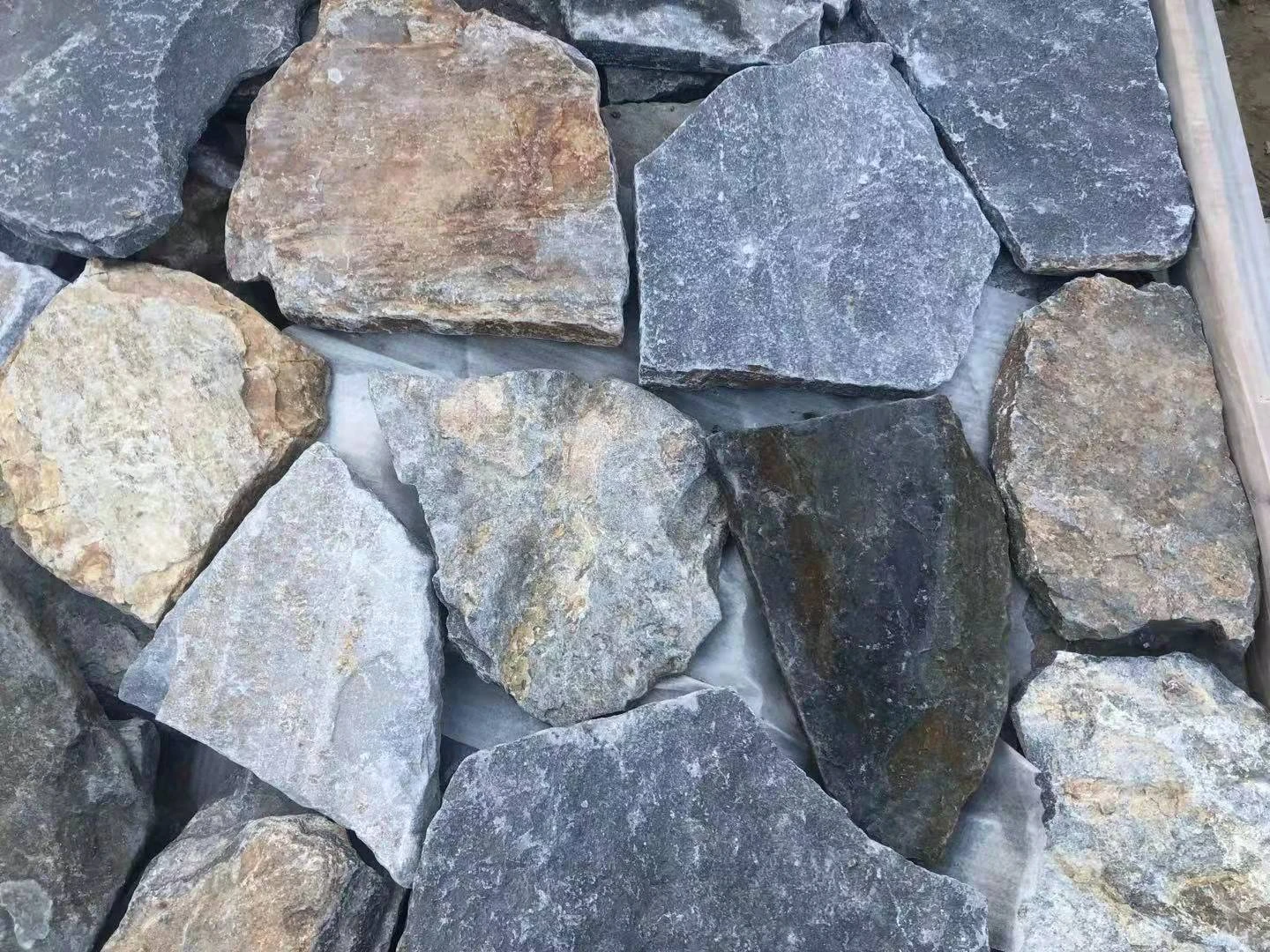
Clach-ghorm is sometimes referred to as basalt, and is one of the most common natural stones around the world. Bluestone forms through the alteration of lava, and because of this, is one of the closest stones to the Earth’s surface. Basalt is generally darker in colour, and is used as house roofing and floor tiles because of its hard texture.
Sglèat a chruthachadh nuair a chaidh grùidean clach-ghuail agus clach-eabar atharrachadh tro theas is cuideam. Ri fhaighinn ann an dathan bho dhubh, purpaidh, gorm, uaine, agus liath, tha sglèat air fàs gu bhith na roghainn mullach airson mullach oir faodar a ghearradh gu tana agus seasamh ri teòthachd fhuar le glè bheag de mhilleadh. Bidh sglèat cuideachd air a chleachdadh gu tric mar leacadh làr air sgàth a nàdar maireannach.
Travertine is created when floodwaters wash through limestone, leaving mineral deposits throughout. As it dries out, the extra minerals solidify to gradually create a much denser material called travertine. This stone is good as a replacement for marble or granite, as it’s much lighter and easier to work with, yet still durable. For this reason travertine is often used on floors or walls, and is estimated to last around fifty years if maintained regularly.
 Afraganach
  Albànianach
  Amharic
  Arabach
  Armenianach
  Azerbaijani
  Basgach
  Belarusianach
  Bengàlach
  Bosnianach
  Bulgàrianach
  Catalanach
  Cebuano
  Sìona
Sìona  Sìona (Taiwan)
  Corsicanach
  Croatianach
  Seacach
  Dànach
  Duitseach
  Sasannach
  Esperanto
  Estòinianach
  Fionnlaineach
  Frangach
  Frisianach
  Galicianach
  Georgianach
  Gearmailteach
  Grèigeach
  Gujarati
  Haitian Creole
  Hausa
Hausa  Hawaiianach
  Eabhrach
  Chan eil
  Miao
Miao  Hungàrianach
  Innis Tìleach
  igbo
igbo  And-Innseach
  Èireannach
  Eadailteach
  Iapanach
  Iabhaininnseach
  Kannada
  Kasakh
  Ciméireach
  Ruanda
  Corèanach
  Curdach
  Kyrgyz
  TBh
TBh  Laidinn
  Latbhianach
  Lithuanianach
  Luxembourgach
  Macedonianach
  Malgashi
  Malaidheach
  Malayalamach
  Malteseach
  Maori
Maori  Marathiach
  Mongolianach
  Myanmar
  Nepalach
  Lochlannach
  Lochlannach
  Occitan
  Pashto
  Persianach
  Pòlainneach
  Portugalach
  Punjabi
  Romànianach
  Ruiseanach
  Samoan
  Gàidhlig na h-Alba
  Serbianach
  Sasannach
  Shona
Shona  Sindeach
  Sinhala
  Slovacanach
  Slobhenianach
  Somali
  Spàinneach
  Sundais
  Swahilieach
  Suaineach
  Tagalogach
  Tajik
Tajik  Tamileach
  Tatarais
  Telugach
  Thaidheach
  Turcach
  Turkmen
  Ucràinis
  Urdu
Urdu  Uighur
  Uzbek
Uzbek  Bhietnam
  Cuimris