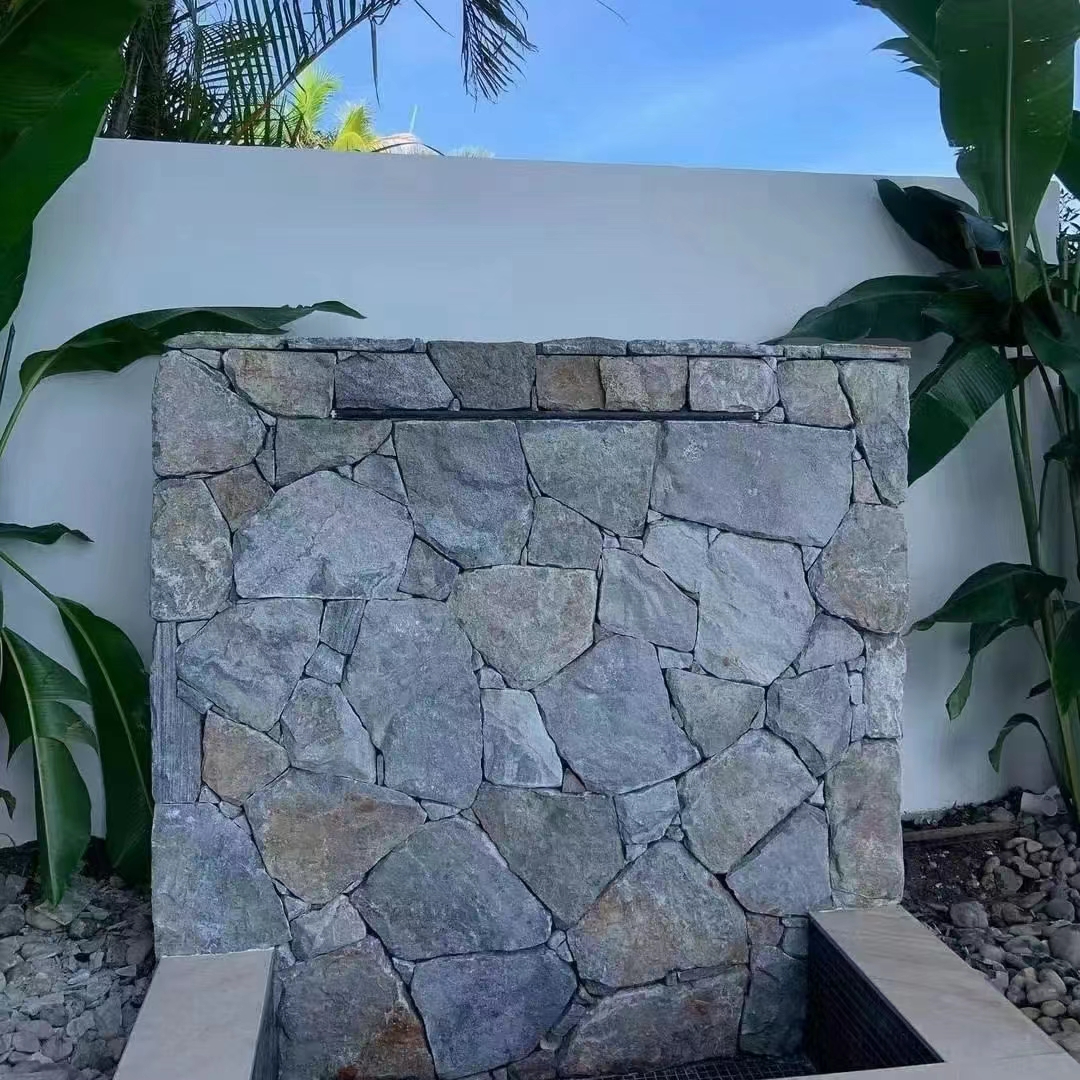
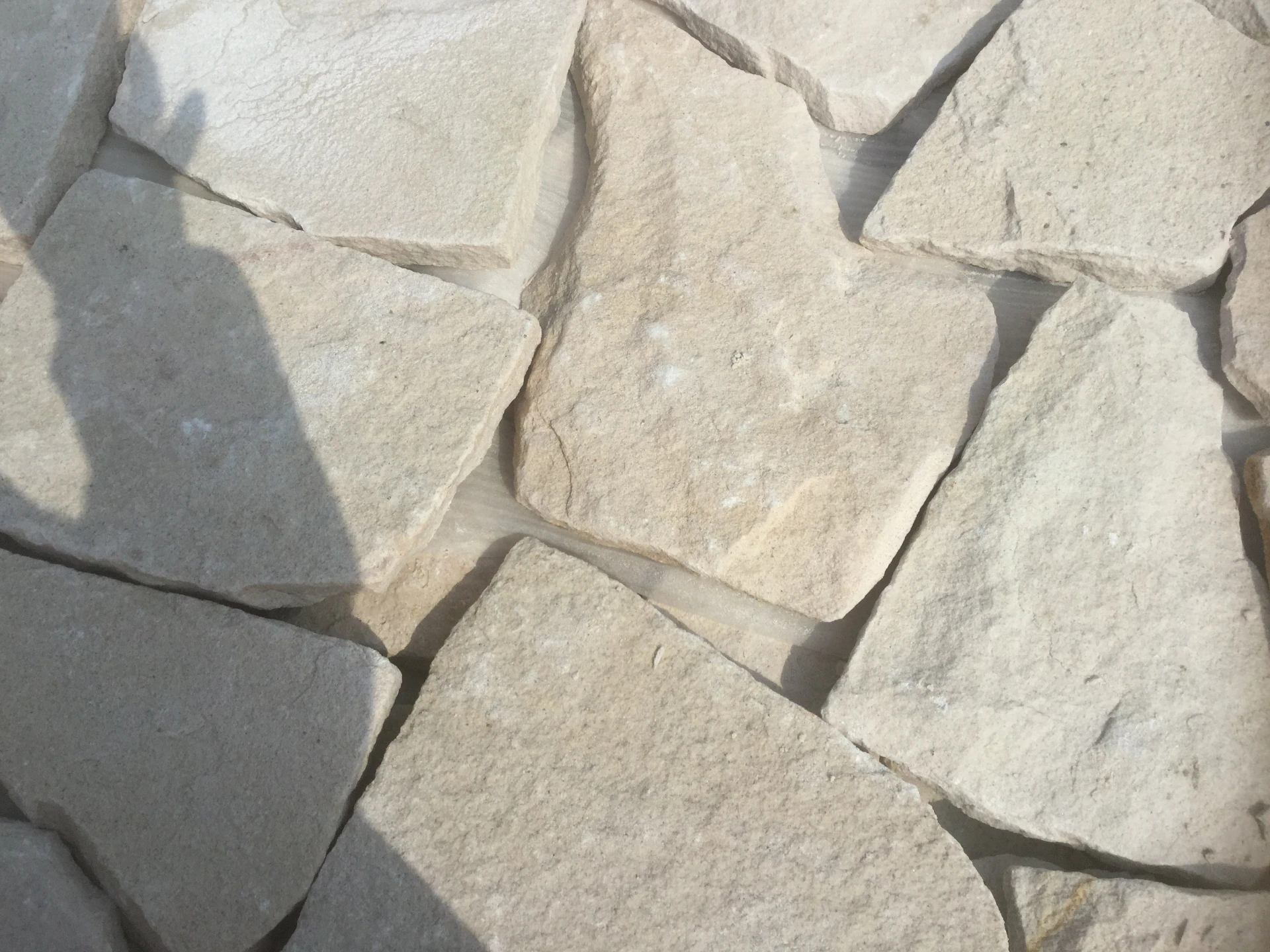
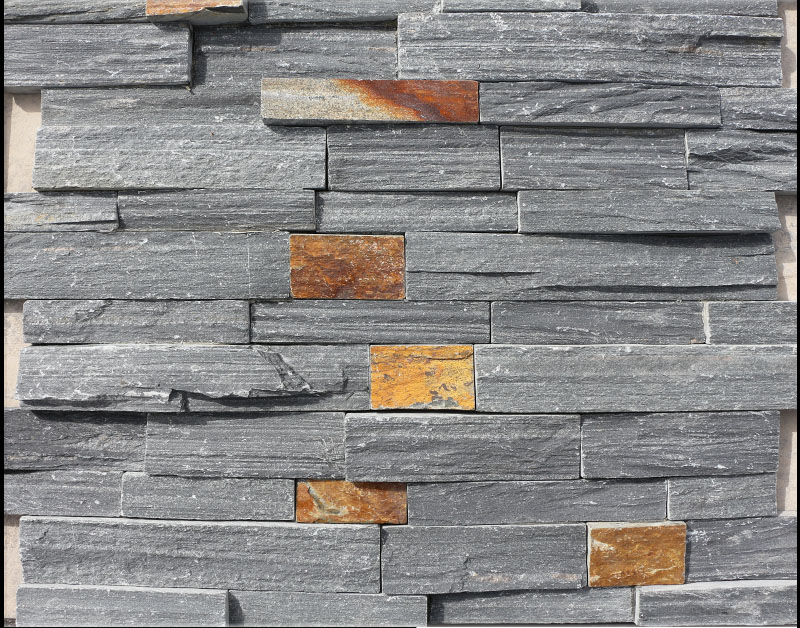
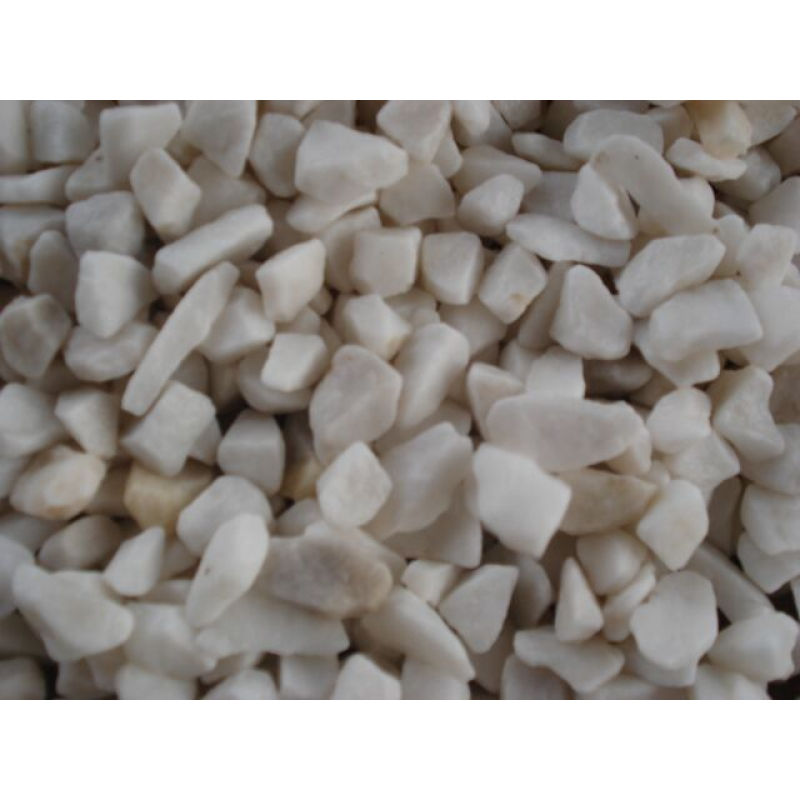
Natierlech Steen ass ee vun de meescht benotzt Materialien an Haiser a Gäert. Awer hutt Dir jeemools opgehalen fir Iech ze froen wou Är speziell Steen Fliesen, Zillen oder Buedem hierkënnt?
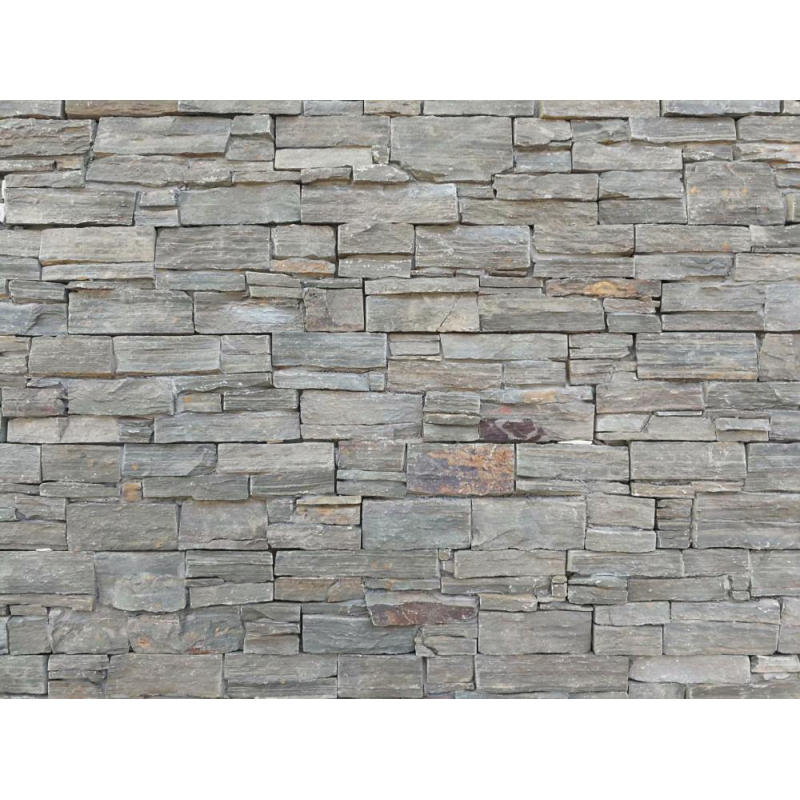
Natural stone was created thousands of years ago when the Earth was just a ball of mineral gases. As these gases began to cool down, they compressed and solidified to form the world we know today. It was during this process that natural stone was formed – the type of stone created depends on what type of minerals were combined at that time. This was a slow process that occurred over millions of years. As the Earth began to settle, many of these seams of stone were gradually pushed to the surface by heat and pressure, creating the large formations we see today.
Stone can come from anywhere in the world, and the type of stone is determined by its origins. There are quarries in America, Mexico, Canada, Italy, Turkey, Australia, and Brazil, as well as many other countries around the globe. Some countries have multiple natural stone quarries, whilst others only have a few. Let’s look in closer detail at where particular stones originate and how they were formed.
Marmer is the result of limestone that has been altered through heat and pressure. It’s a versatile stone that can be used on virtually anything – statues, stairs, walls, bathrooms, counter tops, and more. Usually seen in white, marble is also common in black and grey tints, and has great weather endurance.
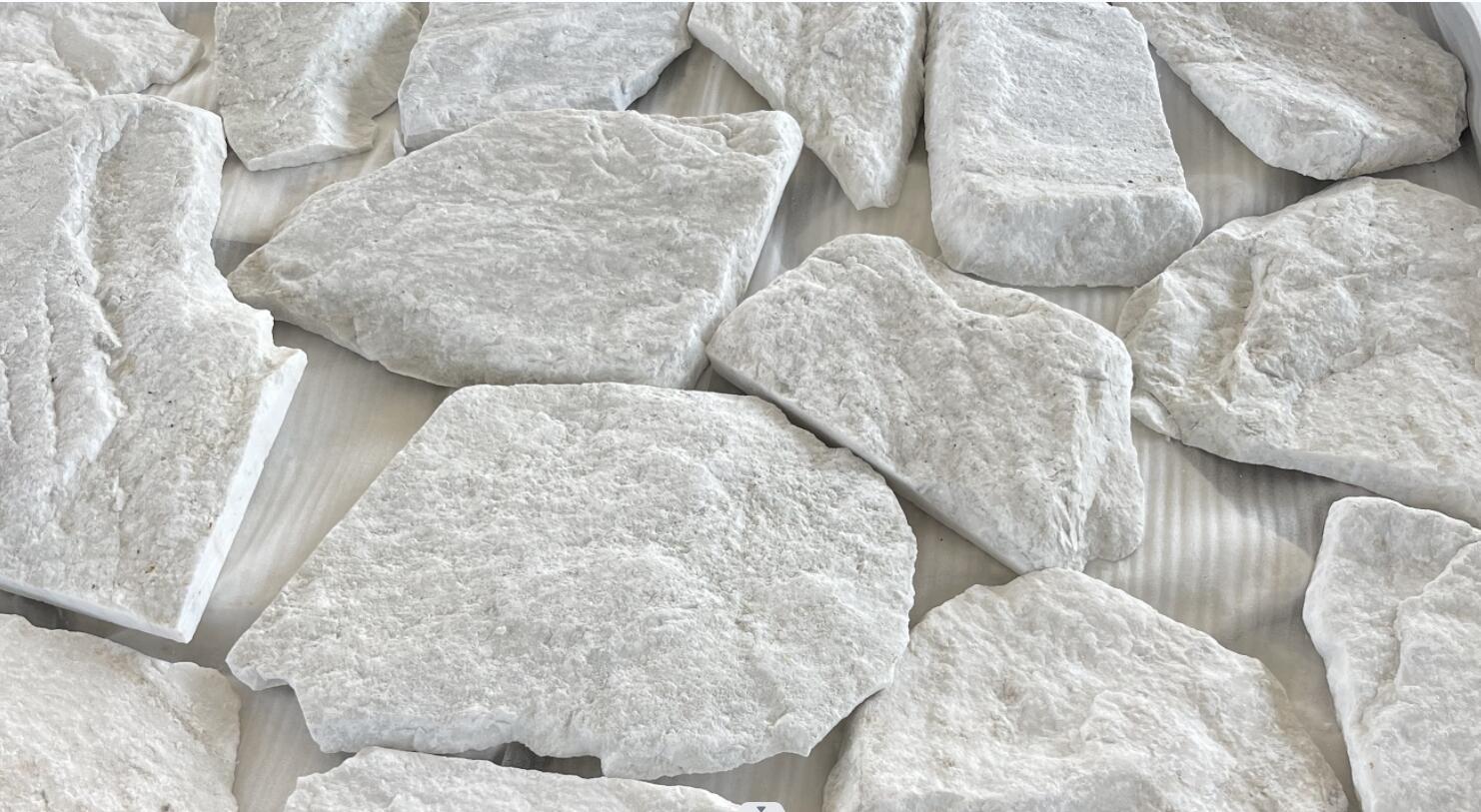
Quarzit staamt aus Sandsteen, deen duerch Hëtzt a Kompressioun geännert gouf. De Steen kënnt haaptsächlech a Wäiss, awer kann och mat brong, gro oder grénglech Tënt fonnt ginn. Et ass eng vun den haardsten natierleche Steenaarten, wat et eng exzellent Wiel mécht fir Fassaden, countertops an aner Strukturen ze bauen déi schwéier Pflicht Steng erfuerderen.
Granit war ursprénglech en igneous Steen deen u Magma (Lava) ausgesat war an duerch d'Beliichtung vu verschiddene Mineralstoffer geännert gouf. De Stee gëtt allgemeng a Länner fonnt, déi irgendwann eng héich vulkanesch Aktivitéit gesinn hunn, an ass verfügbar an enger grousser Varietéit vu Faarwen vu schwaarz, brong, rout, wäiss, a bal all de Faarwen tëscht. Granit ass eng super Optioun fir Kichen a Buedzëmmer duerch seng antibakteriell Qualitéiten.
Kalkstein ass d'Resultat vun der Kompressioun vu Korallen, Muschelen an aner Ozeanliewen zesummen. Et ginn zwou Zorte vu Kalkstein, eng méi haart Aart déi voller Kalzium ass, an eng méi mëll Aart mat méi Magnesium. Hard Kalkstein gëtt dacks an der Bauindustrie benotzt, oder gemoolt an am Mierer benotzt wéinst senger waasserdichter Qualitéit.
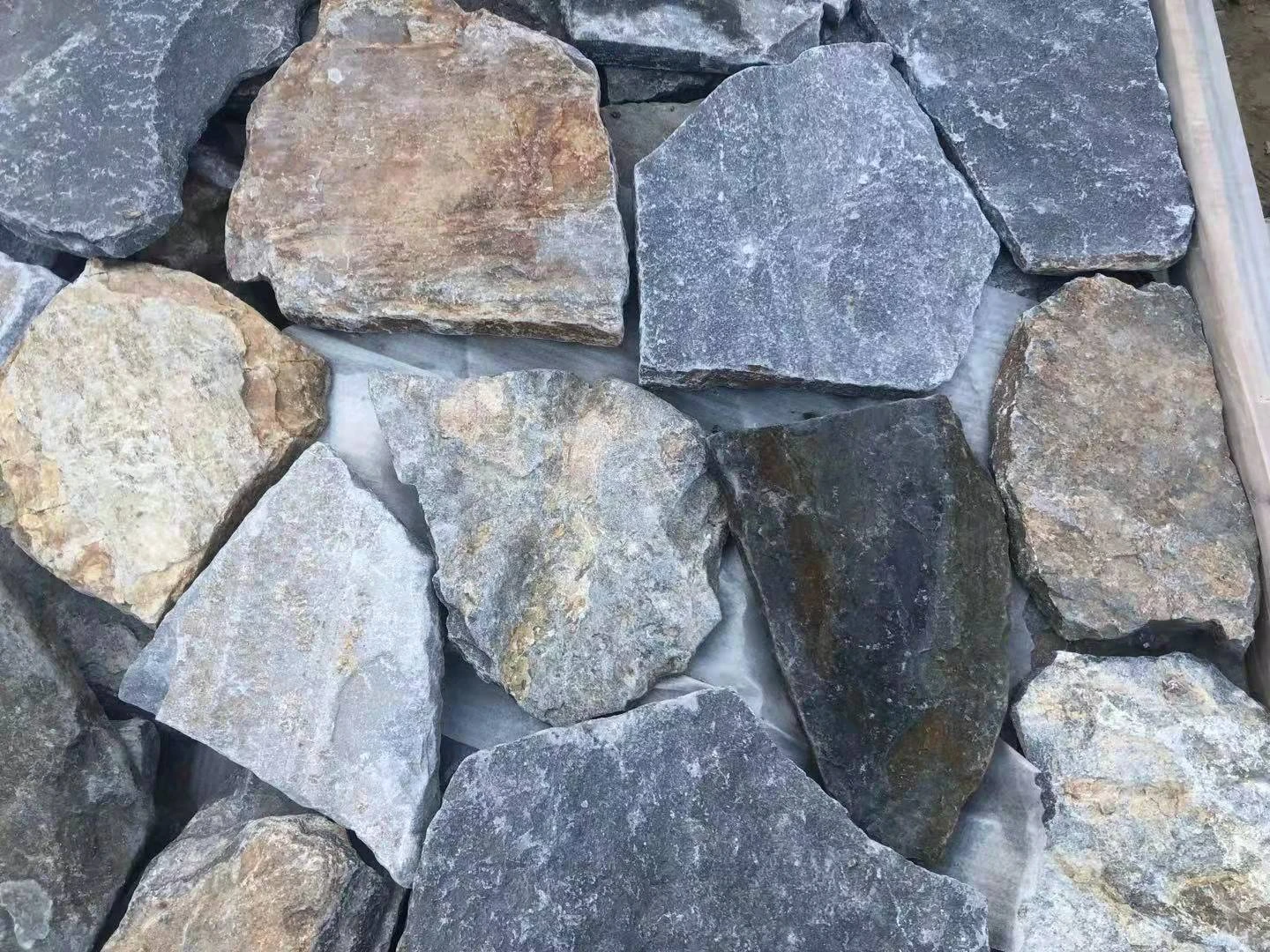
Bluestone is sometimes referred to as basalt, and is one of the most common natural stones around the world. Bluestone forms through the alteration of lava, and because of this, is one of the closest stones to the Earth’s surface. Basalt is generally darker in colour, and is used as house roofing and floor tiles because of its hard texture.
Schiefer gouf erstallt wann Schifer a Schlammsteen Sedimenter duerch Hëtzt an Drock geännert goufen. Verfügbar a Faarwen vu schwaarz, violett, blo, gréng a gro, Schiefer ass eng populär Wiel fir Dachdecker ginn, well et kann dënn geschnidden ginn a mat minimalem Schued géint kal Temperaturen widderstoen. Schiefer gëtt och dacks als Buedembelag benotzt wéinst senger dauerhafter Natur.
Travertin is created when floodwaters wash through limestone, leaving mineral deposits throughout. As it dries out, the extra minerals solidify to gradually create a much denser material called travertine. This stone is good as a replacement for marble or granite, as it’s much lighter and easier to work with, yet still durable. For this reason travertine is often used on floors or walls, and is estimated to last around fifty years if maintained regularly.
 afrikanesch
  Albanesch
  Amharesch
  Arabesch
  Armenesch
  Aserbaidschan
  Baskesch
  wäissrussesch
  Bengalesch
  Bosnesch
  Bulgarescg
  katalanesch
  Cebuano
  China
China  China (Taiwan)
  korsesch
  Kroatesch
  Tschechesch
  Dänesch
  Hollänesch
  Englesch
  esperanto
  Estonesch
  Finnesch
  Franséisch
  friesesch
  Galizesch
  Georgesch
  Däitsch
  Griichesch
  Gujarati
  Haitescht Creole
  Haussa
  Hawaianesch
  Hebräesch
  Nee
Nee  Miao
Miao  Ungaresch
  Islännesch
  igbo
igbo  Indonesesch
  Iresch
  Italienesch
  Japanesch
  Javanesesch
  Kannada
  kasachesch
  Khmer
Khmer  Rwandaner
  Koreanesch
  kurdesch
  kirgisesch
  TB
TB  laténgesch
  Lettesch
  litauesch
  lëtzebuergesch
  Mazedonesch
  Malgashi
  Malaiesch
  Malajalam
  Maltesesch
  maoresch
  Marathi
  mongolesch
  Myanmar
  Nepalesesch
  Norweegesch
  Norweegesch
  Okzitanesch
  pashtu
  Persesch
  Polnesch
  Portugisesch
  pundschabi
  Rumänesch
  Russesch
  Samoanesch
  Schottesch Gaelesch
  serbesch
  Englesch
  Shona
Shona  Sindhi
  Sinhala
  Slowakesch
  Slowenesch
  somalesch
  Spuenesch
  Sundanesesch
  Swahili
  Schweedesch
  Tagalog
  Tadschikesch
  Tamil
Tamil  Tataresch
  Telugu
  Thai
Thai  tierkesch
  turkmenesch
  Ukrainesch
  Urdu
Urdu  Uighur
  Usbekesch
  Vietnamesesch
  Waliser