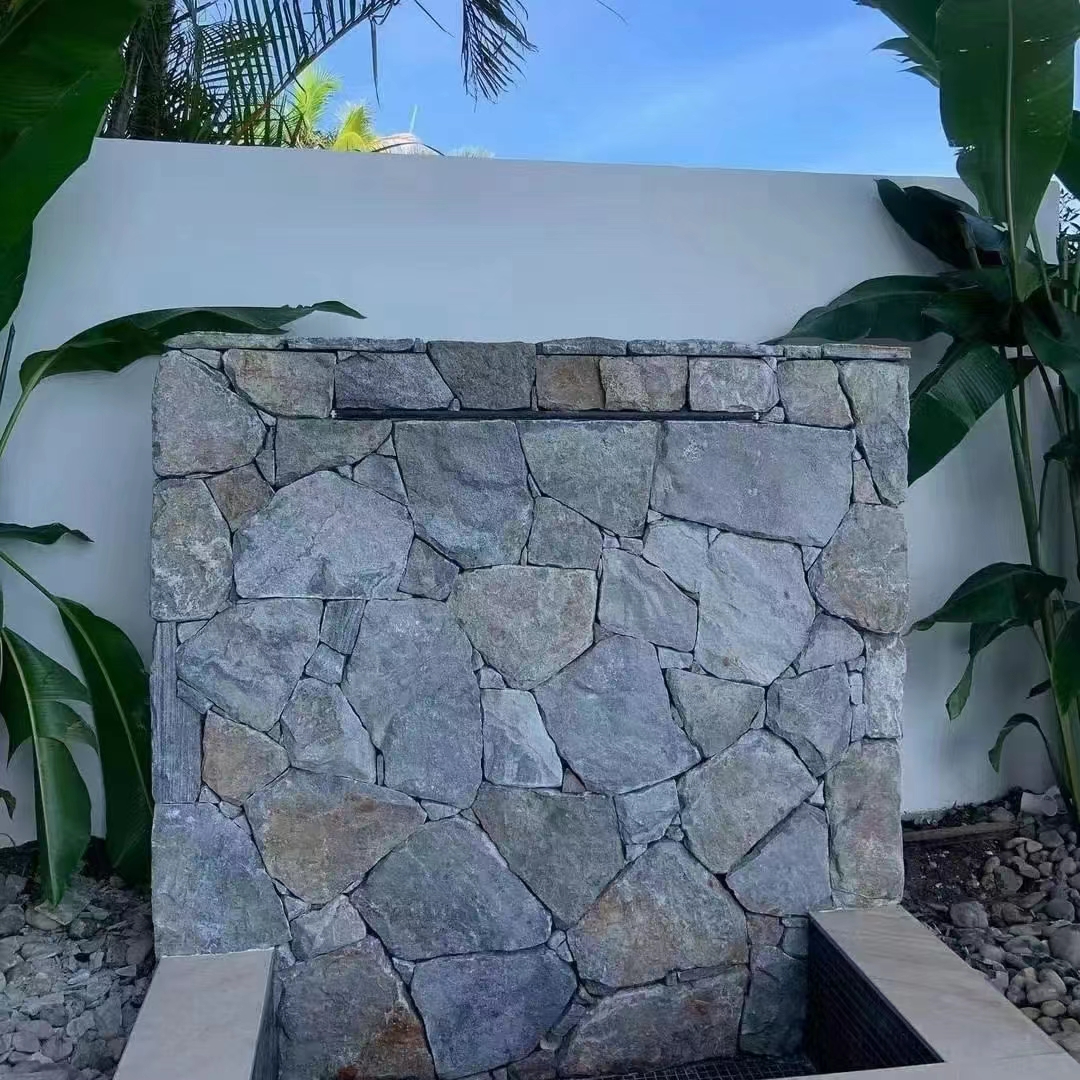
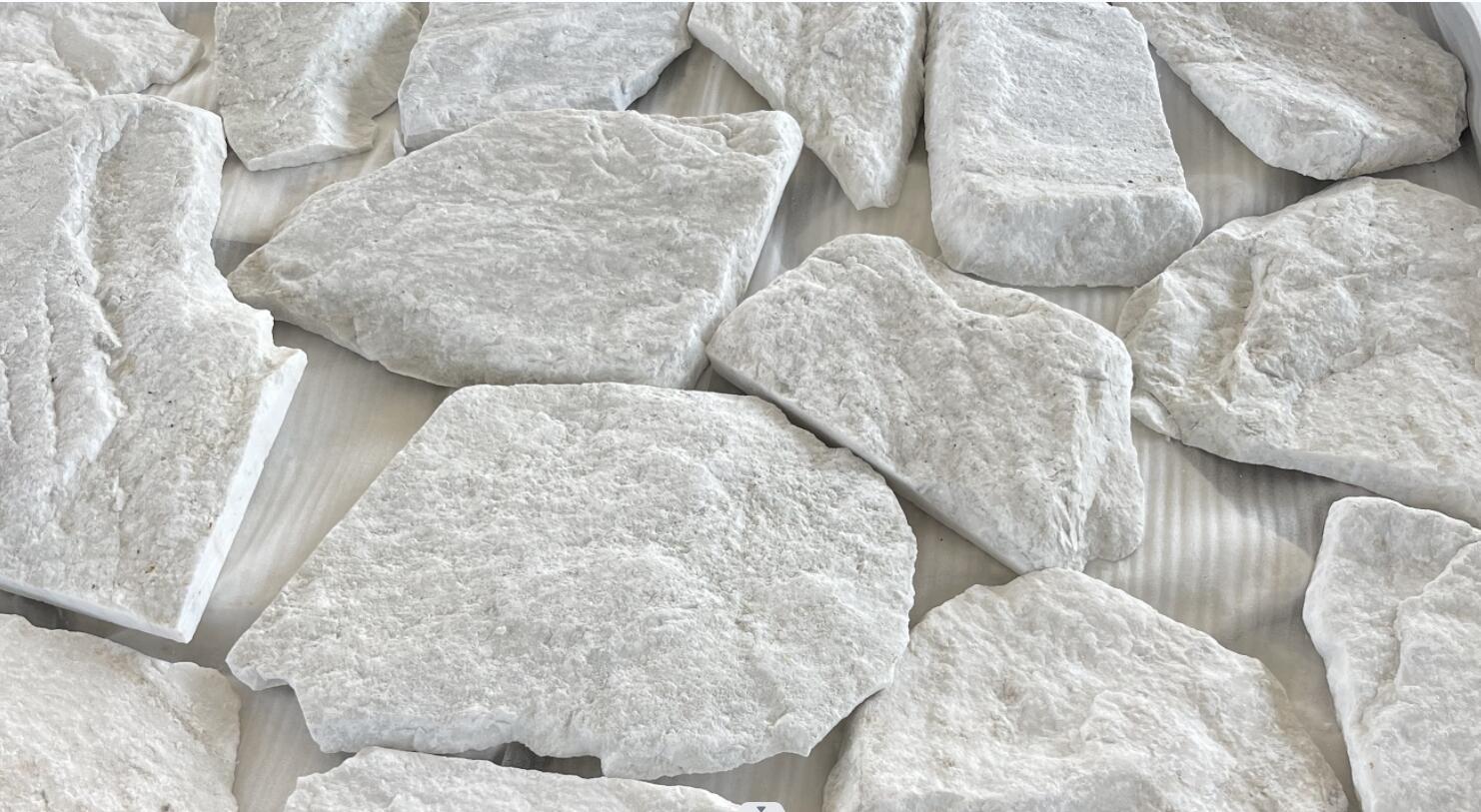
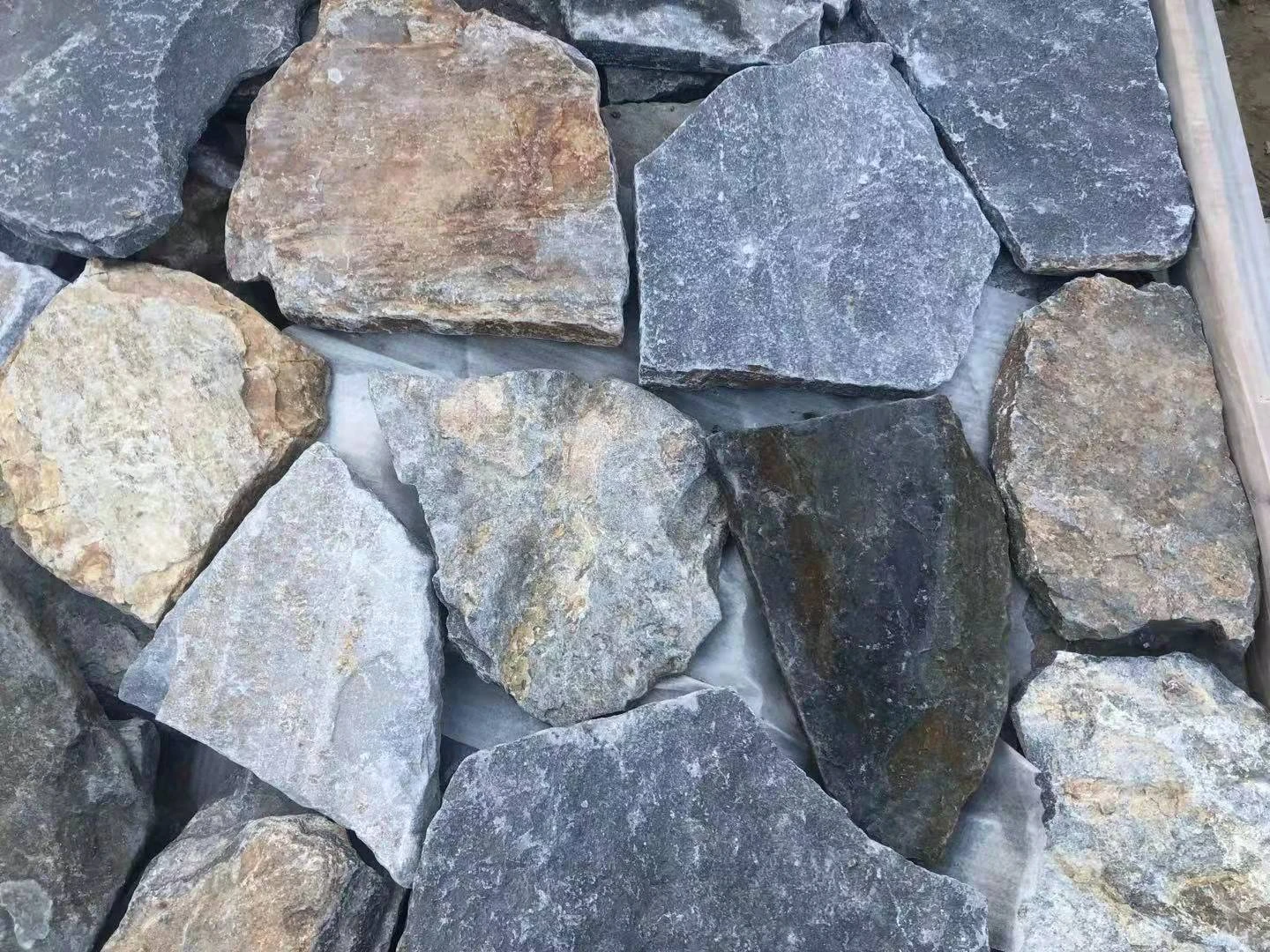
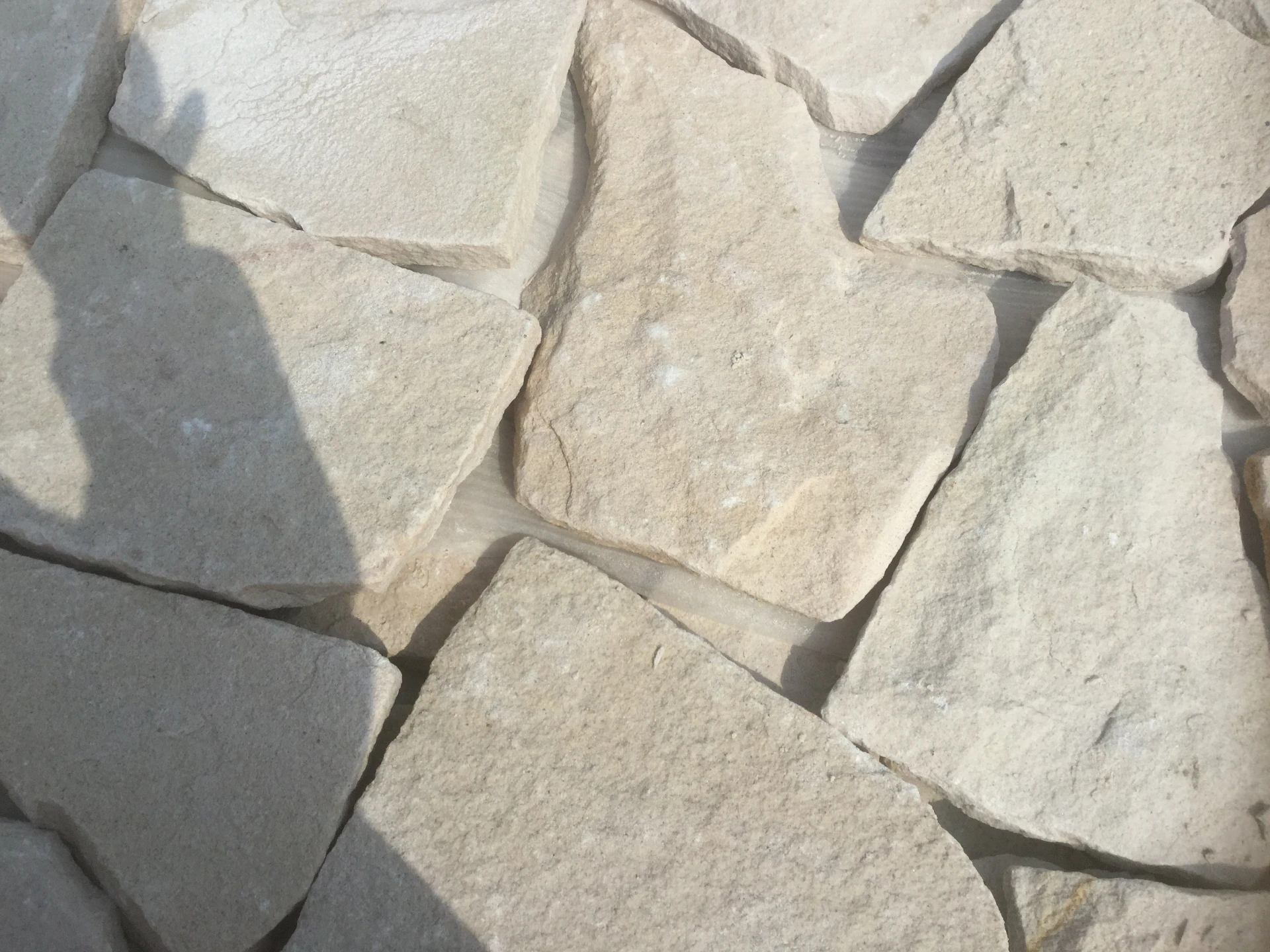
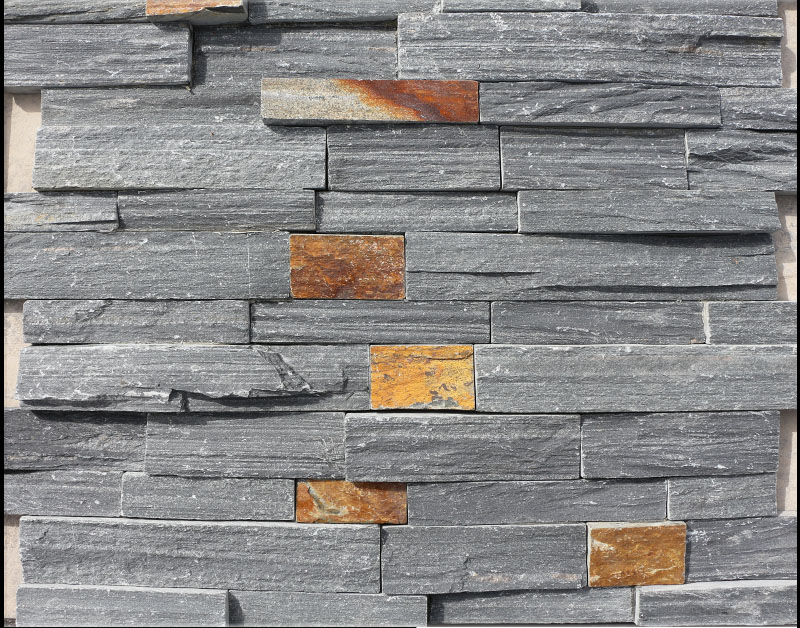
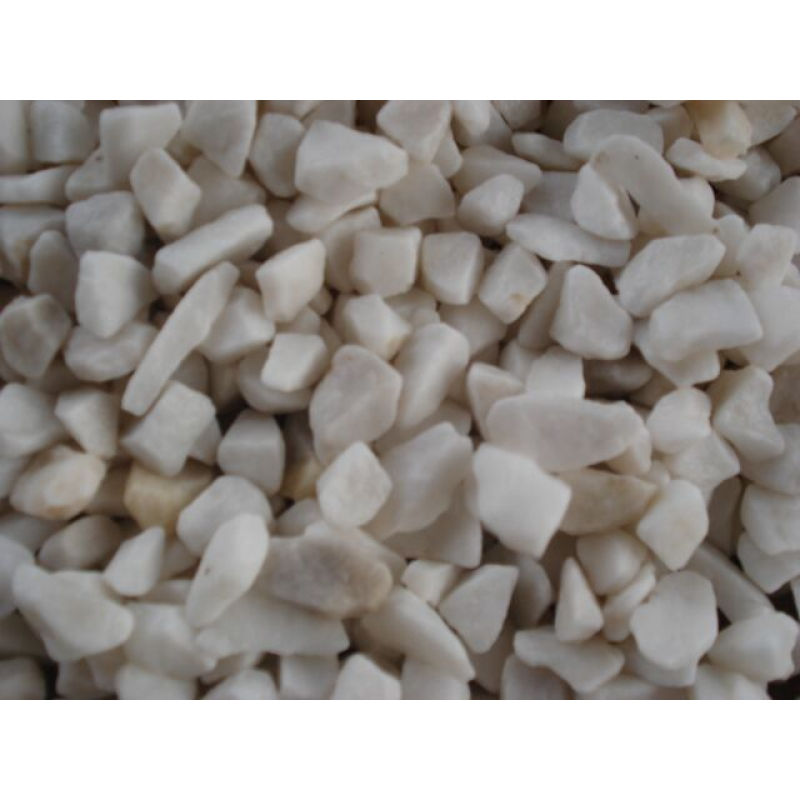
Բնական քար տներում և այգիներում օգտագործվող ամենատարածված նյութերից է: Բայց երբևէ դադարե՞լ եք մտածել, թե որտեղից են եկել ձեր կոնկրետ քարե սալիկները, աղյուսները կամ հատակը:
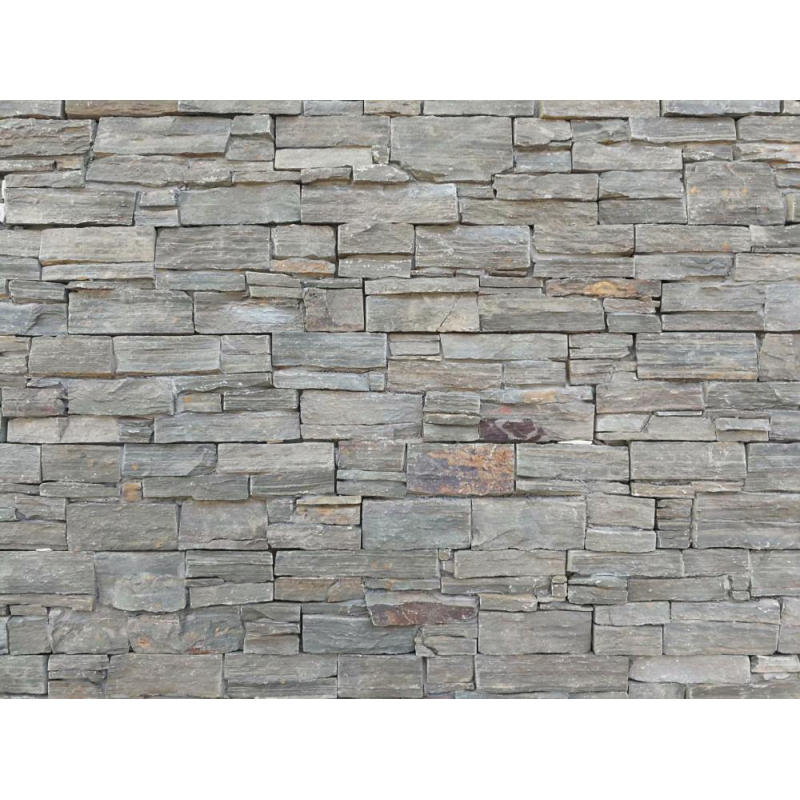
Natural stone was created thousands of years ago when the Earth was just a ball of mineral gases. As these gases began to cool down, they compressed and solidified to form the world we know today. It was during this process that natural stone was formed – the type of stone created depends on what type of minerals were combined at that time. This was a slow process that occurred over millions of years. As the Earth began to settle, many of these seams of stone were gradually pushed to the surface by heat and pressure, creating the large formations we see today.
Stone can come from anywhere in the world, and the type of stone is determined by its origins. There are quarries in America, Mexico, Canada, Italy, Turkey, Australia, and Brazil, as well as many other countries around the globe. Some countries have multiple natural stone quarries, whilst others only have a few. Let’s look in closer detail at where particular stones originate and how they were formed.
Մարմար is the result of limestone that has been altered through heat and pressure. It’s a versatile stone that can be used on virtually anything – statues, stairs, walls, bathrooms, counter tops, and more. Usually seen in white, marble is also common in black and grey tints, and has great weather endurance.
Քվարցիտ ծագում է ավազաքարից, որը փոխվել է ջերմության և սեղմման միջոցով: Քարը հիմնականում գալիս է սպիտակներով, բայց կարելի է գտնել նաև շագանակագույն, մոխրագույն կամ կանաչավուն երանգներով: Այն բնական քարերի ամենադժվար տեսակներից մեկն է, ինչը այն դարձնում է հիանալի ընտրություն շենքերի ճակատների, սալիկների և այլ կառույցների համար, որոնք պահանջում են ծանր քարեր:
Գրանիտ ի սկզբանե եղել է հրային քար, որը ենթարկվել է մագմայի (լավայի) և փոփոխվել տարբեր հանքանյութերի ազդեցության պատճառով: Քարը սովորաբար հանդիպում է այն երկրներում, որոնք ինչ-որ պահի տեսել են բարձր հրաբխային ակտիվություն և հասանելի է գույների հսկայական բազմազանությամբ՝ սև, շագանակագույն, կարմիր, սպիտակ և գրեթե բոլոր գույների միջև: Գրանիտը հիանալի տարբերակ է խոհանոցների և լոգարանների համար՝ շնորհիվ իր հակաբակտերիալ հատկությունների:
Կրաքար կորալների, ծովախեցգետինների և այլ օվկիանոսային կյանքի համատեղ սեղմման արդյունք է: Գոյություն ունի կրաքարի երկու տեսակ՝ ավելի կոշտ տեսակ, որը լի է կալցիումով, և ավելի փափուկ տեսակ՝ ավելի շատ մագնեզիումով։ Կոշտ կրաքարը հաճախ օգտագործվում է շինարարական արդյունաբերության մեջ, կամ հողում և օգտագործվում է շաղախի մեջ՝ իր անջրանցիկ որակի պատճառով:
Bluestone is sometimes referred to as basalt, and is one of the most common natural stones around the world. Bluestone forms through the alteration of lava, and because of this, is one of the closest stones to the Earth’s surface. Basalt is generally darker in colour, and is used as house roofing and floor tiles because of its hard texture.
Շիֆեր ստեղծվել է, երբ թերթաքարային և ցեխաքարային նստվածքները փոփոխվել են ջերմության և ճնշման միջոցով: Հասանելի է սև, մանուշակագույն, կապույտ, կանաչ և մոխրագույն գույներով, թերթաքարը դարձել է տանիքի ծածկույթի հանրաճանաչ ընտրություն, քանի որ այն կարող է բարակ կտրվել և նվազագույն վնասով դիմակայել ցուրտ ջերմաստիճաններին: Slate-ը հաճախ օգտագործվում է նաև որպես հատակի սալիկապատում իր կայուն բնույթի պատճառով:
Տրավերտին is created when floodwaters wash through limestone, leaving mineral deposits throughout. As it dries out, the extra minerals solidify to gradually create a much denser material called travertine. This stone is good as a replacement for marble or granite, as it’s much lighter and easier to work with, yet still durable. For this reason travertine is often used on floors or walls, and is estimated to last around fifty years if maintained regularly.
 Աֆրիկյան
  ալբանացի
  ամհարերեն
  արաբերեն
  հայերեն
  ադրբեջաներեն
  բասկերեն
  բելառուս
  Բենգալերեն
  բոսնիերեն
  բուլղարերեն
  կատալոներեն
  Սեբուանո
  Չինաստան
  Չինաստան (Թայվան)
  Կորսիկան
  խորվաթերեն
  չեխ
չեխ  դանիերեն
  հոլանդերեն
  Անգլերեն
  Էսպերանտո
  էստոնական
  Ֆիններեն
  ֆրանսերեն
  ֆրիզ
ֆրիզ  գալիցերեն
  վրաց
վրաց  գերմաներեն
  հունարեն
  գուջարաթի
  Հայիթի կրեոլ
  հաուսա
  հավայական
  եբրայերեն
  ոչ
ոչ  Միաո
Միաո  հունգարերեն
  իսլանդերեն
  իգբո
իգբո  Ինդոնեզերեն
  իռլանդական
  Իտալական
  ճապոներեն
  ճավայերեն
  Կաննադա
  ղազախ
ղազախ  քմեր
քմեր  Ռուանդա
  կորեերեն
  քրդական
  ղրղզ
ղրղզ  ՏԲ
ՏԲ  լատիներեն
  լատվիերեն
  լիտվերեն
  լյուքսեմբուրգերեն
  մակեդոնական
  Մալգաշի
  մալայերեն
  մալայալամ
  մալթերեն
  Մաորի
Մաորի  Մարաթի
  Մոնղոլական
  Մյանմար
  Նեպալերեն
  նորվեգական
  նորվեգական
  Օքսիտանական
  փուշթու
  պարսկ
պարսկ  լեհ
լեհ  պորտուգալերեն
  փենջաբերեն
  ռումիներեն
  ռուսերեն
  Սամոան
  Շոտլանդական Գելերեն
  սերբերեն
  Անգլերեն
  Շոնա
Շոնա  սինդի
սինդի  Սինհալա
  սլովակ
  սլովեներեն
  Սոմալի
  իսպաներեն
  սունդաներեն
  Սուահիլի
  շվեդ
շվեդ  տագալերեն
  Տաջիկ
Տաջիկ  թամիլերեն
  թաթար
թաթար  թելուգու
  թայերեն
  թուրքական
  թուրքմեն
  ուկրաինական
  ուրդու
  ույղուր
  Ուզբեկ
  Վիետնամերեն
  Ուելս
Ուելս