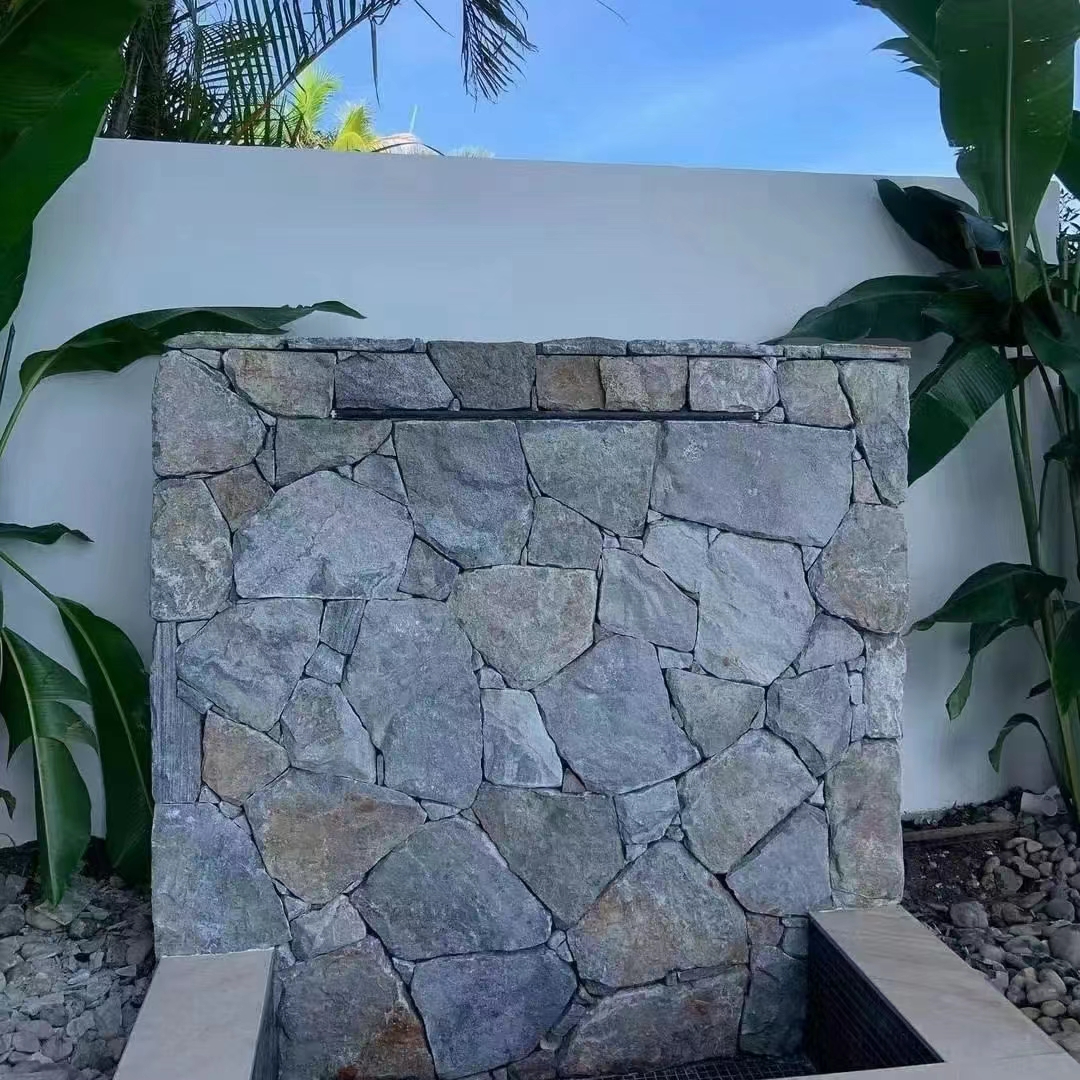
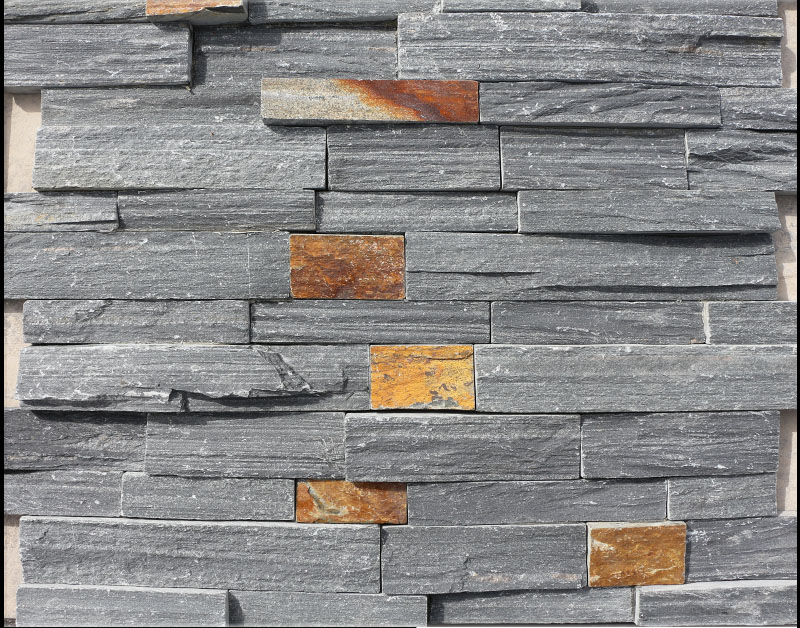
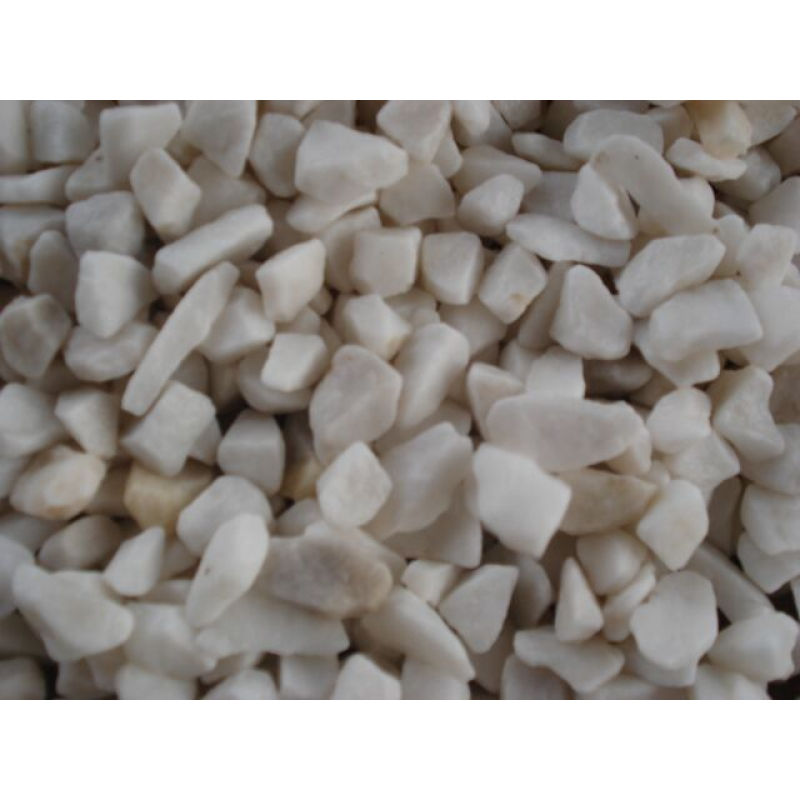
Φυσική πέτρα είναι ένα από τα πιο συχνά χρησιμοποιούμενα υλικά που χρησιμοποιούνται σε σπίτια και κήπους. Αλλά έχετε σταματήσει ποτέ να αναρωτιέστε από πού προέρχονται τα συγκεκριμένα πέτρινα πλακάκια, τούβλα ή το δάπεδό σας;
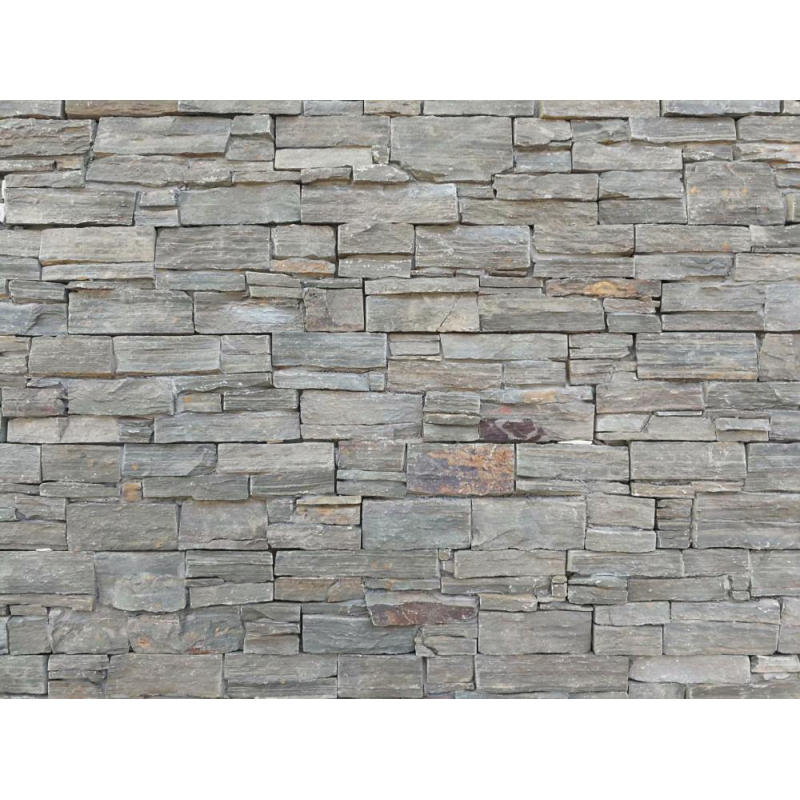
Natural stone was created thousands of years ago when the Earth was just a ball of mineral gases. As these gases began to cool down, they compressed and solidified to form the world we know today. It was during this process that natural stone was formed – the type of stone created depends on what type of minerals were combined at that time. This was a slow process that occurred over millions of years. As the Earth began to settle, many of these seams of stone were gradually pushed to the surface by heat and pressure, creating the large formations we see today.
Stone can come from anywhere in the world, and the type of stone is determined by its origins. There are quarries in America, Mexico, Canada, Italy, Turkey, Australia, and Brazil, as well as many other countries around the globe. Some countries have multiple natural stone quarries, whilst others only have a few. Let’s look in closer detail at where particular stones originate and how they were formed.
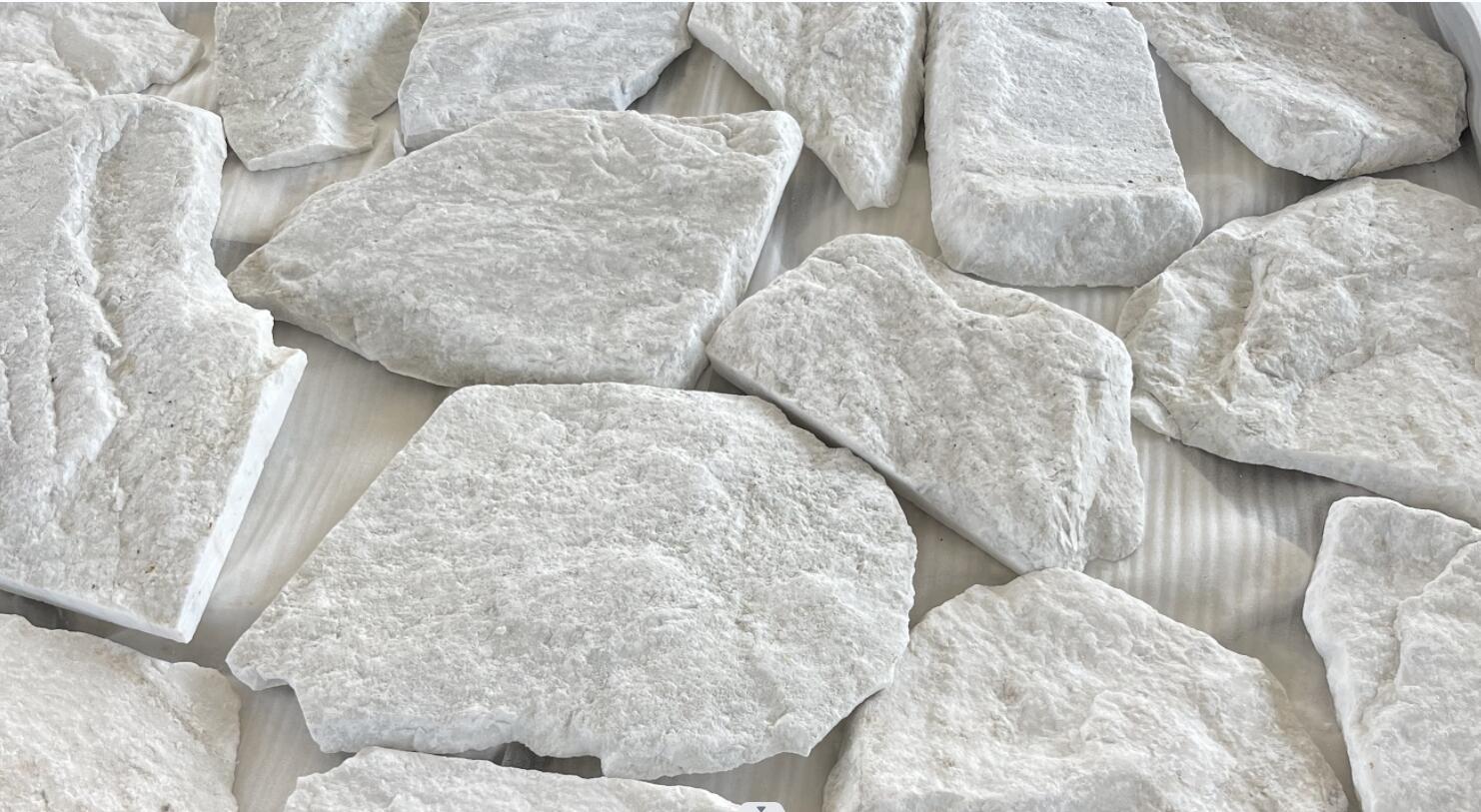
Μάρμαρο is the result of limestone that has been altered through heat and pressure. It’s a versatile stone that can be used on virtually anything – statues, stairs, walls, bathrooms, counter tops, and more. Usually seen in white, marble is also common in black and grey tints, and has great weather endurance.
Χαλαζίτης προέρχεται από ψαμμίτη που έχει αλλοιωθεί μέσω θερμότητας και συμπίεσης. Η πέτρα βγαίνει κυρίως σε λευκό χρώμα, αλλά μπορεί επίσης να βρεθεί με καφέ, γκρι ή πρασινωπές αποχρώσεις. Είναι ένας από τους πιο σκληρούς τύπους φυσικής πέτρας, καθιστώντας τον εξαιρετική επιλογή για προσόψεις κτιρίων, πάγκους και άλλες κατασκευές που απαιτούν πέτρες βαρέως τύπου.
Γρανίτης ήταν αρχικά ένας πυριγενής λίθος που είχε εκτεθεί σε μάγμα (λάβα) και είχε αλλοιωθεί μέσω της έκθεσης σε διαφορετικά ορυκτά. Η πέτρα βρίσκεται συνήθως σε χώρες που έχουν δει υψηλή ηφαιστειακή δραστηριότητα σε κάποιο σημείο και είναι διαθέσιμη σε μια τεράστια ποικιλία χρωμάτων από μαύρο, καφέ, κόκκινο, λευκό και σχεδόν όλα τα ενδιάμεσα χρώματα. Ο γρανίτης είναι μια εξαιρετική επιλογή για κουζίνες και μπάνια λόγω των αντιβακτηριδιακών ιδιοτήτων του.
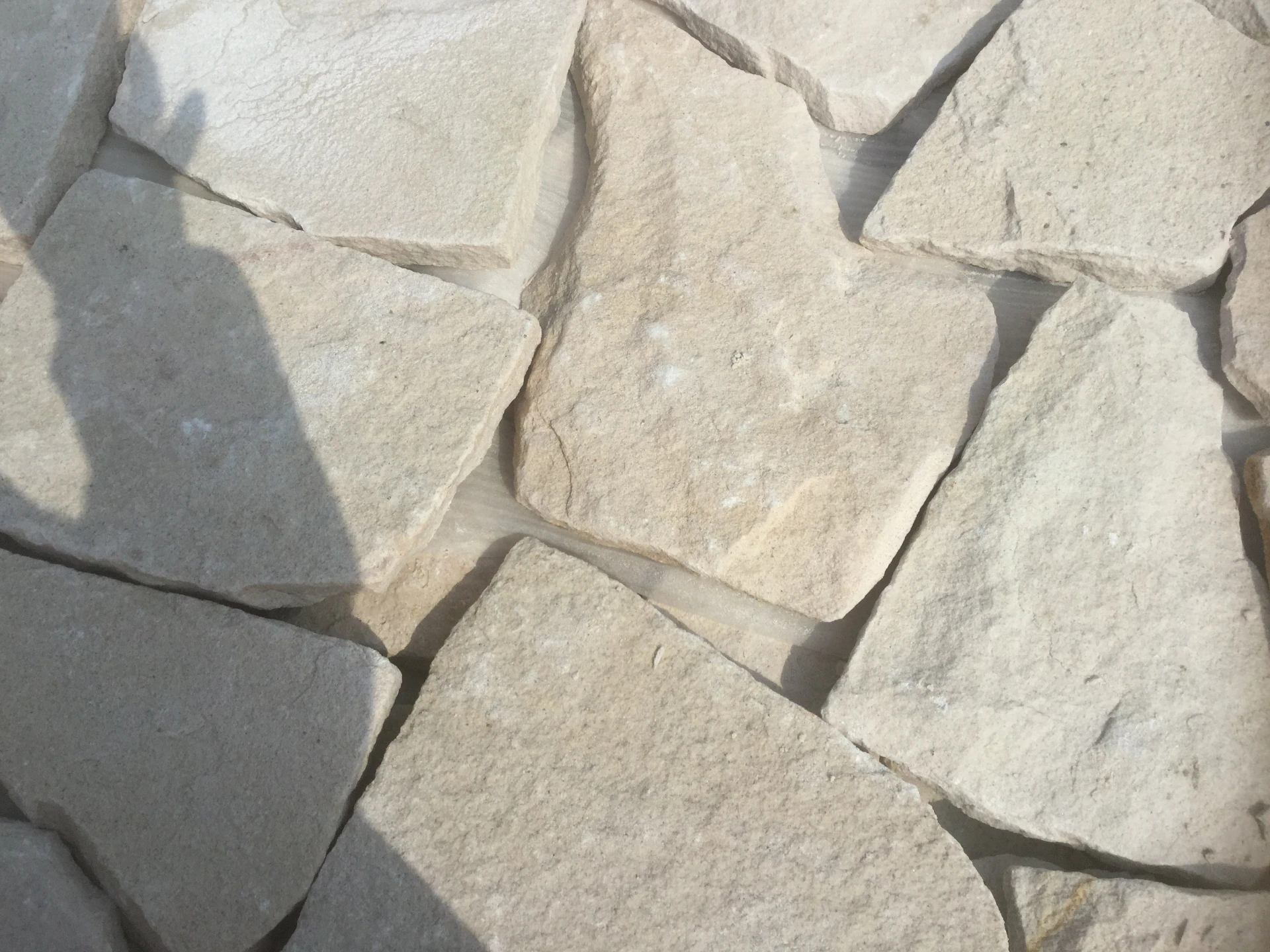
Ασβεστόλιθος είναι το αποτέλεσμα της συμπίεσης κοραλλιών, κοχυλιών και άλλης ζωής στον ωκεανό μαζί. Υπάρχουν δύο τύποι ασβεστόλιθου, ένας πιο σκληρός τύπος που είναι γεμάτος ασβέστιο και ένας πιο μαλακός τύπος με περισσότερο μαγνήσιο. Ο σκληρός ασβεστόλιθος χρησιμοποιείται συχνά στην οικοδομική βιομηχανία ή αλέθεται και χρησιμοποιείται στο κονίαμα λόγω της αδιάβροχης ποιότητάς του.
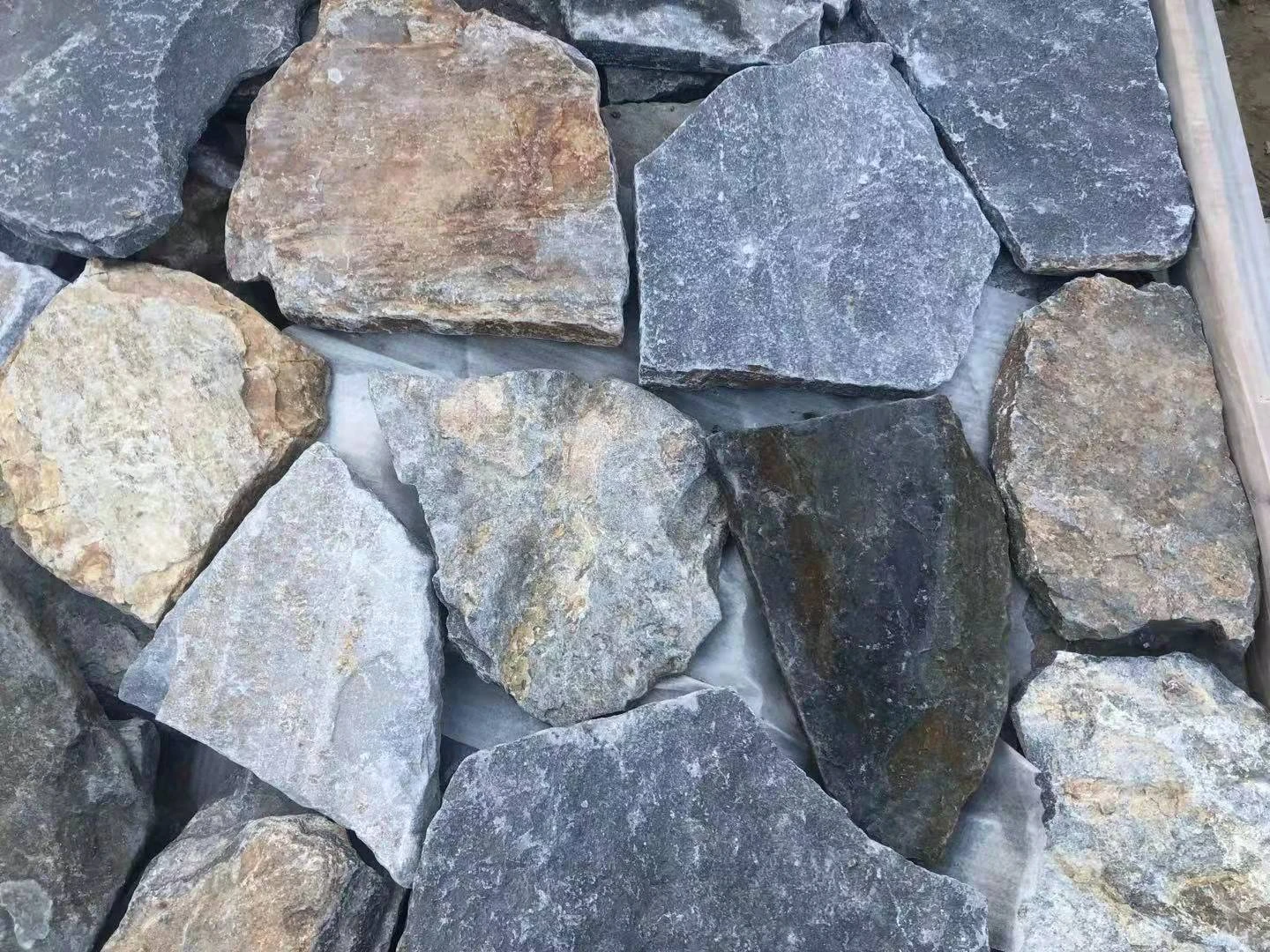
Bluestone is sometimes referred to as basalt, and is one of the most common natural stones around the world. Bluestone forms through the alteration of lava, and because of this, is one of the closest stones to the Earth’s surface. Basalt is generally darker in colour, and is used as house roofing and floor tiles because of its hard texture.
Σχιστόλιθος δημιουργήθηκε όταν τα ιζήματα σχιστόλιθου και λασπόλιθου αλλοιώθηκαν μέσω θερμότητας και πίεσης. Διατίθεται σε χρώματα από μαύρο, μωβ, μπλε, πράσινο και γκρι, ο σχιστόλιθος έχει γίνει μια δημοφιλής επιλογή για στέγες καθώς μπορεί να κοπεί λεπτά και να αντέχει σε χαμηλές θερμοκρασίες με ελάχιστη ζημιά. Ο σχιστόλιθος χρησιμοποιείται επίσης συχνά ως πλακάκια δαπέδου λόγω της διαρκούς φύσης του.
Είδος ασβεστόλιθου is created when floodwaters wash through limestone, leaving mineral deposits throughout. As it dries out, the extra minerals solidify to gradually create a much denser material called travertine. This stone is good as a replacement for marble or granite, as it’s much lighter and easier to work with, yet still durable. For this reason travertine is often used on floors or walls, and is estimated to last around fifty years if maintained regularly.
 αφρικανός
  Αλβανός
  Αμαρικά
  αραβικός
  αρμενικός
  Αζερμπαϊτζάν
  Βάσκος
  Λευκορωσική
  Μπενγκάλι
  Βόσνιος
  Βούλγαρος
  καταλανικά
  Cebuano
  Κίνα
Κίνα  Κίνα (Ταϊβάν)
  Κορσικανός
  Κροατία
  Τσέχος
  δανικός
  Ολλανδός
  Αγγλικά
  εσπεράντο
  Εσθονικά
  φινλανδικός
  γαλλική γλώσσα
  Φριζ
Φριζ  Γαλικιανός
  Γεωργιανή
  Γερμανός
  Ελληνικά
  Γκουτζαράτι
  Κρεολική Αϊτής
  hausa
hausa  Χαβάης
  Εβραϊκά
  Όχι
Όχι  Miao
Miao  ουγγρικός
  ισλανδικός
  igbo
igbo  Ινδονησιακά
  ιρλανδικός
  ιταλικός
  Ιαπωνικά
  Ιάβας
Ιάβας  Κανάντα
  καζακικά
  Χμερ
Χμερ  Ρουάντα
  κορεάτης
  κουρδικά
  Κιργιζικά
  ΤΒ
ΤΒ  λατινικά
  λετονική
  Λιθουανικά
  Λουξεμβουργιανό
  Μακεδόνας
  Μαλγκάσι
  Μαλαισίας
  Μαλαγιαλάμ
  μαλτέζος
  Μαορί
Μαορί  Μαράθι
  Μογγόλος
  Μιανμάρ
  Νεπάλ
Νεπάλ  Νορβηγός
  Νορβηγός
  Οξιτανικός
  Πάστο
Πάστο  περσικός
  Στίλβωση
  Πορτογαλικά
  Παντζάμπι
  ρουμανικός
  Ρωσική
  Σαμόα
Σαμόα  Σκωτσέζικη Γαελική
  Σέρβος
  Αγγλικά
  Σόνα
Σόνα  Σίντι
Σίντι  Σινχαλά
  Σλοβάκος
  Σλοβενική
  Σομαλός
  Ισπανικά
  Σουνδανή
  Σουαχίλι
  Σουηδικά
  Ταγκαλόγκ
  Τατζικιστάν
  Ταμίλ
Ταμίλ  Τατάρος
  Τελούγκου
  Ταϊλανδός
  τούρκικος
  Τουρκμενιστάν
  Ουκρανός
  Ουρντού
  Ουιγούρης
  Ουζμπεκιστάν
  Βιετναμέζικο
  Δεν πληρώνω τα οφειλόμενα