

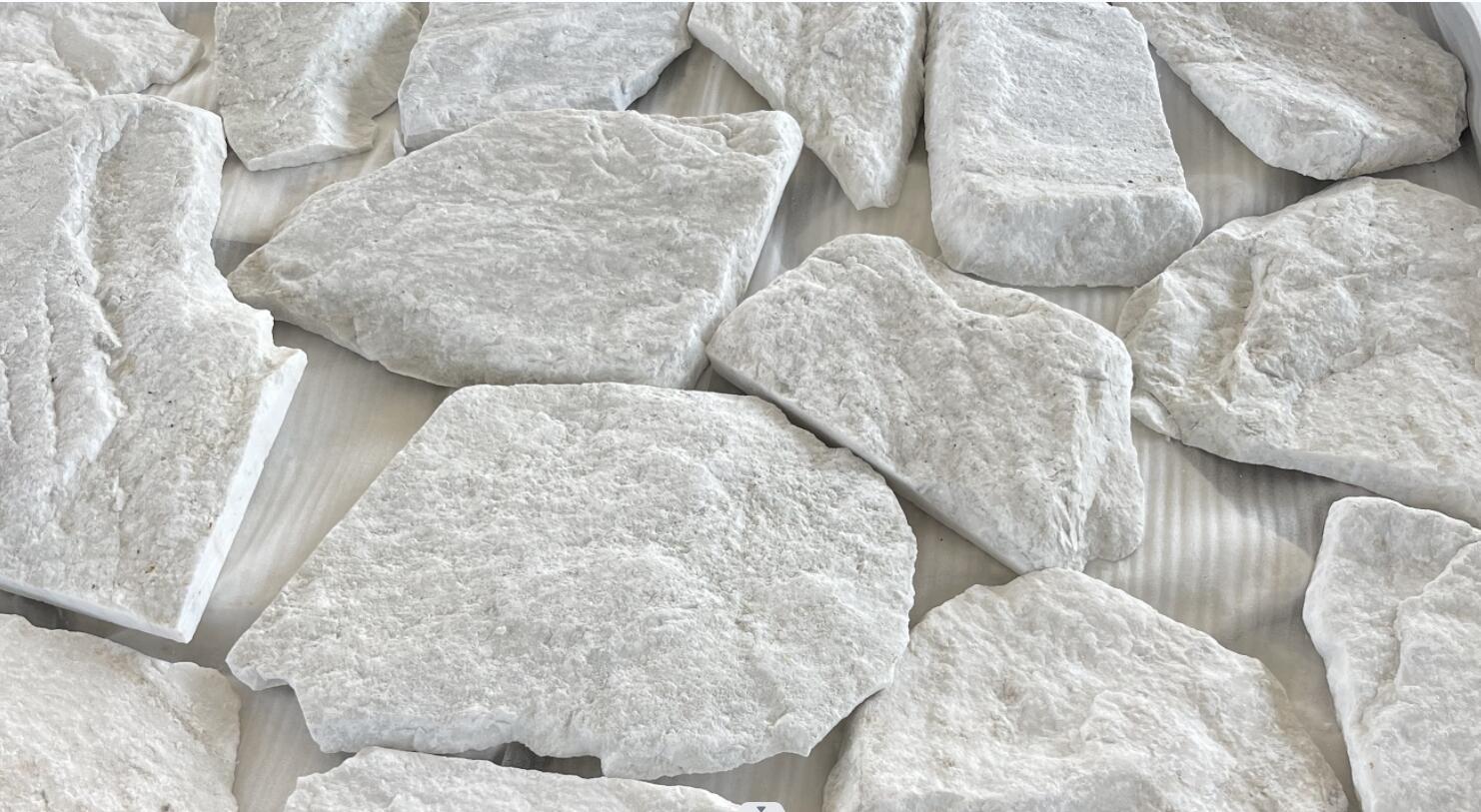
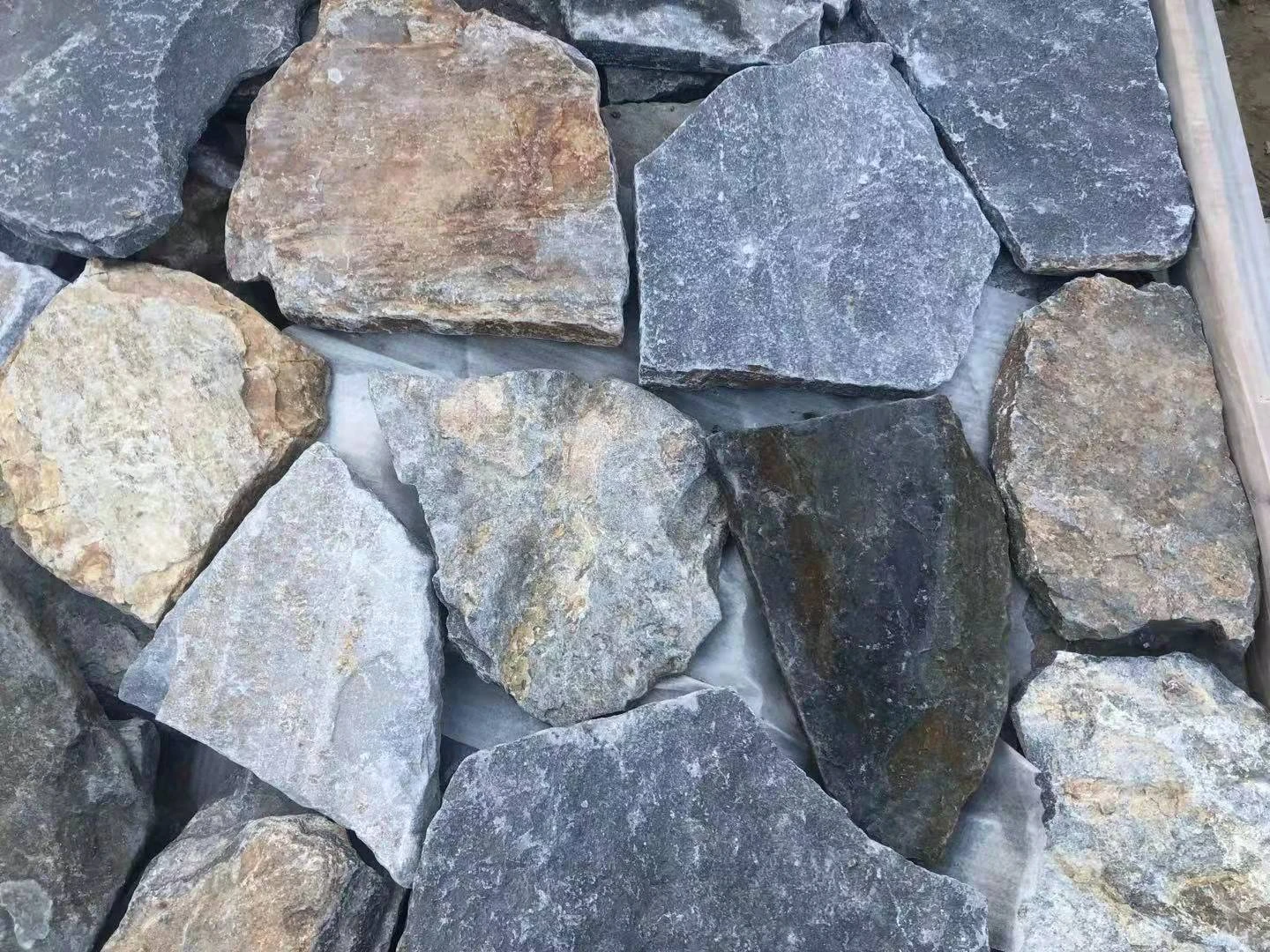
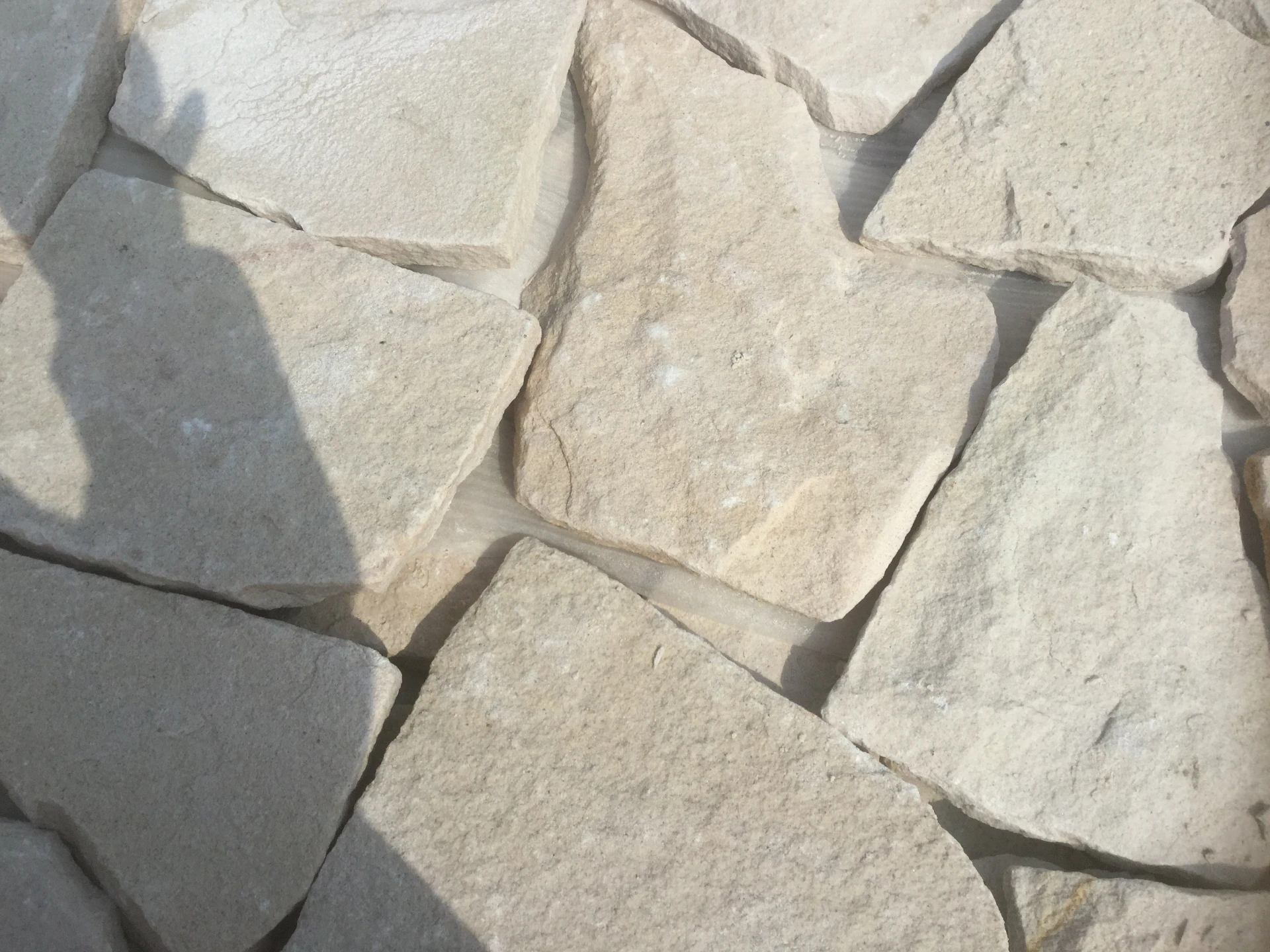
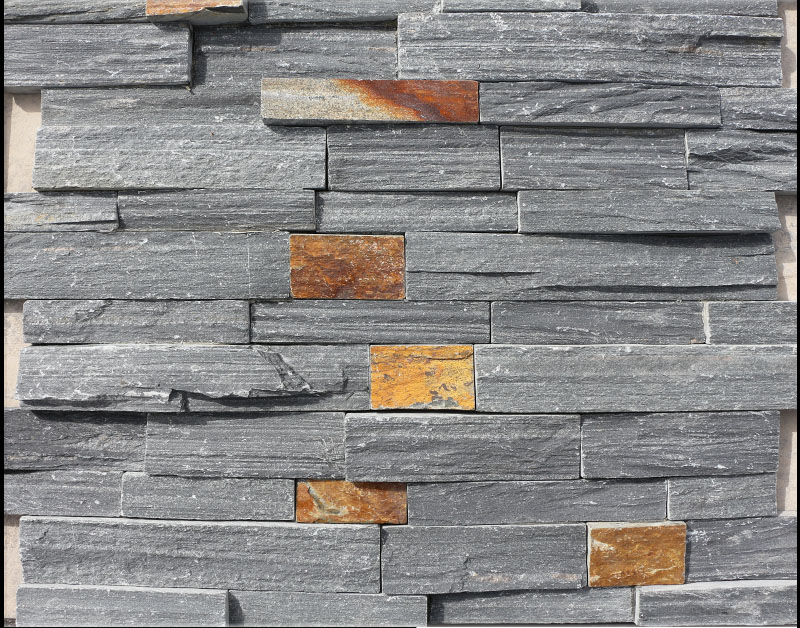
Roostes plaadid
Kas soovite ehitada oma kivist tugiseina, kuid pole kindel, kuidas alustada? Kui teil on ebaühtlane õue, kivist tugisein aitab ära hoida erosiooni ja on kena koht istutamiseks. Lugege edasi, et õppida, kuidas algusest lõpuni ise kokku panna.
To figure out how much stone you’ll need, multiply your wall’s height times the depth times the length. If your wall is 2 feet high, 1-1/2 feet wide, and 20 feet long, you’ll need roughly 60 cubic feet of stone. Most stoneyards will deliver the stones for a slight charge; have them placed as close to the site of your retaining wall as possible.
Nagu tools, you’ll need a shovel for digging your trench and backfilling, a matk for attacking the grade, and a small sledgehammer for tamping soil. For marking your site and leveling rocks, you’ll need a line level, a few tall stakes, string, some flour, and a 4- or 8-foot level.
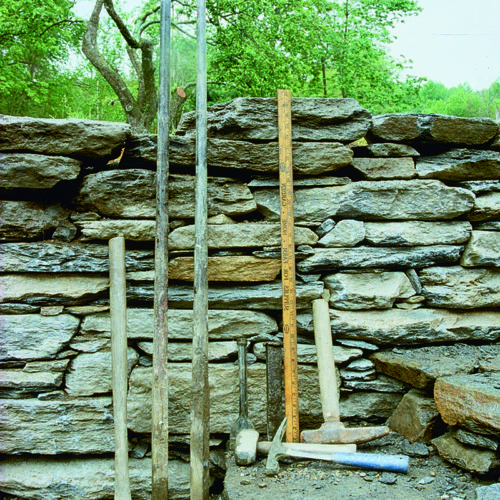
Now you can start digging. The easiest approach is to cut and fill—that is, dig into the slope where the wall will go and spread the earth below you to create a level terrace. When you cut and fill, the wall is backed by undisturbed soil, which is more stable than fill. For design reasons, however, you might choose to build a freestanding wall and fill behind it with soil from another site. Or you might do a partial cut and fill, which is somewhere between the two.
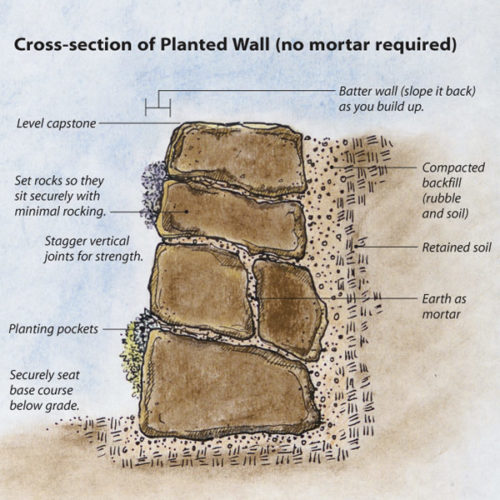
Seinad on ehitatud kursustel. The base course is structurally the most important, while the final course, the capstone, is the most challenging. For stability, walls should be at least 20 inches wide at the base. They can taper slightly toward the top, but you’ll want a wall that is at least two rocks wide in most places. This can be accomplished by mixing stones of different sizes or by backfilling with a combination of two-thirds rubble to one-third soil.
Aluskihi jaoks kaevake kaevik
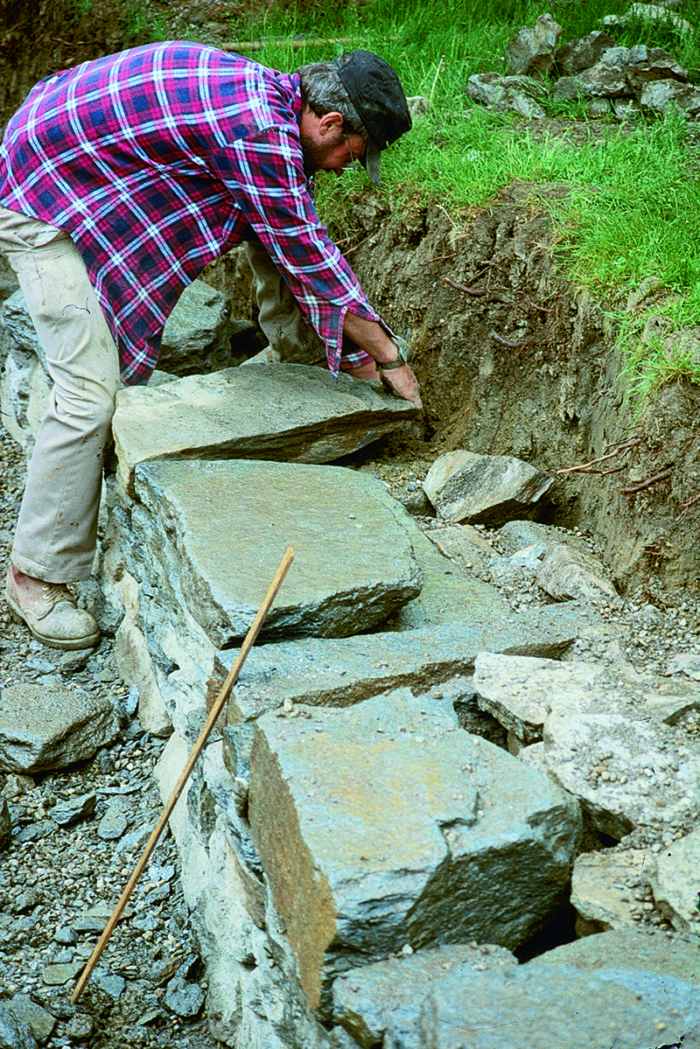
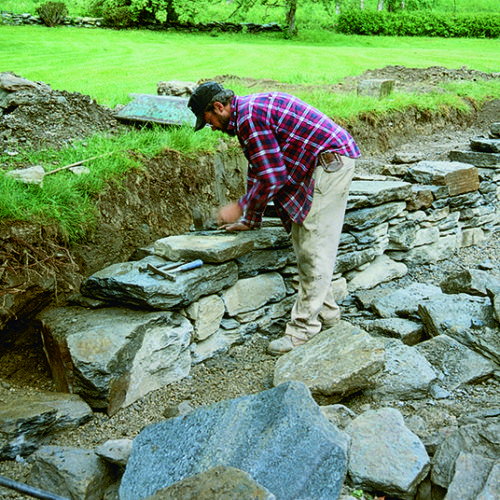
Start by digging a trench about 4 inches deep and at least 2 feet wide. A straightedged spade will give you a nice, even edge. The first course must be very solid and tightly fit because the weight of the wall will rest on it. Take the time to find rocks that lock into place, without leaving gaps. Randomly lay your largest rocks along the front edge of the trench. Set the first stone, shifting it around until it sits securely without being rocked easily, and then fill with the remaining stones. If you are using rectangular stones, you want the height of adjacent stones to be the same, or of a difference that can be made up with a smaller stone. If the rocks are irregular, then the stones will fit together leaving a triangular gap for the next course to fit into. I find irregular rocks easier to work with than flat ones; with flat rocks you have to be more precise. Find a stone that fits well and then continue for a few more feet. A rule of thumb, passed down from my wall-building teacher’s mentor, is to try a stone seven different ways. If it doesn’t fit by the seventh try, use another stone.
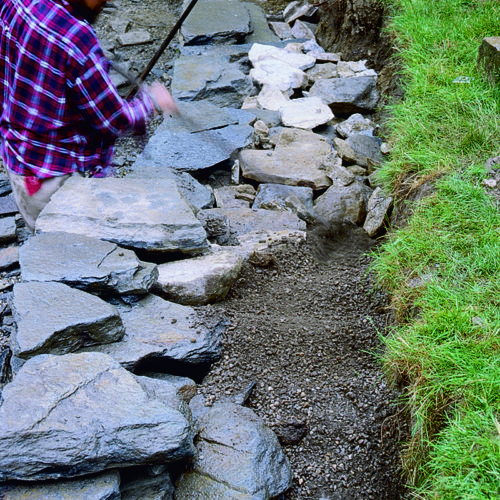
Järgmiseks kühveldage kivide taha mustust ja tampige maa tühikutesse between, behind, and beneath the stones with top of the sledgehammer. This is an important step because the dirt becomes the mortar for the wall. I also recommend adding rubble (those stones you won’t use on the face of your wall) behind the face course to give greater strength to the wall. Pound the rubble and soil mix until you are satisfied that it is solid. Continue the first course until you reach the end of the wall. When you are done, test
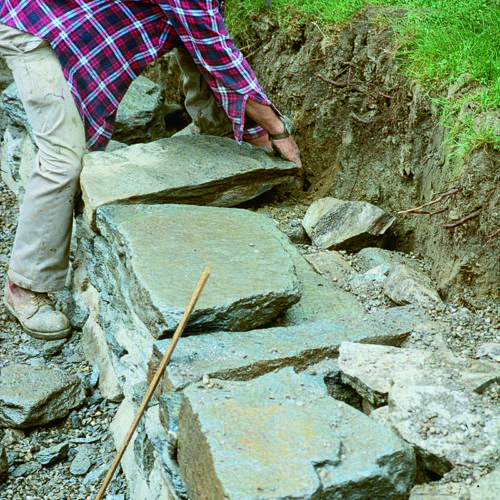
Teise kihi alustamiseks valige kivi, mis ühendab alumise kihi esimese vuugi. Avoid having joints run up the face of the wall, and angle (batter) the courses backward—approximately 1 inch per vertical foot. This creates a stable wall. For added strength, intermittently place single stones that run the full depth of the wall. This will only work with rectangular rocks. For irregular rocks, place a large rock behind a face rock every 3 feet or so. As you set a course, you will come to situations, probably quite a few of them, where the rock placement is perfect on all sides but one. These are the planting opportunities that give life to a stone wall.
Continue building in this manner until you are one course away from the finished height. Fitting stones will get easier as you go, and you’ll likely discover that there’s a certain magic moment when you’re building a wall: you hear a thump that signals you’ve placed a rock perfec
Määrake oma seina kõrgus
The ideal height for a dry-stacked retaining wall is 18 to 22 inches—so you can sit on it when your gardening chores are done. Even if
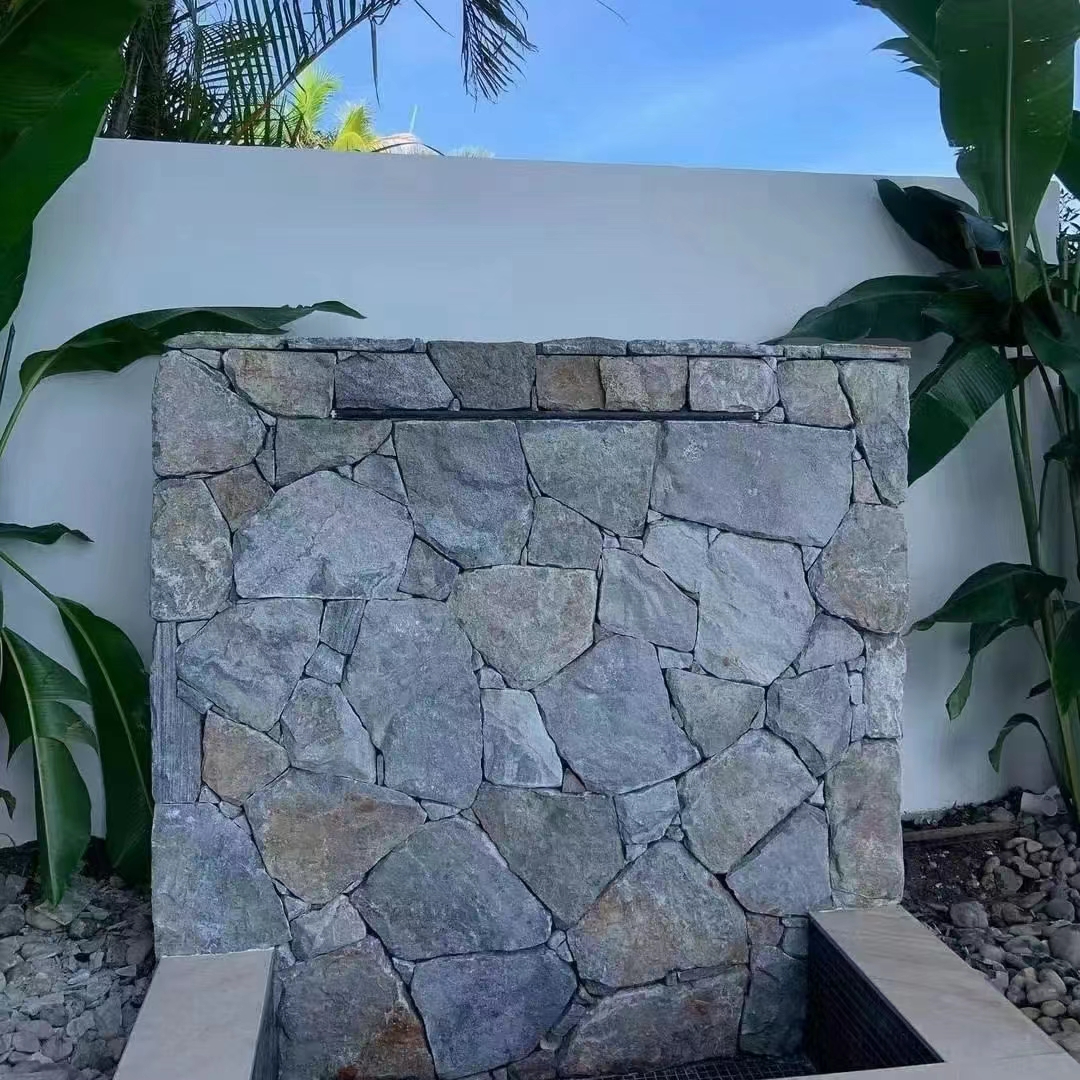
Varuge nurgakivi paigaldamise protsessis palju kannatust; see on teie praeguseks arendatud oskuste kulminatsioon. See peaks olema umbes 15–18 tolli sügav ja koosnema ühest kuni kolmest kivist. Kivide kinnitamiseks kasutage pinnast ja head paigutust ning vältige nurgakivis pikki liitekohti nagu seinavuukide puhul. Kui soovite seinal istuda, valige siledad lamedad kivid. Või täitke vahed mullaga ja istutage patjadeks lõhnavaid ürte. Istutatud nurgakivi on elavale seinale meeldiv viimistlus.
 Aafrika
 albaanlane
 amhari
 araabia keel
 armeenlane
 Aserbaidžaan
 baski keel
 valgevenelane
 bengali
  bosnia keel
 bulgaaria keel
 katalaani
 Cebuano
 Hiina
Hiina Hiina (Taiwan)
 Korsika
 Horvaatia
 tšehhi
 taani keel
 hollandi keel
 Inglise
 esperanto
 eesti keel
 soome keel
 prantsuse keel
 friisi keel
 Galicia
 Gruusia keel
 saksa keel
 kreeka keel
 gudžarati
 Haiti kreool
 hausa
hausa havai
havai heebrea keel
 Ei
Ei Miao
Miao ungari
 islandi
 igbo
igbo Indoneesia
 iirlane
 itaalia keel
 Jaapani
 jaava keel
 kannada
 kasahhi
 khmeerid
 Rwanda
 korea keel
 kurdi
kurdi kirgiisi
 TB
TB ladina keel
 lätlane
 Leedu
Leedu Luksemburgi keel
 makedoonlane
 Malgashi
 malai
malai malajalami
 malta keel
 maoorid
 marati
 mongoli keel
 Myanmar
 Nepali
 norra keel
 norra keel
 oksitaan
 puštu
puštu pärslane
 poola keel
 portugali keel
  pandžabi
 rumeenlane
 vene keel
 Samoa
Samoa šoti gaeli keel
 serblane
 Inglise
 Shona
Shona Sindhi
 singali keel
 slovaki
 Sloveenia
 Somaalia
 hispaania keel
 sundalane
 suahiili keel
 rootsi keel
 tagalog
 tadžiki
 tamili keel
 tatarlane
 telugu
 Tai
Tai türgi keel
 türkmeen
 ukrainlane
 urdu
urdu uiguurid
 usbeki
 vietnamlane
 kõmri
kõmri