

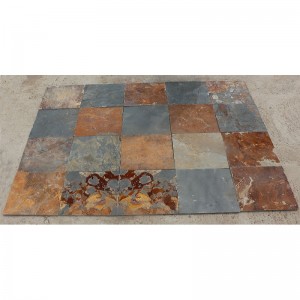
Pllaka të ndryshkura
Dëshironi të ndërtoni murin tuaj mbajtës prej guri, por nuk jeni të sigurt se si të filloni? Nëse keni një të pabarabartë oborr, një mur mbajtës guri mund të ndihmojë në parandalimin e erozionit dhe ofron një vend të këndshëm për të mbjellë. Për të mësuar se si t'i bashkoni tuajat, nga fillimi në fund, lexoni më tej.
To figure out how much stone you’ll need, multiply your wall’s height times the depth times the length. If your wall is 2 feet high, 1-1/2 feet wide, and 20 feet long, you’ll need roughly 60 cubic feet of stone. Most stoneyards will deliver the stones for a slight charge; have them placed as close to the site of your retaining wall as possible.
Sa për tools, you’ll need a shovel for digging your trench and backfilling, a mattock for attacking the grade, and a small sledgehammer for tamping soil. For marking your site and leveling rocks, you’ll need a line level, a few tall stakes, string, some flour, and a 4- or 8-foot level.
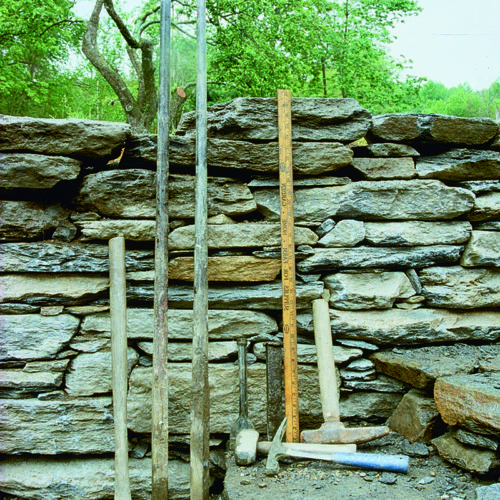
Now you can start digging. The easiest approach is to cut and fill—that is, dig into the slope where the wall will go and spread the earth below you to create a level terrace. When you cut and fill, the wall is backed by undisturbed soil, which is more stable than fill. For design reasons, however, you might choose to build a freestanding wall and fill behind it with soil from another site. Or you might do a partial cut and fill, which is somewhere between the two.
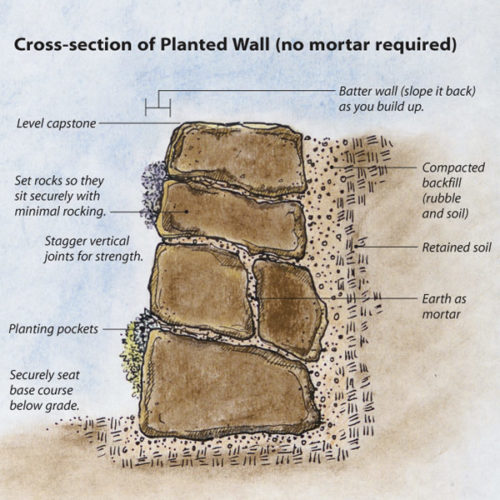
Muret janë ndërtuar në kurse. The base course is structurally the most important, while the final course, the capstone, is the most challenging. For stability, walls should be at least 20 inches wide at the base. They can taper slightly toward the top, but you’ll want a wall that is at least two rocks wide in most places. This can be accomplished by mixing stones of different sizes or by backfilling with a combination of two-thirds rubble to one-third soil.
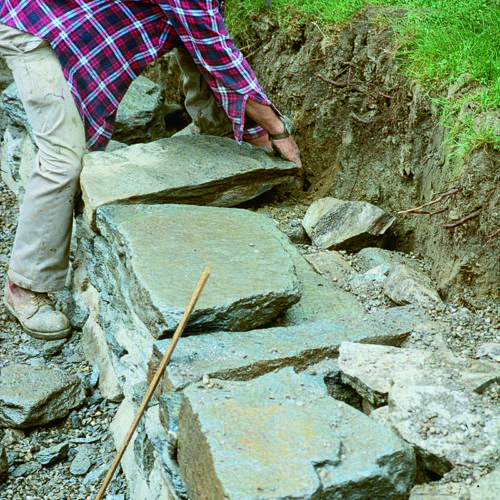
Gërmoni një llogore për kursin bazë
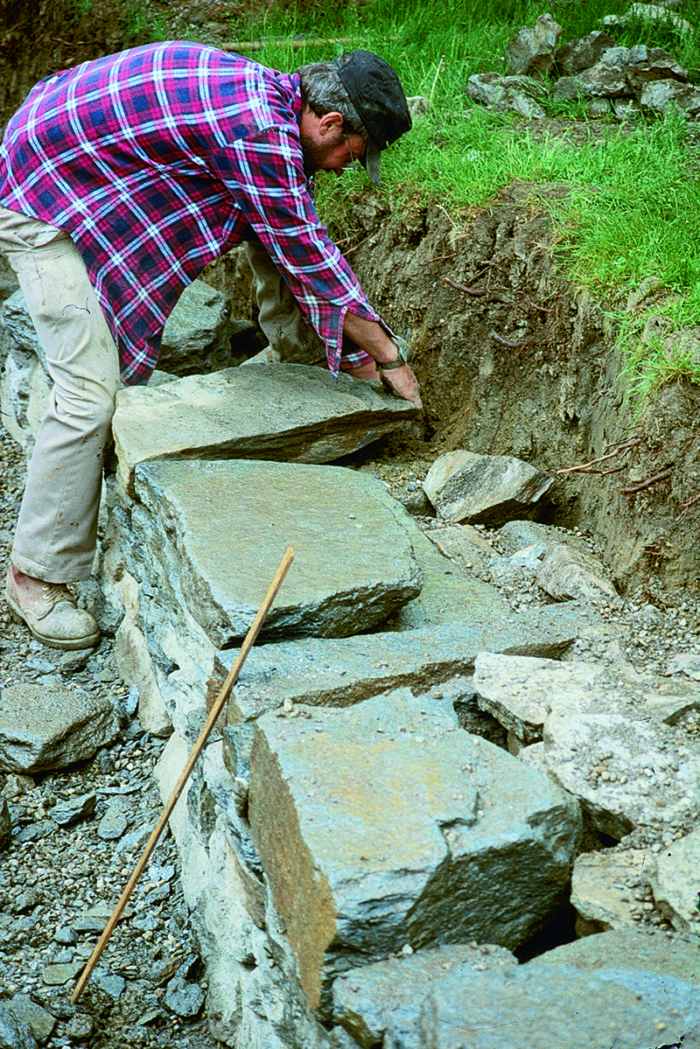
Start by digging a trench about 4 inches deep and at least 2 feet wide. A straightedged spade will give you a nice, even edge. The first course must be very solid and tightly fit because the weight of the wall will rest on it. Take the time to find rocks that lock into place, without leaving gaps. Randomly lay your largest rocks along the front edge of the trench. Set the first stone, shifting it around until it sits securely without being rocked easily, and then fill with the remaining stones. If you are using rectangular stones, you want the height of adjacent stones to be the same, or of a difference that can be made up with a smaller stone. If the rocks are irregular, then the stones will fit together leaving a triangular gap for the next course to fit into. I find irregular rocks easier to work with than flat ones; with flat rocks you have to be more precise. Find a stone that fits well and then continue for a few more feet. A rule of thumb, passed down from my wall-building teacher’s mentor, is to try a stone seven different ways. If it doesn’t fit by the seventh try, use another stone.
Më pas, hiqni papastërtitë pas gurëve dhe futni tokën në hapësira between, behind, and beneath the stones with top of the sledgehammer. This is an important step because the dirt becomes the mortar for the wall. I also recommend adding rubble (those stones you won’t use on the face of your wall) behind the face course to give greater strength to the wall. Pound the rubble and soil mix until you are satisfied that it is solid. Continue the first course until you reach the end of the wall. When you are done, test
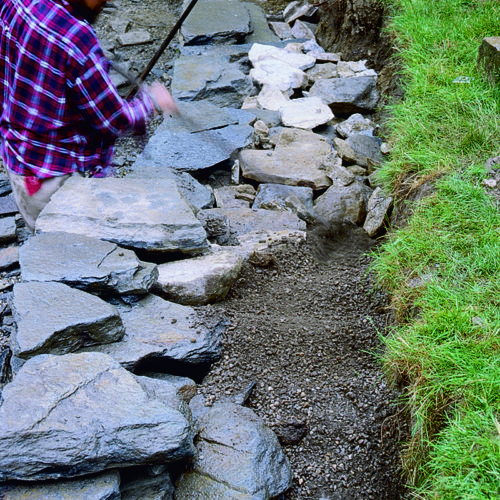
Për të filluar kursin e dytë, zgjidhni një gur që do të lidh nyjen e parë të kursit të poshtëm. Avoid having joints run up the face of the wall, and angle (batter) the courses backward—approximately 1 inch per vertical foot. This creates a stable wall. For added strength, intermittently place single stones that run the full depth of the wall. This will only work with rectangular rocks. For irregular rocks, place a large rock behind a face rock every 3 feet or so. As you set a course, you will come to situations, probably quite a few of them, where the rock placement is perfect on all sides but one. These are the planting opportunities that give life to a stone wall.
Continue building in this manner until you are one course away from the finished height. Fitting stones will get easier as you go, and you’ll likely discover that there’s a certain magic moment when you’re building a wall: you hear a thump that signals you’ve placed a rock perfec
Bëni lartësinë e vendndodhjes së murit
The ideal height for a dry-stacked retaining wall is 18 to 22 inches—so you can sit on it when your gardening chores are done. Even if
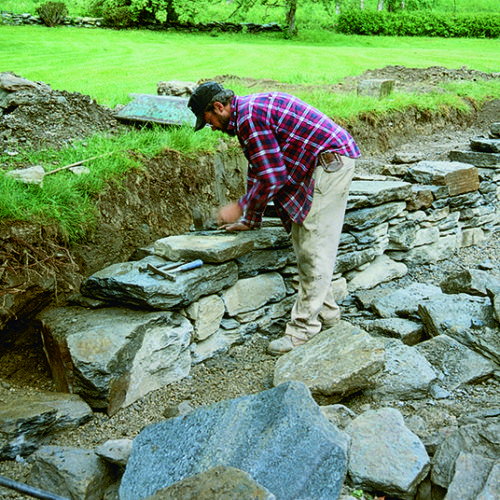
Sillni mjaft durim në procesin e vendosjes së gurit; është një kulm i aftësisë që keni zhvilluar deri në këtë pikë. Duhet të jetë rreth 15 deri në 18 inç i thellë, i përbërë nga një deri në tre gurë. Përdorni tokë dhe vendosje të mirë për të siguruar gurët, dhe ashtu si me fugat e murit, shmangni fugat e gjata në gurin e sipërm. Nëse dëshironi të uleni në mur, zgjidhni gurë të lëmuar dhe të sheshtë. Ose, mbushni boshllëqet me tokë dhe mbillni barishte aromatike për jastëkë. Një gur i madh i mbjellë është një prekje e këndshme përfundimtare për një mur të gjallë.
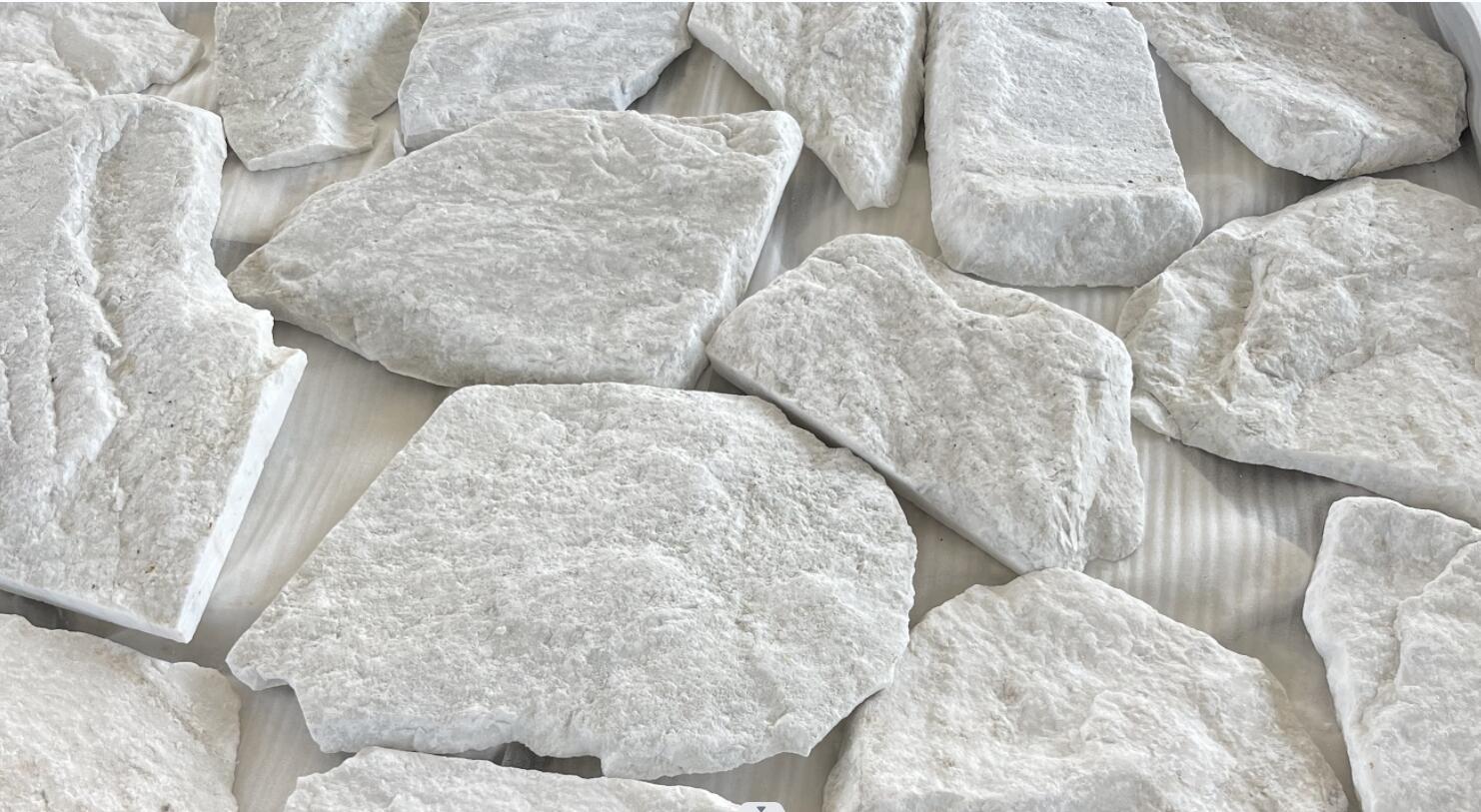
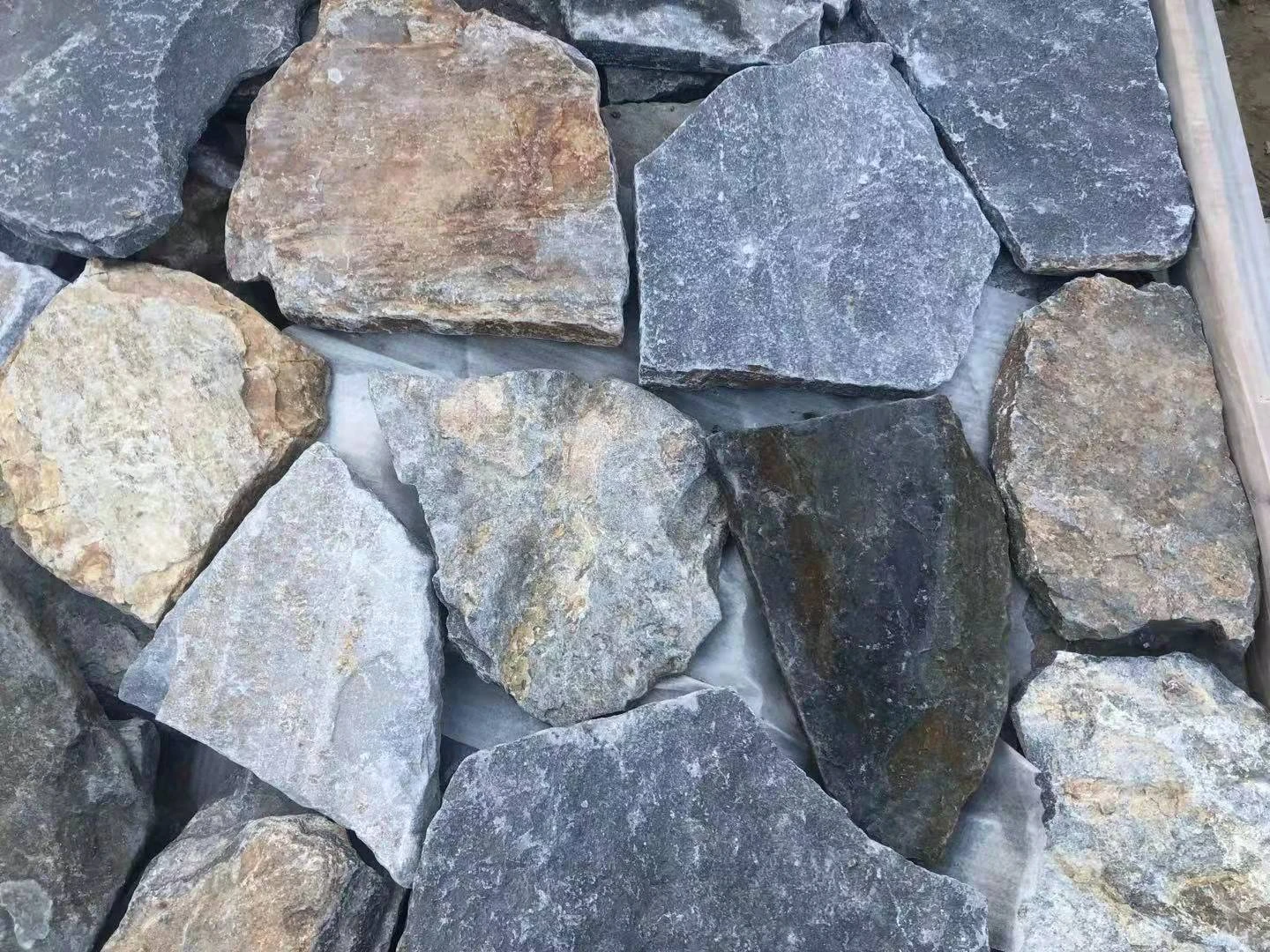
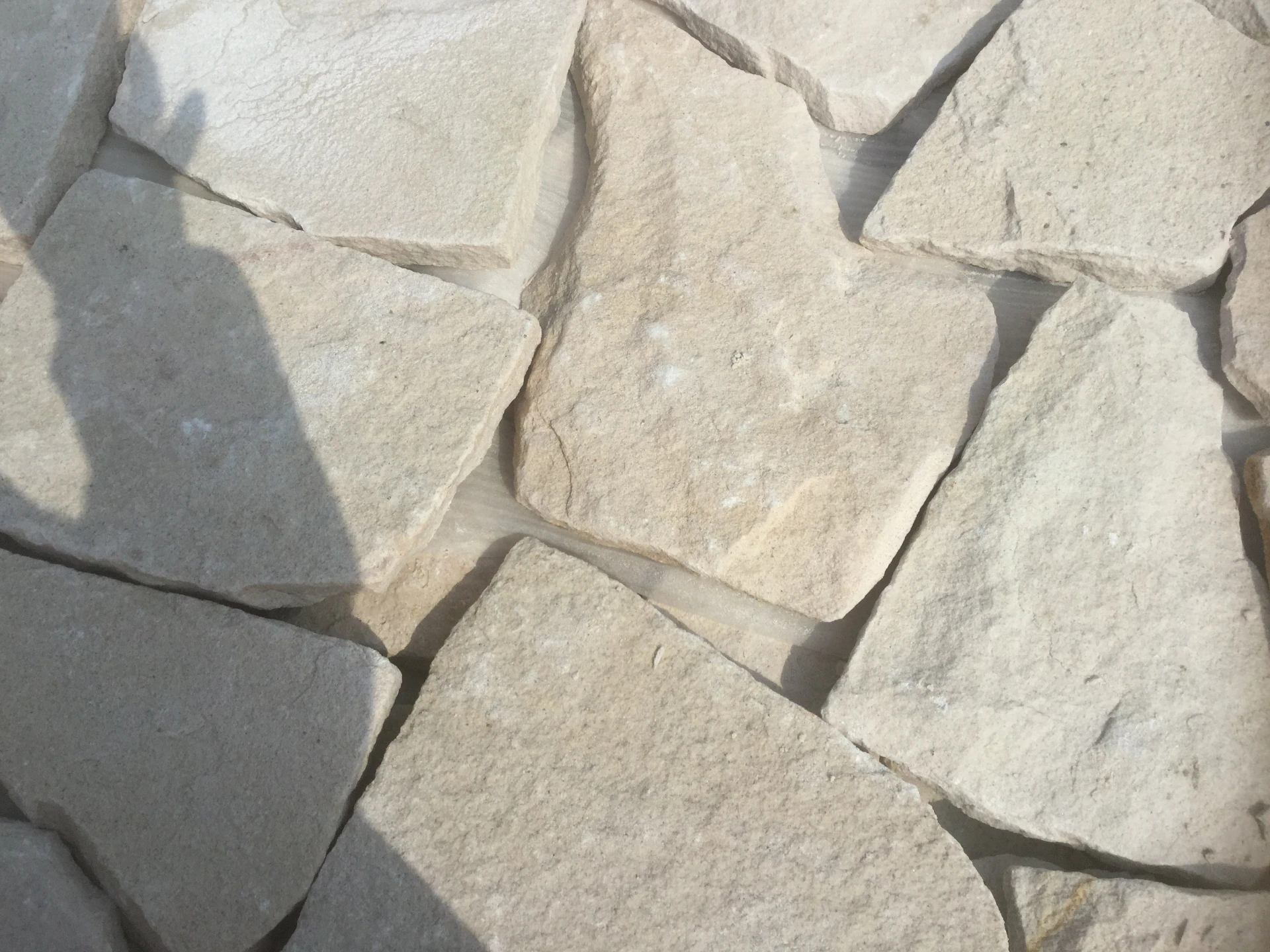
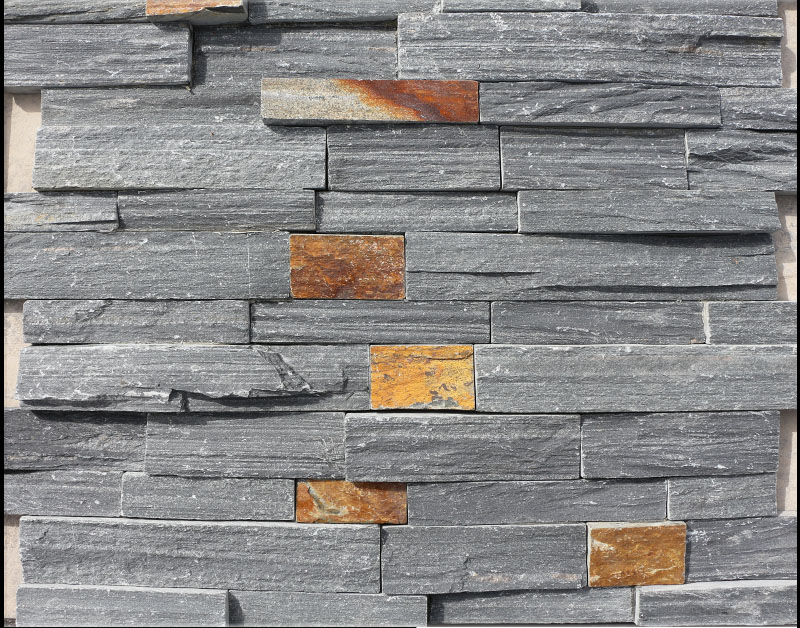
 afrikane
 shqiptare
 amharike
 arabisht
 armene
 Azerbajxhani
 bask
bask bjellorusisht
 Bengalisht
  boshnjake
 bullgare
 katalanas
 Cebuano
 Kinë
Kinë Kinë (Tajvan)
 korsikane
 kroate
 çeke
çeke daneze
 holandeze
 anglisht
 Esperanto
 estoneze
 finlandez
 frëngjisht
 frizianisht
 Galician
 gjeorgjiane
 gjermanisht
 greke
greke guxharatisht
 Kreole Haitiane
 hausa
hausa hawajiane
 hebraishtja
 Jo
Jo Miao
Miao hungareze
 islandeze
 igbo
igbo indonezisht
 irlandeze
 italisht
 japoneze
 javaneze
 kanadeze
 kazakisht
 Khmer
Khmer Ruanda
 koreane
 kurde
kurde Kirgize
 TB
TB latinisht
 Letonisht
 Lituanisht
 luksemburgase
 maqedonase
 Malgashi
 Malay
Malay malajalamisht
 malteze
 Maori
Maori Marathi
 mongolisht
 Mianmar
 nepalisht
 norvegjeze
 norvegjeze
 Oksitan
 Pashto
 persisht
 polonisht
 portugeze
  Punjabi
 rumun
rumun rusisht
 Samoan
 gaelishte skoceze
 serb
serb anglisht
 Shona
Shona Sindhi
 sinhalisht
 sllovake
 slloven
 somalez
 Spanjisht
 sundanez
 Suahili
 suedeze
 Tagalogisht
 Taxhikisht
 tamile
 tatar
tatar telugu
 Thai
Thai turk
turk turkmen
 ukrainase
 urdu
urdu ujgure
 Uzbekistani
 vietnameze
 Uellsisht