

Leacan meirgeach
A bheil thu airson do bhalla-gleidhidh cloiche fhèin a thogail, ach mì-chinnteach ciamar a thòisicheas tu? Ma tha mì-chothromachd agad gàrradh, faodaidh balla gleidhidh cloiche cuideachadh le casg a chuir air bleith agus tha e na àite math airson planntachadh. Gus ionnsachadh mar a chuireas tu do chuid fhèin ri chèile, bho thoiseach gu deireadh, leugh air adhart.
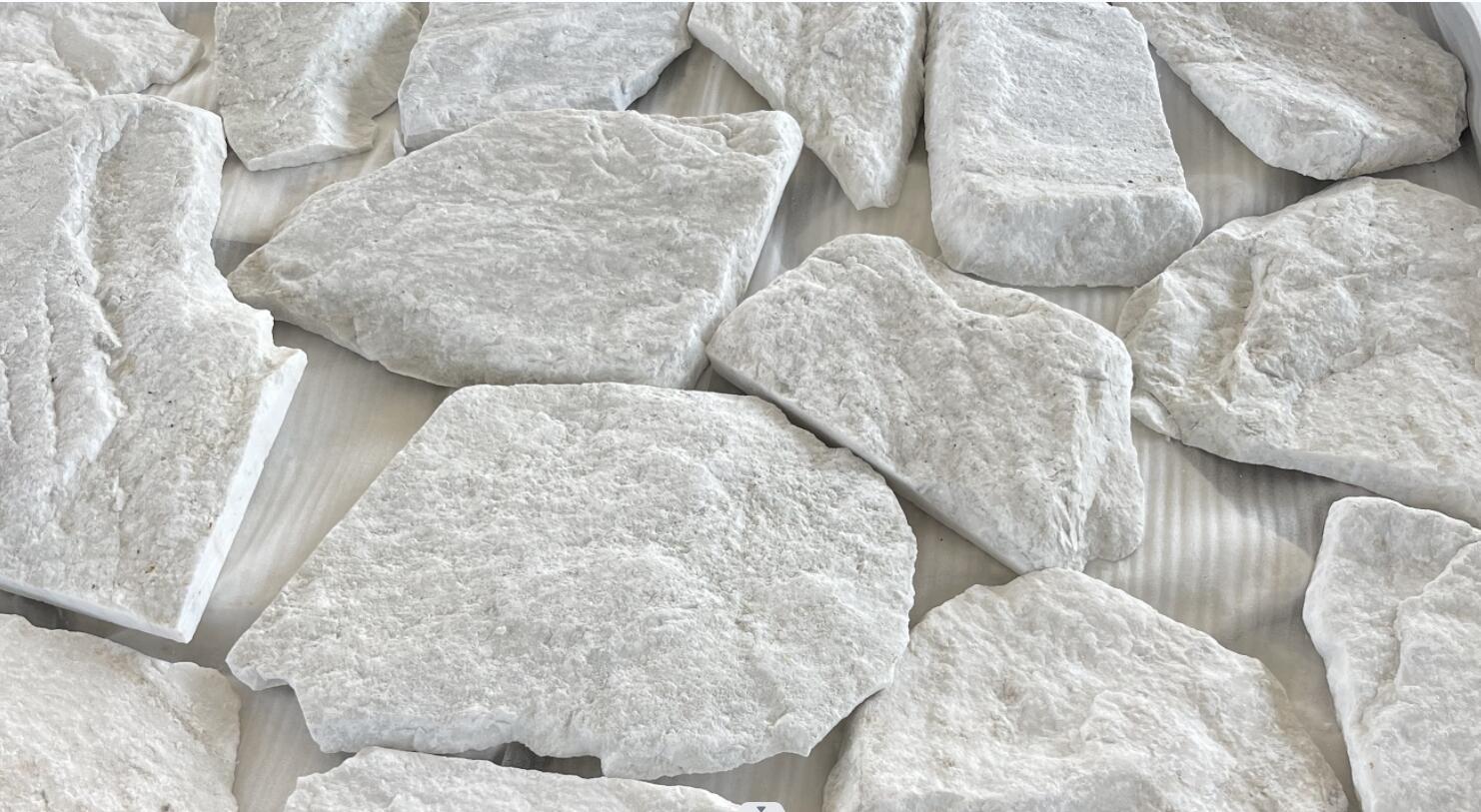
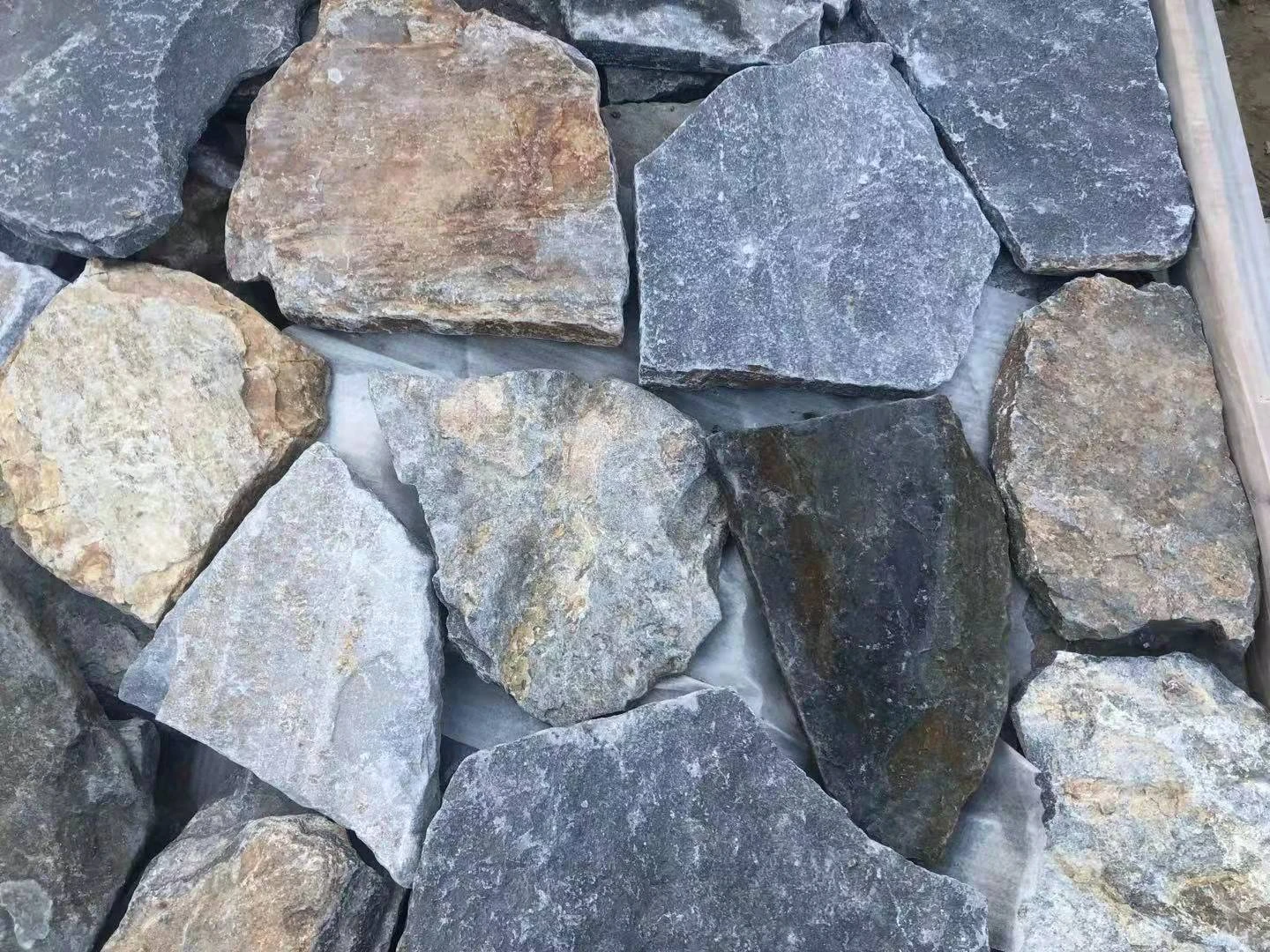
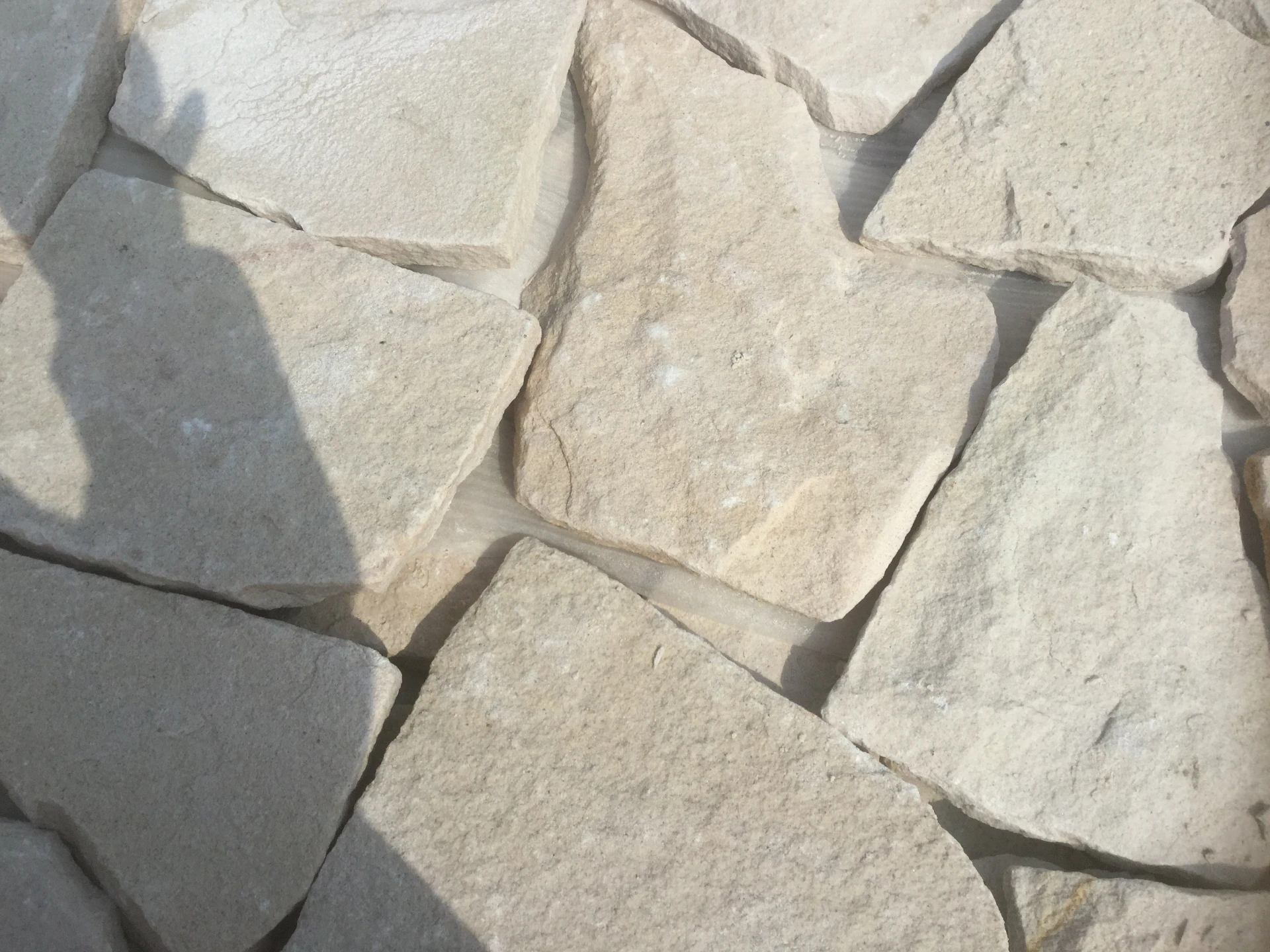
To figure out how much stone you’ll need, multiply your wall’s height times the depth times the length. If your wall is 2 feet high, 1-1/2 feet wide, and 20 feet long, you’ll need roughly 60 cubic feet of stone. Most stoneyards will deliver the stones for a slight charge; have them placed as close to the site of your retaining wall as possible.
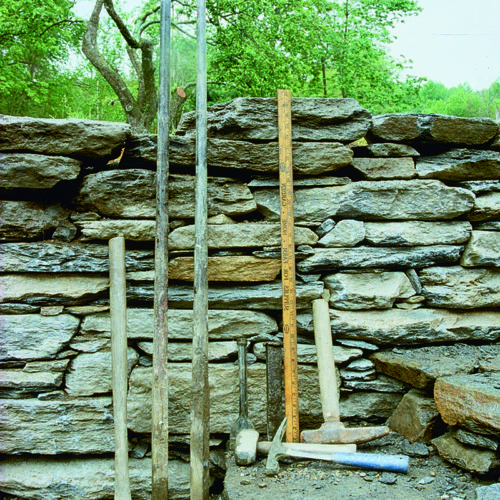
A thaobh tools, you’ll need a shovel for digging your trench and backfilling, a matan for attacking the grade, and a small sledgehammer for tamping soil. For marking your site and leveling rocks, you’ll need a line level, a few tall stakes, string, some flour, and a 4- or 8-foot level.
Now you can start digging. The easiest approach is to cut and fill—that is, dig into the slope where the wall will go and spread the earth below you to create a level terrace. When you cut and fill, the wall is backed by undisturbed soil, which is more stable than fill. For design reasons, however, you might choose to build a freestanding wall and fill behind it with soil from another site. Or you might do a partial cut and fill, which is somewhere between the two.
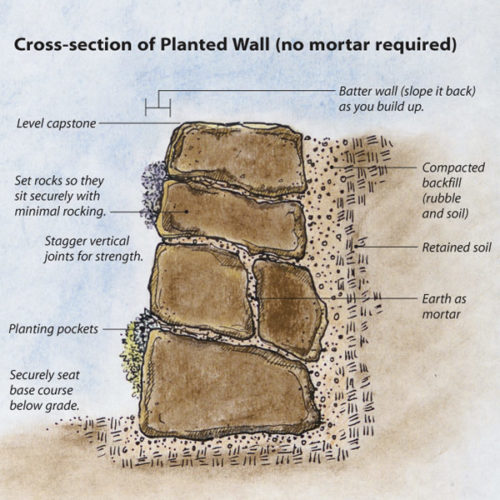
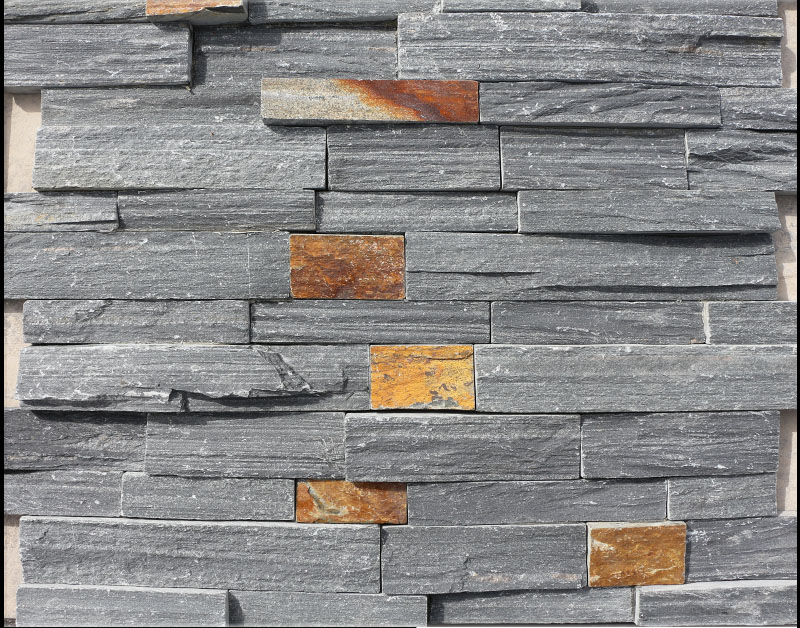
Tha ballachan air an togail ann an cùrsaichean. The base course is structurally the most important, while the final course, the capstone, is the most challenging. For stability, walls should be at least 20 inches wide at the base. They can taper slightly toward the top, but you’ll want a wall that is at least two rocks wide in most places. This can be accomplished by mixing stones of different sizes or by backfilling with a combination of two-thirds rubble to one-third soil.
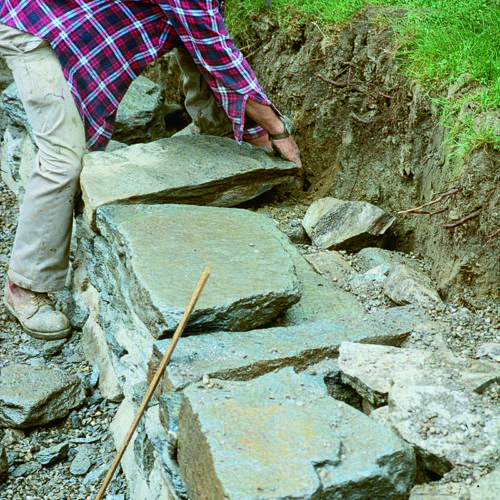
Cladhaich trench airson a’ chùrsa bhunaiteach
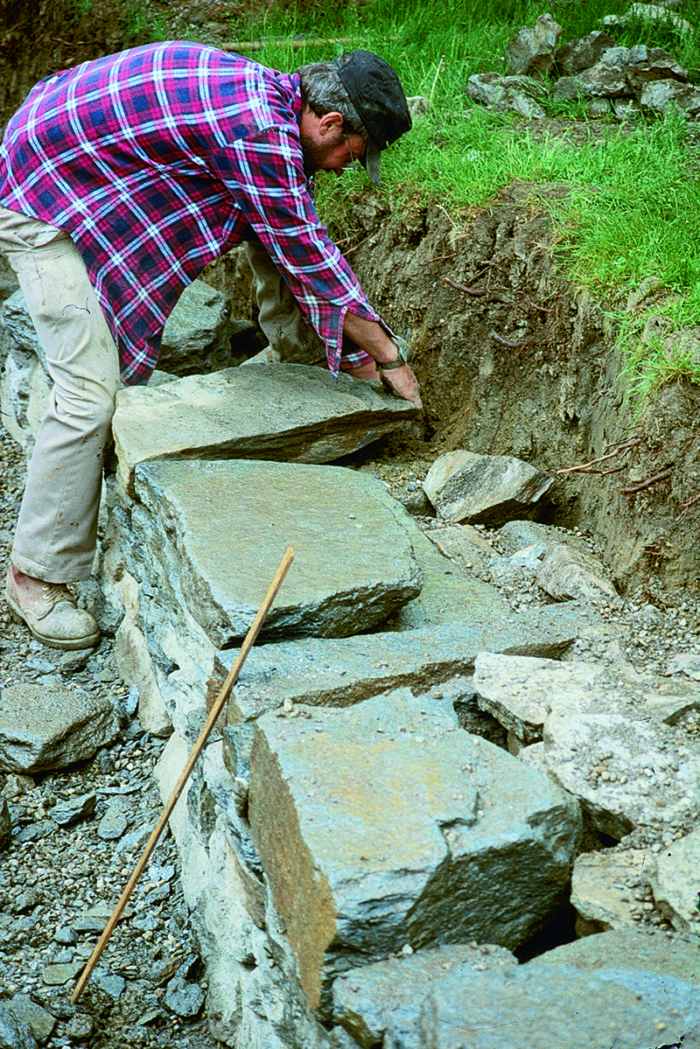
Start by digging a trench about 4 inches deep and at least 2 feet wide. A straightedged spade will give you a nice, even edge. The first course must be very solid and tightly fit because the weight of the wall will rest on it. Take the time to find rocks that lock into place, without leaving gaps. Randomly lay your largest rocks along the front edge of the trench. Set the first stone, shifting it around until it sits securely without being rocked easily, and then fill with the remaining stones. If you are using rectangular stones, you want the height of adjacent stones to be the same, or of a difference that can be made up with a smaller stone. If the rocks are irregular, then the stones will fit together leaving a triangular gap for the next course to fit into. I find irregular rocks easier to work with than flat ones; with flat rocks you have to be more precise. Find a stone that fits well and then continue for a few more feet. A rule of thumb, passed down from my wall-building teacher’s mentor, is to try a stone seven different ways. If it doesn’t fit by the seventh try, use another stone.
An uairsin, salachar sluasaid air cùl nan clachan agus cuir an talamh a-steach do na beàrnan between, behind, and beneath the stones with top of the sledgehammer. This is an important step because the dirt becomes the mortar for the wall. I also recommend adding rubble (those stones you won’t use on the face of your wall) behind the face course to give greater strength to the wall. Pound the rubble and soil mix until you are satisfied that it is solid. Continue the first course until you reach the end of the wall. When you are done, test
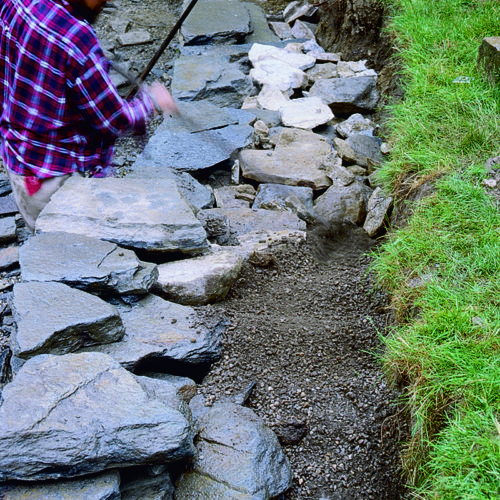
Airson an dàrna cùrsa a thòiseachadh, tagh clach a dhruideas a’ chiad alt den chùrsa aig a’ bhonn. Avoid having joints run up the face of the wall, and angle (batter) the courses backward—approximately 1 inch per vertical foot. This creates a stable wall. For added strength, intermittently place single stones that run the full depth of the wall. This will only work with rectangular rocks. For irregular rocks, place a large rock behind a face rock every 3 feet or so. As you set a course, you will come to situations, probably quite a few of them, where the rock placement is perfect on all sides but one. These are the planting opportunities that give life to a stone wall.
Continue building in this manner until you are one course away from the finished height. Fitting stones will get easier as you go, and you’ll likely discover that there’s a certain magic moment when you’re building a wall: you hear a thump that signals you’ve placed a rock perfec
Dèan àirde do shuidheachadh balla
The ideal height for a dry-stacked retaining wall is 18 to 22 inches—so you can sit on it when your gardening chores are done. Even if
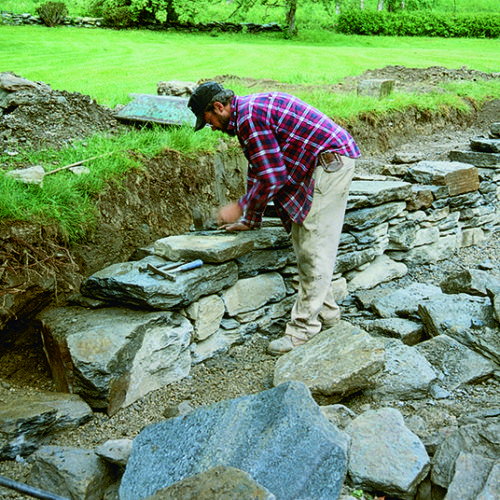
Thoir gu leòr foighidinn don phròiseas a bhith a 'leagail a' chlach-chinn; tha e na chrìoch air an sgil a tha thu air a leasachadh chun na h-ìre seo. Bu chòir dha a bhith mu 15 gu 18 òirleach de dhoimhneachd, air a dhèanamh suas de chlachan aon no trì. Cleachd ùir agus deagh shuidheachadh gus na clachan a dhèanamh tèarainte, agus dìreach mar a tha le joints balla, seachain joints fada anns a 'chlach-chinn. Ma tha thu airson suidhe air a 'bhalla, tagh clachan rèidh, rèidh. No, lìon beàrnan le ùir agus cuir luibhean cùbhraidh airson cuiseanan. Tha clach-uaghach planntaichte na suathadh crìochnachaidh tlachdmhor ri balla beò.
 Afraganach
 Albànianach
 Amharic
 Arabach
 Armenianach
 Azerbaijani
 Basgach
 Belarusianach
 Bengàlach
  Bosnianach
 Bulgàrianach
 Catalanach
 Cebuano
 Sìona
Sìona Sìona (Taiwan)
 Corsicanach
 Croatianach
 Seacach
 Dànach
 Duitseach
 Sasannach
 Esperanto
 Estòinianach
 Fionnlaineach
 Frangach
 Frisianach
 Galicianach
 Georgianach
 Gearmailteach
 Grèigeach
 Gujarati
 Haitian Creole
 Hausa
Hausa Hawaiianach
 Eabhrach
 Chan eil
 Miao
Miao Hungàrianach
 Innis Tìleach
 igbo
igbo And-Innseach
 Èireannach
 Eadailteach
 Iapanach
 Iabhaininnseach
 Kannada
 Kasakh
 Ciméireach
 Ruanda
 Corèanach
 Curdach
 Kyrgyz
 TBh
TBh Laidinn
 Latbhianach
 Lithuanianach
 Luxembourgach
 Macedonianach
 Malgashi
 Malaidheach
 Malayalamach
 Malteseach
 Maori
Maori Marathiach
 Mongolianach
 Myanmar
 Nepalach
 Lochlannach
 Lochlannach
 Occitan
 Pashto
 Persianach
 Pòlainneach
 Portugalach
  Punjabi
 Romànianach
 Ruiseanach
 Samoan
 Gàidhlig na h-Alba
 Serbianach
 Sasannach
 Shona
Shona Sindeach
 Sinhala
 Slovacanach
 Slobhenianach
 Somali
 Spàinneach
 Sundais
 Swahilieach
 Suaineach
 Tagalogach
 Tajik
Tajik Tamileach
 Tatarais
 Telugach
 Thaidheach
 Turcach
 Turkmen
 Ucràinis
 Urdu
Urdu Uighur
 Uzbek
Uzbek Bhietnam
 Cuimris