

Lithaele tse mafome
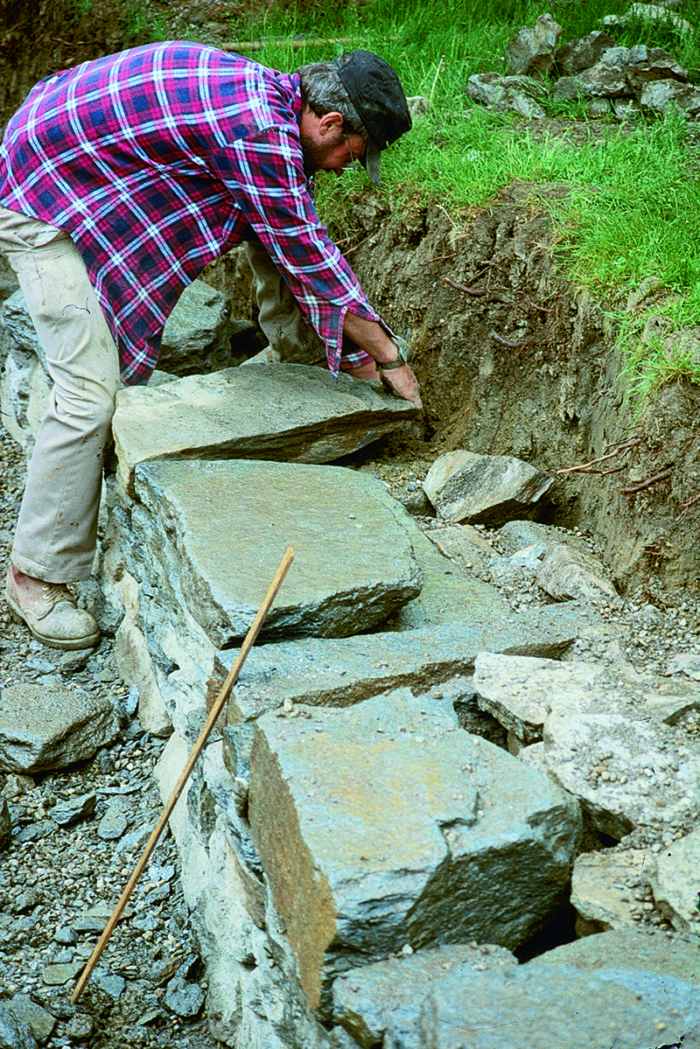
U batla ho ikahela lerako la ho boloka majoe, empa ha u tsebe hantle hore na u ka qala joang? Haeba u na le ho se tšoane jarete, lerako le bolokang majoe le ka thusa ho thibela khoholeho ea mobu le ho fana ka sebaka se setle sa ho lema. Ho ithuta ho kopanya tsa hau, ho tloha qalong ho fihlela qetellong, bala ho ea pele.
To figure out how much stone you’ll need, multiply your wall’s height times the depth times the length. If your wall is 2 feet high, 1-1/2 feet wide, and 20 feet long, you’ll need roughly 60 cubic feet of stone. Most stoneyards will deliver the stones for a slight charge; have them placed as close to the site of your retaining wall as possible.
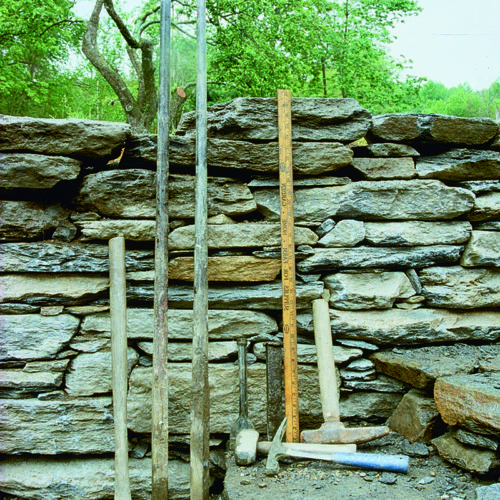
Ha e le tools, you’ll need a shovel for digging your trench and backfilling, a mattock for attacking the grade, and a small sledgehammer for tamping soil. For marking your site and leveling rocks, you’ll need a line level, a few tall stakes, string, some flour, and a 4- or 8-foot level.
Now you can start digging. The easiest approach is to cut and fill—that is, dig into the slope where the wall will go and spread the earth below you to create a level terrace. When you cut and fill, the wall is backed by undisturbed soil, which is more stable than fill. For design reasons, however, you might choose to build a freestanding wall and fill behind it with soil from another site. Or you might do a partial cut and fill, which is somewhere between the two.
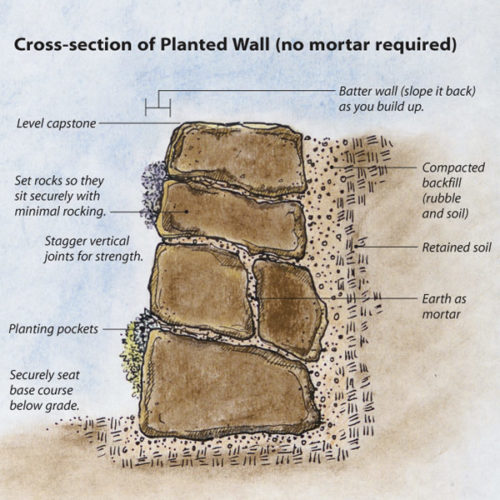
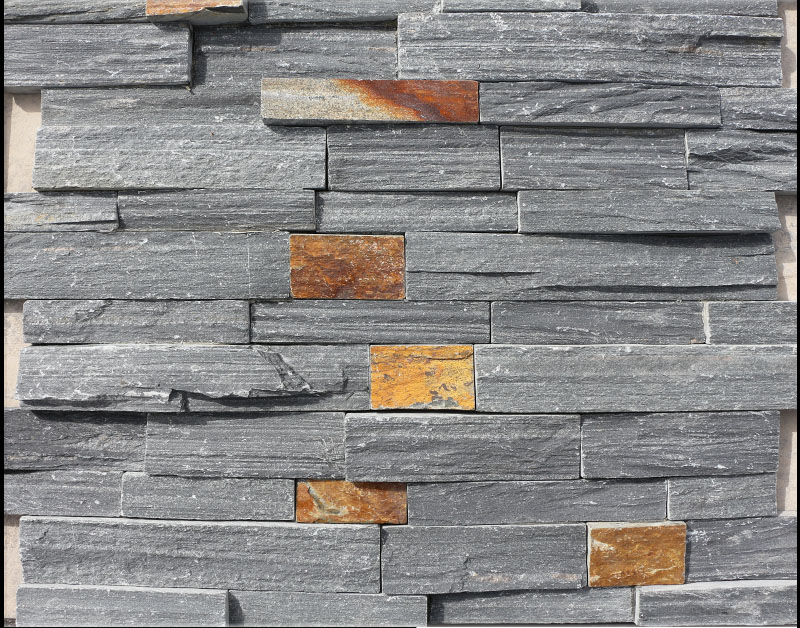
Mabota a hahiloe ka lithuto. The base course is structurally the most important, while the final course, the capstone, is the most challenging. For stability, walls should be at least 20 inches wide at the base. They can taper slightly toward the top, but you’ll want a wall that is at least two rocks wide in most places. This can be accomplished by mixing stones of different sizes or by backfilling with a combination of two-thirds rubble to one-third soil.
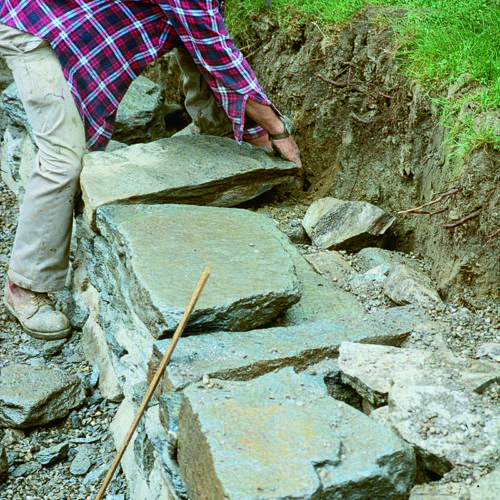
Cheka foro bakeng sa thupelo ea motheo
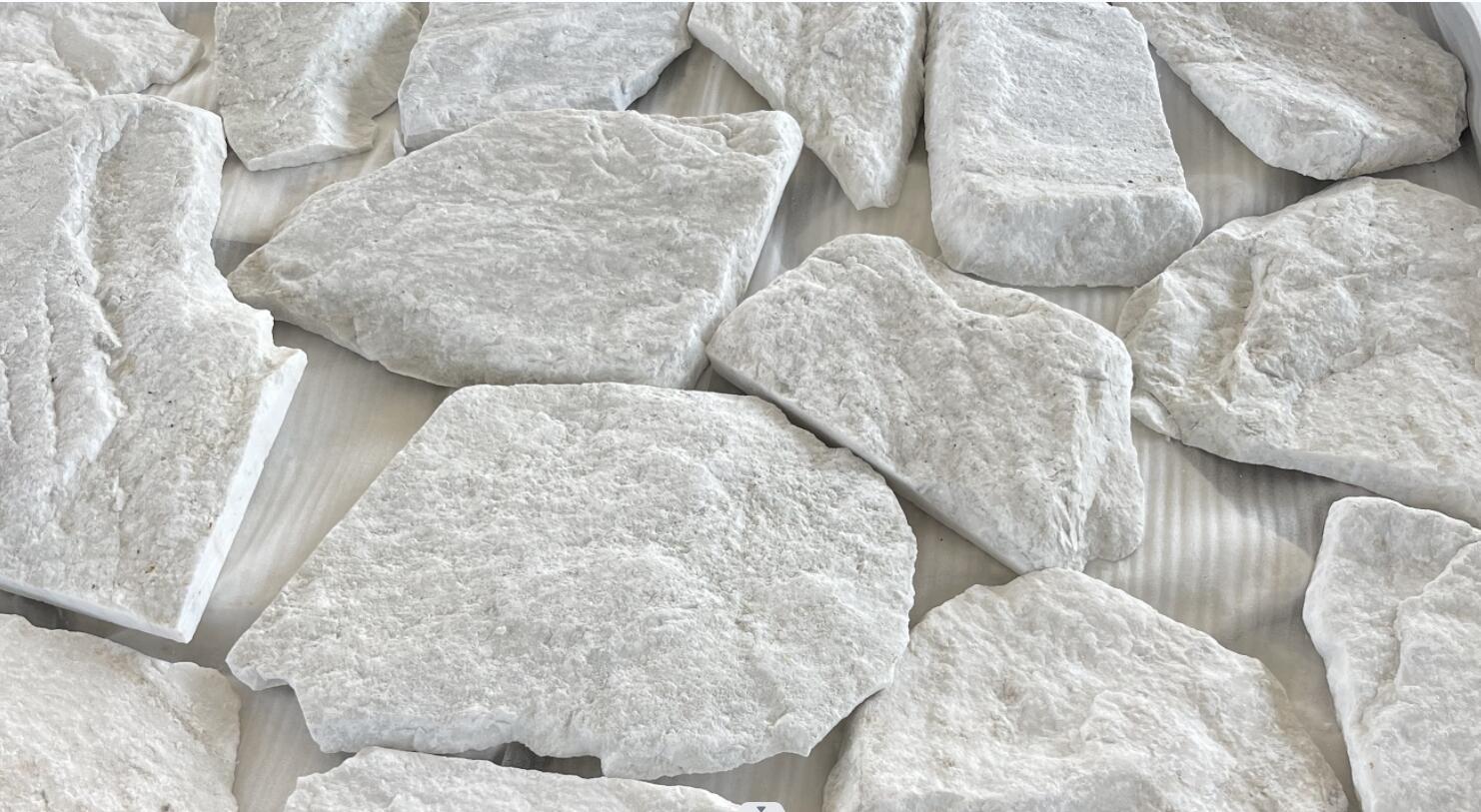
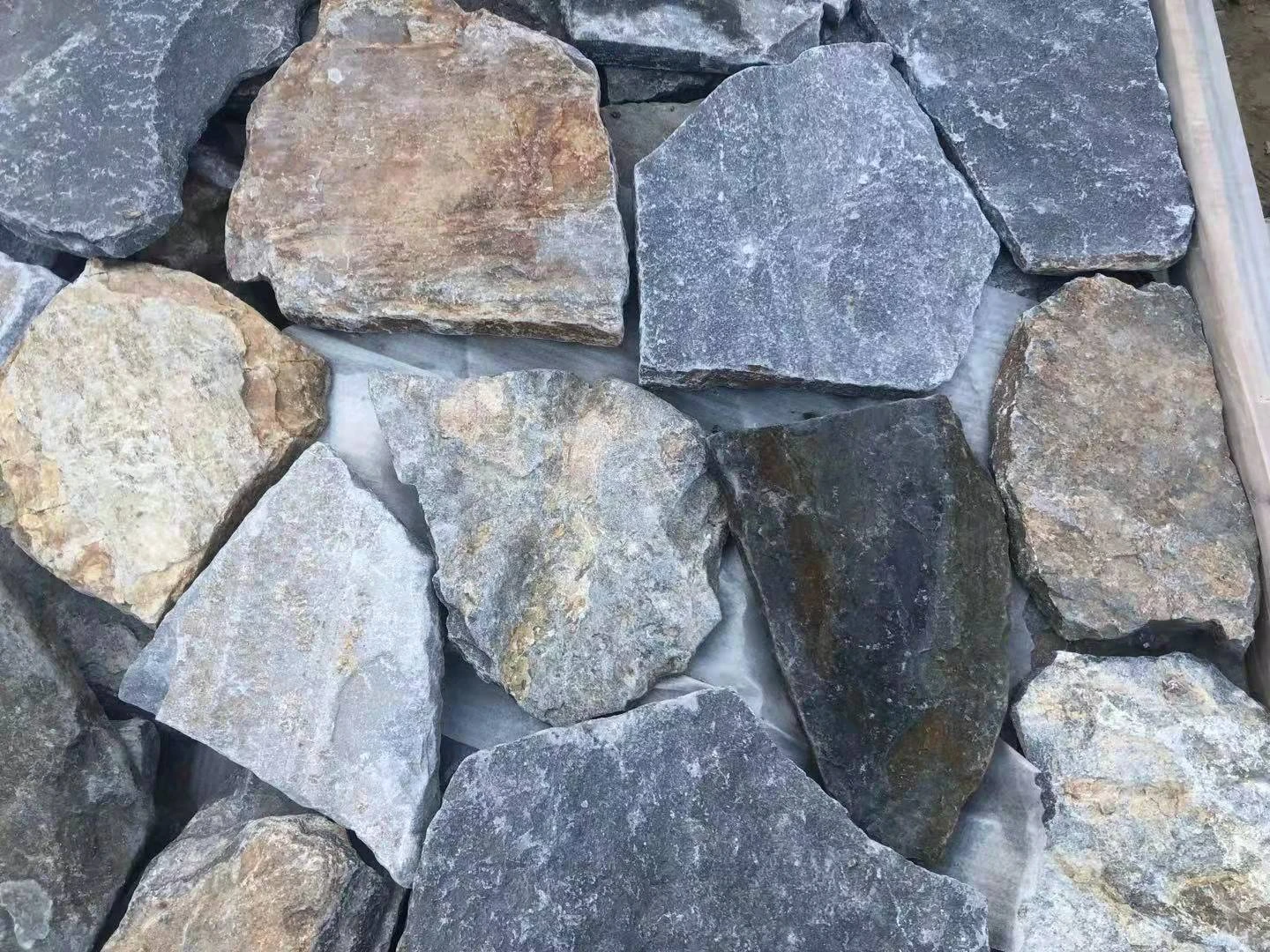
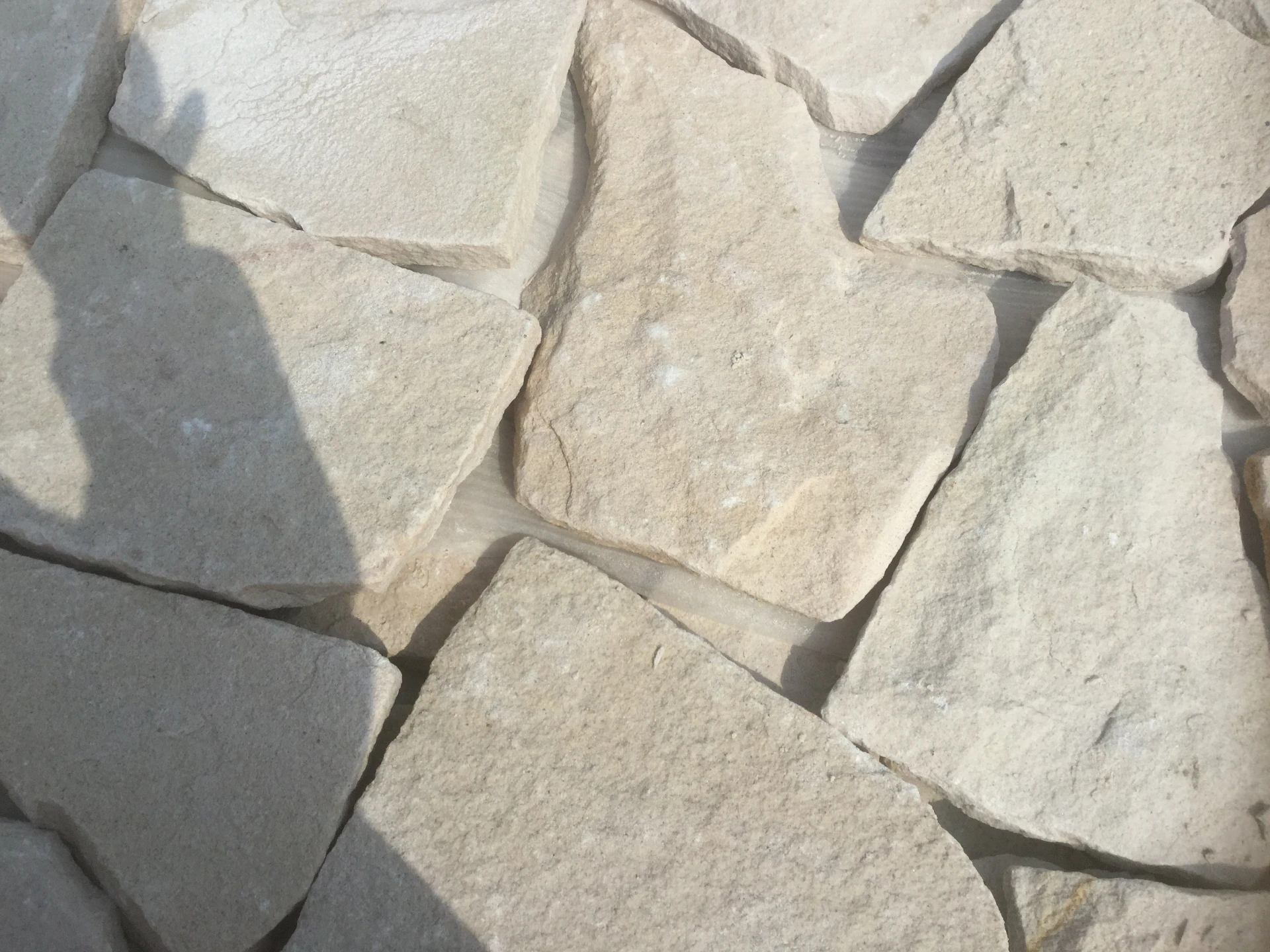
Start by digging a trench about 4 inches deep and at least 2 feet wide. A straightedged spade will give you a nice, even edge. The first course must be very solid and tightly fit because the weight of the wall will rest on it. Take the time to find rocks that lock into place, without leaving gaps. Randomly lay your largest rocks along the front edge of the trench. Set the first stone, shifting it around until it sits securely without being rocked easily, and then fill with the remaining stones. If you are using rectangular stones, you want the height of adjacent stones to be the same, or of a difference that can be made up with a smaller stone. If the rocks are irregular, then the stones will fit together leaving a triangular gap for the next course to fit into. I find irregular rocks easier to work with than flat ones; with flat rocks you have to be more precise. Find a stone that fits well and then continue for a few more feet. A rule of thumb, passed down from my wall-building teacher’s mentor, is to try a stone seven different ways. If it doesn’t fit by the seventh try, use another stone.
Ka mor'a moo, tšela litšila ka mor'a majoe 'me u phunyeletse lefatše ka har'a libaka between, behind, and beneath the stones with top of the sledgehammer. This is an important step because the dirt becomes the mortar for the wall. I also recommend adding rubble (those stones you won’t use on the face of your wall) behind the face course to give greater strength to the wall. Pound the rubble and soil mix until you are satisfied that it is solid. Continue the first course until you reach the end of the wall. When you are done, test
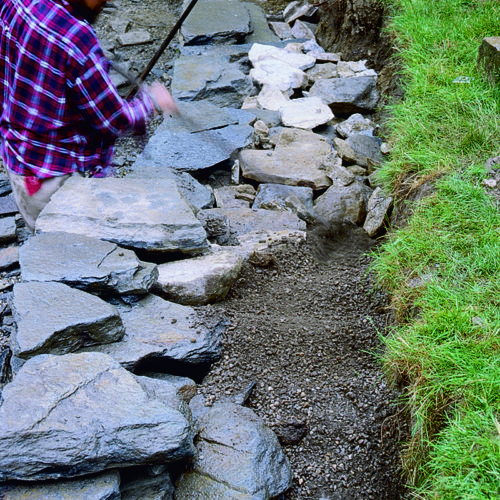
Ho qala thupelo ea bobeli, khetha lejoe le tla koala lenonyeletso la pele la tsela e tlase. Avoid having joints run up the face of the wall, and angle (batter) the courses backward—approximately 1 inch per vertical foot. This creates a stable wall. For added strength, intermittently place single stones that run the full depth of the wall. This will only work with rectangular rocks. For irregular rocks, place a large rock behind a face rock every 3 feet or so. As you set a course, you will come to situations, probably quite a few of them, where the rock placement is perfect on all sides but one. These are the planting opportunities that give life to a stone wall.
Continue building in this manner until you are one course away from the finished height. Fitting stones will get easier as you go, and you’ll likely discover that there’s a certain magic moment when you’re building a wall: you hear a thump that signals you’ve placed a rock perfec
Etsa bophahamo ba sebaka sa lebota la hau
The ideal height for a dry-stacked retaining wall is 18 to 22 inches—so you can sit on it when your gardening chores are done. Even if
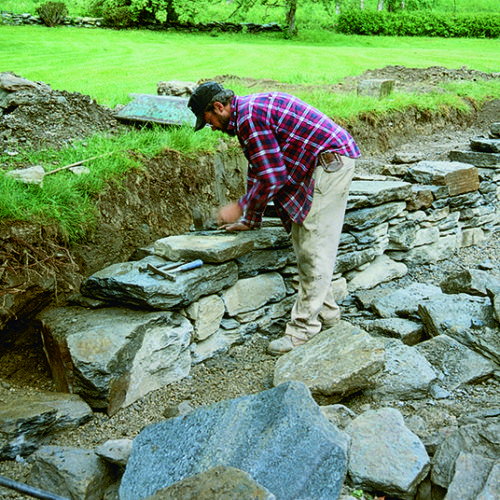
Tlisa mamello e ngata mosebetsing oa ho beha lejoe la sekoahelo; ke sehlohlolo sa bokgoni boo o bo ntlafaditseng ho fihlela mona. E lokela ho ba botebo ba lisenthimithara tse 15 ho isa ho tse 18, e entsoe ka lejoe le le leng ho isa ho a mararo. Sebelisa mobu le sebaka se setle ho sireletsa majoe, 'me joalo ka ha ho na le marako a marako, qoba manonyeletso a malelele a lejoe la sehlooho. Haeba u batla ho lula leboteng, khetha majoe a boreleli, a bataletseng. Kapa, tlatsa likheo ka mobu 'me u leme litlama tse nkhang hamonate bakeng sa li-cushions. Lejoe la sekoahelo le lenngoeng ke mokhoa o monate oa ho qetela leboteng le phelang.
 Moafrika
 Sealbania
 Seamharic
 Searabia
 Searmenia
 Se-Azerbaijani
 Sebasque
 Sebelarusia
 Benghali
  Sebosnia
 Se-Bulgaria
 Secatalan
 Sebuano
 China
China China (Taiwan)
 Corsican
 Secroatia
 Czech
Czech Sedanishe
 Se-Dutch
 Senyesemane
 Esperanto
 Seestonia
 Sefinnishe
 Sefora
 Sefrisia
 Segalician
 Segeorgia
 Sejeremane
 Segerike
 Segujarati
 Secreole sa Haiti
 hausa
hausa siwaiian
 Seheberu
 Che
Che Miao
Miao Se-Hungary
 Seiceland
 igbo
igbo Seindonesia
 irish
irish Setaliana
 Sejapane
 Se-Javanese
 Kannada
 kazakh
 Khmer
Khmer Rwanda
 Sekorea
 Sekurdish
 Sekyrgyz
 Lefuba
 Selatine
 Selatvia
 Selithuania
 Se-Luxembourgish
 Semacedonia
 Malgashi
 Semalay
 Semalayalam
 Semalta
 Semaori
 Marathi
 Mongolian
 Myanmar
 tsa Nepali
 Norwegian
 Norwegian
 Occitan
 Sepashto
 Sepersia
 Sepolishe
 Sepotoketsi
  Sepunjabi
 Seromania
 Serussia
 Sesamoa
 Segaeli sa Scotland
 Seserbia
 Senyesemane
 Seshona
 Sindhi
 Sesinhala
 Seslovak
 Seslovenia
 Somalia
 Sepanish
 Sesundanese
 Seswahili
 Seswedishe
 Setagalog
 Se-Tajik
 Setamil
 Setatare
 Setelugu
 Sethai
 Se-Turkey
 Turkmen
 Seukraine
 Seurdu
 Uighur
 Seuzbek
 Sevietnam
 Welsh
Welsh