

Tuiles rouillées
Vous souhaitez construire votre propre mur de soutènement en pierre, mais vous ne savez pas par où commencer ? Si vous avez une inégale cour, un mur de soutènement en pierre peut aider à prévenir l’érosion et offre un endroit agréable pour planter. Pour apprendre à créer le vôtre, du début à la fin, poursuivez votre lecture.
To figure out how much stone you’ll need, multiply your wall’s height times the depth times the length. If your wall is 2 feet high, 1-1/2 feet wide, and 20 feet long, you’ll need roughly 60 cubic feet of stone. Most stoneyards will deliver the stones for a slight charge; have them placed as close to the site of your retaining wall as possible.
Pour ce qui est de tools, you’ll need a shovel for digging your trench and backfilling, a pioche for attacking the grade, and a small sledgehammer for tamping soil. For marking your site and leveling rocks, you’ll need a line level, a few tall stakes, string, some flour, and a 4- or 8-foot level.
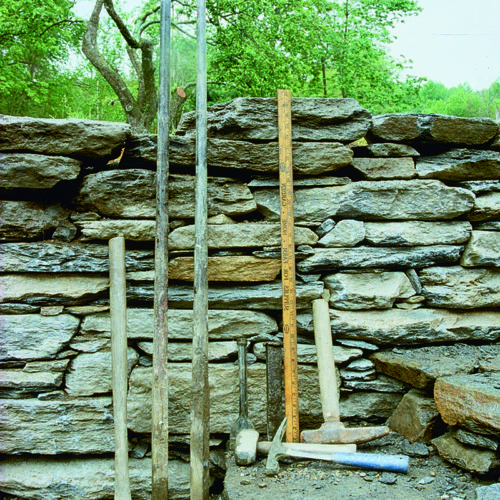
Now you can start digging. The easiest approach is to cut and fill—that is, dig into the slope where the wall will go and spread the earth below you to create a level terrace. When you cut and fill, the wall is backed by undisturbed soil, which is more stable than fill. For design reasons, however, you might choose to build a freestanding wall and fill behind it with soil from another site. Or you might do a partial cut and fill, which is somewhere between the two.
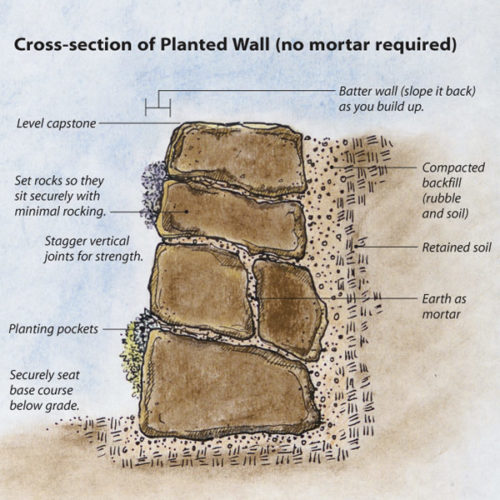
Les murs sont construits en rangées. The base course is structurally the most important, while the final course, the capstone, is the most challenging. For stability, walls should be at least 20 inches wide at the base. They can taper slightly toward the top, but you’ll want a wall that is at least two rocks wide in most places. This can be accomplished by mixing stones of different sizes or by backfilling with a combination of two-thirds rubble to one-third soil.
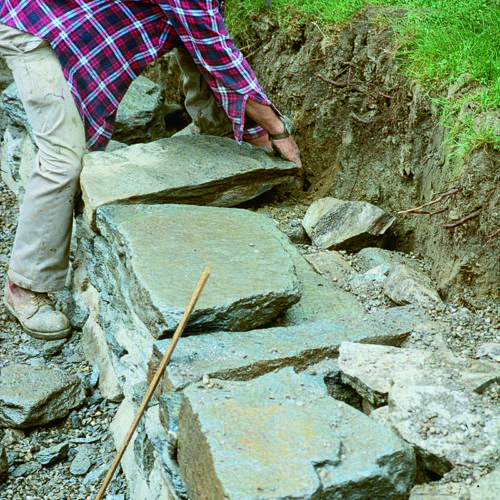
Creusez une tranchée pour la couche de base
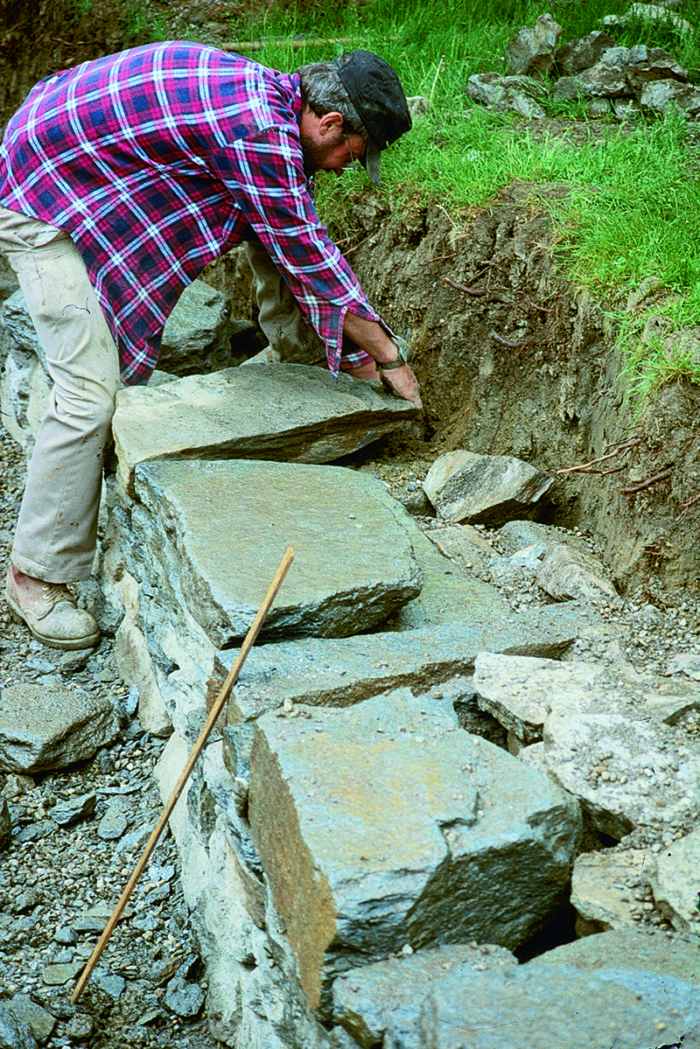
Start by digging a trench about 4 inches deep and at least 2 feet wide. A straightedged spade will give you a nice, even edge. The first course must be very solid and tightly fit because the weight of the wall will rest on it. Take the time to find rocks that lock into place, without leaving gaps. Randomly lay your largest rocks along the front edge of the trench. Set the first stone, shifting it around until it sits securely without being rocked easily, and then fill with the remaining stones. If you are using rectangular stones, you want the height of adjacent stones to be the same, or of a difference that can be made up with a smaller stone. If the rocks are irregular, then the stones will fit together leaving a triangular gap for the next course to fit into. I find irregular rocks easier to work with than flat ones; with flat rocks you have to be more precise. Find a stone that fits well and then continue for a few more feet. A rule of thumb, passed down from my wall-building teacher’s mentor, is to try a stone seven different ways. If it doesn’t fit by the seventh try, use another stone.
Ensuite, pelletez la terre derrière les pierres et tassez la terre dans les espaces. between, behind, and beneath the stones with top of the sledgehammer. This is an important step because the dirt becomes the mortar for the wall. I also recommend adding rubble (those stones you won’t use on the face of your wall) behind the face course to give greater strength to the wall. Pound the rubble and soil mix until you are satisfied that it is solid. Continue the first course until you reach the end of the wall. When you are done, test
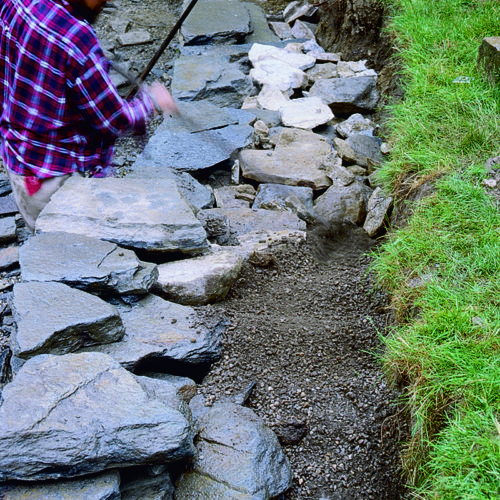
Pour commencer le deuxième rang, choisissez une pierre qui comblera le premier joint du rang inférieur. Avoid having joints run up the face of the wall, and angle (batter) the courses backward—approximately 1 inch per vertical foot. This creates a stable wall. For added strength, intermittently place single stones that run the full depth of the wall. This will only work with rectangular rocks. For irregular rocks, place a large rock behind a face rock every 3 feet or so. As you set a course, you will come to situations, probably quite a few of them, where the rock placement is perfect on all sides but one. These are the planting opportunities that give life to a stone wall.
Continue building in this manner until you are one course away from the finished height. Fitting stones will get easier as you go, and you’ll likely discover that there’s a certain magic moment when you’re building a wall: you hear a thump that signals you’ve placed a rock perfec
Faites la hauteur de votre mur
The ideal height for a dry-stacked retaining wall is 18 to 22 inches—so you can sit on it when your gardening chores are done. Even if
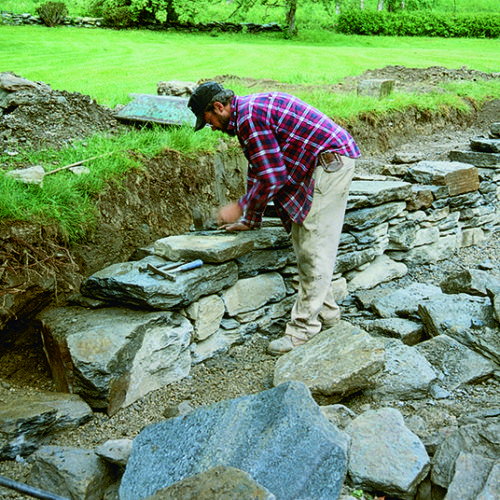
Apportez beaucoup de patience au processus de pose de la pierre de finition ; c’est le point culminant des compétences que vous avez développées jusqu’à présent. Il devrait avoir une profondeur d'environ 15 à 18 pouces et être composé d'une à trois pierres. Utilisez de la terre et un bon placement pour fixer les pierres et, tout comme pour les joints muraux, évitez les longs joints dans la pierre de finition. Si vous souhaitez vous asseoir au mur, choisissez des pierres lisses et plates. Ou remplissez les espaces avec de la terre et plantez des herbes parfumées pour les coussins. Une pierre de couronnement plantée est une délicieuse touche finale à un mur végétal.
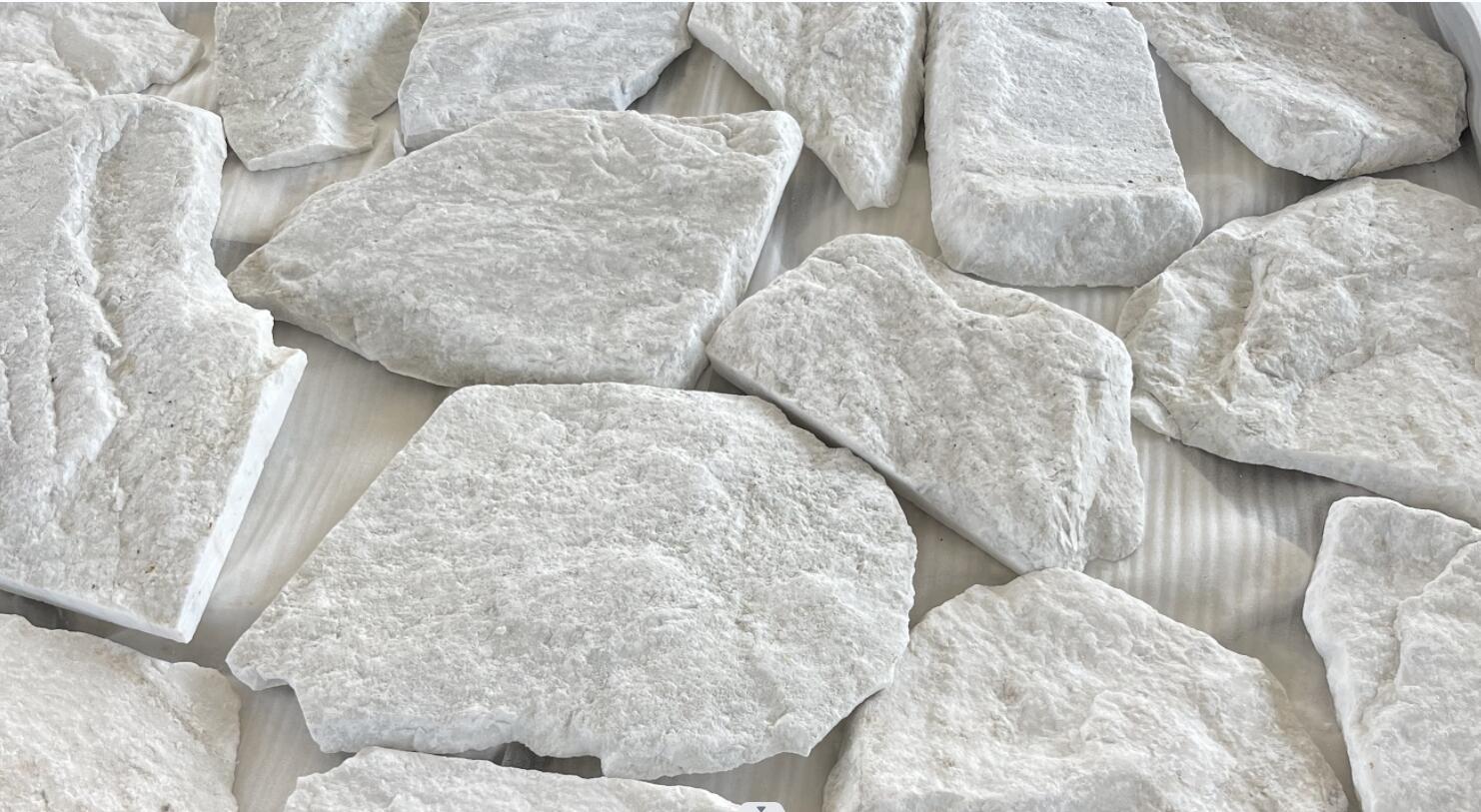
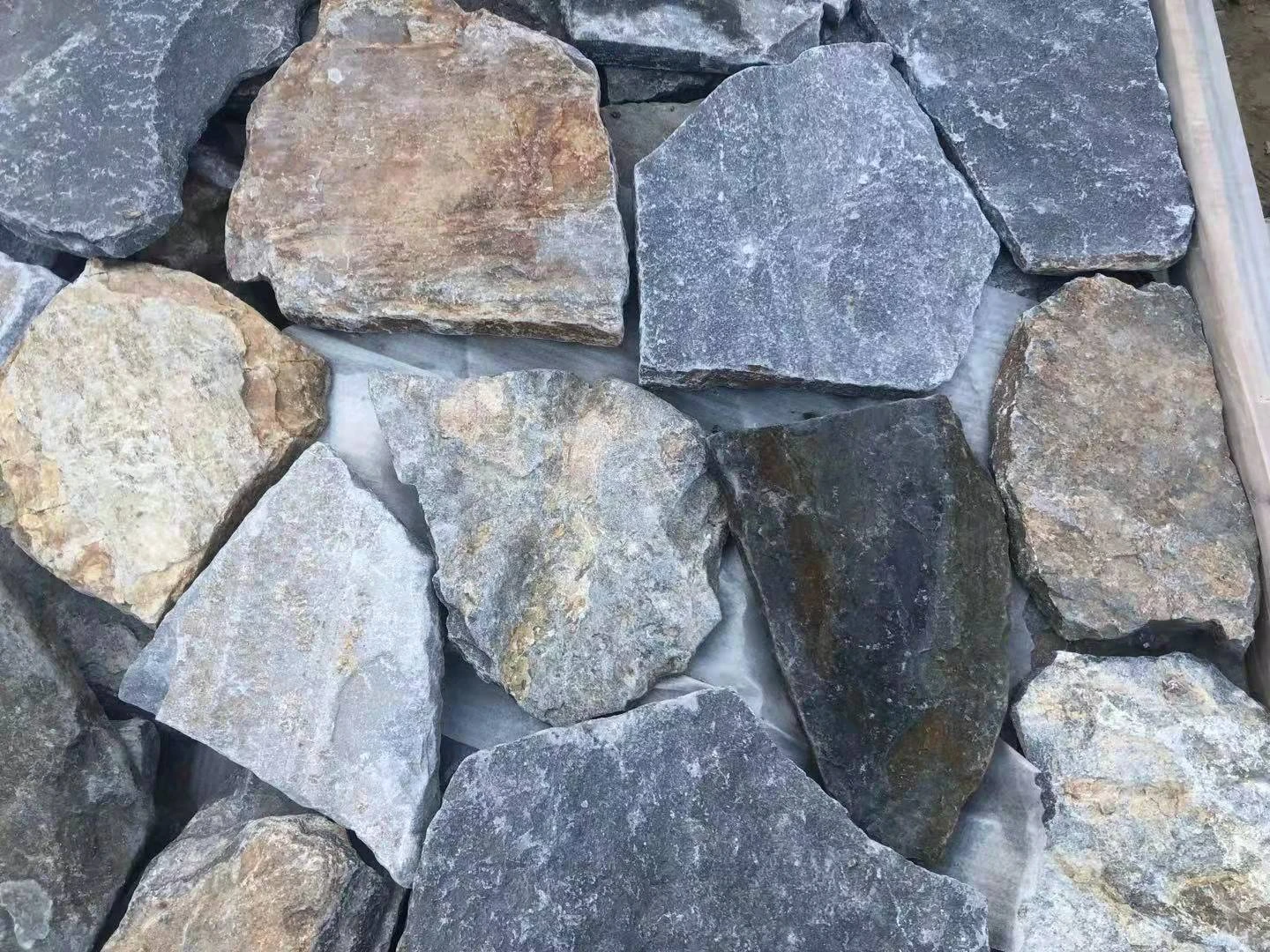
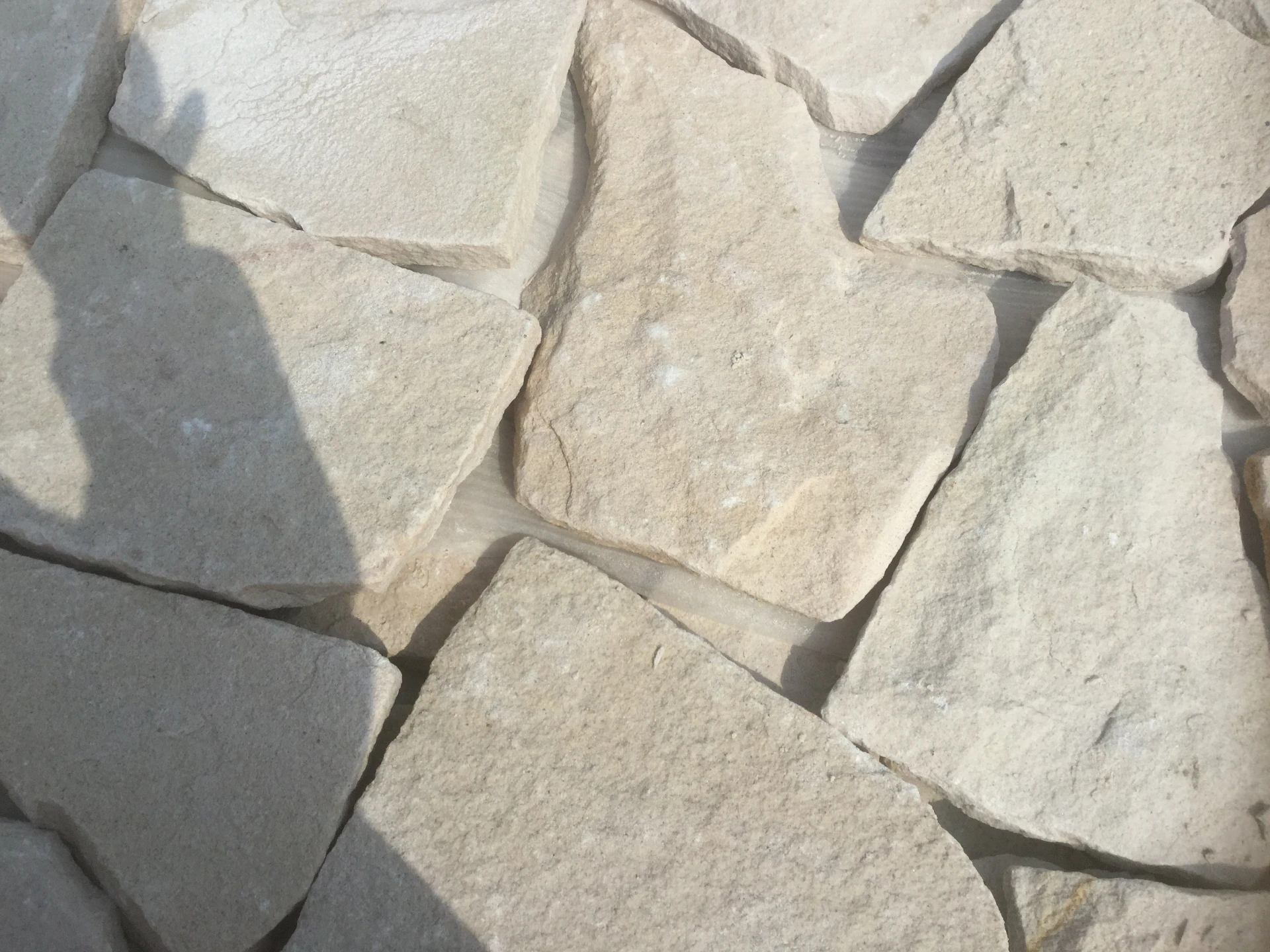
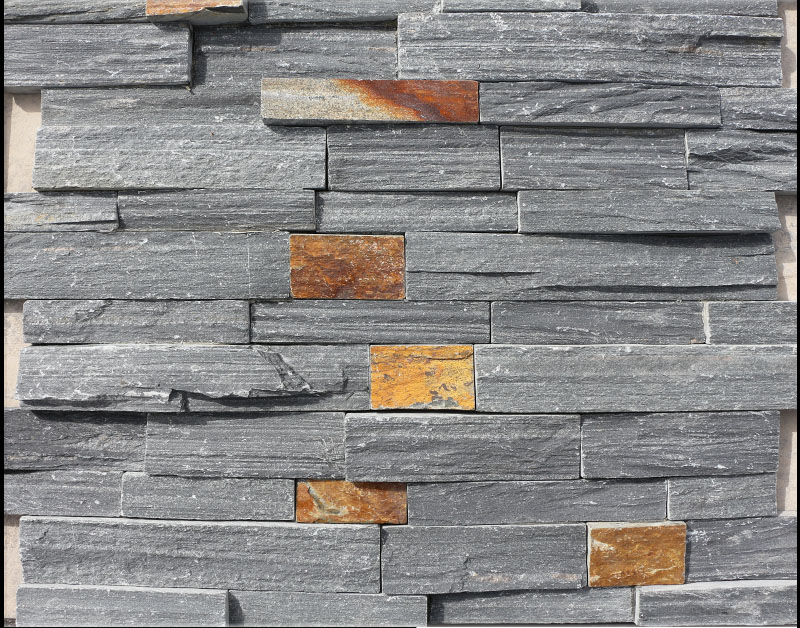
 africain
 albanais
 Amharique
 arabe
arabe arménien
 azerbaïdjanais
 Basque
 biélorusse
 bengali
  bosniaque
 bulgare
 catalan
 Cebuano
 Chine
Chine Chine (Taïwan)
 Corse
Corse croate
 tchèque
 danois
 Néerlandais
 Anglais
 espéranto
 estonien
 finlandais
 Français
 frison
 Galicien
 géorgien
 Allemand
 grec
grec Gujarati
 Créole haïtien
 haoussa
 hawaïen
 hébreu
 Non
Non Miao
Miao hongrois
 islandais
 igbo
igbo indonésien
 irlandais
 italien
 Japonais
 Javanais
 Kannada
 kazakh
 Khmer
Khmer Rwandais
 coréen
 kurde
kurde Kirghize
 tuberculose
 Latin
Latin letton
 lituanien
 luxembourgeois
 Macédonien
 Malgashi
 malais
 Malayalam
 maltais
 Maori
Maori Marathi
 mongol
 Birmanie
 Népalais
 norvégien
 norvégien
 Occitan
 pachtou
 persan
 polonais
 Portugais
  Pendjabi
 roumain
 russe
russe Samoan
 Gaélique écossais
 serbe
serbe Anglais
 Shona
Shona Sindhi
 Cinghalais
 slovaque
 slovène
 somali
 Espagnol
 Soundanais
 Swahili
 suédois
 Tagalog
 tadjik
 Tamil
Tamil tatar
tatar Télougou
 thaïlandais
 turc
turc Turkmènes
 ukrainien
 Ourdou
 Ouïghour
 Ouzbek
 vietnamien
 gallois