

Surūdijusios plytelės
Norite pastatyti savo akmeninę atraminę sieną, bet nežinote, kaip pradėti? Jei turite nelygų kieme, akmeninė atraminė sienelė gali padėti išvengti erozijos ir sudaryti puikią vietą sodinti. Norėdami sužinoti, kaip susikurti savo nuo pradžios iki pabaigos, skaitykite toliau.
To figure out how much stone you’ll need, multiply your wall’s height times the depth times the length. If your wall is 2 feet high, 1-1/2 feet wide, and 20 feet long, you’ll need roughly 60 cubic feet of stone. Most stoneyards will deliver the stones for a slight charge; have them placed as close to the site of your retaining wall as possible.
Kalbant apie tools, you’ll need a shovel for digging your trench and backfilling, a gaubtas for attacking the grade, and a small sledgehammer for tamping soil. For marking your site and leveling rocks, you’ll need a line level, a few tall stakes, string, some flour, and a 4- or 8-foot level.
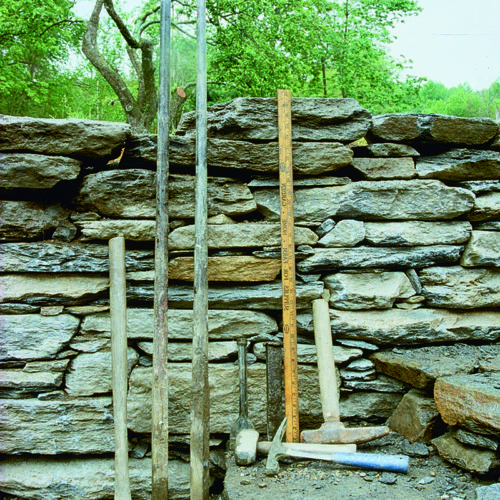
Now you can start digging. The easiest approach is to cut and fill—that is, dig into the slope where the wall will go and spread the earth below you to create a level terrace. When you cut and fill, the wall is backed by undisturbed soil, which is more stable than fill. For design reasons, however, you might choose to build a freestanding wall and fill behind it with soil from another site. Or you might do a partial cut and fill, which is somewhere between the two.
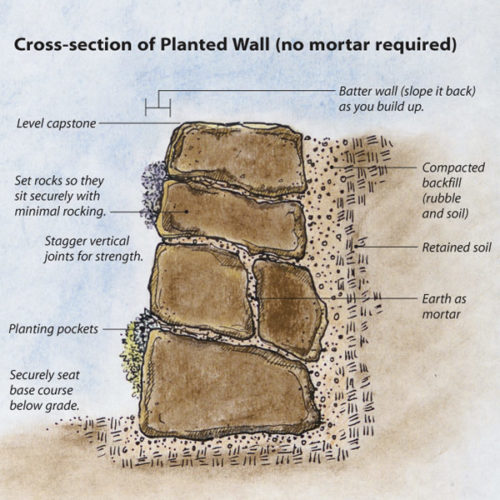
Sienos statomos kursuose. The base course is structurally the most important, while the final course, the capstone, is the most challenging. For stability, walls should be at least 20 inches wide at the base. They can taper slightly toward the top, but you’ll want a wall that is at least two rocks wide in most places. This can be accomplished by mixing stones of different sizes or by backfilling with a combination of two-thirds rubble to one-third soil.
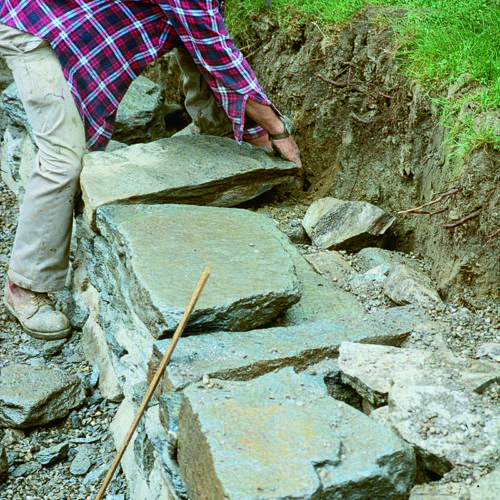
Iškaskite tranšėją pagrindiniam sluoksniui
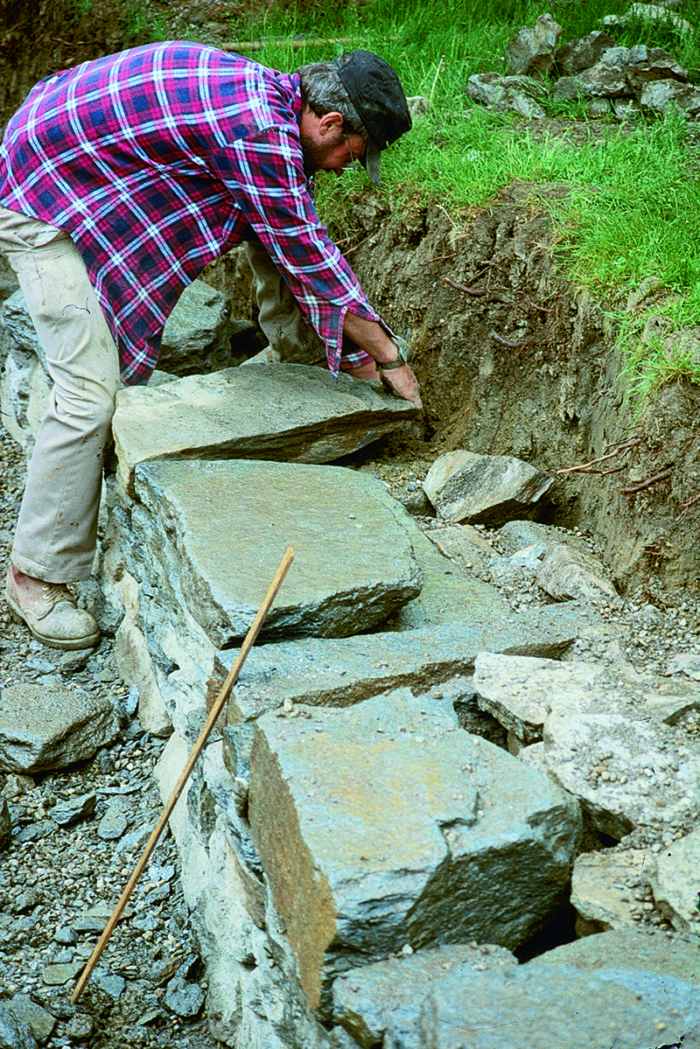
Start by digging a trench about 4 inches deep and at least 2 feet wide. A straightedged spade will give you a nice, even edge. The first course must be very solid and tightly fit because the weight of the wall will rest on it. Take the time to find rocks that lock into place, without leaving gaps. Randomly lay your largest rocks along the front edge of the trench. Set the first stone, shifting it around until it sits securely without being rocked easily, and then fill with the remaining stones. If you are using rectangular stones, you want the height of adjacent stones to be the same, or of a difference that can be made up with a smaller stone. If the rocks are irregular, then the stones will fit together leaving a triangular gap for the next course to fit into. I find irregular rocks easier to work with than flat ones; with flat rocks you have to be more precise. Find a stone that fits well and then continue for a few more feet. A rule of thumb, passed down from my wall-building teacher’s mentor, is to try a stone seven different ways. If it doesn’t fit by the seventh try, use another stone.
Tada už akmenų nukaskite nešvarumus ir sutrinkite žemę į tarpus between, behind, and beneath the stones with top of the sledgehammer. This is an important step because the dirt becomes the mortar for the wall. I also recommend adding rubble (those stones you won’t use on the face of your wall) behind the face course to give greater strength to the wall. Pound the rubble and soil mix until you are satisfied that it is solid. Continue the first course until you reach the end of the wall. When you are done, test
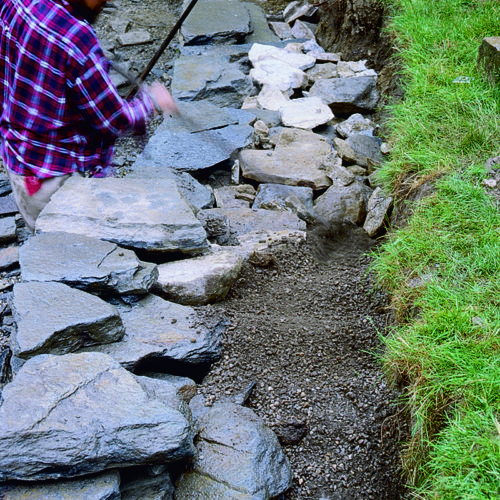
Norėdami pradėti antrąjį sluoksnį, pasirinkite akmenį, kuris sujungs pirmąją apatinio sluoksnio jungtį. Avoid having joints run up the face of the wall, and angle (batter) the courses backward—approximately 1 inch per vertical foot. This creates a stable wall. For added strength, intermittently place single stones that run the full depth of the wall. This will only work with rectangular rocks. For irregular rocks, place a large rock behind a face rock every 3 feet or so. As you set a course, you will come to situations, probably quite a few of them, where the rock placement is perfect on all sides but one. These are the planting opportunities that give life to a stone wall.
Continue building in this manner until you are one course away from the finished height. Fitting stones will get easier as you go, and you’ll likely discover that there’s a certain magic moment when you’re building a wall: you hear a thump that signals you’ve placed a rock perfec
Padarykite savo sienos aukštį
The ideal height for a dry-stacked retaining wall is 18 to 22 inches—so you can sit on it when your gardening chores are done. Even if
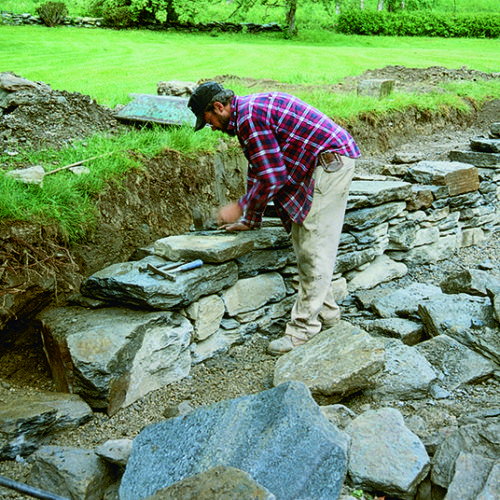
Turėkite daug kantrybės klodami viršutinį akmenį; tai jūsų iki šiol išsiugdytų įgūdžių kulminacija. Jis turėtų būti maždaug 15–18 colių gylio, sudarytas iš vieno ar trijų akmenų. Akmenims pritvirtinti naudokite dirvožemį ir gerą vietą, taip pat, kaip ir sienų sujungimų atveju, venkite ilgų jungčių pagrindiniame akmenyje. Jei norite sėdėti ant sienos, rinkitės lygius, plokščius akmenis. Arba užpildykite tarpus žeme ir pasodinkite kvapiųjų žolelių pagalvėlėms. Pasodintas viršutinis akmuo yra puiki gyvos sienos apdaila.
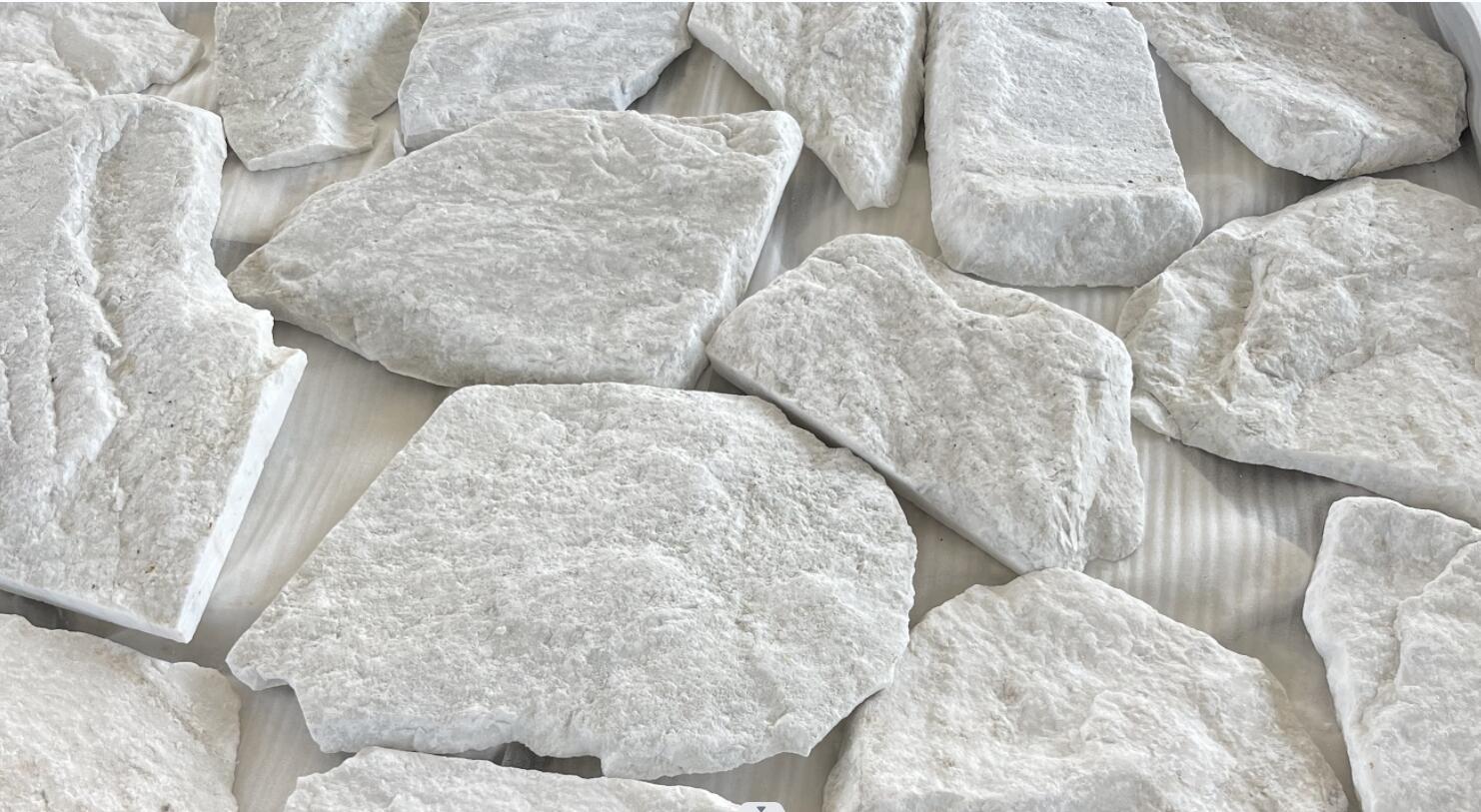
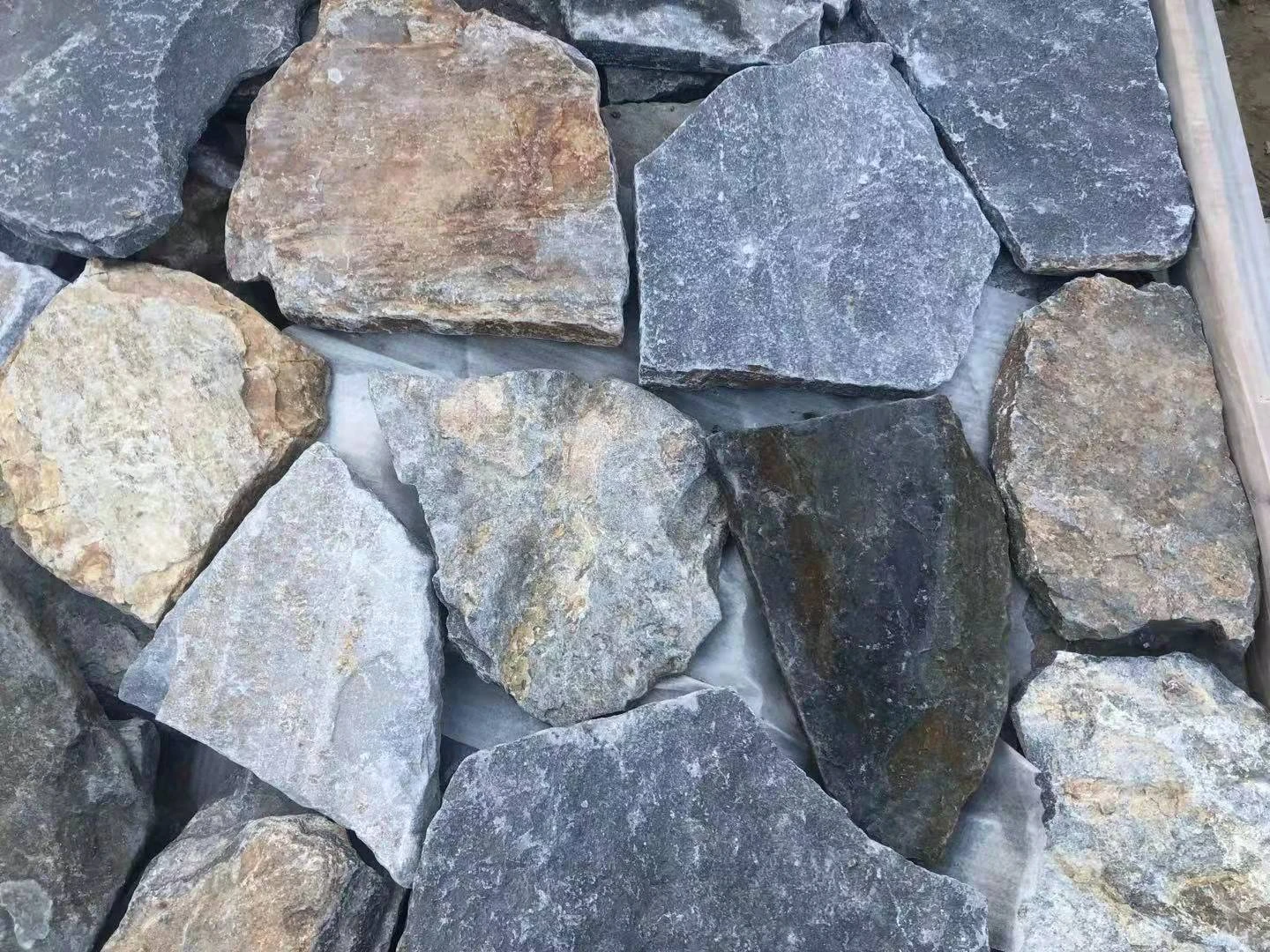
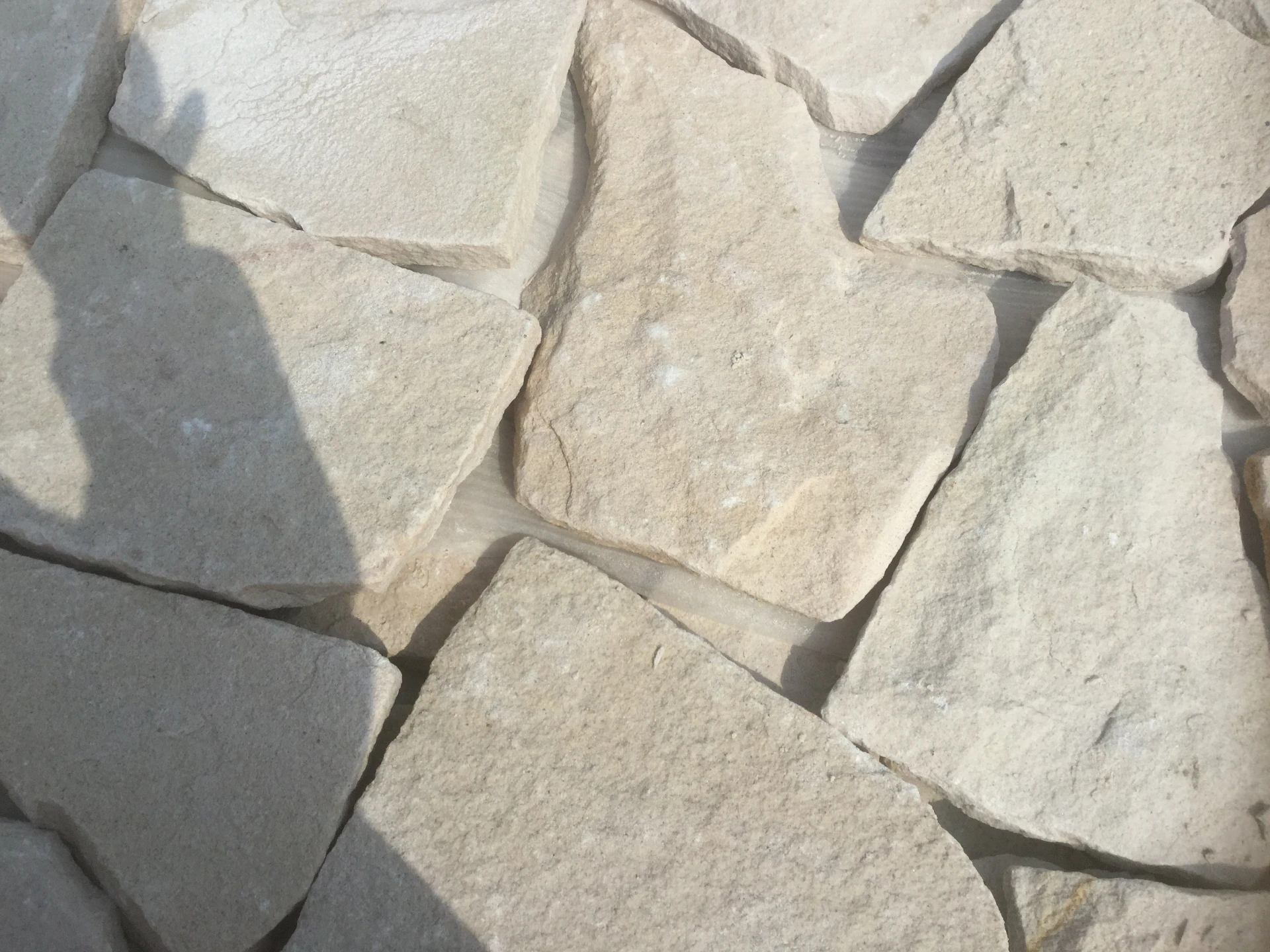
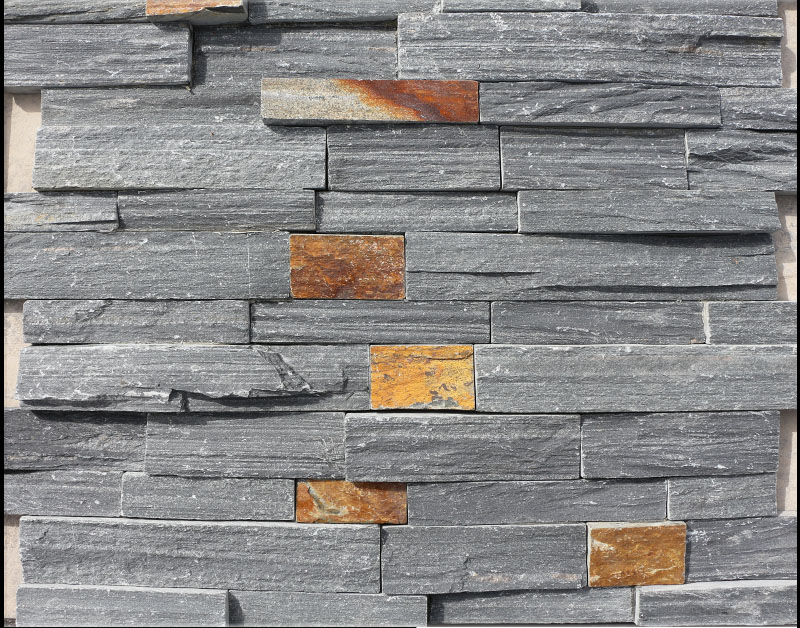
 Afrikos
 albanų
 amharų
 arabiškas
 armėnų
 Azerbaidžaniečių
 baskų
baskų baltarusių
 bengalų
  bosnių
 bulgarų
 katalonų
 Cebuano
 Kinija
 Kinija (Taivanas)
 Korsikos
 kroatų
 čekų
čekų danų
danų olandų
 Anglų
Anglų Esperanto
 Estų
Estų suomių
 Prancūzų kalba
 fryzų
fryzų Galisų
 gruzinų
 vokiečių
 graikų
 gudžaratų
 Haičio kreolų
 hausa
hausa havajietis
 hebrajų
 Ne
Ne Miao
Miao vengrų
 islandų
 igbo
igbo Indoneziečių
 airių
airių italų
italų japonų
 javiečių
 kanada
 kazachų
 khmerų
 Ruandos
 korėjiečių
 kurdų
kurdų Kirgizų
 TB
TB lotynų kalba
 latvių
 lietuvių
 liuksemburgiečių
 Makedonietis
 Malgashi
 malajiečių
 malajalių
 maltiečių
 maorių
 marati
 mongolų
 Mianmaras
 Nepaliečių
 norvegų
 norvegų
 oksitanų
 puštūnų
 persų
persų lenkas
 portugalų
  Pandžabų
 rumunų
 rusų
rusų samoiečių
 škotų gėlų
 serbų
serbų Anglų
Anglų Šona
Šona Sindų
Sindų Sinhala
 slovakų
 slovėnų
 Somalis
 ispanų
 Sundanai
 suahilių
 Švedijos
 tagalogų
 tadžikų
 tamilų
 totorių
 telugų
 tajų
tajų turkų
turkų turkmėnų
 ukrainiečių
 urdu
urdu Uigūras
 uzbekas
 vietnamiečių
 valų
valų