

ჟანგიანი ფილები
გსურთ ააშენოთ საკუთარი ქვის საყრდენი კედელი, მაგრამ არ იცით როგორ დაიწყოთ? თუ თქვენ გაქვთ არათანაბარი ეზოში, ქვის საყრდენი კედელი ხელს უწყობს ეროზიის თავიდან აცილებას და უზრუნველყოფს სასიამოვნო ადგილს დარგვისთვის. იმის გასაგებად, თუ როგორ უნდა მოაწყოთ საკუთარი თავი, თავიდან ბოლომდე წაიკითხეთ.
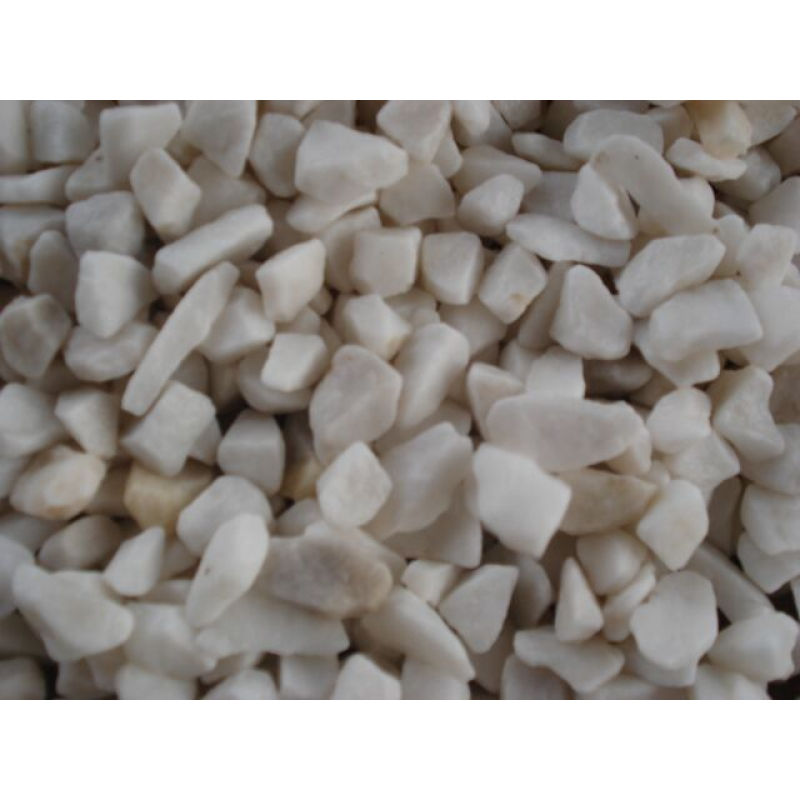
To figure out how much stone you’ll need, multiply your wall’s height times the depth times the length. If your wall is 2 feet high, 1-1/2 feet wide, and 20 feet long, you’ll need roughly 60 cubic feet of stone. Most stoneyards will deliver the stones for a slight charge; have them placed as close to the site of your retaining wall as possible.
რაც შეეხება tools, you’ll need a shovel for digging your trench and backfilling, a გლუვი for attacking the grade, and a small sledgehammer for tamping soil. For marking your site and leveling rocks, you’ll need a line level, a few tall stakes, string, some flour, and a 4- or 8-foot level.
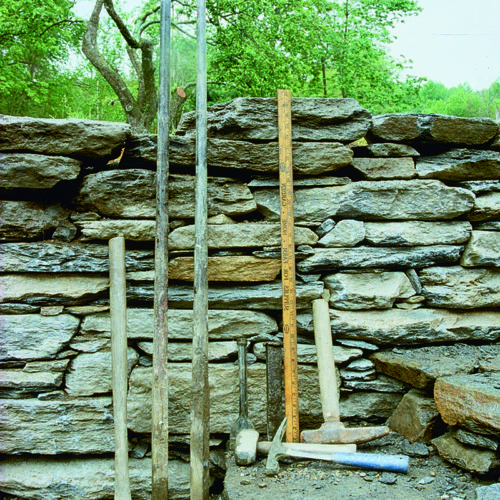
Now you can start digging. The easiest approach is to cut and fill—that is, dig into the slope where the wall will go and spread the earth below you to create a level terrace. When you cut and fill, the wall is backed by undisturbed soil, which is more stable than fill. For design reasons, however, you might choose to build a freestanding wall and fill behind it with soil from another site. Or you might do a partial cut and fill, which is somewhere between the two.
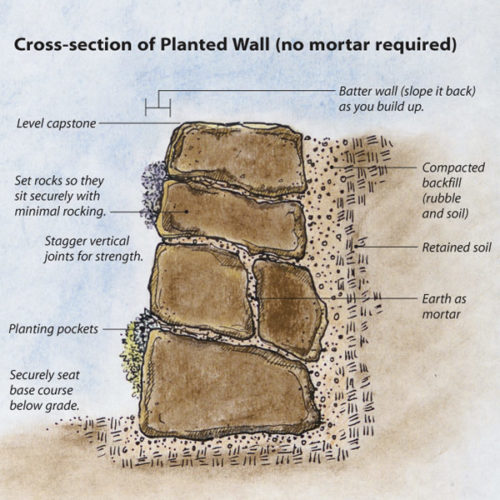
კედლები აგებულია კურსებში. The base course is structurally the most important, while the final course, the capstone, is the most challenging. For stability, walls should be at least 20 inches wide at the base. They can taper slightly toward the top, but you’ll want a wall that is at least two rocks wide in most places. This can be accomplished by mixing stones of different sizes or by backfilling with a combination of two-thirds rubble to one-third soil.
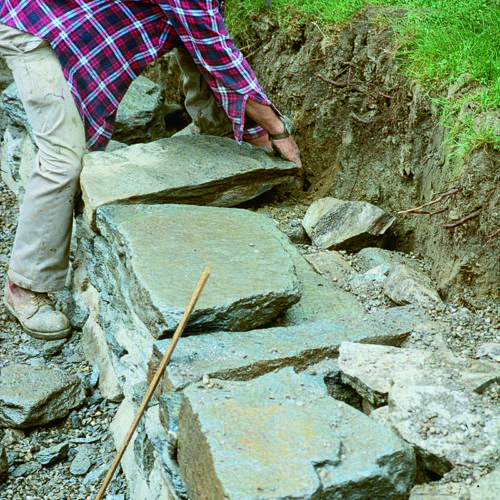
საბაზისო კურსისთვის თხრილის გათხრა
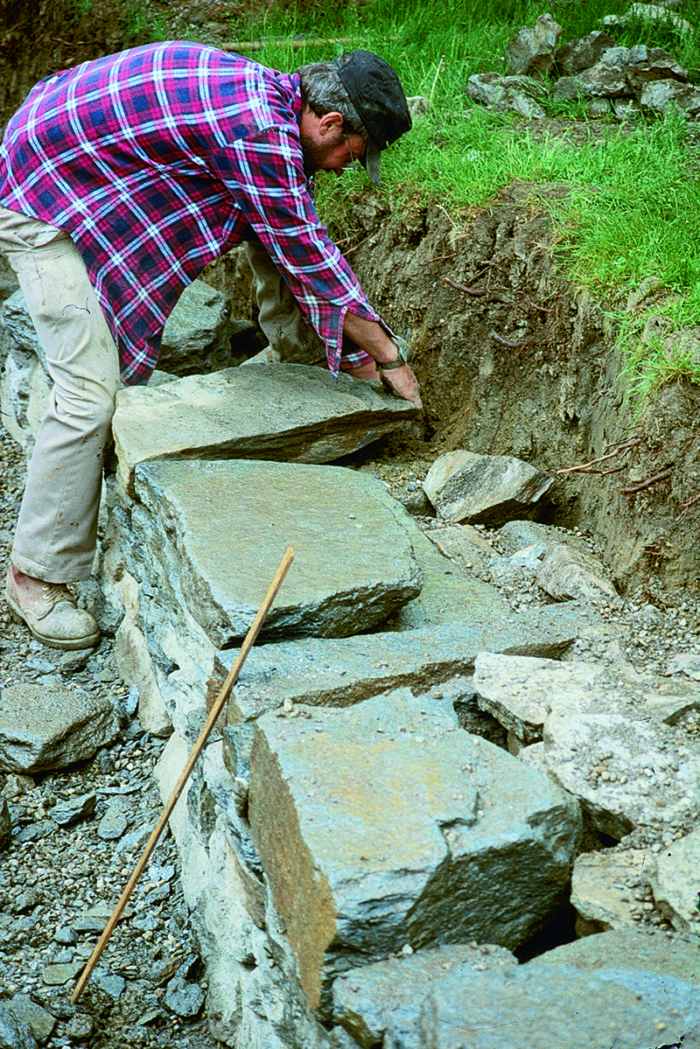
Start by digging a trench about 4 inches deep and at least 2 feet wide. A straightedged spade will give you a nice, even edge. The first course must be very solid and tightly fit because the weight of the wall will rest on it. Take the time to find rocks that lock into place, without leaving gaps. Randomly lay your largest rocks along the front edge of the trench. Set the first stone, shifting it around until it sits securely without being rocked easily, and then fill with the remaining stones. If you are using rectangular stones, you want the height of adjacent stones to be the same, or of a difference that can be made up with a smaller stone. If the rocks are irregular, then the stones will fit together leaving a triangular gap for the next course to fit into. I find irregular rocks easier to work with than flat ones; with flat rocks you have to be more precise. Find a stone that fits well and then continue for a few more feet. A rule of thumb, passed down from my wall-building teacher’s mentor, is to try a stone seven different ways. If it doesn’t fit by the seventh try, use another stone.
შემდეგი, ნიჩბით ამოიღეთ ჭუჭყიანი ქვების უკან და ჩაყარეთ დედამიწა სივრცეებში between, behind, and beneath the stones with top of the sledgehammer. This is an important step because the dirt becomes the mortar for the wall. I also recommend adding rubble (those stones you won’t use on the face of your wall) behind the face course to give greater strength to the wall. Pound the rubble and soil mix until you are satisfied that it is solid. Continue the first course until you reach the end of the wall. When you are done, test
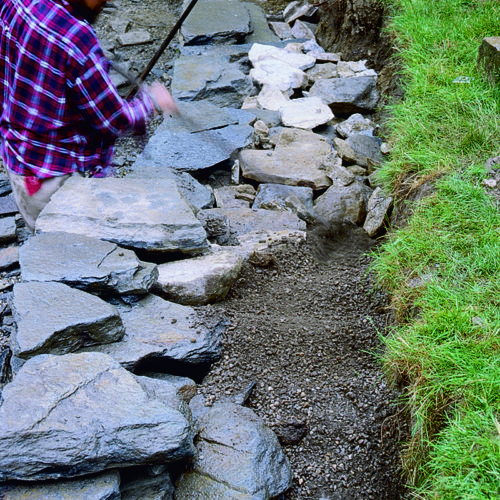
მეორე კურსის დასაწყებად შეარჩიეთ ქვა, რომელიც ხიდის ქვედა კურსის პირველ სახსარს მოაქცევს. Avoid having joints run up the face of the wall, and angle (batter) the courses backward—approximately 1 inch per vertical foot. This creates a stable wall. For added strength, intermittently place single stones that run the full depth of the wall. This will only work with rectangular rocks. For irregular rocks, place a large rock behind a face rock every 3 feet or so. As you set a course, you will come to situations, probably quite a few of them, where the rock placement is perfect on all sides but one. These are the planting opportunities that give life to a stone wall.
Continue building in this manner until you are one course away from the finished height. Fitting stones will get easier as you go, and you’ll likely discover that there’s a certain magic moment when you’re building a wall: you hear a thump that signals you’ve placed a rock perfec
გააკეთეთ თქვენი კედელი სიმაღლე
The ideal height for a dry-stacked retaining wall is 18 to 22 inches—so you can sit on it when your gardening chores are done. Even if
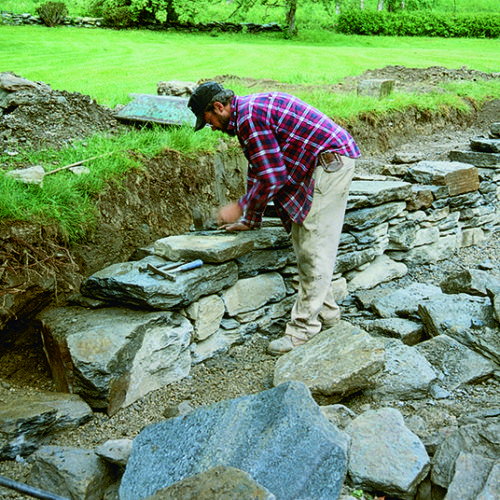
მოიტანეთ დიდი მოთმინება ქვის ქვის დაგების პროცესში; ეს არის კულმინაცია იმ უნარების, რაც თქვენ ამ ეტაპზე განავითარეთ. ის უნდა იყოს დაახლოებით 15-დან 18 ინჩამდე სიღრმე, რომელიც შედგება ერთიდან სამ ქვისგან. გამოიყენეთ ნიადაგი და კარგი განლაგება ქვების დასამაგრებლად და ისევე, როგორც კედლის სახსრის შემთხვევაში, თავიდან აიცილეთ გრძელი სახსრები კაფსტონში. თუ გსურთ კედელზე ჯდომა, აირჩიეთ გლუვი, ბრტყელი ქვები. ან, შეავსეთ ხარვეზები მიწით და დარგეთ სურნელოვანი მწვანილი ბალიშებისთვის. დარგული ქვის ქვა არის ცოცხალი კედლის სასიამოვნო დასრულების შეხება.
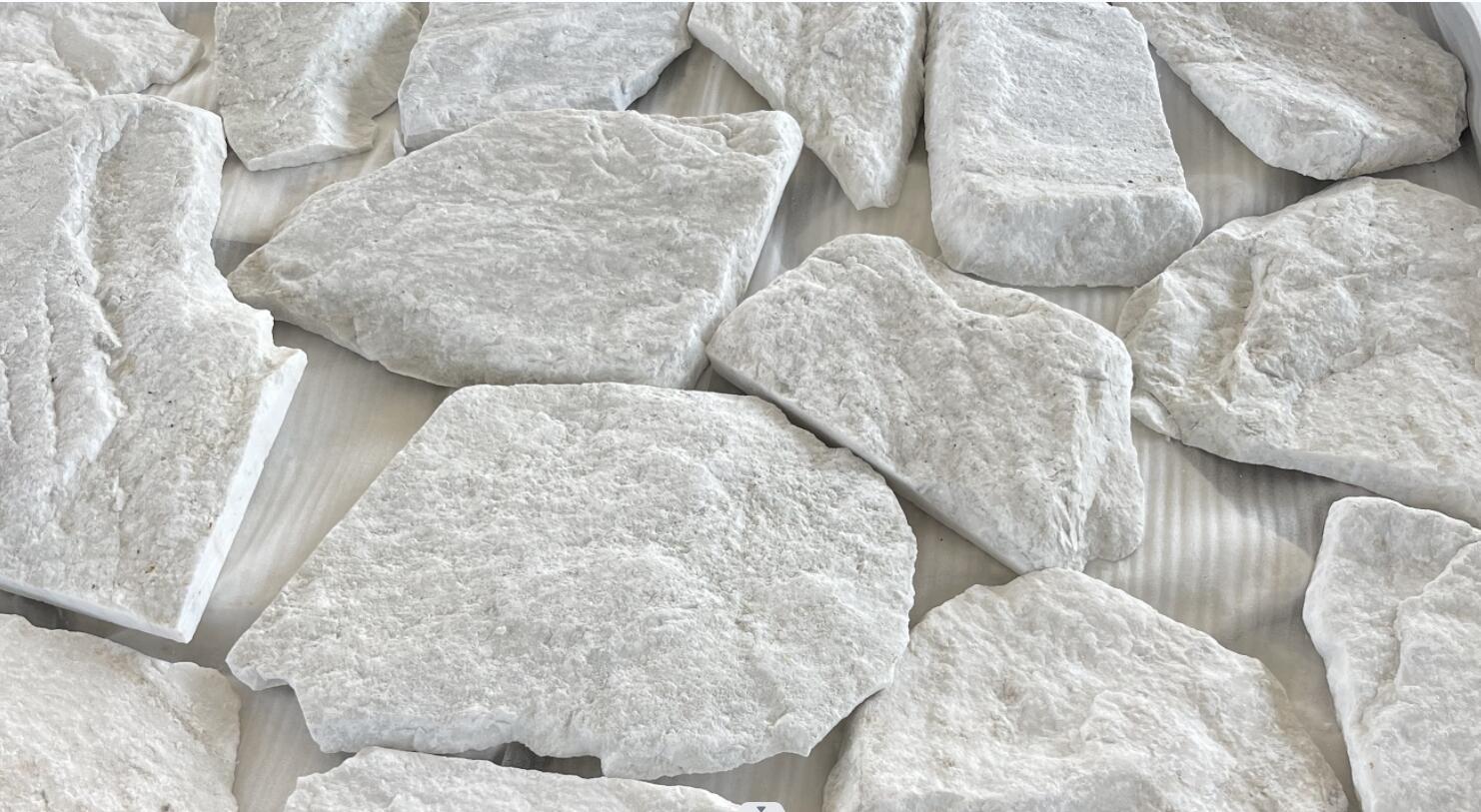
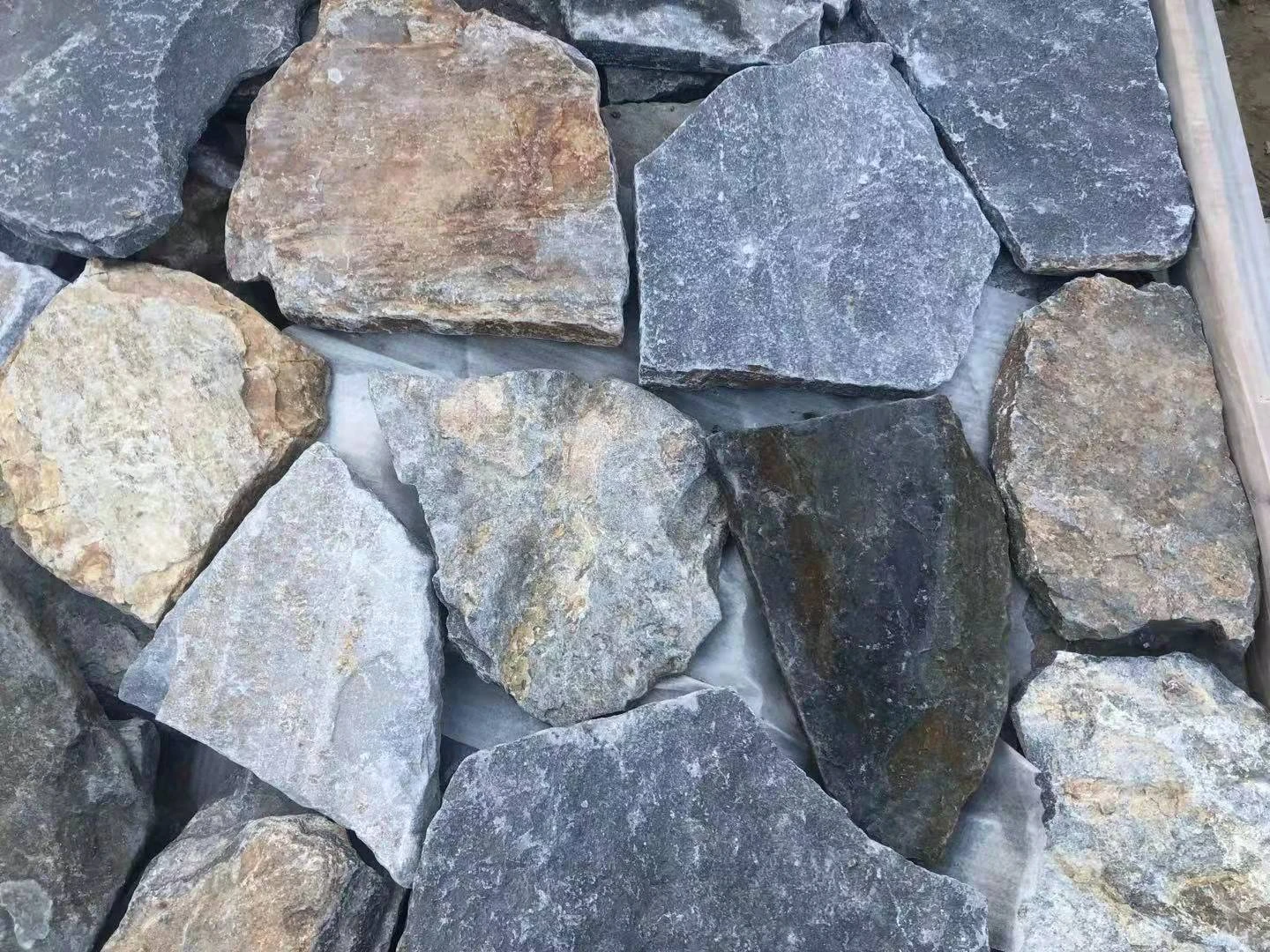
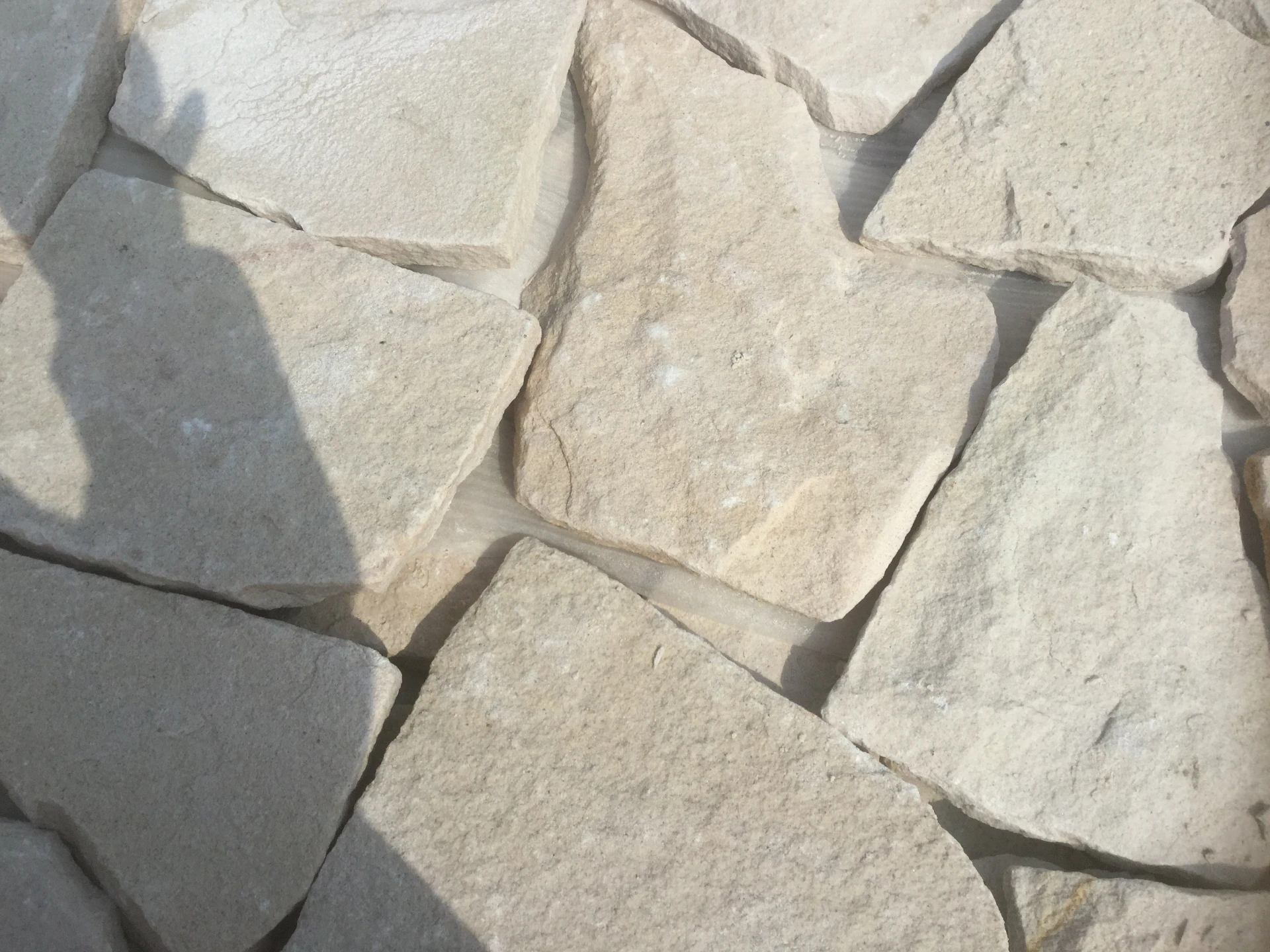
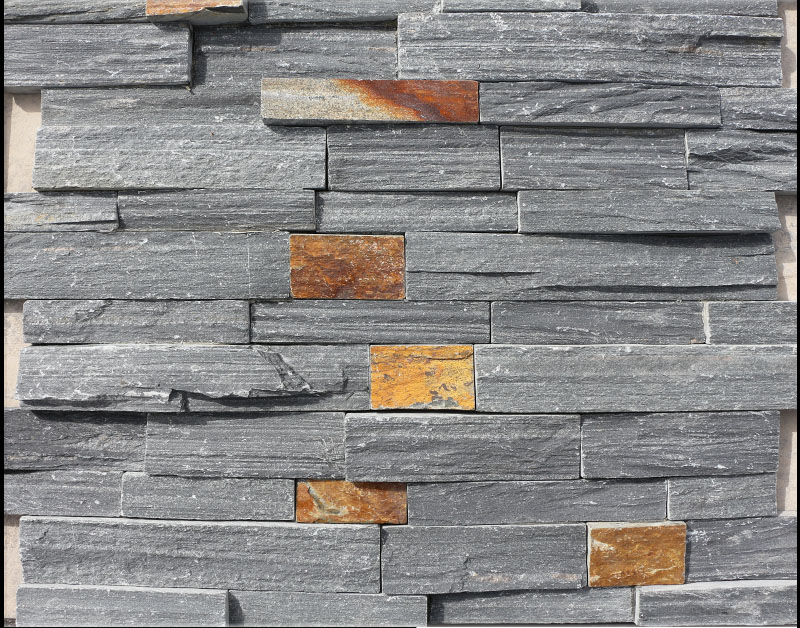
 აფრიკელი
 ალბანური
 ამჰარული
 არაბული
 სომხური
 აზერბაიჯანული
 ბასკური
 ბელორუსული
 ბენგალური
  ბოსნიელი
 ბულგარული
 კატალონიური
 სებუანო
 ჩინეთი
 ჩინეთი (ტაივანი)
 კორსიკული
 ხორვატული
 ჩეხური
 დანიური
 ჰოლანდიური
 ინგლისური
 ესპერანტო
 ესტონური
 ფინური
 ფრანგული
 ფრიზიული
 გალისიური
 ქართული
 გერმანული
 ბერძენი
 გუჯარათი
 ჰაიტური კრეოლური
 ჰაუსა
ჰაუსა ჰავაიელი
 ებრაული
 არა
არა მიაო
მიაო უნგრული
 ისლანდიური
 იგბო
იგბო ინდონეზიური
 ირლანდიური
 იტალიური
 იაპონელი
 იავური
 კანადა
 ყაზახური
 ქმერული
 რუანდა
 კორეული
 ქურთული
 ყირგიზული
 ტუბერკულოზი
 ლათინური
 ლატვიური
 ლიტვური
 ლუქსემბურგული
 მაკედონელი
 მალღაში
 მალაიზია
 მალაიალამური
 მალტური
 მაორი
მაორი მარათჰი
 მონღოლური
 მიანმარი
 ნეპალური
 ნორვეგიული
 ნორვეგიული
 ოქსიტანური
 პუშტუ
პუშტუ სპარსული
 პოლონური
 პორტუგალიური
  პენჯაბური
 რუმინული
 რუსული
 სამოა
სამოა შოტლანდიური გალური
 სერბული
 ინგლისური
 შონა
შონა სინდი
სინდი სინჰალური
 სლოვაკური
 სლოვენური
 სომალიური
 ესპანური
 სუნდური
 სუაჰილი
 შვედური
 ტაგალო
 ტაჯიკური
 ტამილური
 თათრული
 ტელუგუ
 ტაილანდური
 თურქული
 თურქმენი
 უკრაინული
 ურდუ
ურდუ უიღური
 უზბეკური
 ვიეტნამური
 უელსური